I love returning to Europe. It’s like coming home. We always try to change up our locations but the countries usually stay the same. This time is France, in particular the Loire Valley, French/Italian Riviera, Northern Italy, Dolomite Mountains, Austria, Germany and Belgium.
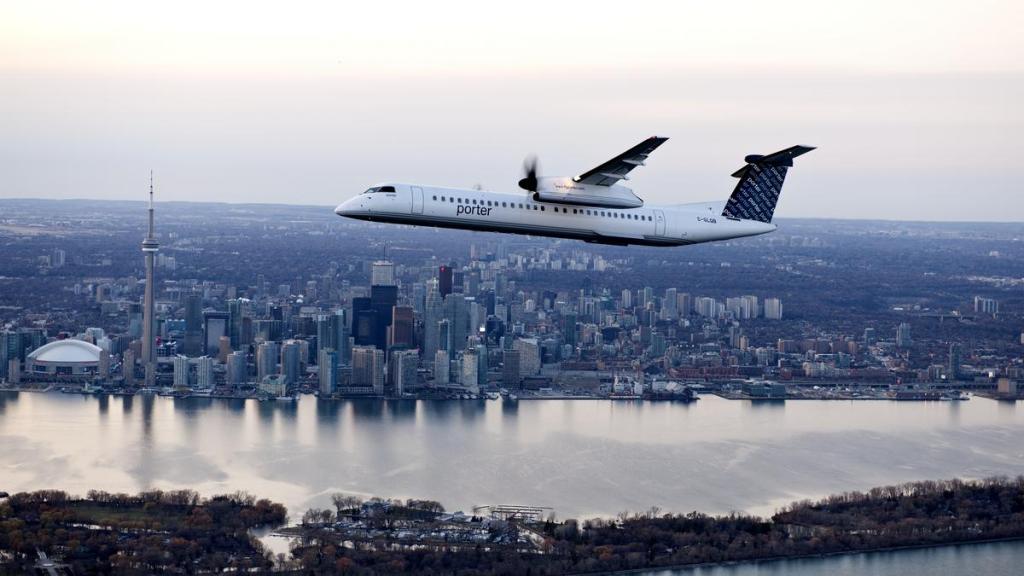
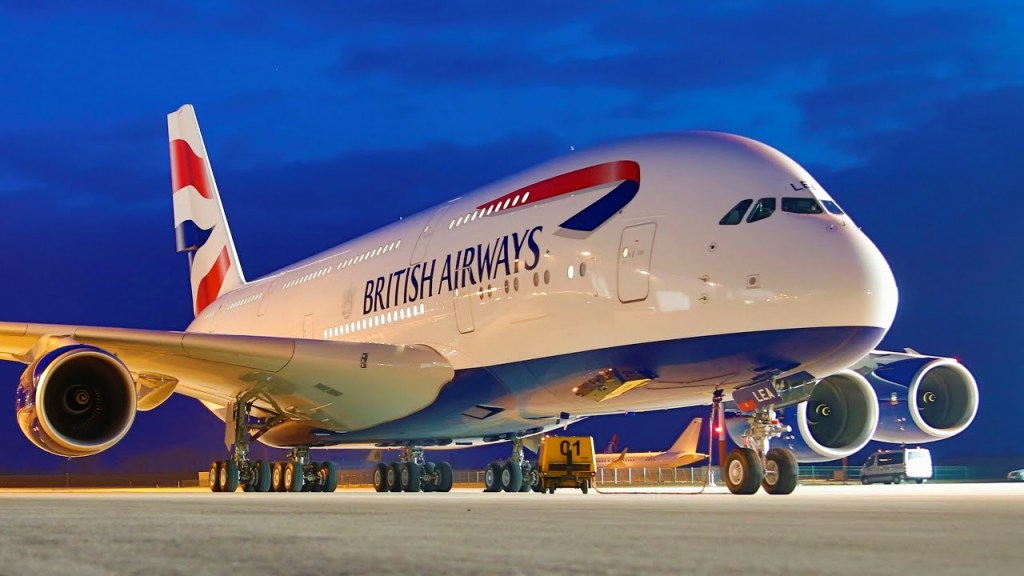
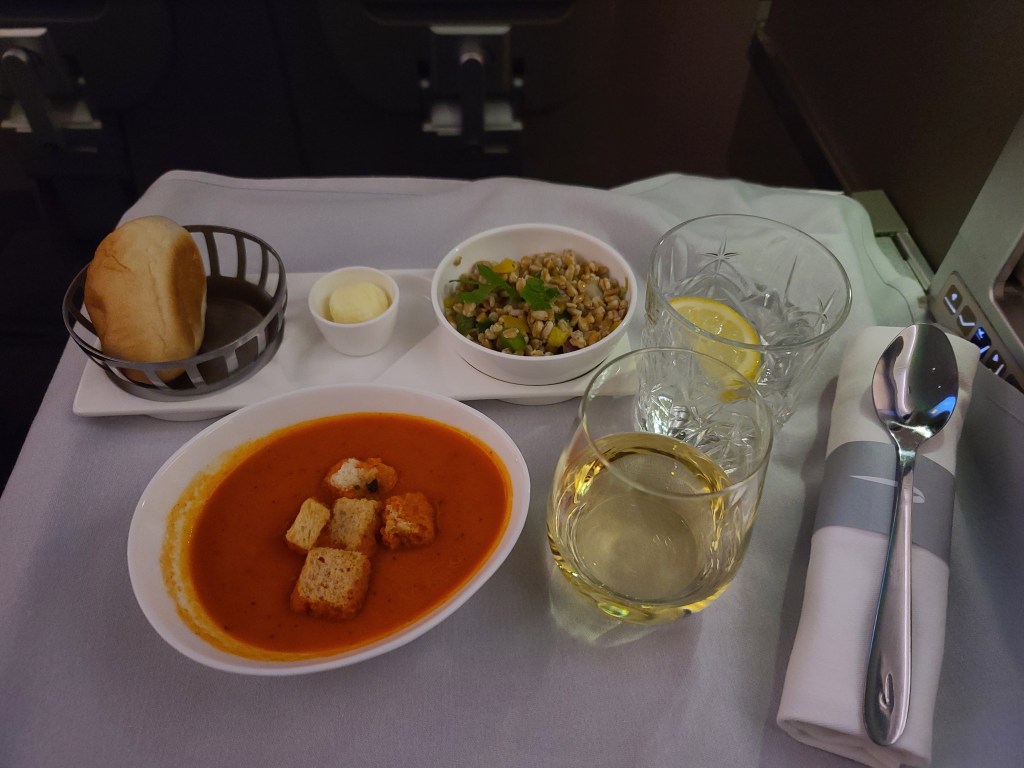
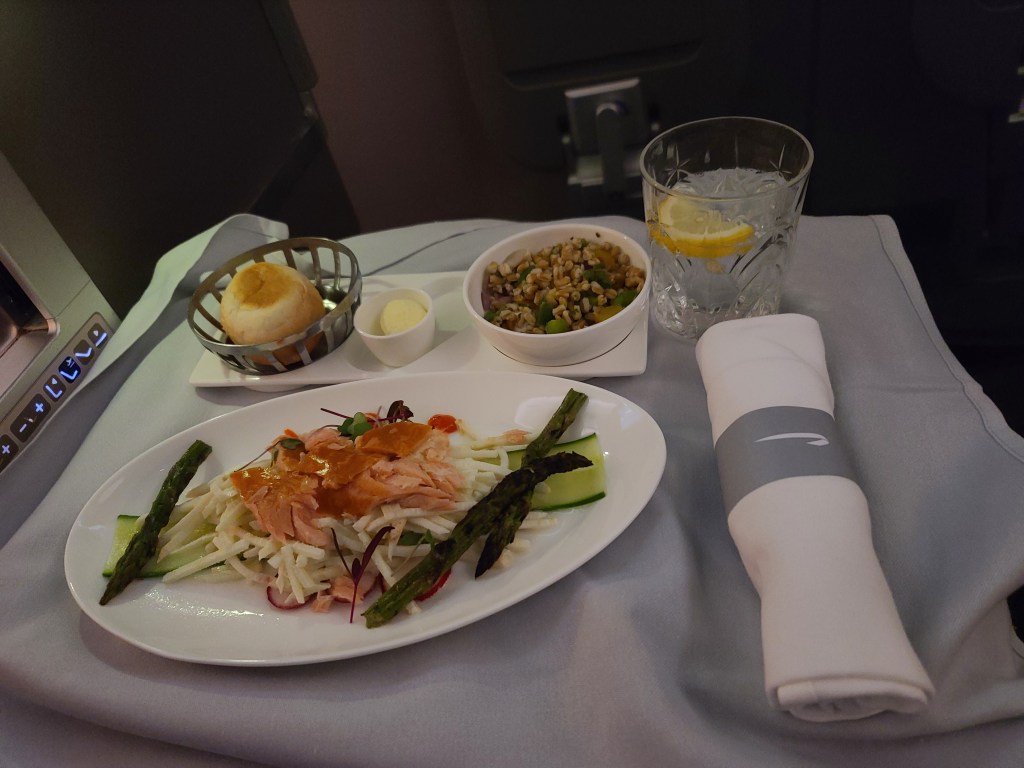
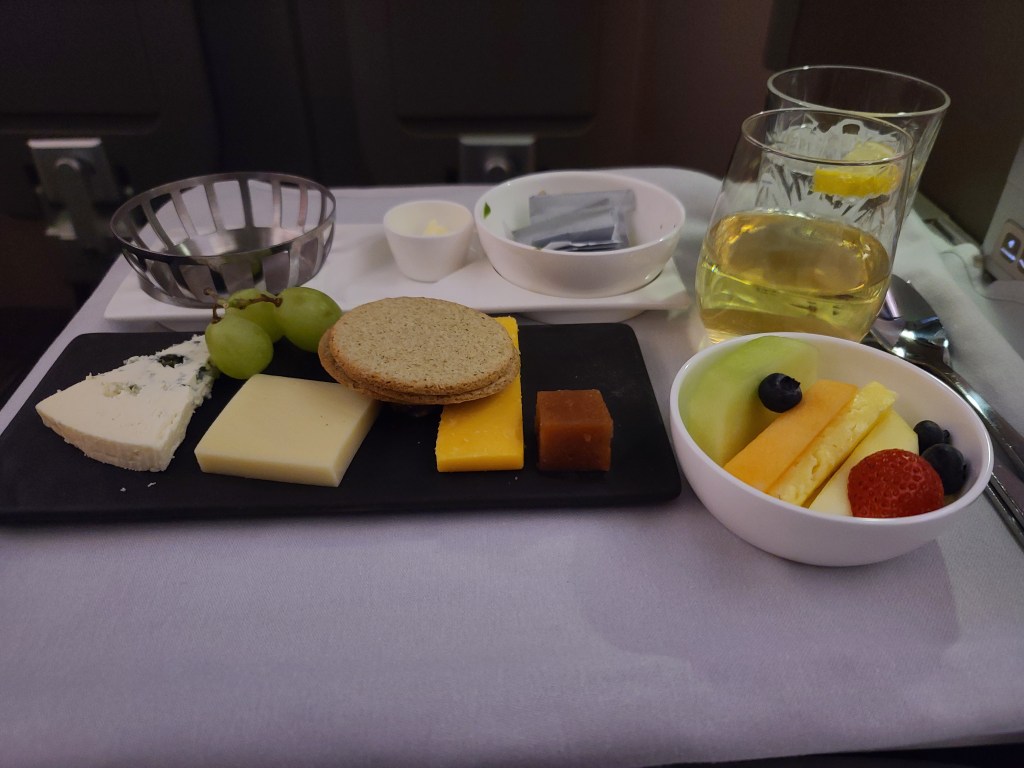
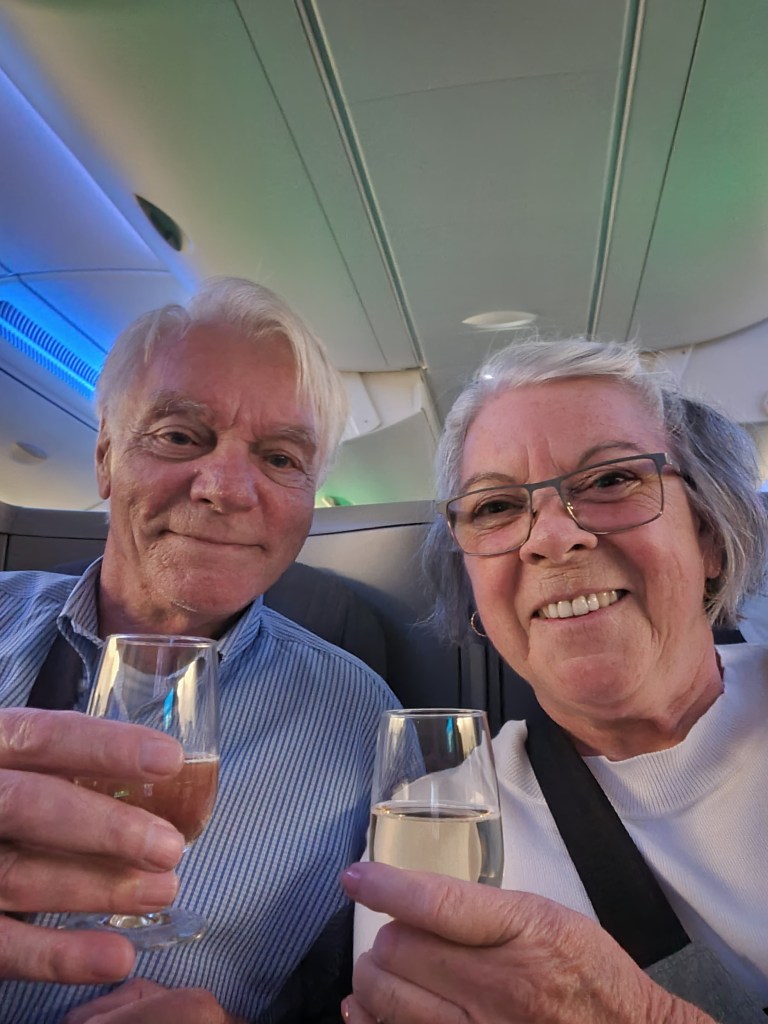
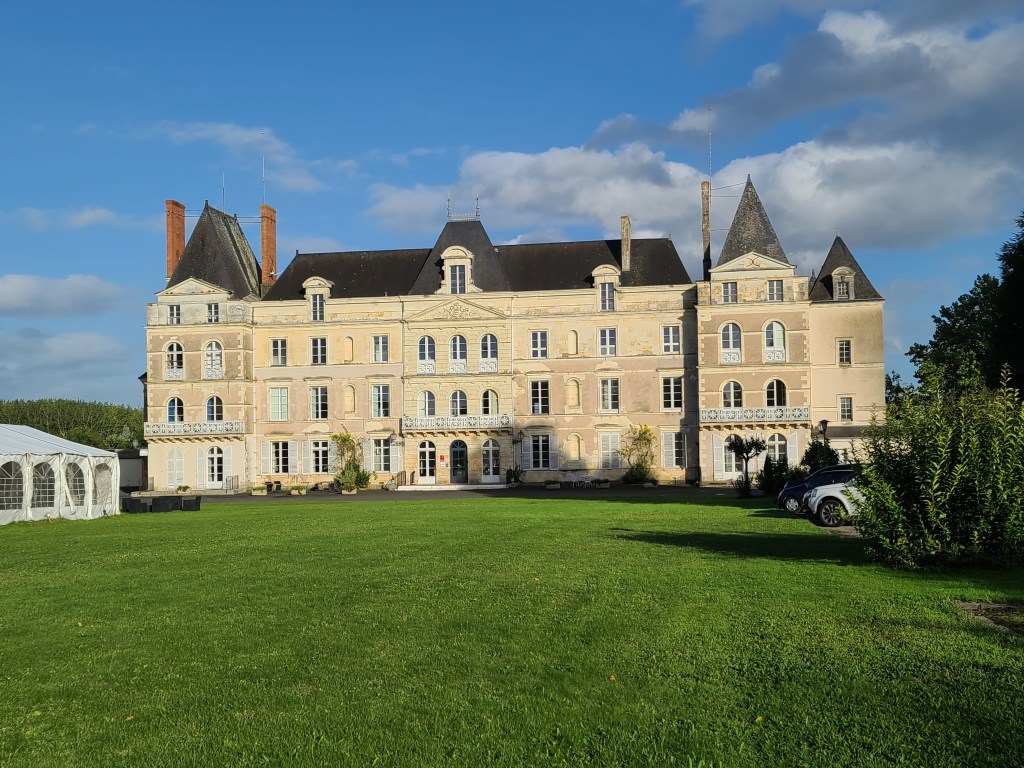
We departed Toronto Island Airport for to Boston using Porter Airlnes on the Dash 8. In Boston we flew British Airways business class to London England on the Airbus 380. It’s a double decker aircraft carrying over 400 passengers, then connected onto BA to Paris France. Picked up the car and headed to Chateau de Briancon in the Loire Valley. We were here last year and returned again as it is centrally located and a great base for 3 days of exploring the area.
Today we struck out for Angers (pronounced Anjair) and went Château hunting. There are over 100 chateaus in the immediate vicinity.
Later, headed to our hidden gem, a little Brocante in the Loire Valley. Picked up a handful of antique linens for €5.00. Will have fun redesigning them into some reinvented item. He didn’t charge me for several pieces.
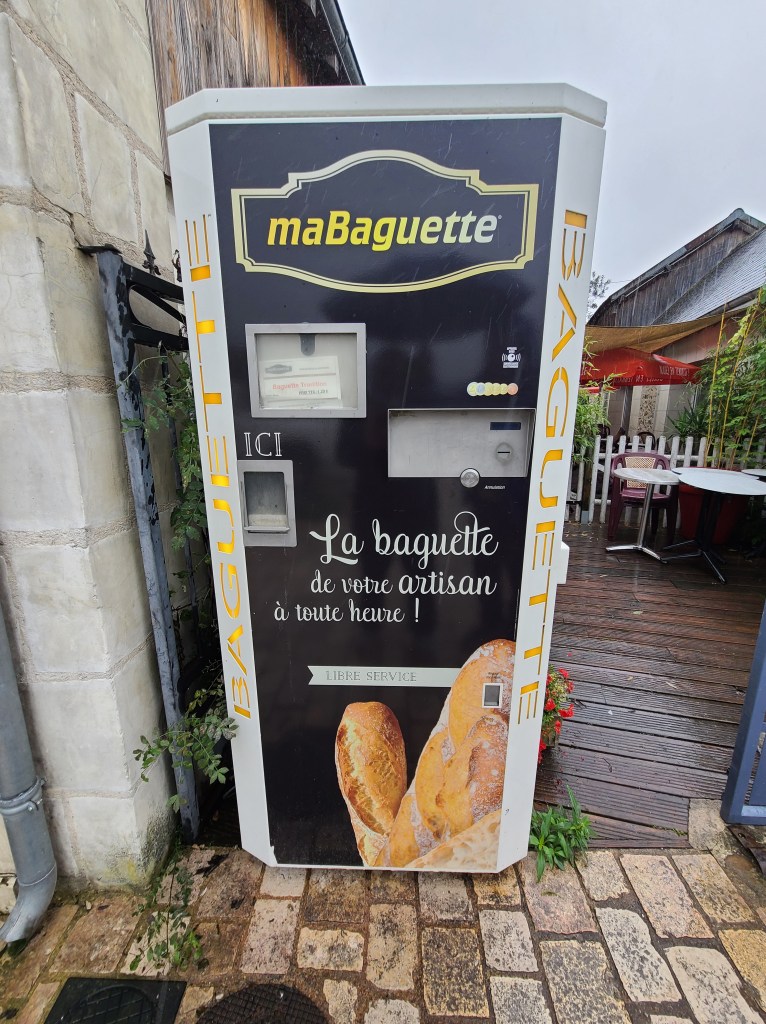
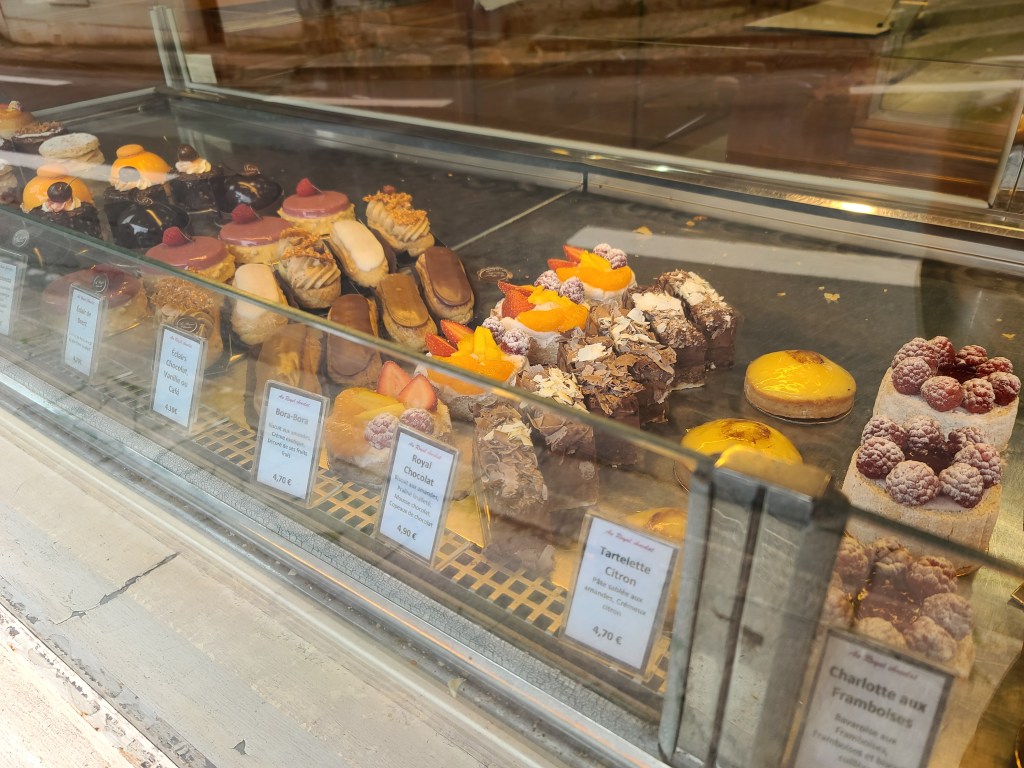
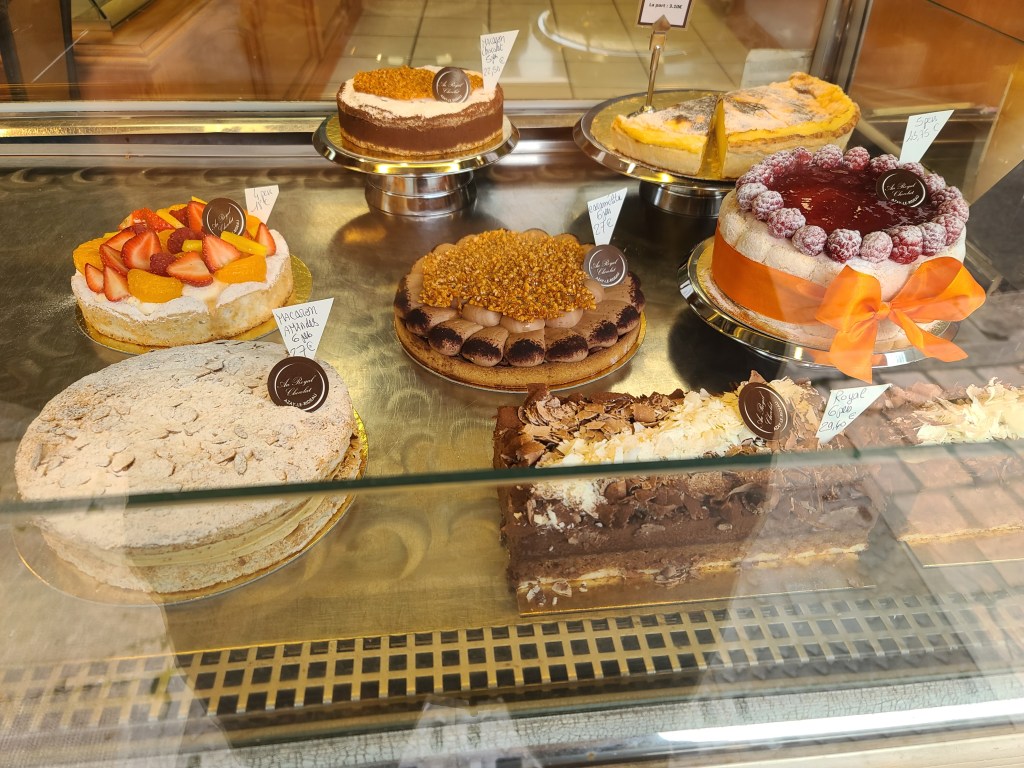
Stopped for espresso and a pastry, delicious and found a vending machine that dispenses fresh baguettes right outside the bakery. The law in France is that every citizen has access to bread 24/7. The law was intended to keep the bakers employed. It worked.
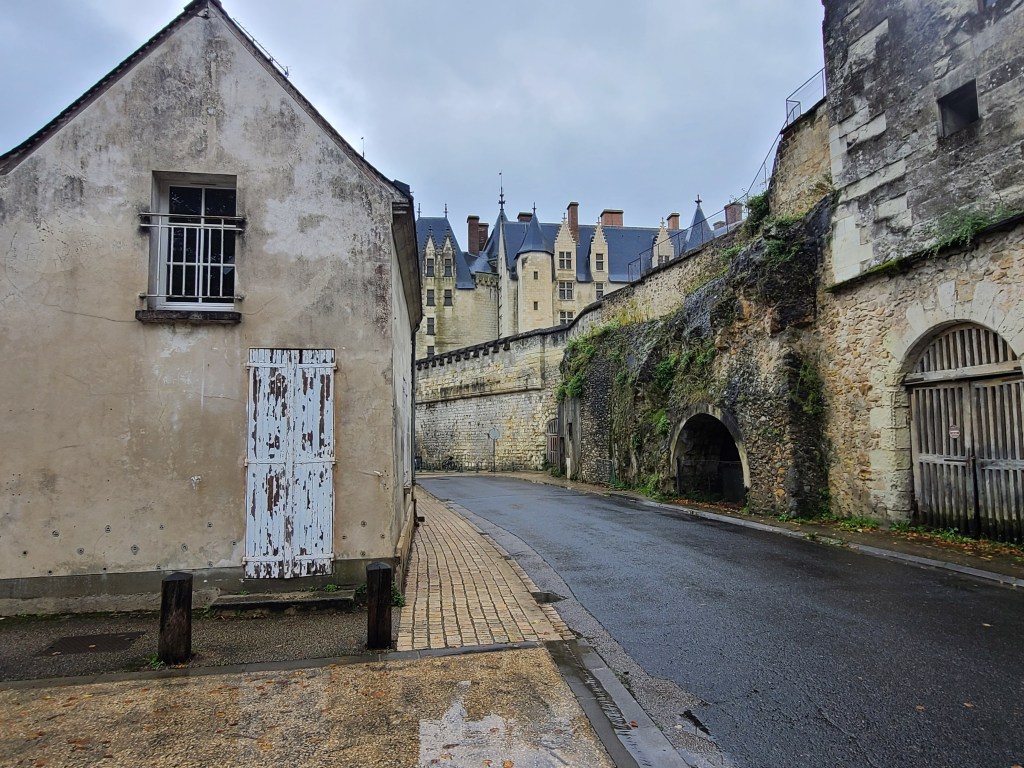
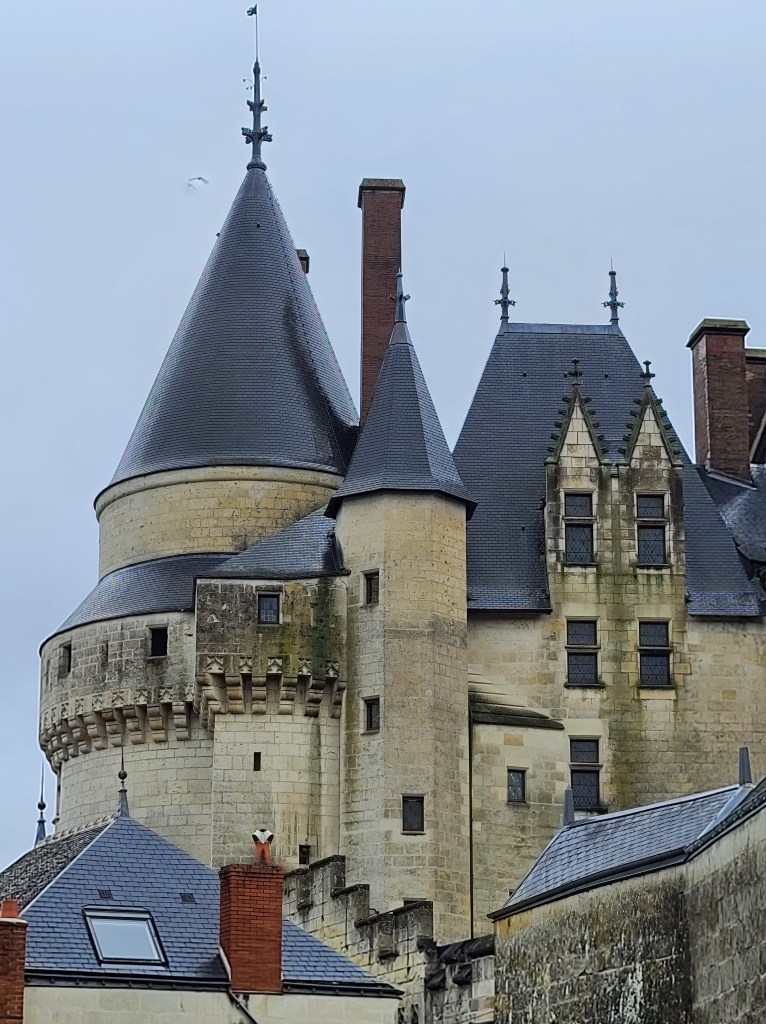
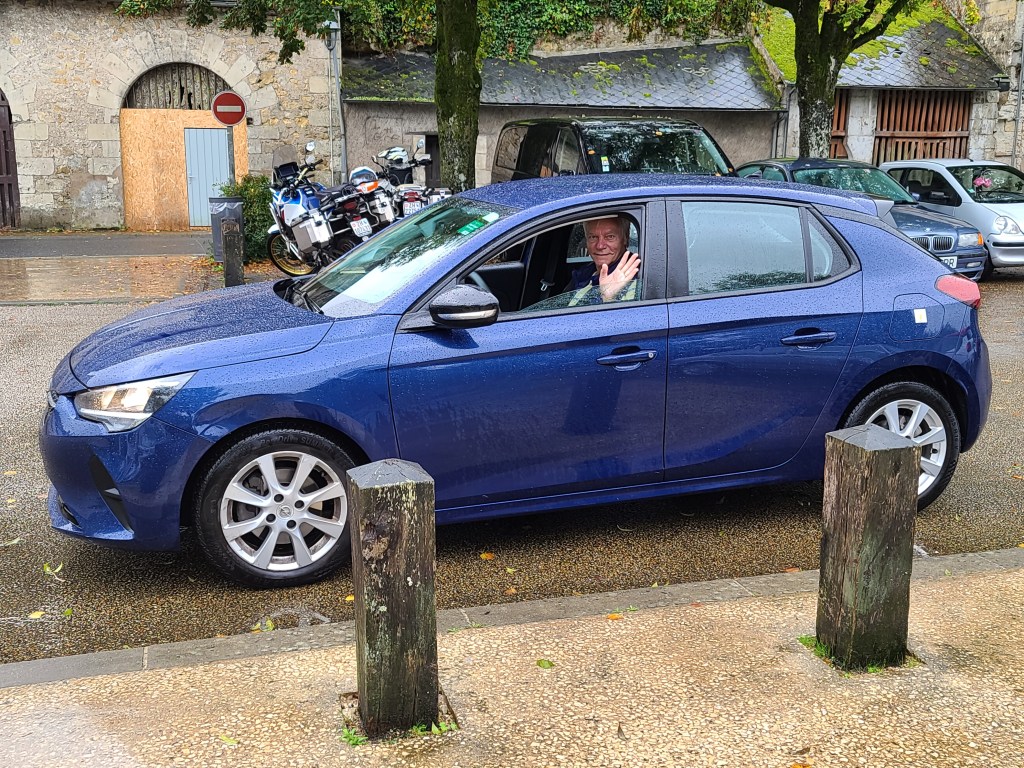
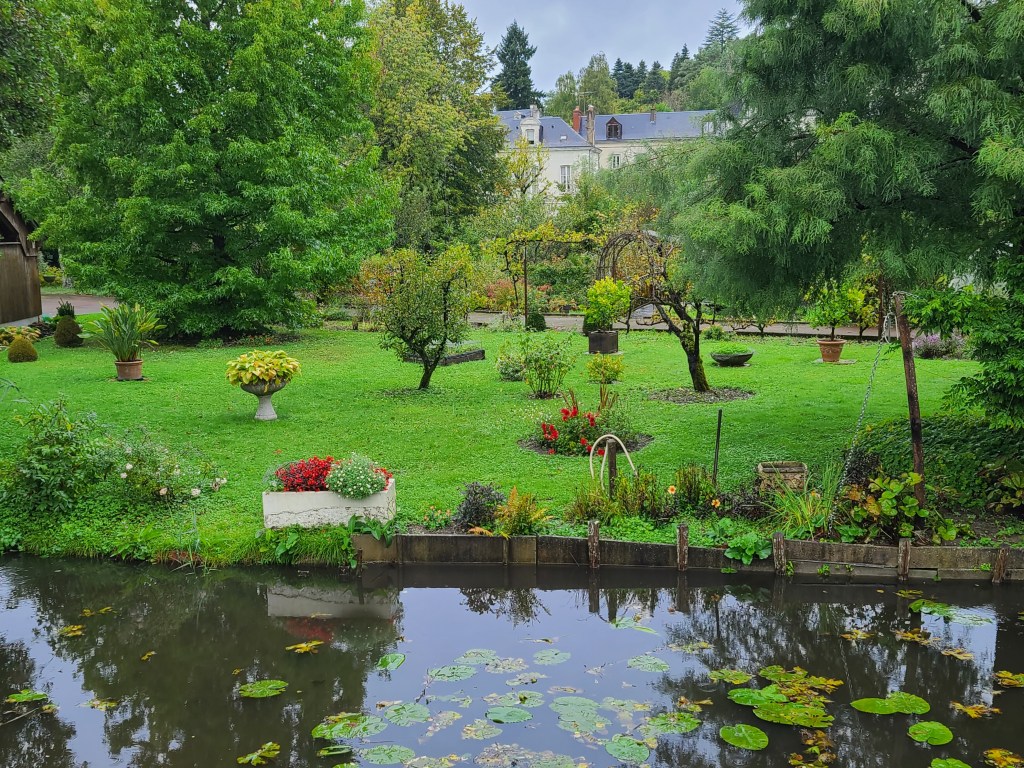
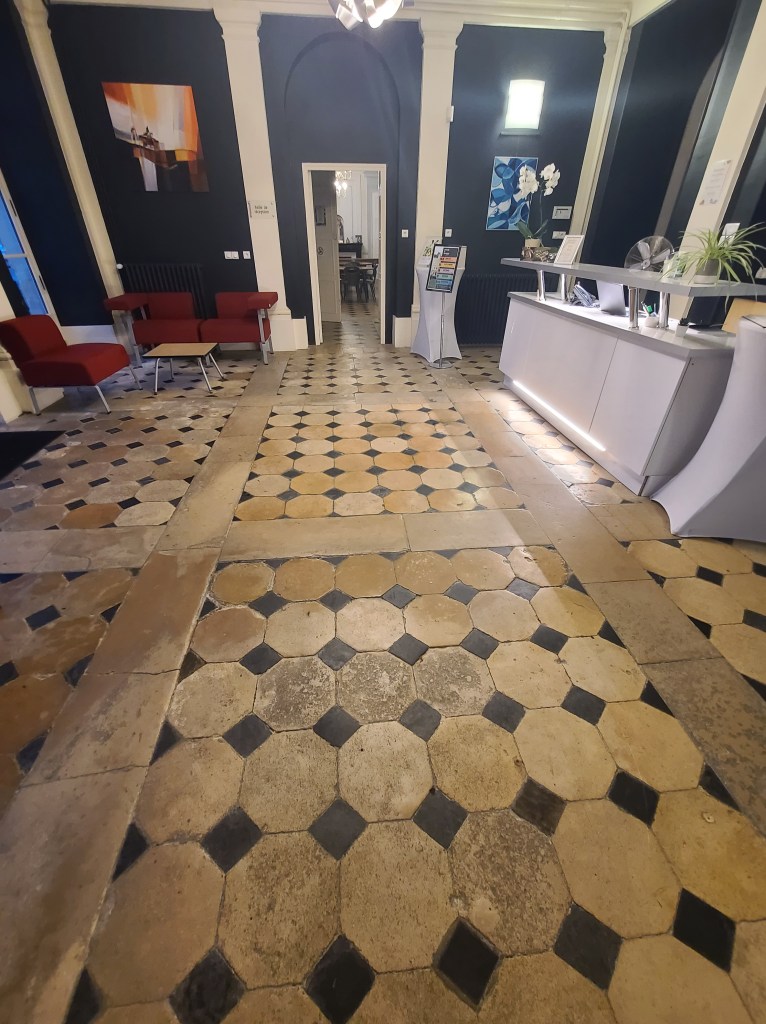
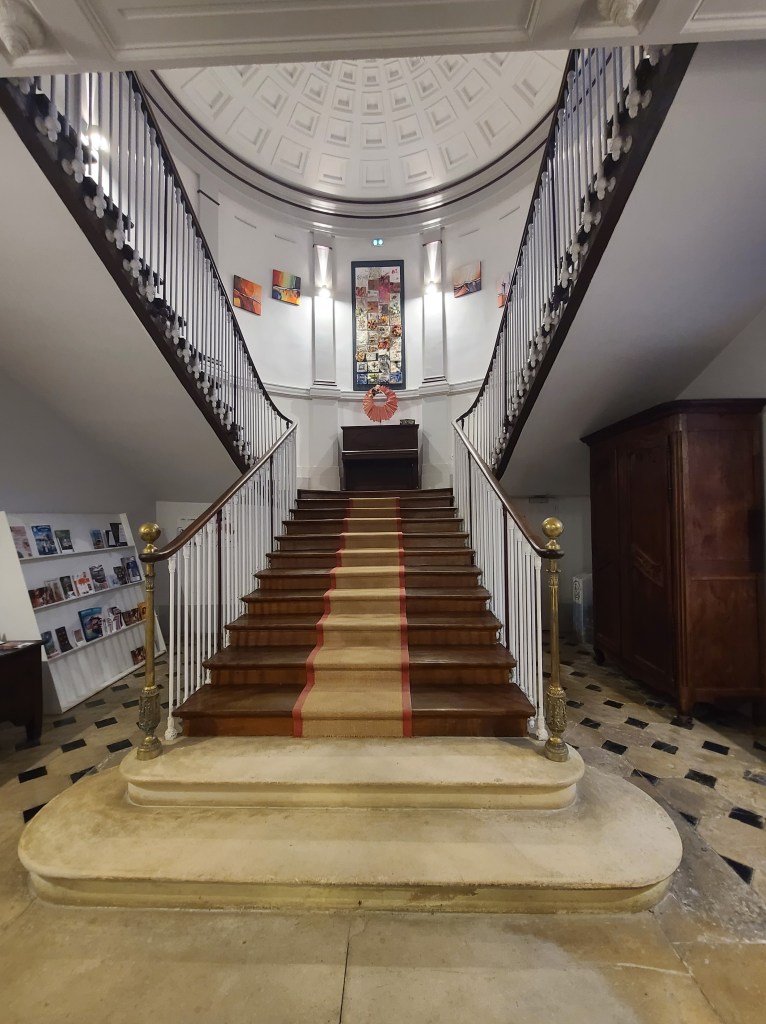
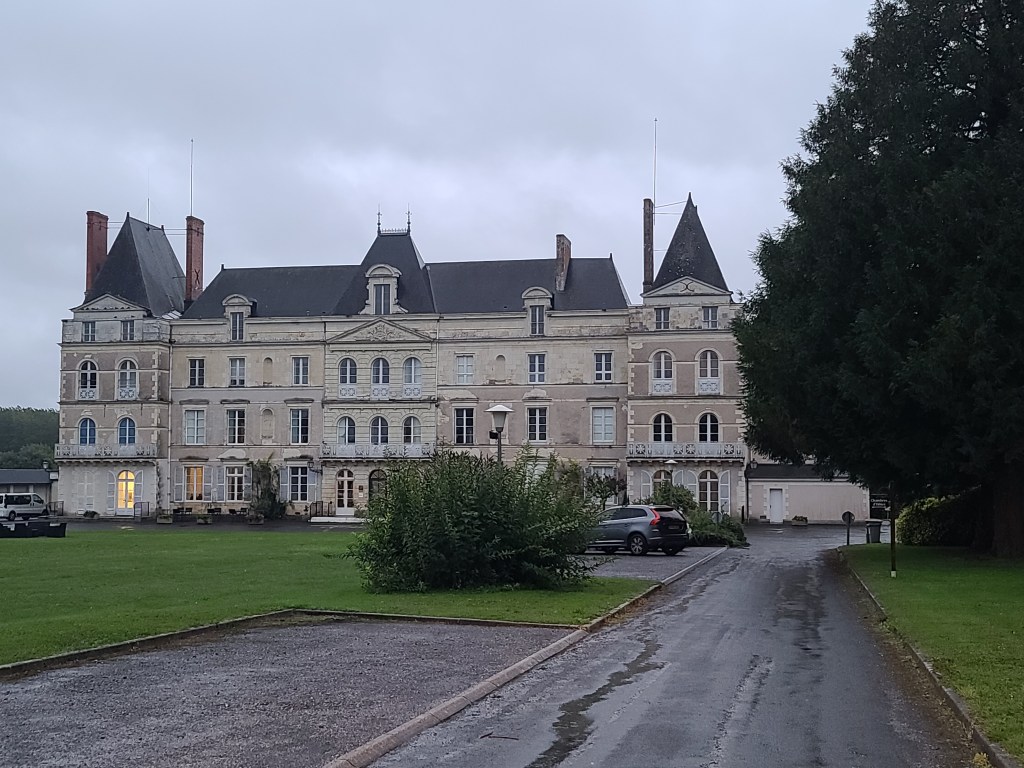
September 27 – Loire Valley Region France
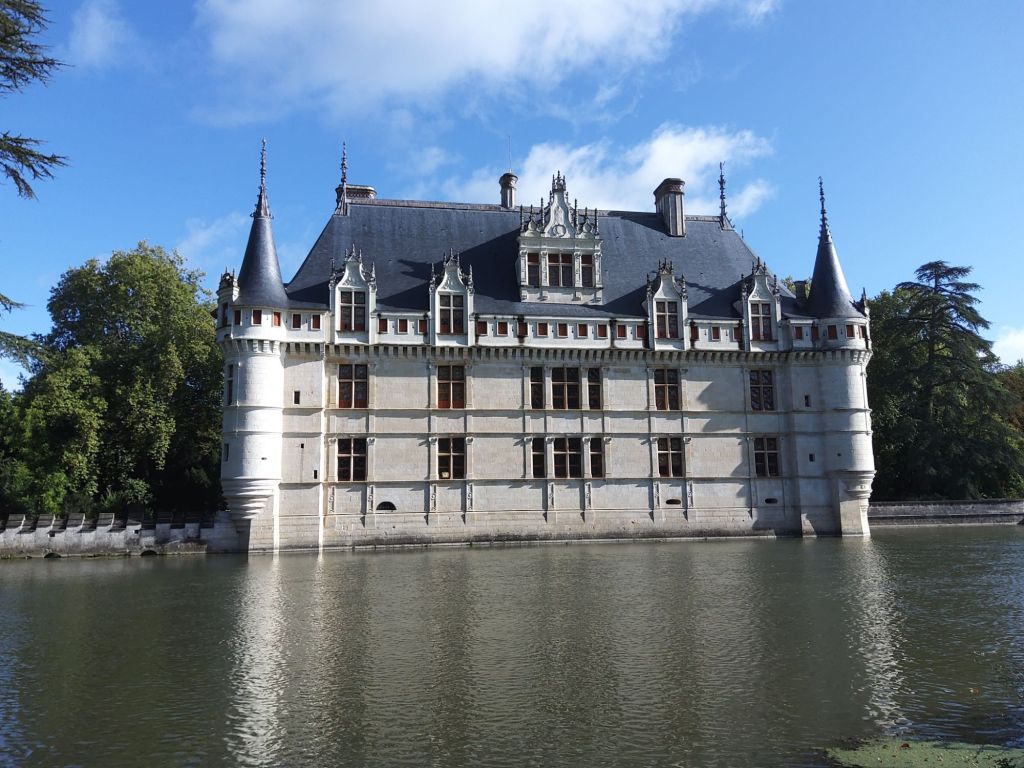
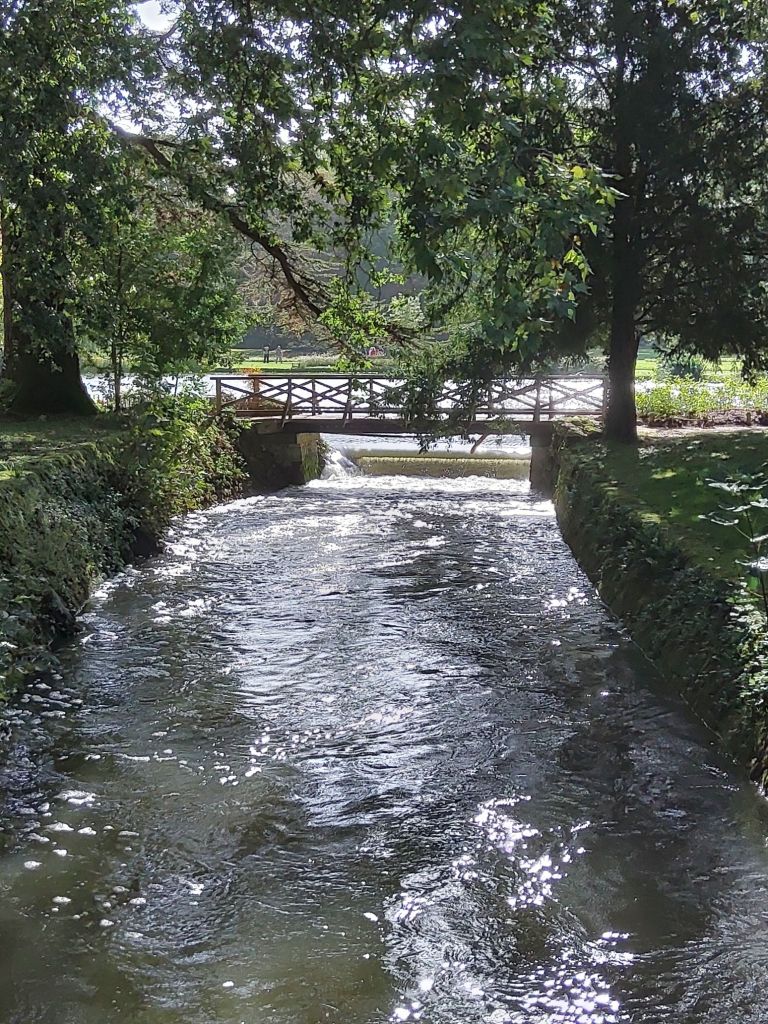
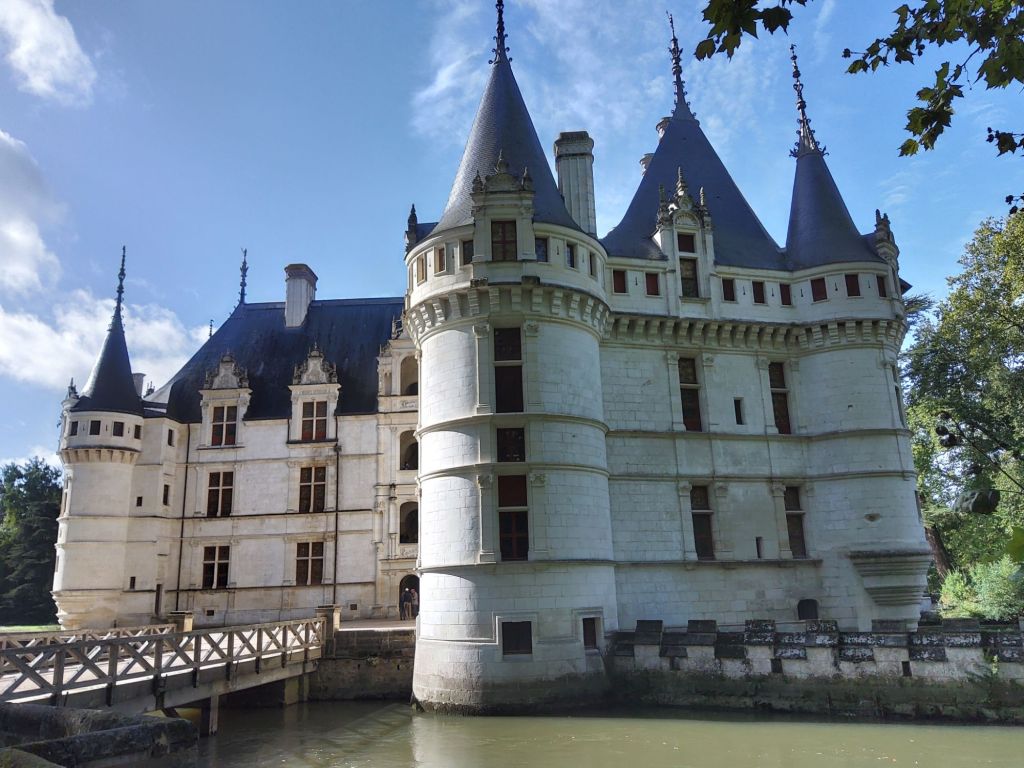
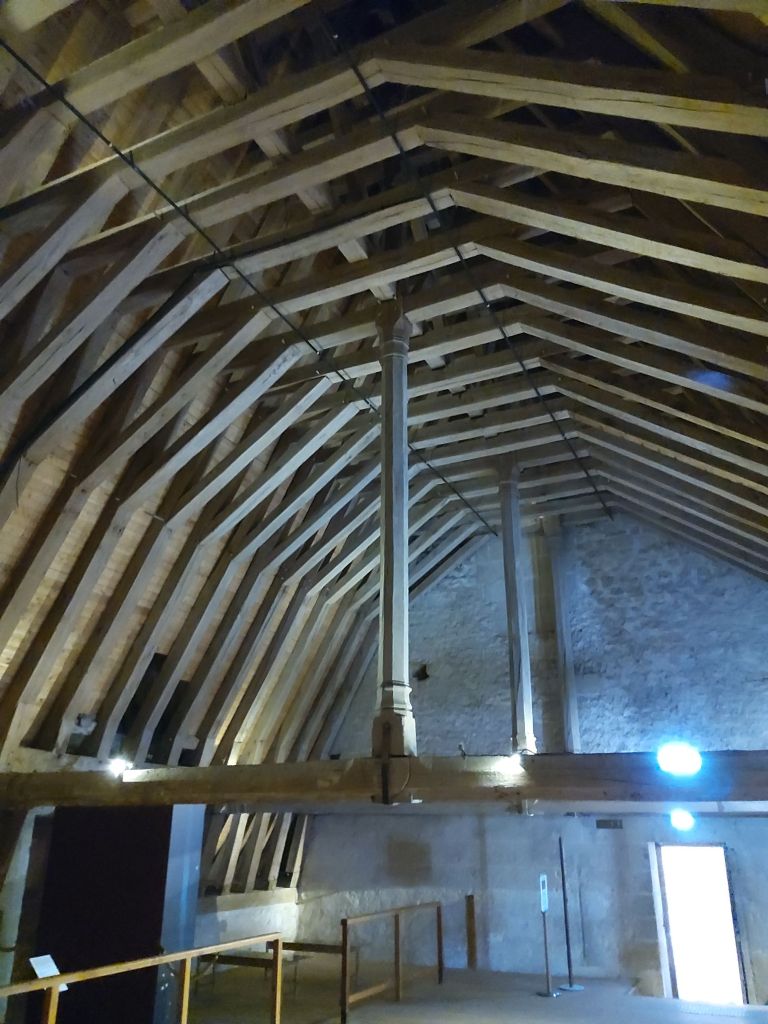
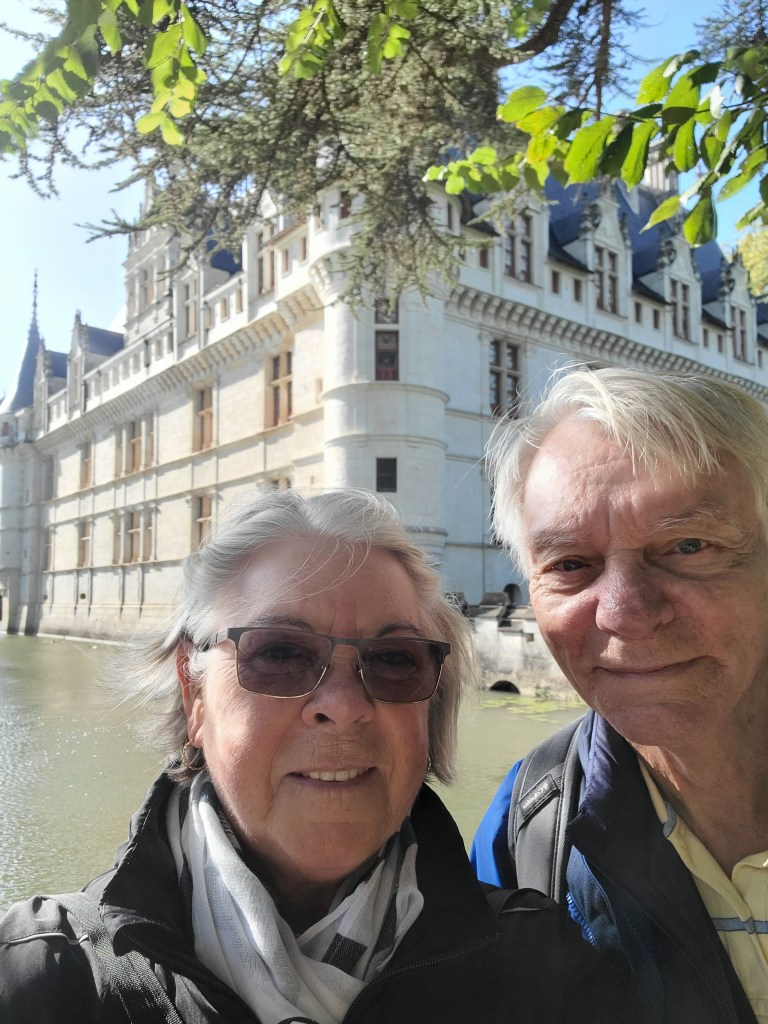
With the wind and rain yesterday we didn’t get to see much of the outside of Chateau d’Azay so we headed back this morning to finish what we started, and boy we were not disappointed!
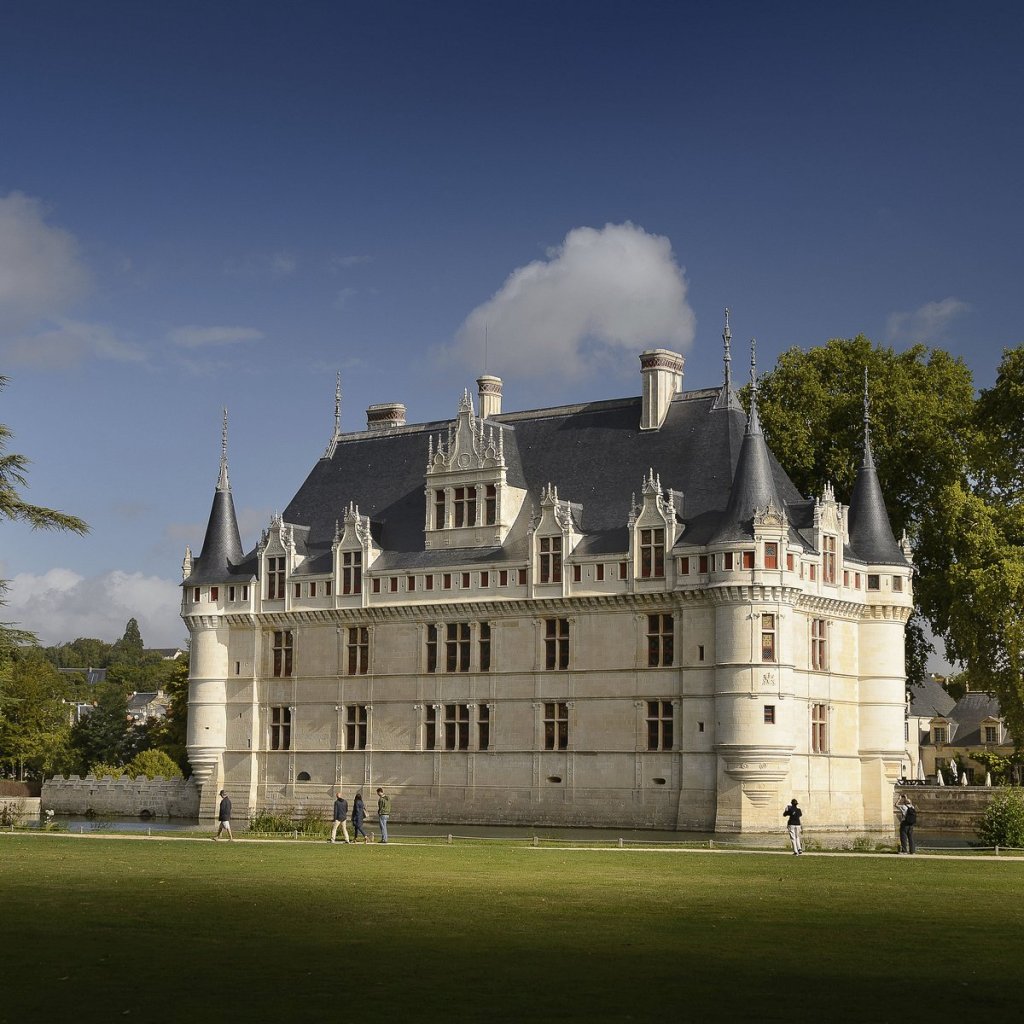
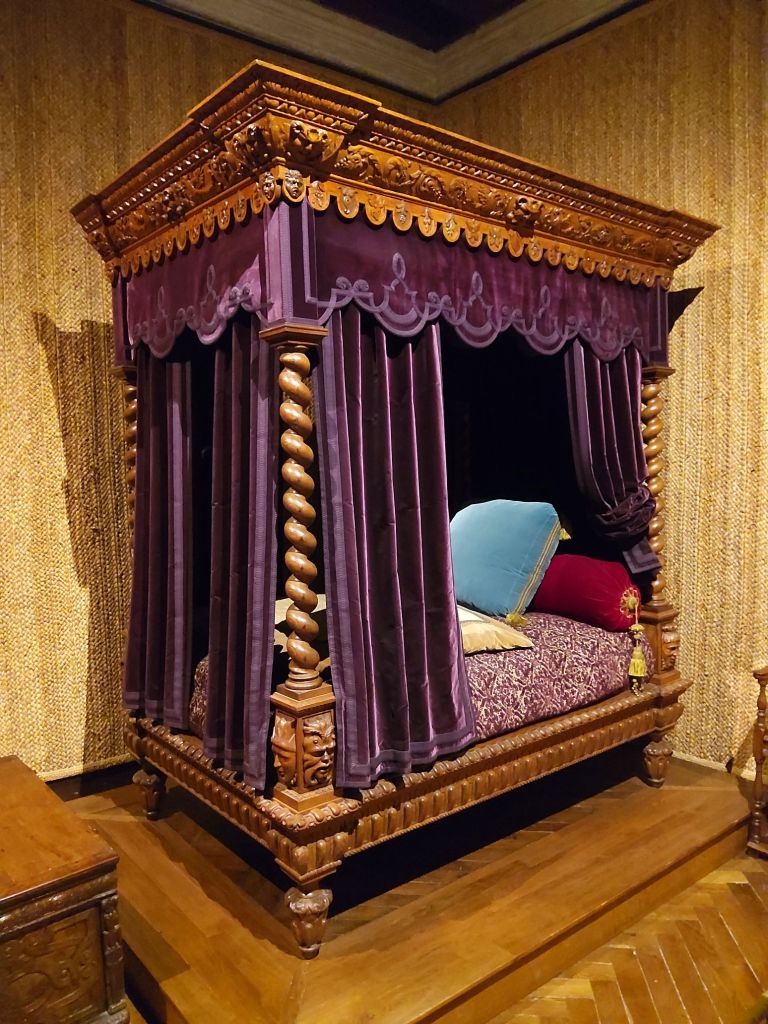
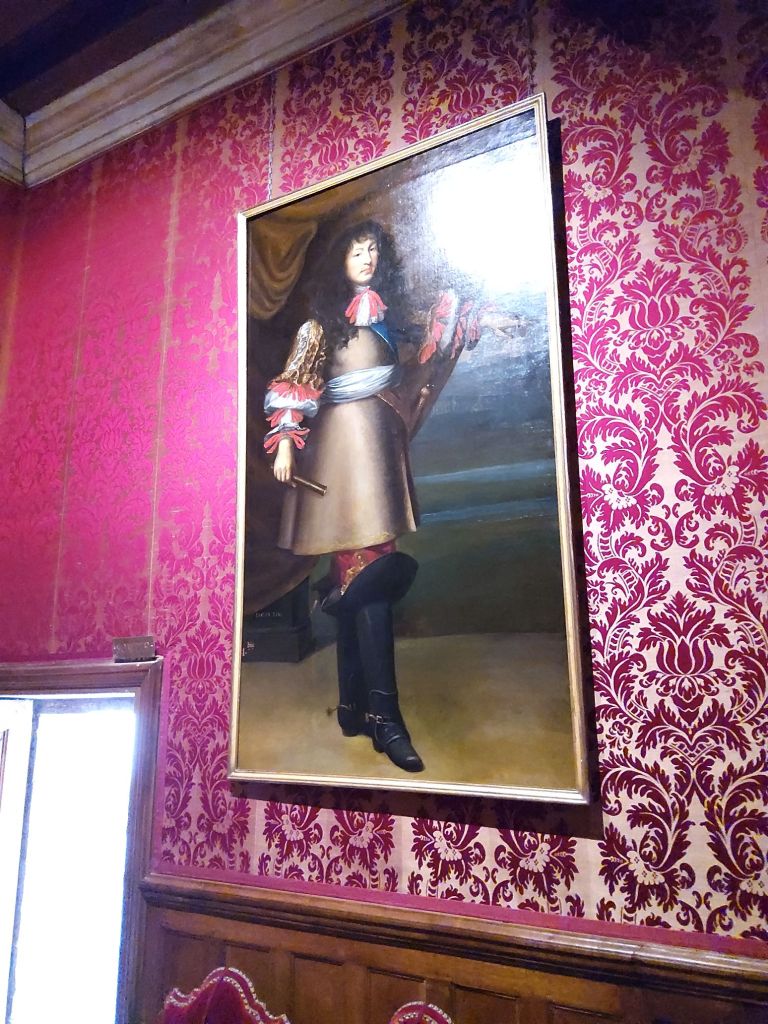
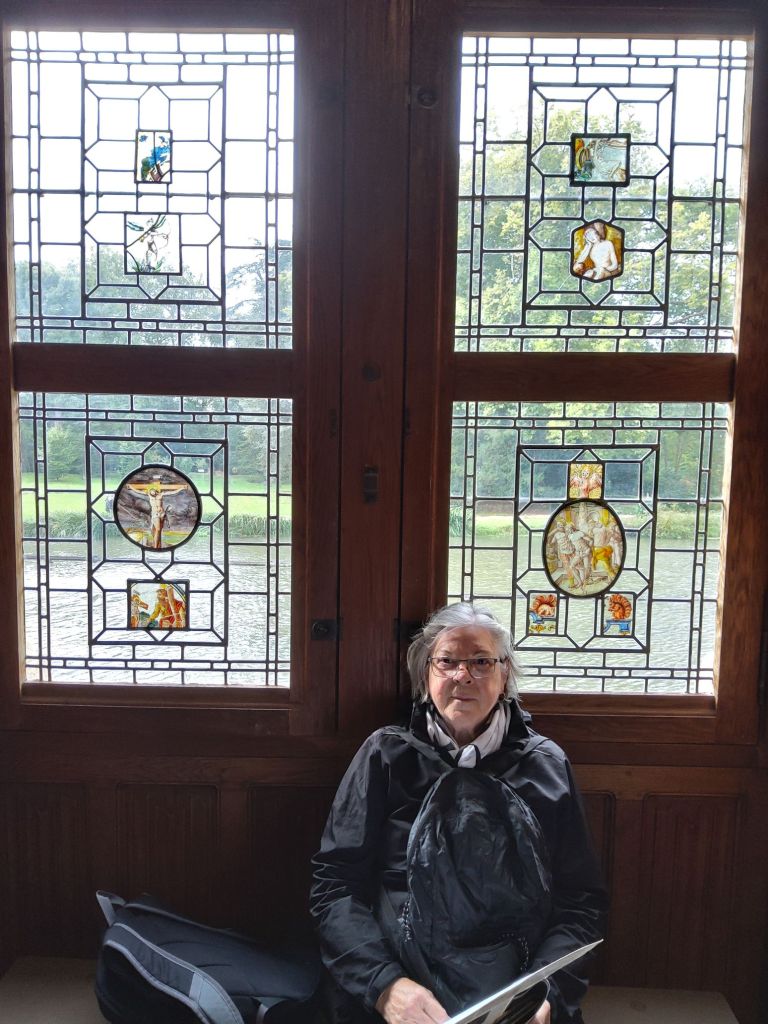
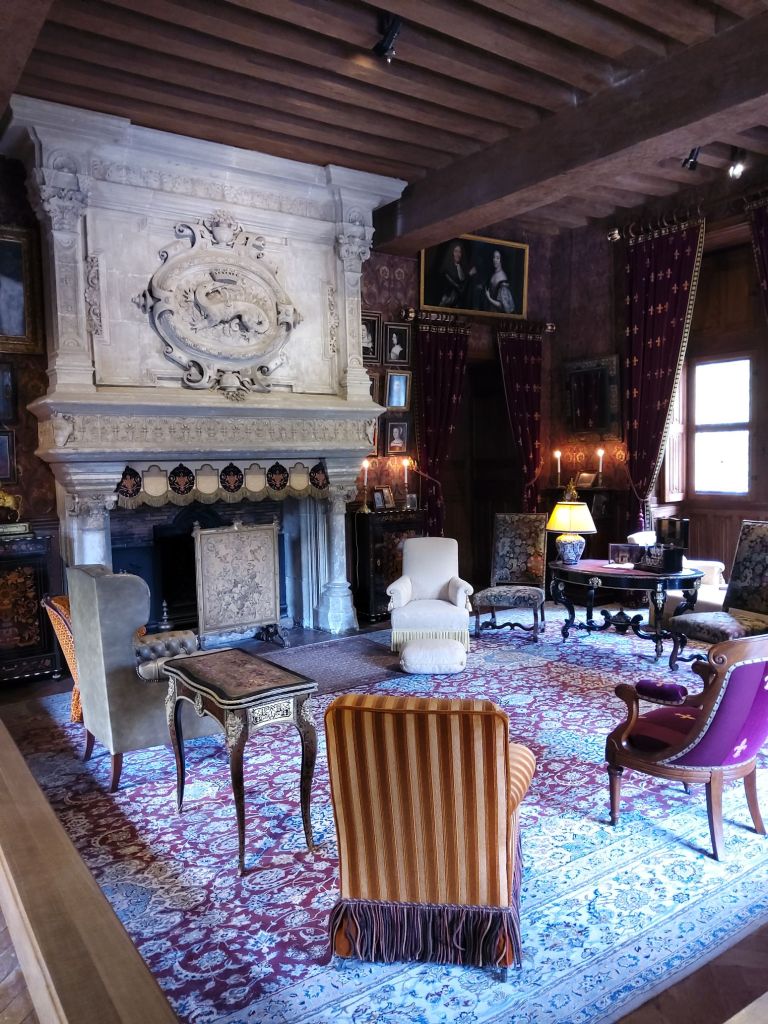
Chateau D’Azay-Le-Rideau is described one of the most beautiful Renaissance marvels along the Loire River. It was built at the beginning of the 16th century by the Marquis de Biencourt and his wife. She took over the construction and combined French Architecture with Italian and Flemish influences.
Three generations of Marquis de Biencourt focused on the restorations into the 19th century and the Chateau is ranked as a national treasure and an iconic symbol of the Renaissance.
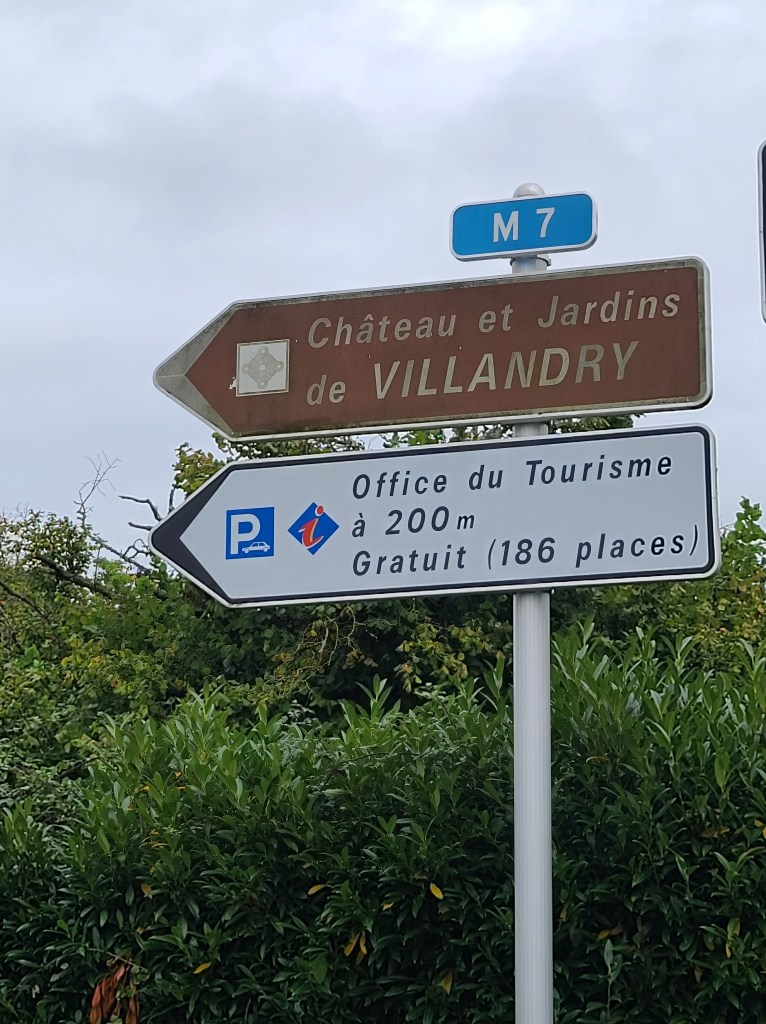
On our way back towards Angers, we passed Chateau De L’Islette but did not go in but we did stop by Chateau Villandry yesterday. Like I said there are over 100 Chateaux in our immediate area. You have to pick and choose wisely which if any you want to visit.
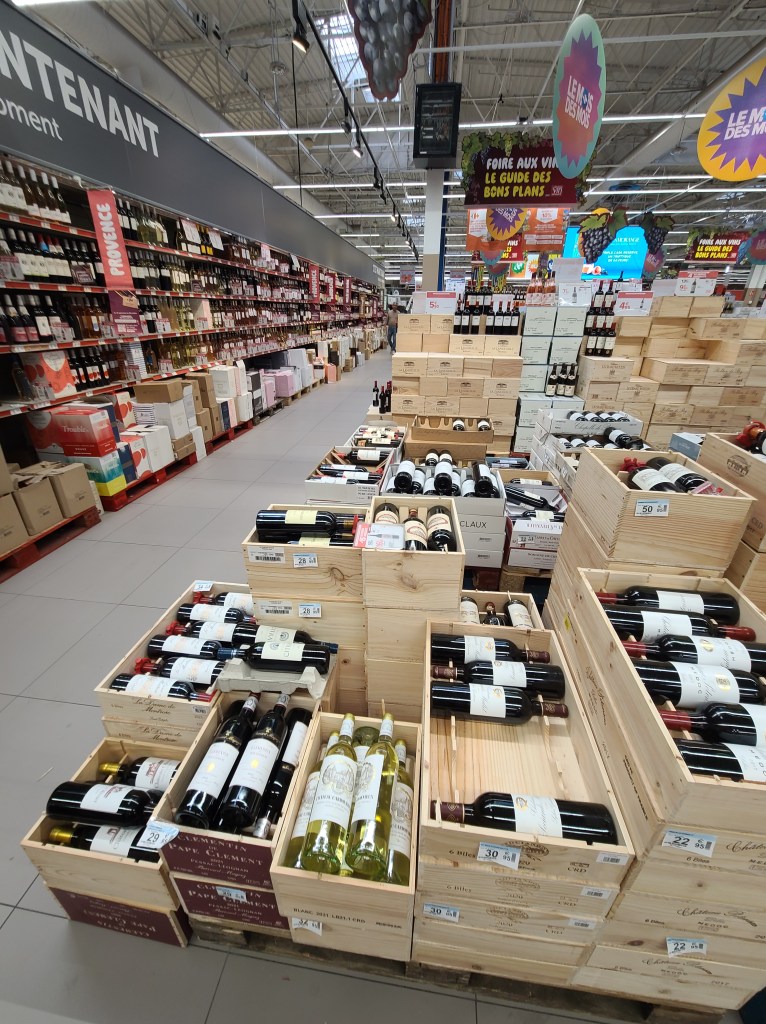
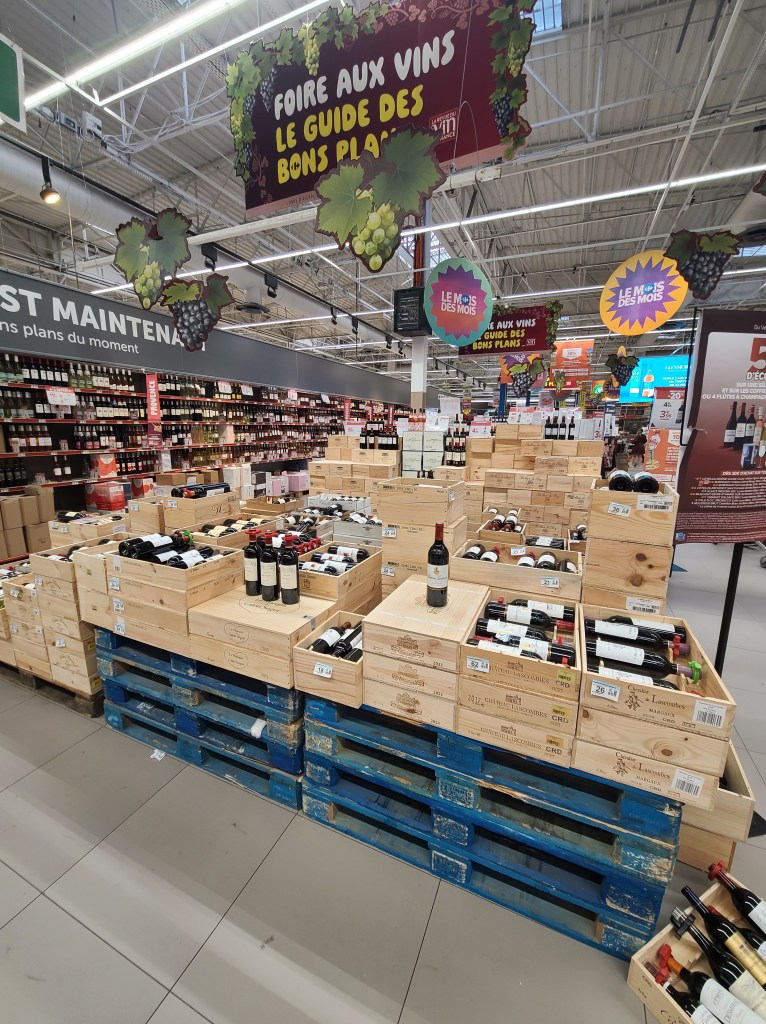
Once in Angers we picked up a bit of lunch and a nice bottle of wine for the evening. You can’t go wrong with wine here. Everything from €2.00 to €200.00….in the grocery store!
Tonight we will pour over the maps and finalize our route for tomorrow as we head out to Limoges. The weather promises to be sunny and warm.
We’re flying by the seat of our pants and booking accommodations a couple of days out on sites like booking.com. Tomorrow, I’ll let you know how it worked. Might be sleeping in the car…LOL
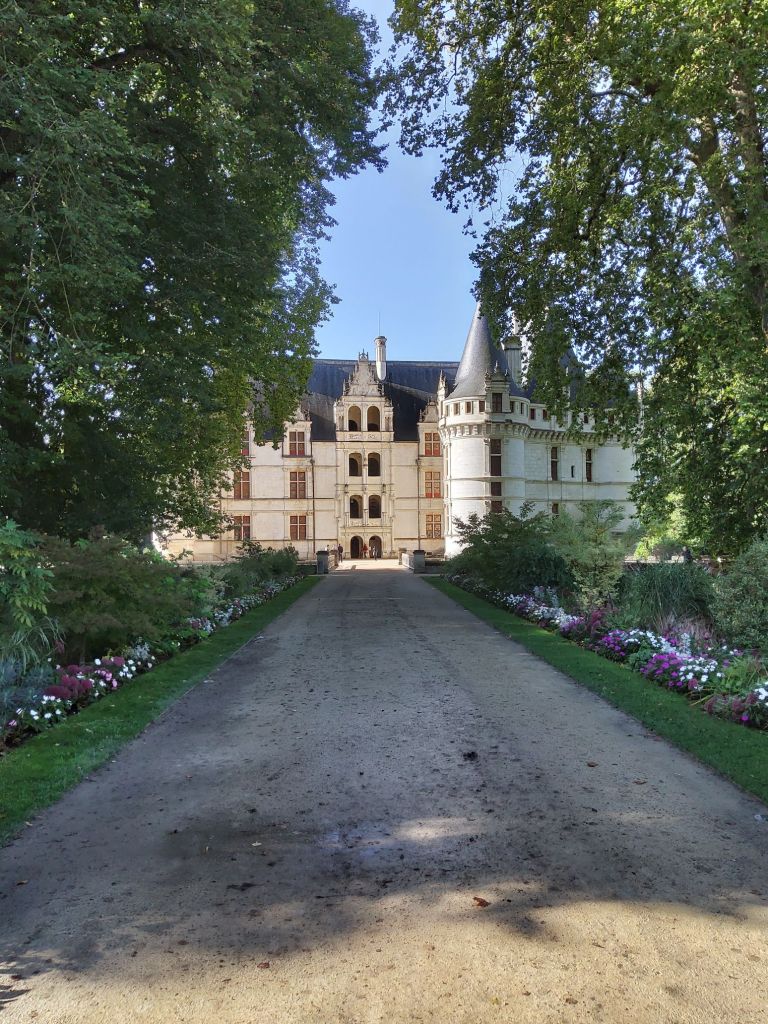
Chateau D’Azay-Le-Rideau
September 28th and 29th
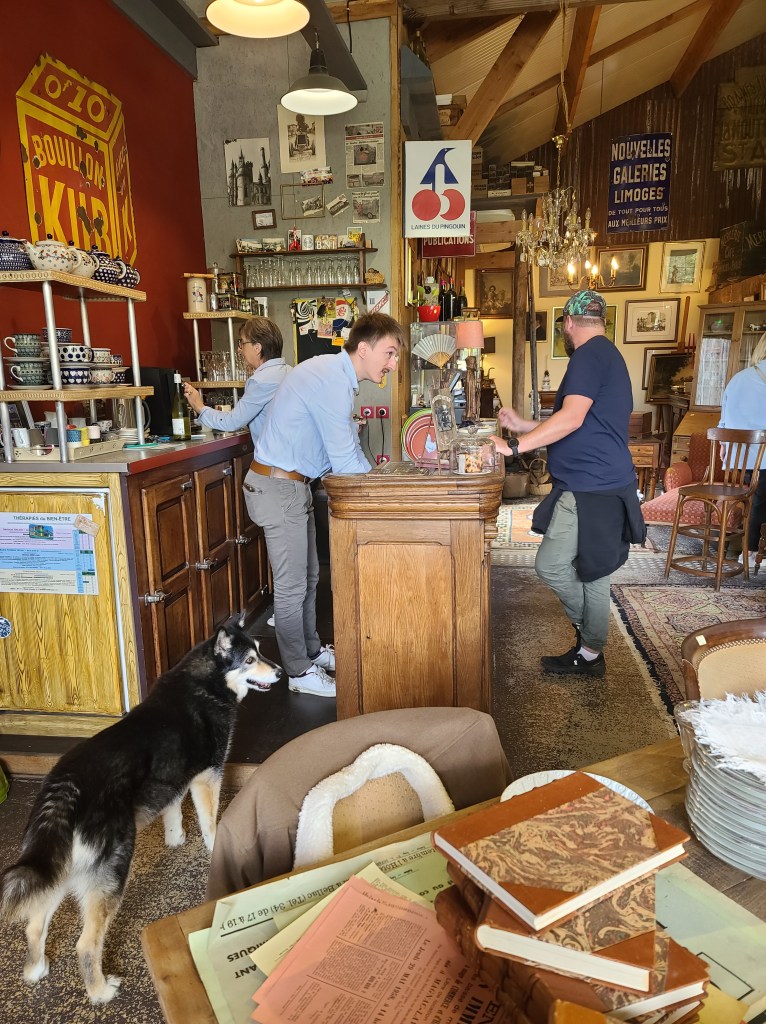
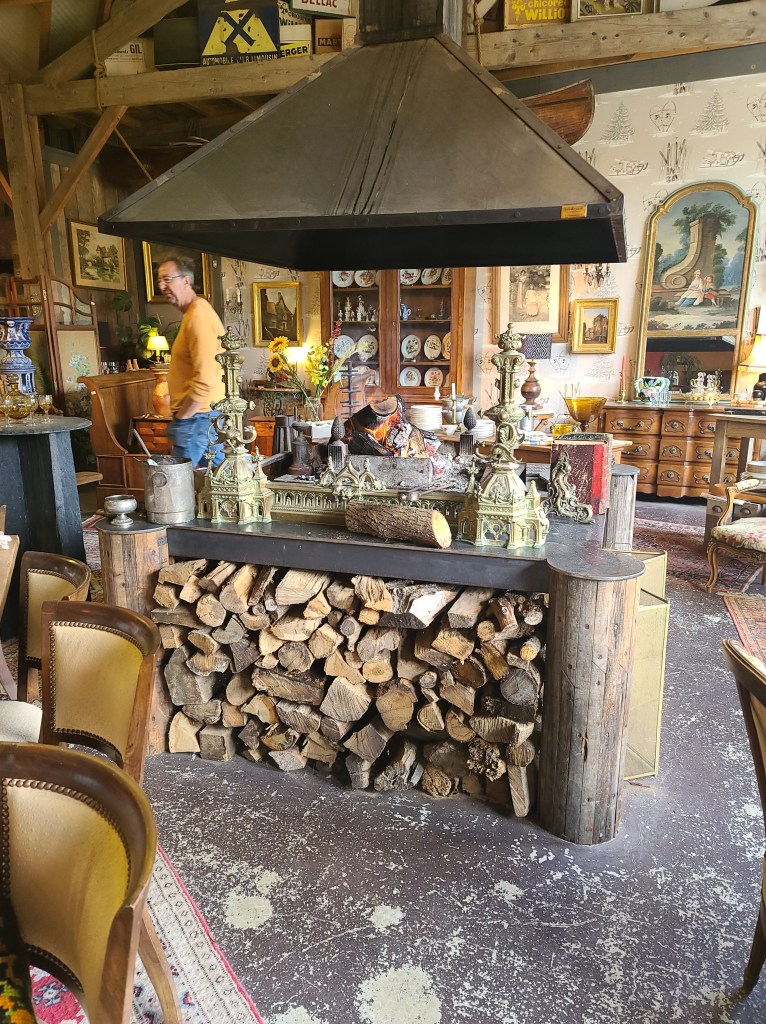
We are in southern France taking a leisurely drive to Limoges. Yes, where they manufacture Limgoes porcelain. But, look at this Brocante (antique shop) we found along the road. Saturday morning, sunshine, a back French country road, the fireplace in the centre of the room, she’s serving coffee or wine, your choice, classical music in the background, big leather wing chairs and 3 buildings of antiques. Why would you not have a coffee and spend an hour by the fire?
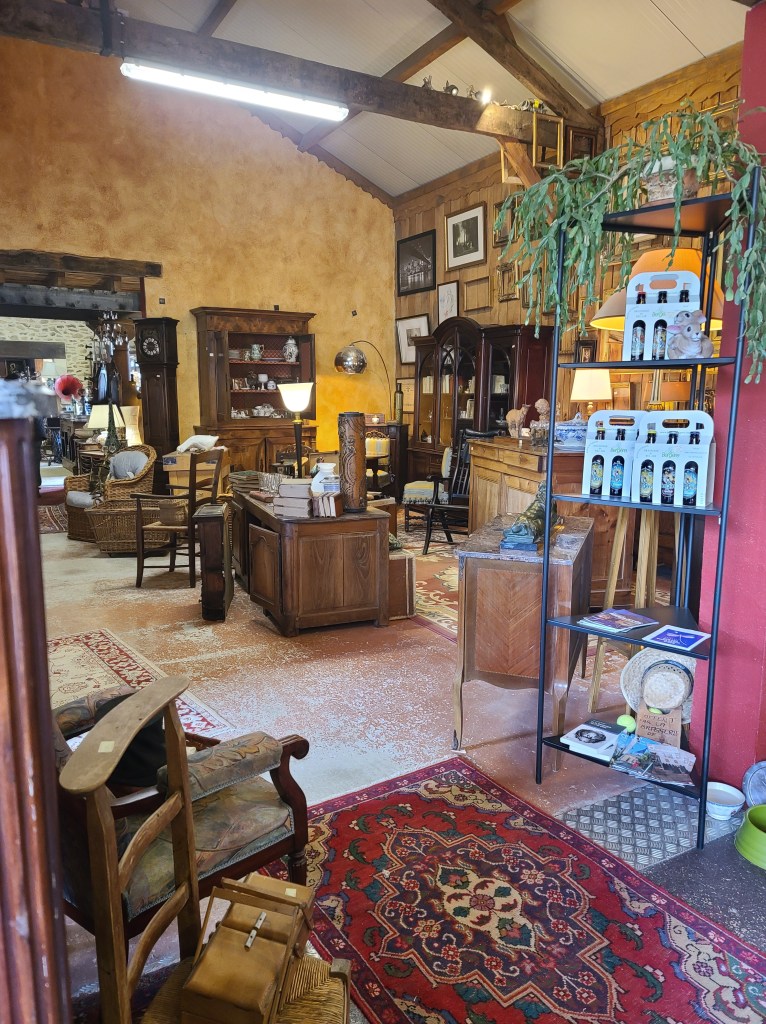
A Brocante on a little French backroad
Sept 30
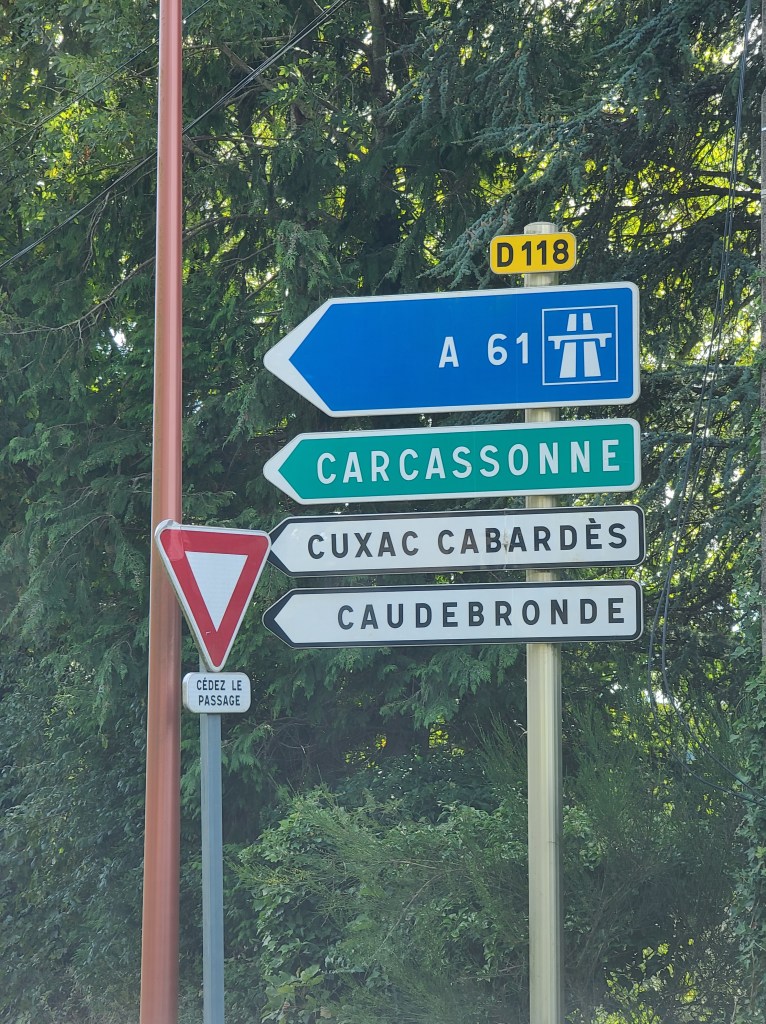
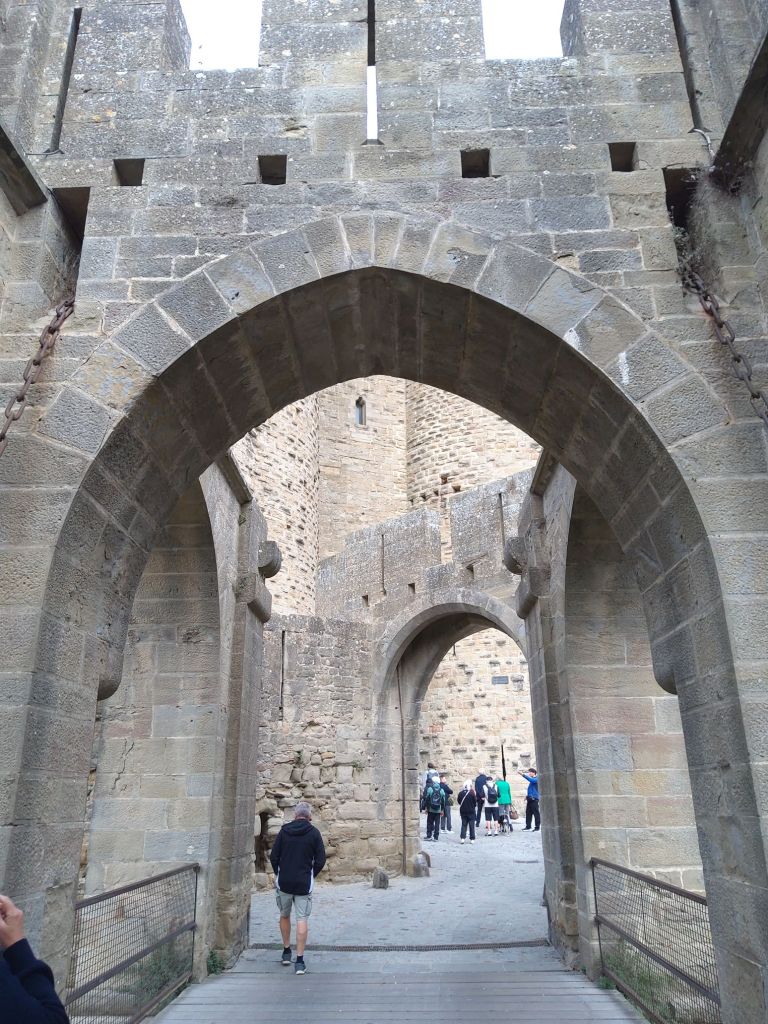
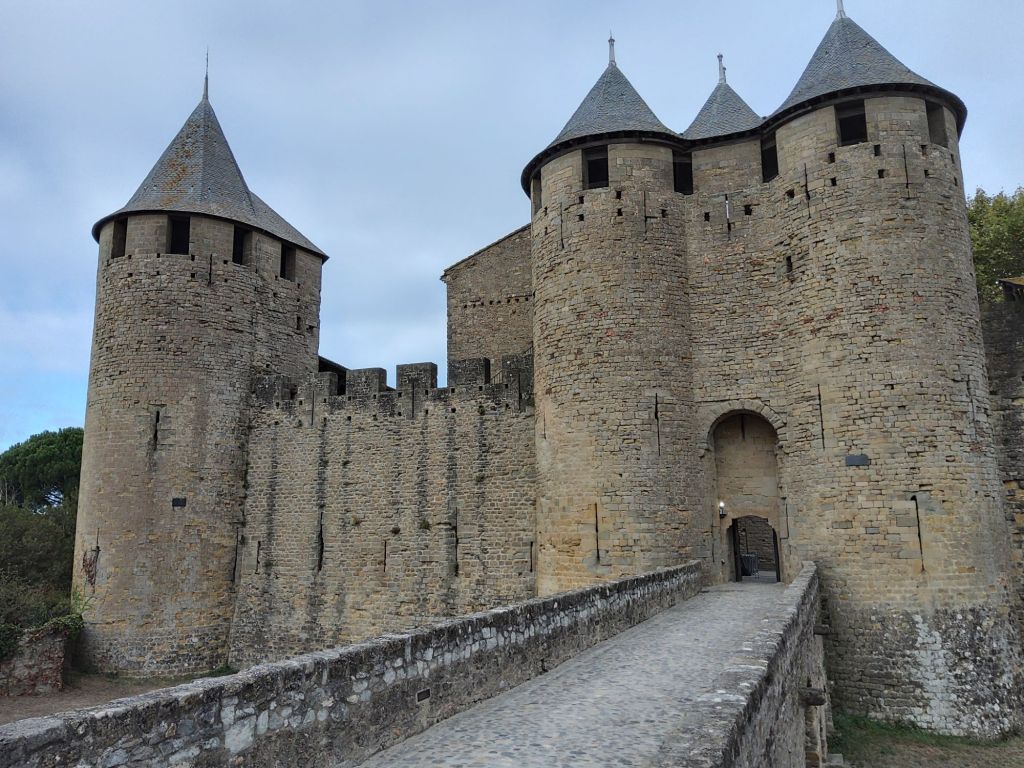
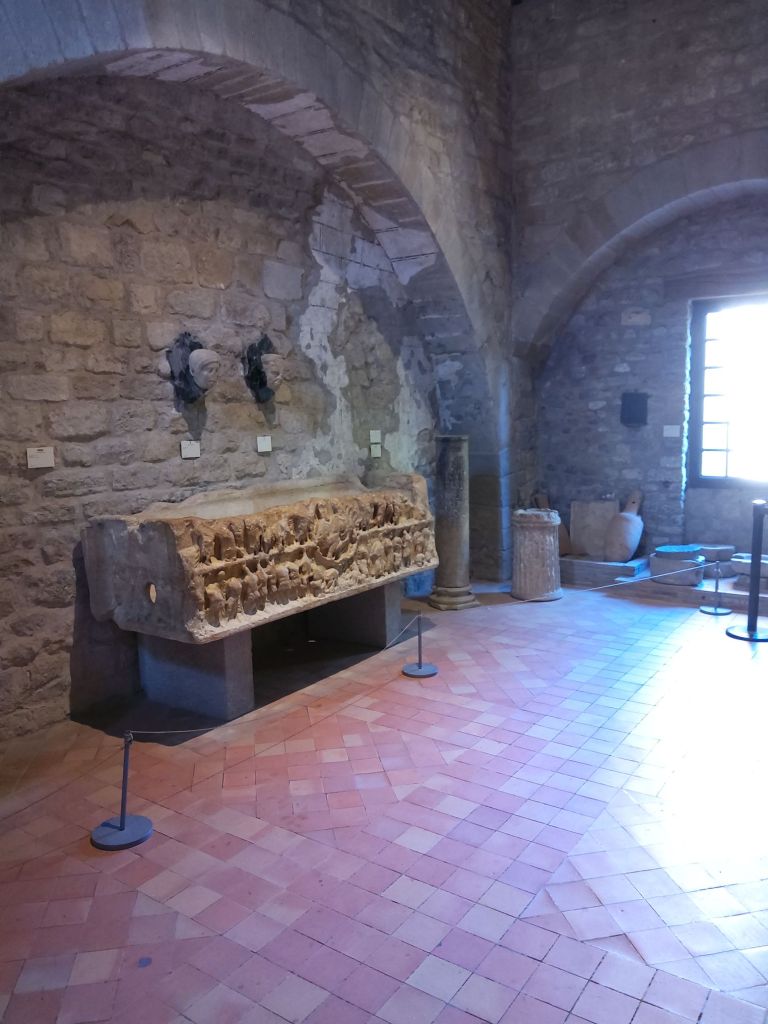
We arrived in Carcassonne yesterday afternoon and went into the town to aclimatize and get in a walk before days end.
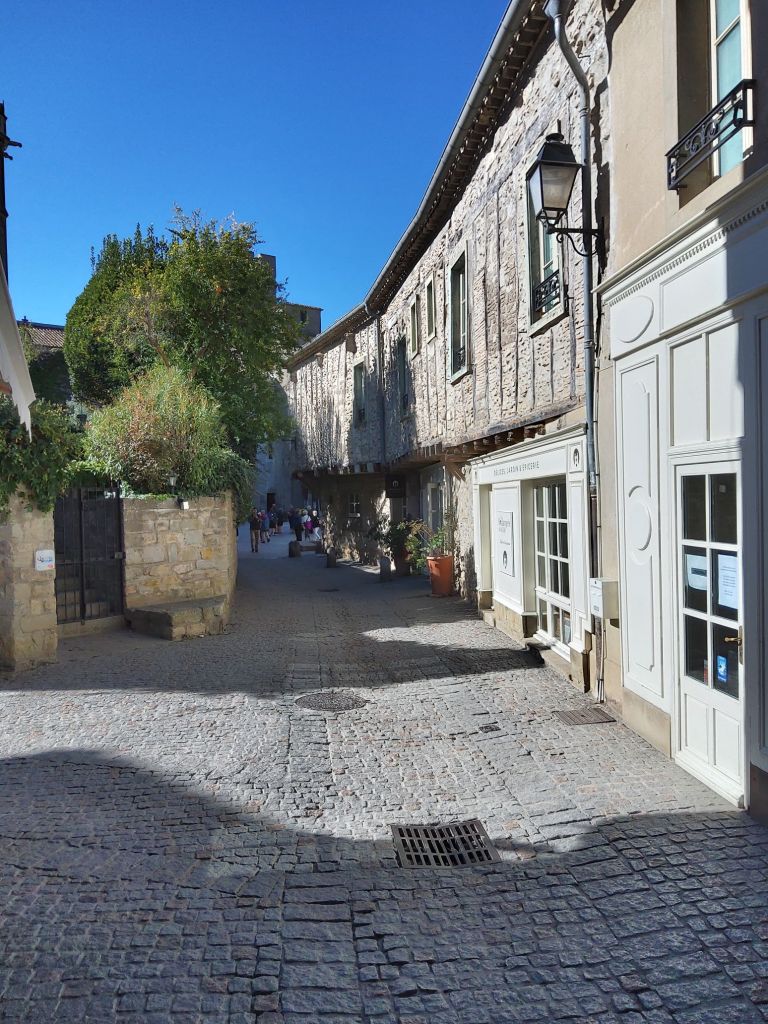
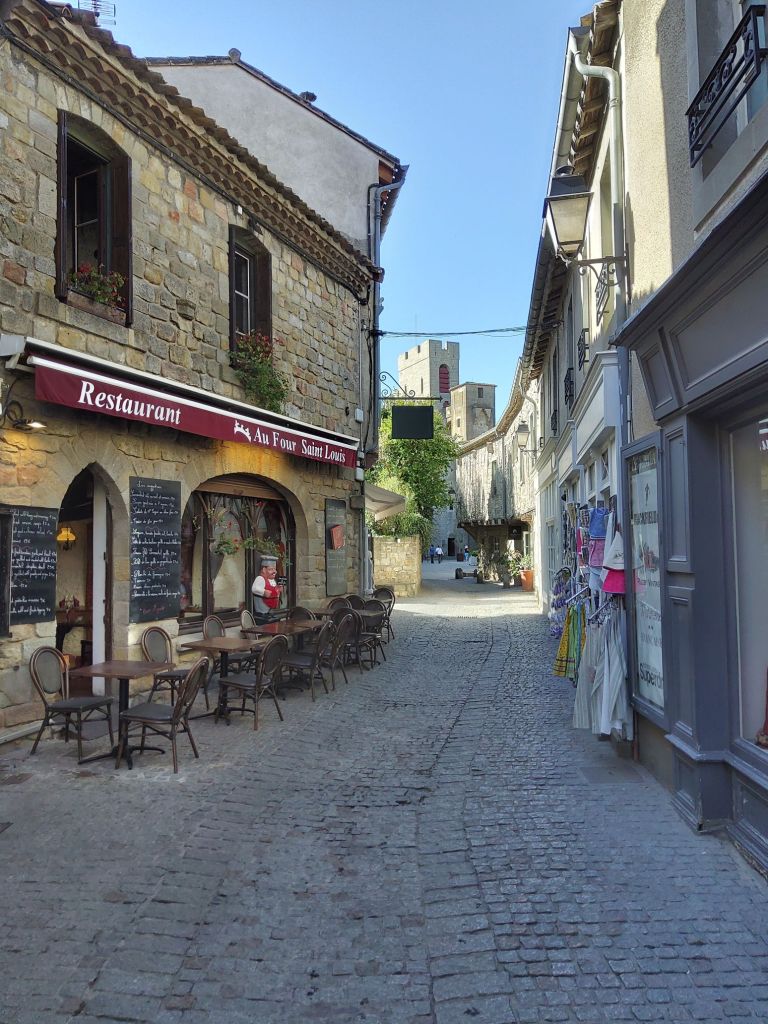
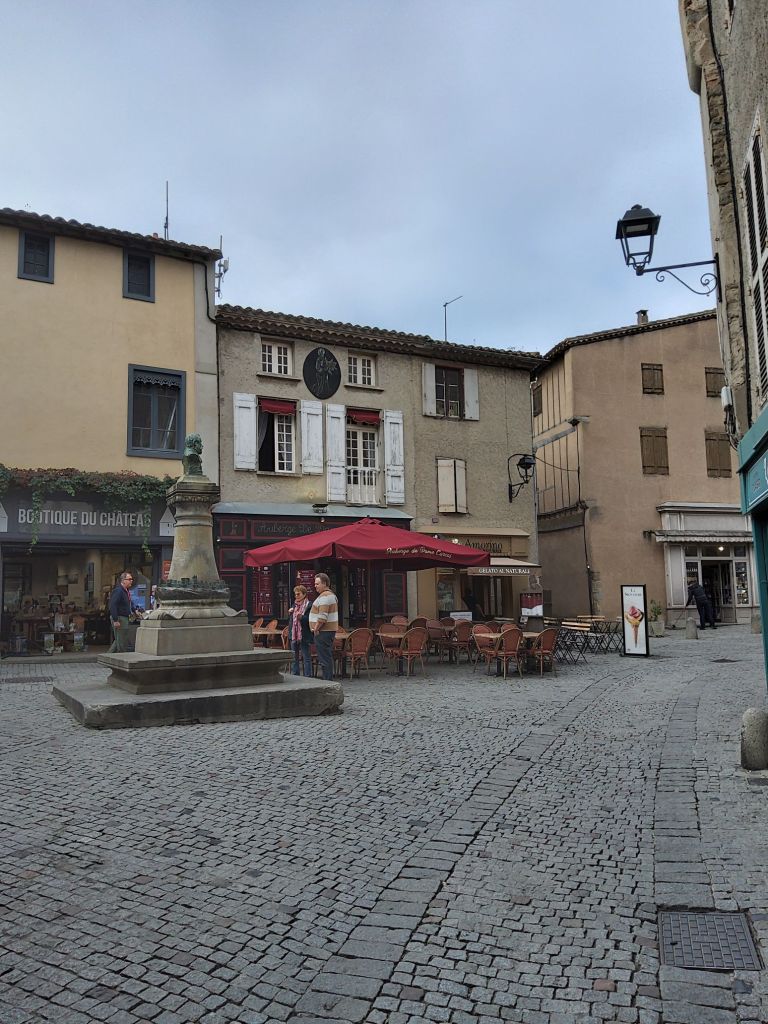
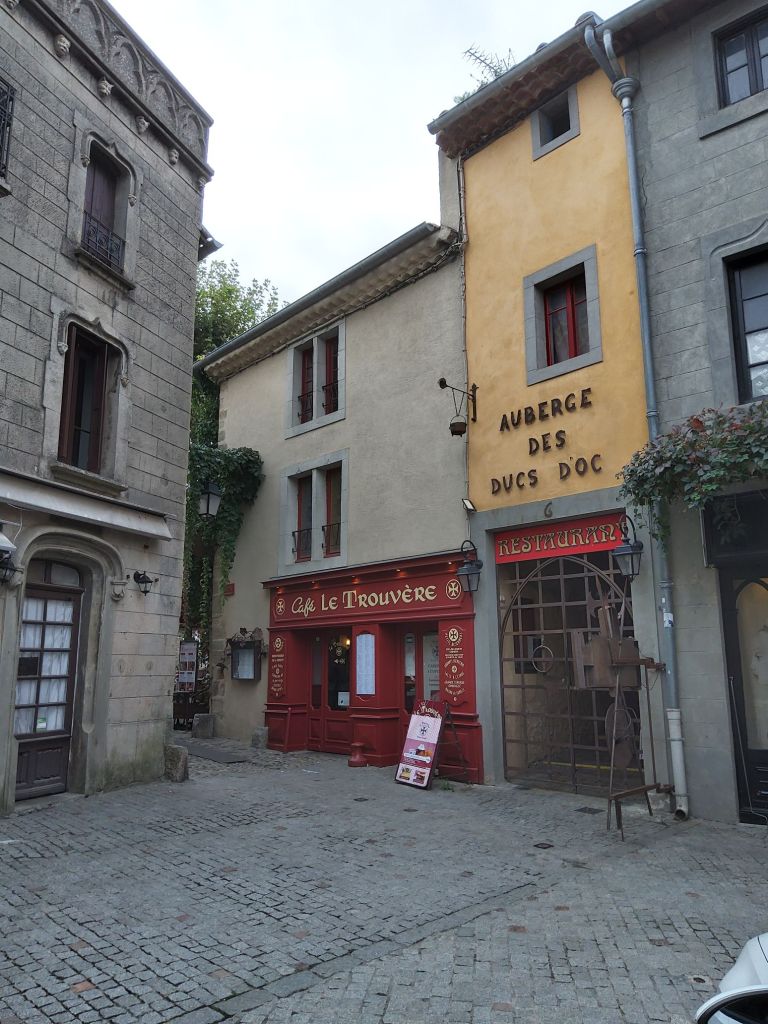
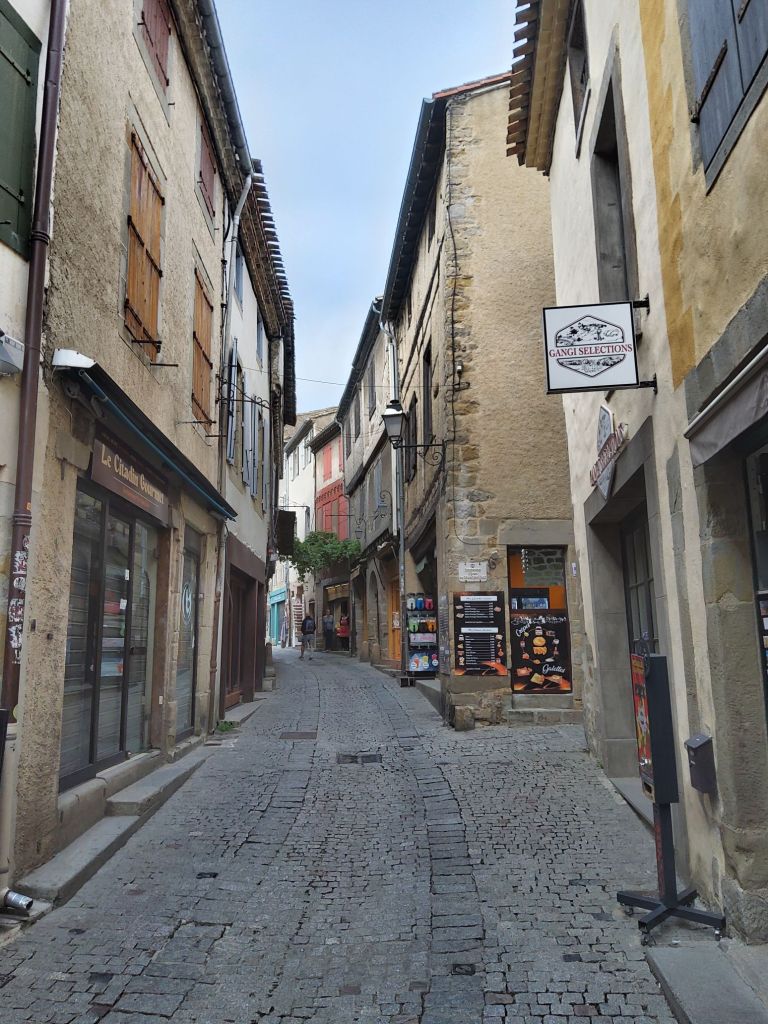
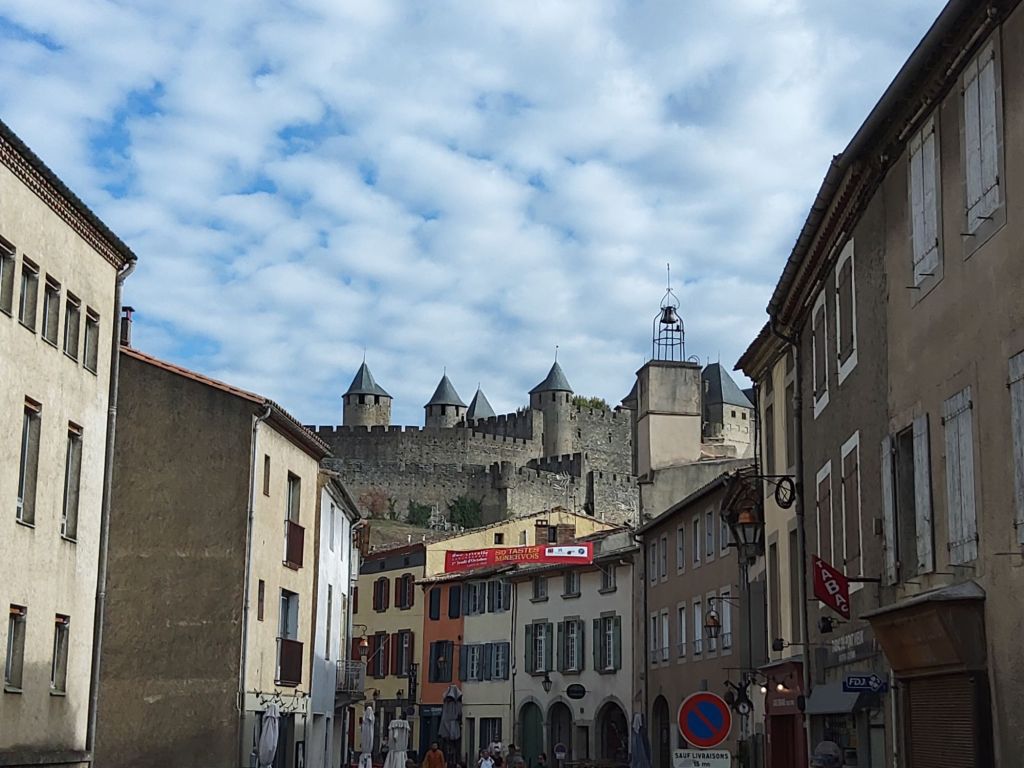
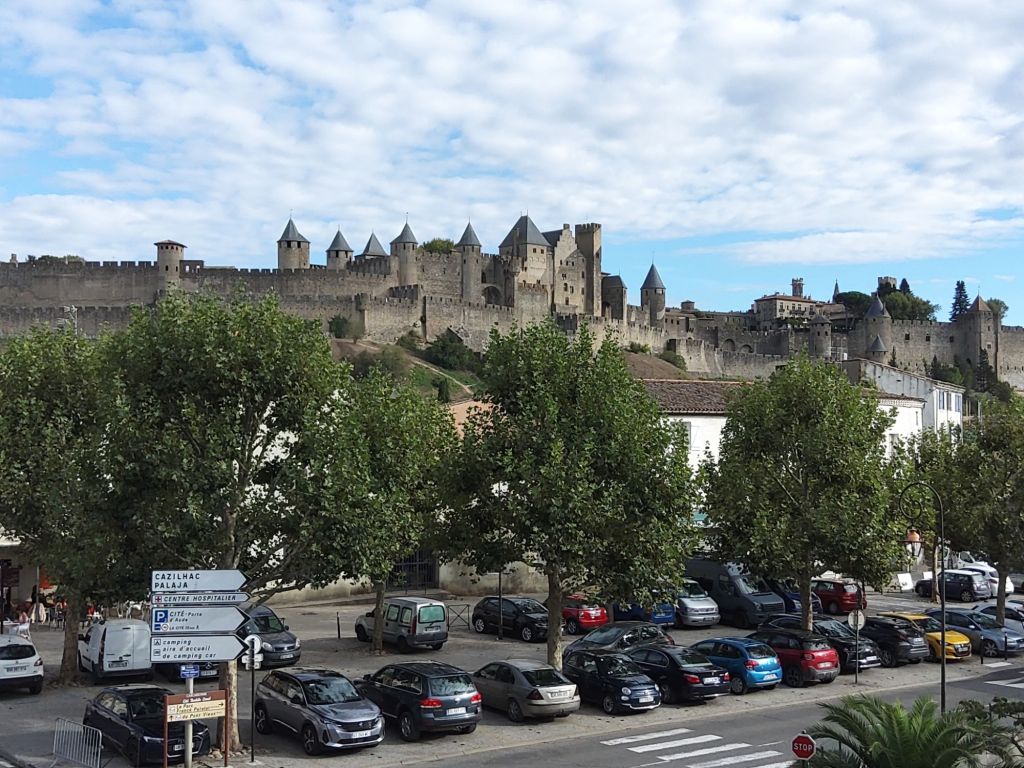
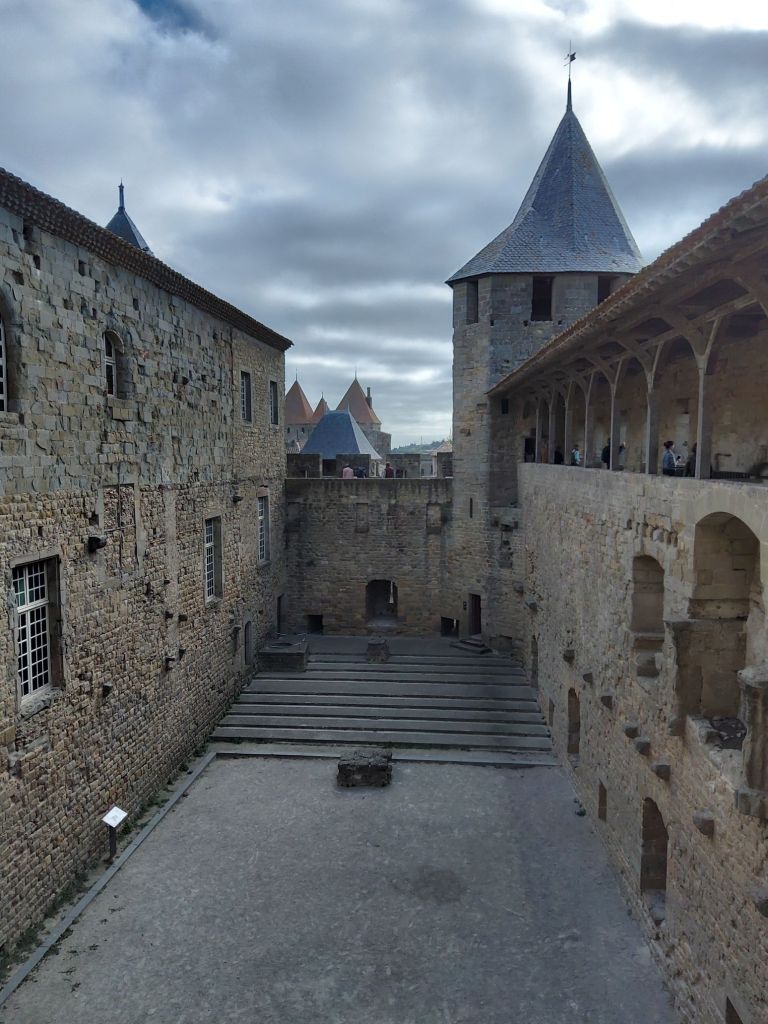
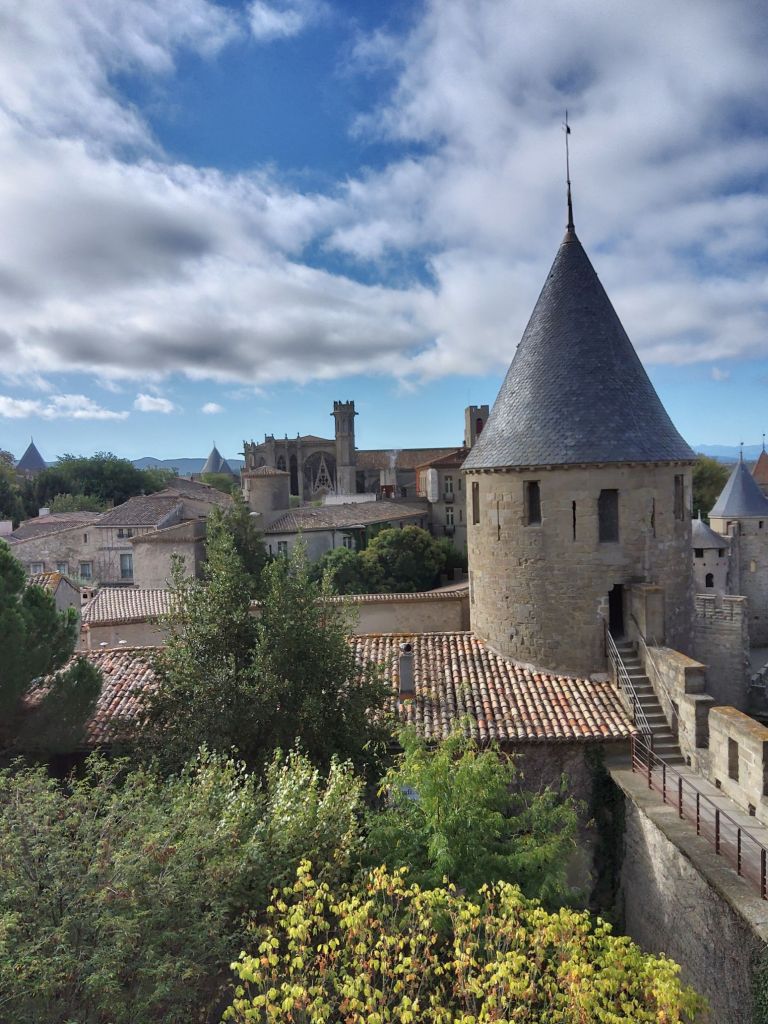
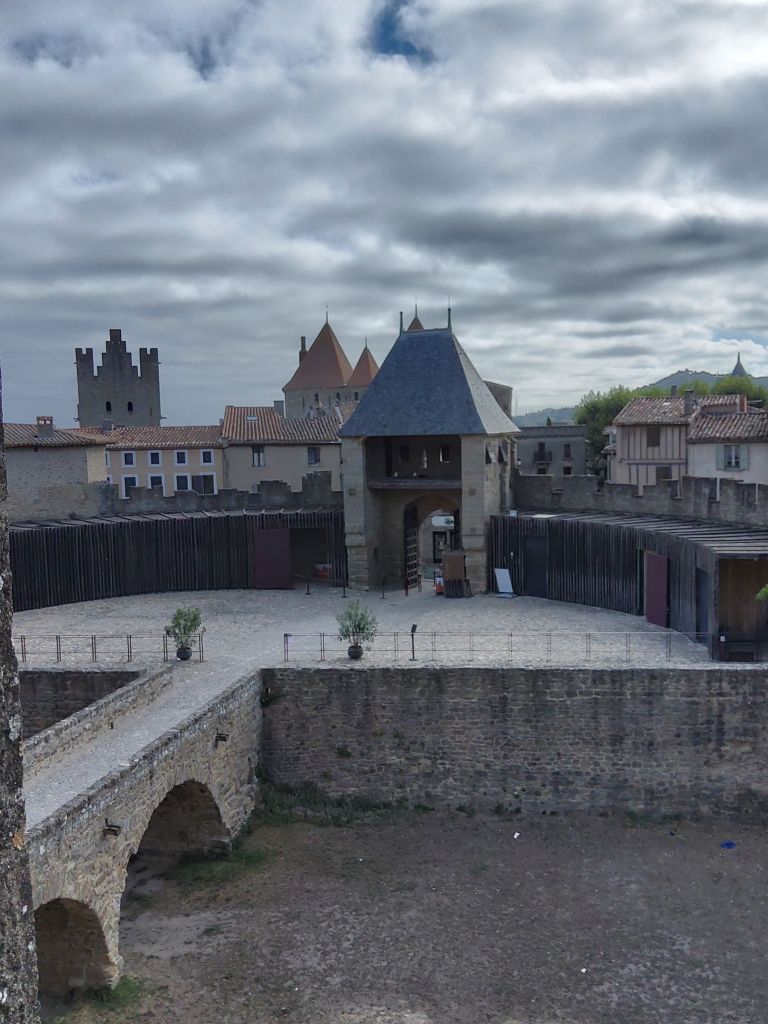
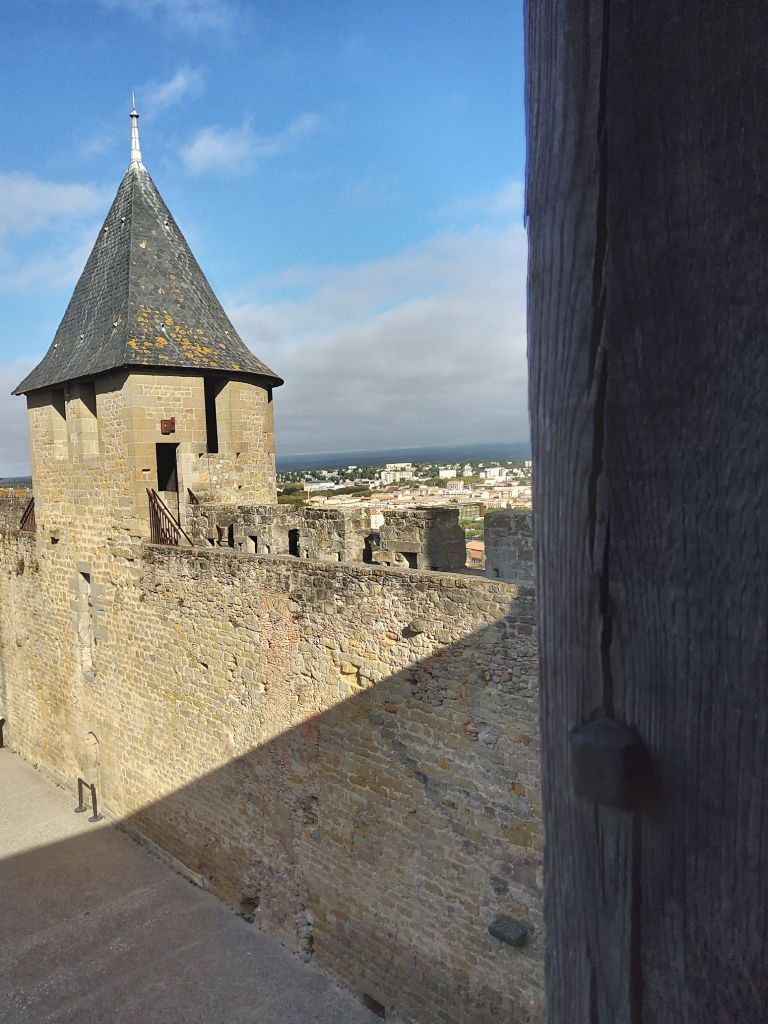
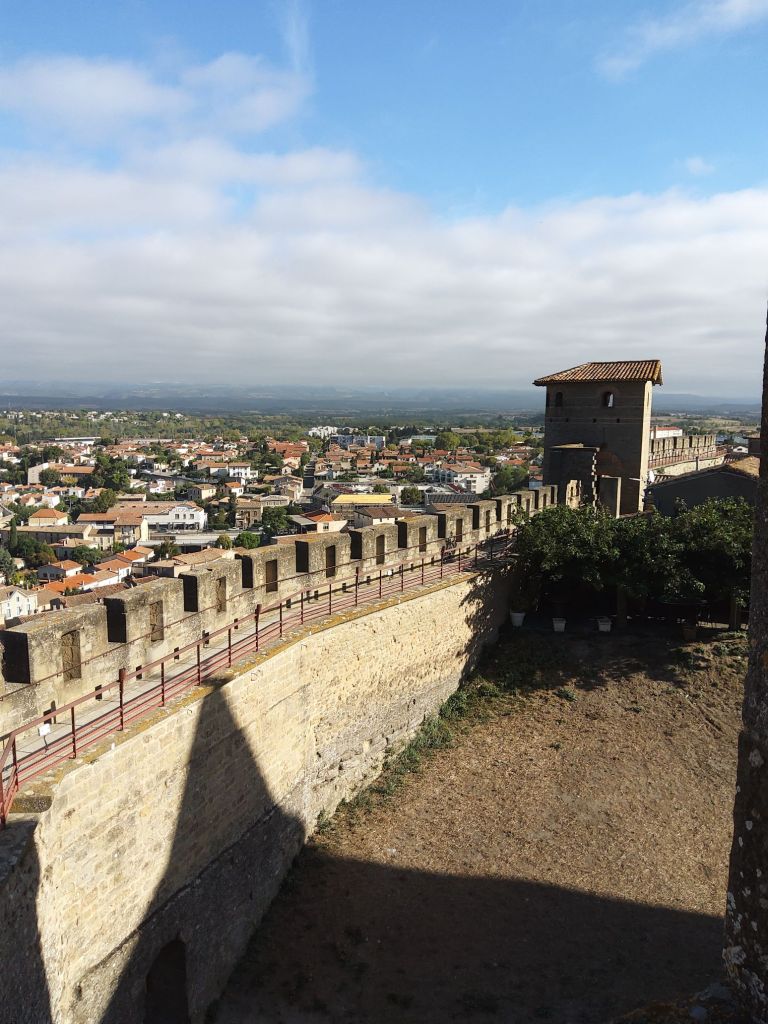
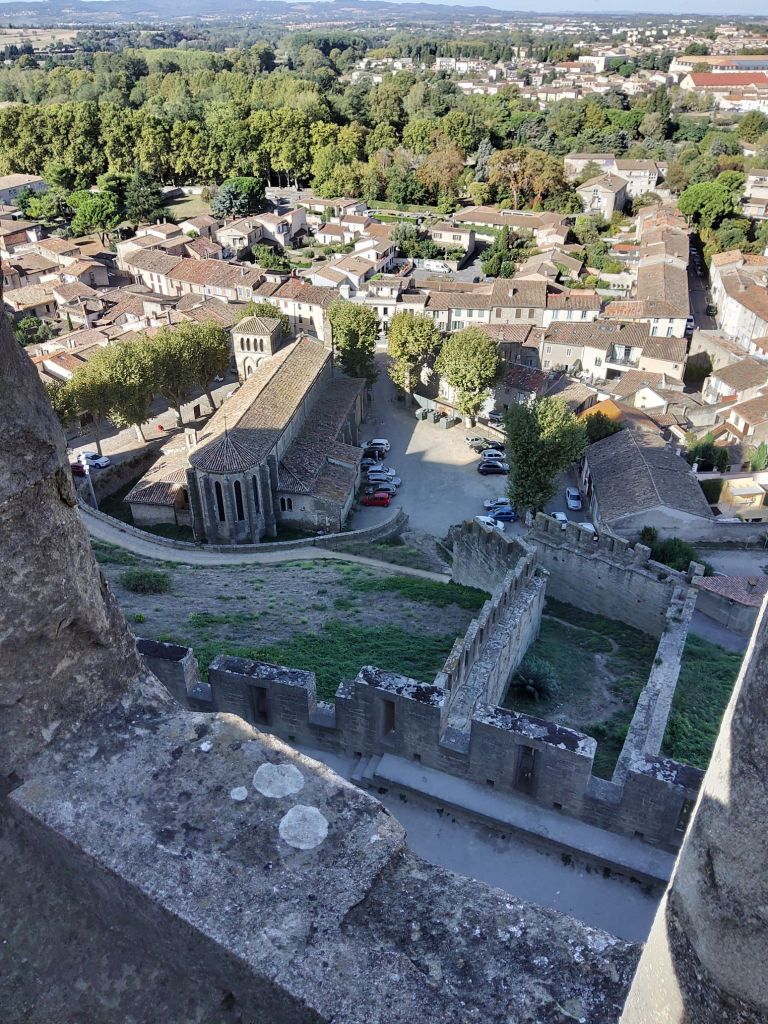
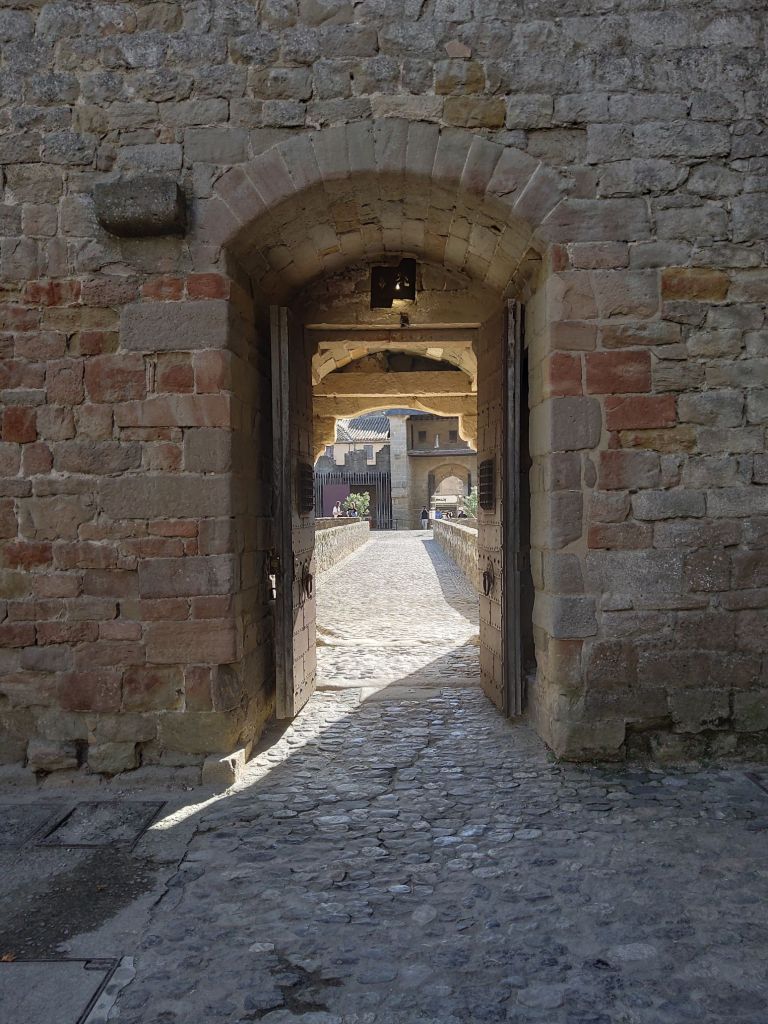
This morning headed back to spend time at the castle and the old town. The town was beautiful with its medieval stone buildings, cobblestone street and narrow lanes.
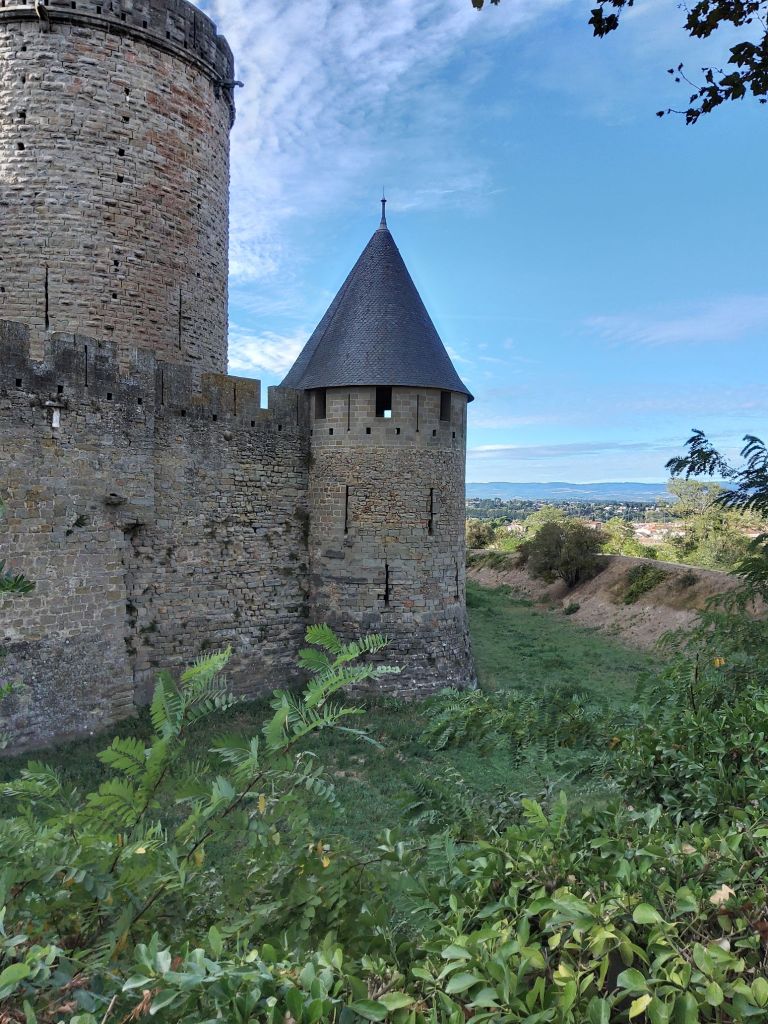
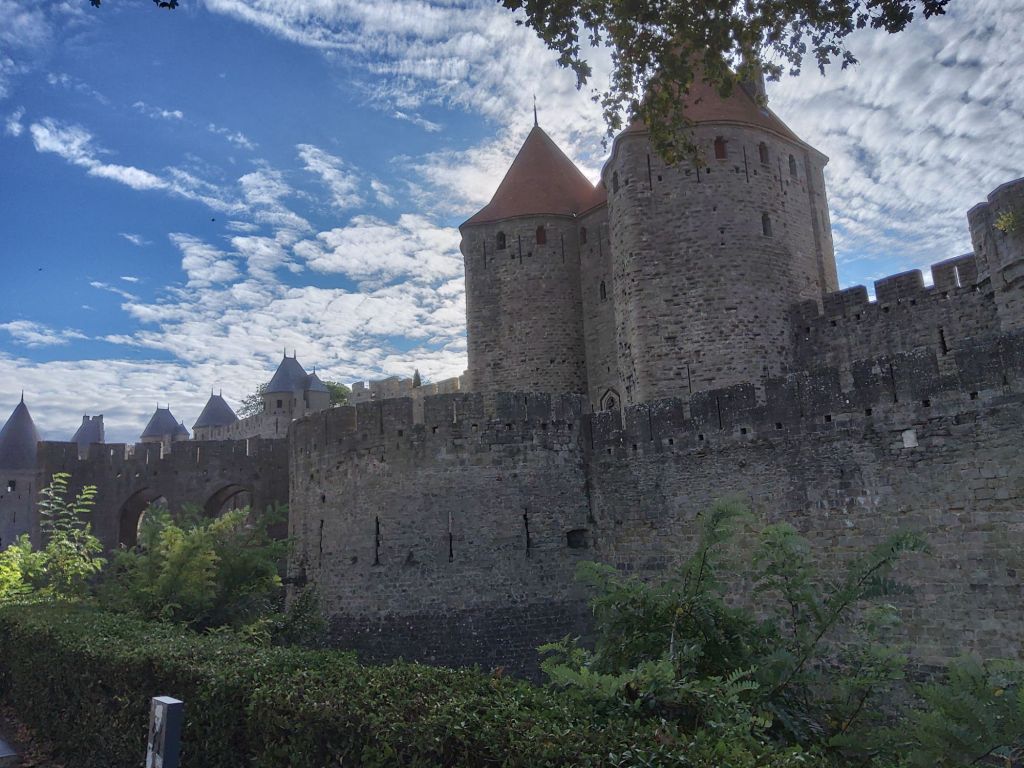
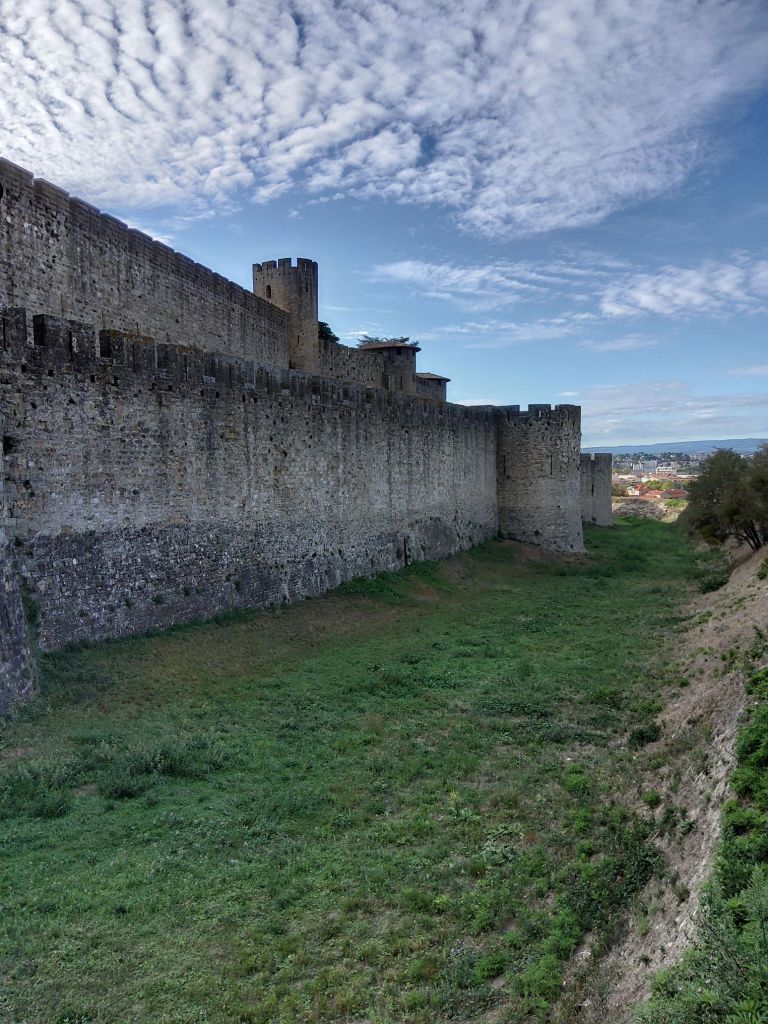
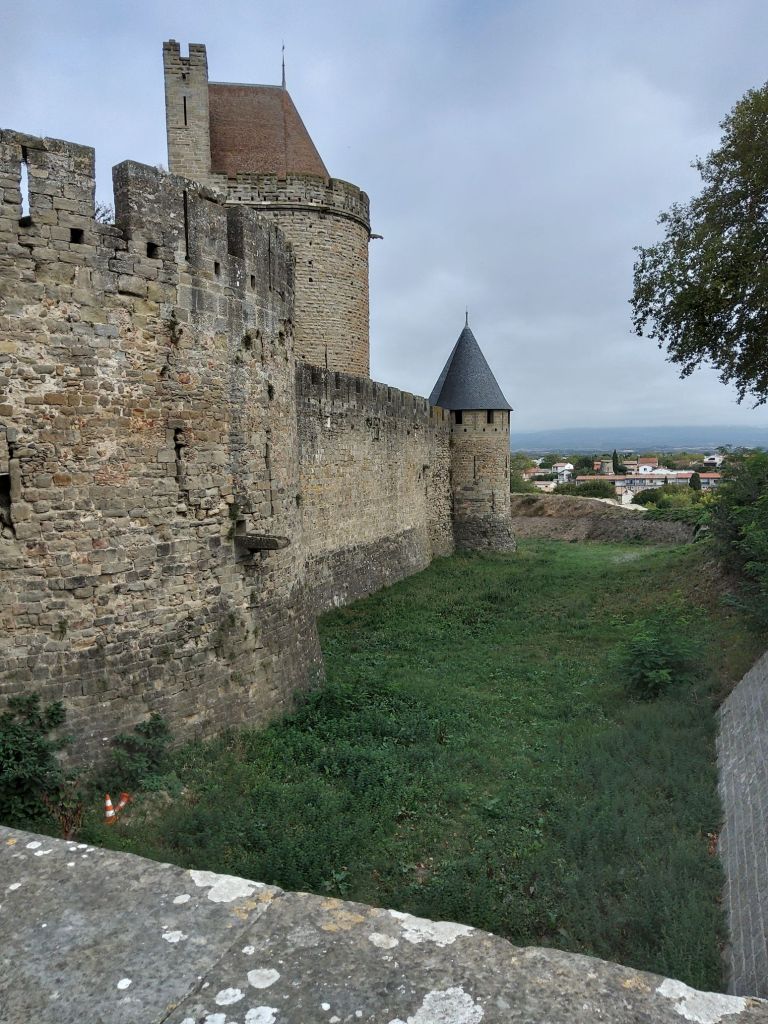
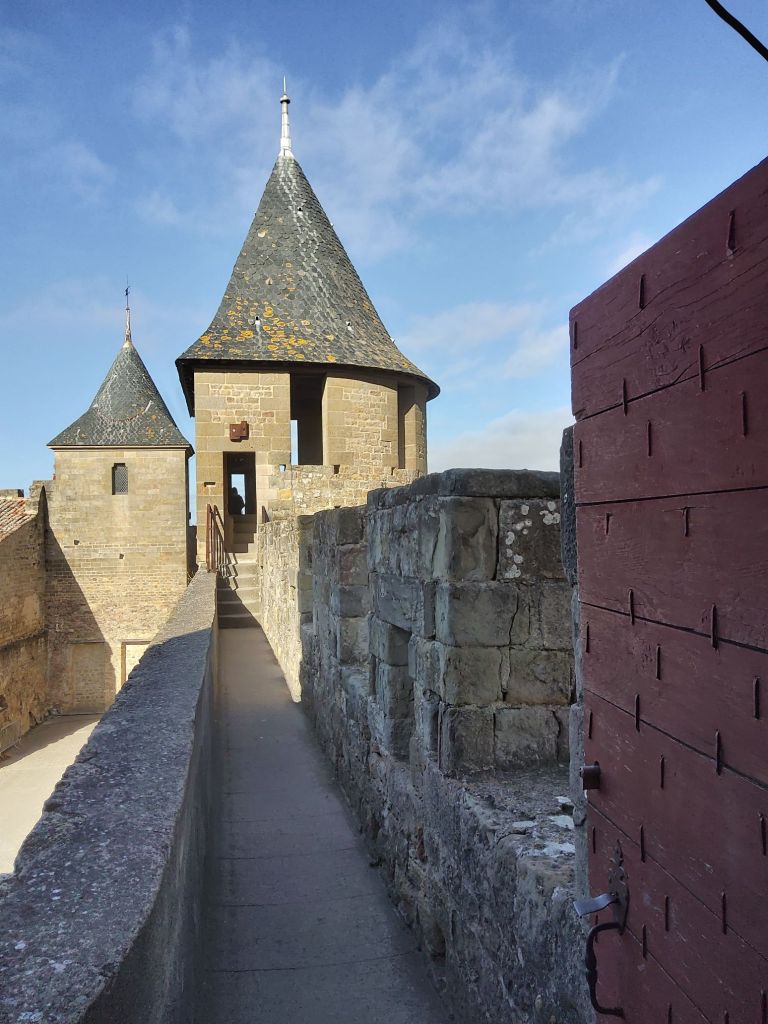
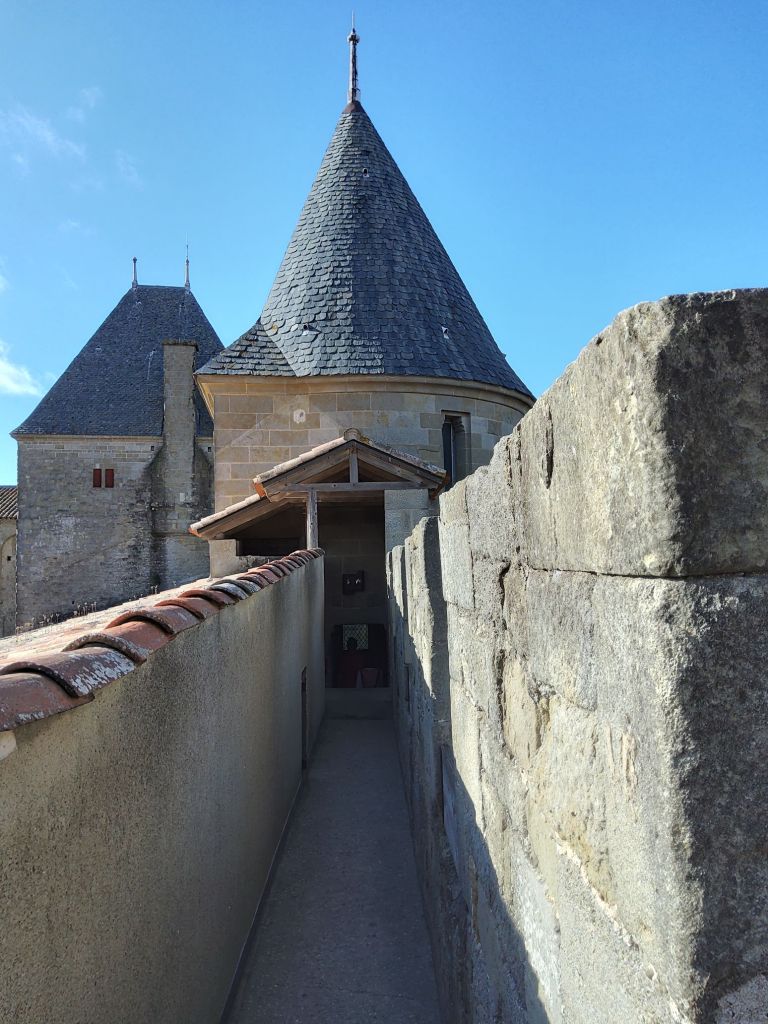
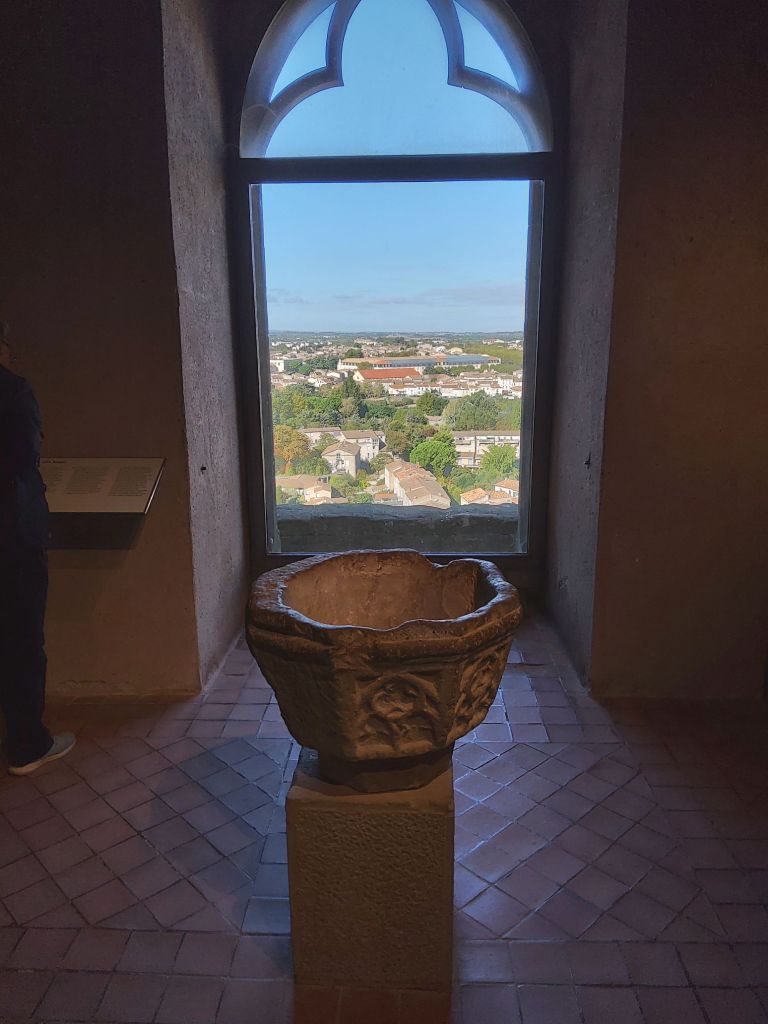
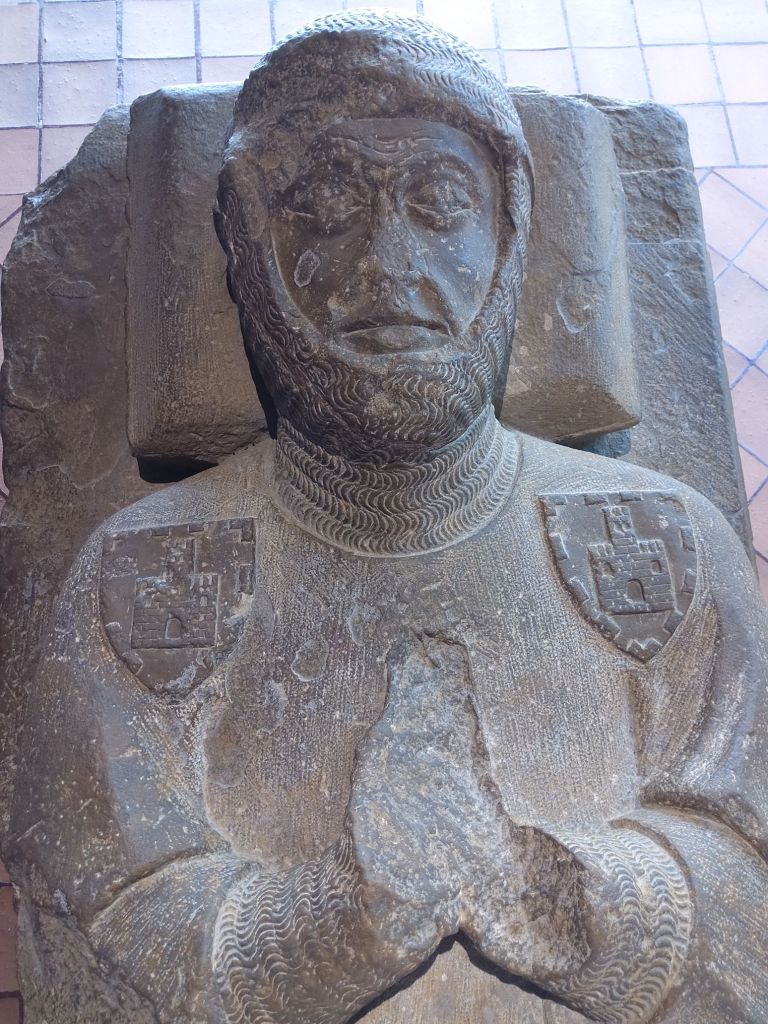
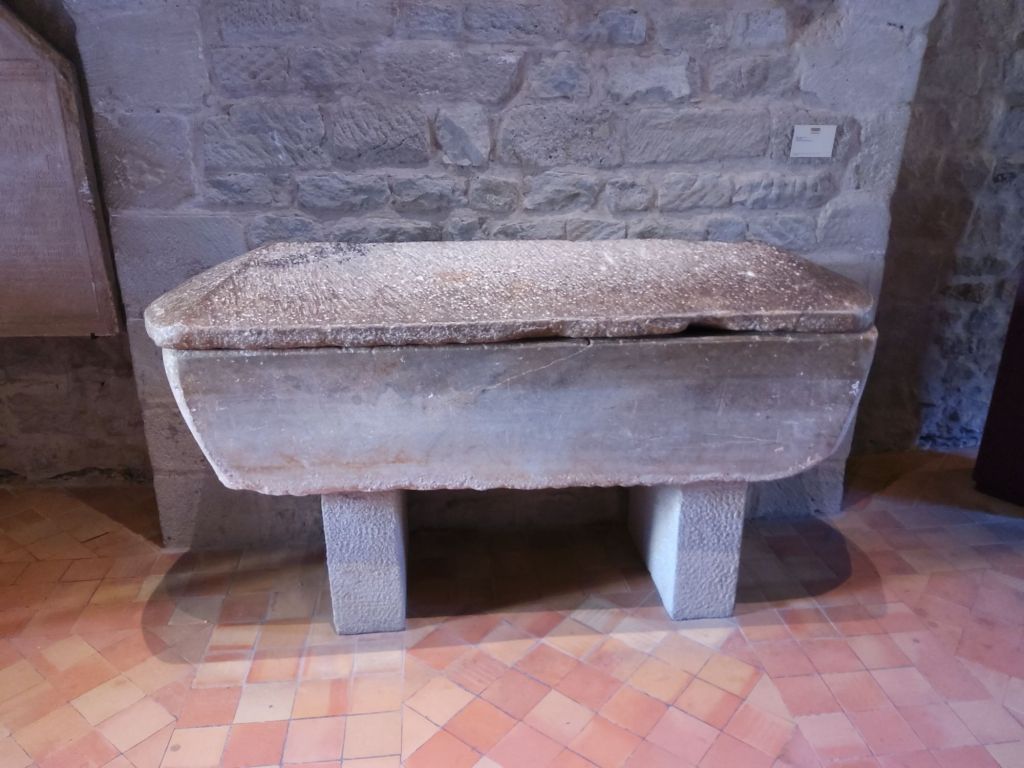
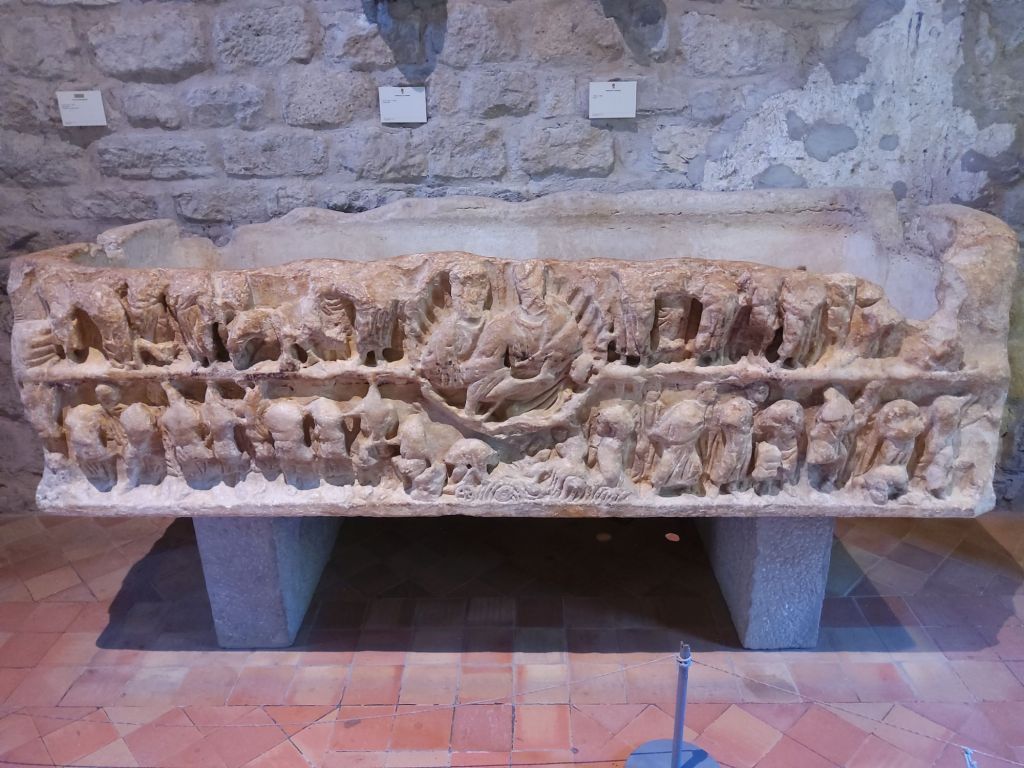
As much as the town was beautiful and enjoyable, the highlight was Carcassonne Castle. It is said the Roman’s laid the first stones back in 122 BC and occupied the region until the 5th century.
In the fifth century, the region of Septimania was taken over by the Visigoths, who founded the city of Carcassonne in the newly established Visigothic Kingdom.
Less well known is the legend from which the city is said to have got its name, which dates back to the 8th century when Saracens, Muslim Arabs from Spain, ruled the city.
Charlemagne, the king of the Franks, wanted the city for himself and laid siege to it for five years.
During that siege, Prince Balak – the city’s ruler – died, as did many of his soldiers.
His wife Dame Carcas became leader. In the sixth year, food and water were scarce and Dame Carcas ordered an inventory of all the remaining stocks.
The villagers brought her a pig and a sack of wheat, all that was left. She hit upon a daring plan.
She fed the pig, rather than the townspeople with the last remaining sack of wheat and then threw the animal from the tallest tower, down below to Charlemagne and his soldiers.
He was fooled, thinking that if they could afford to waste a wheat-fed pig, the city must have plenty of provisions and he lifted the siege.
Dame Carcas was thrilled at the success of her plan and as she watched the soldiers retreating she decided to ring the bells.
Legend has it that one of the soldiers in the plain below turned to Charlemagne and said “Sire, Carcas … sonne!”, Carcas is ringing the bells and from then on the city has been called Carcassonne.
Interesting factoid, Carcassonne has been used in many films including the famous Robin Hood: Prince of Thieves starring Kevin Costner with the fortress being used to depict Nottingham Castle.
I have to say, we were absolutely enthralled by the history and the “medievalness” (if there is such a word) of the surroundings.
Back to the car and struck out for Aix-en-Provence. Love it there. The heart of southern France. Mediterranean climate, fields of sunflowers and grape vines as far as the eye can see. 27C and sunny but not humid.
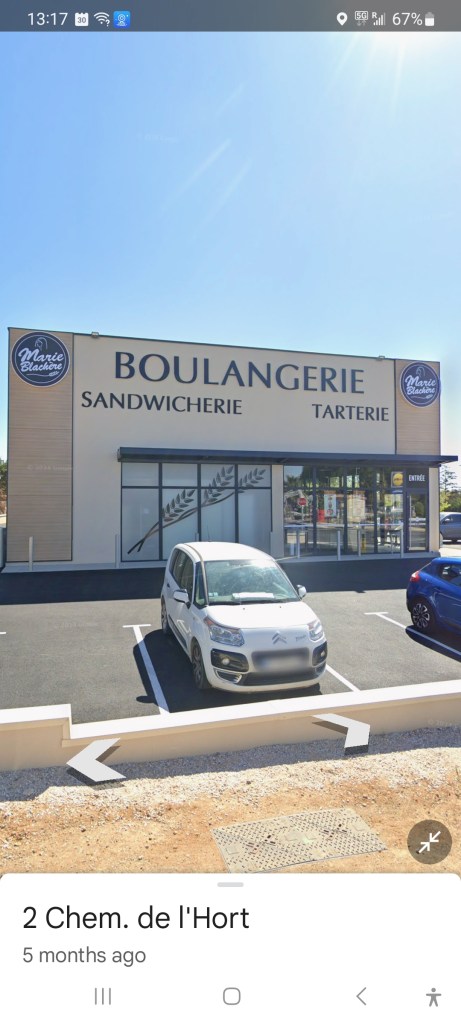
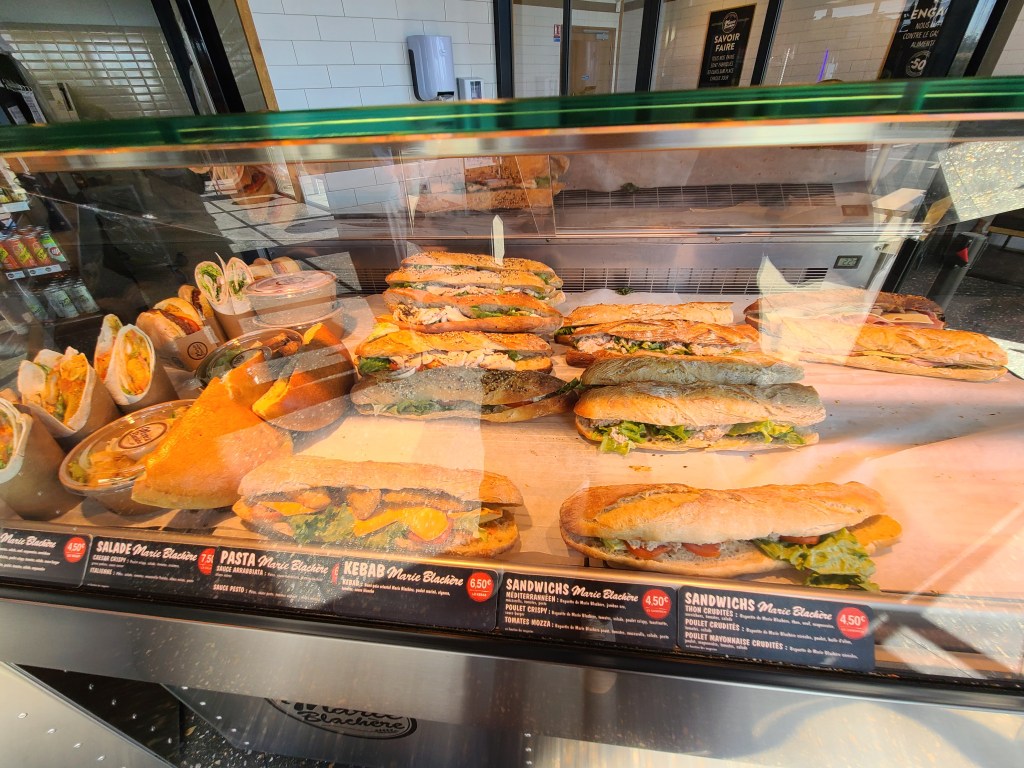
Along the road found a boulangerie that sold sandwiches, cakes and coffee. OMG, the heavenly smell of fresh baked bread and cakes makes your stomach growl!
We have 3 nights in Aix-en-Provence and will be out and about the countryside and into the hills to explore some of the villages we have come to love from trips gone by. Wine, lavender, cheeses, baked goods, fresh local produce, linens and antiques. Lots of snooping to be had.
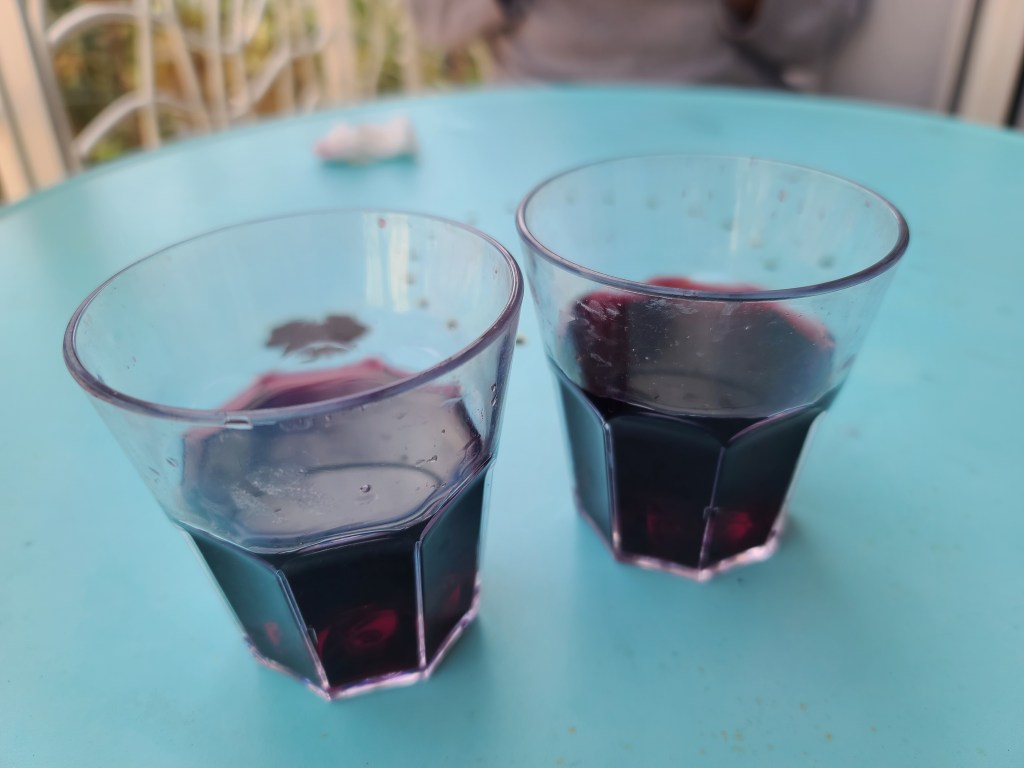
This afternoon we picked up some fruit, water and wine in the grocery store to stock the fridge. You know, you can’t get a bad bottle of wine in France. $6.00 CDN for a bottle of red Cote du Rhone or white chardonnay. It is unbelievable!


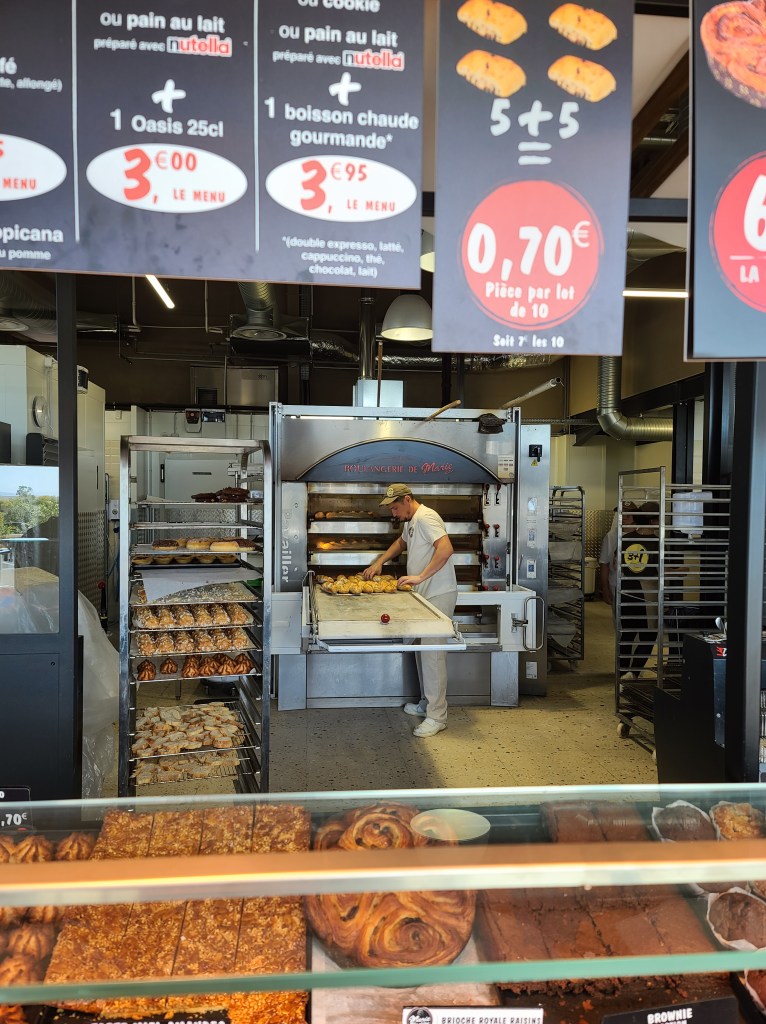
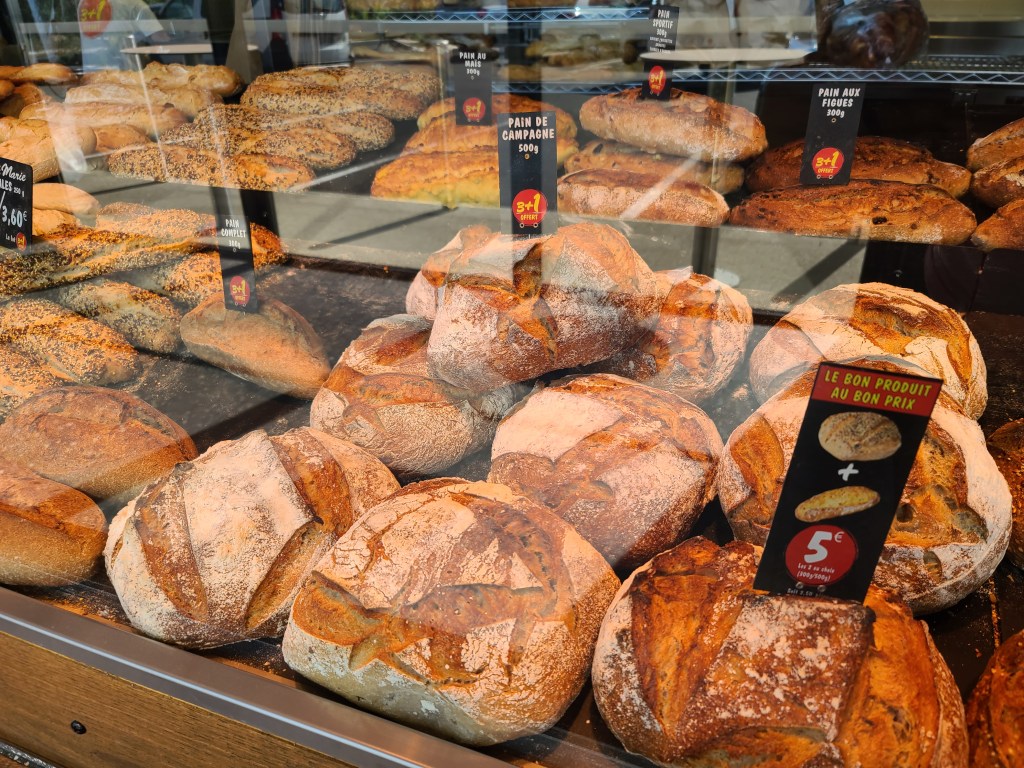
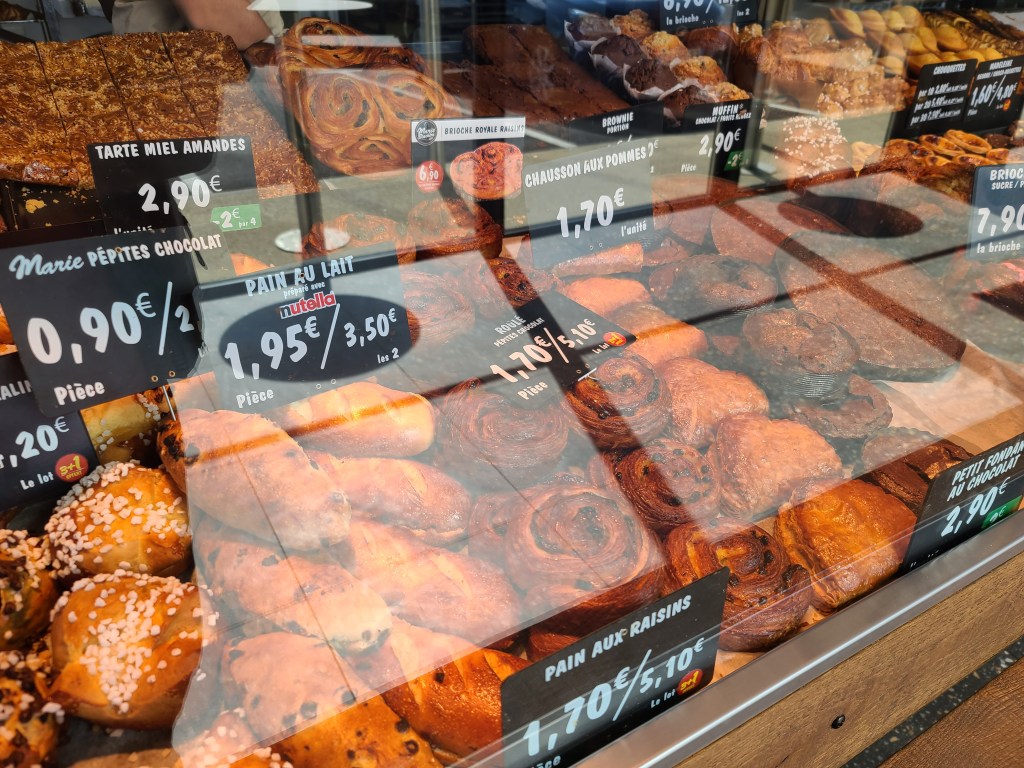
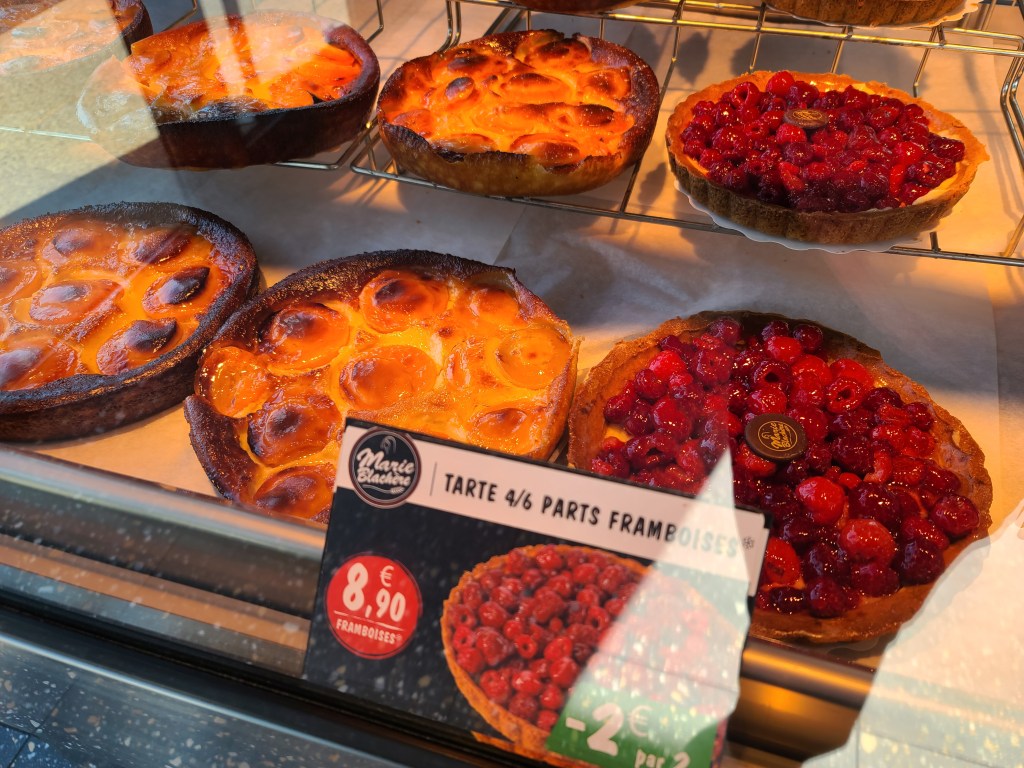
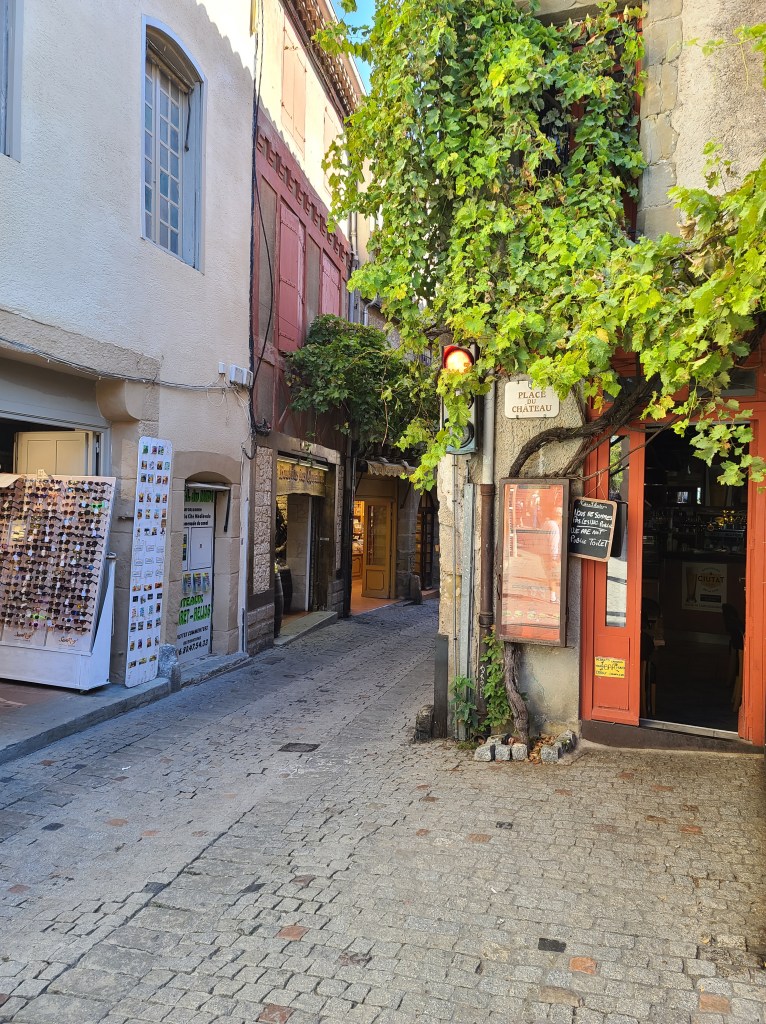
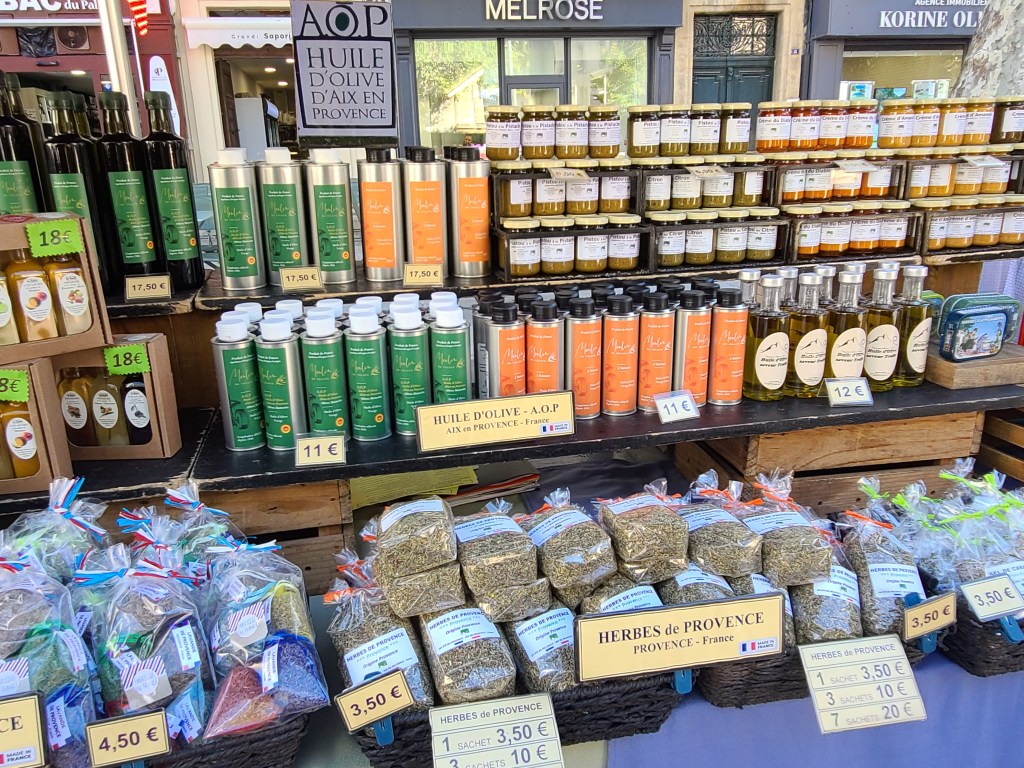
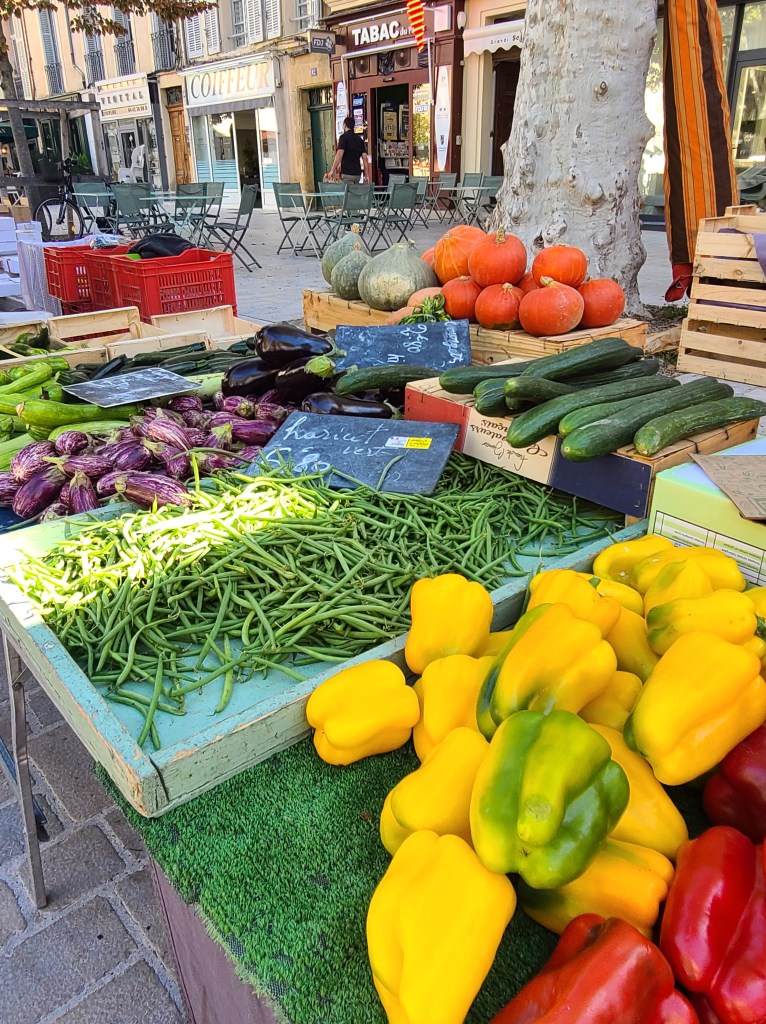
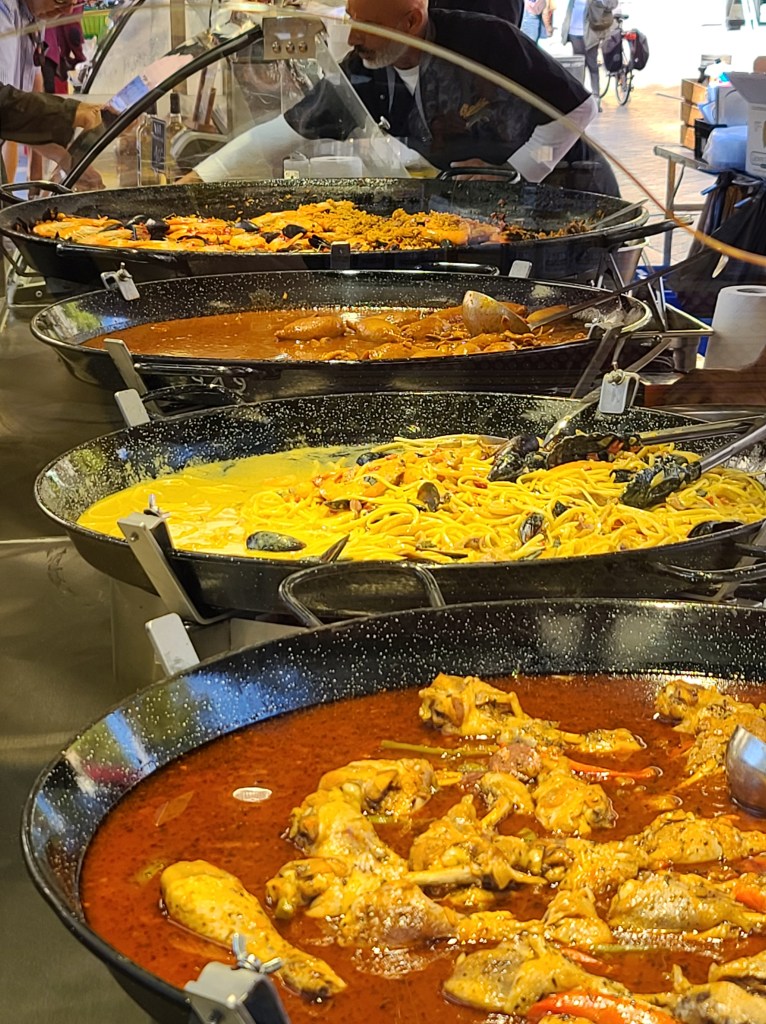
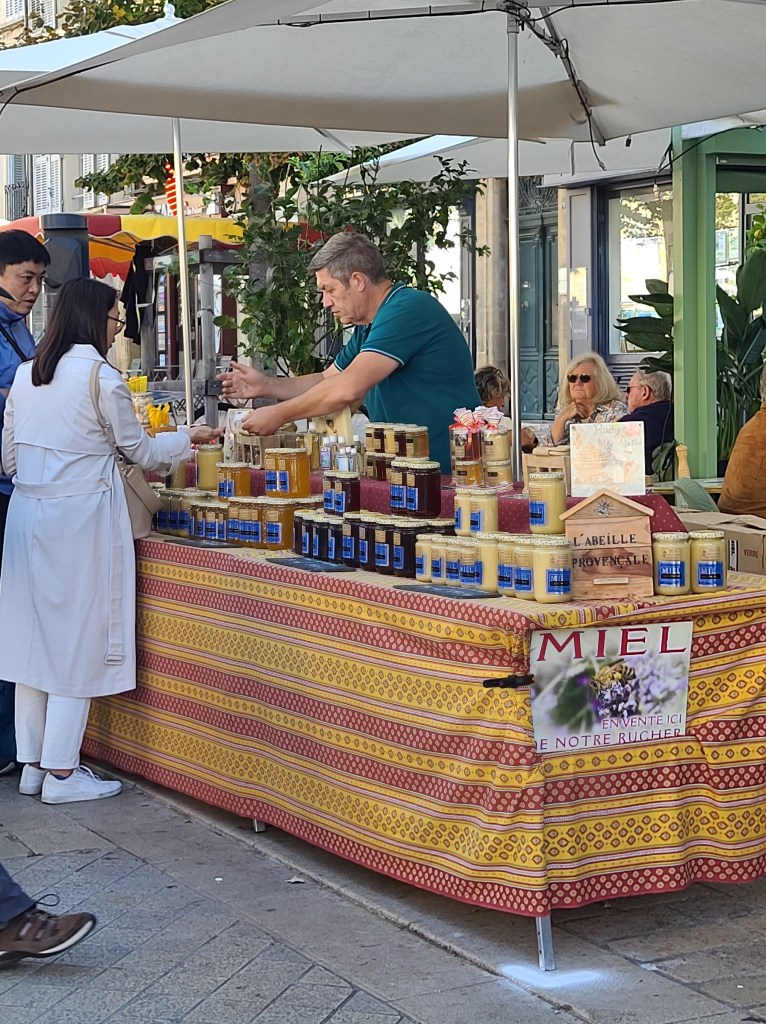
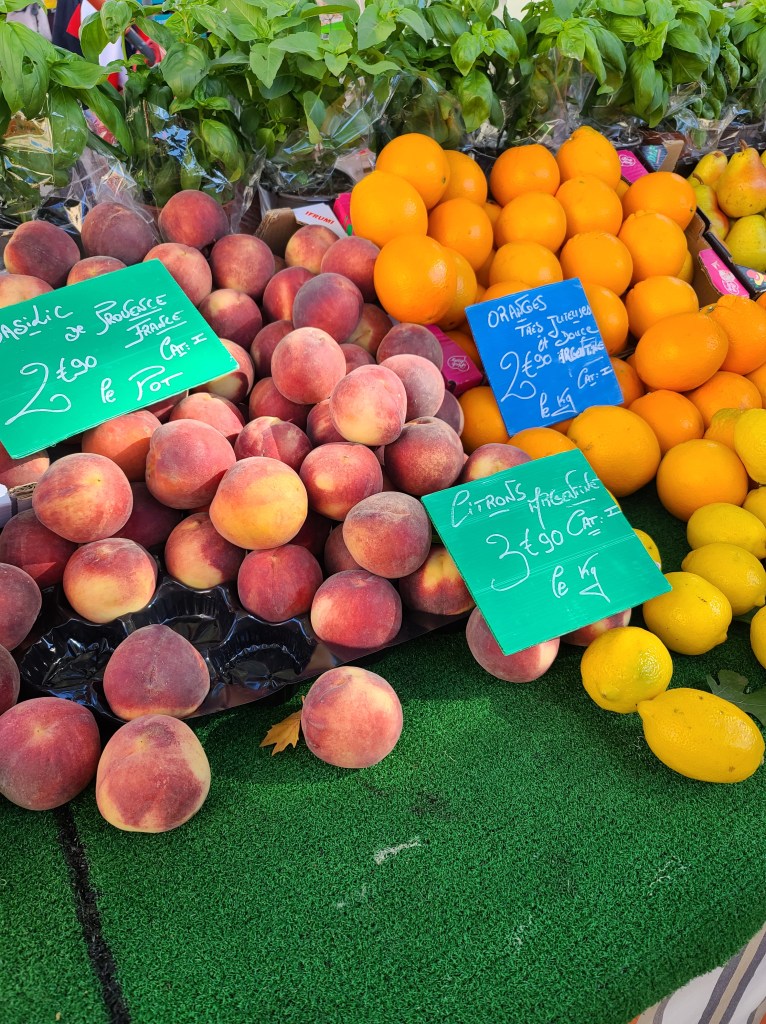
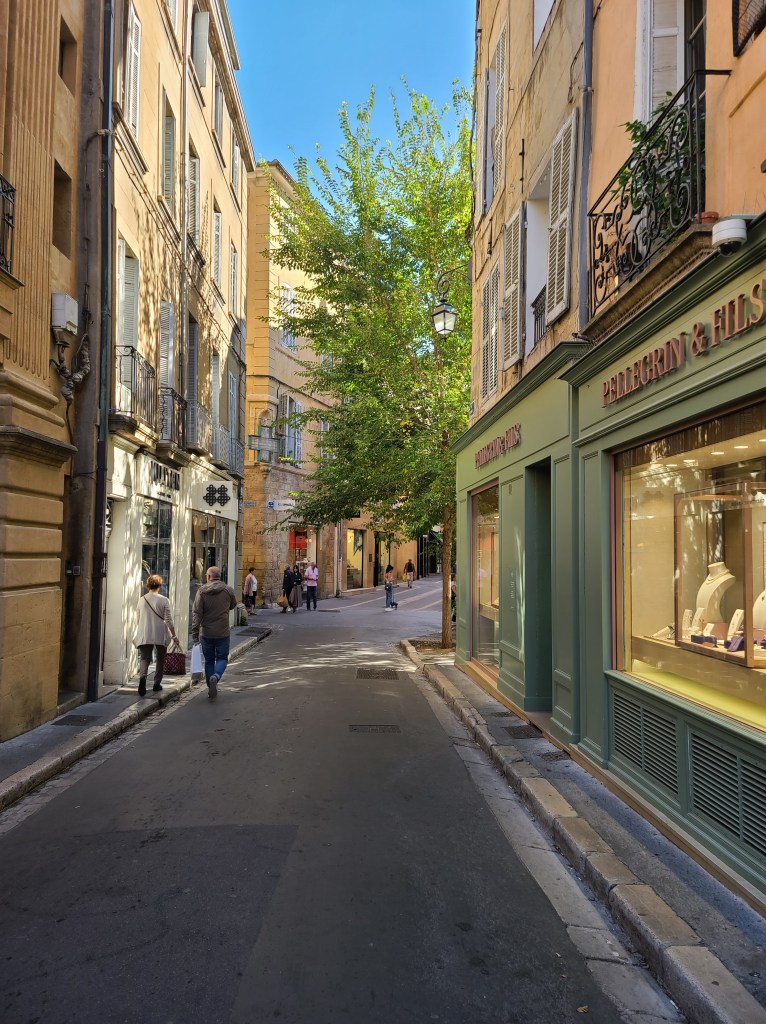
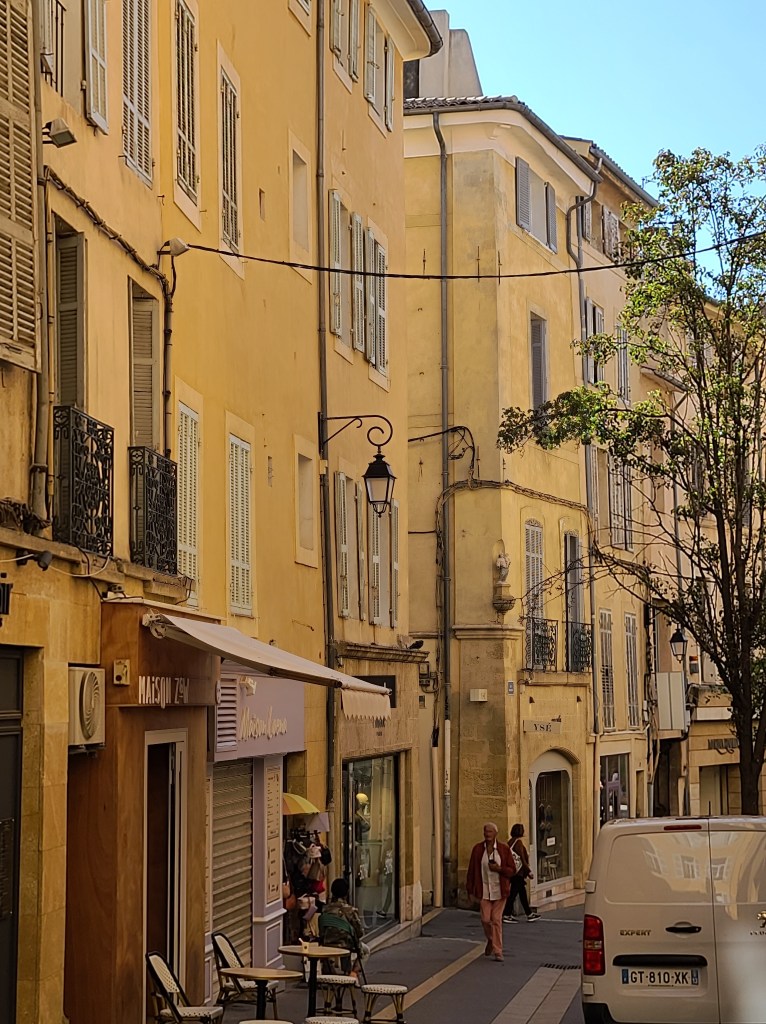
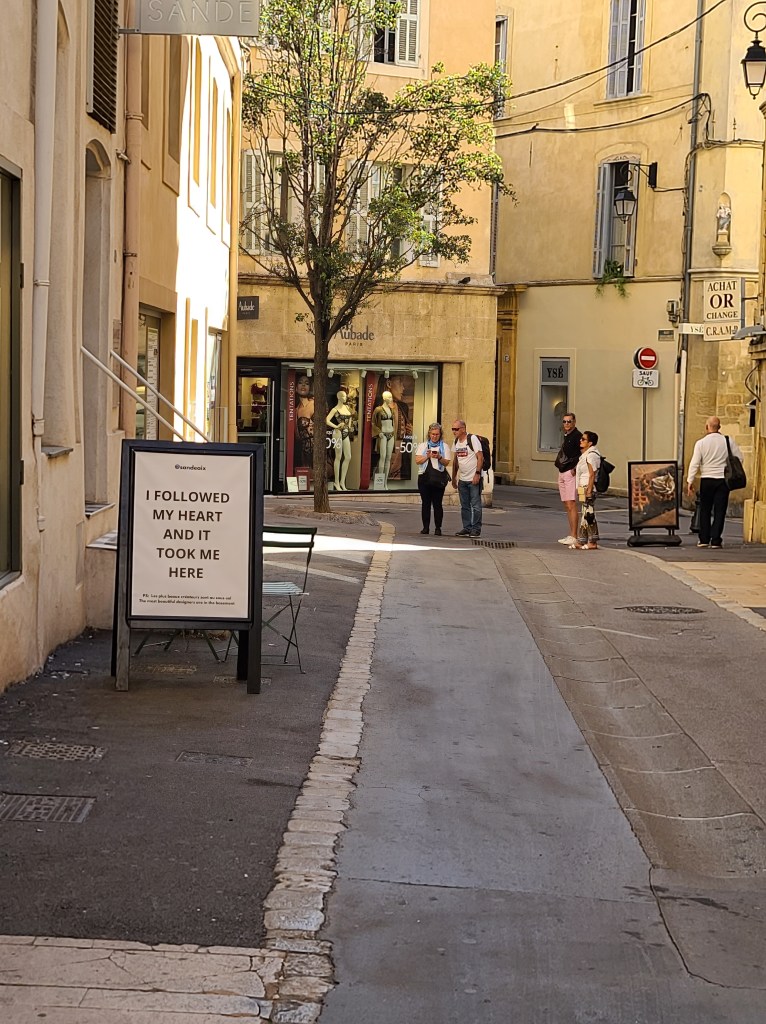
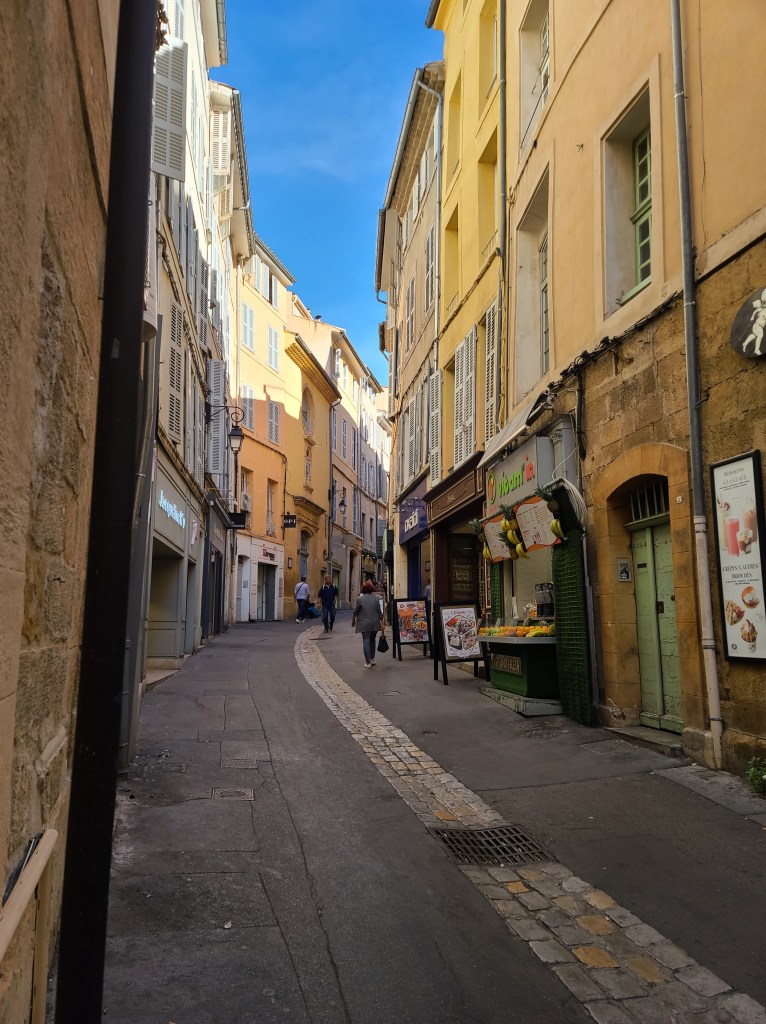
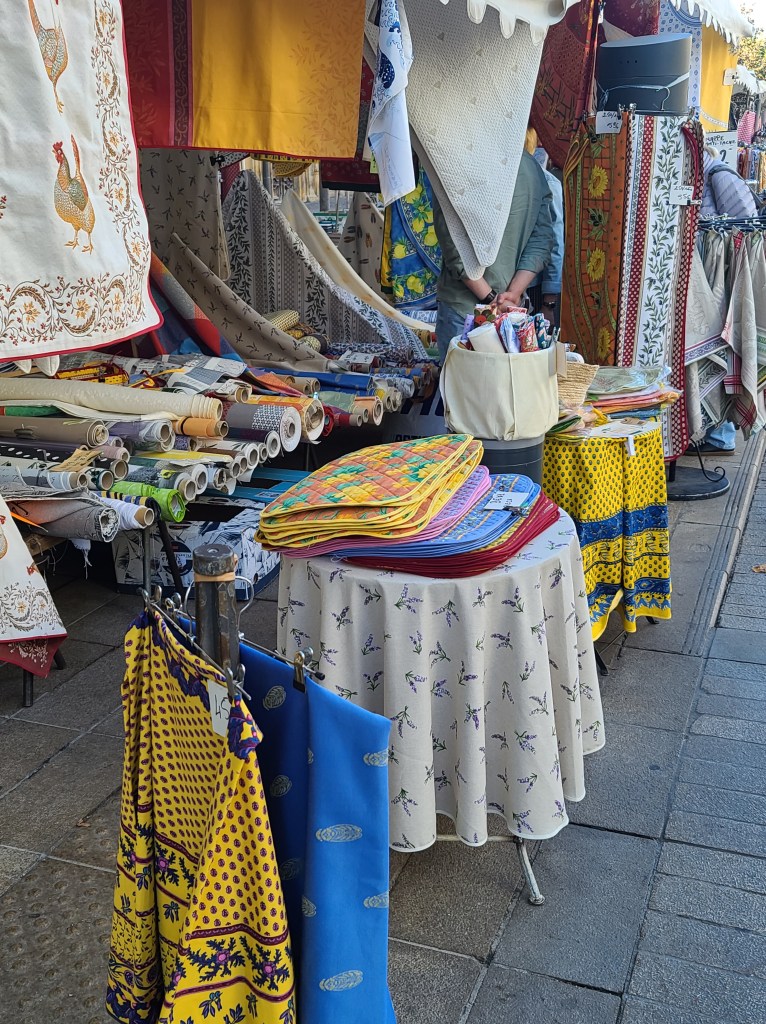
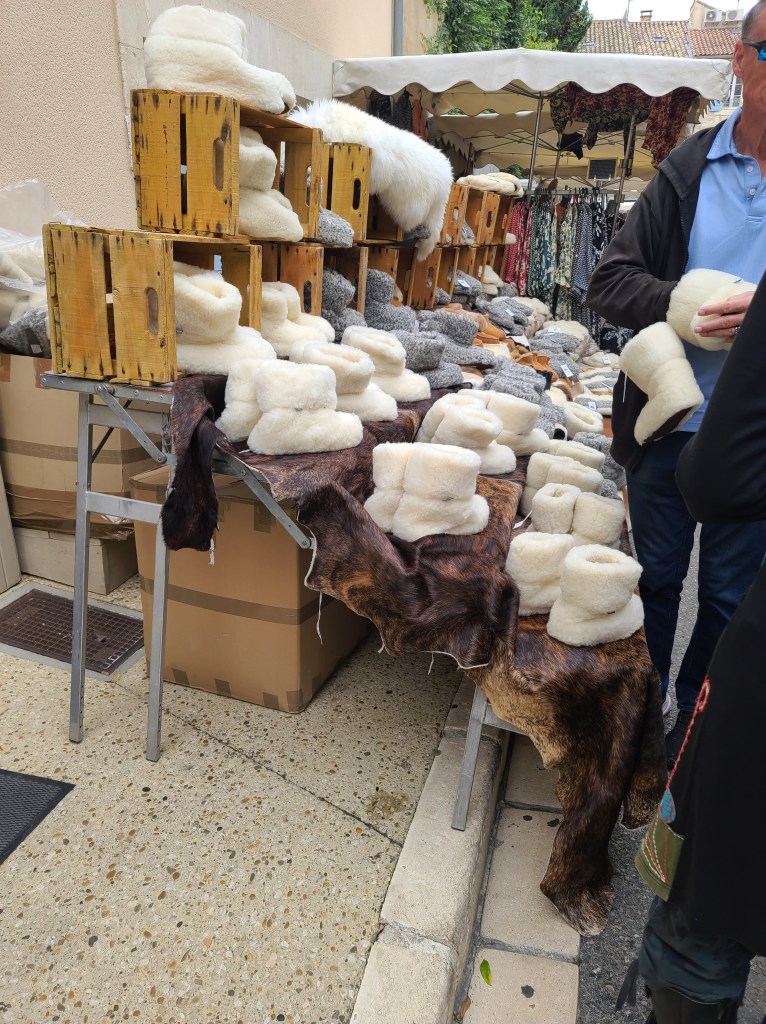
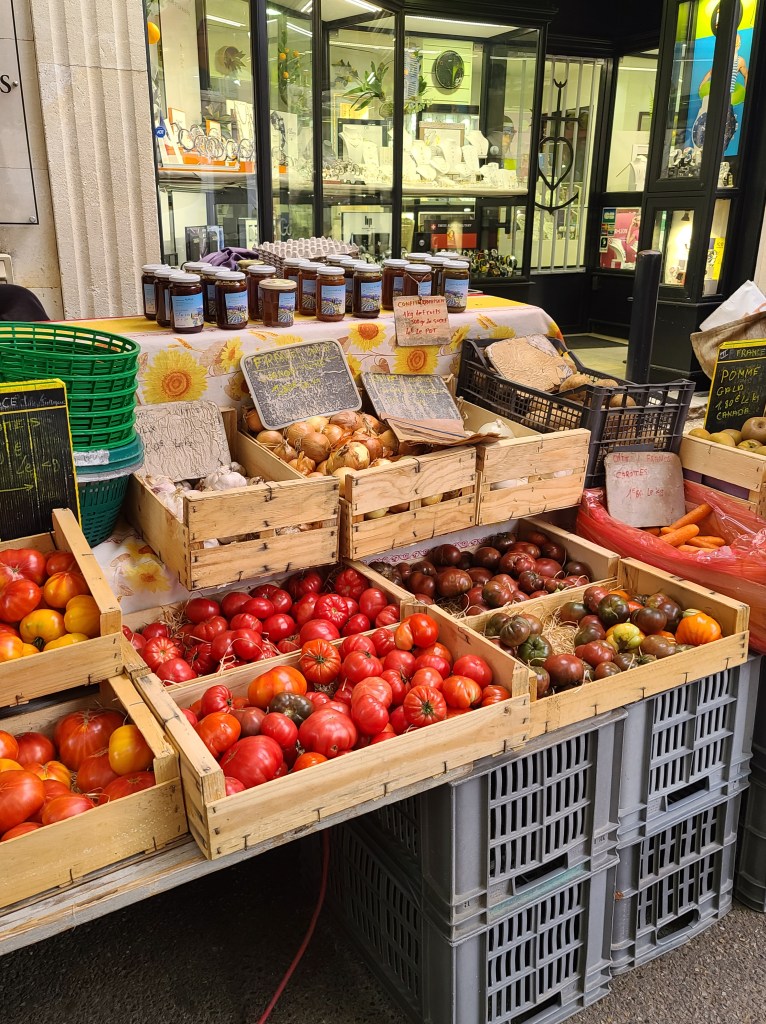
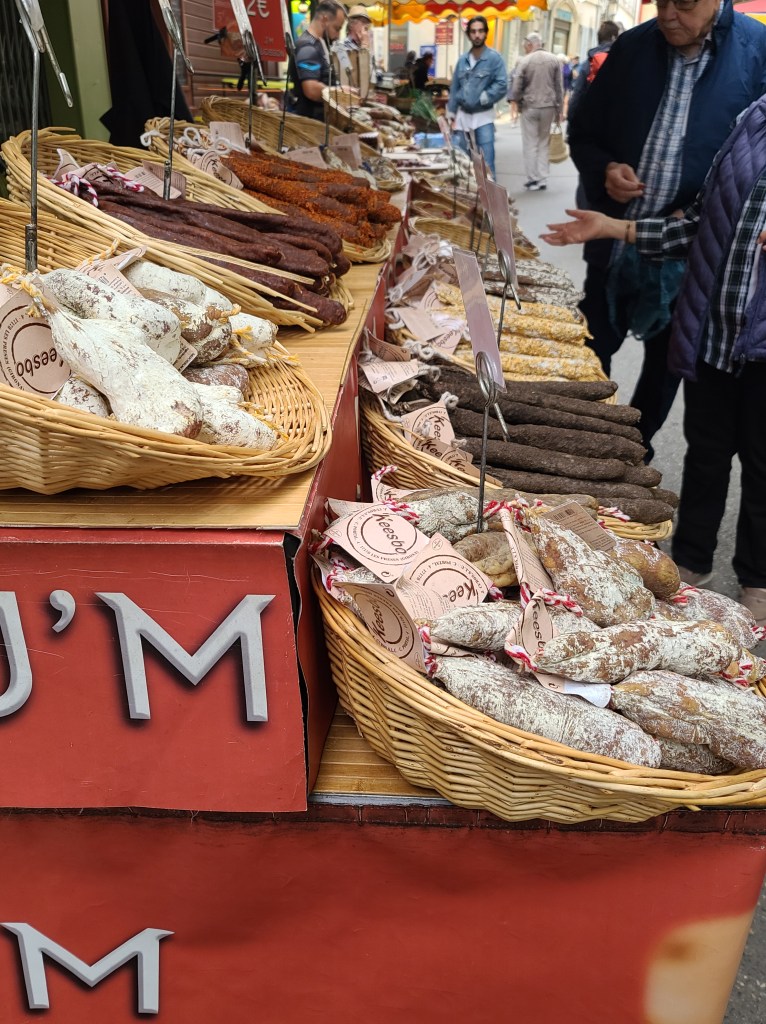
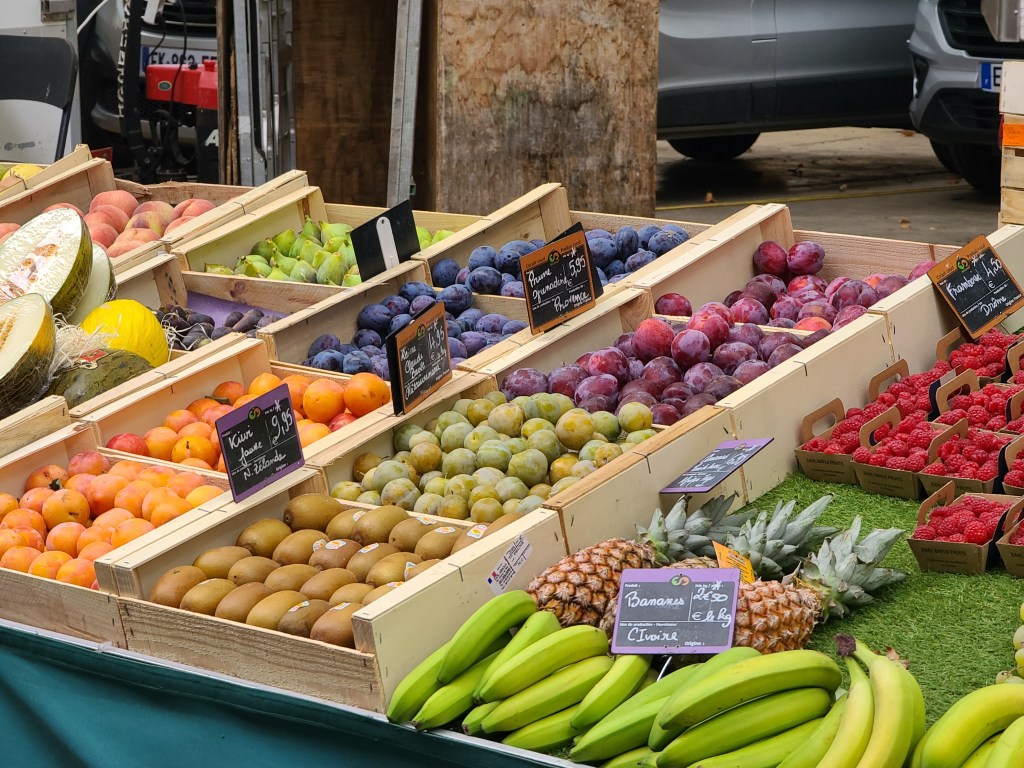
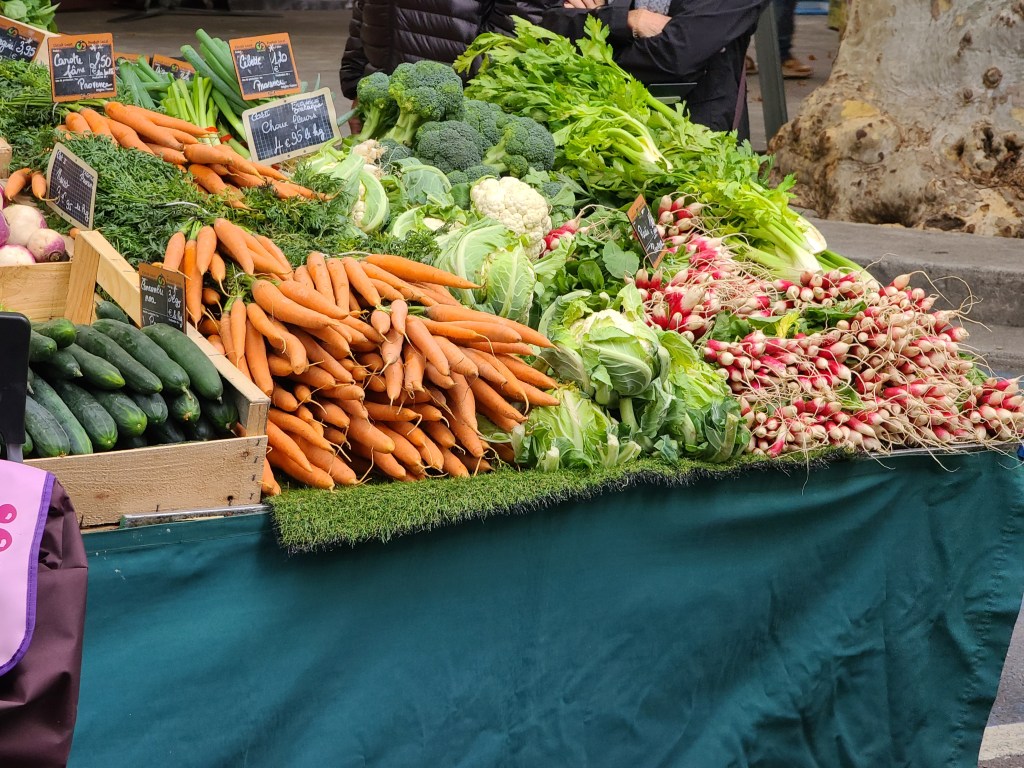
Headed into Aix en Provence to check out the local market. It operates from 08:30-13:30 three days a week. Other towns have markets on opposite days. They sells everything from clothes to food. Nothing is wrapped in plastic and produce is fresh from the farms displayed in wooden crates. Produce can only be sold with 20km from production so everything is beautiful and fresh. The clothing, antiques, leathers and all item non edible are in one market area and food is in another. It is a lovely saunter down the streets and around the corners all while hearing singers present their talents.
One thing you notice straight off is no french woman is large, no matter their age group and the clothes being sold in the market are strong fashion trends for the next couple of seasons. Looks like cheetah print is the new must have, along with wool vests and wool fuzzy purses! All the fabrics are cotton and linen. Not a nylon or polyester in sight!
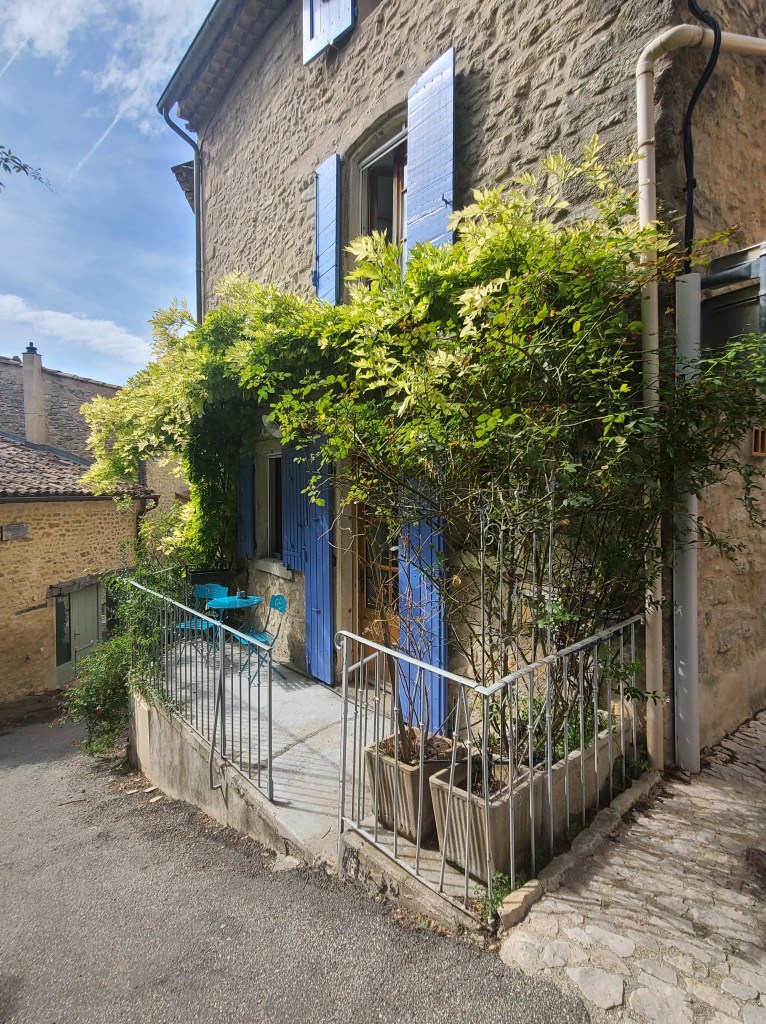
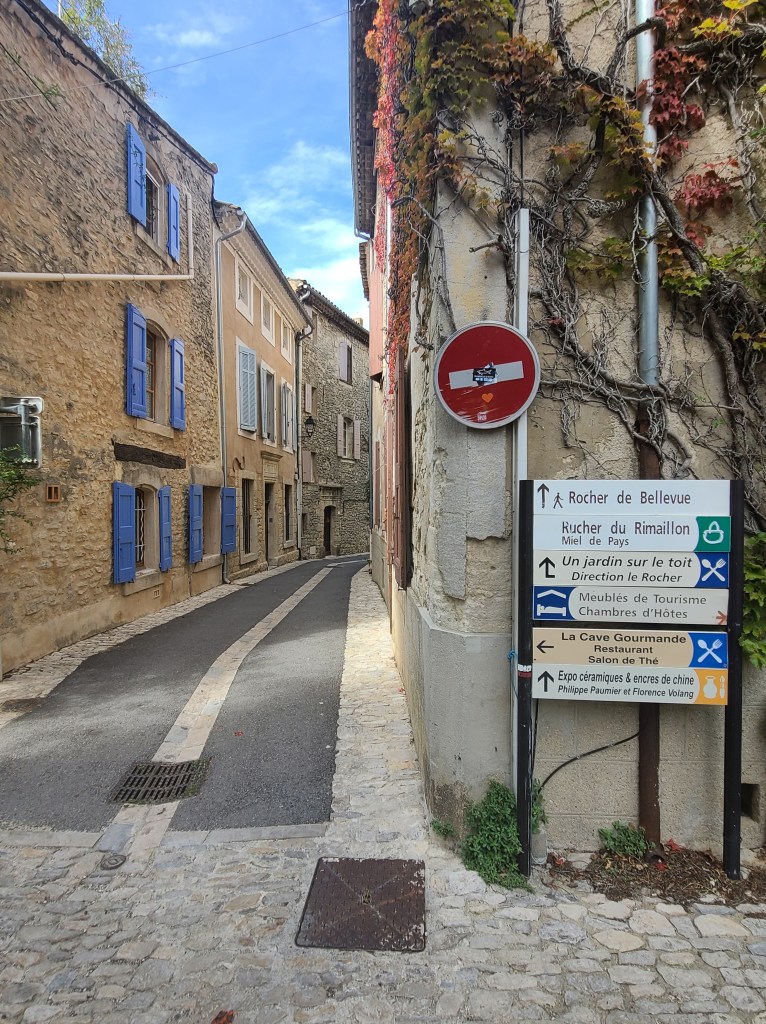
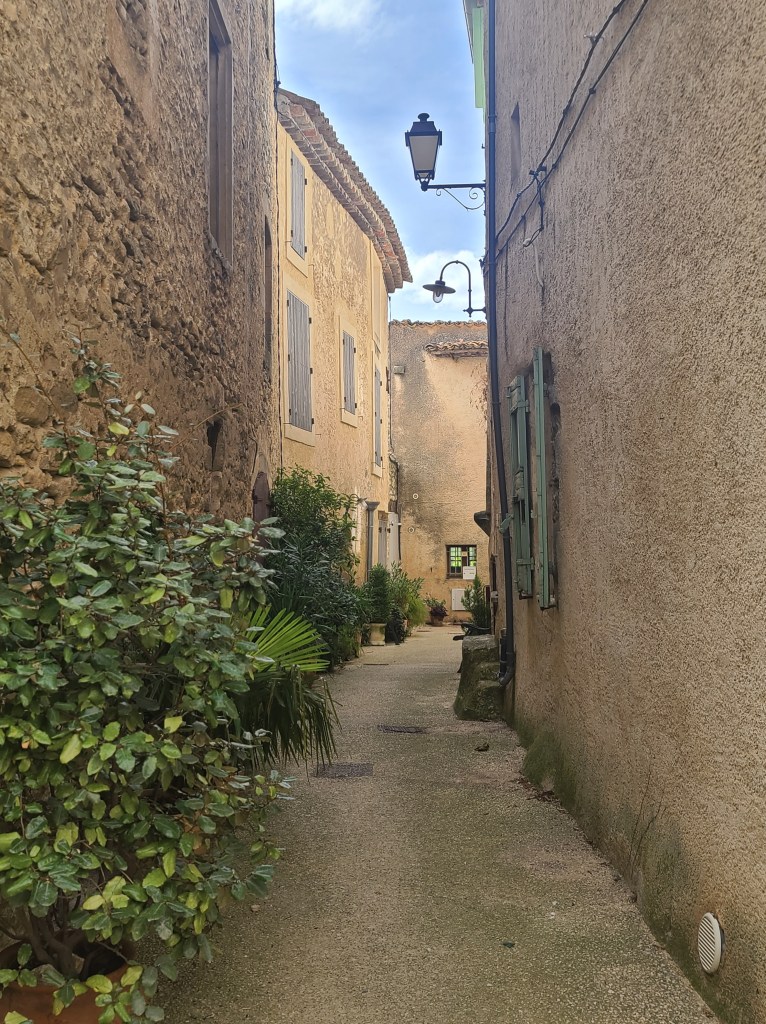
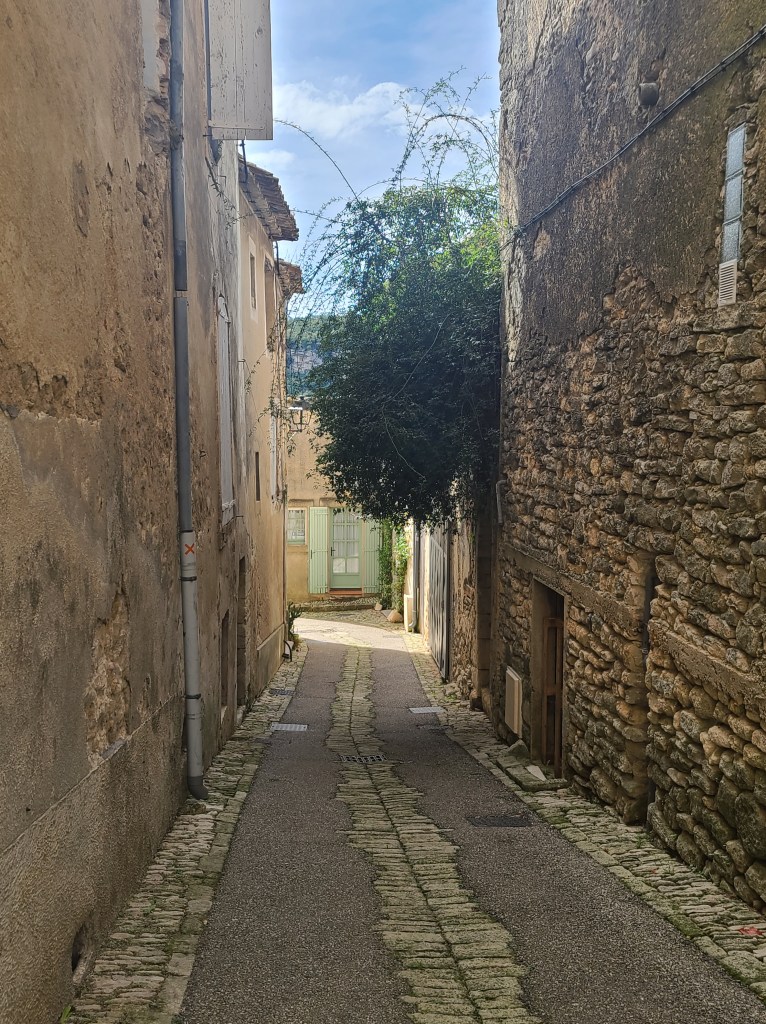
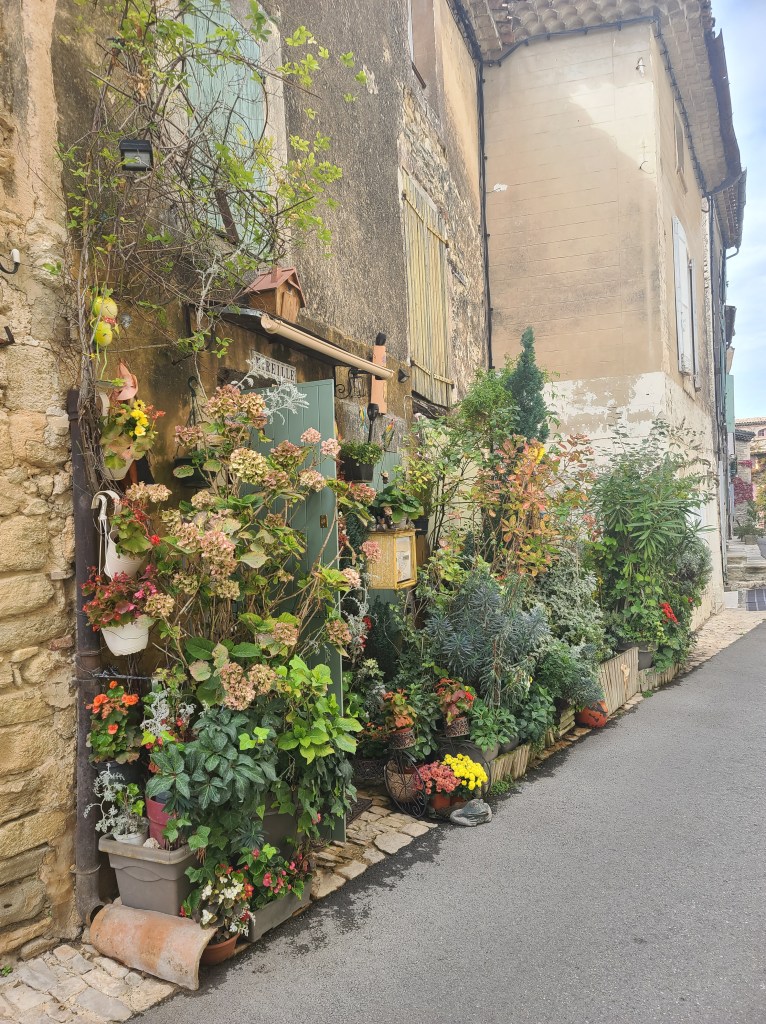
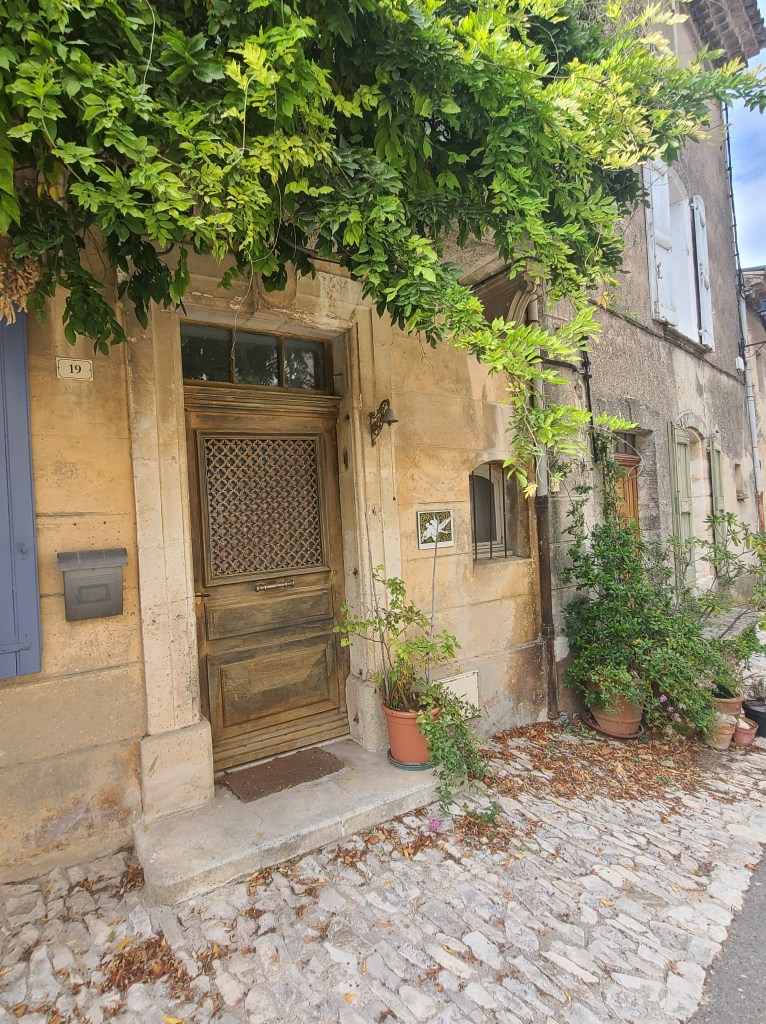
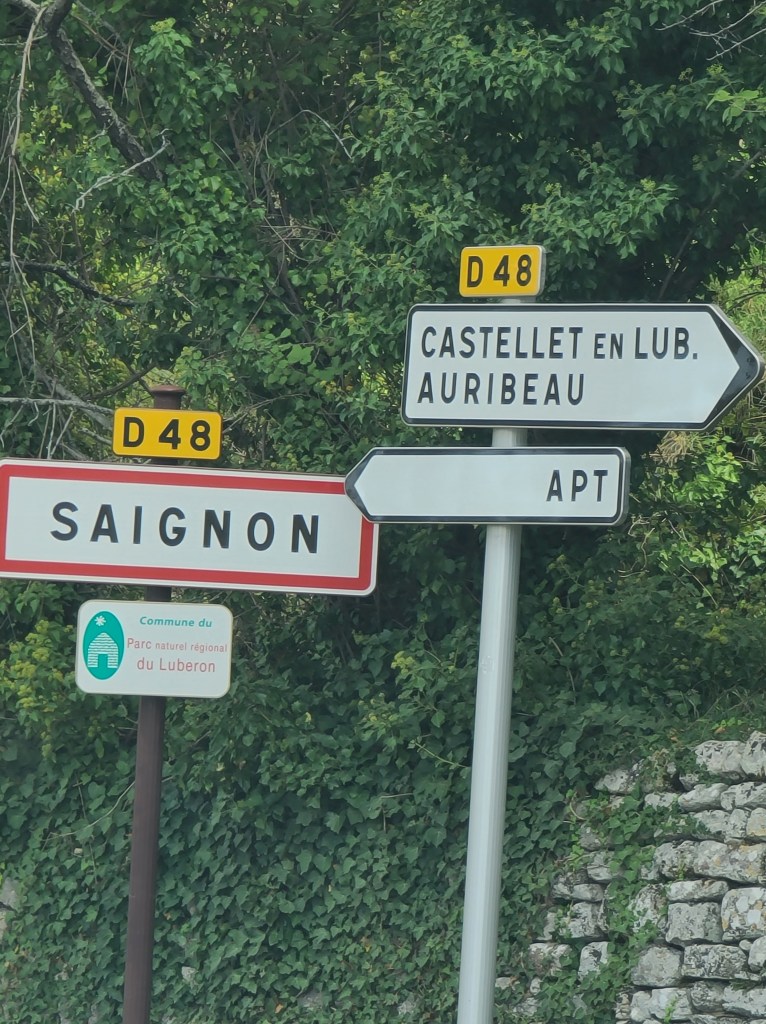
After we finished there we headed up into the mountains to a little village called Saignon. There is a bakery/cafe, two restaurants, and a general store. The school has about 100 students and by the sound of it they were all outside. My, beautifully quiet and picturesque. Lovely walking and photo ops.
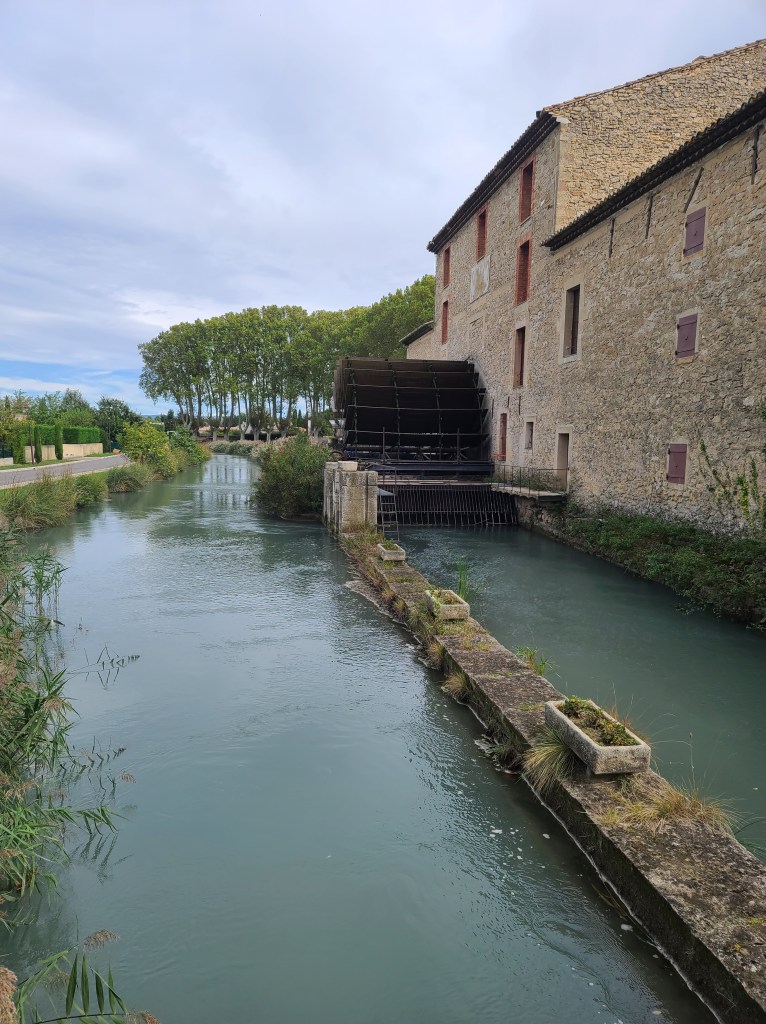
Then it was off to L’isle-sur-la Sorgue. It’s known for its antiques stores and weekend markets, plus waterwheels on the Sorgue river. Again, very picturesque and beautiful.
Tomorrow we’re off to St Remy. Their market day is Wednesday morning in the town square and is rated as one of the most beautiful markets in the region. Looking forward to seeing it.
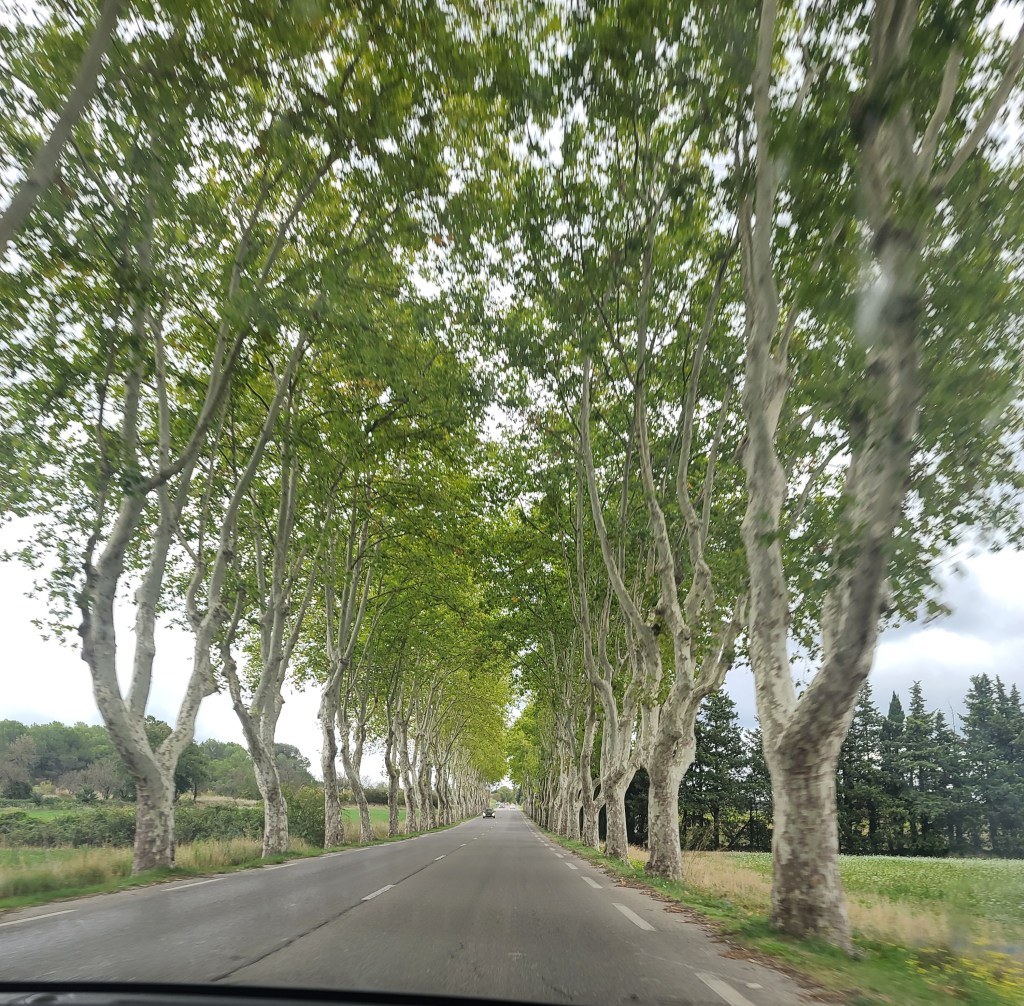
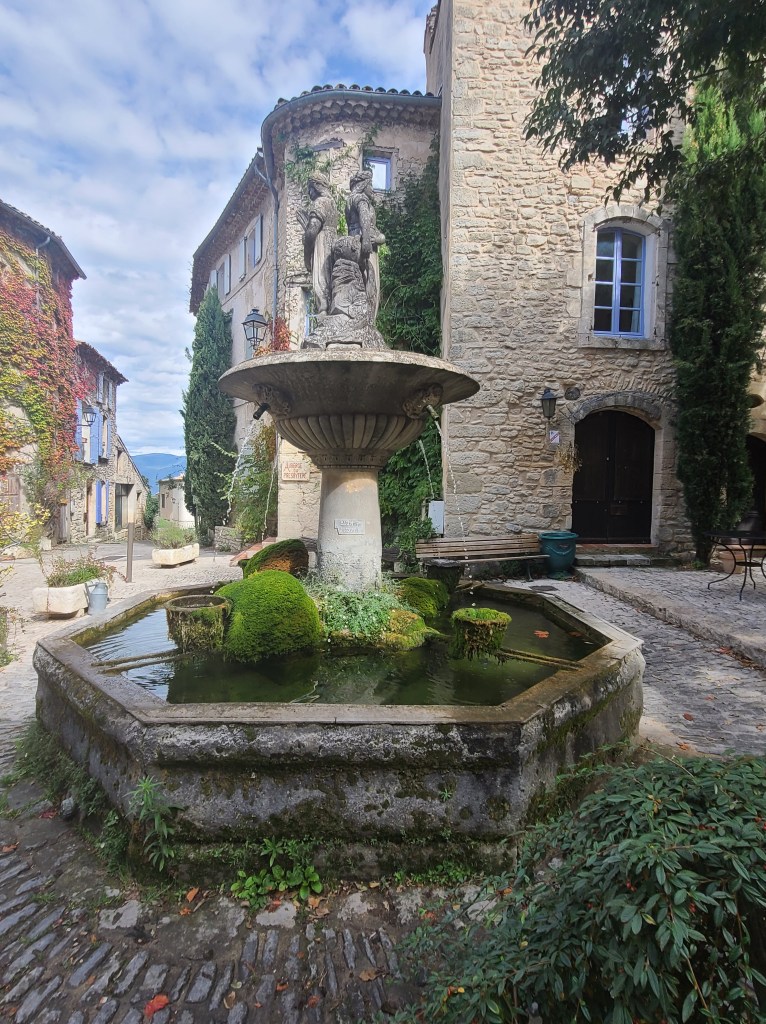
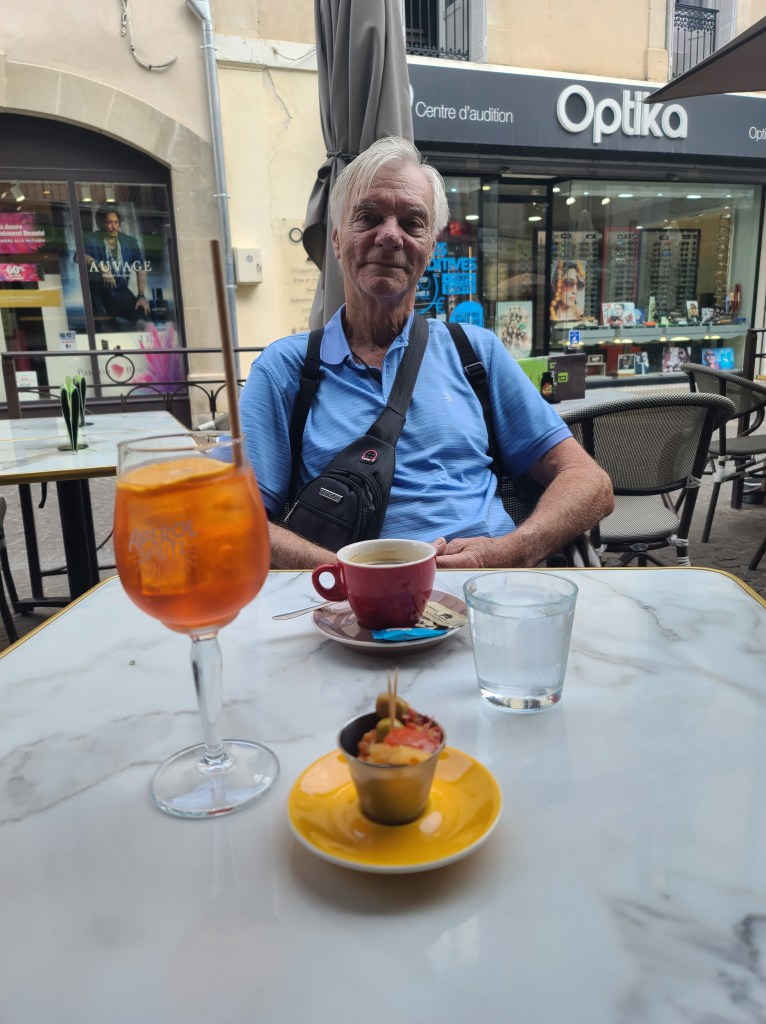
Oct 2 St. Market Day in St Remy.
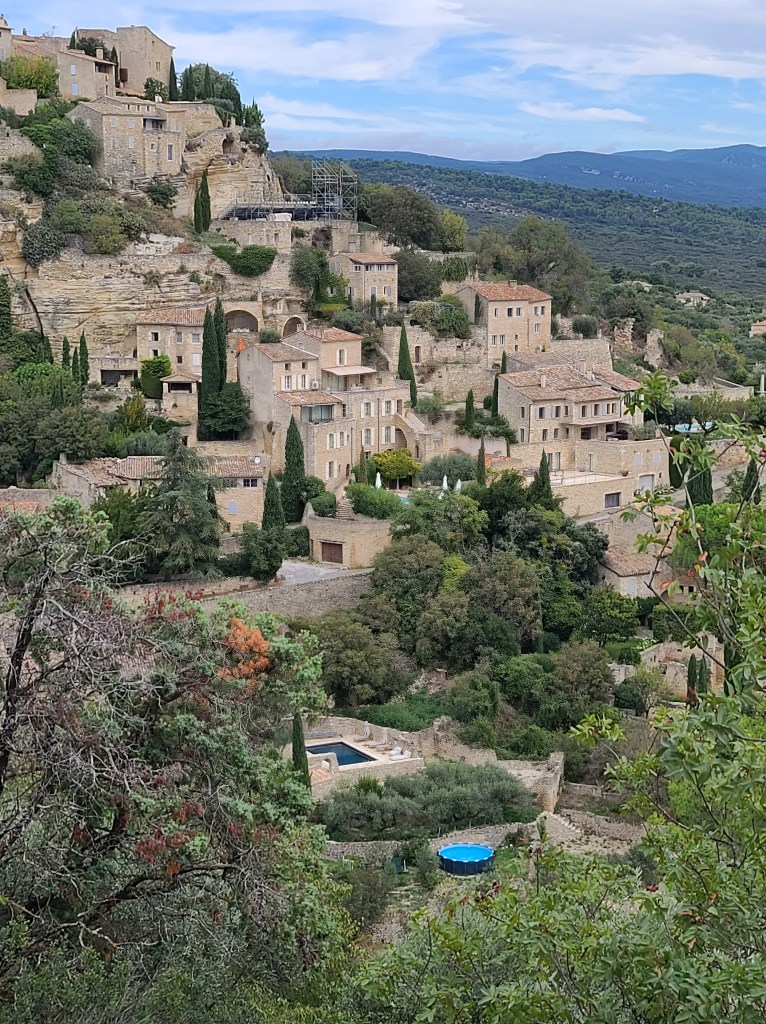
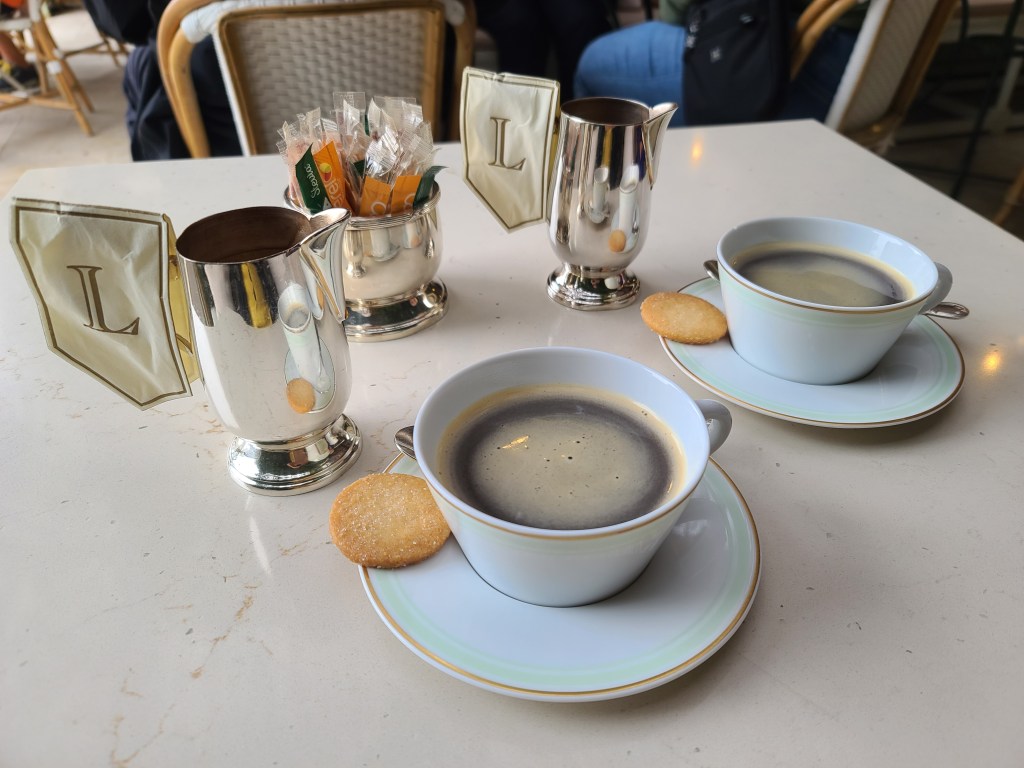
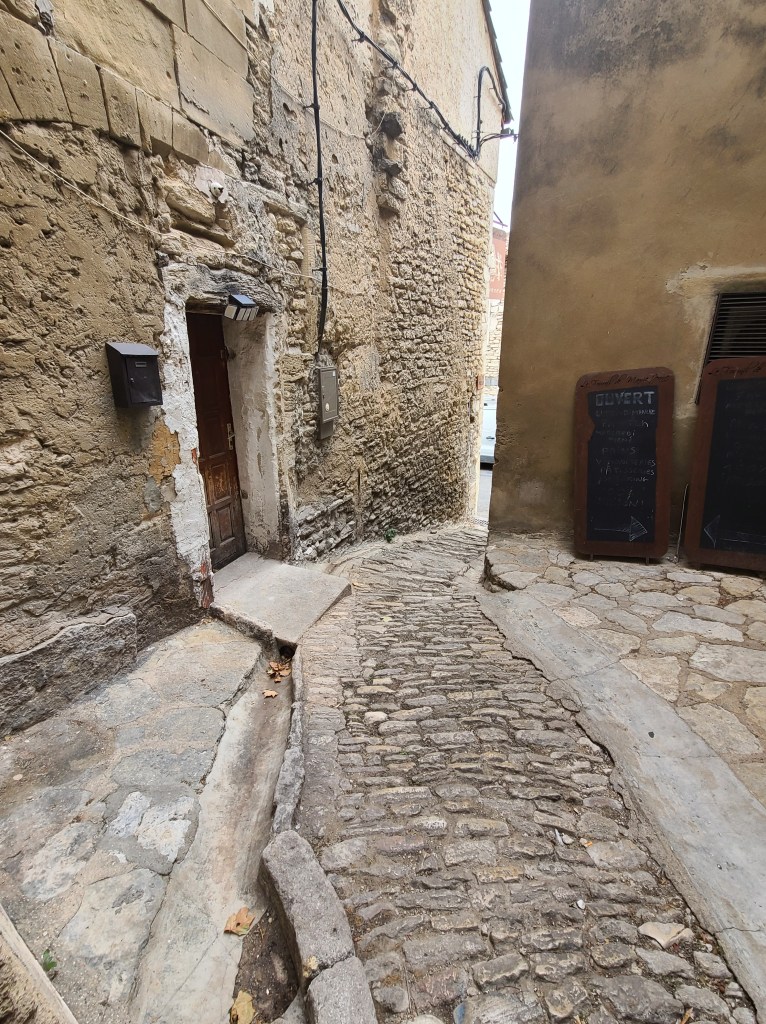
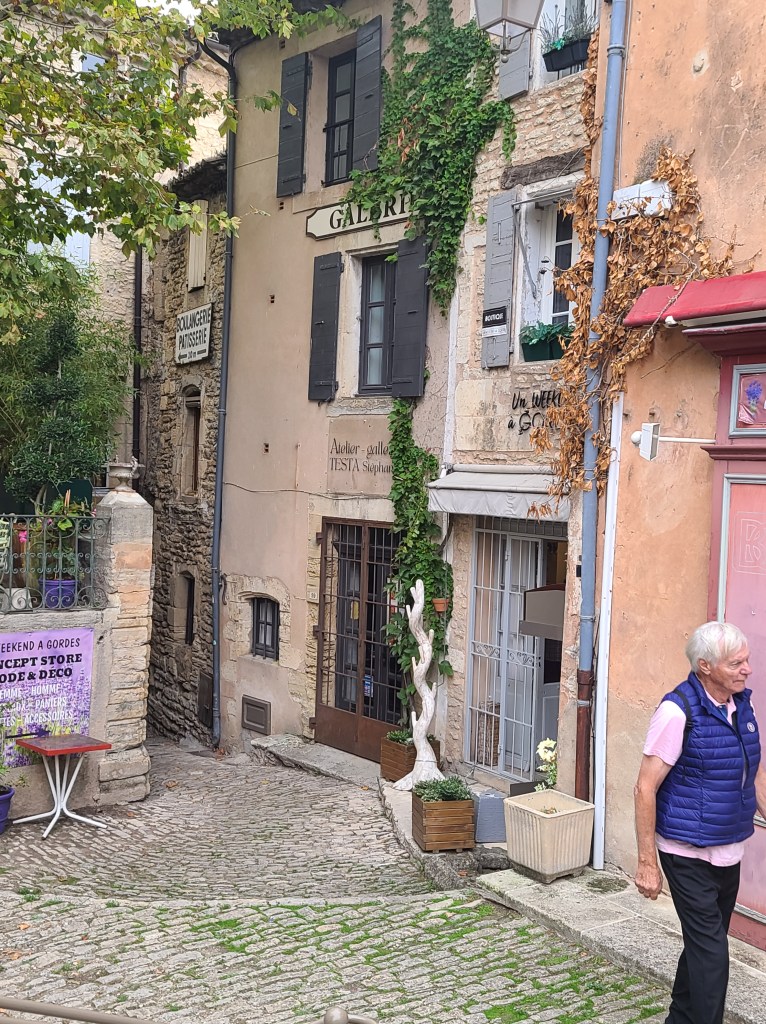
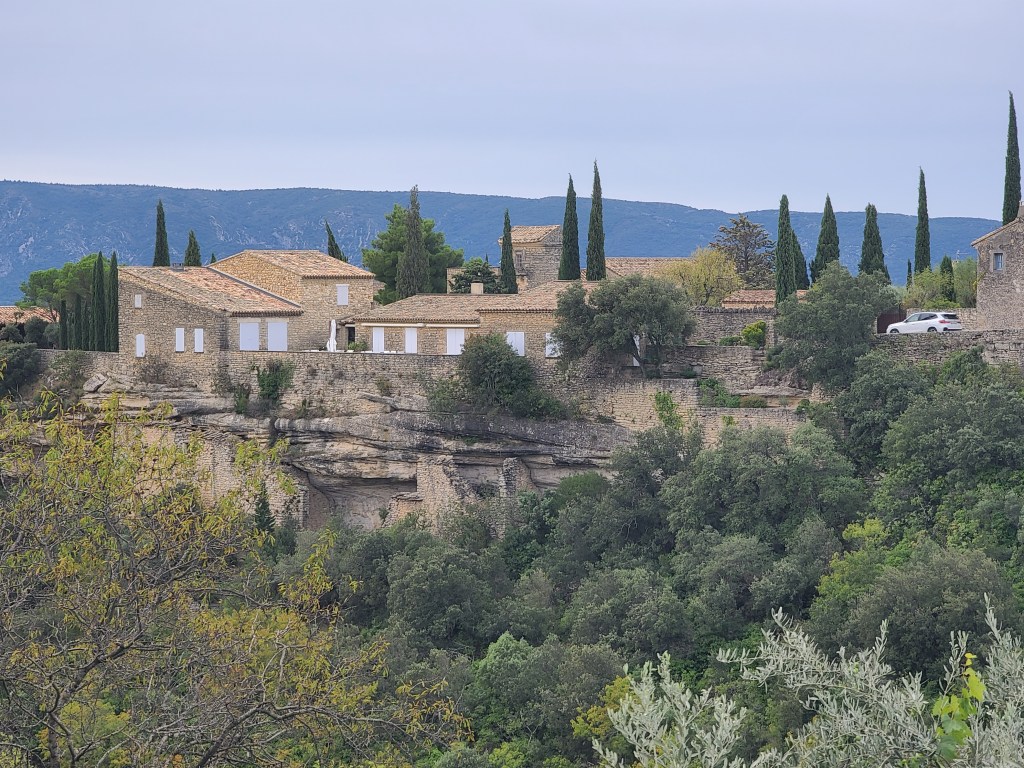
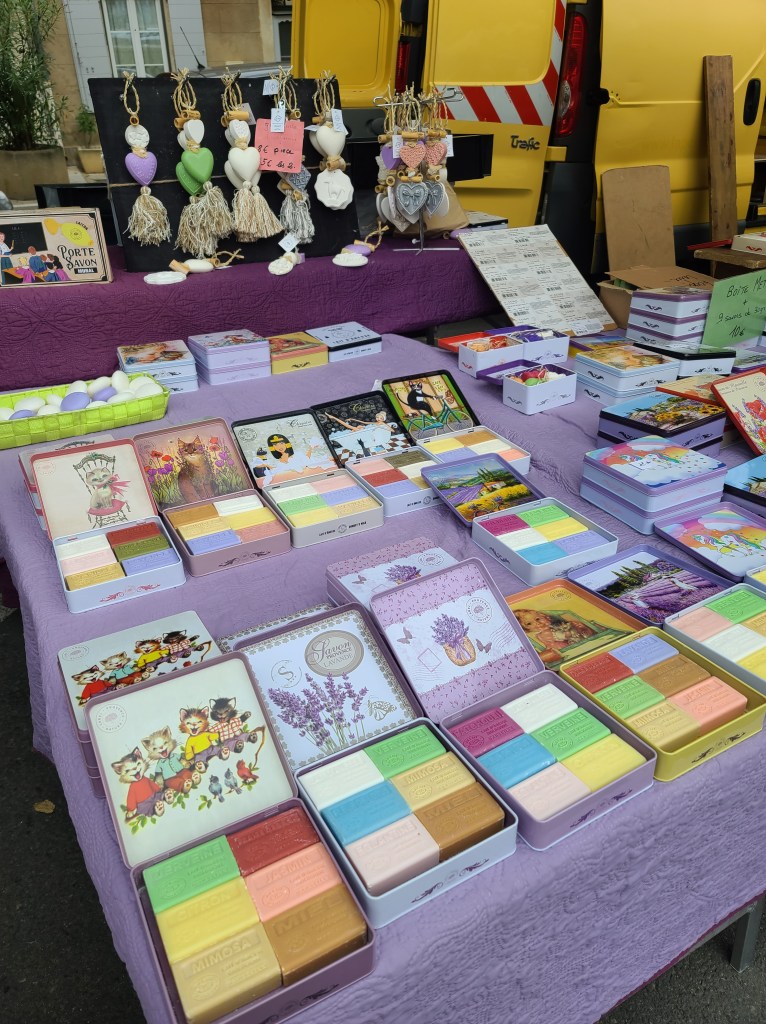
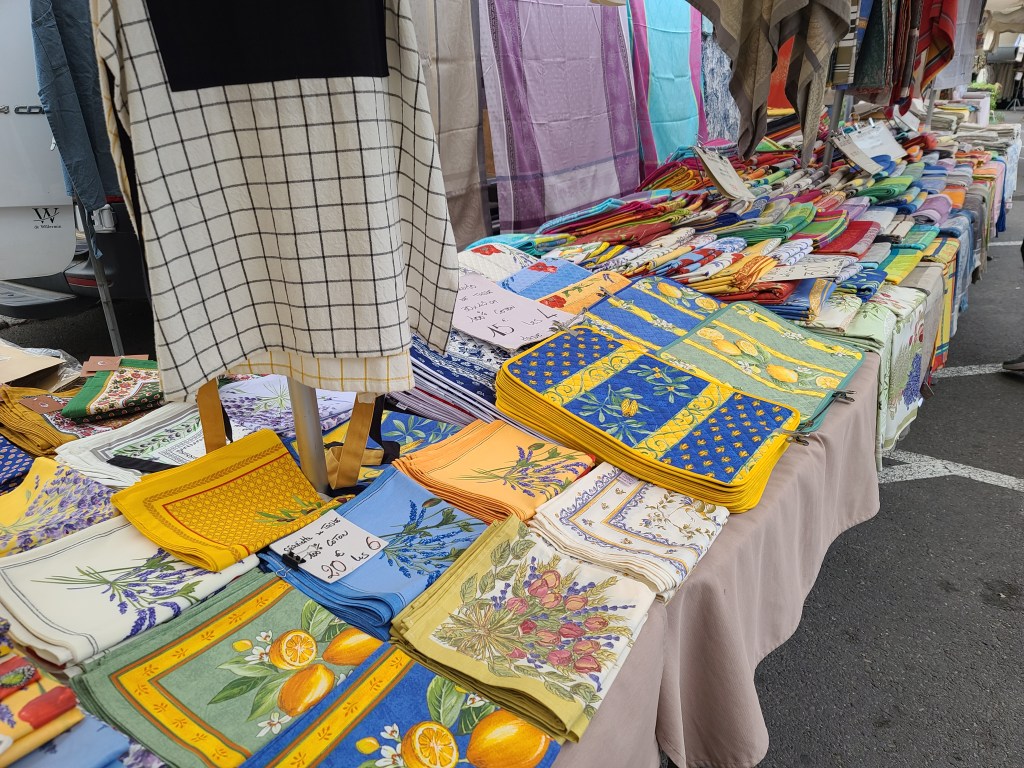
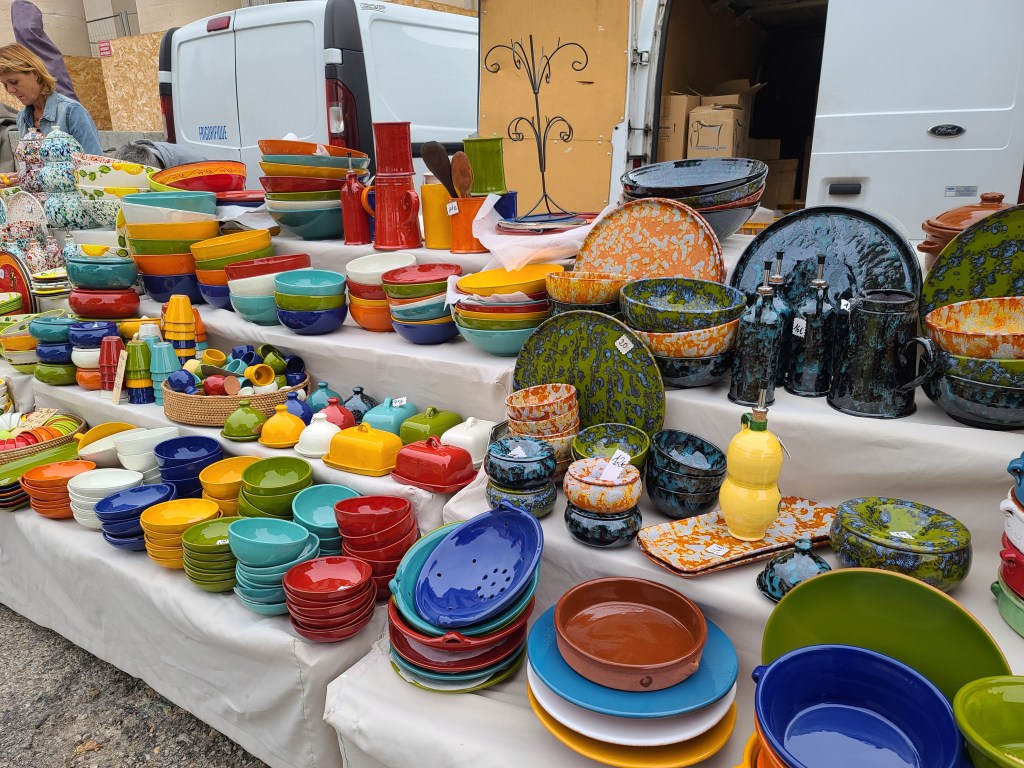
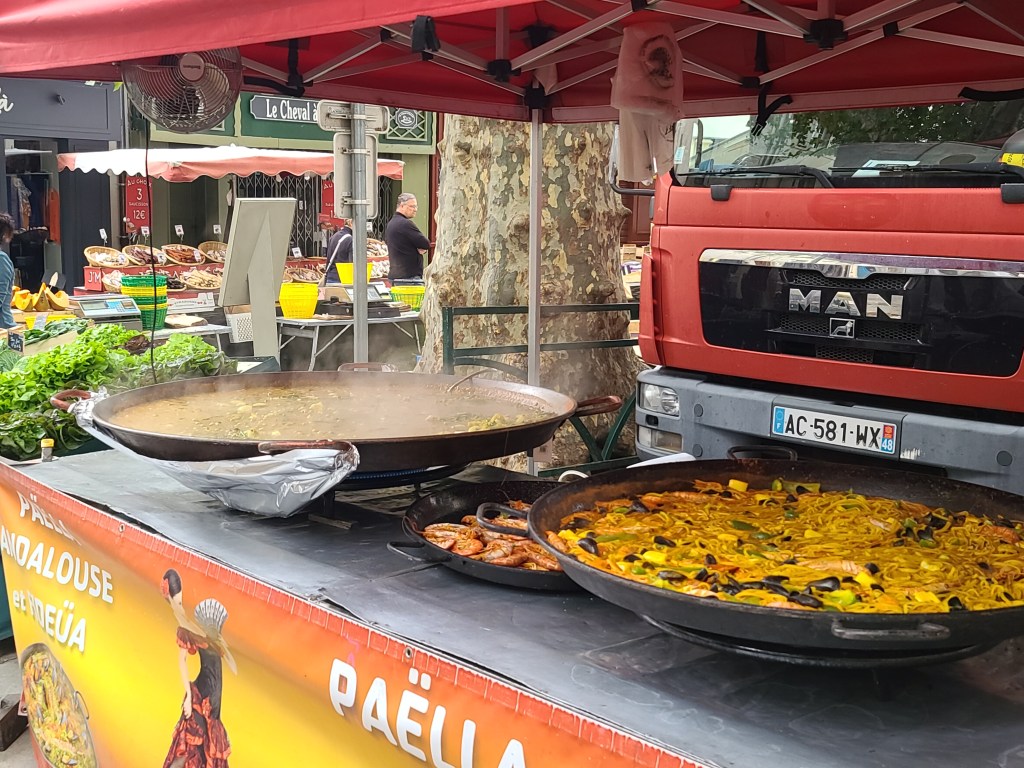
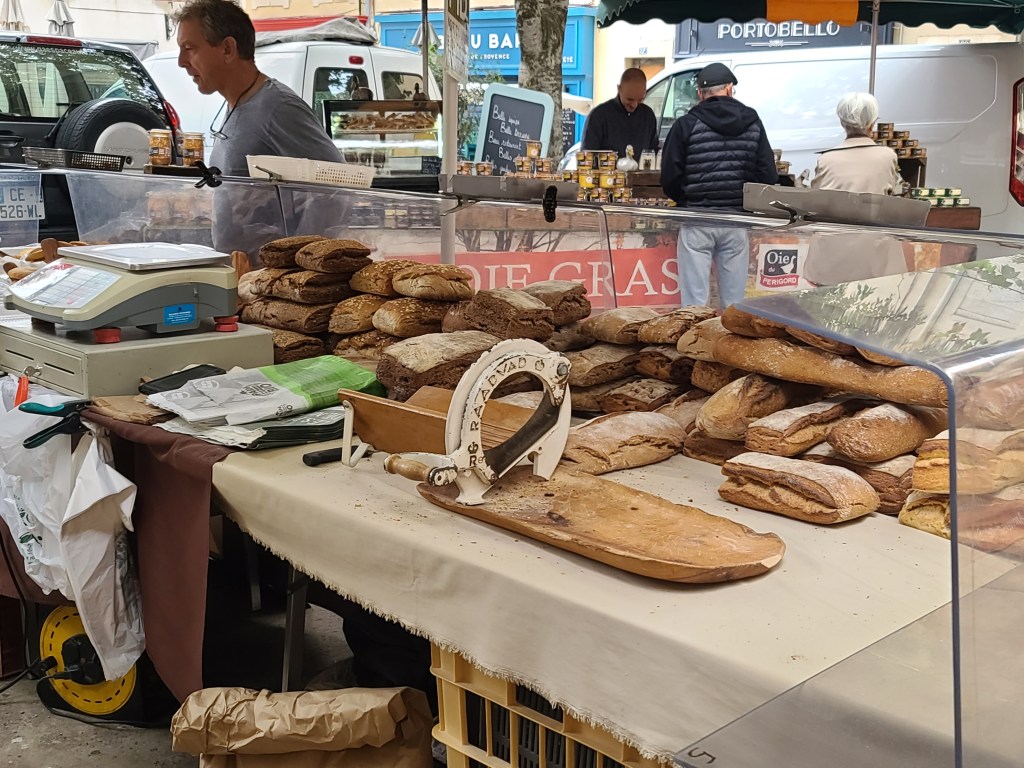
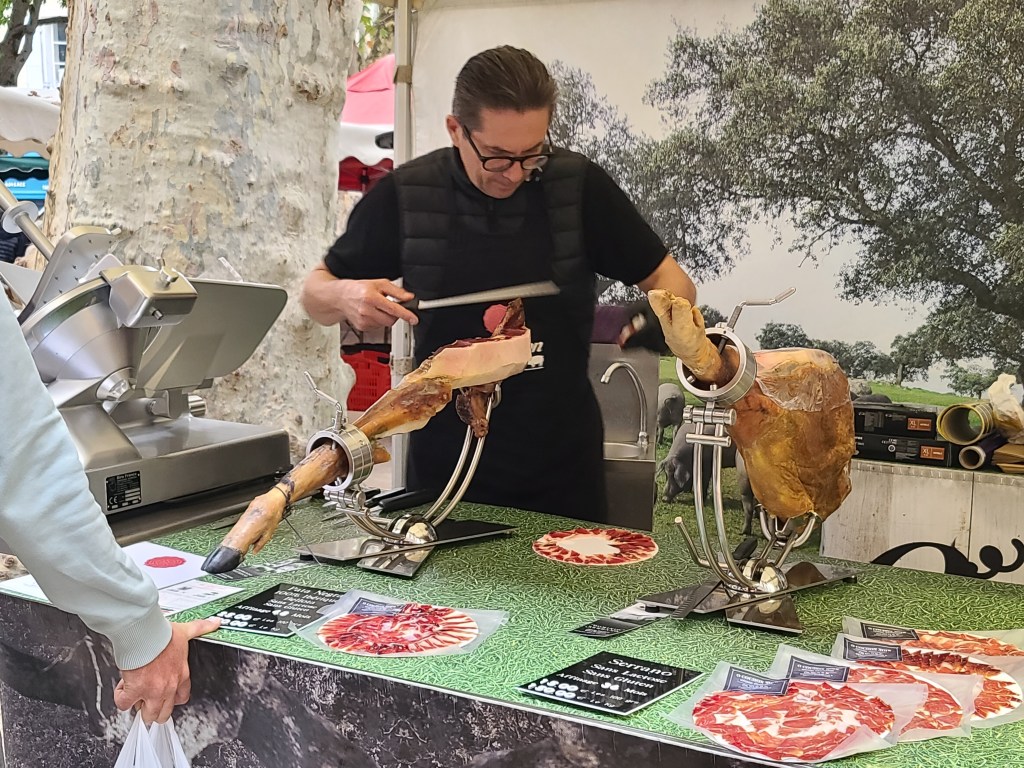
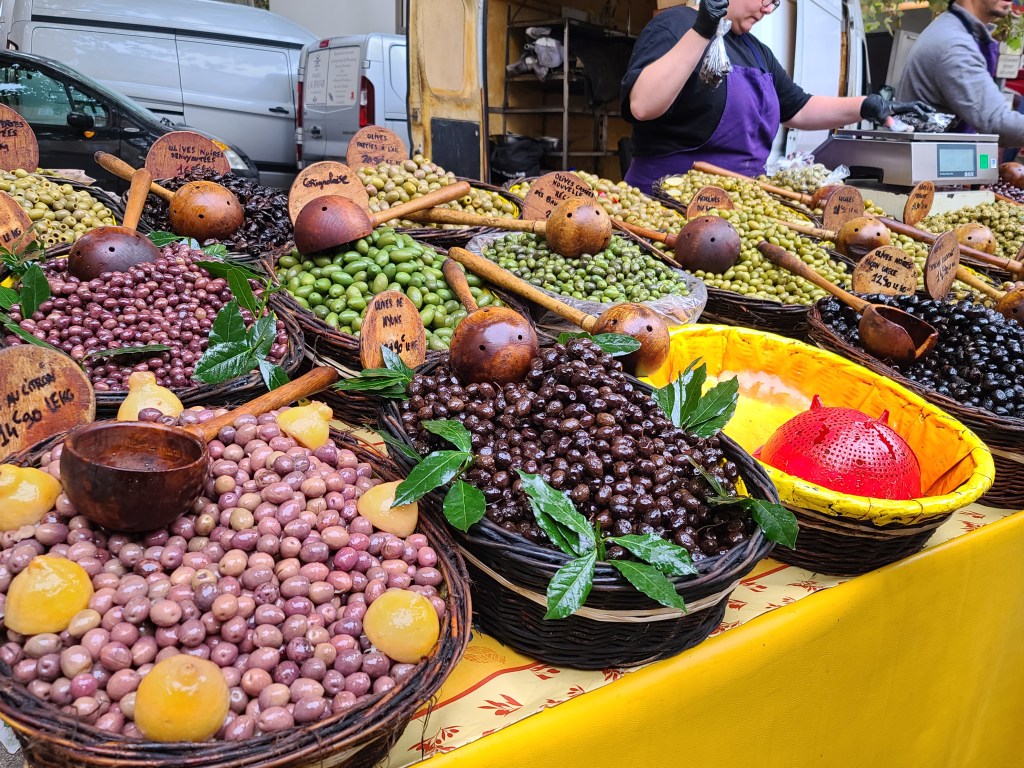
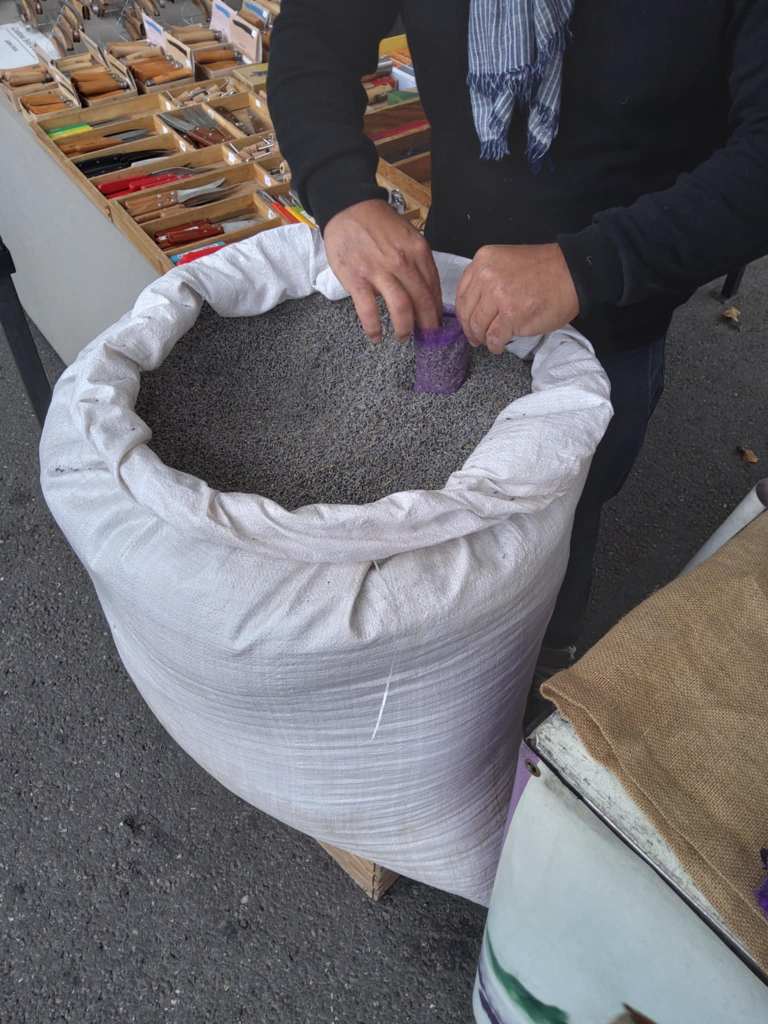
Boy, we were not dissapointed! This is the best and largest market thus far. The offerings were staggering. Street after street and winding lanes of clothes, leathers, fresh sea sponges, soaps, huge sacks of lavender, food-sausage, cheese, fruit n’ veg, mushrooms, tapanade, olives, honey, breads and if you want it sliced, they had the old cast iron bread slicer on the table for your pleasure, cakes, house linens and everything in between. It made you want to rush home, call in your friends for an evening and put together a charcuterie or 2, some french club music, a fireplace and a good chin wag!! What fantastic inspiration and an amazing adventure. We managed to park 2 streets away from the market which according to web sites, is usually impossible. It was overcast and cool and not too big a crowd until later. Good we went early around 9:00. As this is our last full day in Provence we made sure to pick up our specific treasures. From there we headed higher up the rural landscape to the village of Gordes. All the buildings and stone walls are all dry laid stones. You could measure the straightness with a ruler!
Their market day was yesterday, (we knew that) but went to take pictures and enjoy the nooks and crannies of the laneways and centuries old construction.
The lack of stop signs and street lights in favor of round abouts are everywhere. The French government says round abouts save gas, reduce greenhouse gas emissions and move people faster. Dahh….hello Trudeau and Ford!!!!
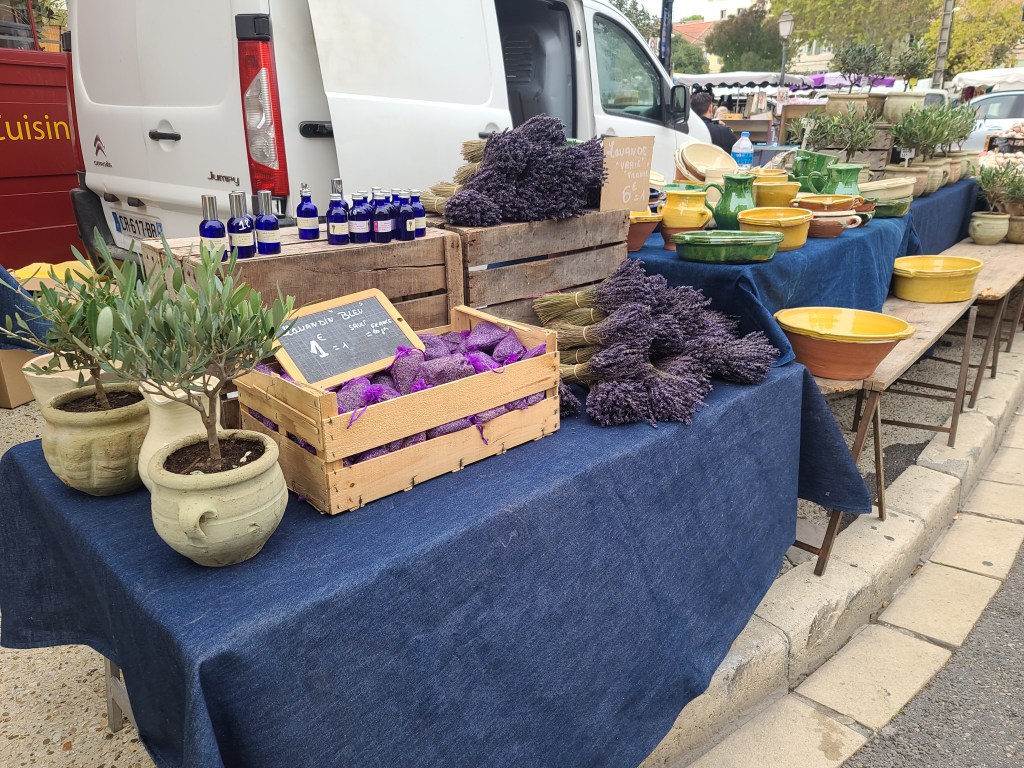
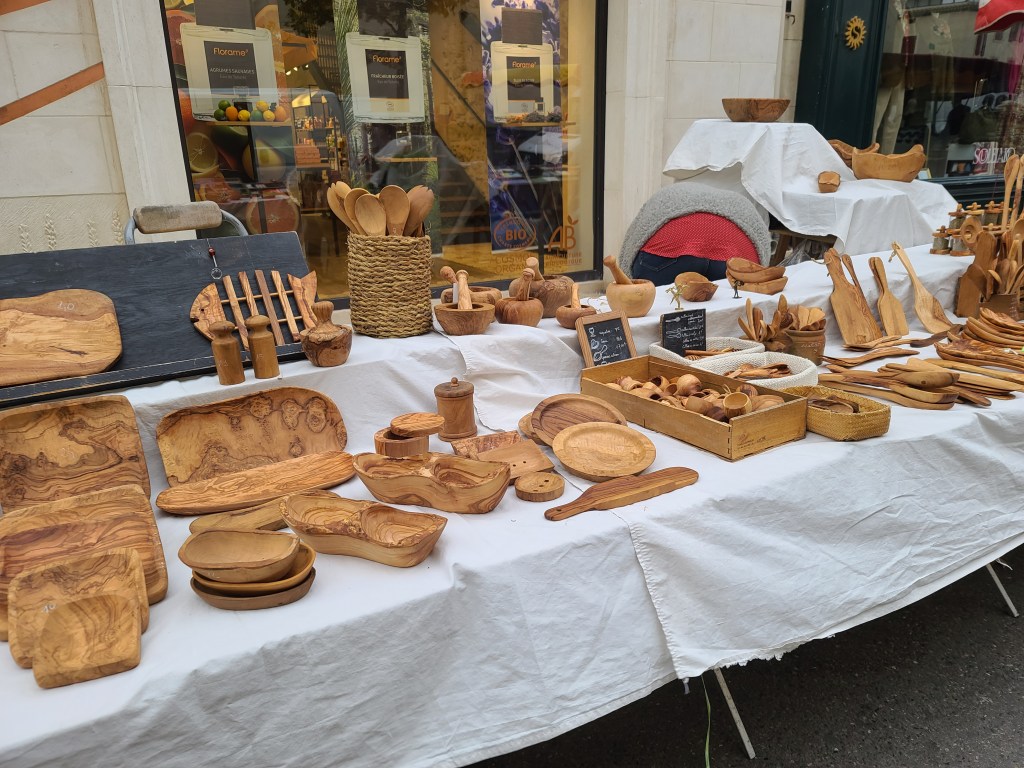
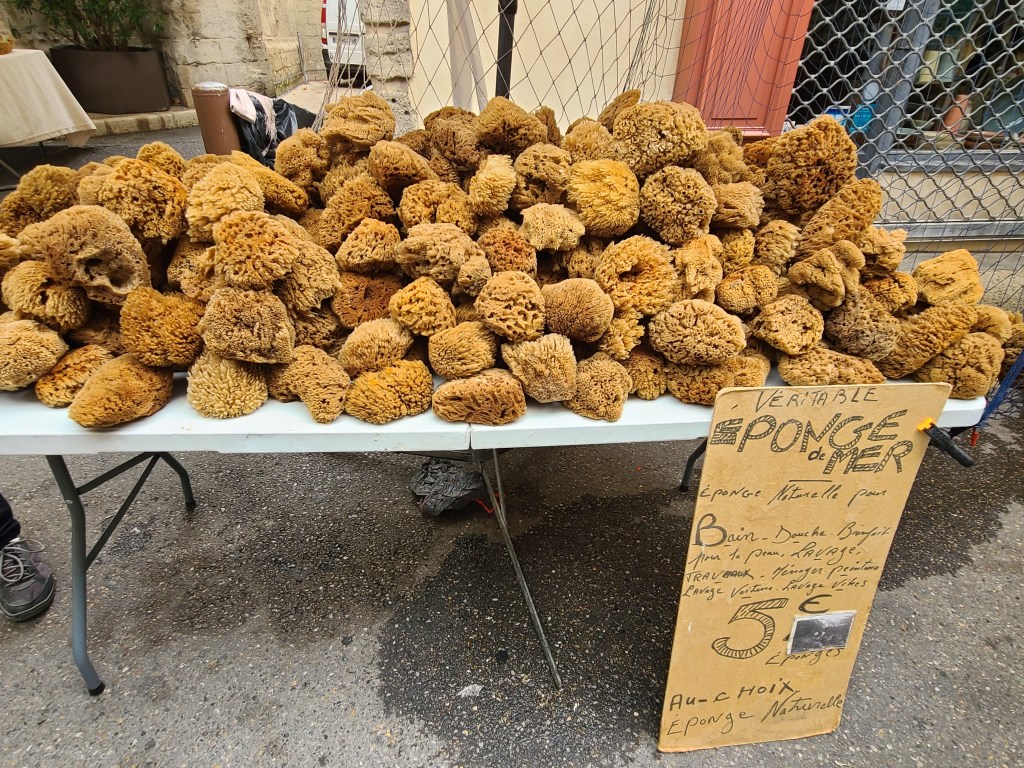
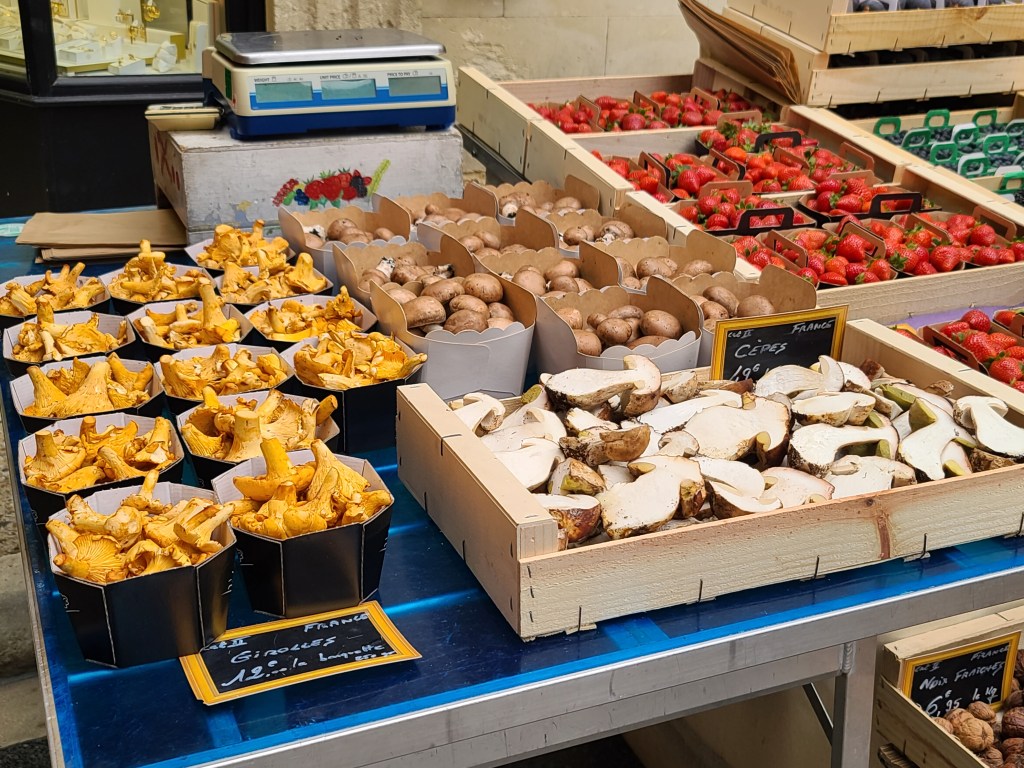
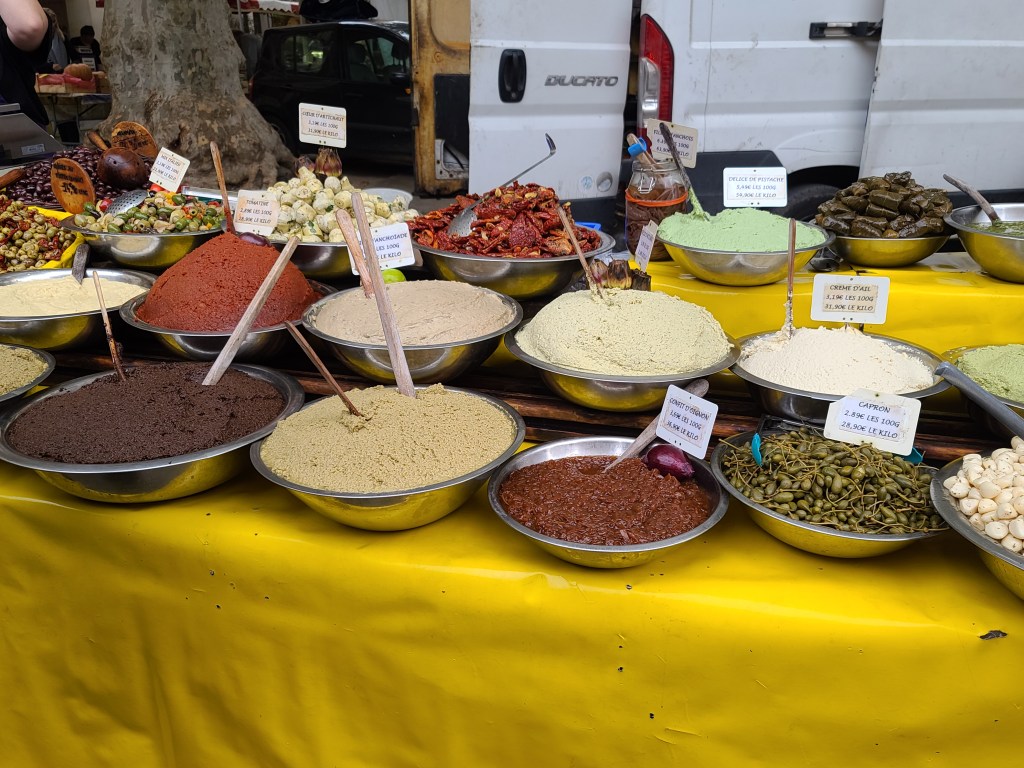
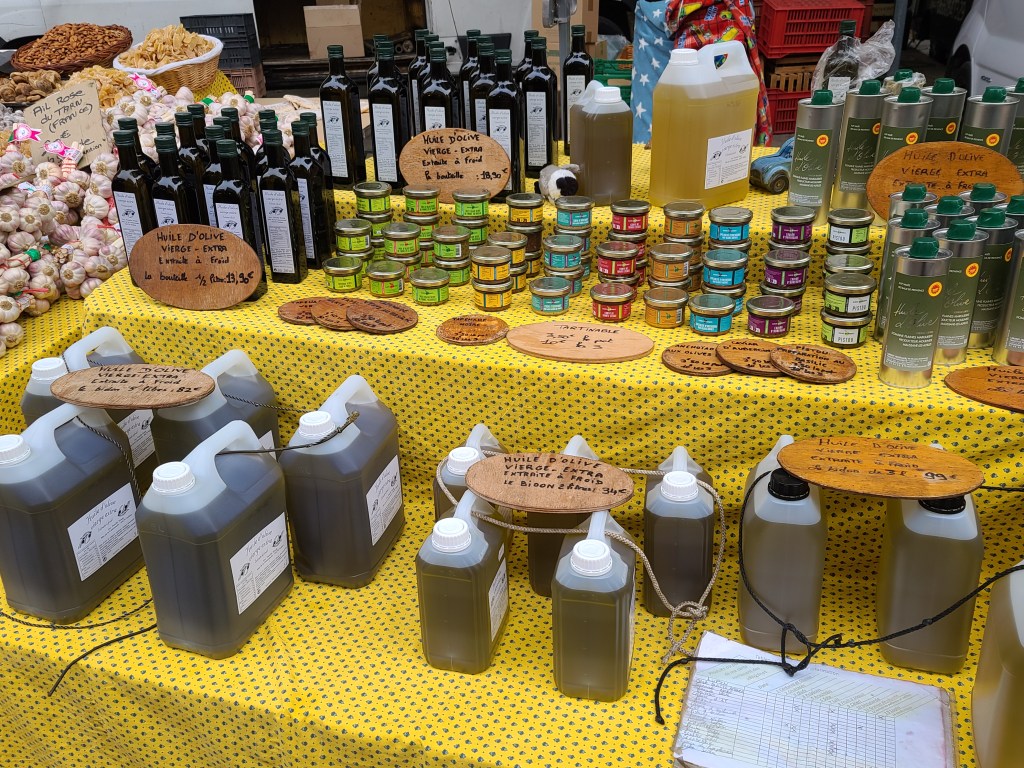
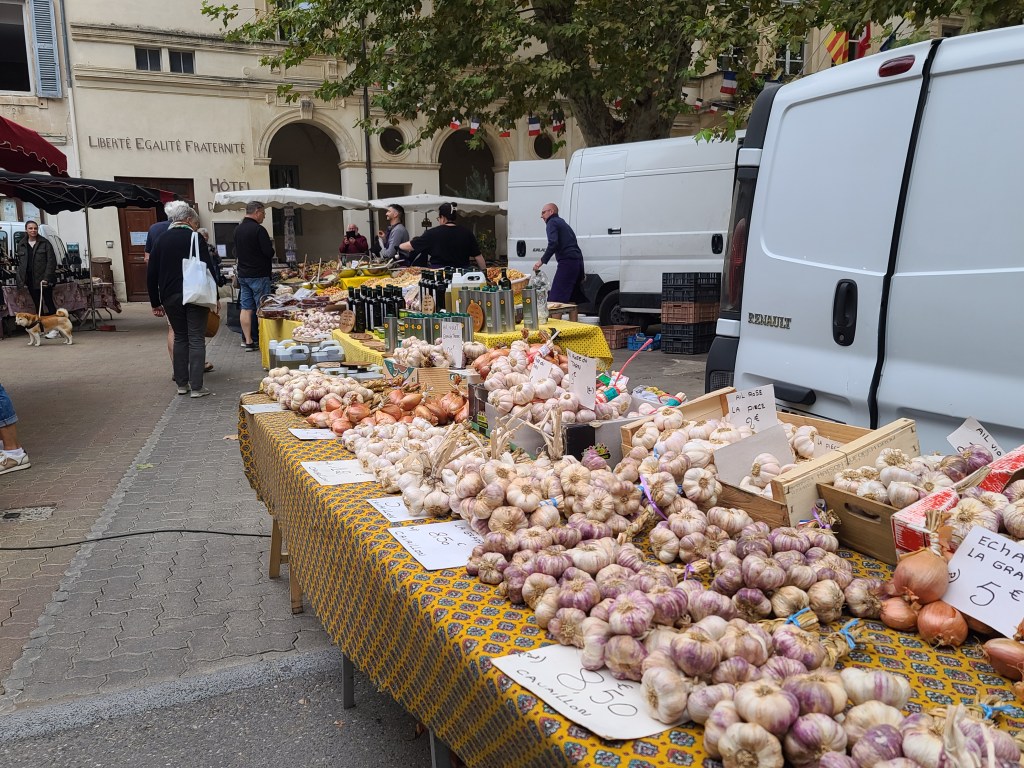
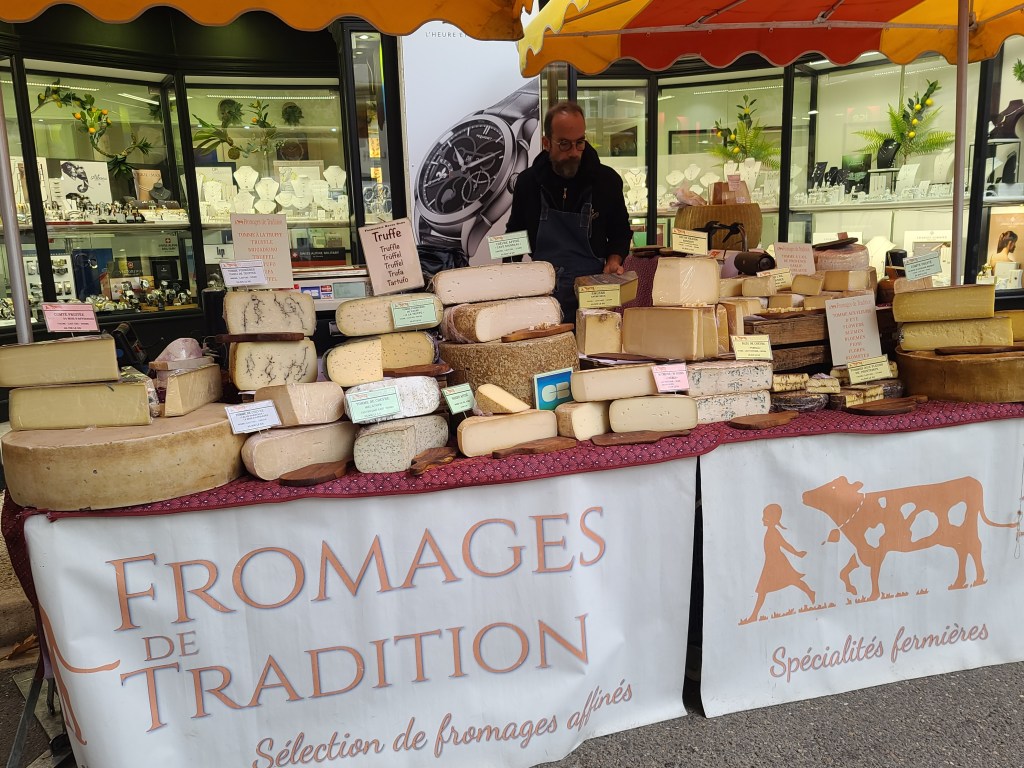
Tomorrow we head for San Remo, Italy and the Mediterranean coast. It will be a change from the wine and lavender fields so looking forward to the sea.
Oct 3 and 4 San Remo Italy
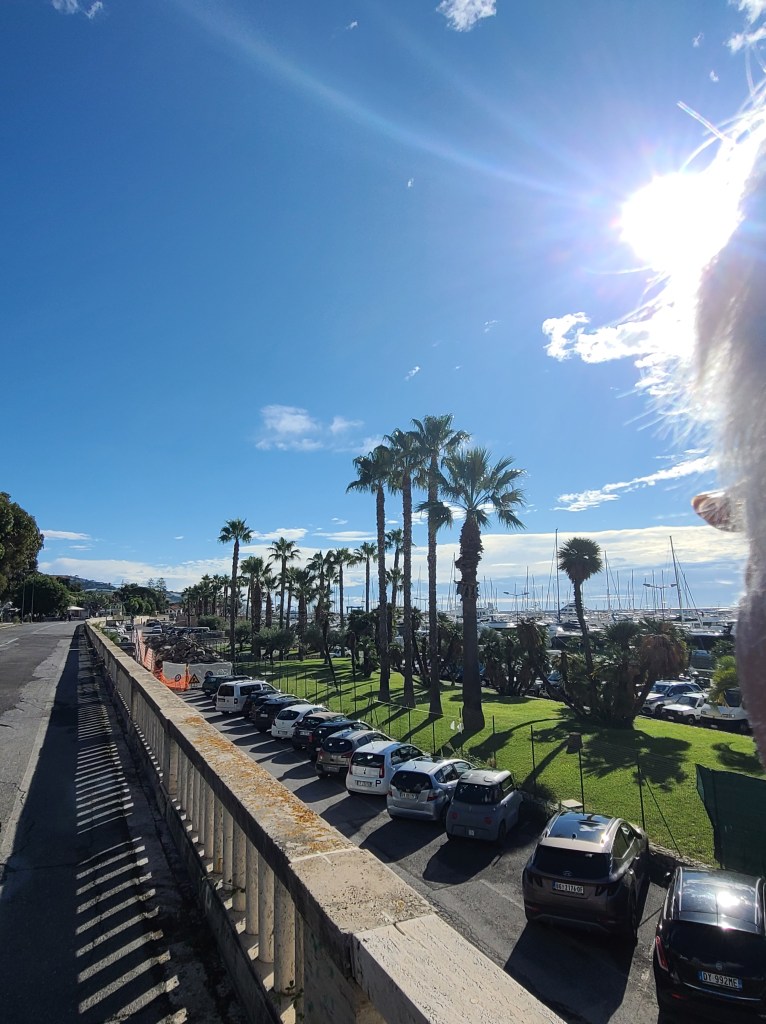
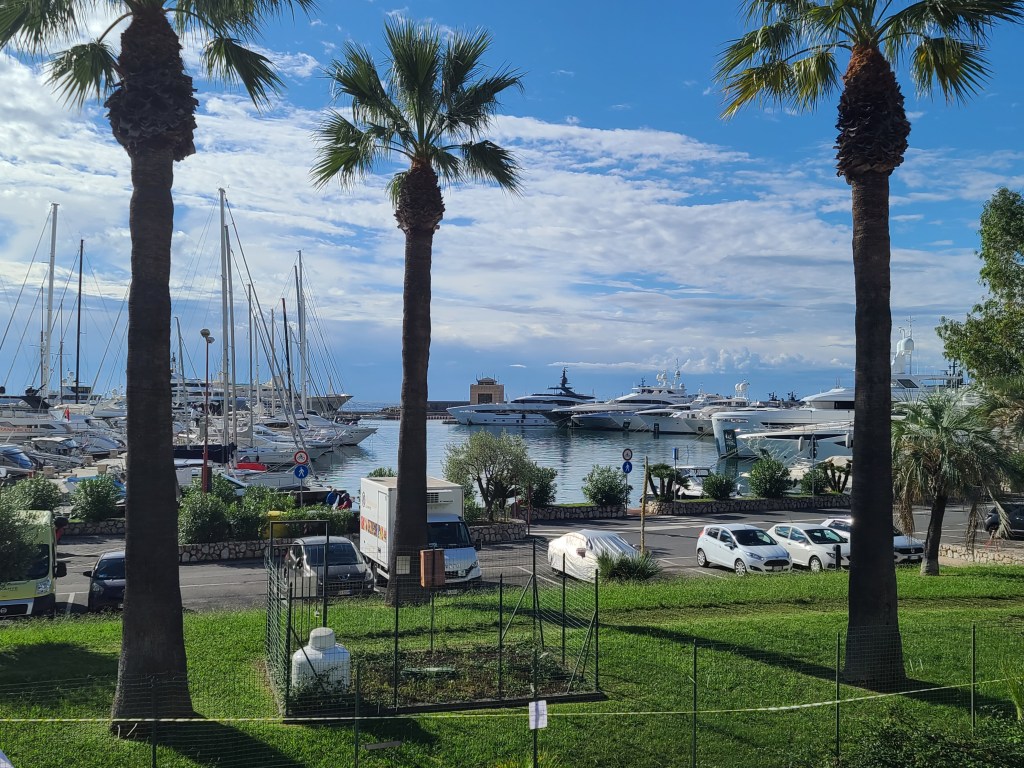
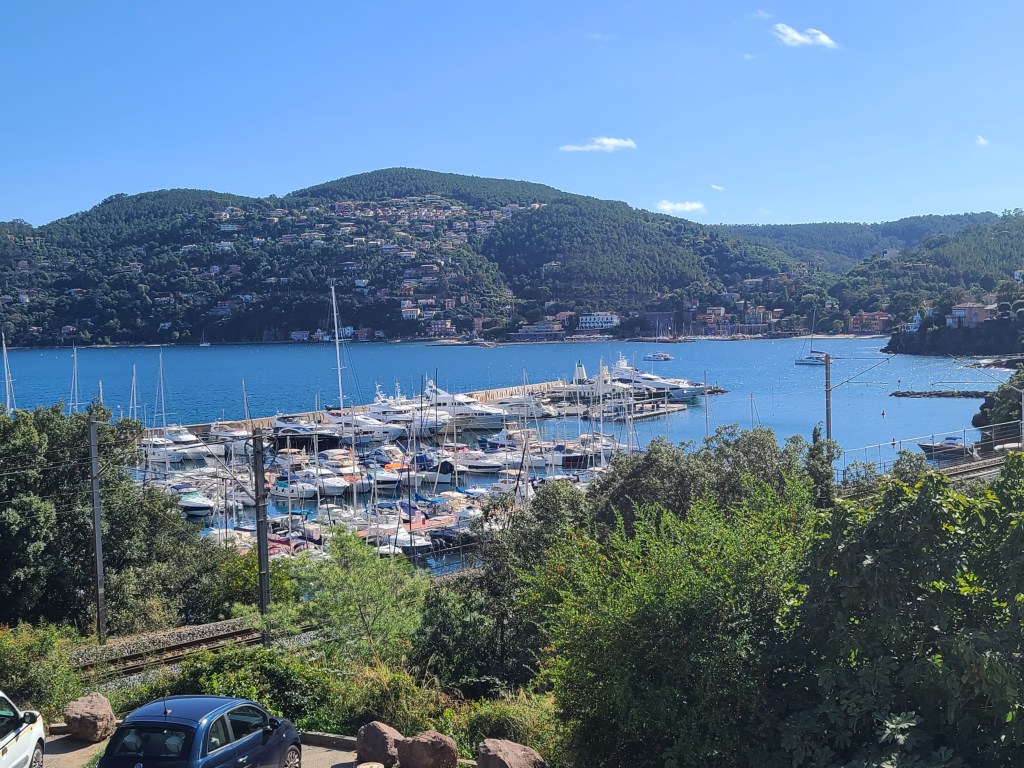
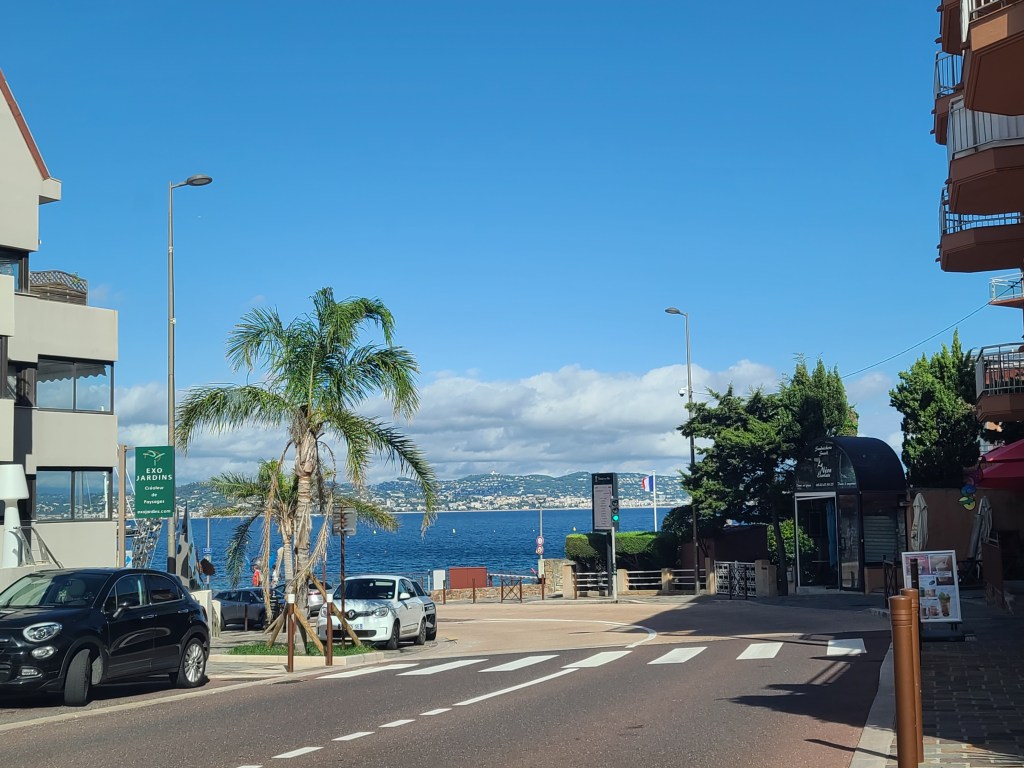
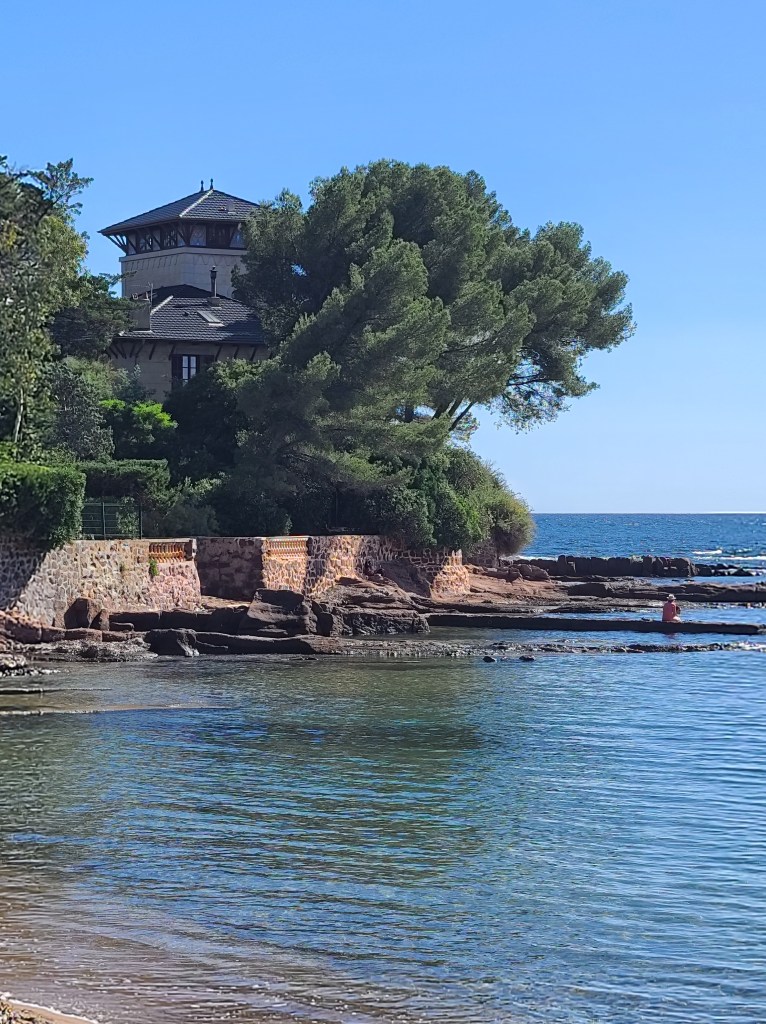
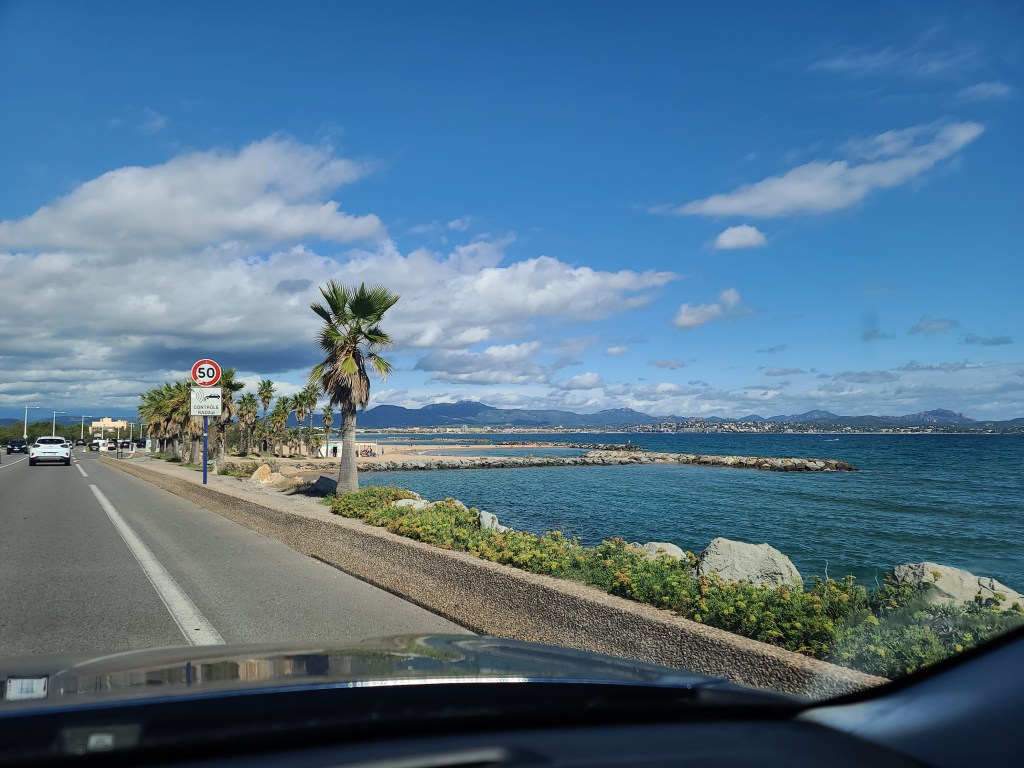
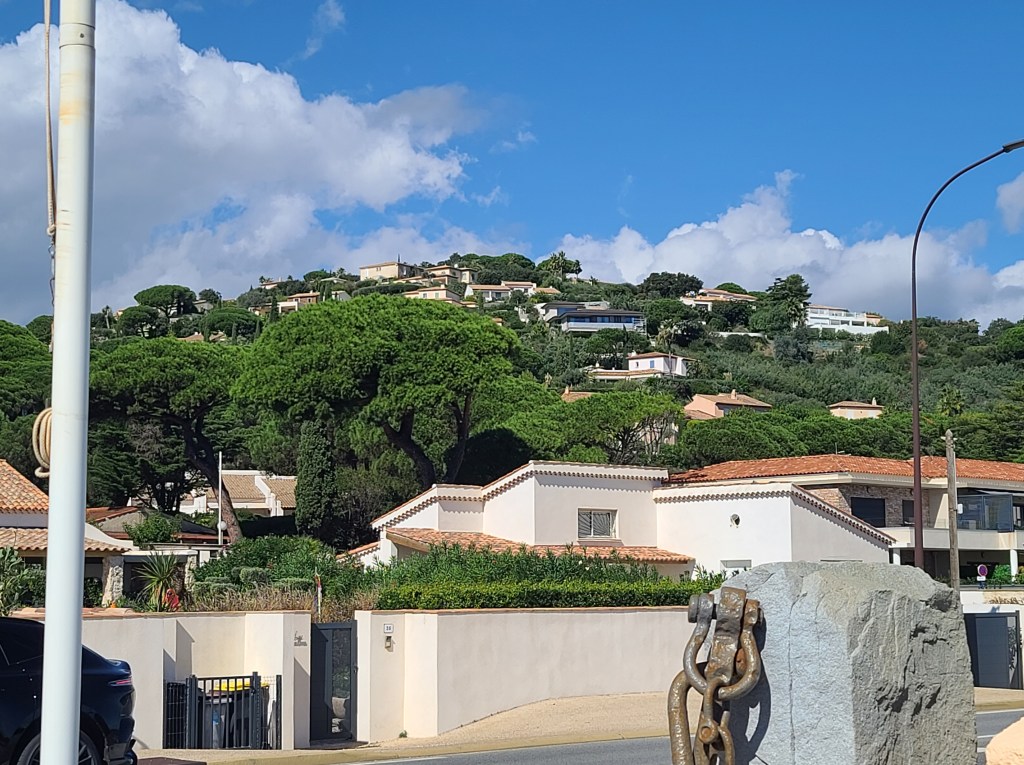
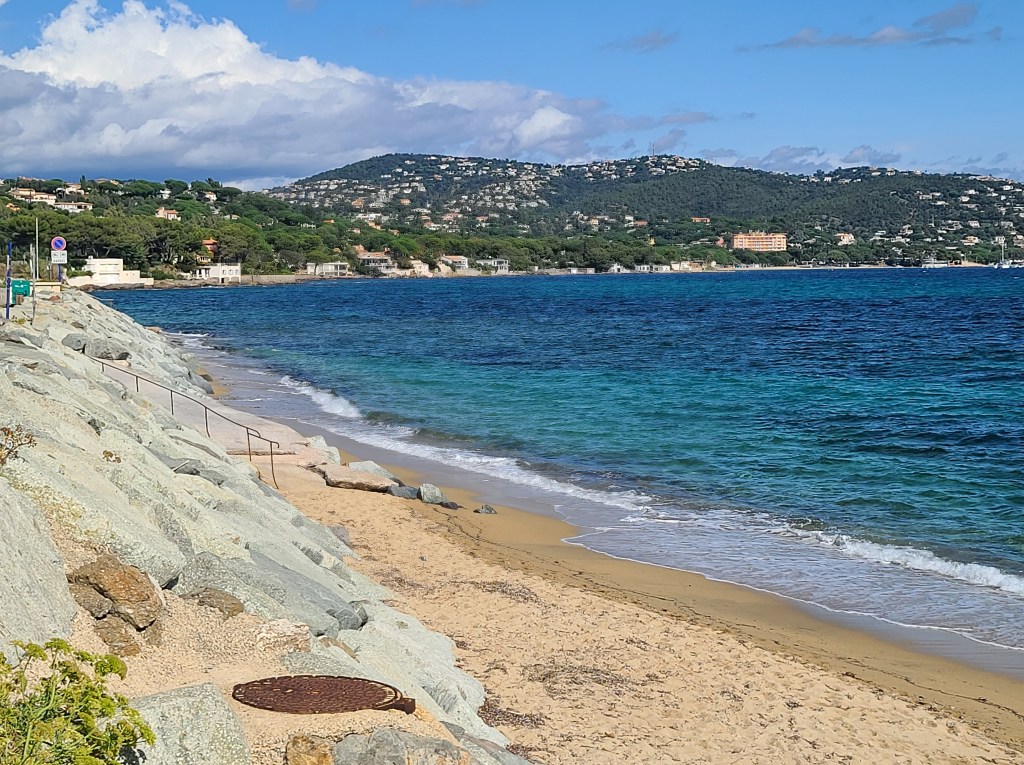
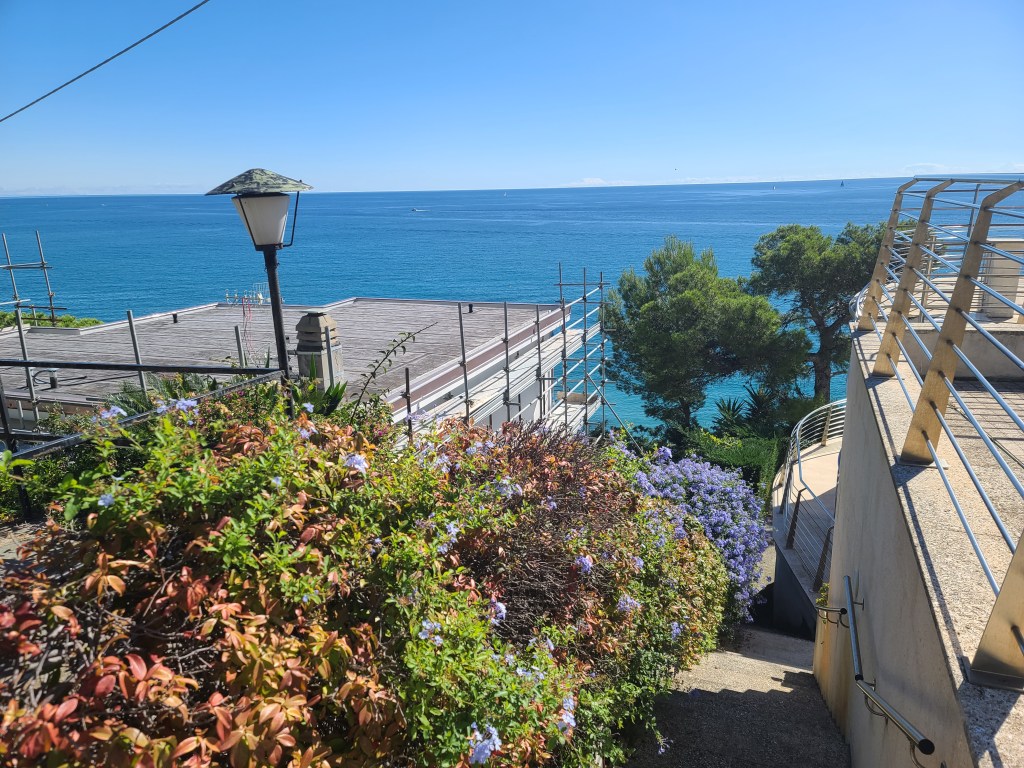
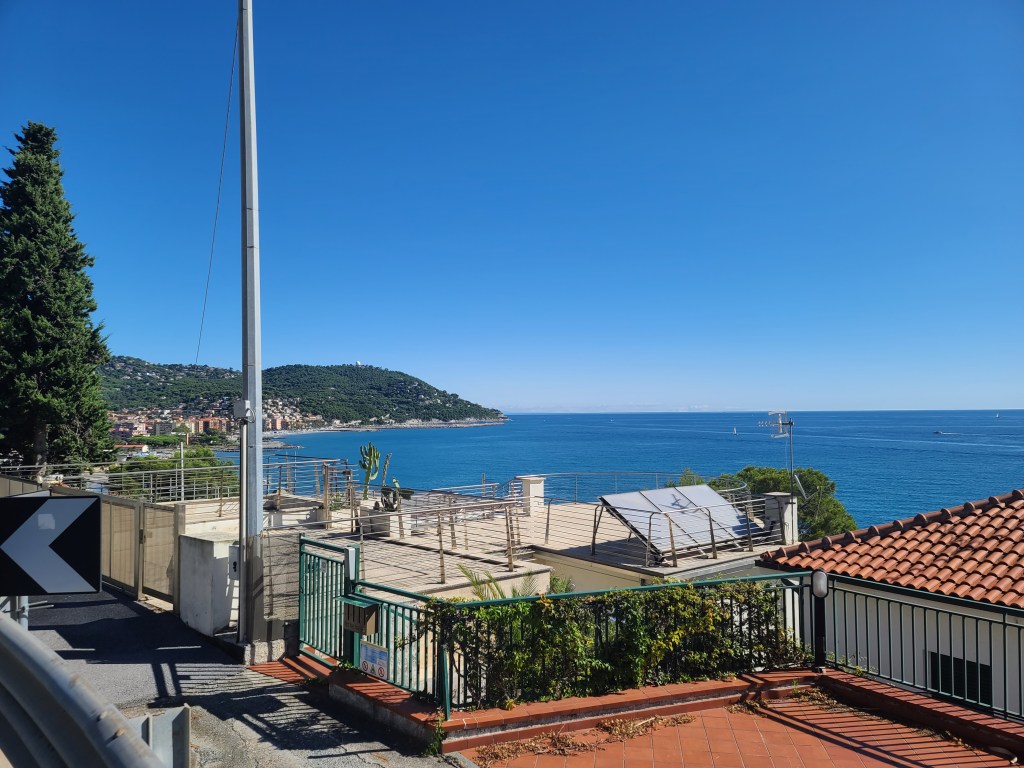
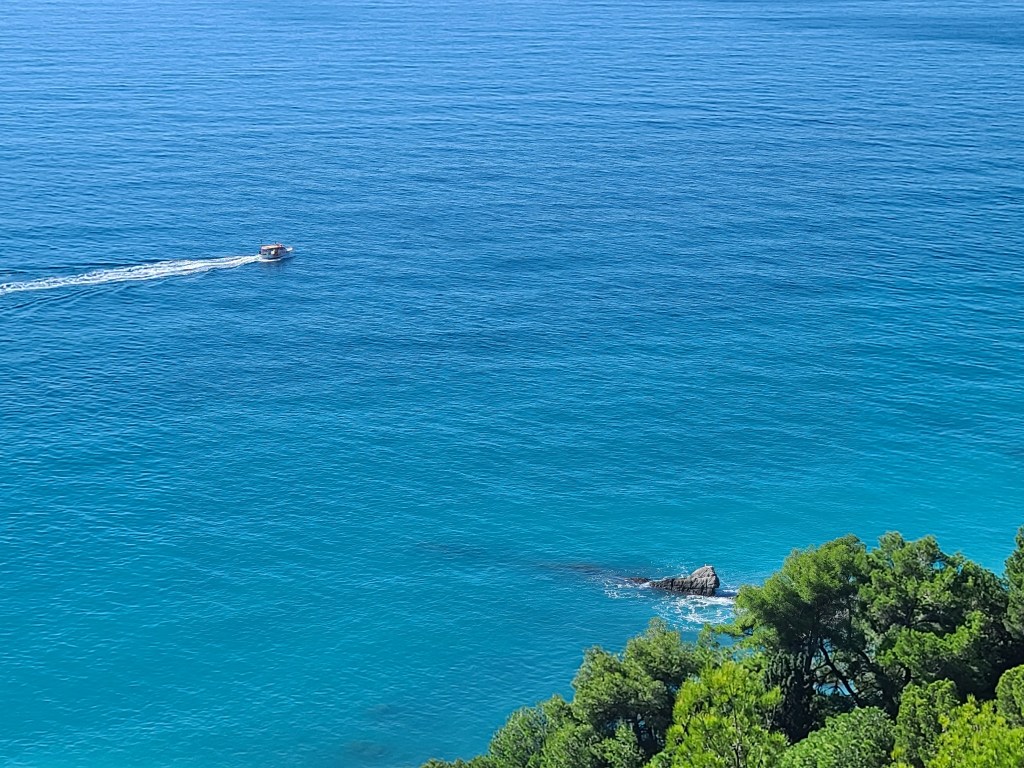
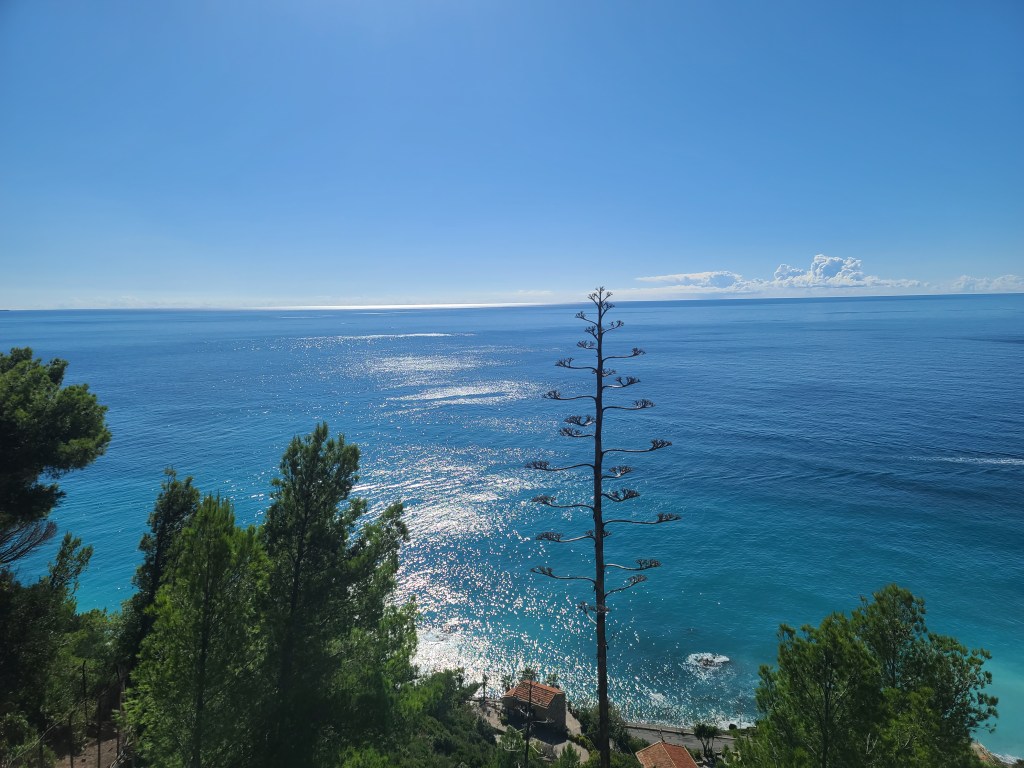
We struck out for San Remo Italy this morning. The plan was to stick to the coast road and follow the Mediterranean Sea. Oh my, it’s lovely. Sunny and warm, 25C, no humidity. Palm trees, cacti, stone houses with terra cotta roofs hanging off the cliffs like jewels. The houses along the coast have been carved out of the rocks and off the patio are grottos with carved stone steps exiting right into the sea. An image right out of a James Bond movie. The coast is lined with harbours full of boats of every size from small fishing vessels to large celebrity cabin cruisers.
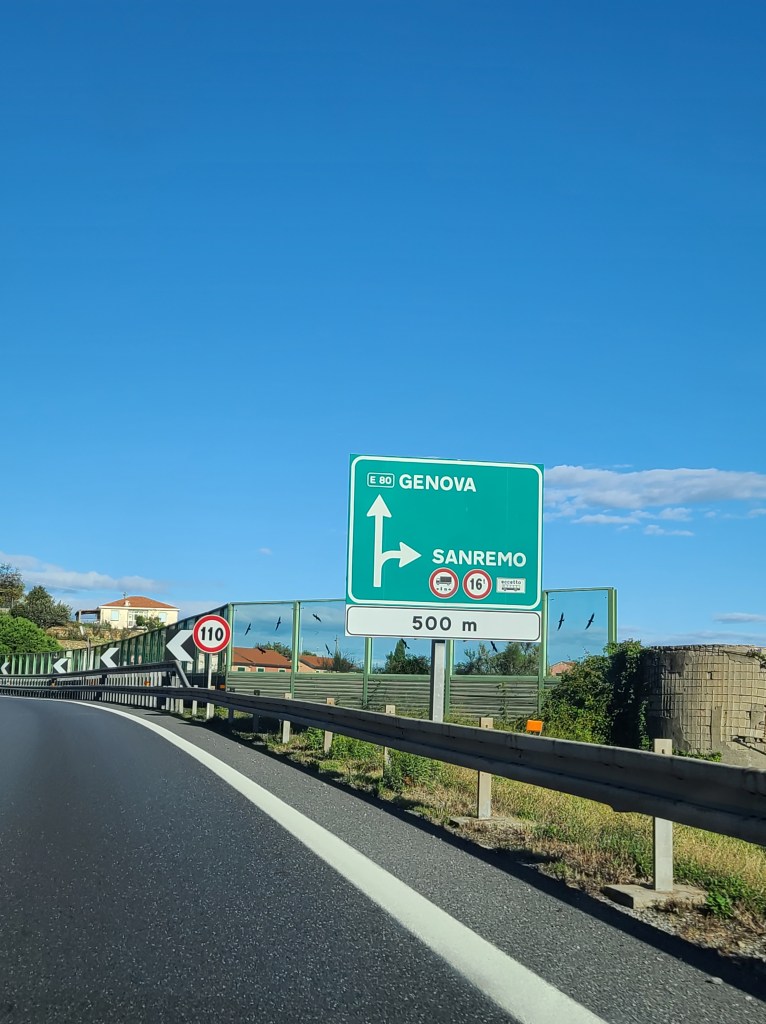
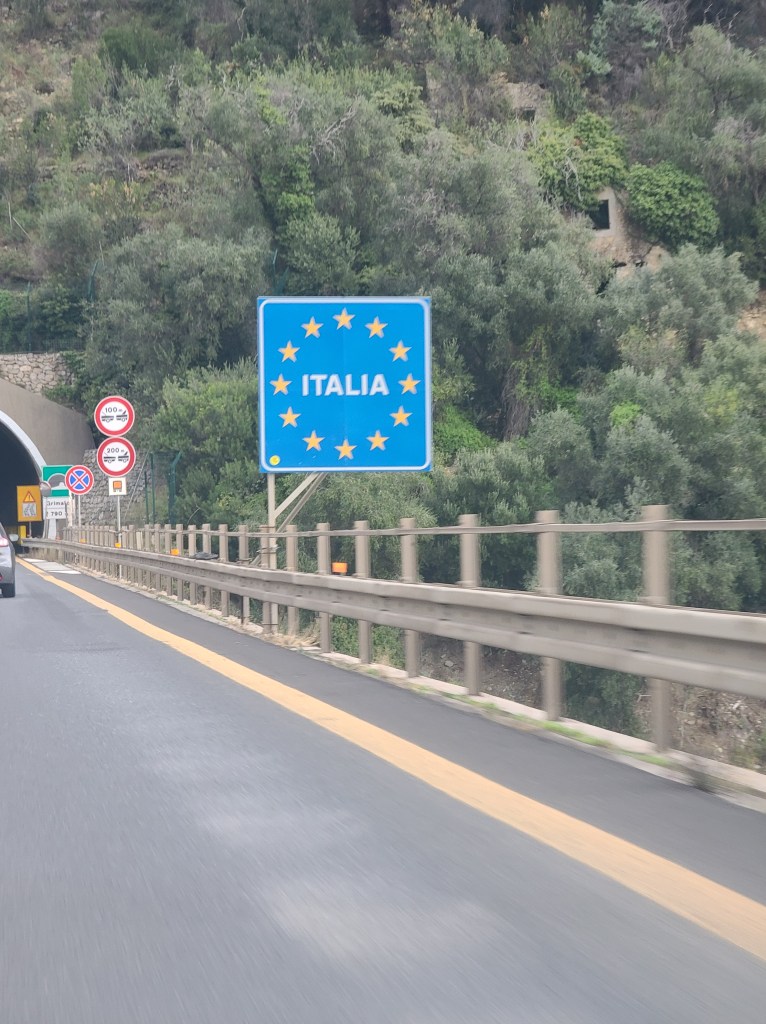
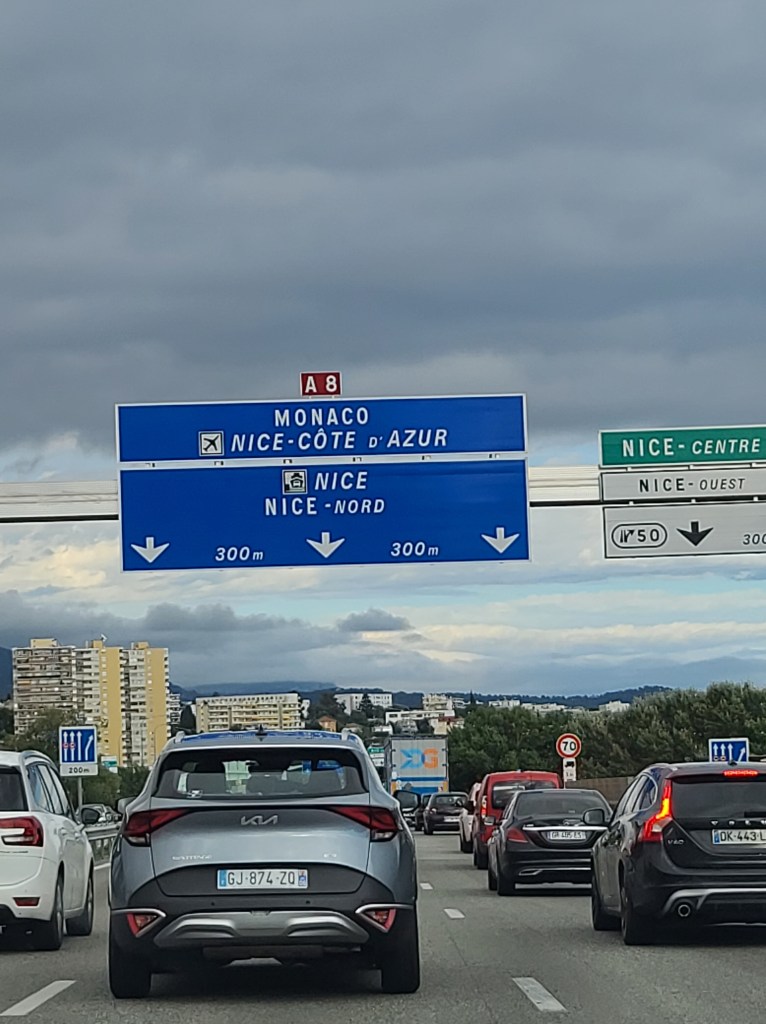
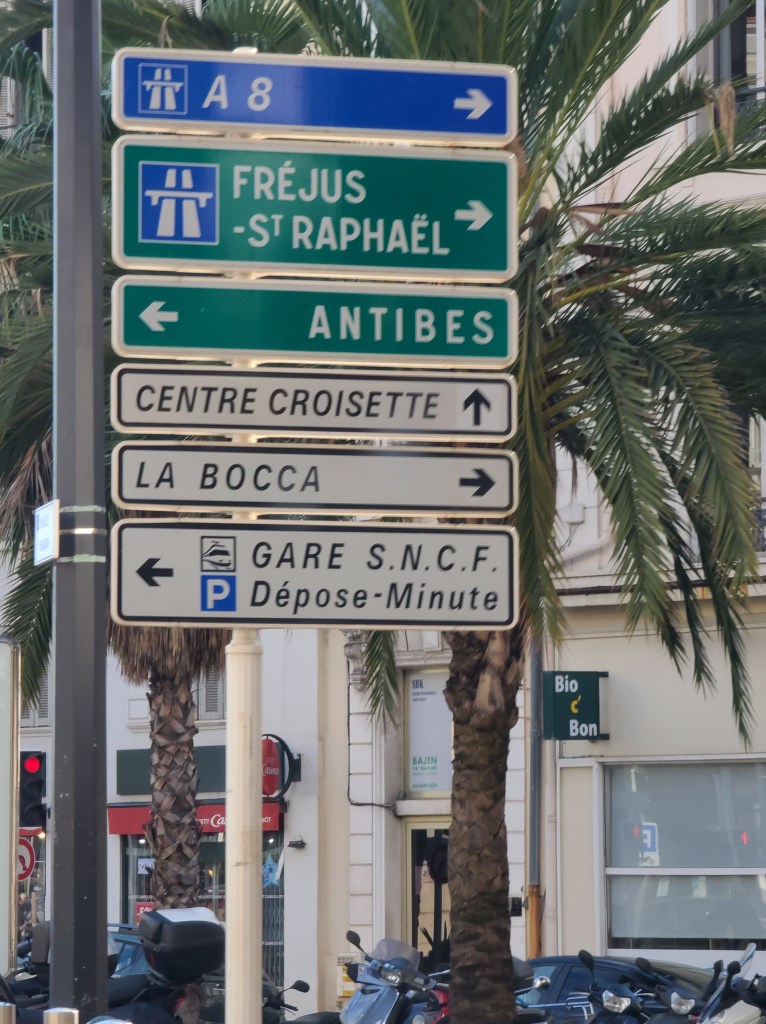
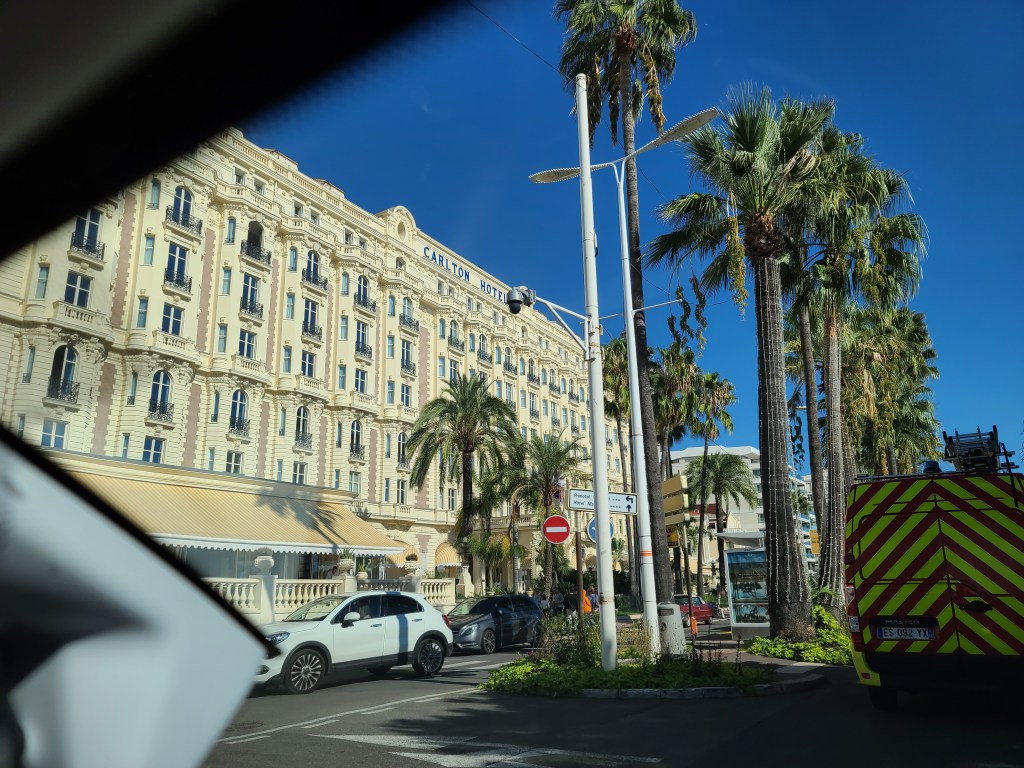
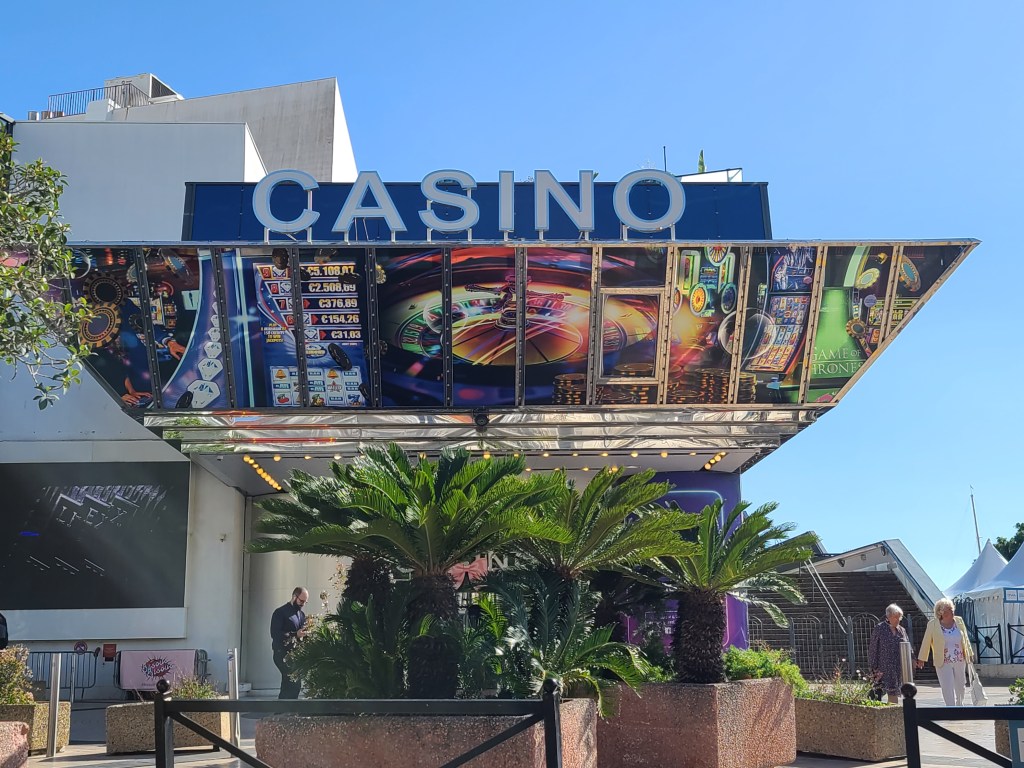
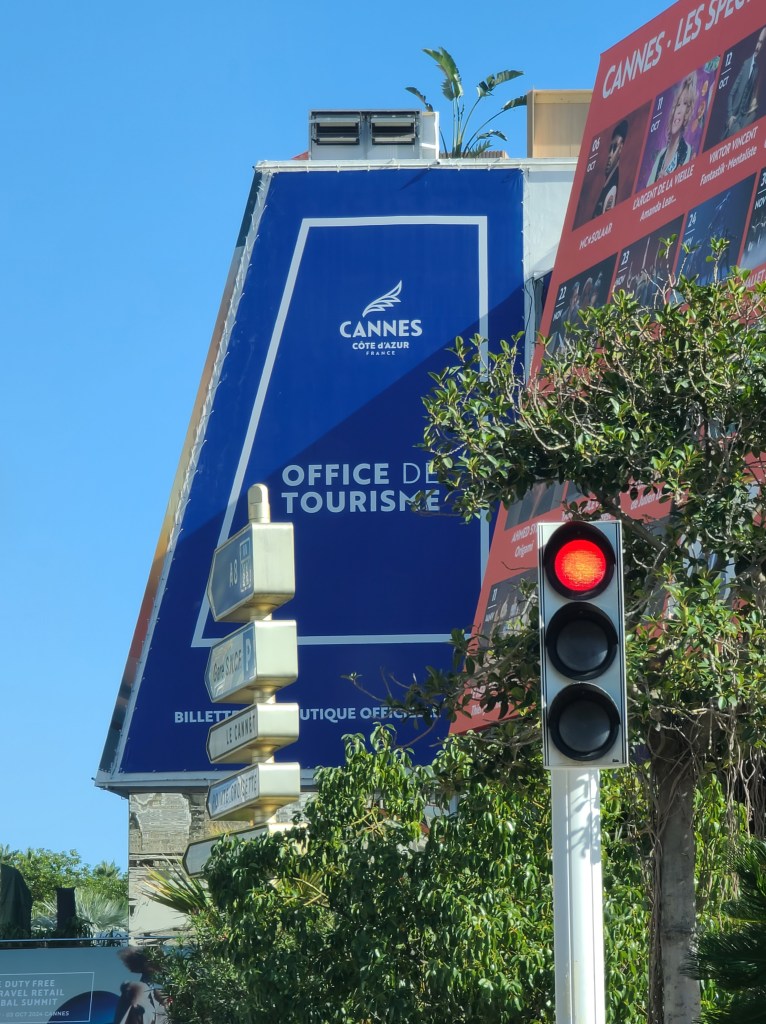
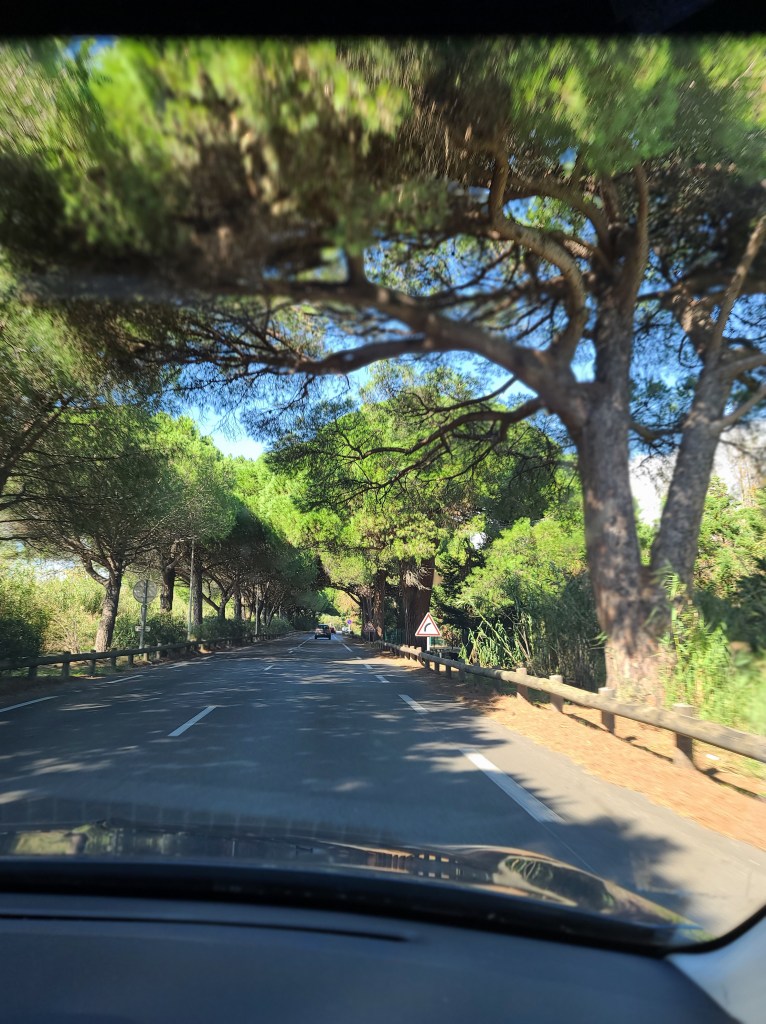
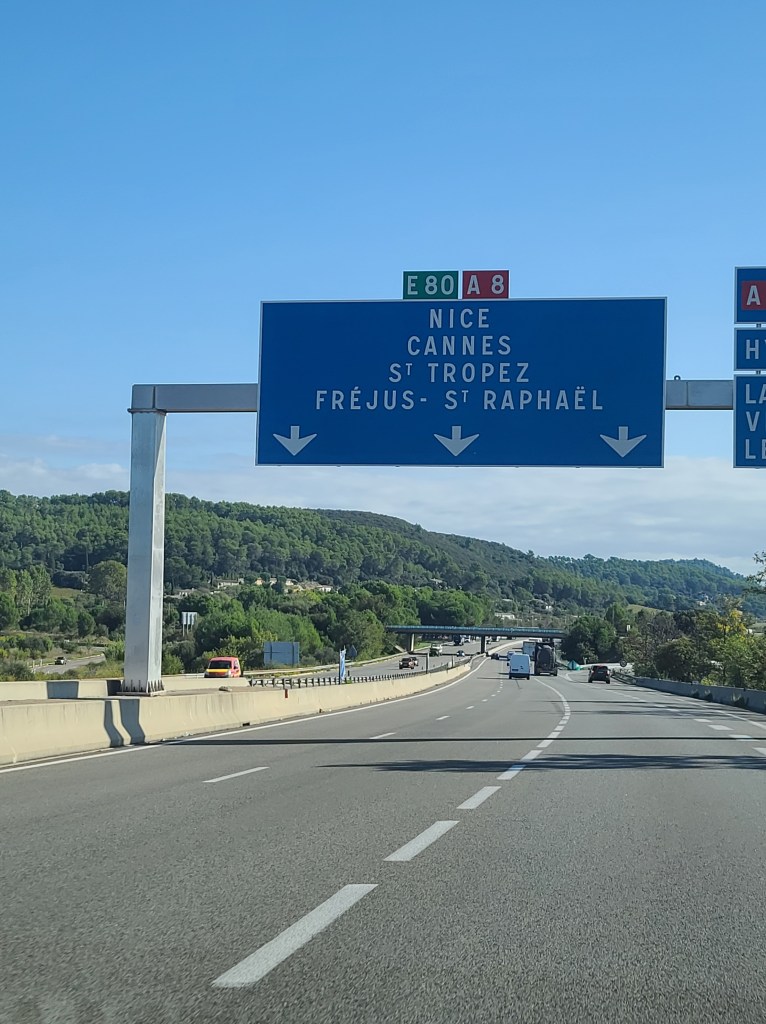
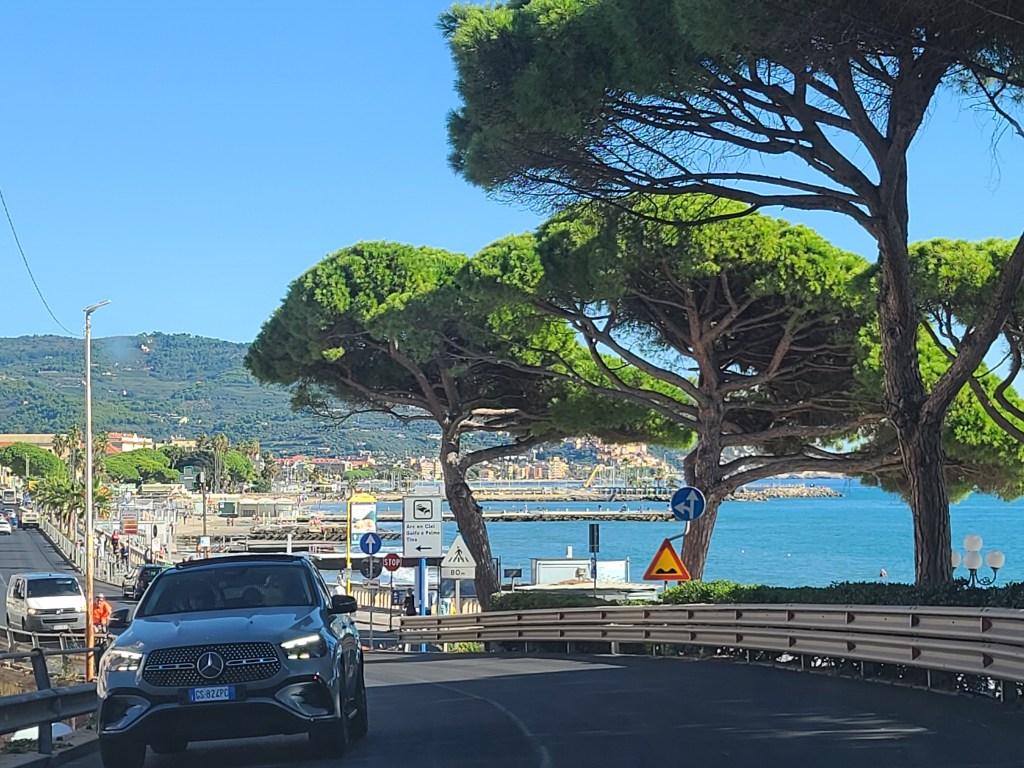
After topping up and saying adieu to Aix en Provence and southern France, we struck out for San Remo Italy. It was an efficient drive with as law dictates, cars to the left lanes, trucks only in the right lane! Our route took us through Saint Tropez, Cannes, Antibes, Nice and at Menton crossed the French Italian border towards San Remo. With blue sea on the right and mountains on the left, it is a memorizing drive.
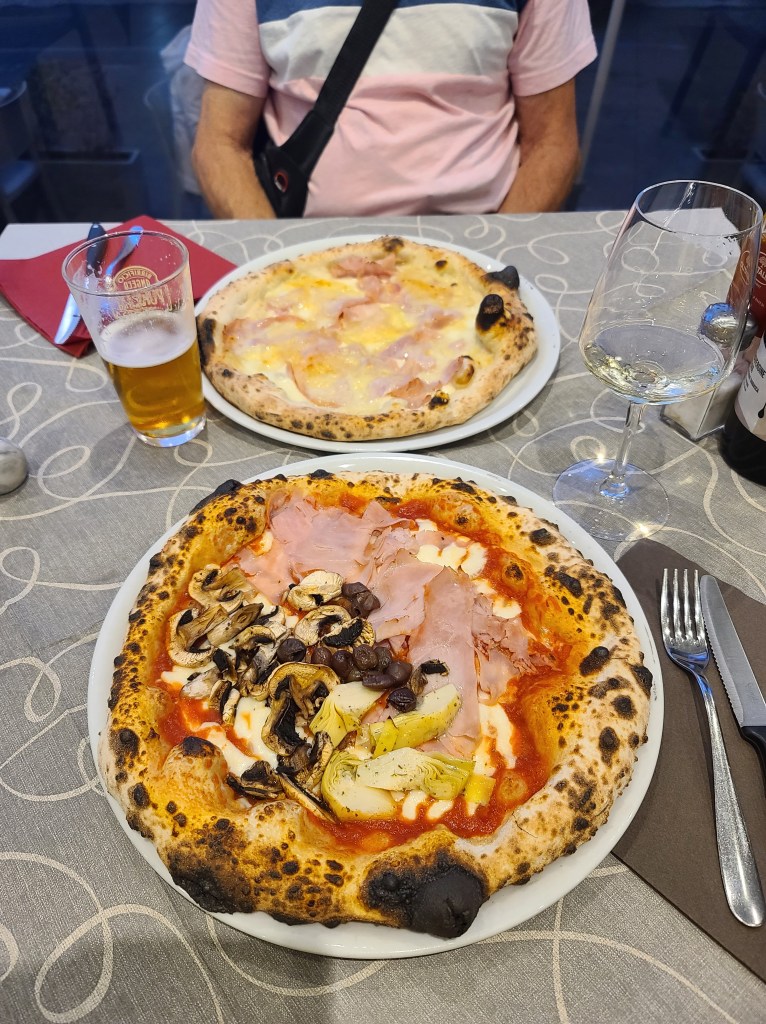
San Remo and its surrounding areas are small fishing villages, stunning botanical gardens and incredible local Ligurian cuisine, which we look forward to for dinner this evening.
Some celebrities who have lived here through the years include Rita Hayworth, Steven Spielberg and Dustin Hoffman.
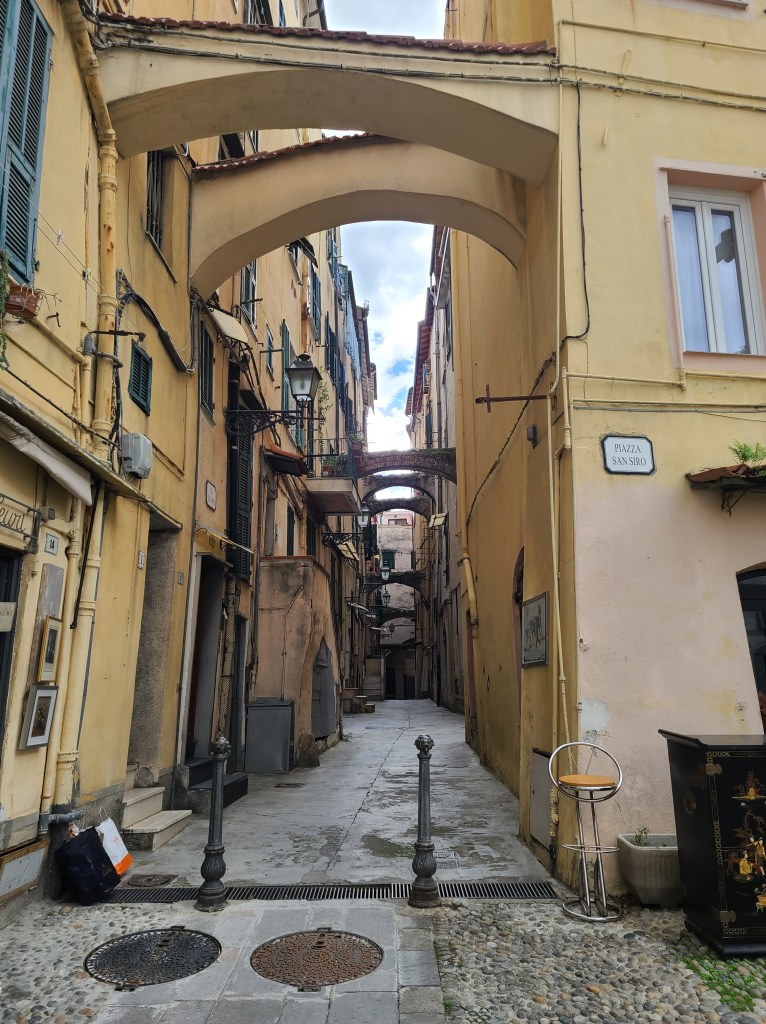
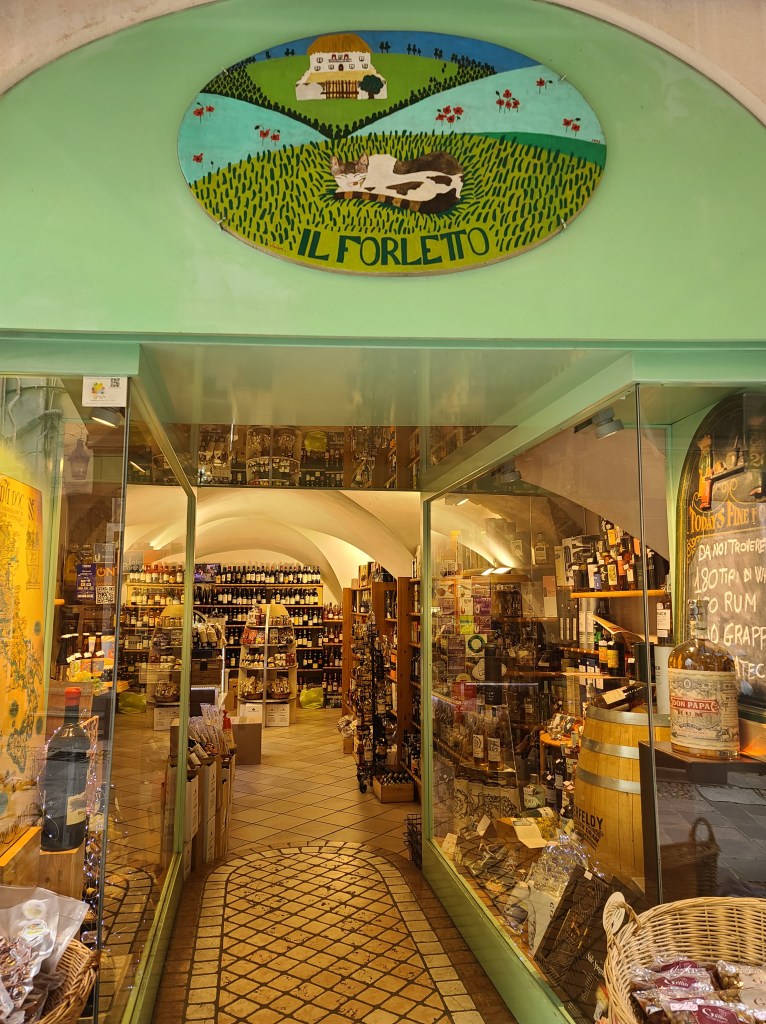
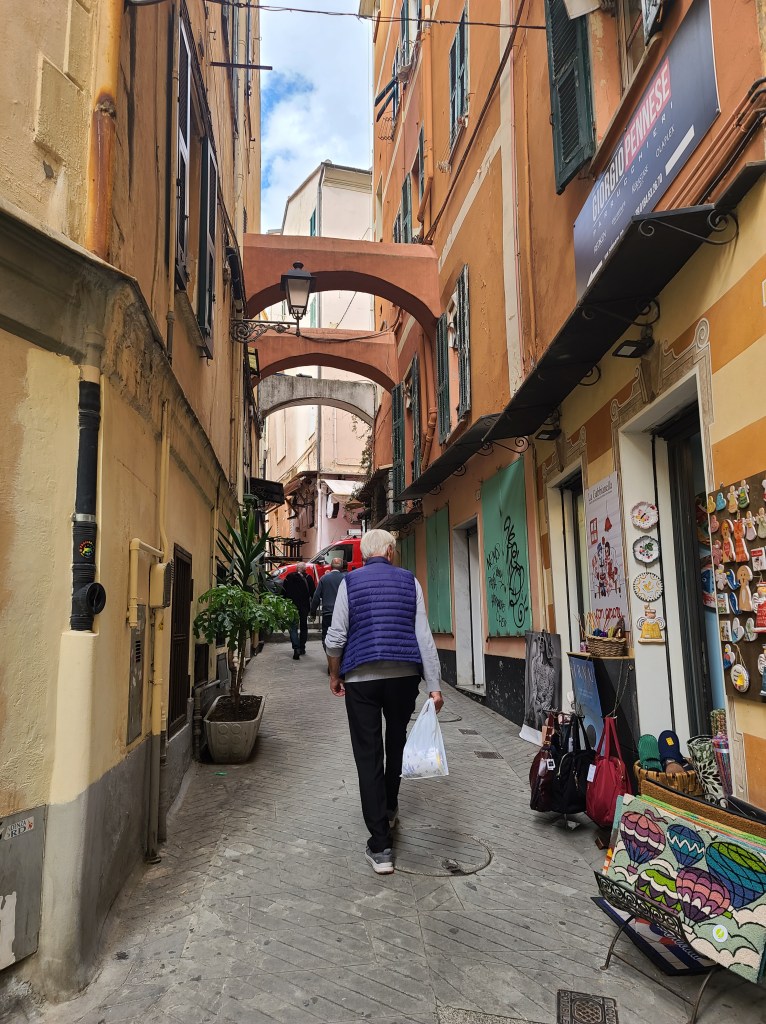
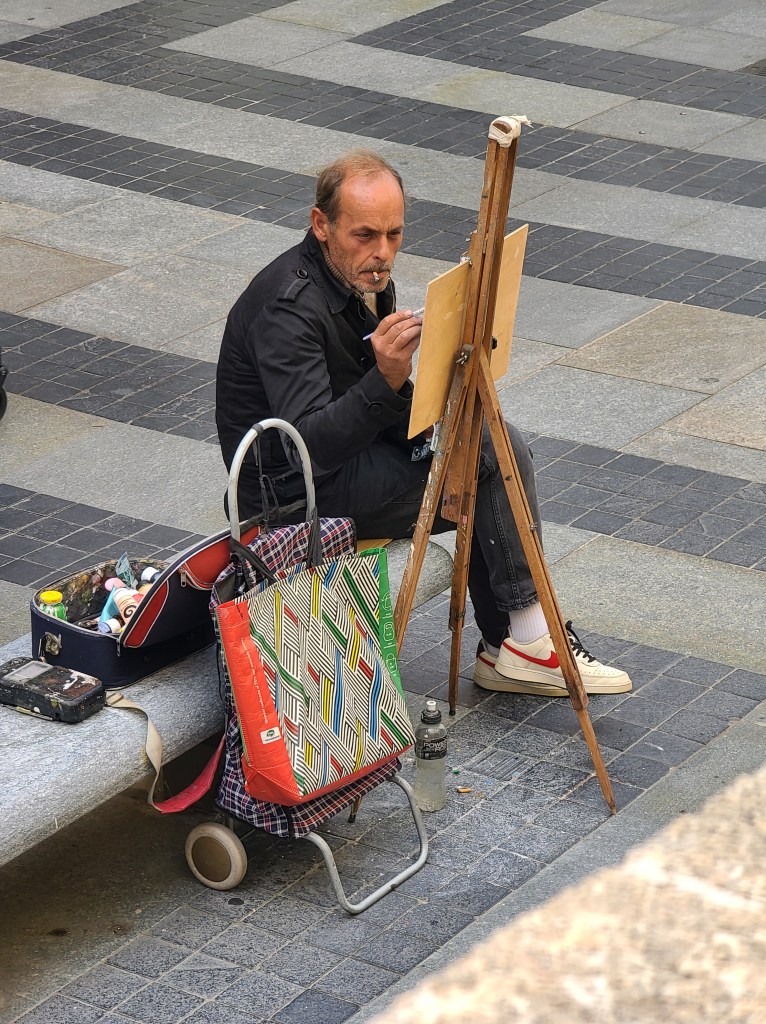
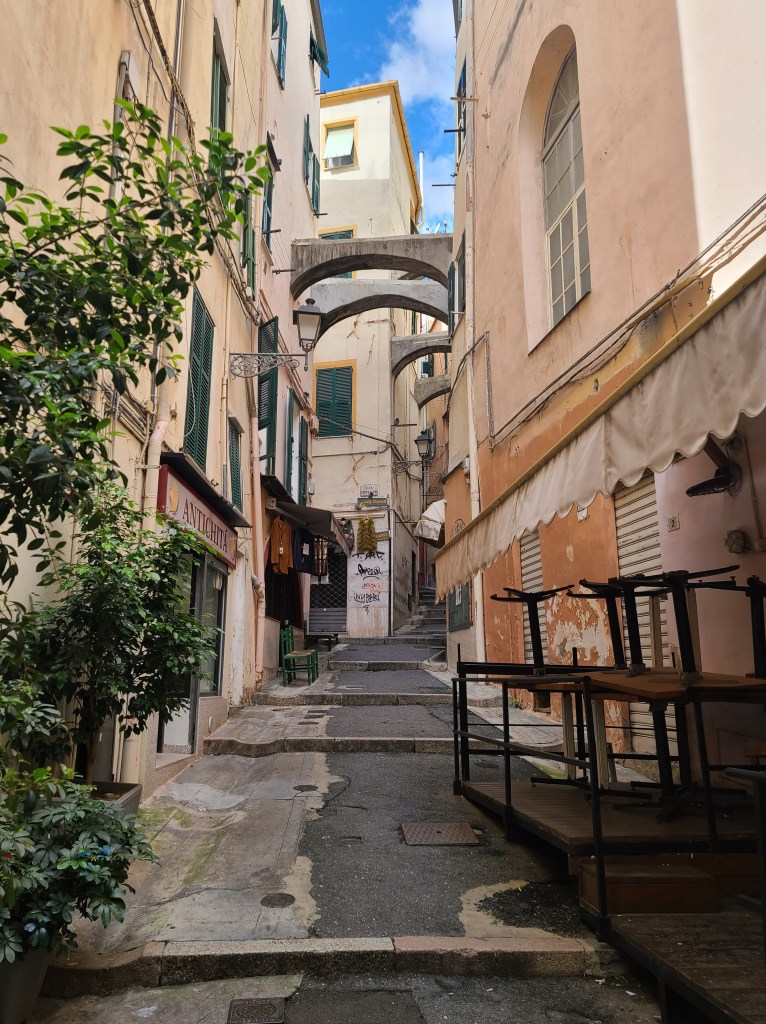
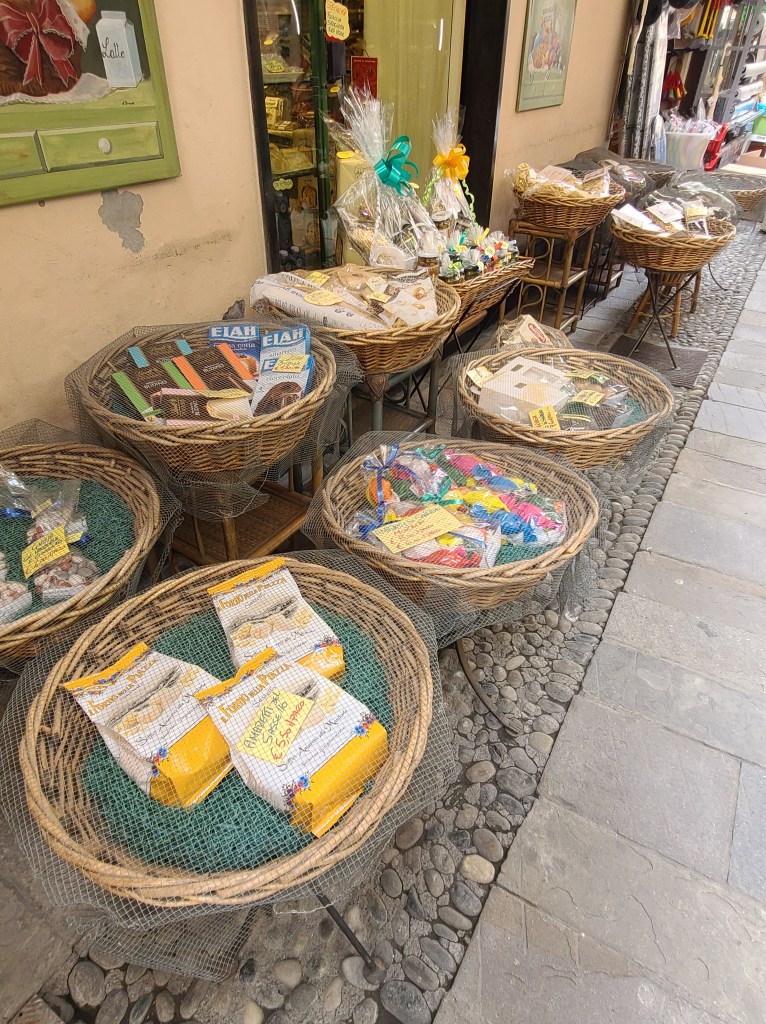
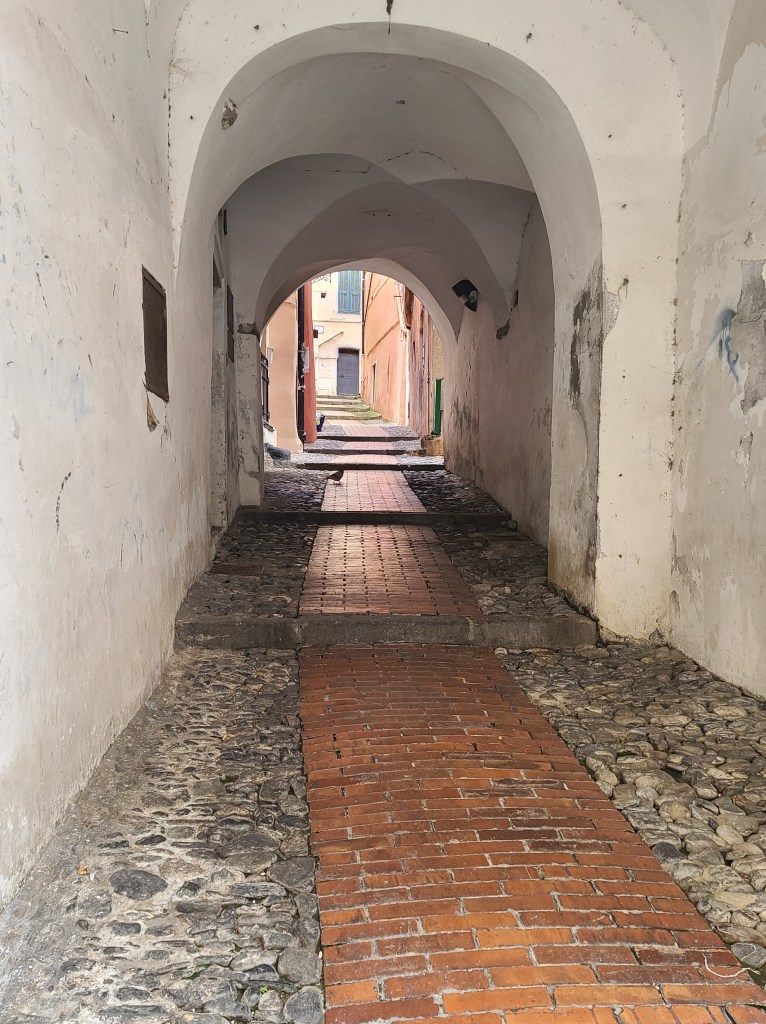
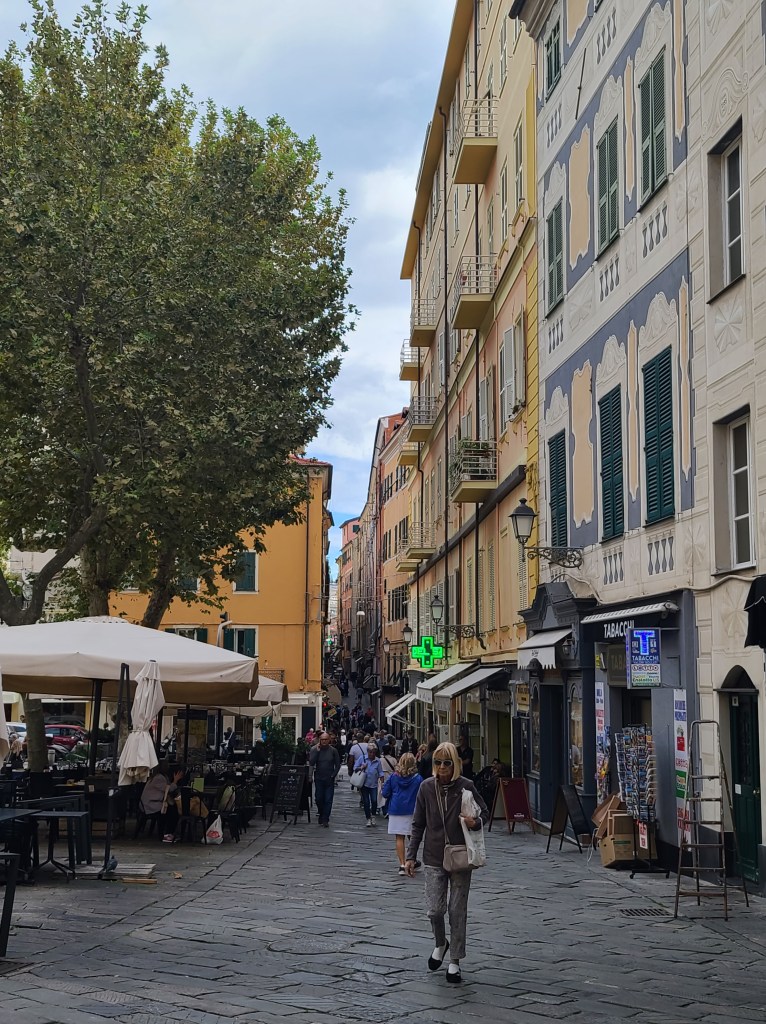
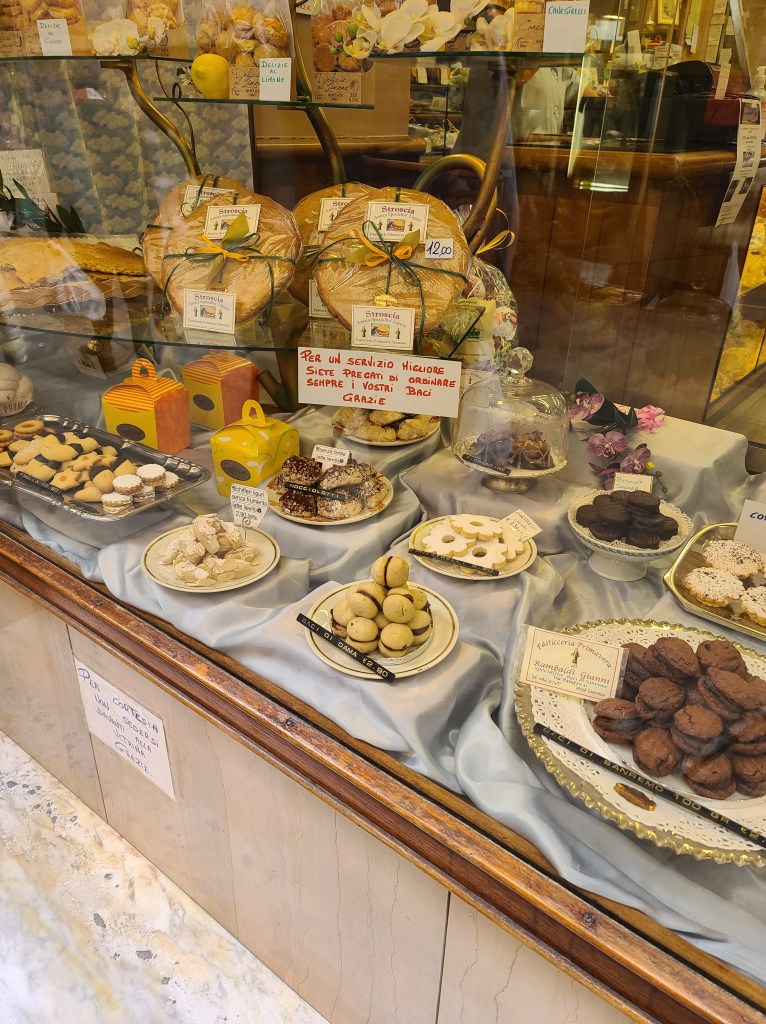
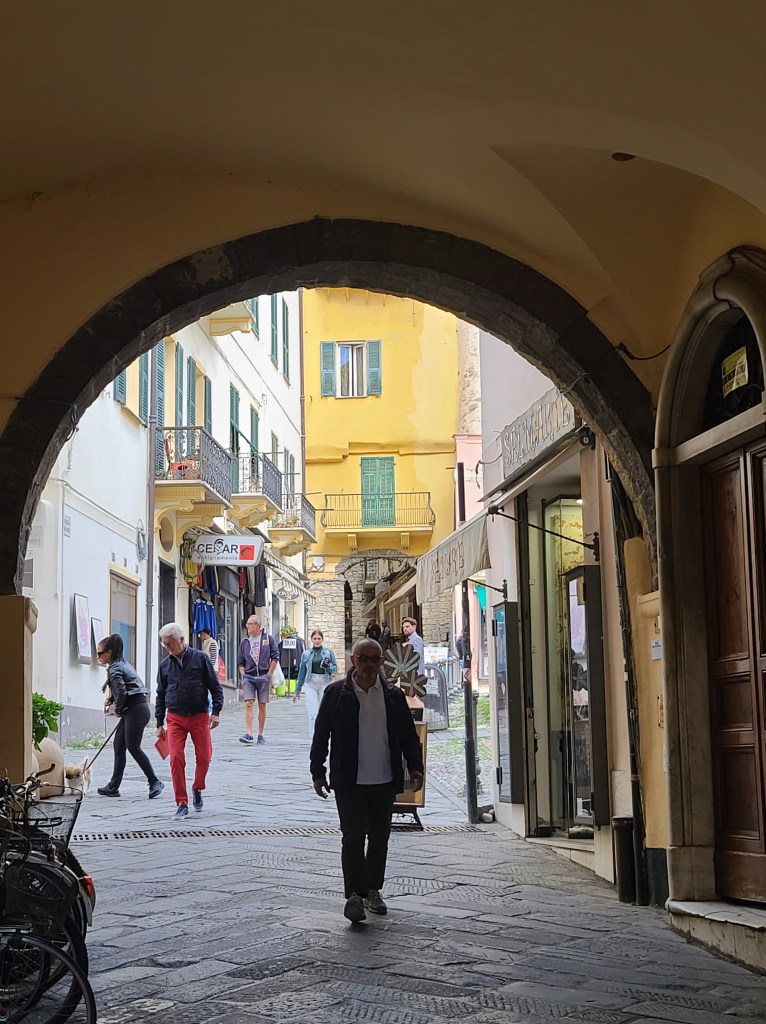
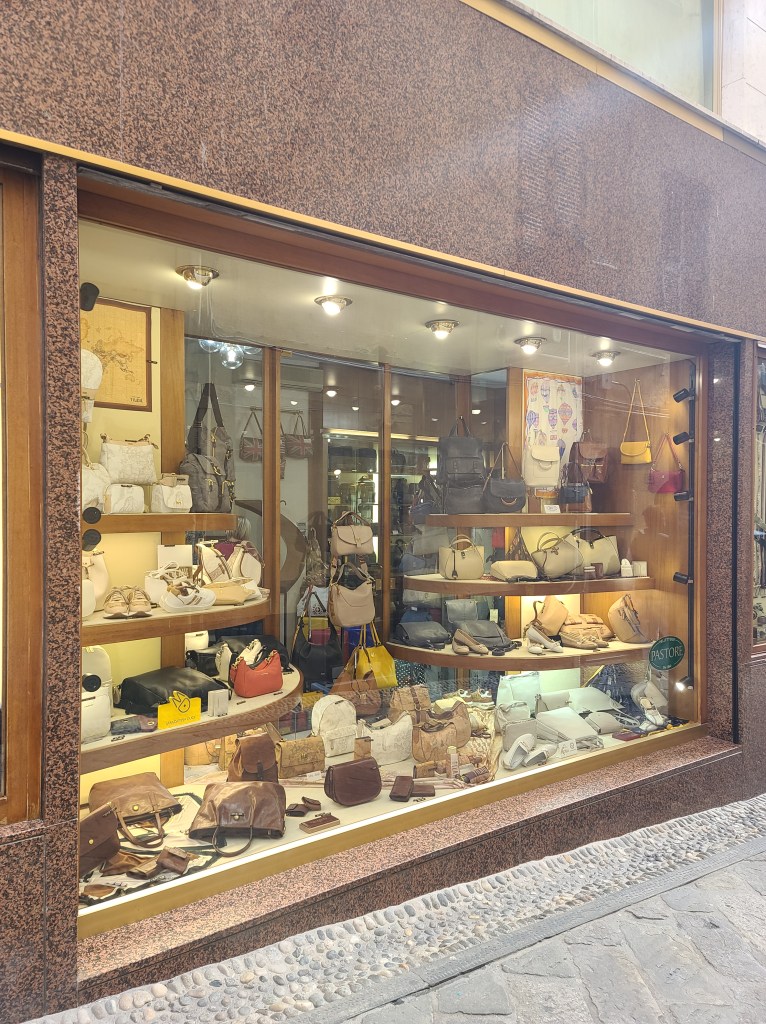
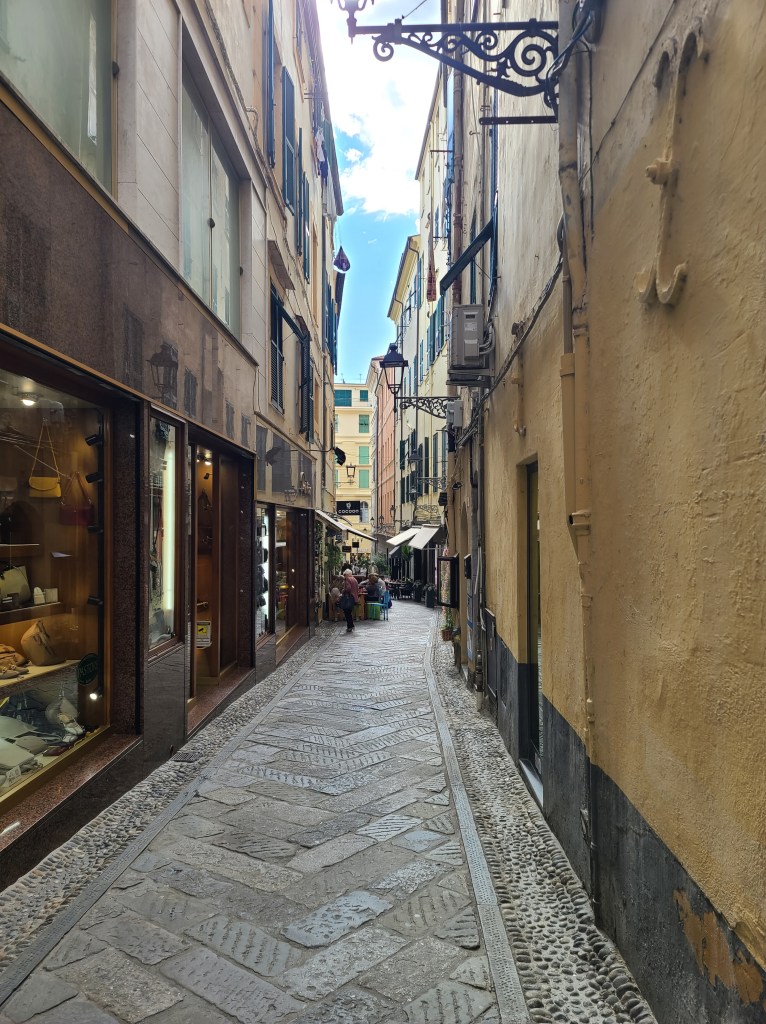
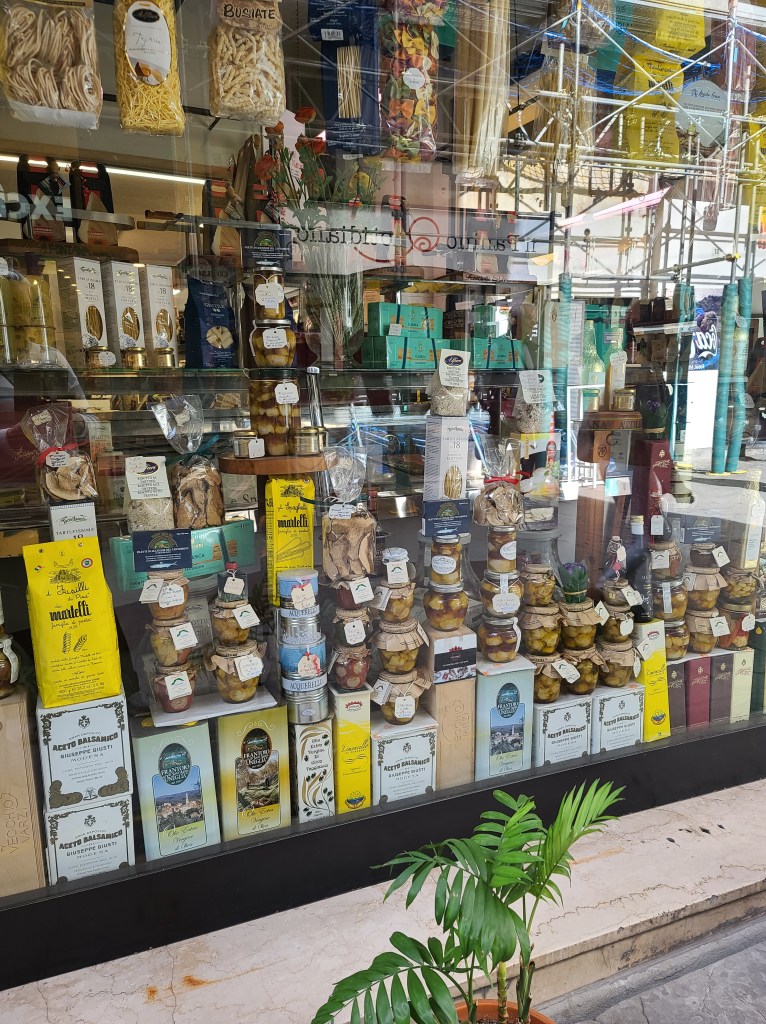
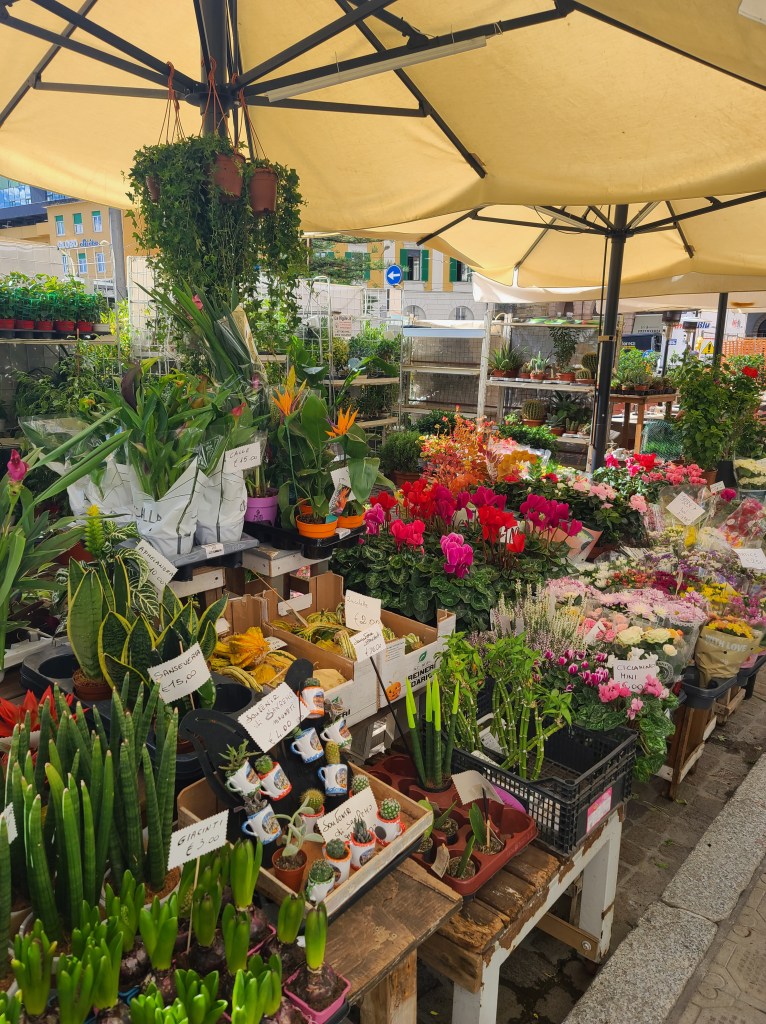
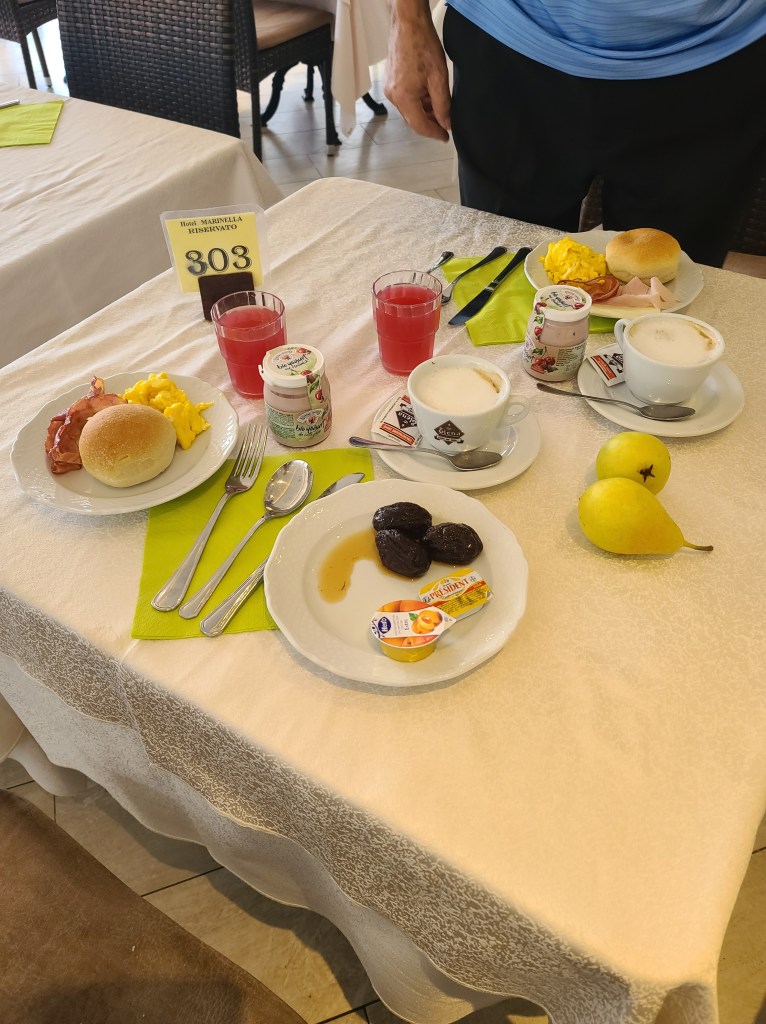
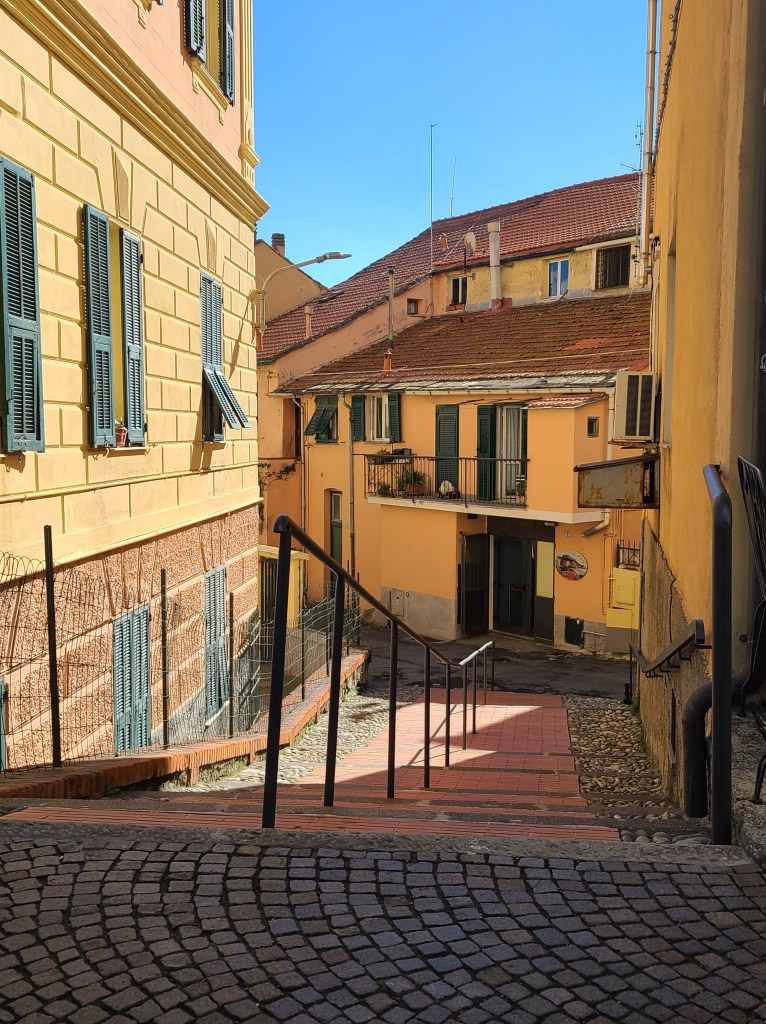
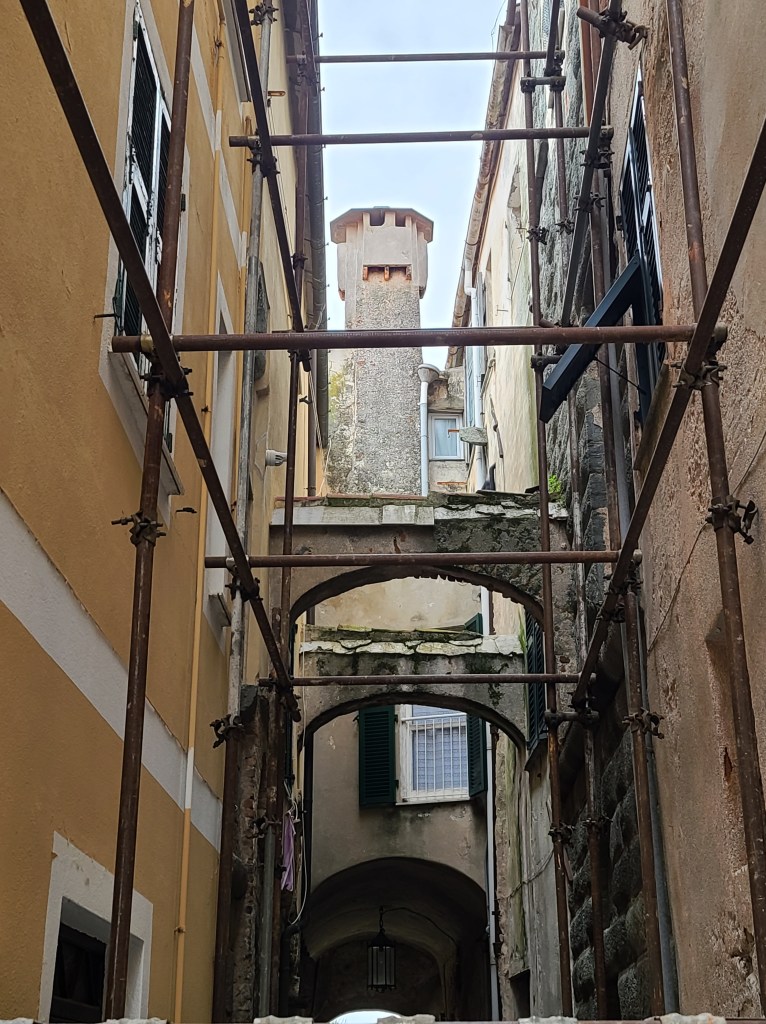
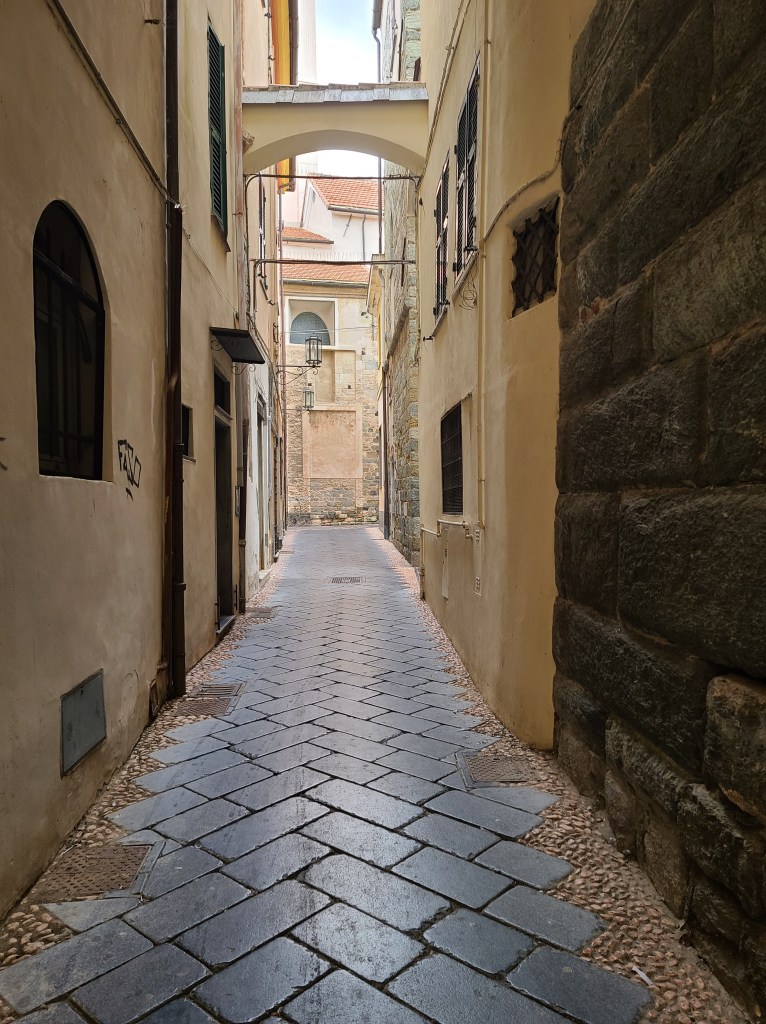
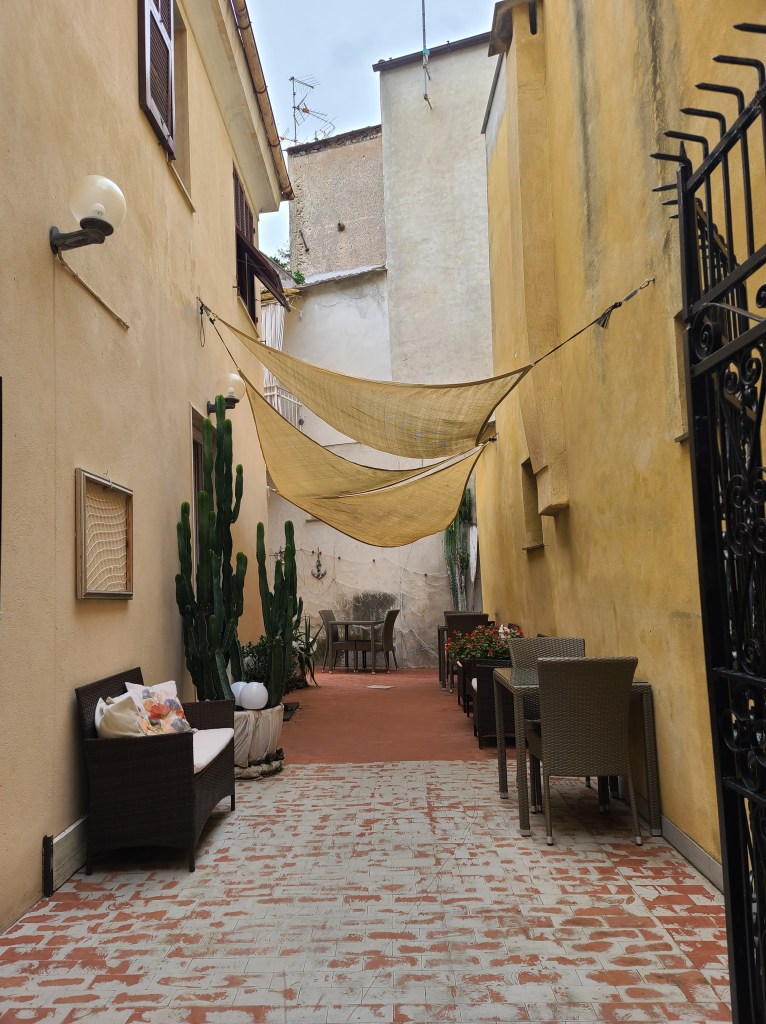
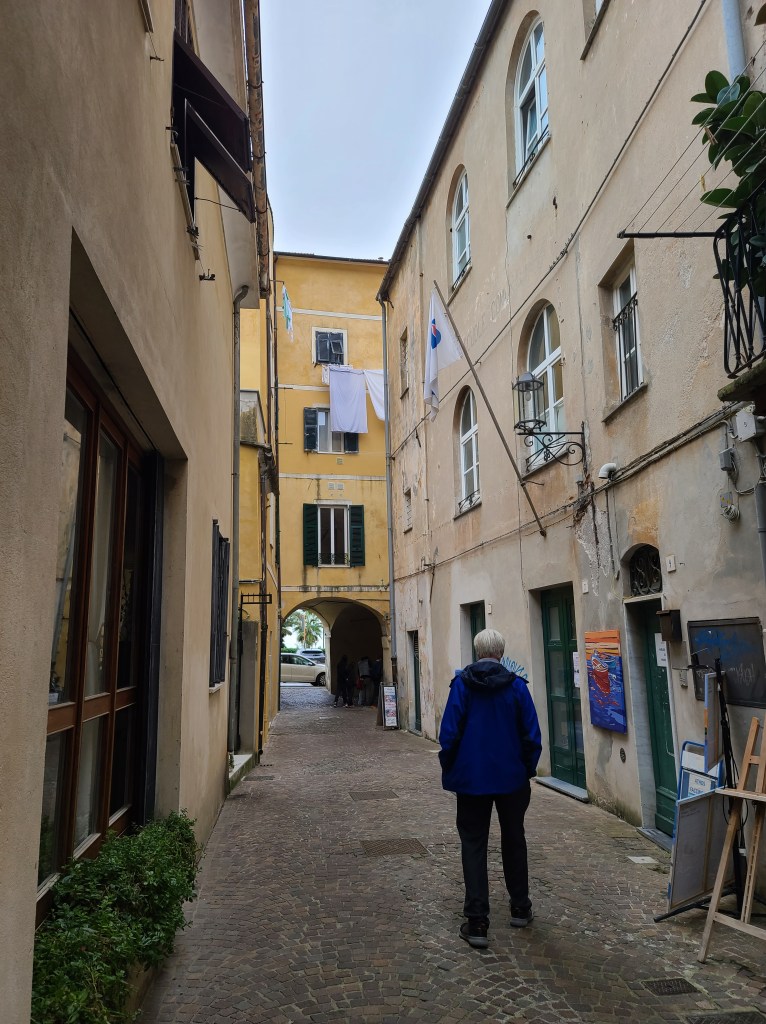
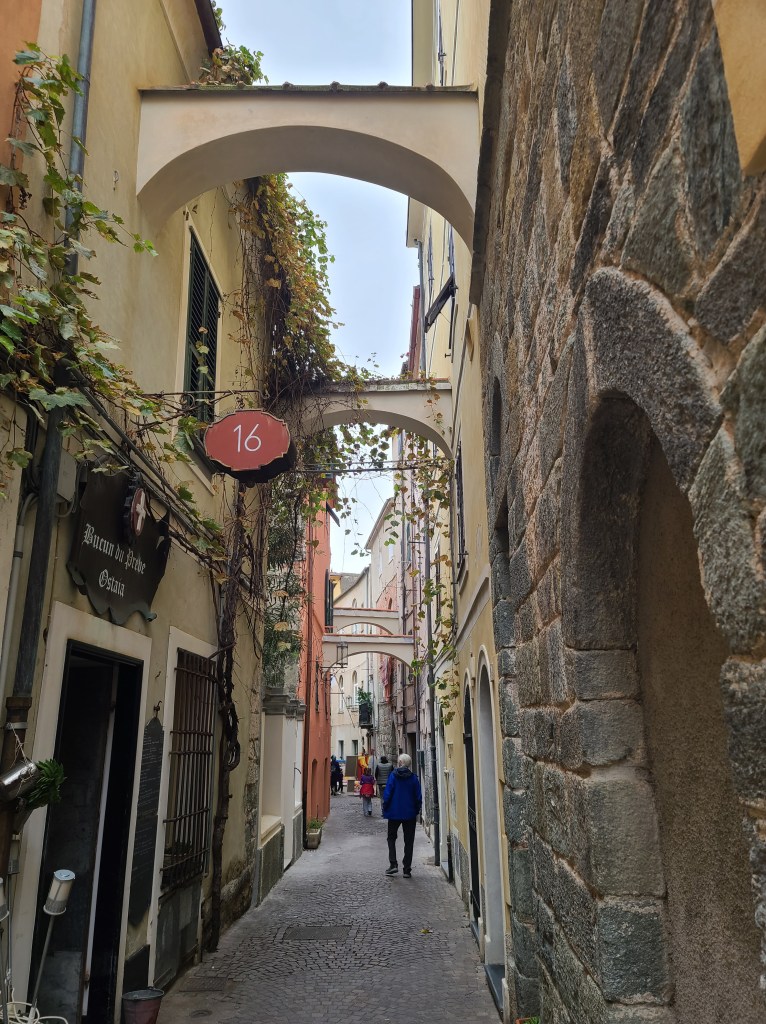
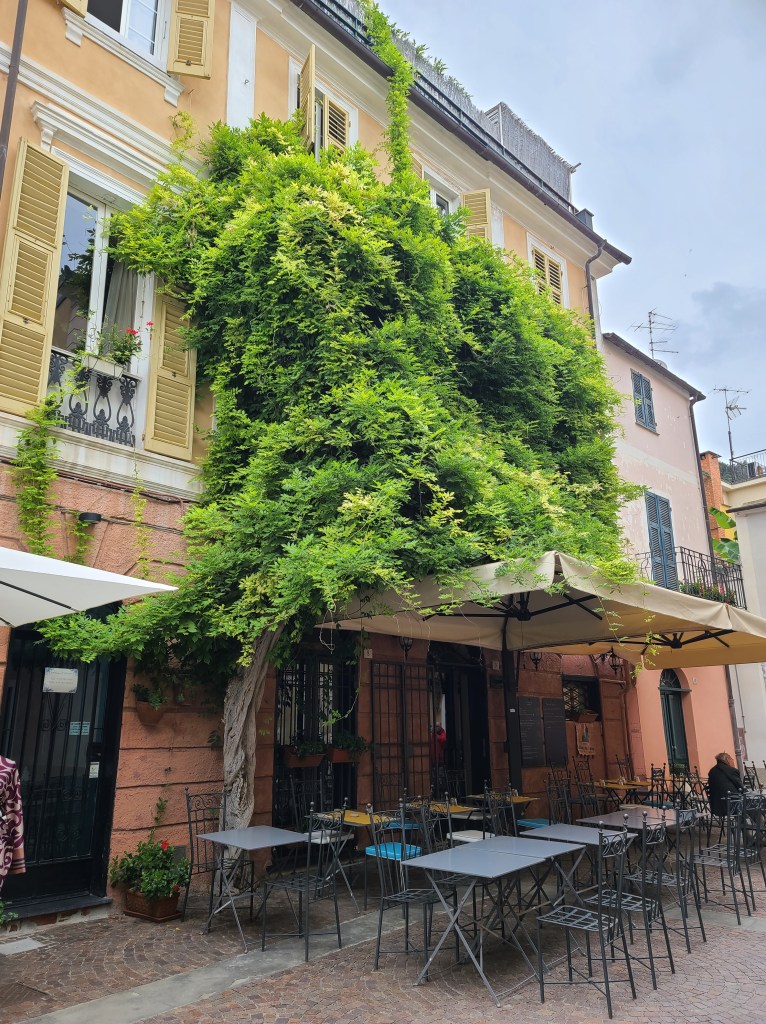
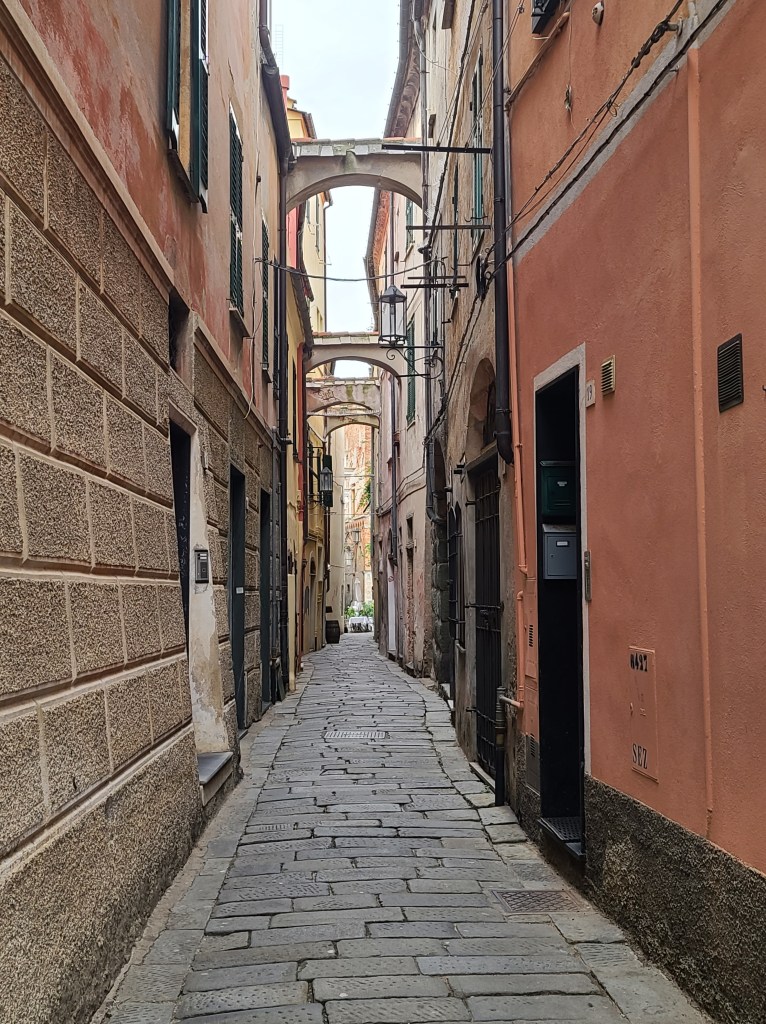
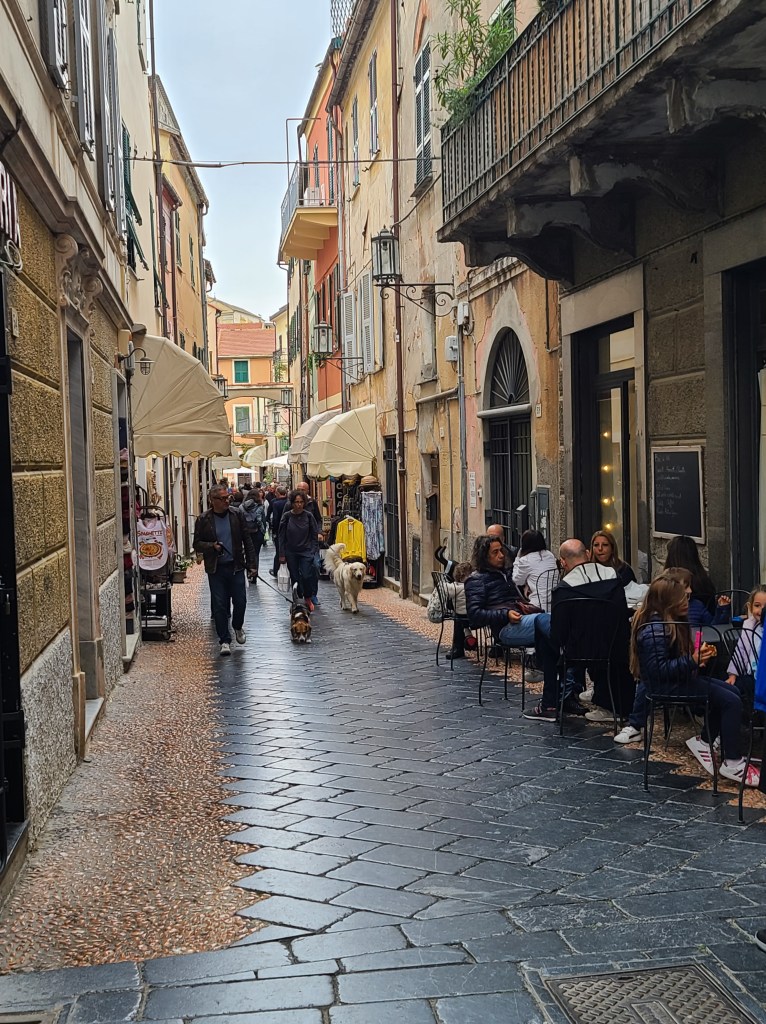
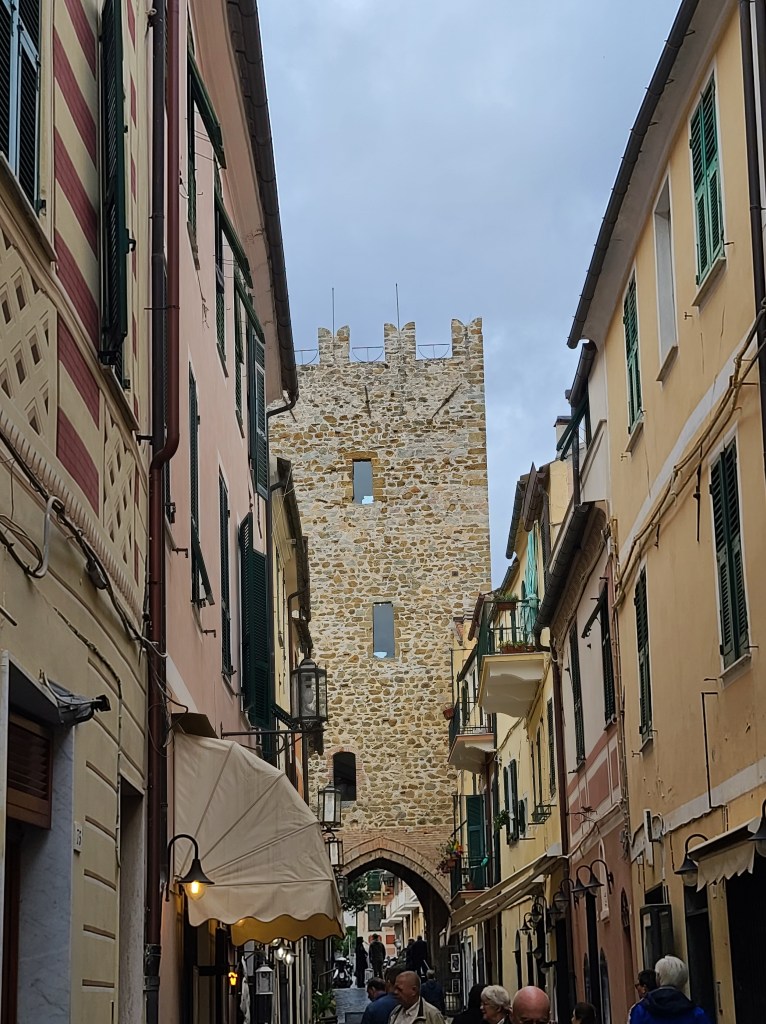
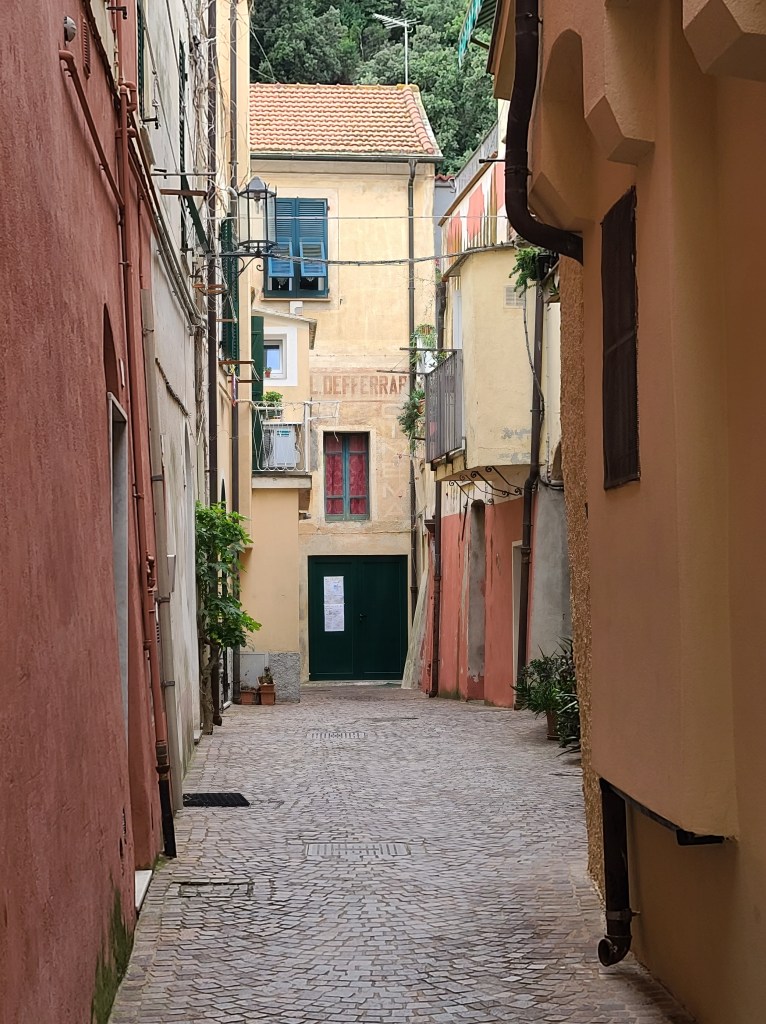
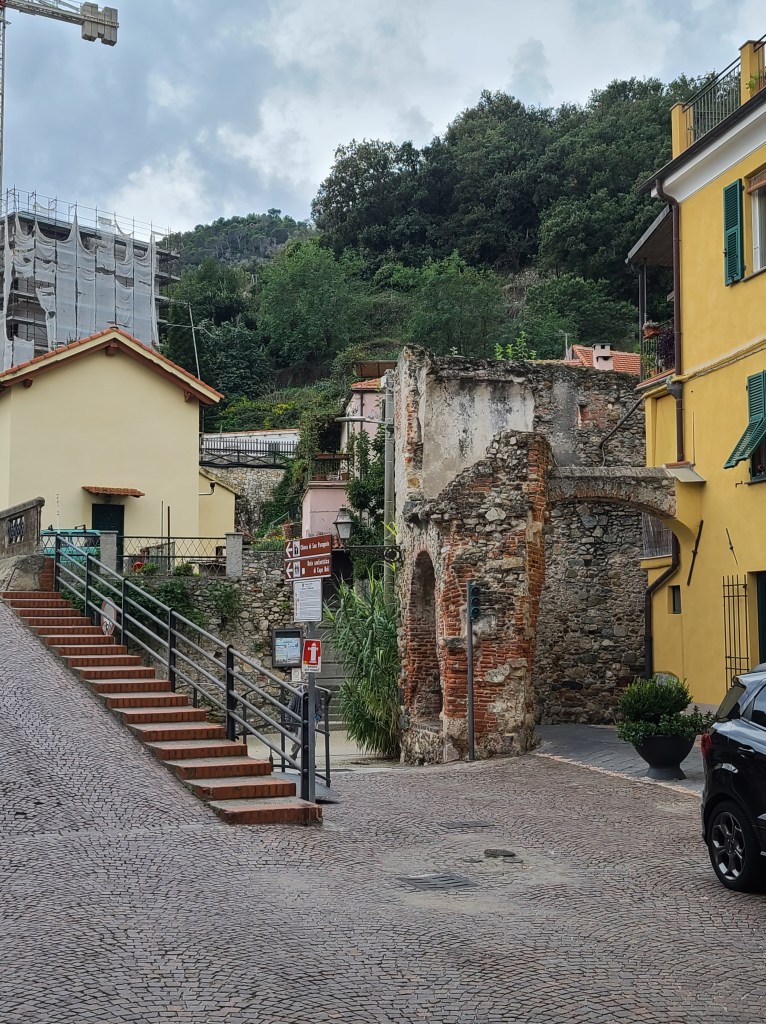
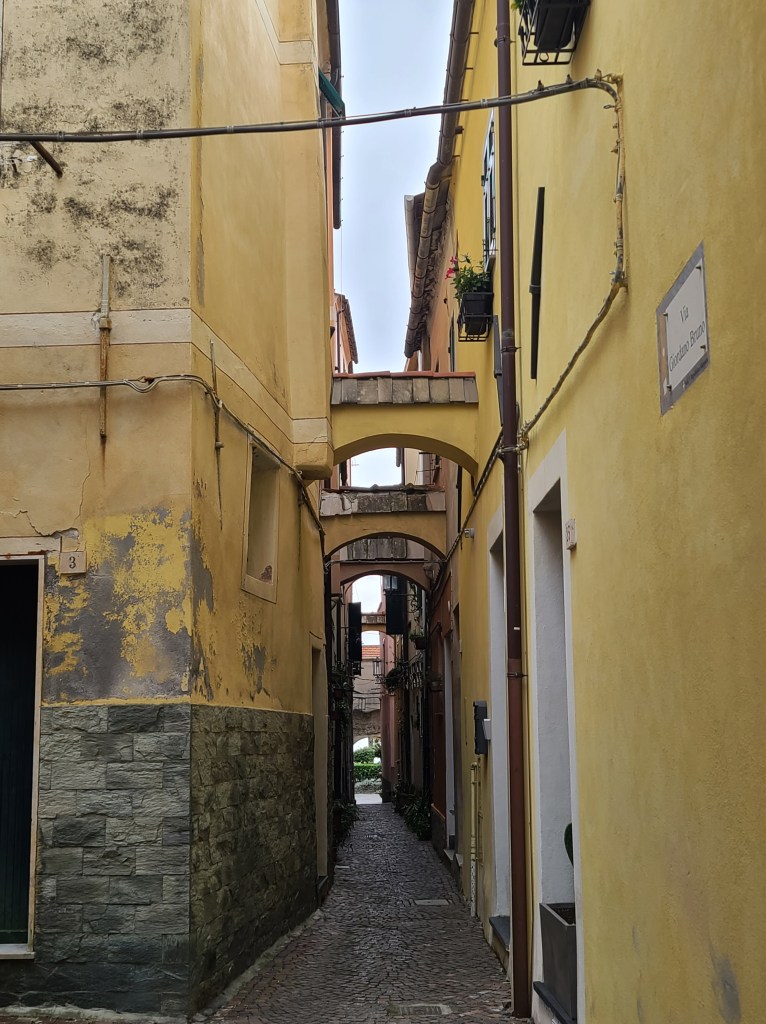
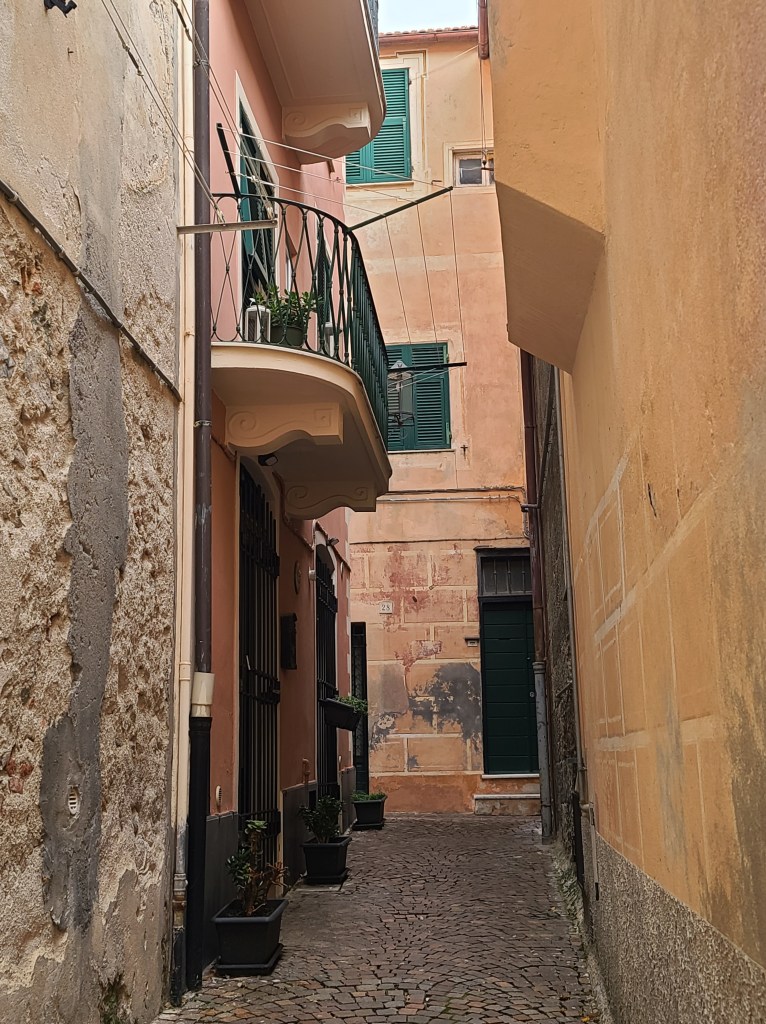
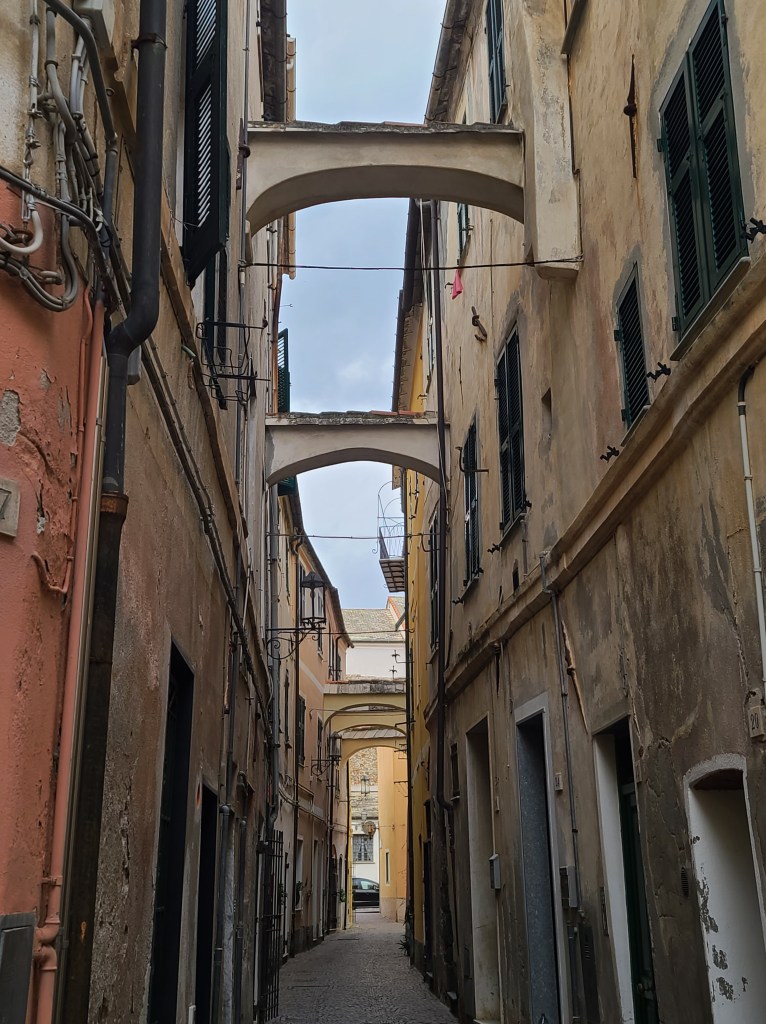
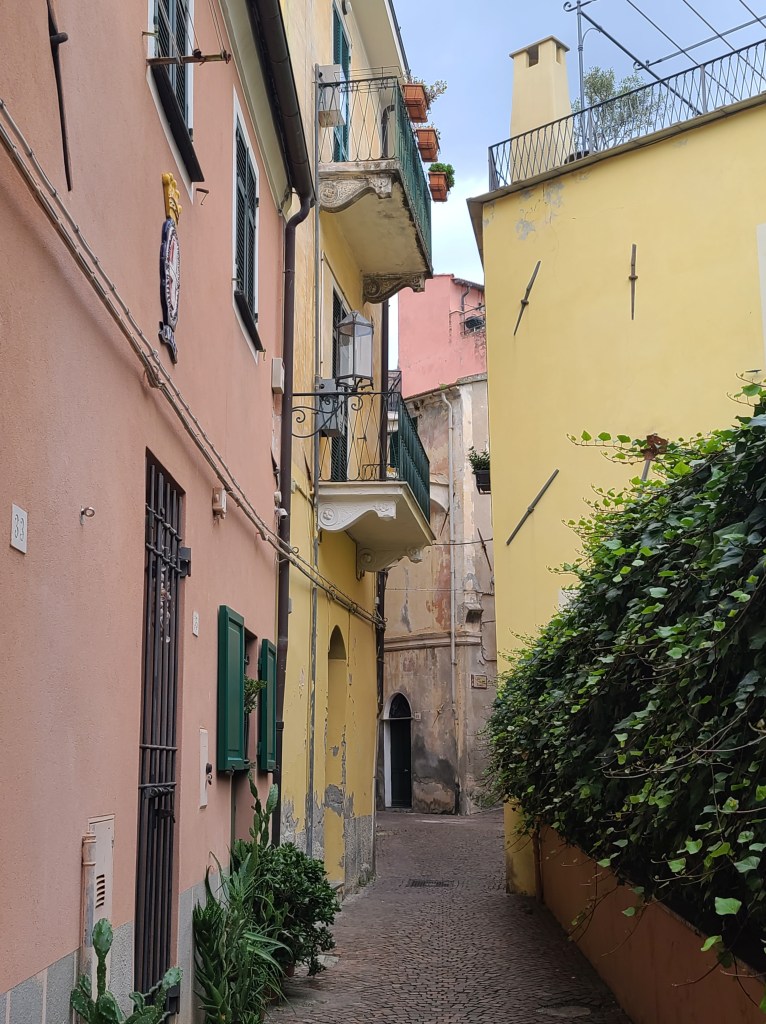
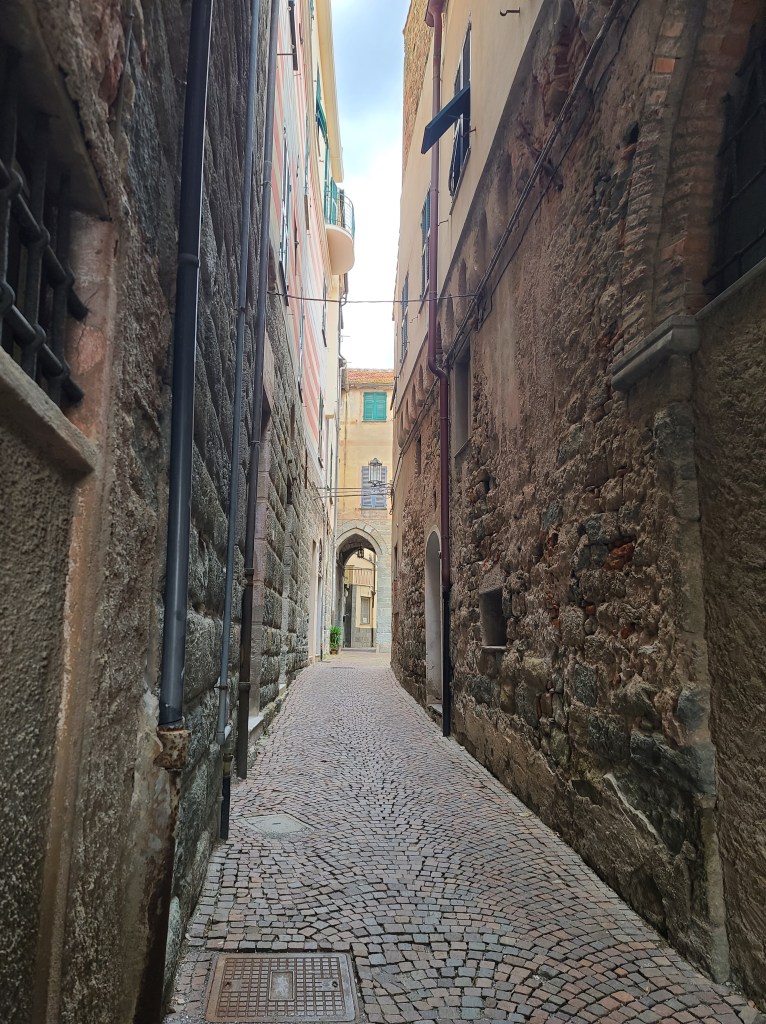
Following a beautiful breakfast at Hotel Marinella along the beach, we headed up the back streets to the historic section to do some snooping and stretch our legs. WOW! What a historic area. In many alleys there are arches between the building tops that’s sole purpose is to keep the buildings from falling into each other. Cobble stone pathways leading up to, I know not where, but for sure, it is somebody’s little home. Cafes, grocery stores, fruits and veg, homemade pastas, alterations, leather goods, housewares, clothes, toys, bakeries, jewelry: you name it, it’s here!
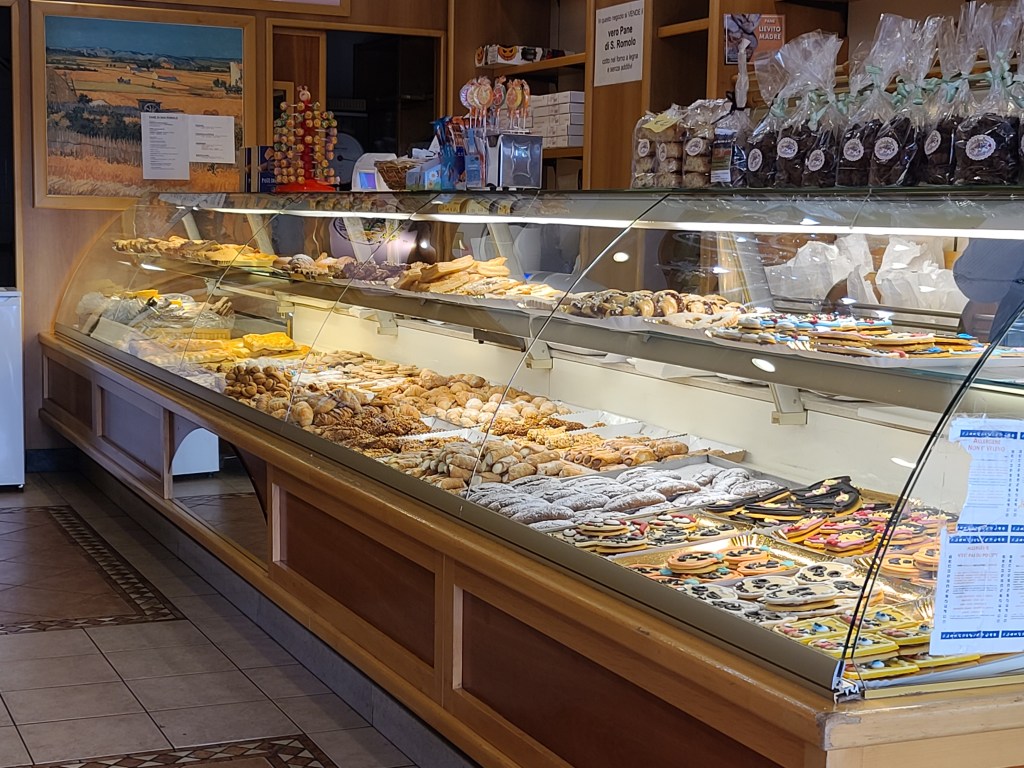
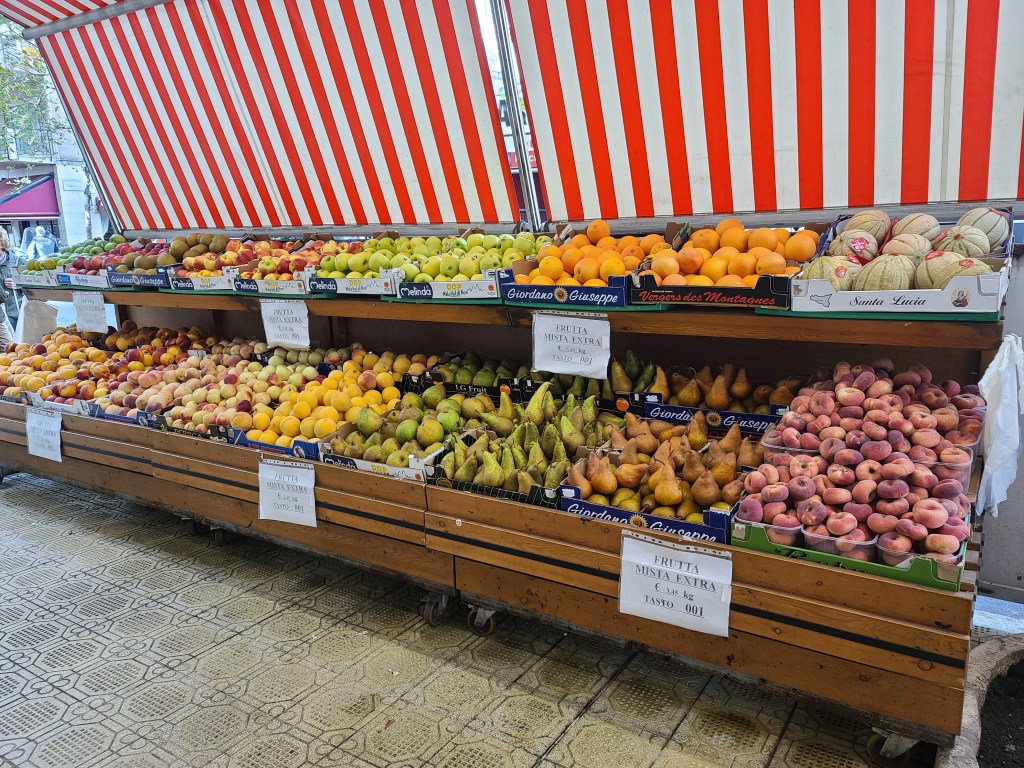
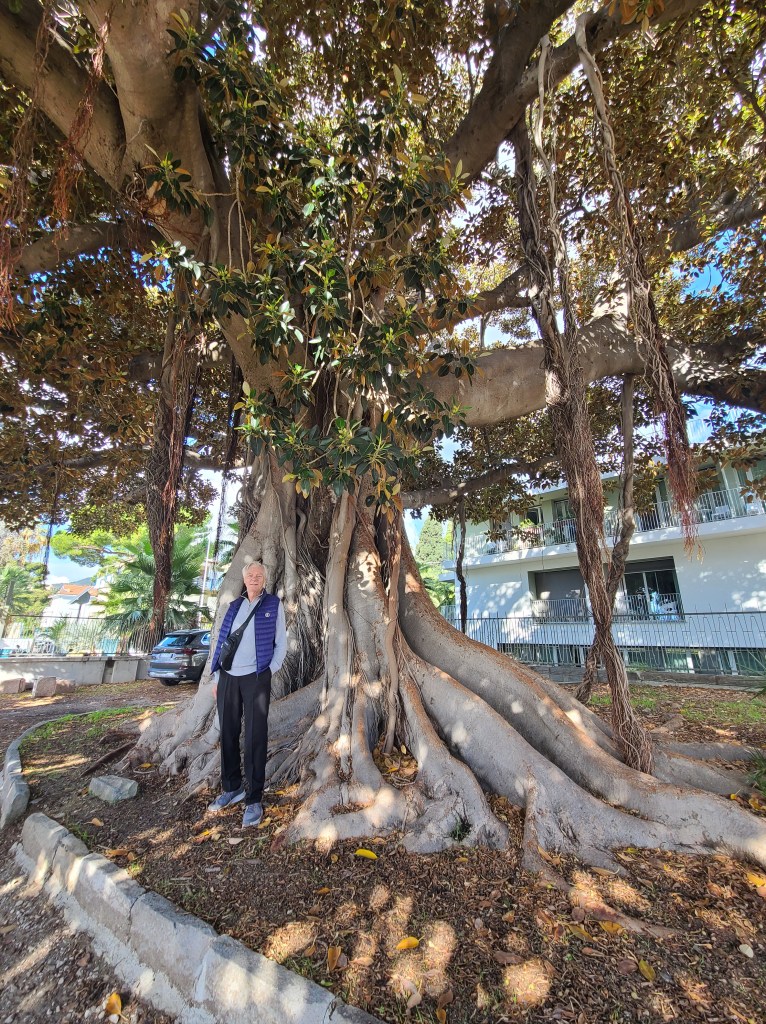
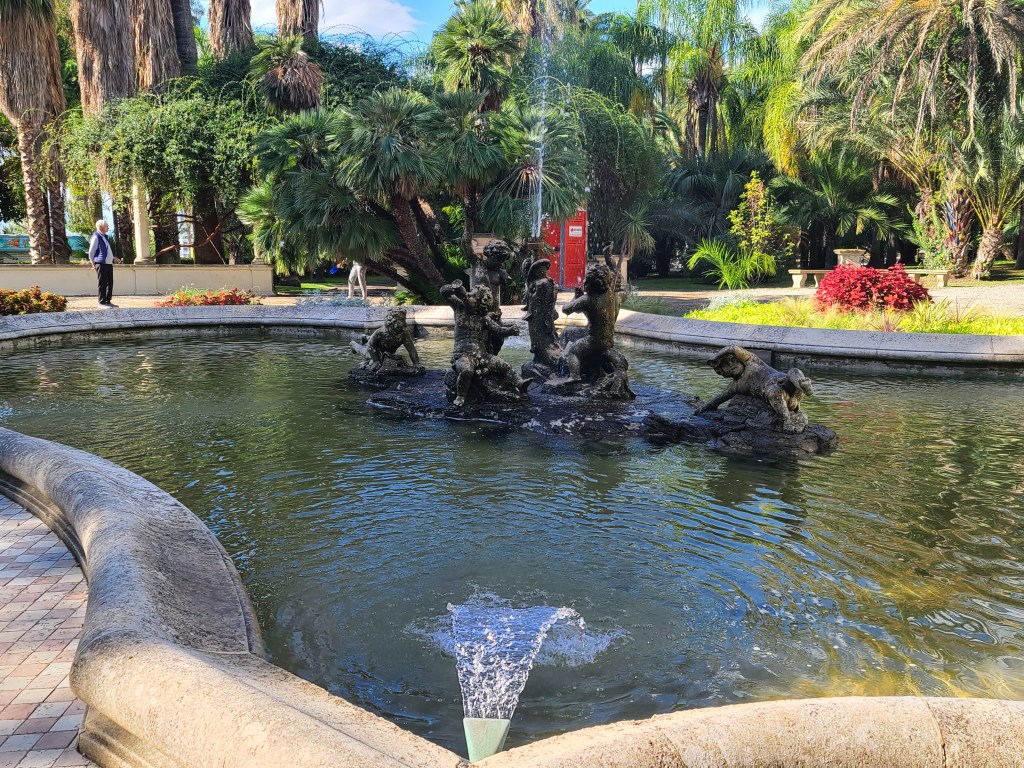
Oct 5 San Remo to Finale Leguri, Italy
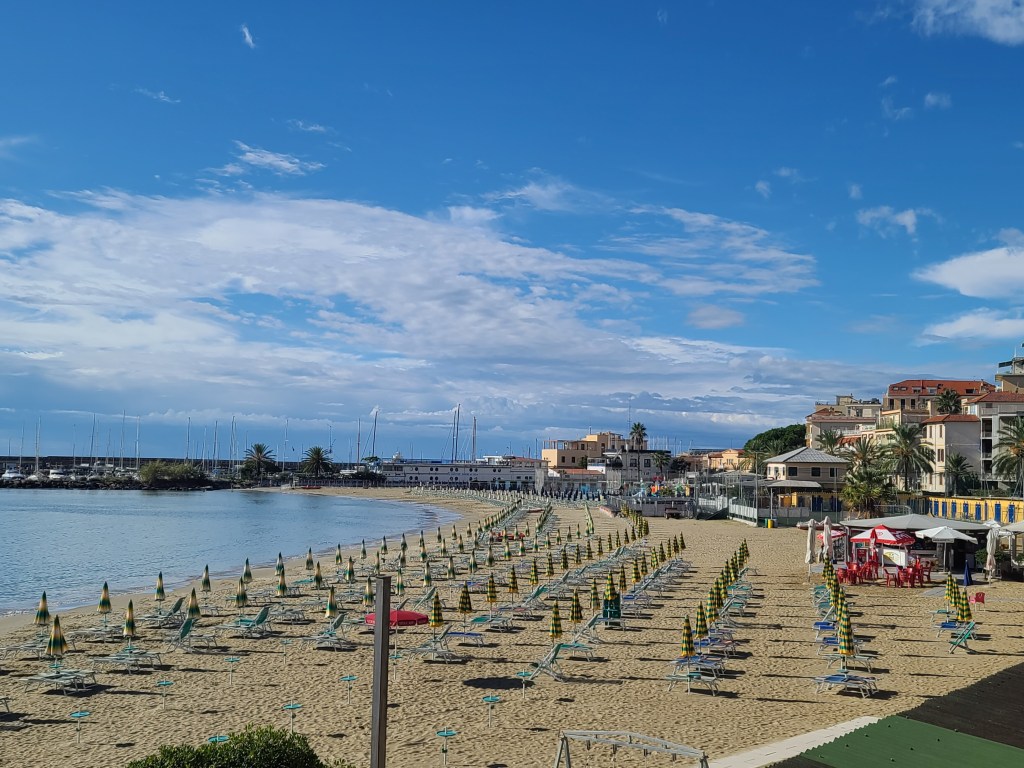
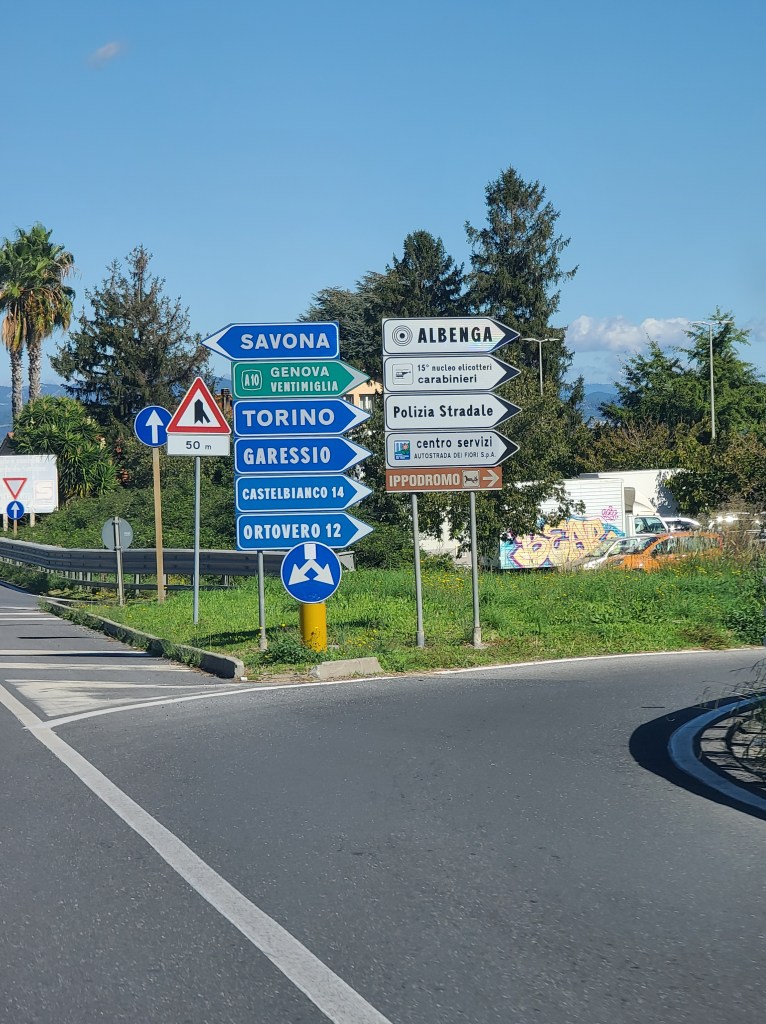
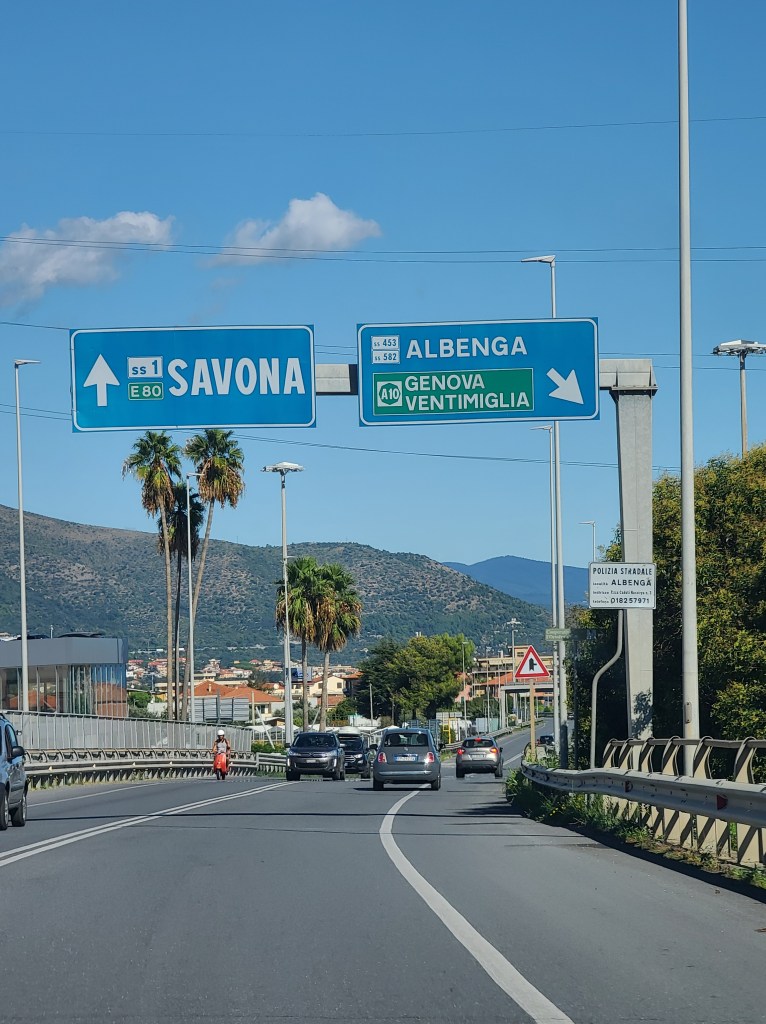
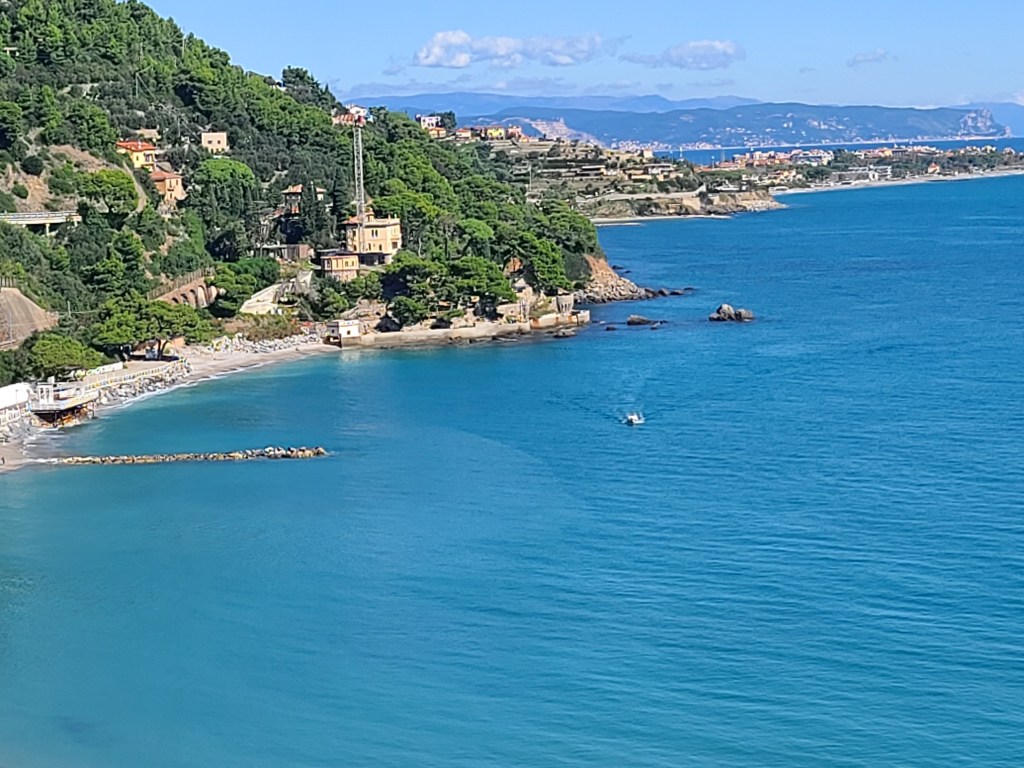
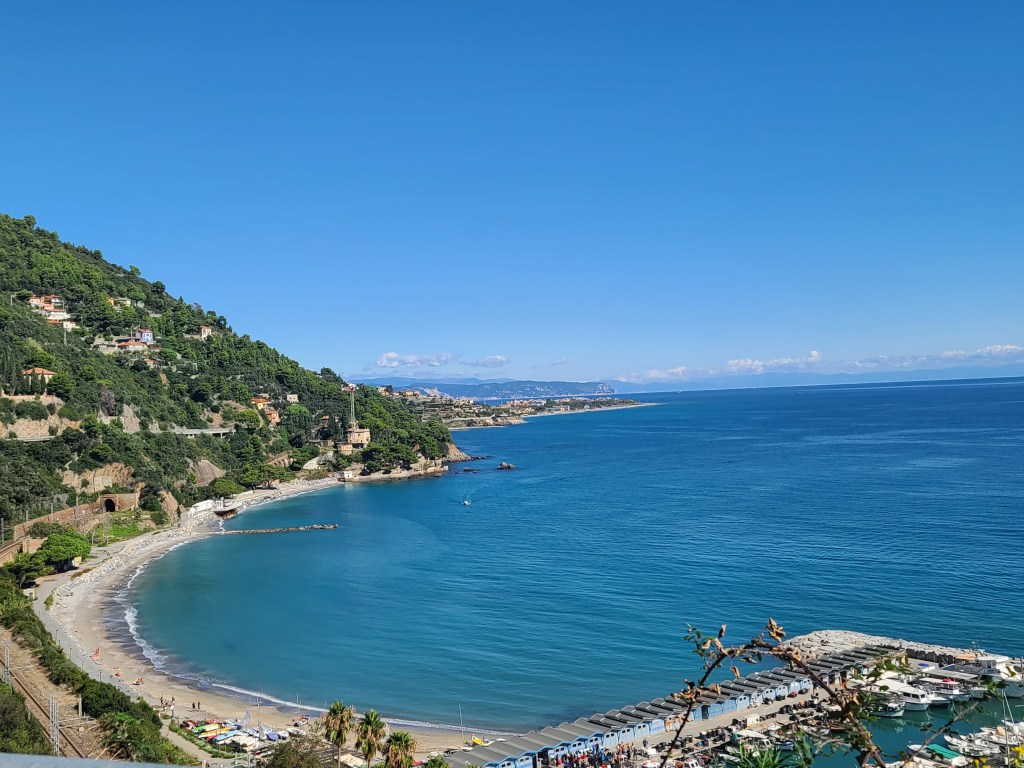
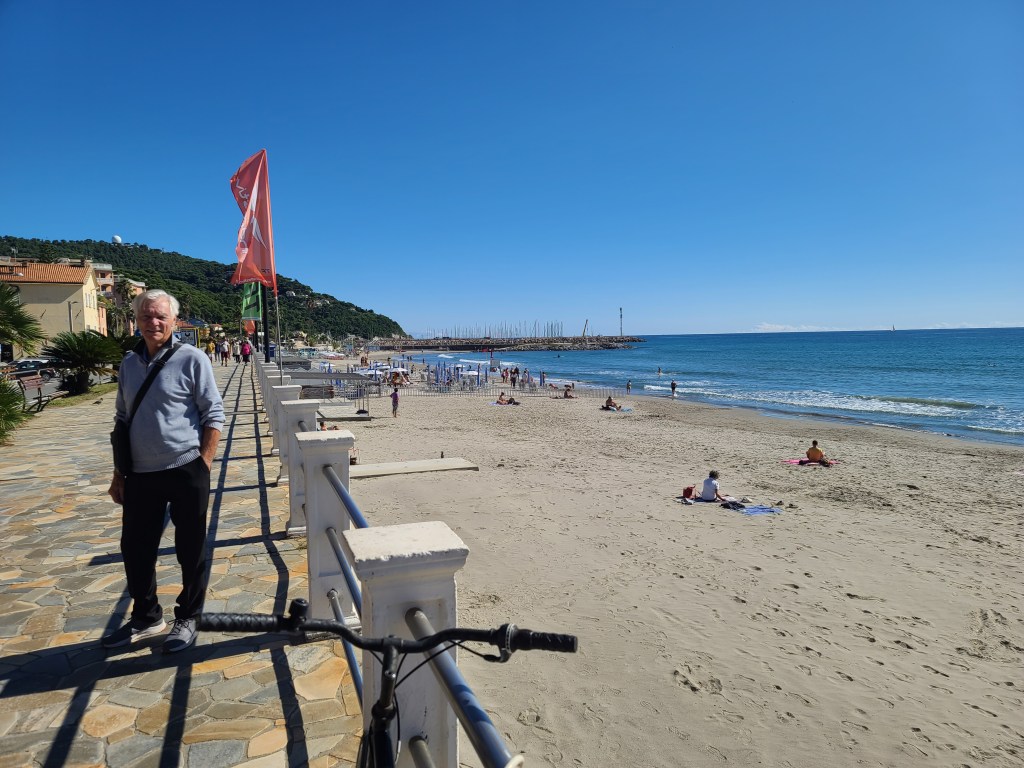
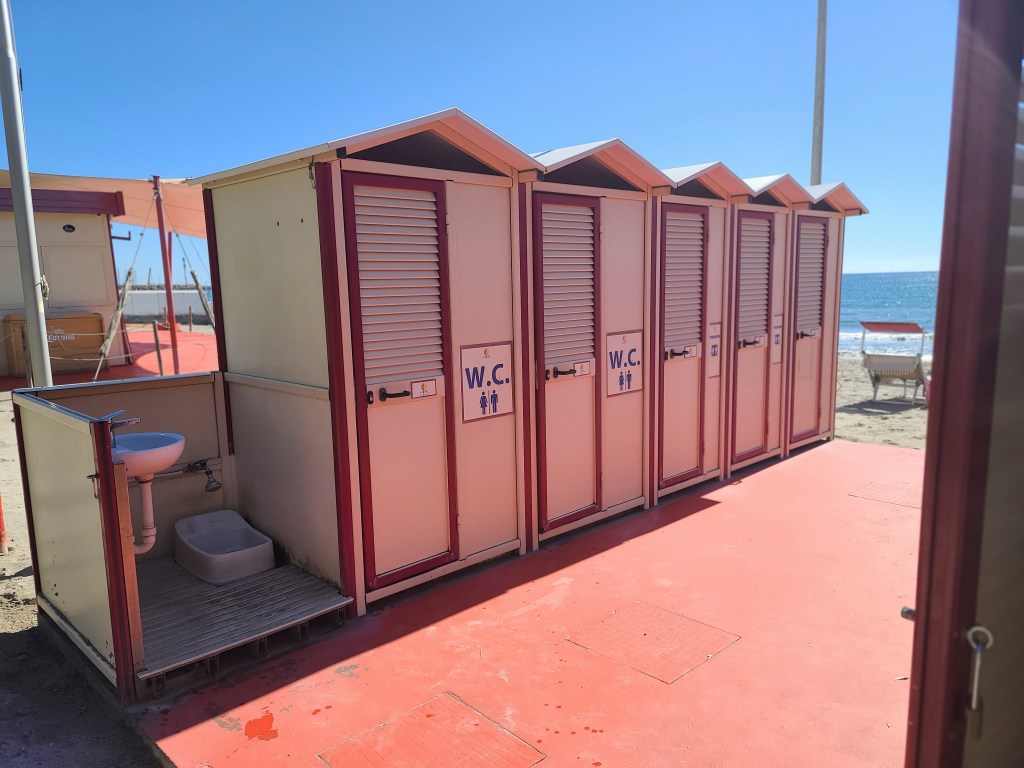
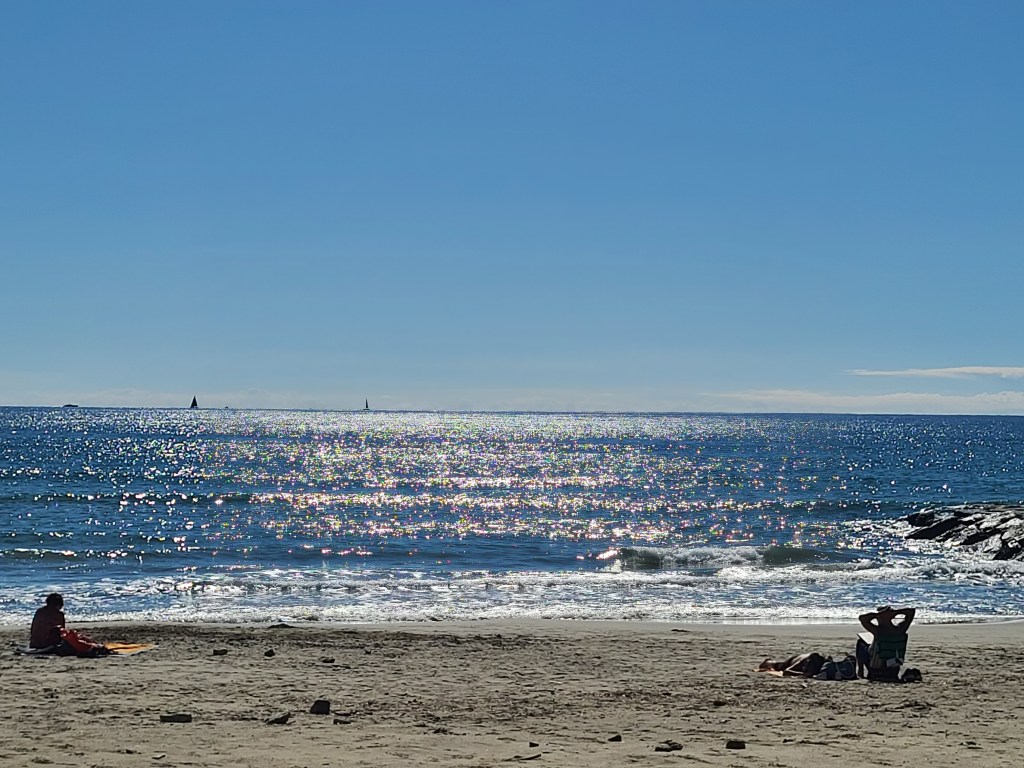
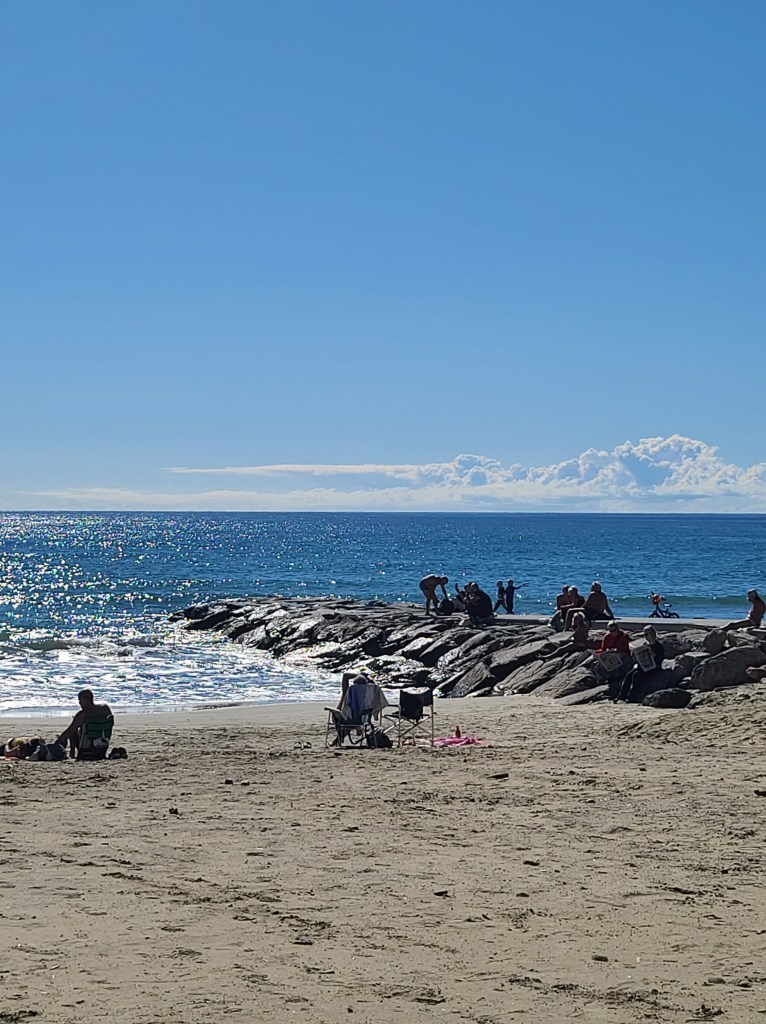
Headed out of sun soaked San Remo for the Ligurian mountains further east. The weather was typical Mediterranean and the drive along the coast was breathtaking. When you have the Mediterranean Sea as your front yard, what more could you ask for. The beaches are peppered with beach umbrellas, change huts and really clean little washroom huts. All for the convenience of the patrons. Across the street the shops sell toys, sunglasses, beach wraps and sandals. It’s pretty touristy. We walked along the boardwalk and then headed back to the car to finish our drive.
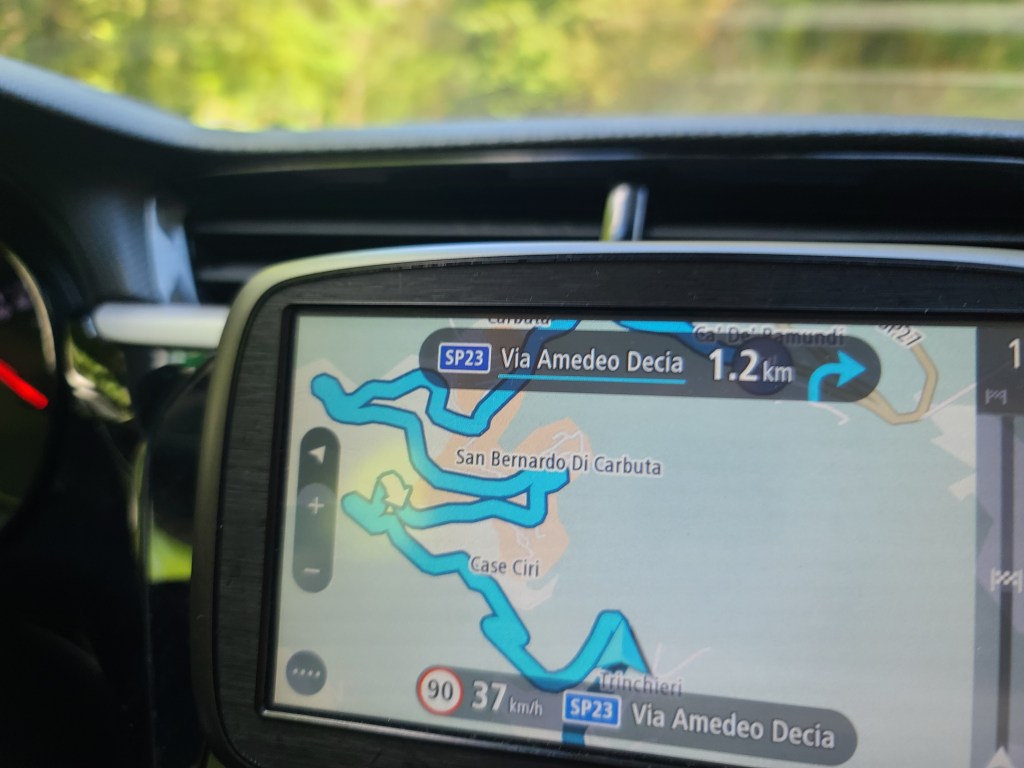
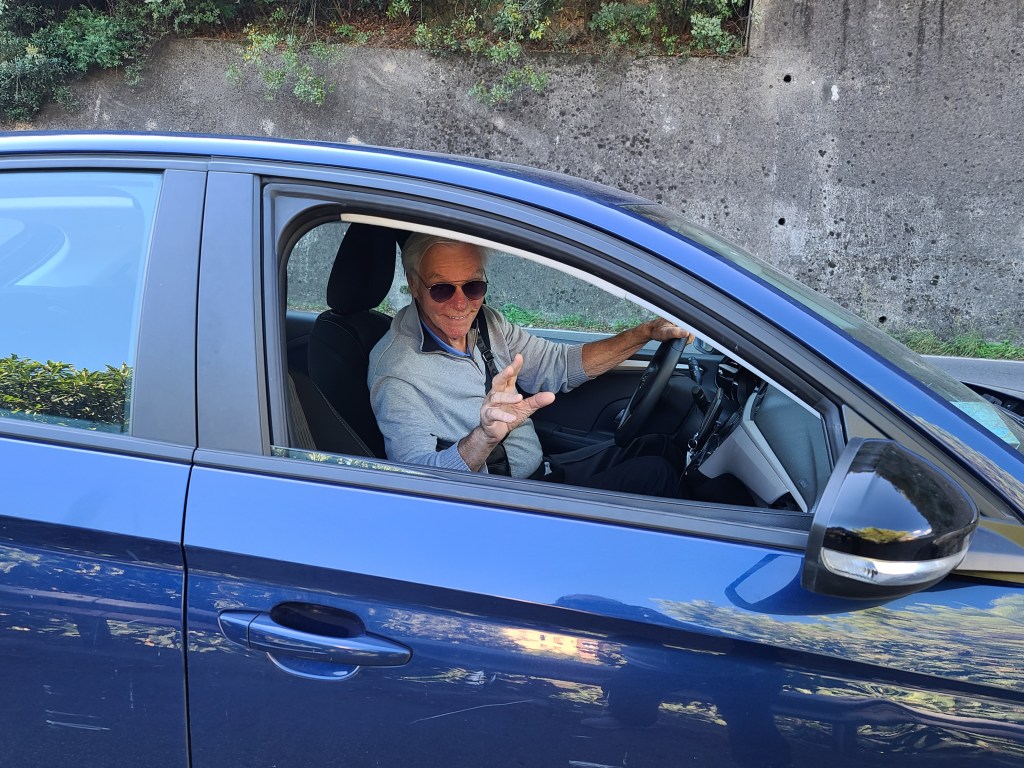
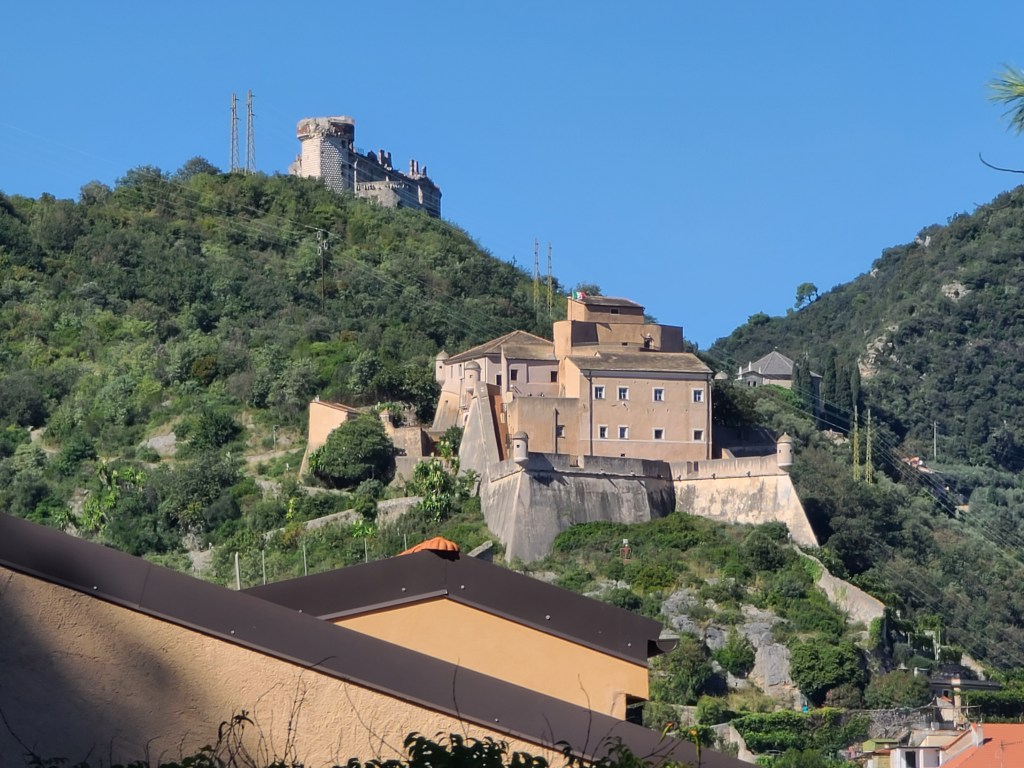
At Finale Leguri we headed inland, up a winding mountain road. The switch backs were a little nerve wracking but Michael handled it like a pro. The towns are pretty far down below.
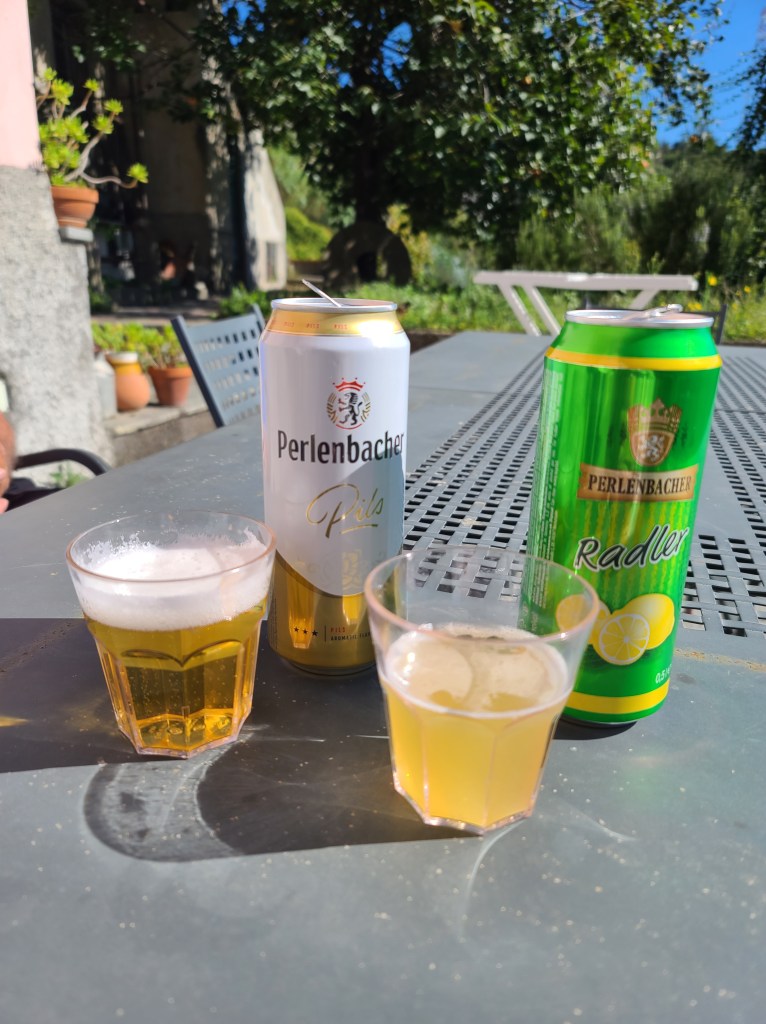
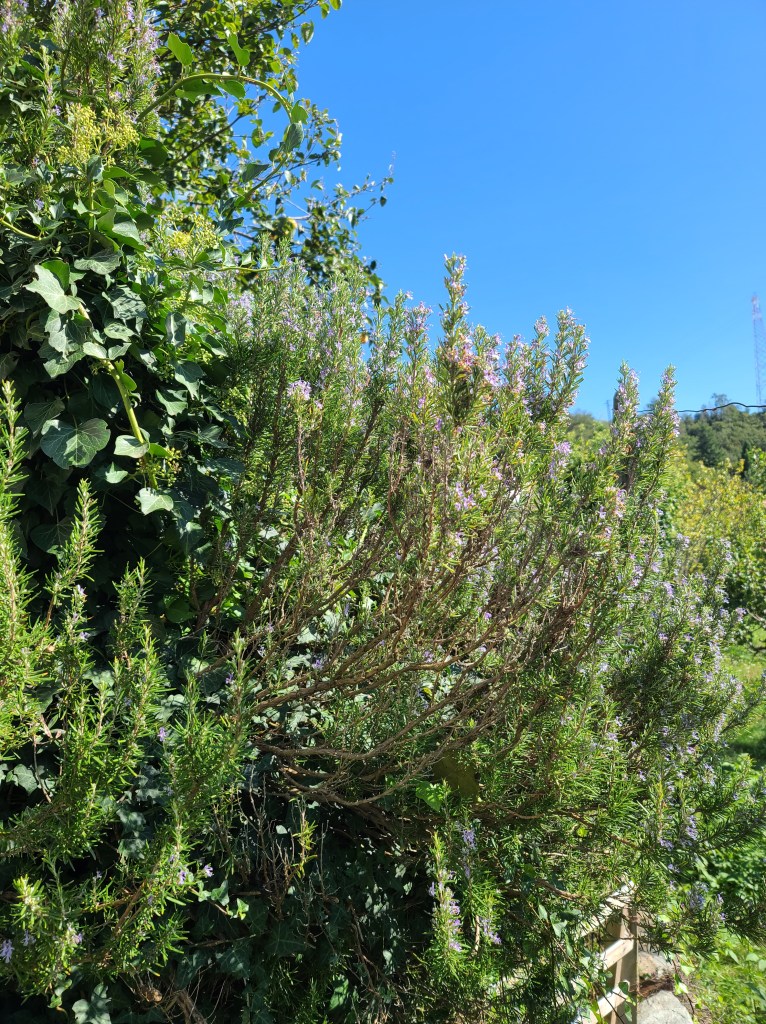
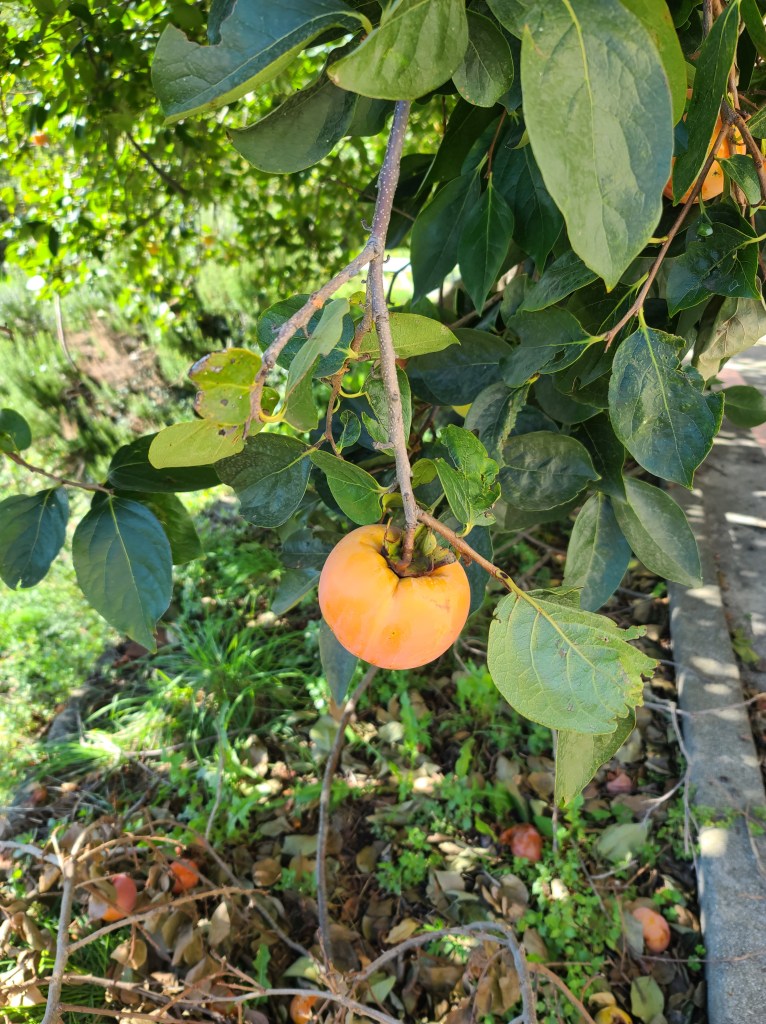
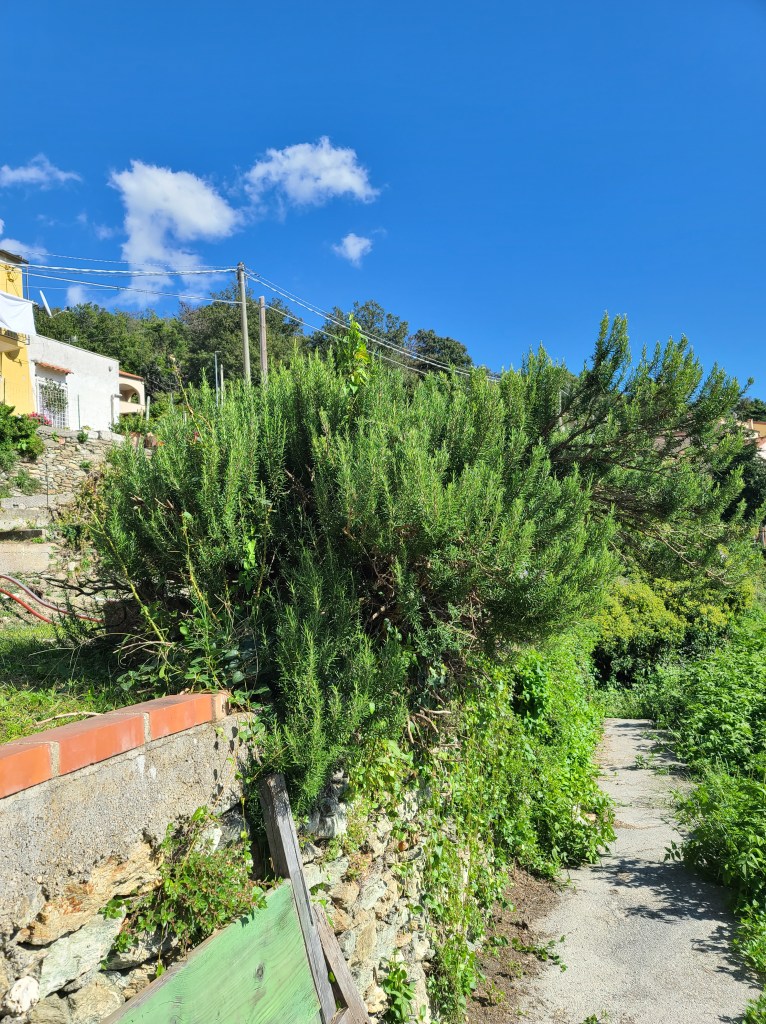
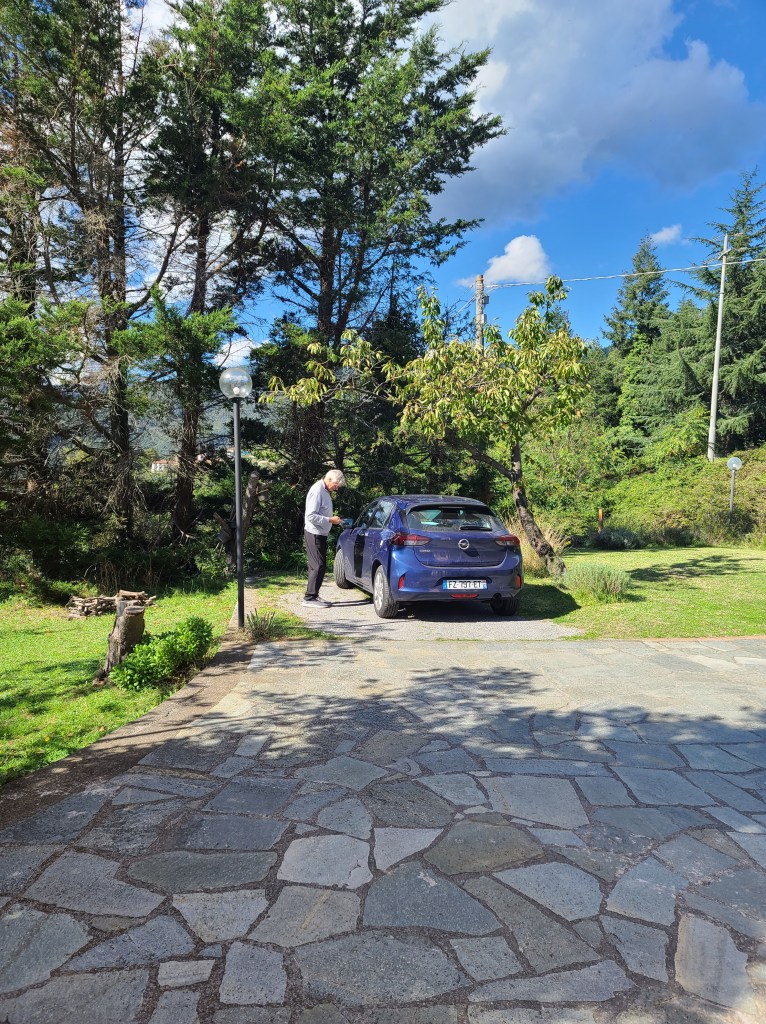
We eventually found our little hotel, down a single laneway, behind a fence and around a wall of rosemary bushes. We weren’t even sure the car would fit down the hill and there was absolutely no place to turn around. We knocked on 1 chaps door to confirm we were in the neighborhood and he pointed us to the pink house down the lane. He then called the owner to let him know we were there. I guess even in the small villages in the mountains they stay connected. Our hosts are wonderful and extremely friendly. We enjoyed a beer in the garden under a huge persimmon tree and fig trees. Rosemary grew in hedges and eucalyptus and olive trees covered the slopes. Thyme engulfed the tree trunks.
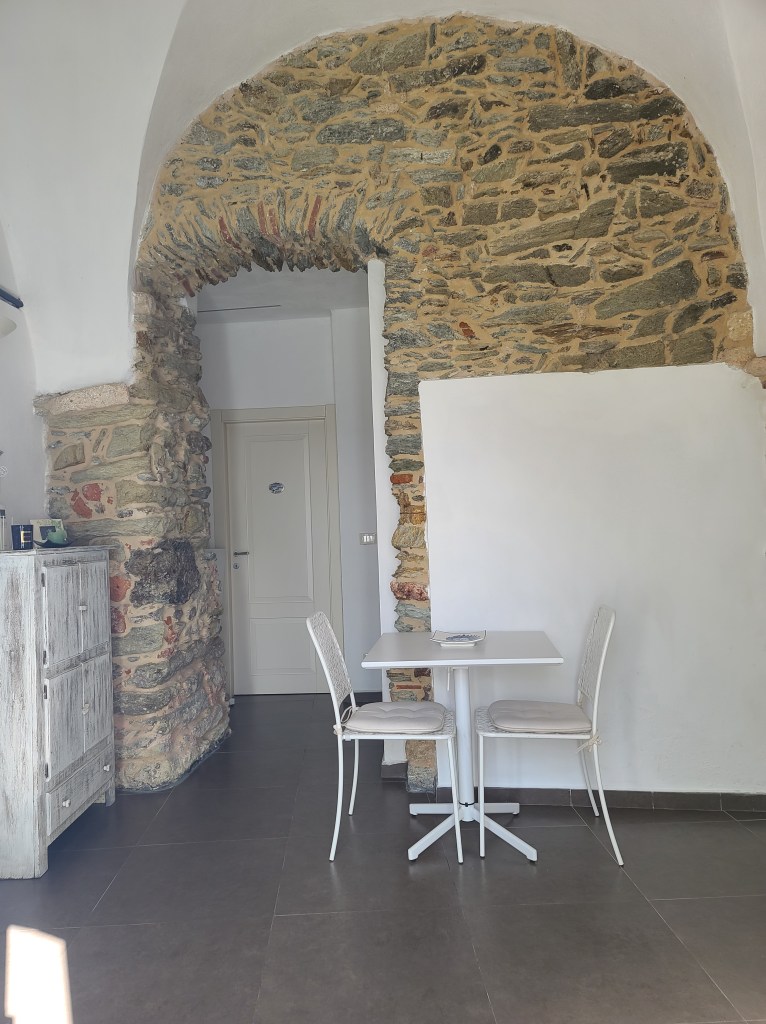
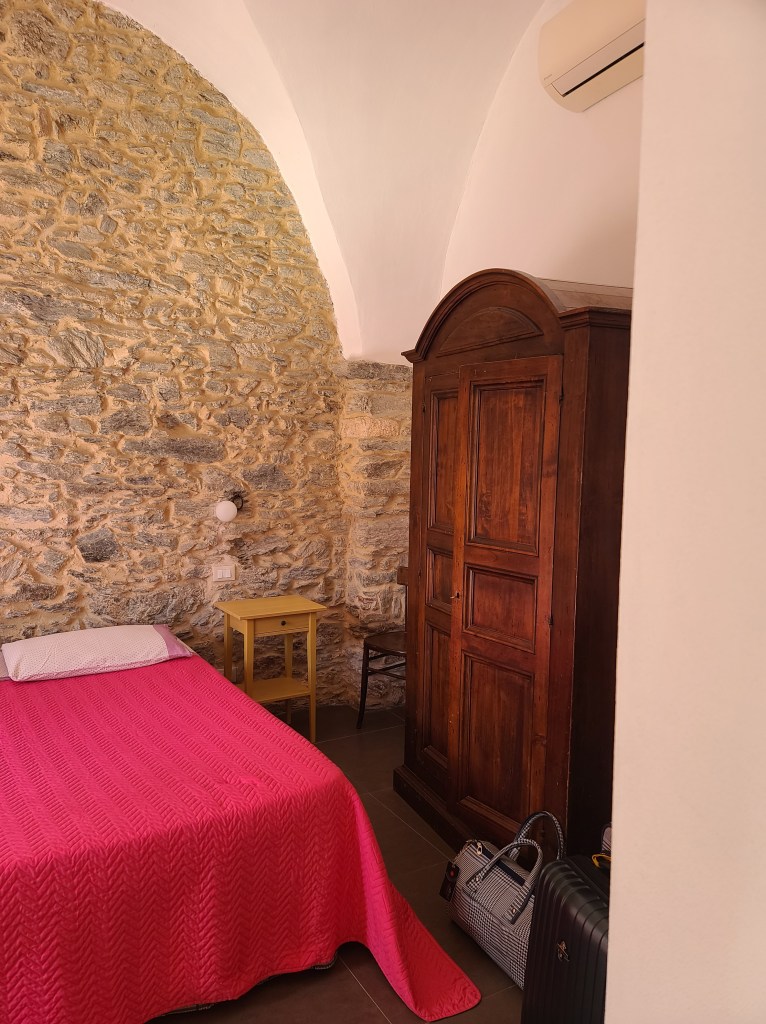
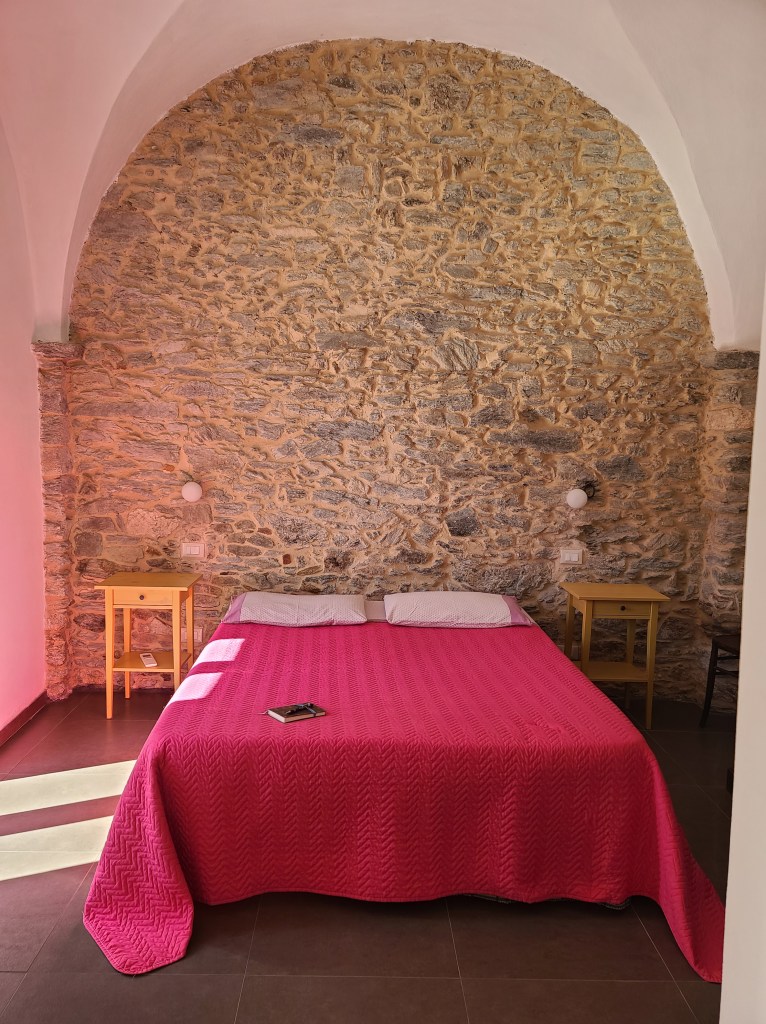
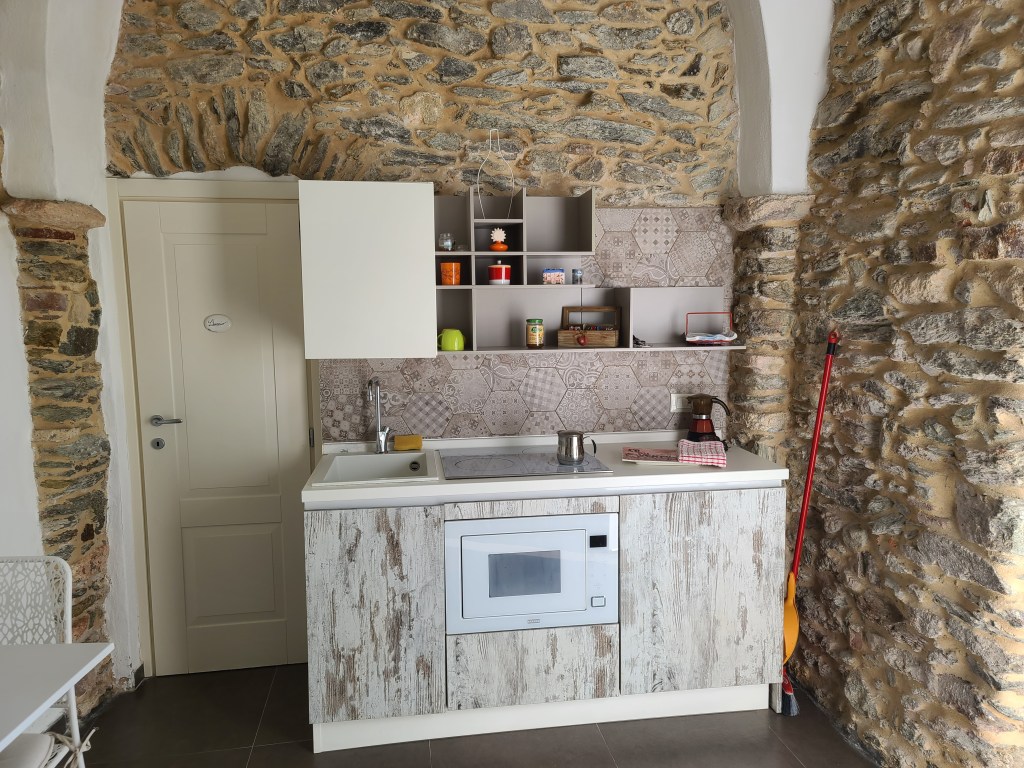
Our accommodations are beautiful and brand new and includes a kitchen, large bathroom and bedroom. Very nicely done. Not sure how Michael found it but he came through again.
Tomorrow is Sunday with nothing open so we will go into town and do lots of walking and enjoy some cake and coffee. Nice downtime.
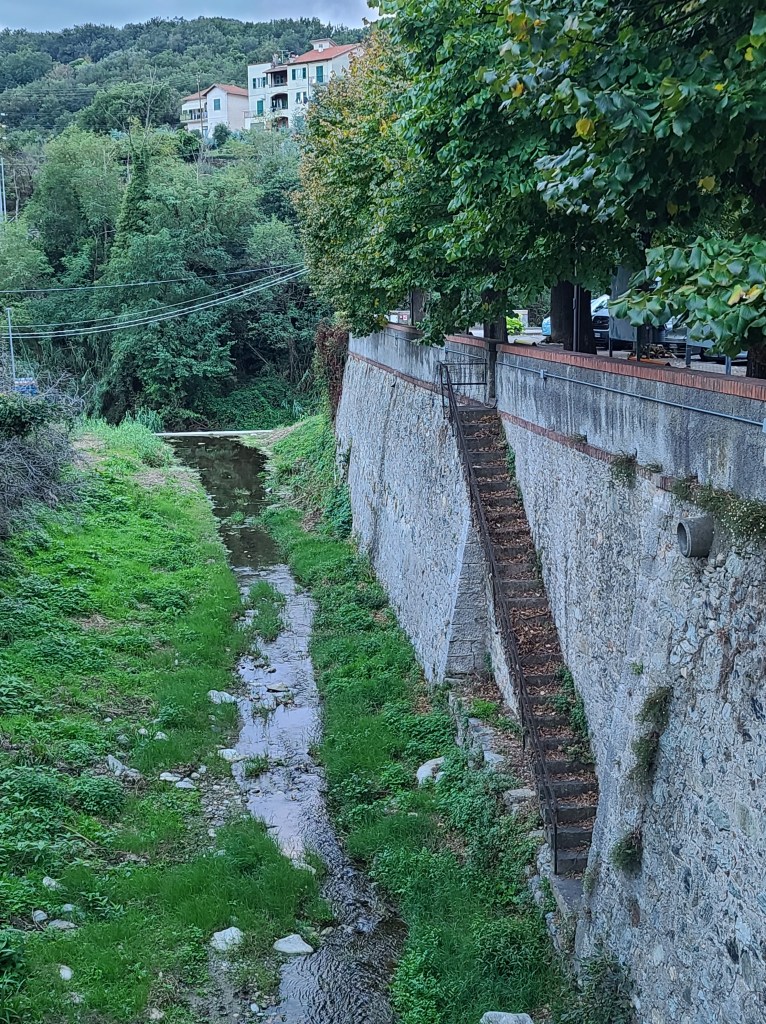
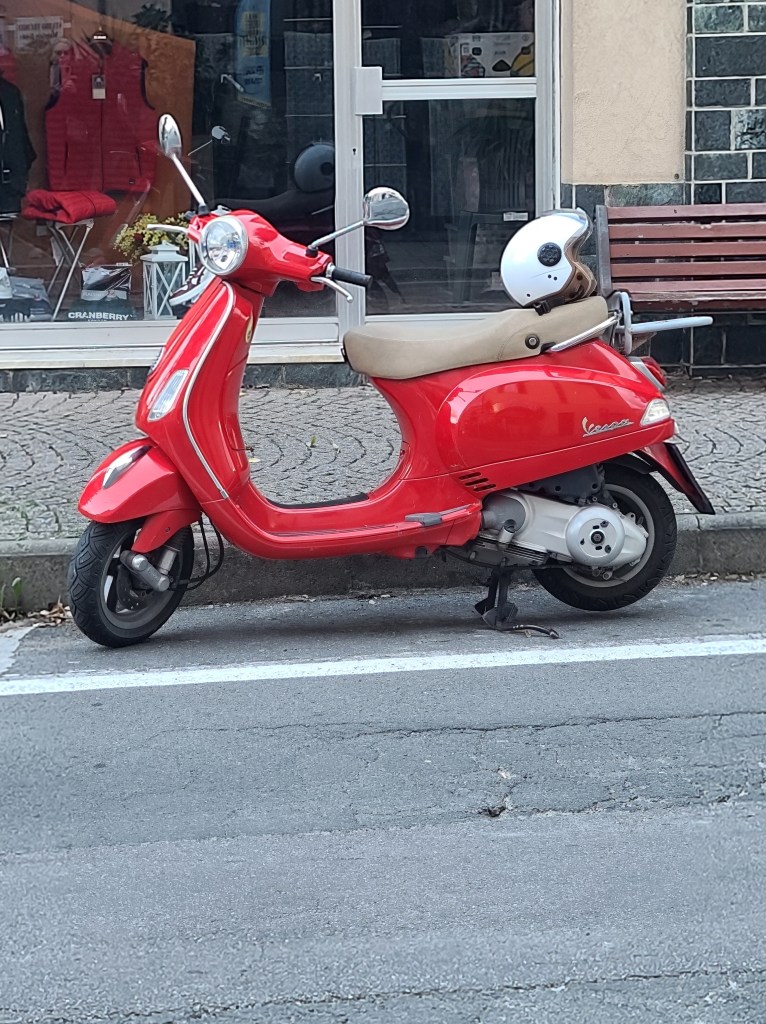
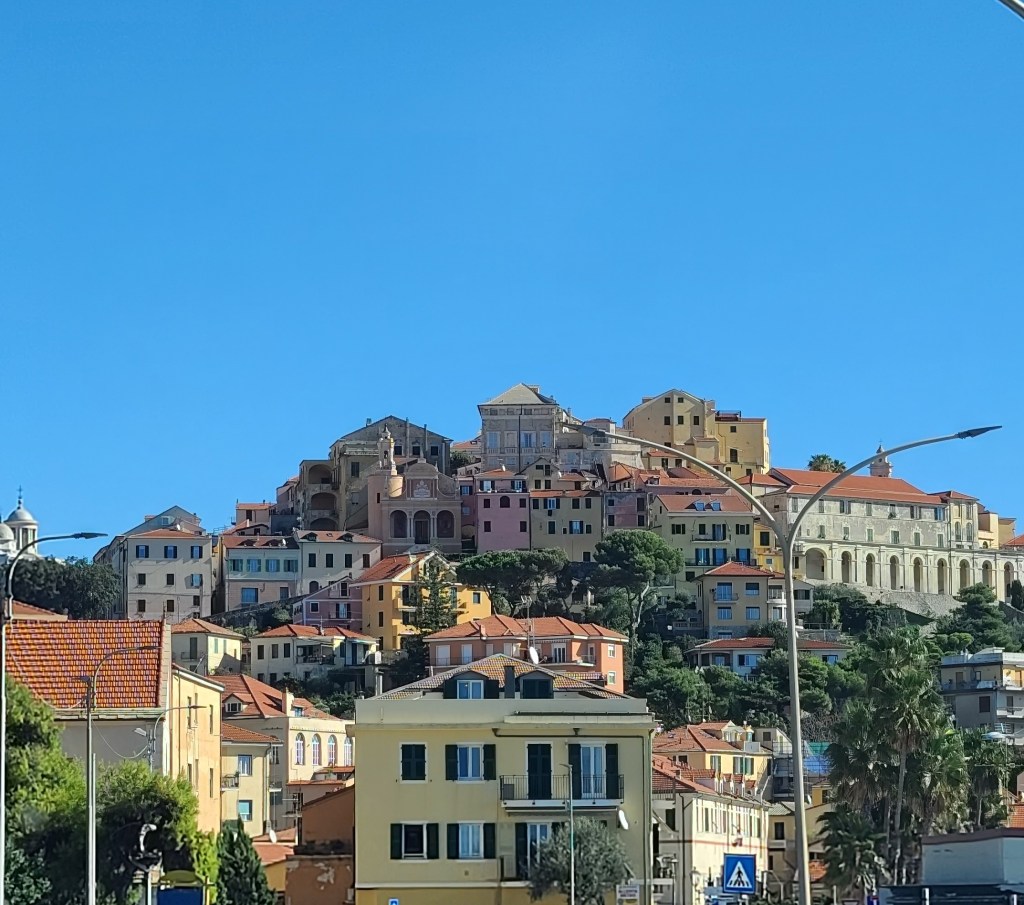
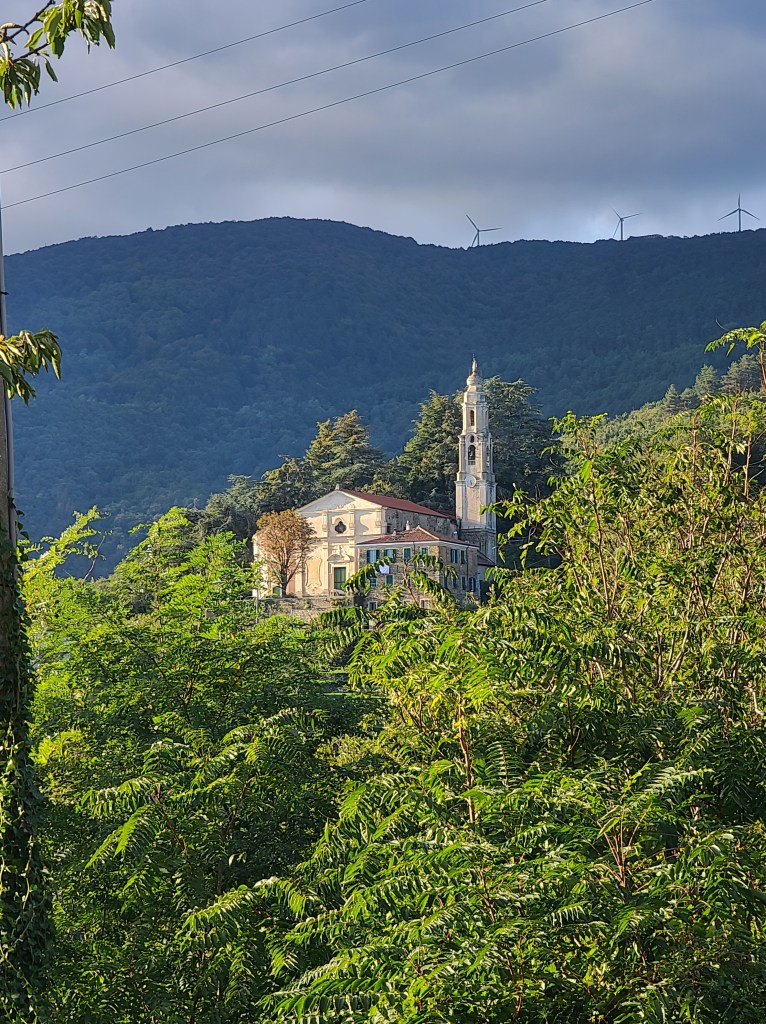
Oct 6 Noli, Italy
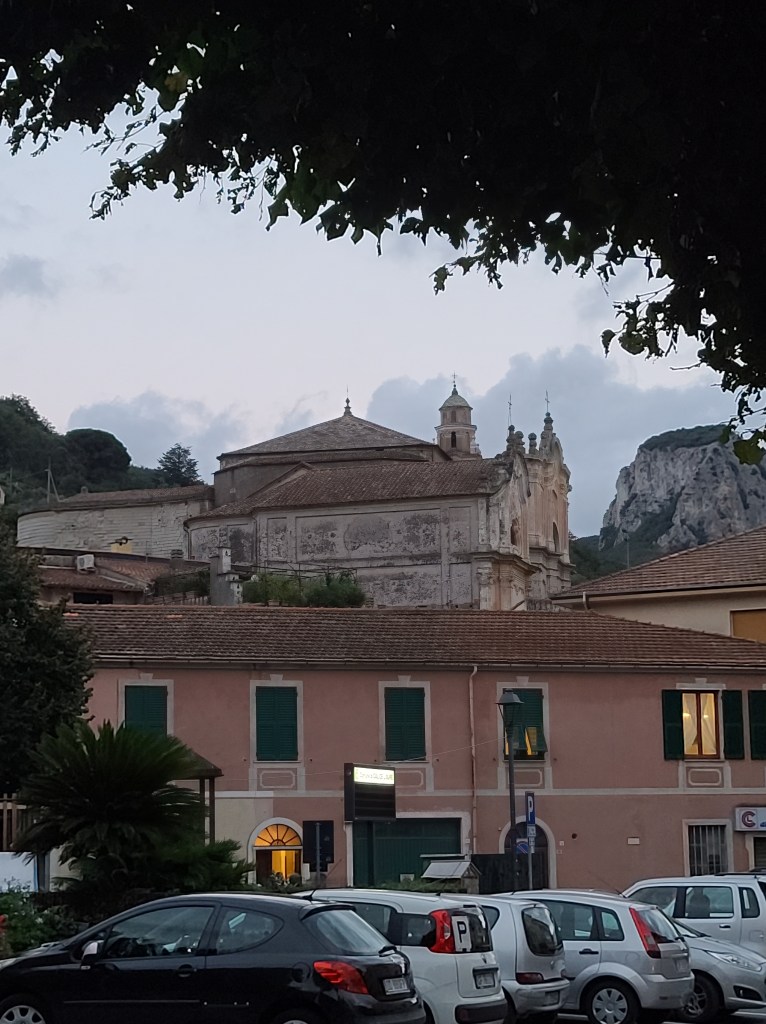
It is a beautiful day so we struck out down the winding, hairpin, switchback mountain road for the little seaside town of Noli.
Noli is one of the best-preserved medieval villages in all of Liguria.The fortunes of this village date back to 1097 when it participated in the First Crusade and became a seafaring power, obtaining great privileges. In fact, Noli is known as the fifth maritime republic and lays along the original Roman road, Via Aurelia.
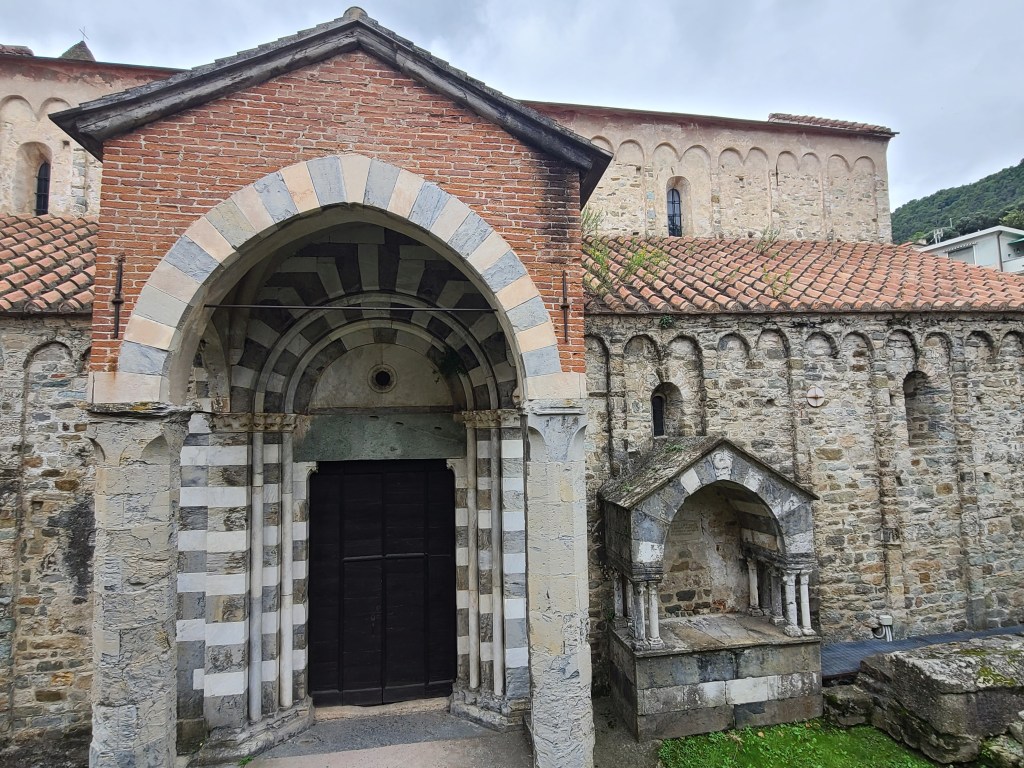
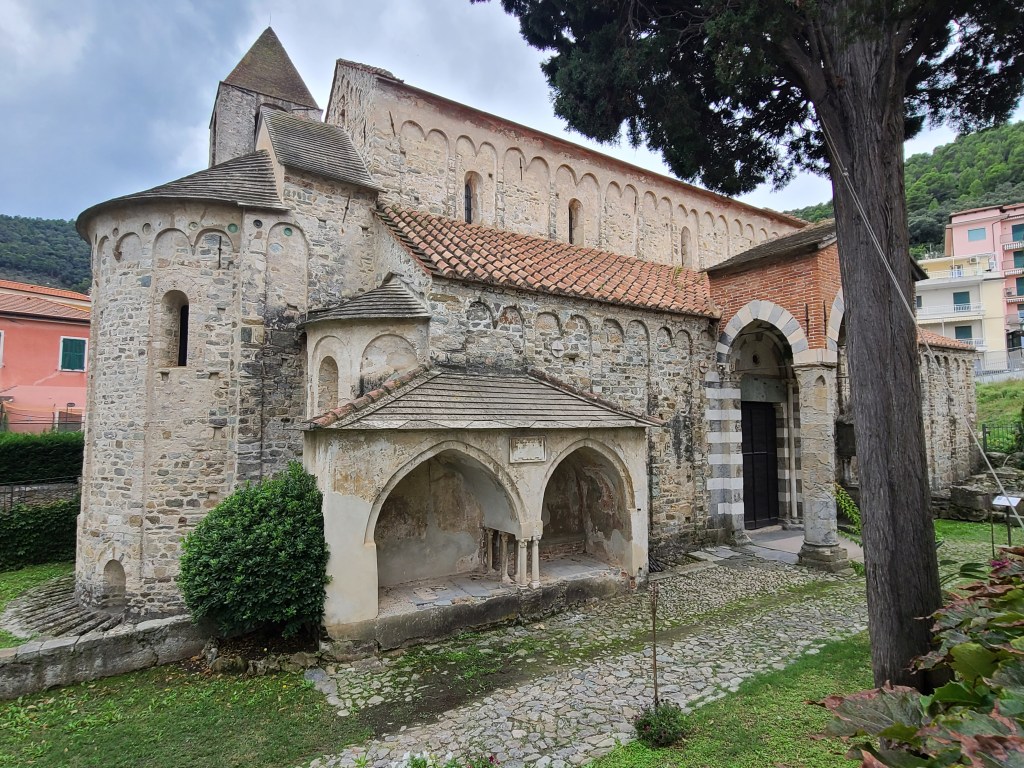
The church of San Paragonino is perhaps the most important monument in Noli as one of the highest examples of Romanesque art in Liguria.
This beautiful church dates back to the 8th century and was completely renovated in the late 1800s. There are burial crypts and chambers beside the church dating back to the 3rd and 4th century.
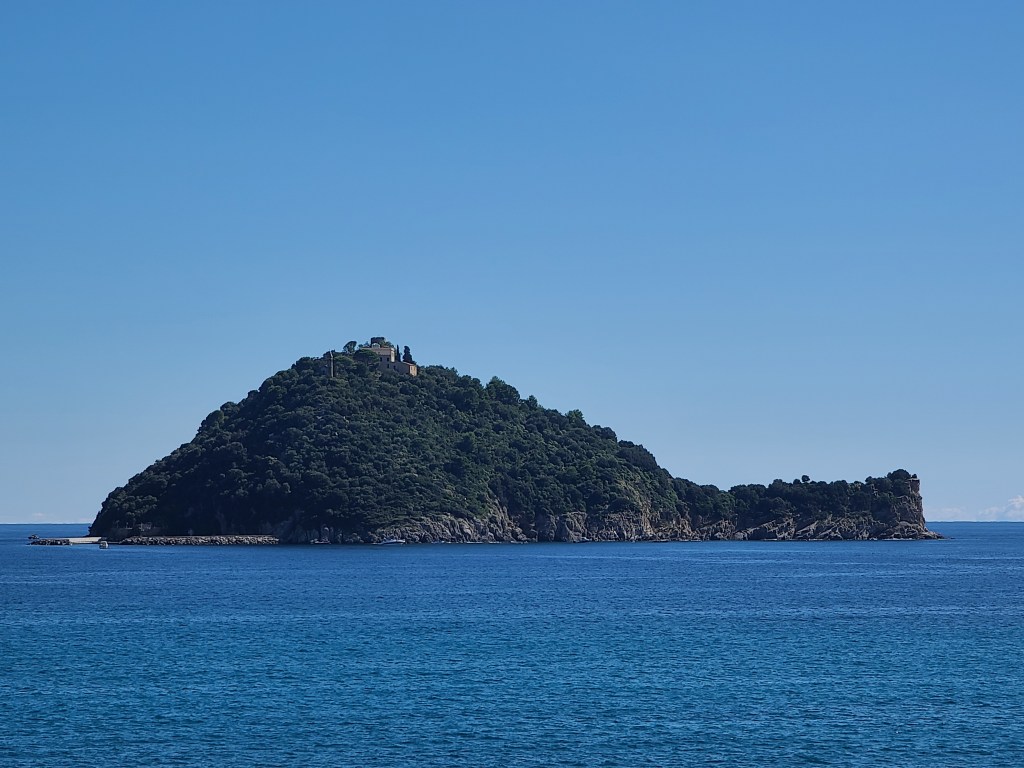
The stretch of coastline the village overlooks is popular for the beauty of its sea and sandy beaches. On Sunday morning, we happened upon a swim competition where over 2500 registered participants swam from the shore out to and around the island and back into shore. It was not a small feat. Of the participants was the Italian Olympic swim team, who happened to win Bronze in the Paris 2024 Olympics. The little mountain road was lined with little Italian cars for as far as you could see. Spectators hung off the cliffs photographing the event like they had some skin in the game. A very competetive spirit for sure!
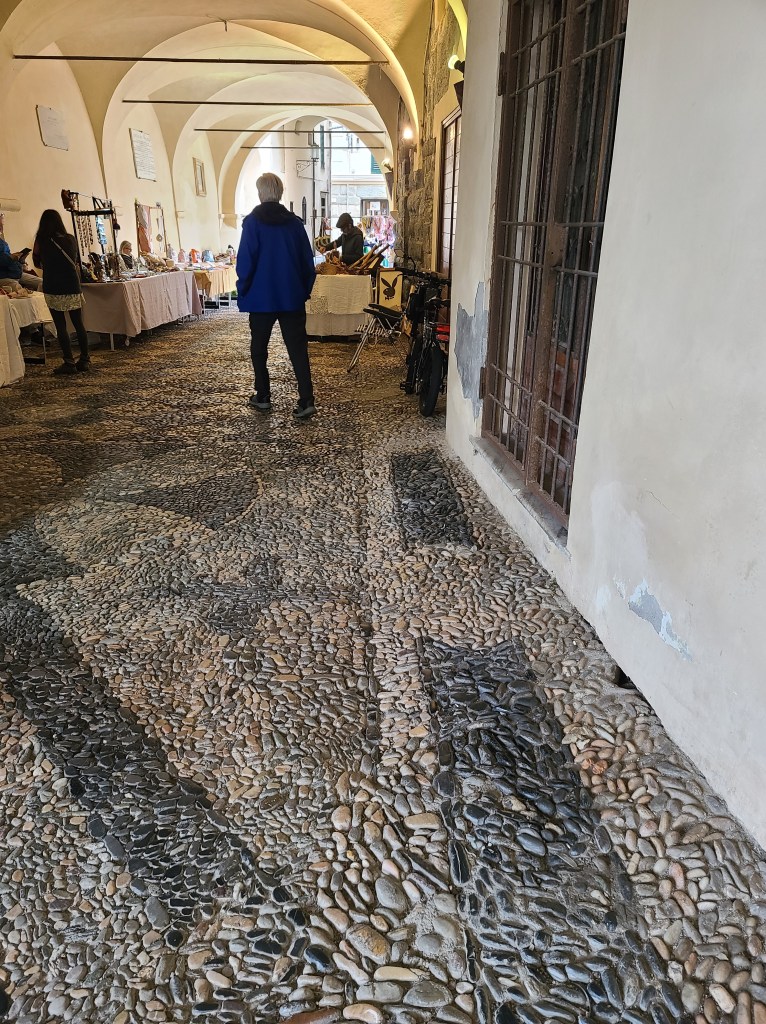
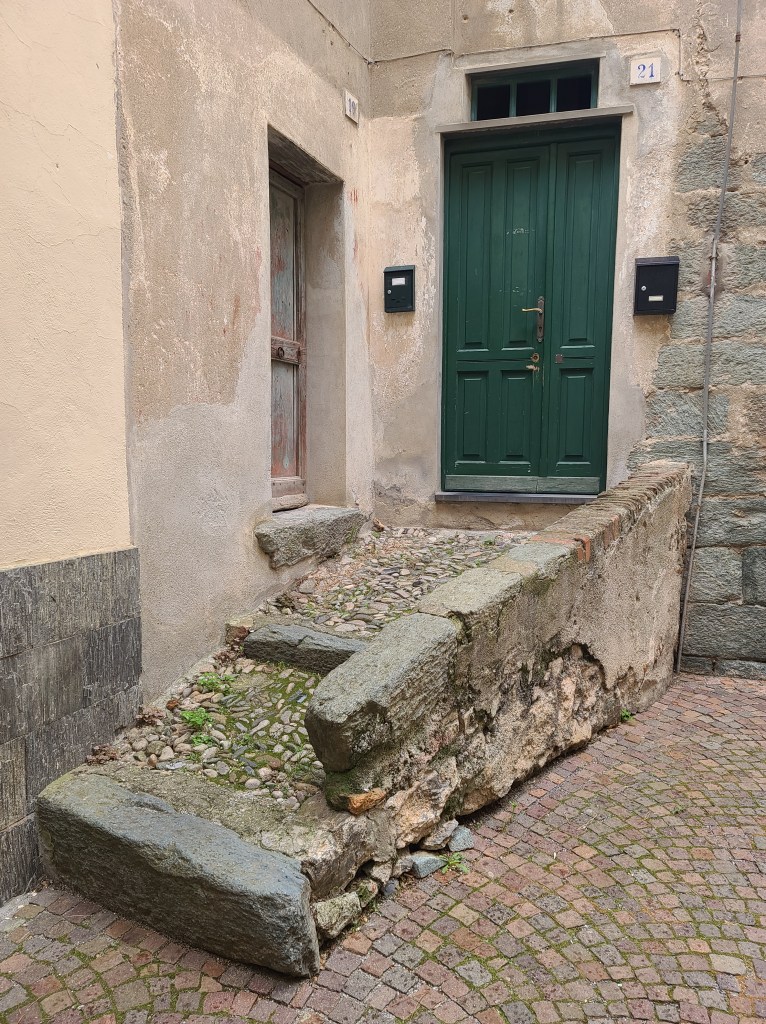
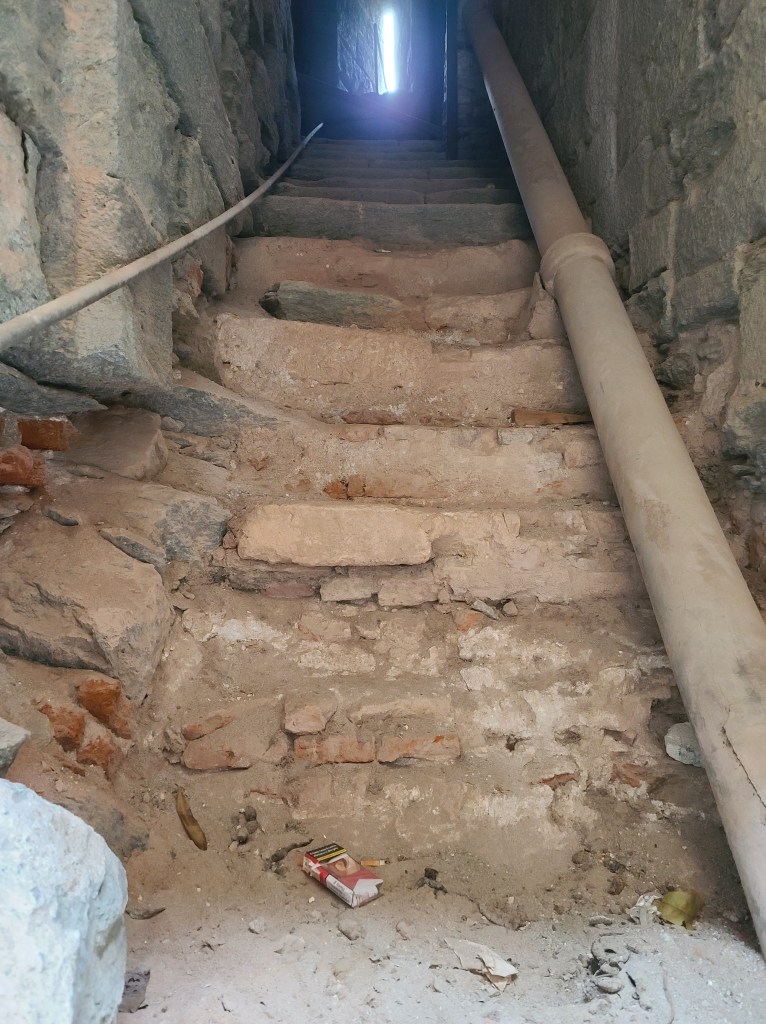
We headed into the old part of town and fell in love with the narrow streets, cobbled stones, old steps from centuries ago that ended up going nowhere. There was a local market in full swing and the cacophony of hawkers calling out “Bon Giorno” to their friends mixed with the howls and barkings of dogs and the aroma of expresso coffee, made for a lovely arm in arm saunter through the alleys.
After a delicious dinner we headed back to our B&B. Although it was a bit off the beaten path, Sandro was an exceptional host. He made fresh bread each morning and apple cake. Everything was deliscious. Now to prep for our drive on Monday. We head toward Milan and Lago di Como (Lake Como).
Oct 7 Edolo, Italy
Woke up to drizzle, grey and overcast. Bummer! But we have about a 4 hour drive so maybe where we’re going the weather will change.
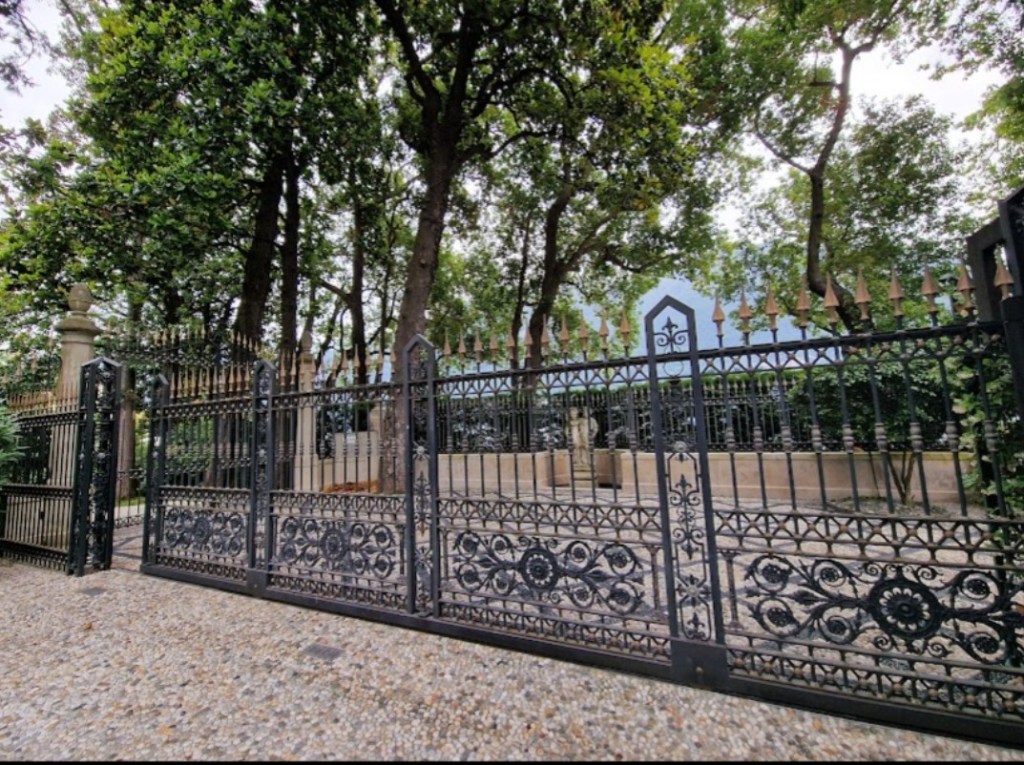
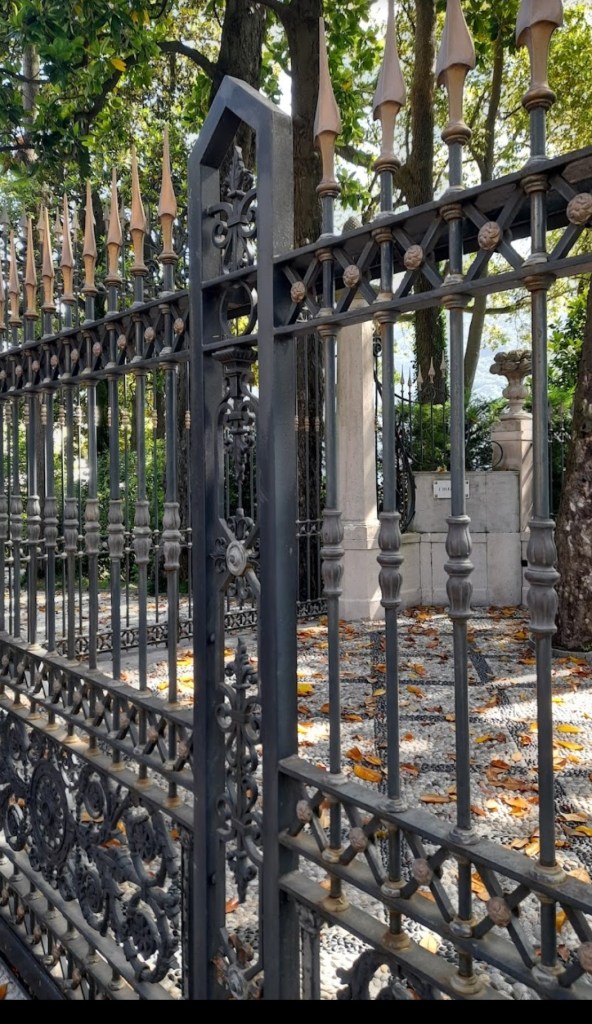
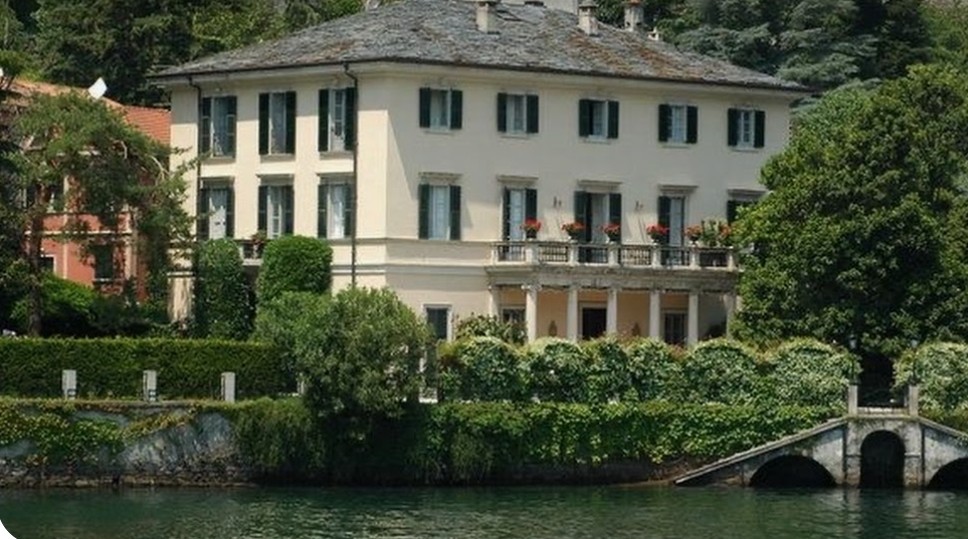
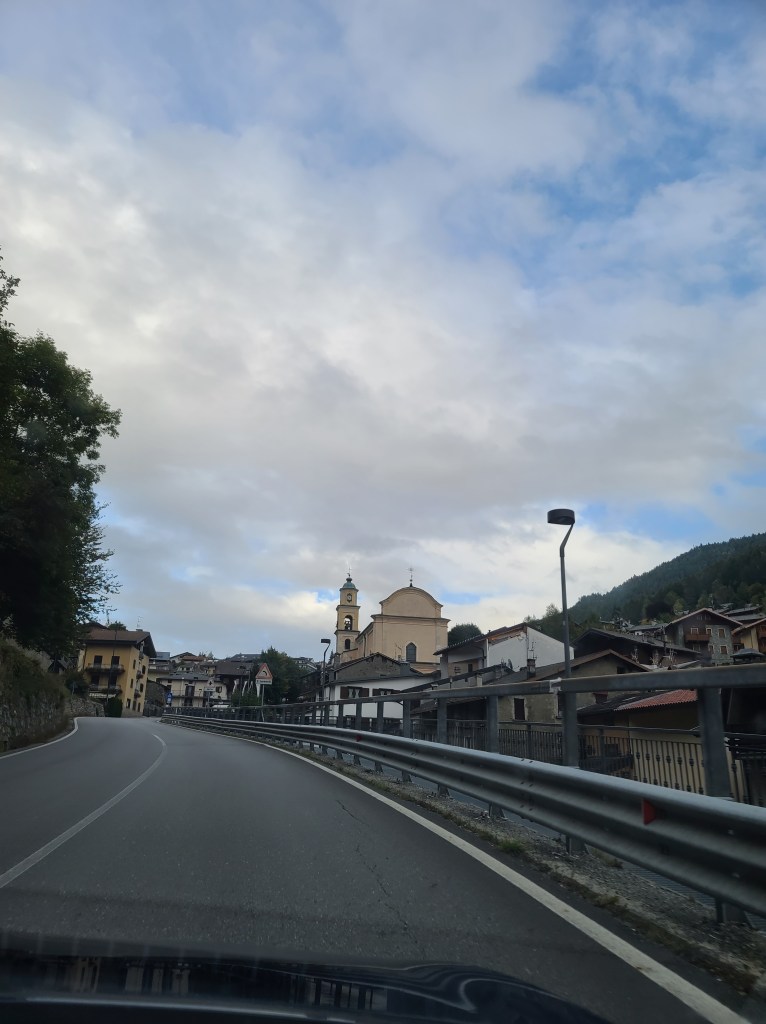
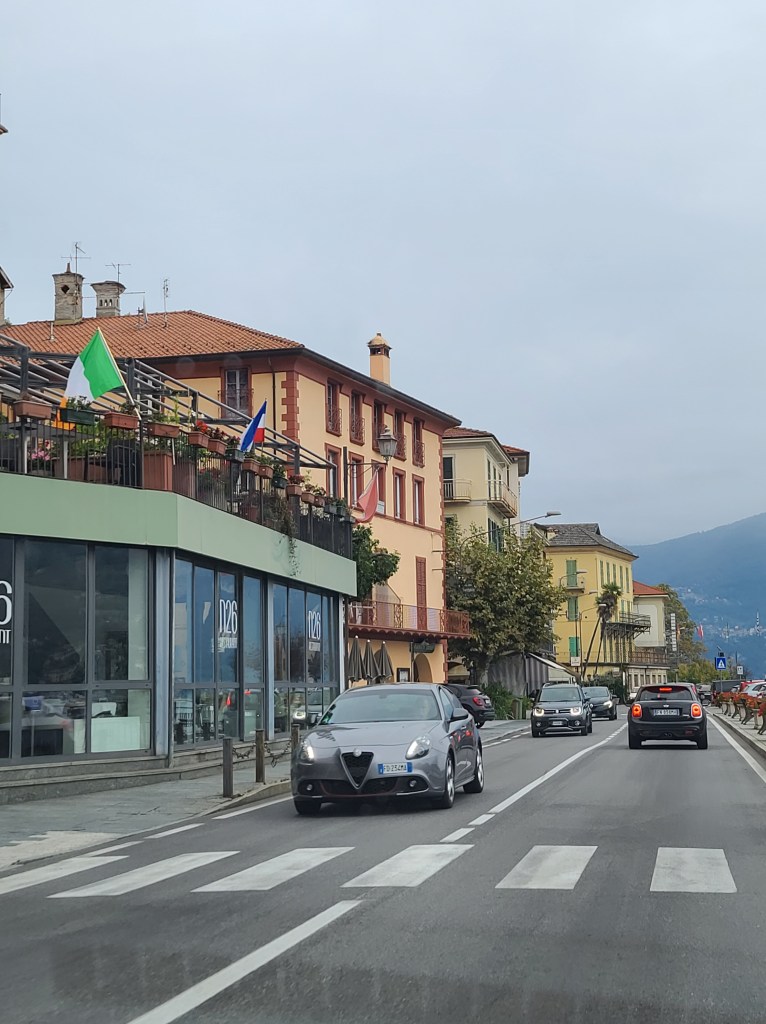
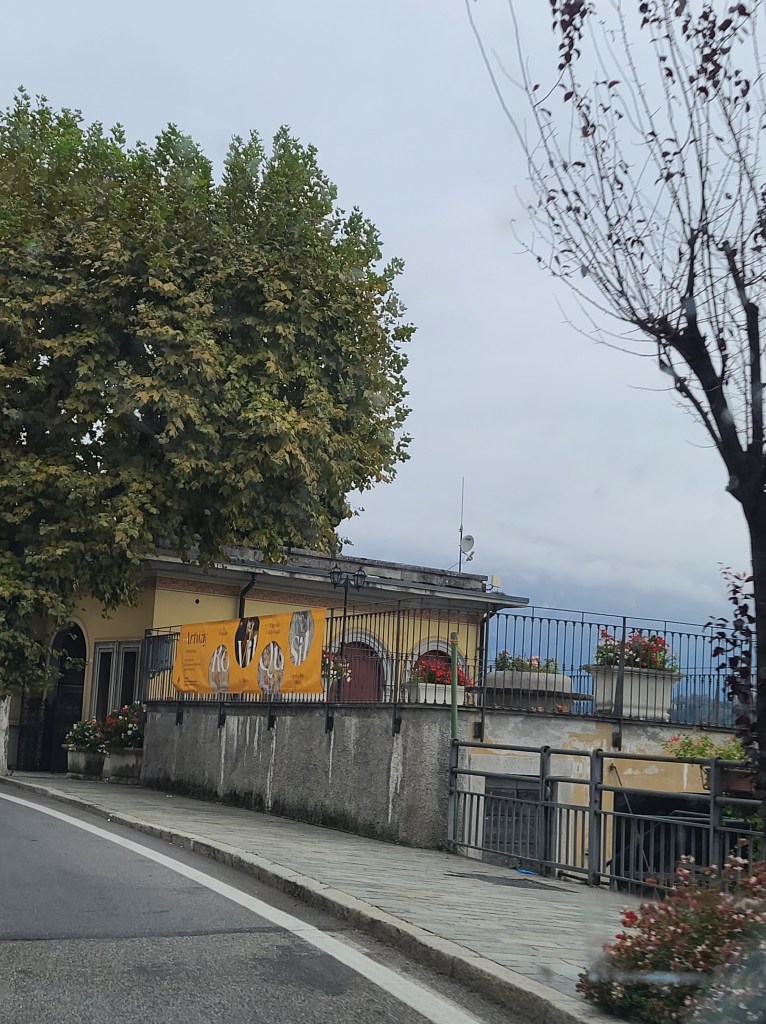
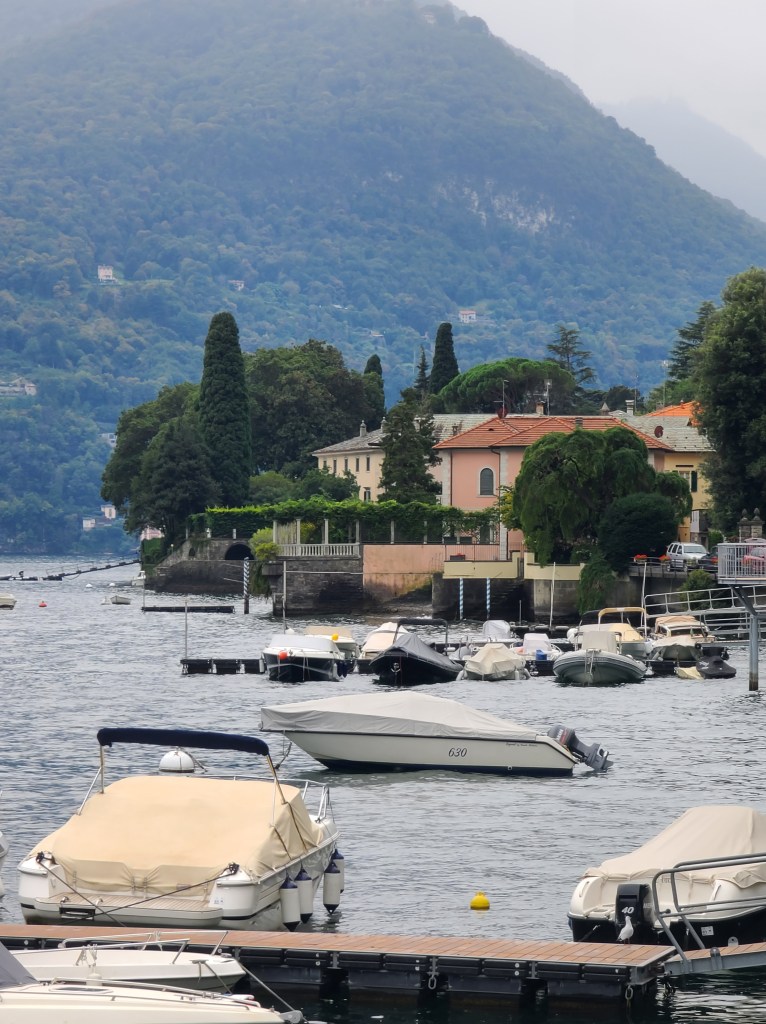
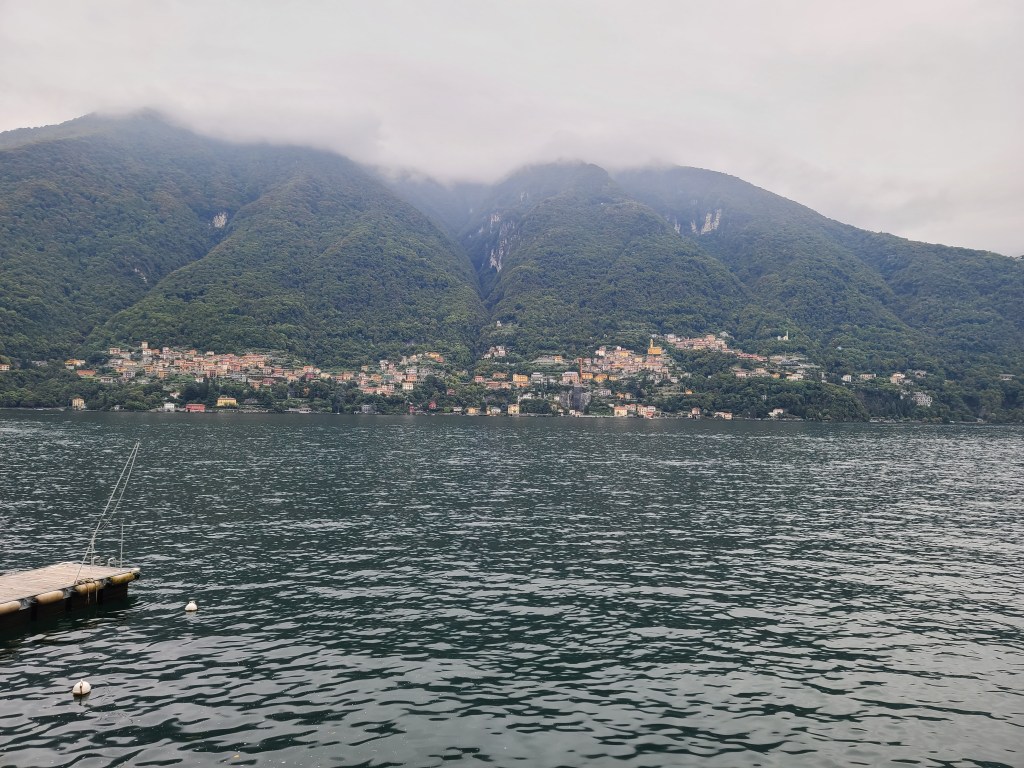
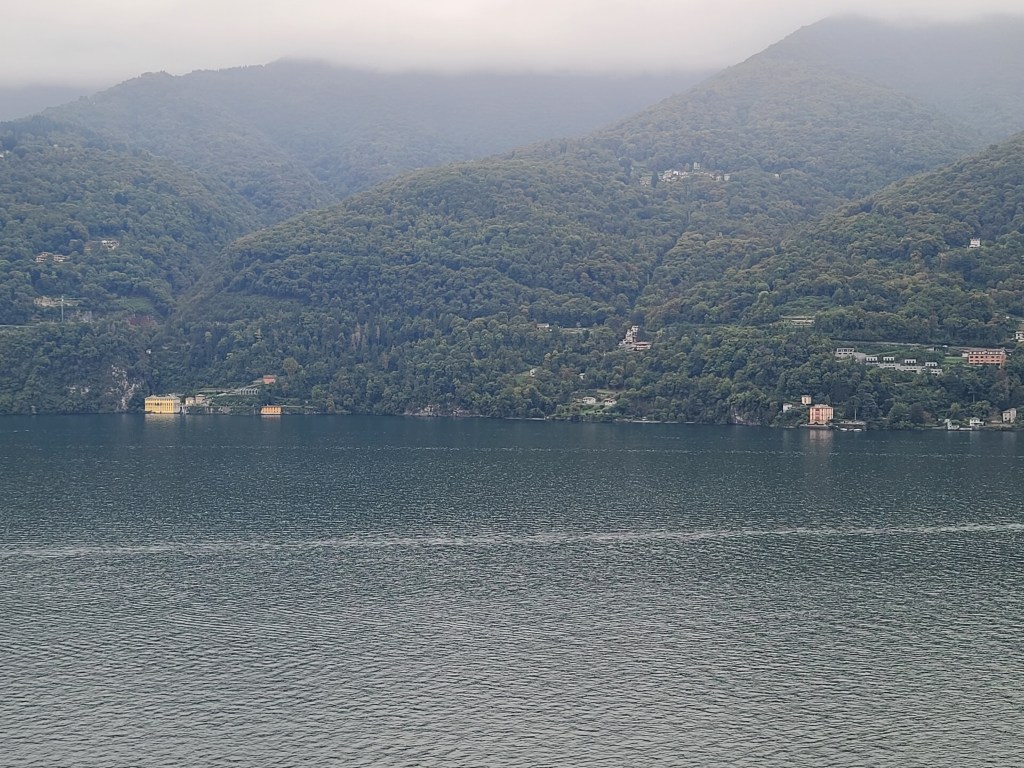
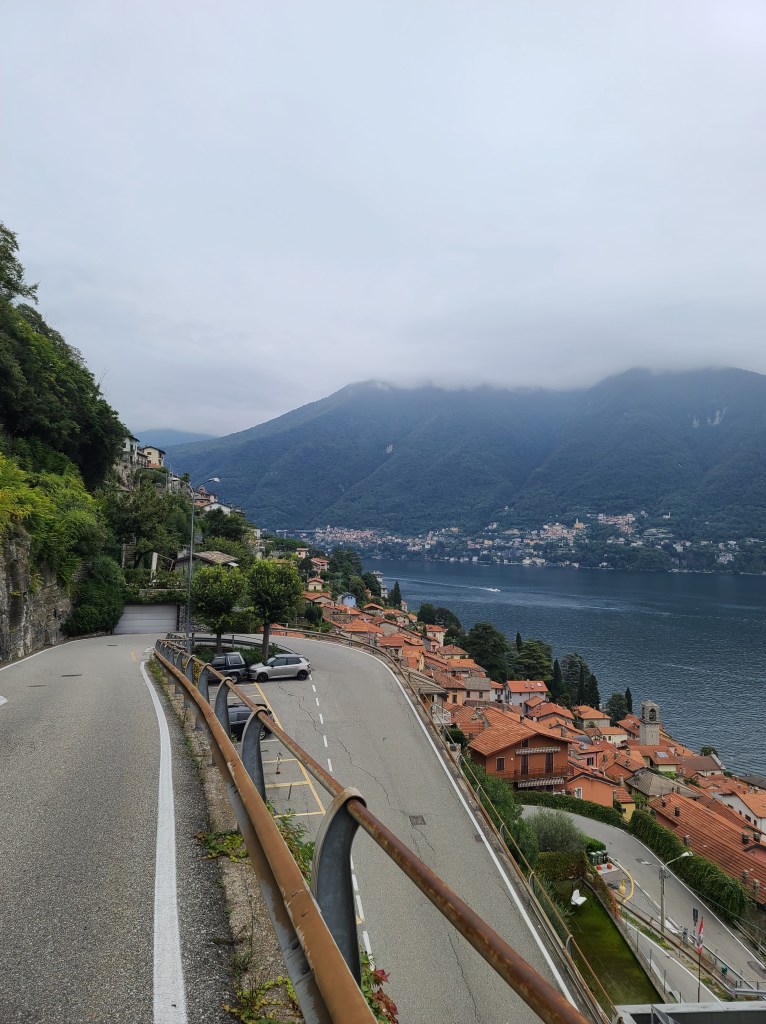
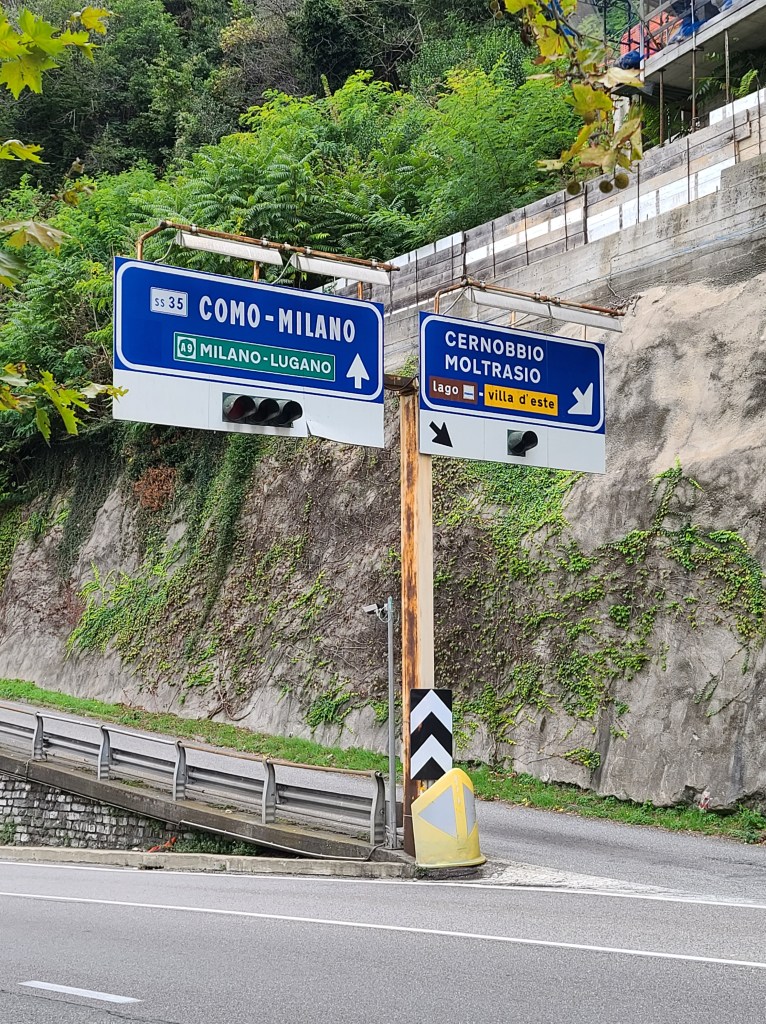
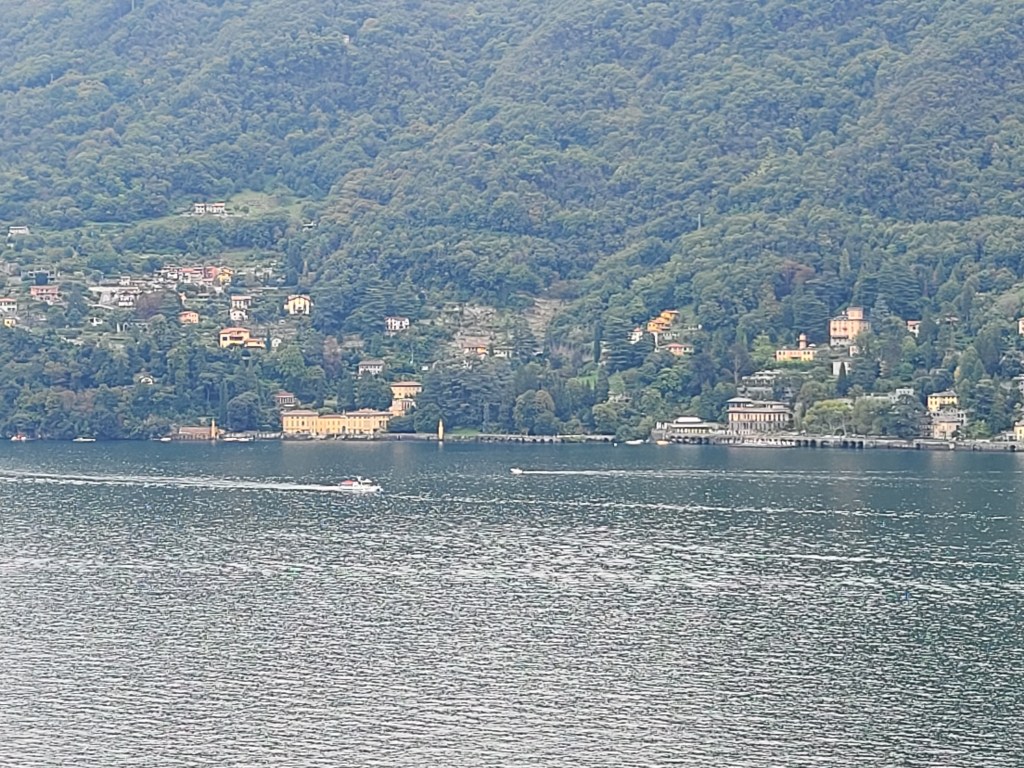
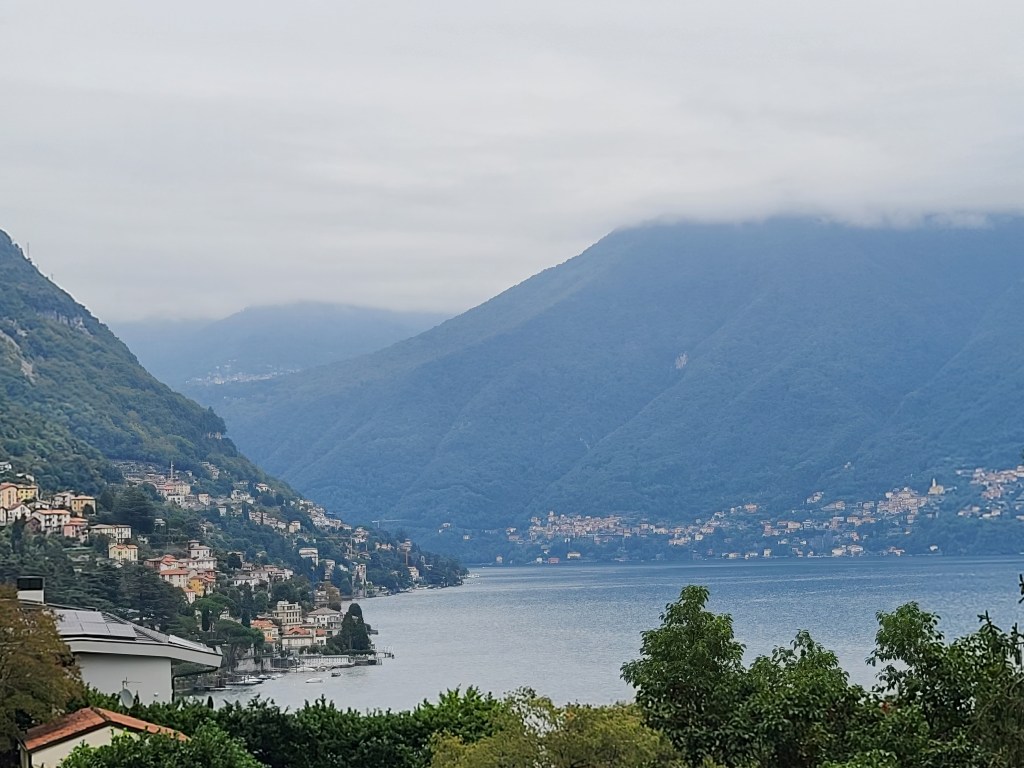
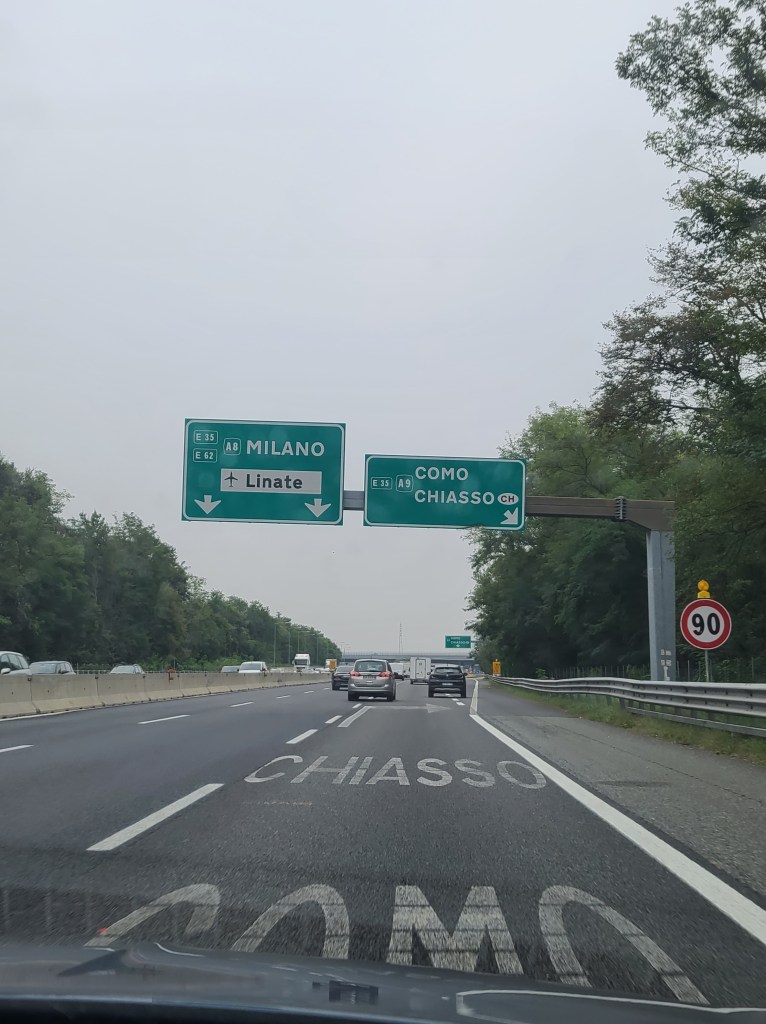
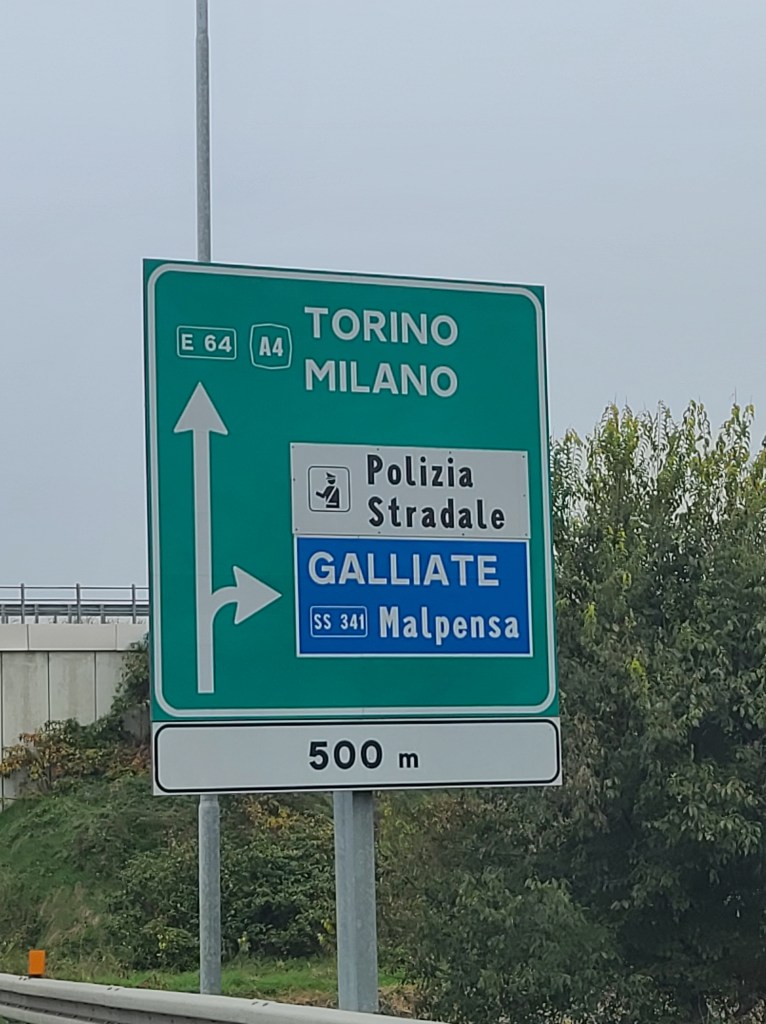
We are heading around Milan and through Como, following completely around the lake. We slow down at Villa Oleandra to check out George and Amal Clooneys “digs”. Oh my, there is a big silver Bentley behind us, could it possibly be their chauffeur? Probably not, I hear they like using the boat. They’re villa is the yellow one in the pictures, with the black wrought iron gate. It was a fun side trip. Again, it was still overcast in Lake Como so the pictures are not great. We then departed Lake Como for Edolo, Italy.
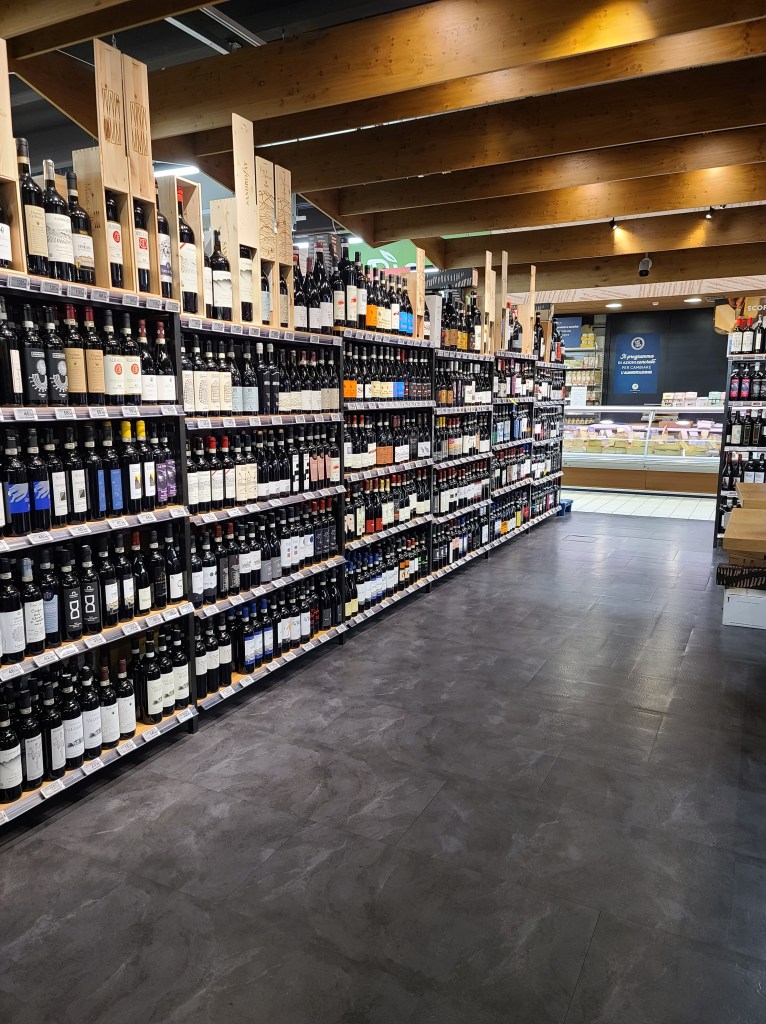
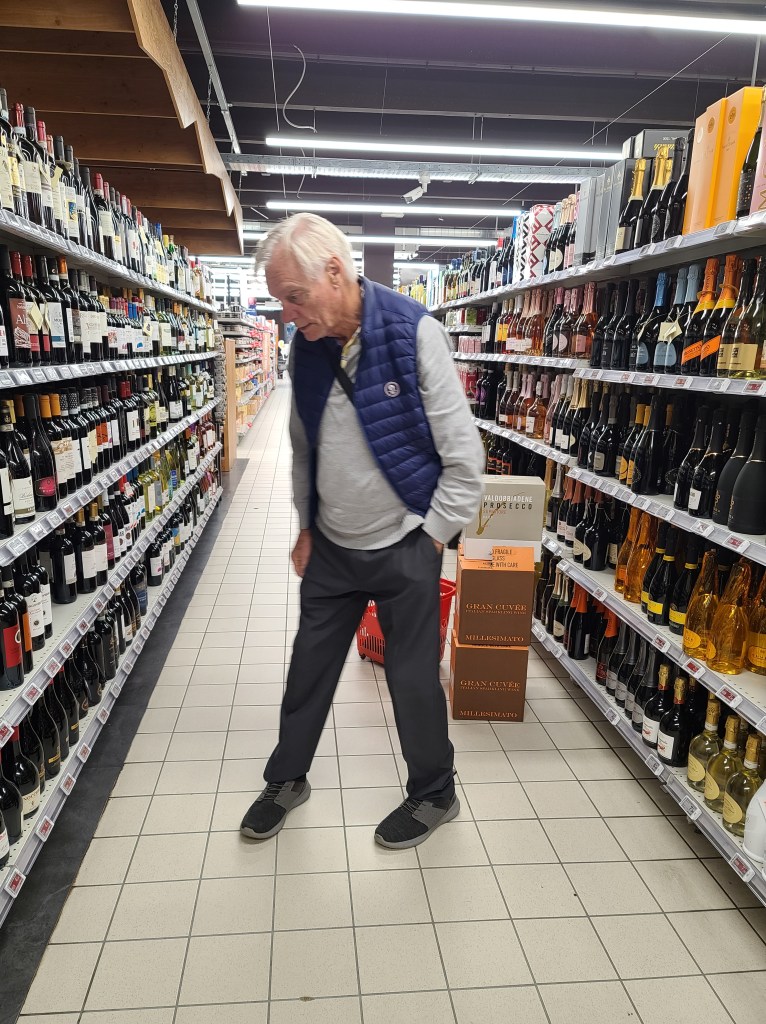
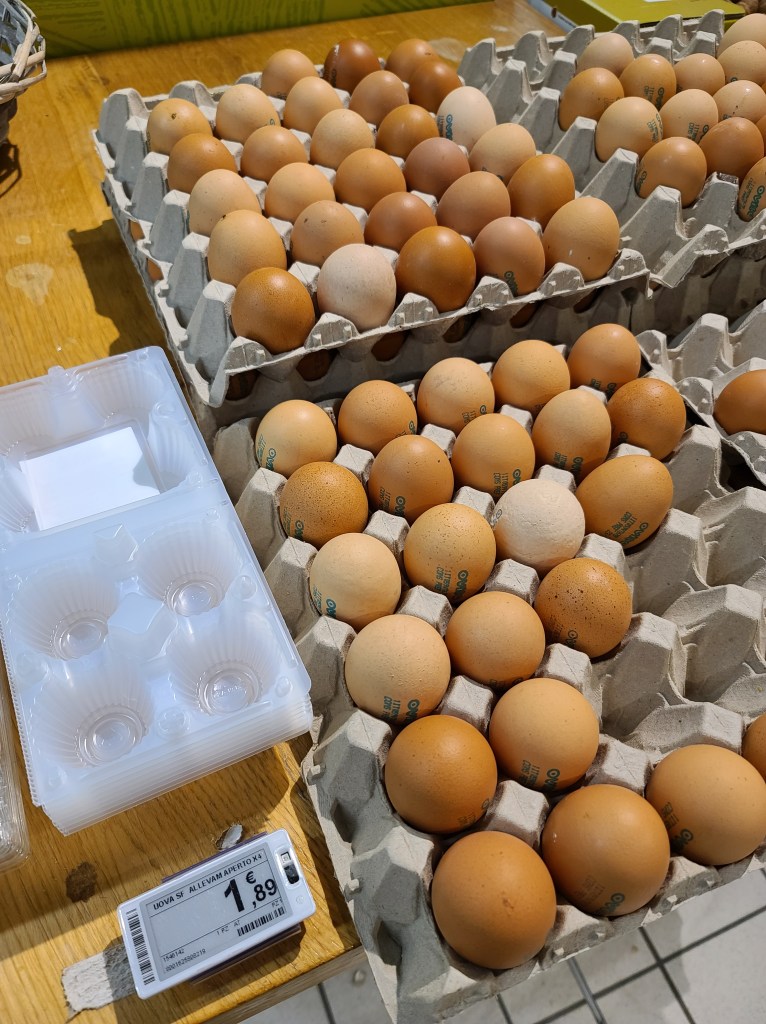
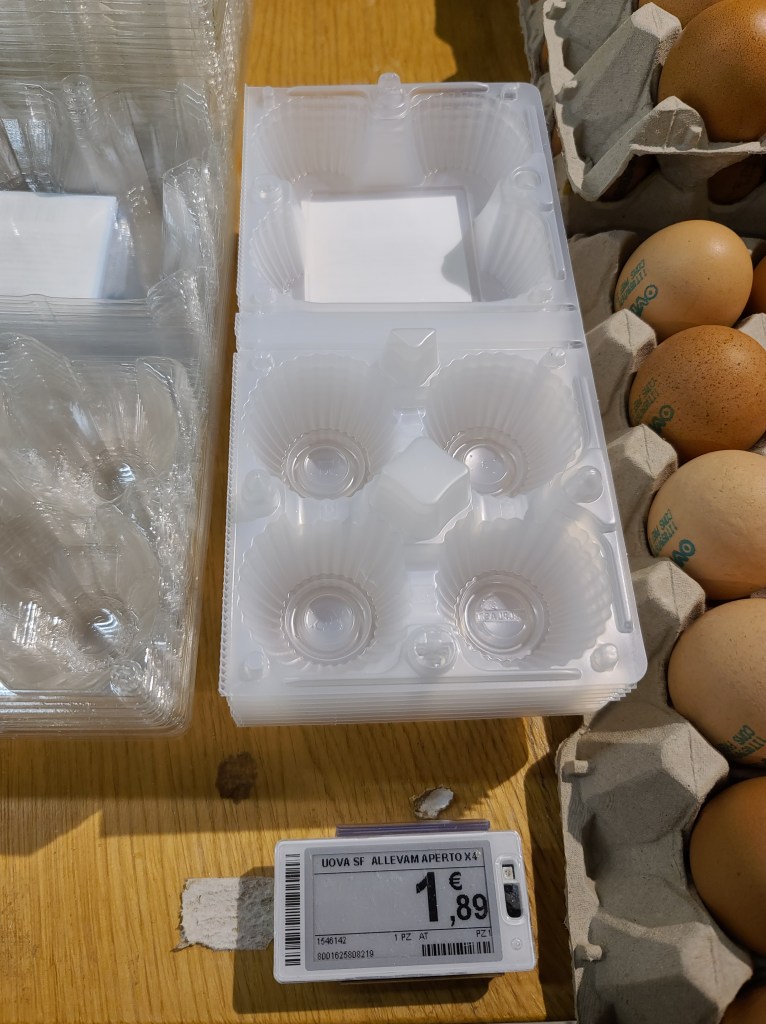
Along the way we stopped at a little grocery store for some water. The aisles of wine selection is overwhelming! And, you can buy as few as 4 eggs. Each egg is stamped with the region, farm and chicken who laid it. Well, region and farm for sure. Chicken is debatable.
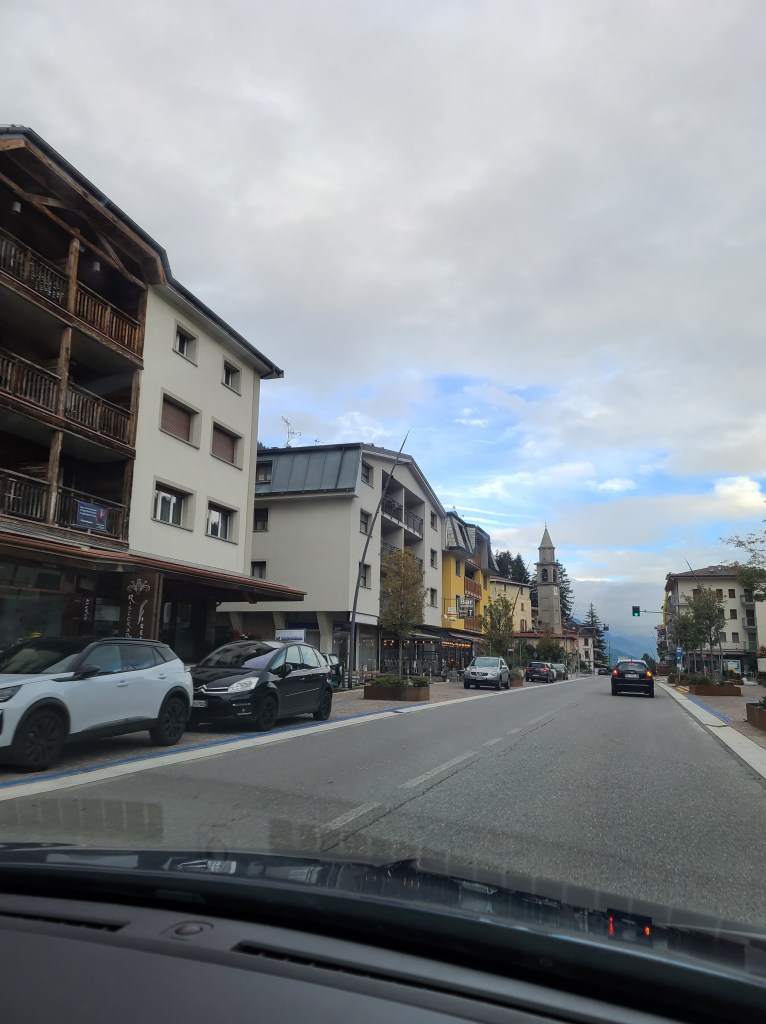
Once settled we headed into town to scope out dinner.
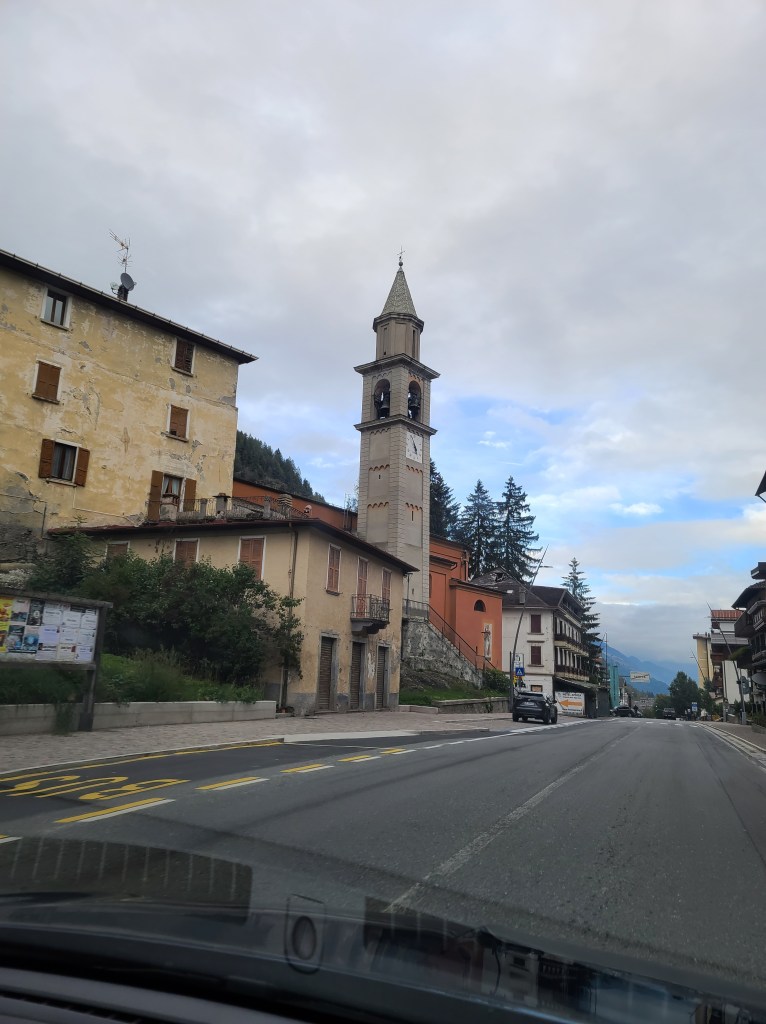
Edolo is a very interesting town. It’s history dates back to ancient times as well, with evidence of human settlements found in the area since prehistoric times. During the Roman era, it was an important transit point along the ancient Roman road known as Via Claudia Augusta, connecting northern Italy to Germany.
Throughout the Middle Ages, Edolo was a strategic location due to its position on trade routes and its proximity to the Alps.
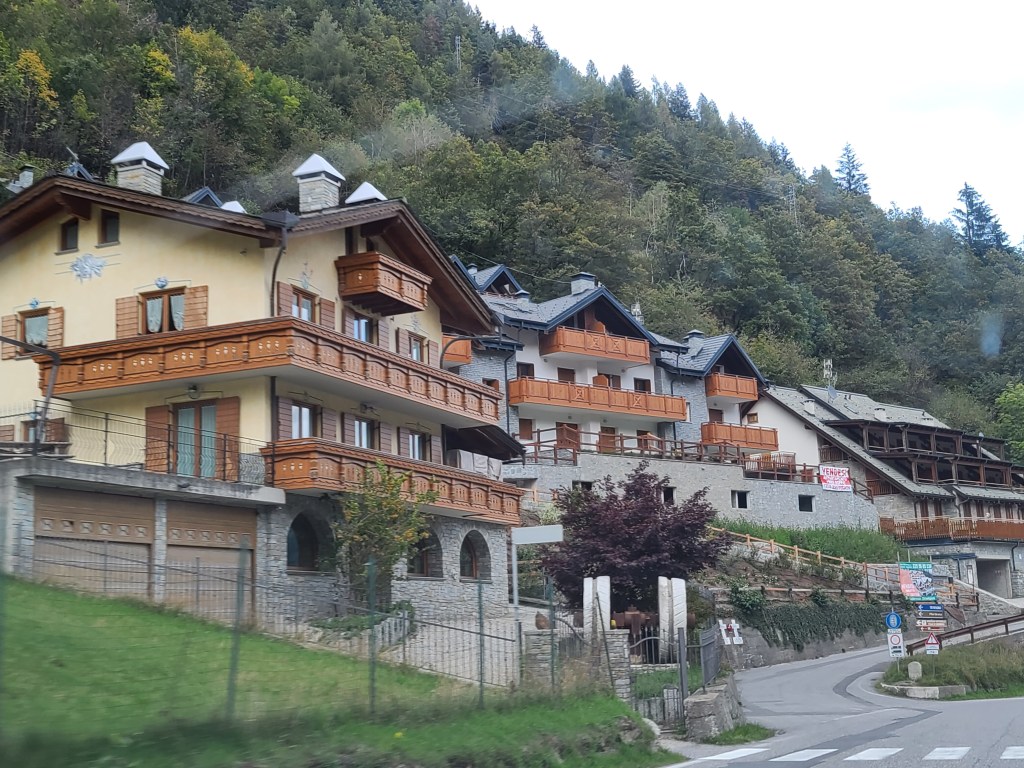
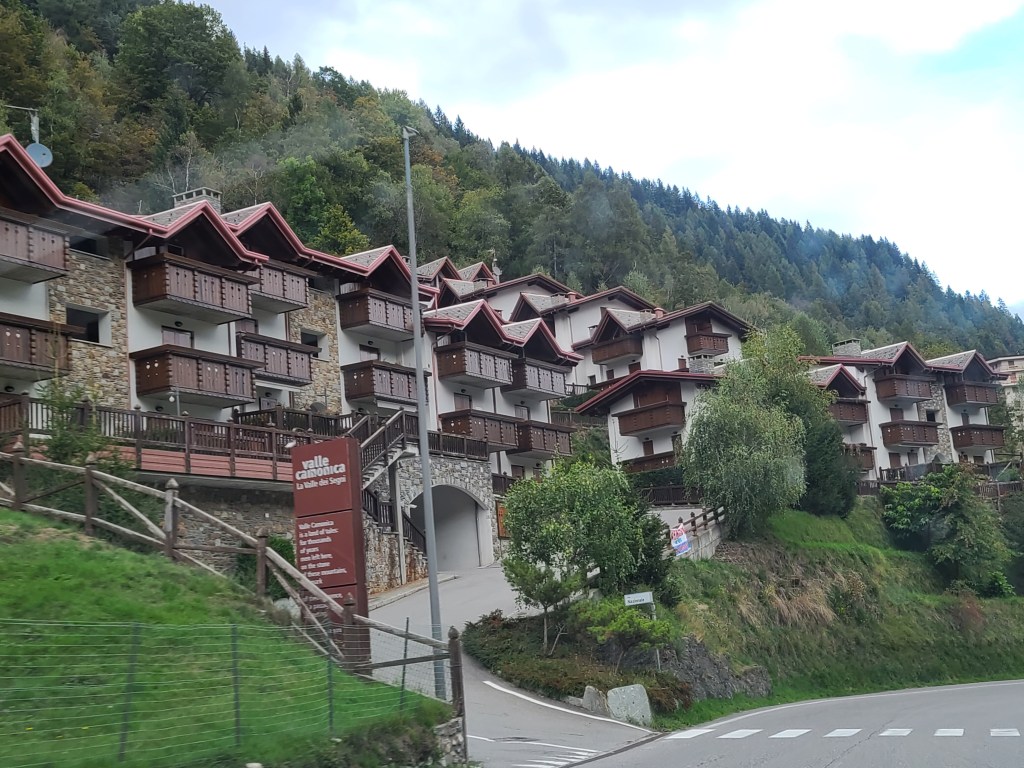
Alpen style houses with the telltale flower boxes overflowing with geraniums are starting to dot the mountains and pastures are full of cows, some wearing the big Swiss style bells.
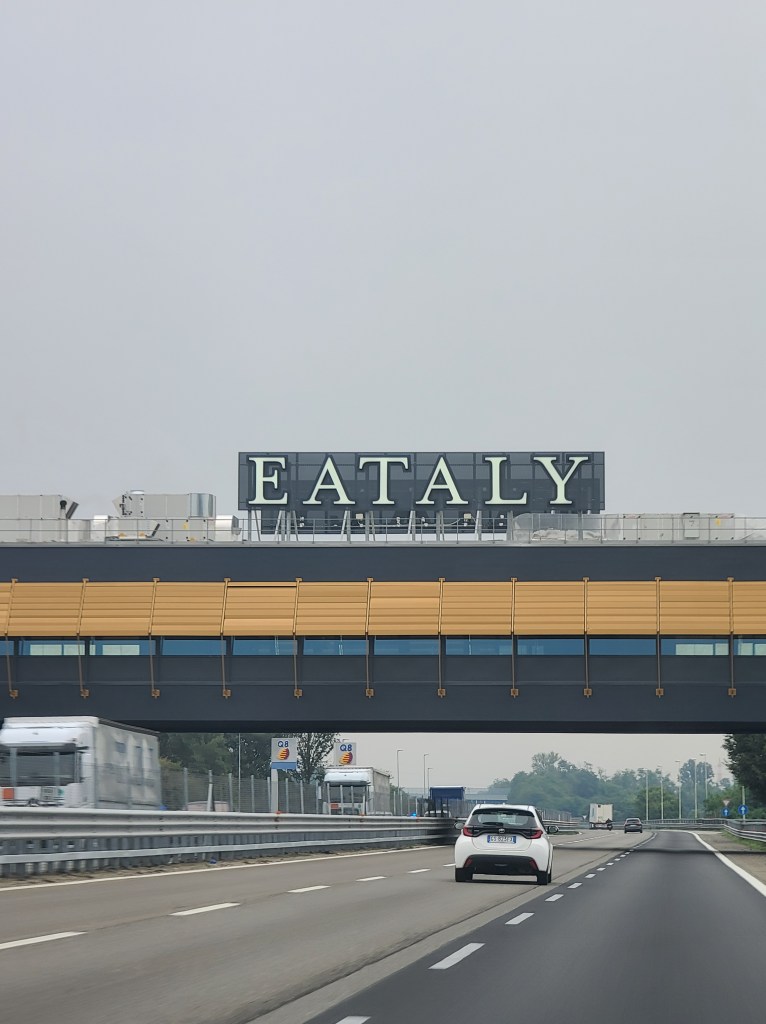
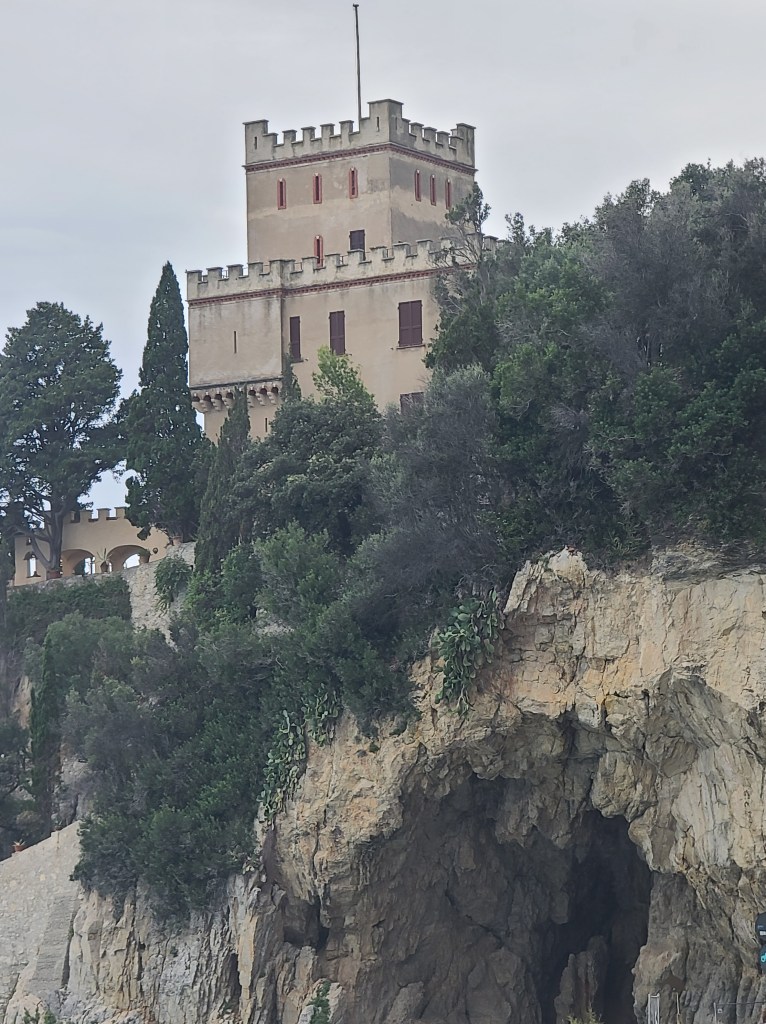
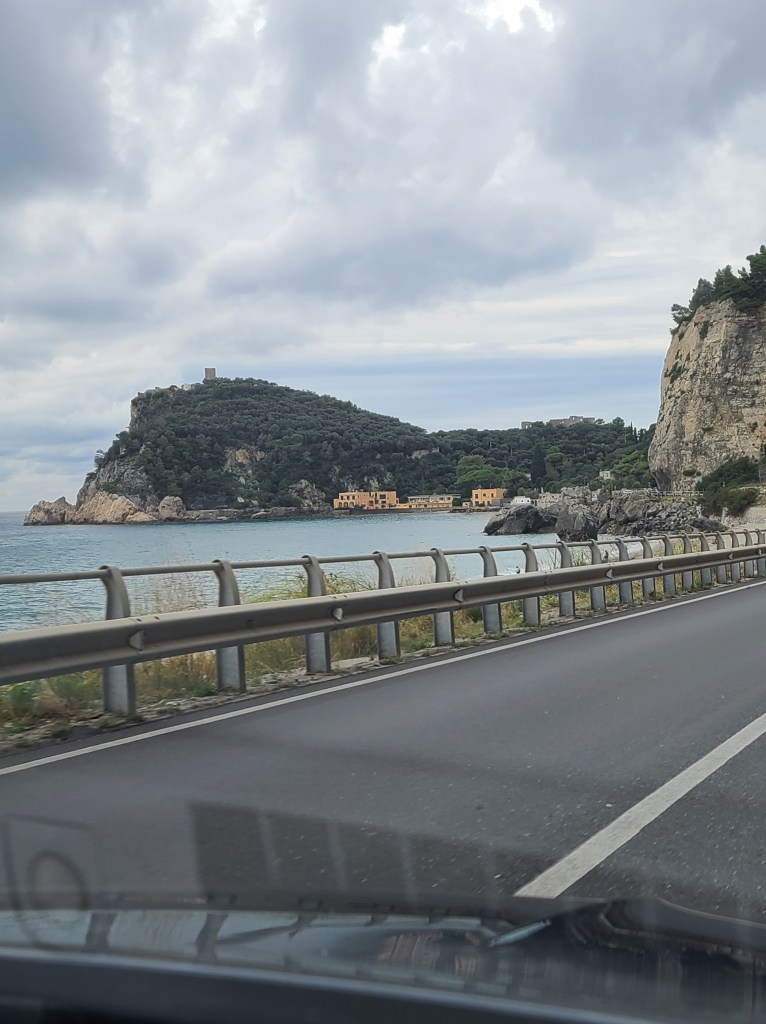
Oct 8-9 Southern Tirol
Yesterday, Oct 8 was our anticipated train ride on the Bernina Express. Sadly, it didn’t happen because it got socked in and rained out! Really glad we didn’t buy the tickets on line in advance. Sneaky, they tell you to, but smart people wait!
We got up in the rain and headed for Tirano and the clouds were so low there was no way. So we walked through the town and had a lovely coffee in a local shop. But in fact, Tirano doesn’t have much to offer but the train. There is nothing there!
Before calling it a day we had a lovely lunch of lasagna and met up with some Americans who were on the train and had a break before heading back on it in the return direction. They confirmed they did not see any of the expected views but had to do it as they purchased their tickets in advance. We figure we saved about $400 on that adventure.
Oct 9 Italy to South Tirol
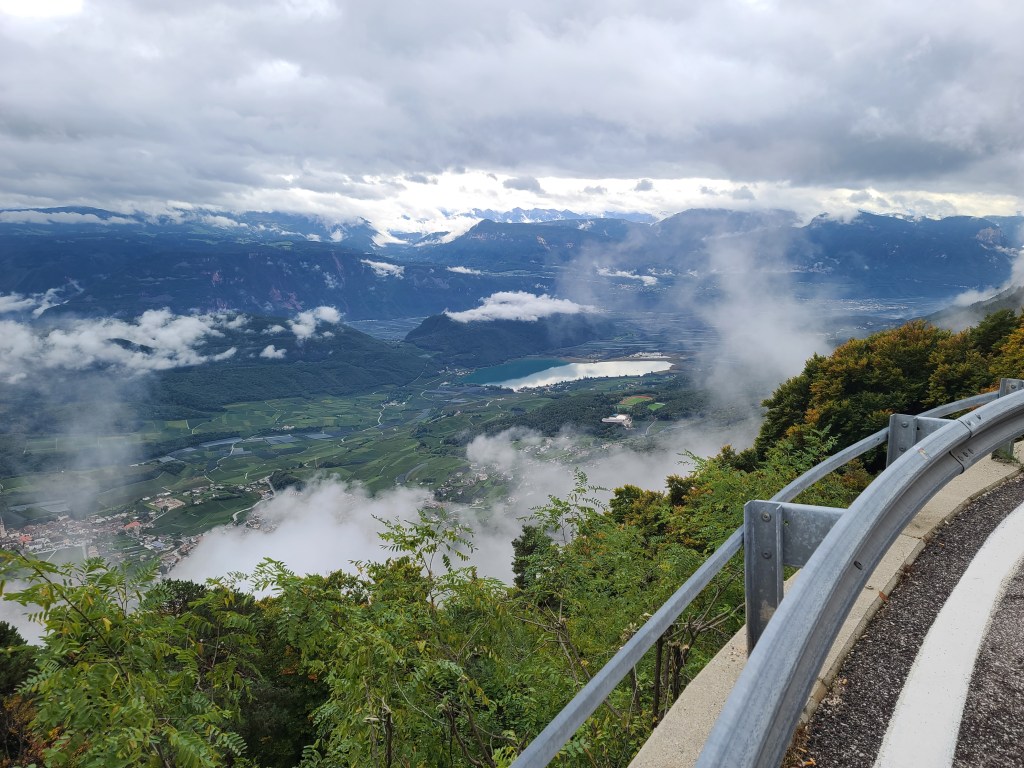
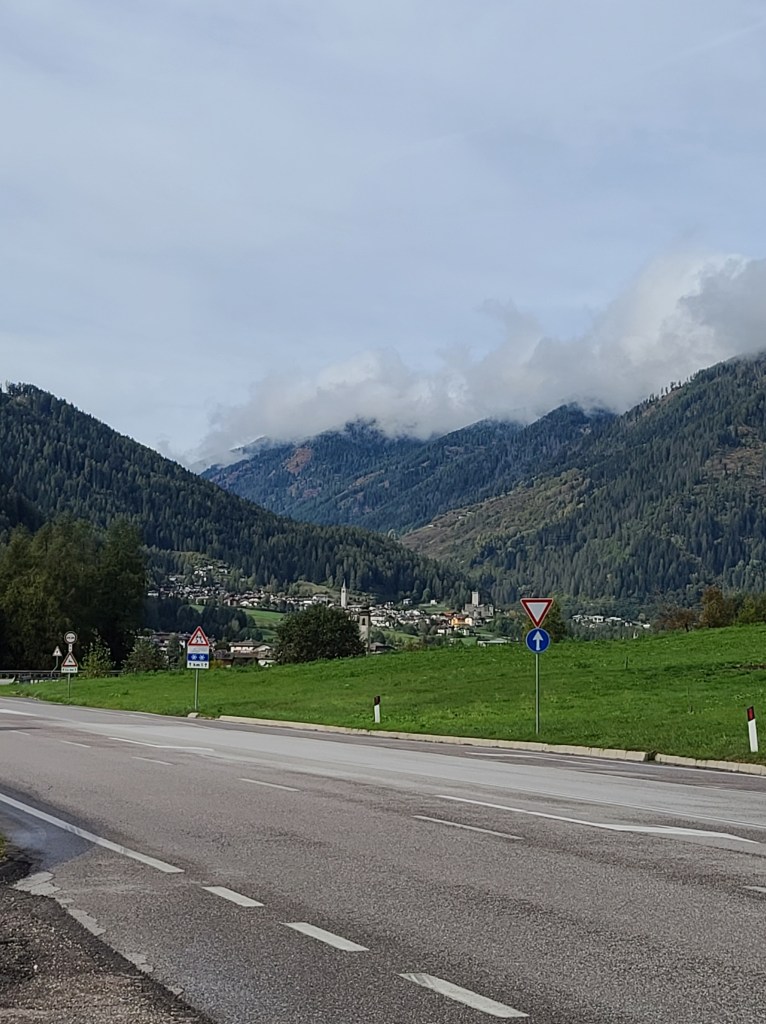
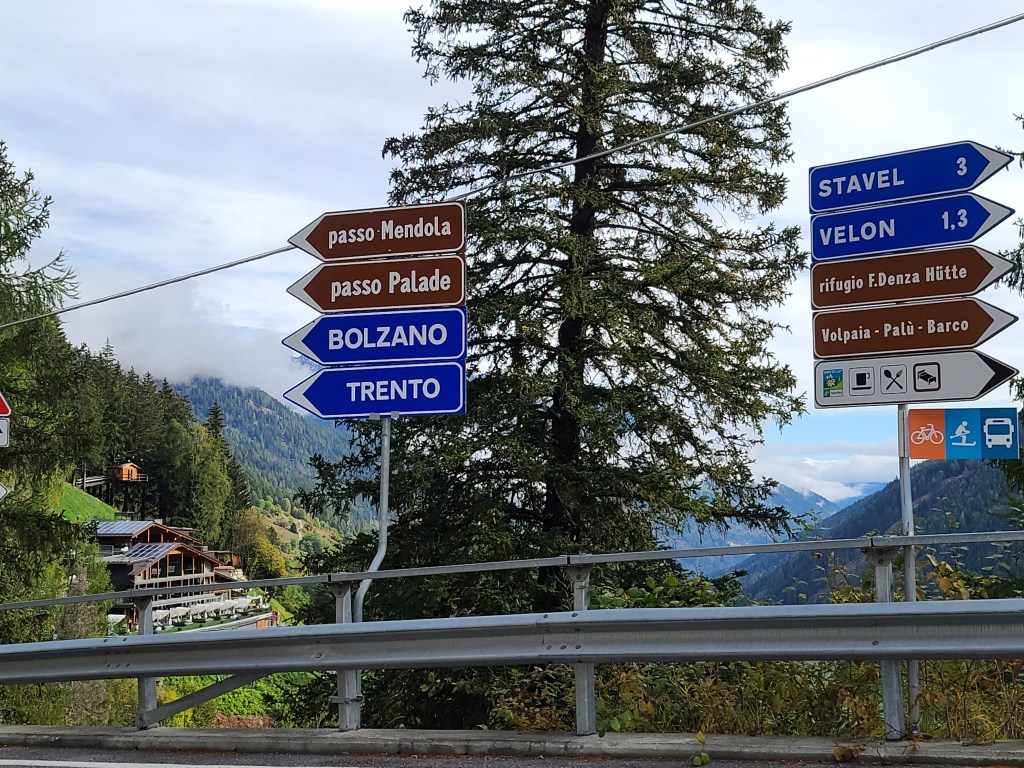
Sunshine! Yes! Off we go from Edolo Italy in the mountains, over the tail of the Dolomite Mountains in Bozano, Merino and Tirol. This can get confusing as the borders have moved over the decades from war to war and goodwill in between. Italian in country but German in language and culture. It’s a very interesting mix.
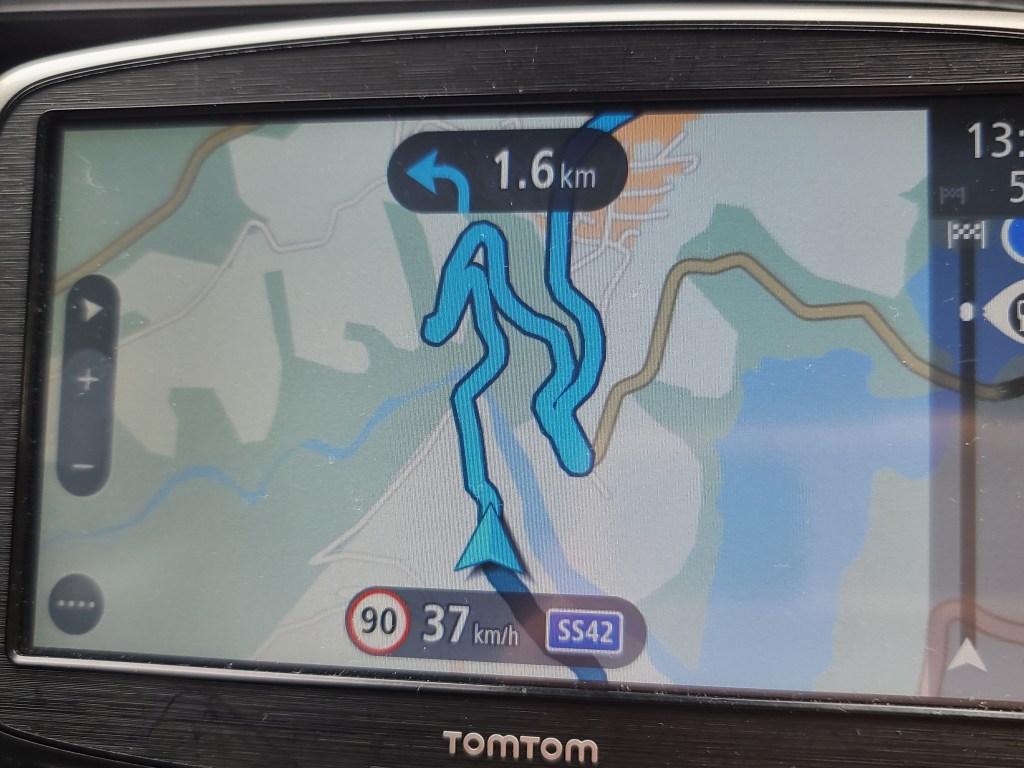
I loved going through the mountains with the switchbacks, hairpin turns and gut wrenching maneuvers just to get down the hill. Michael is amazing at this! There were a few 180 degree turns where we both screamed!
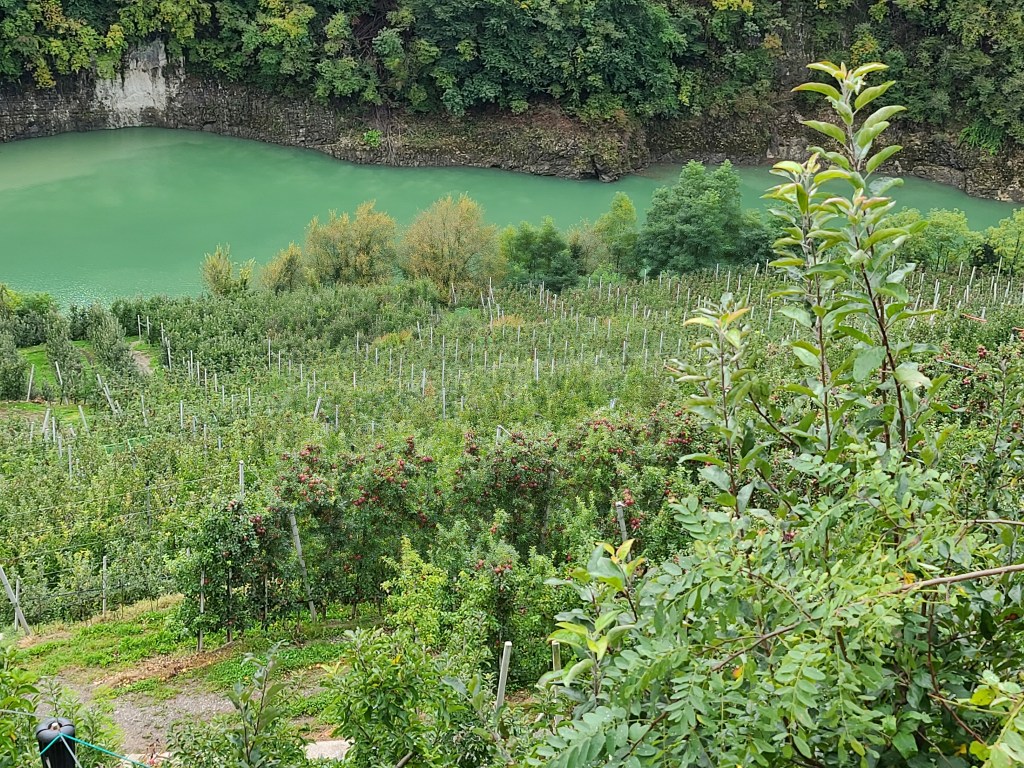
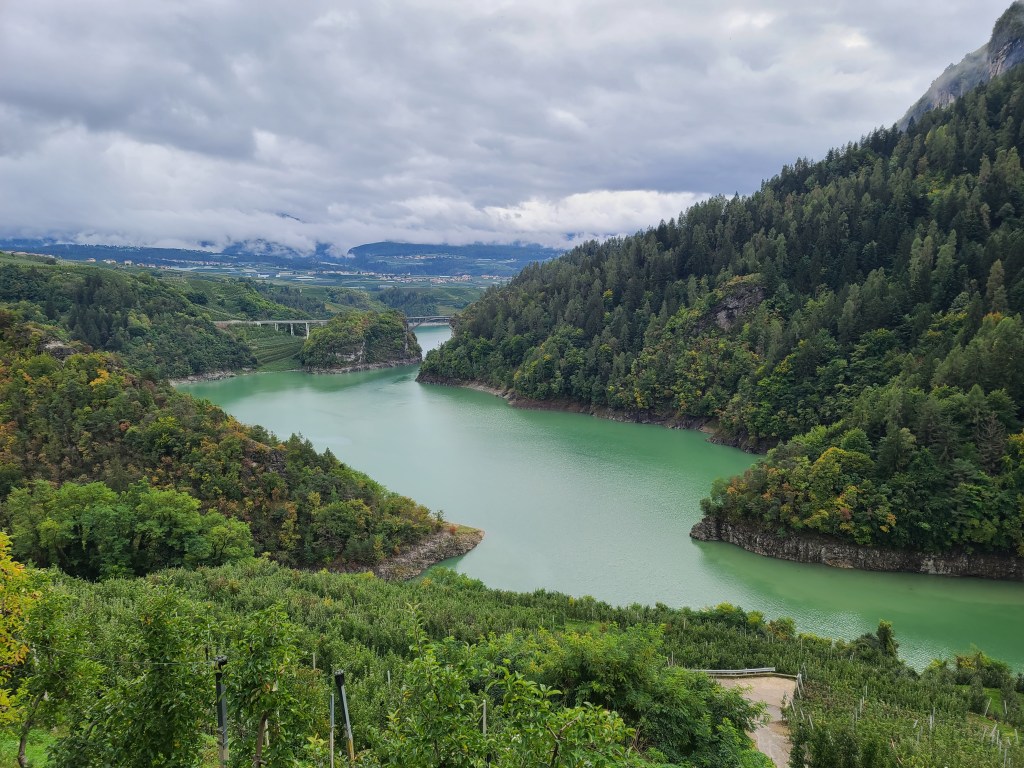
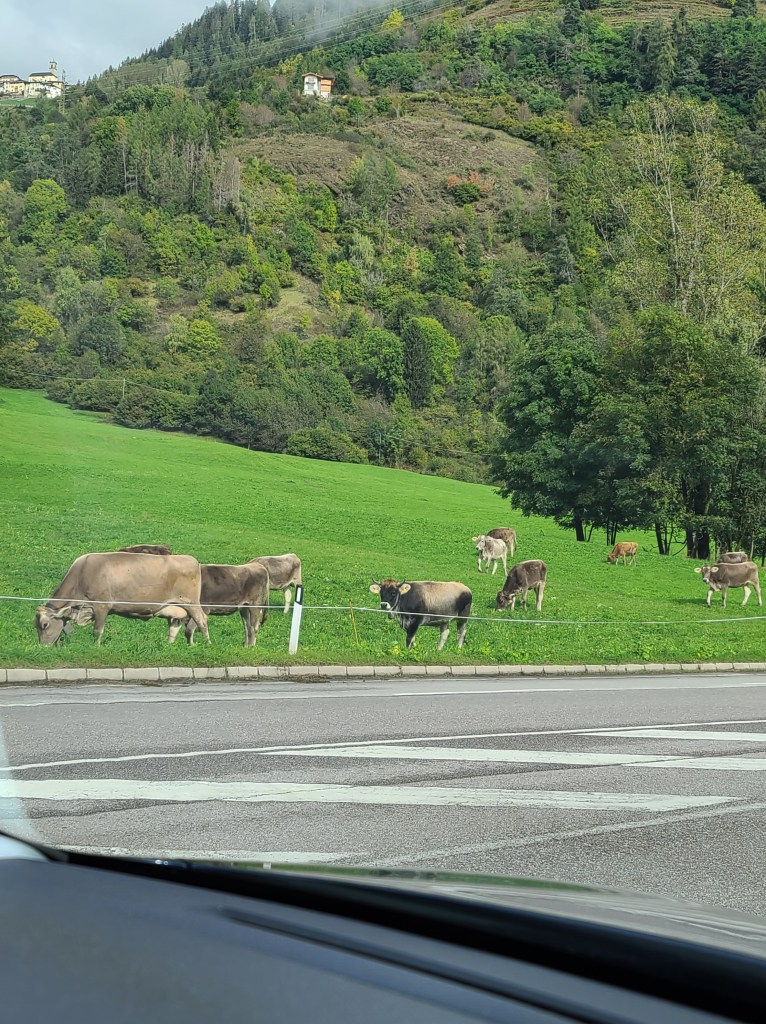
But everytime you came around the corner and came face to face with majestic mountains and miles of ski lifts you knew you were in the ski cradle between Switzerland, Austria and Italy! Amazing panoramas. And the miles and miles of apple orchards both up and down the mountain slopes. The cows on the pastures have on the famous Swiss style bells that you can hear from valley to valley.
We walked through Bolzano’s historic section, had cake and coffee and headed back out to continue our exploration. Later drove to Lana and onto Merano where our accommodations for the next 2 days are in a Tirolean Hotel. Down the road we enjoyed a deliscious schnitzel dinner. Oh my, I am in my favorite country, Germany!
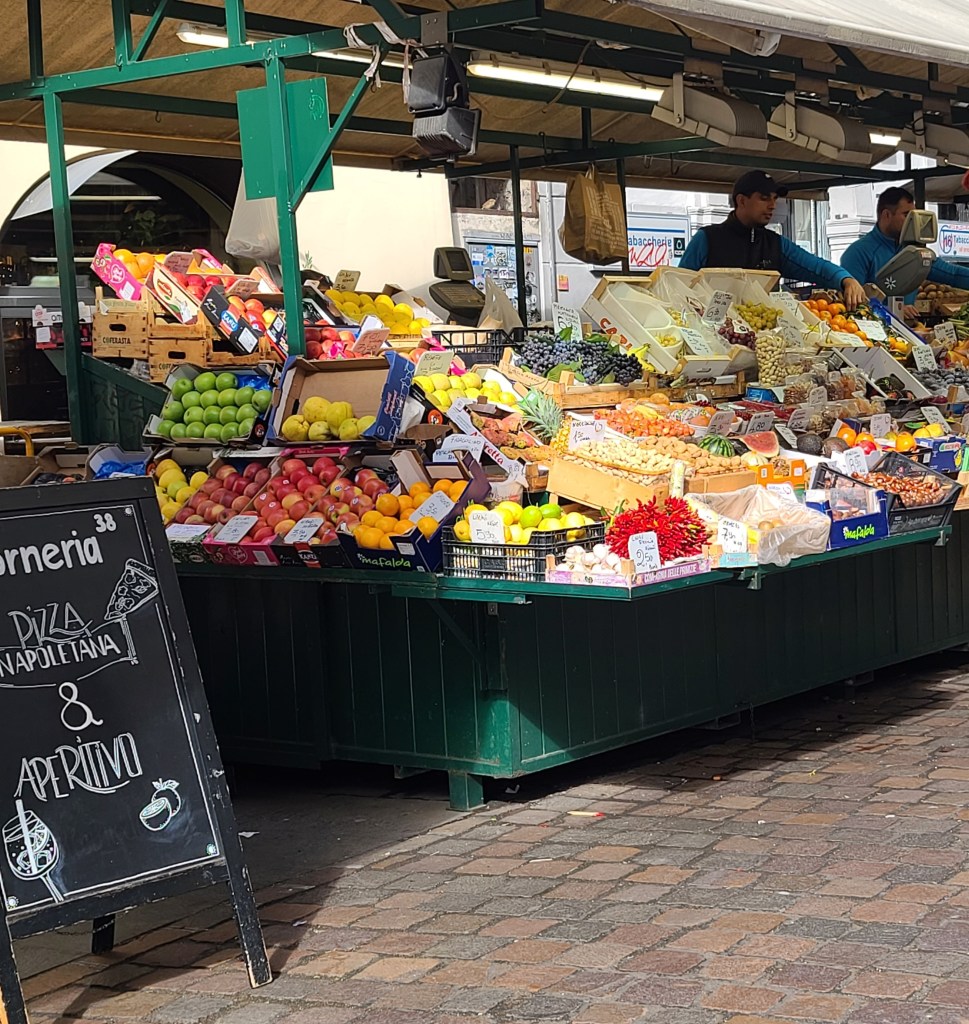
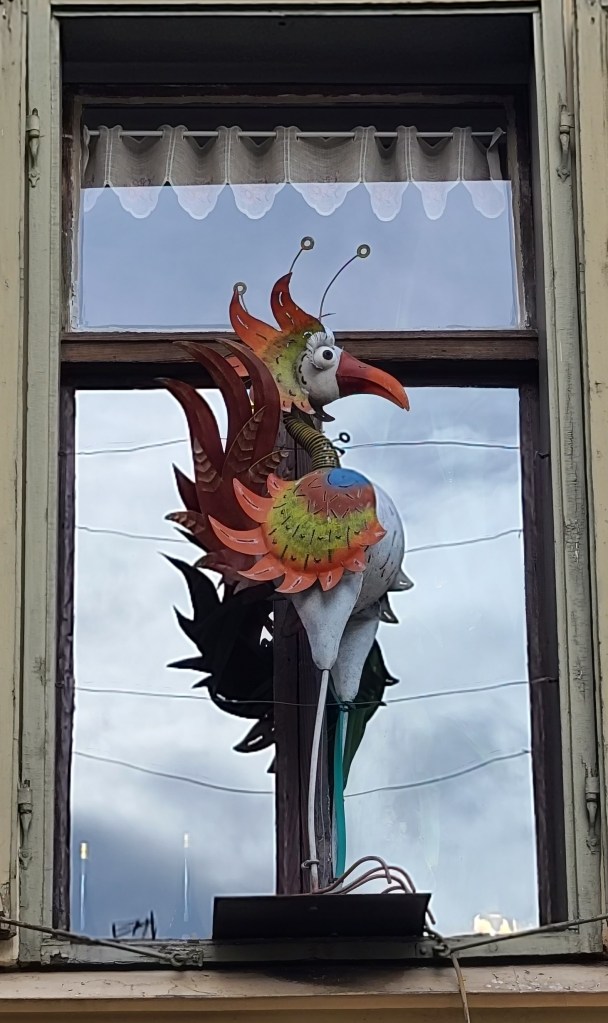
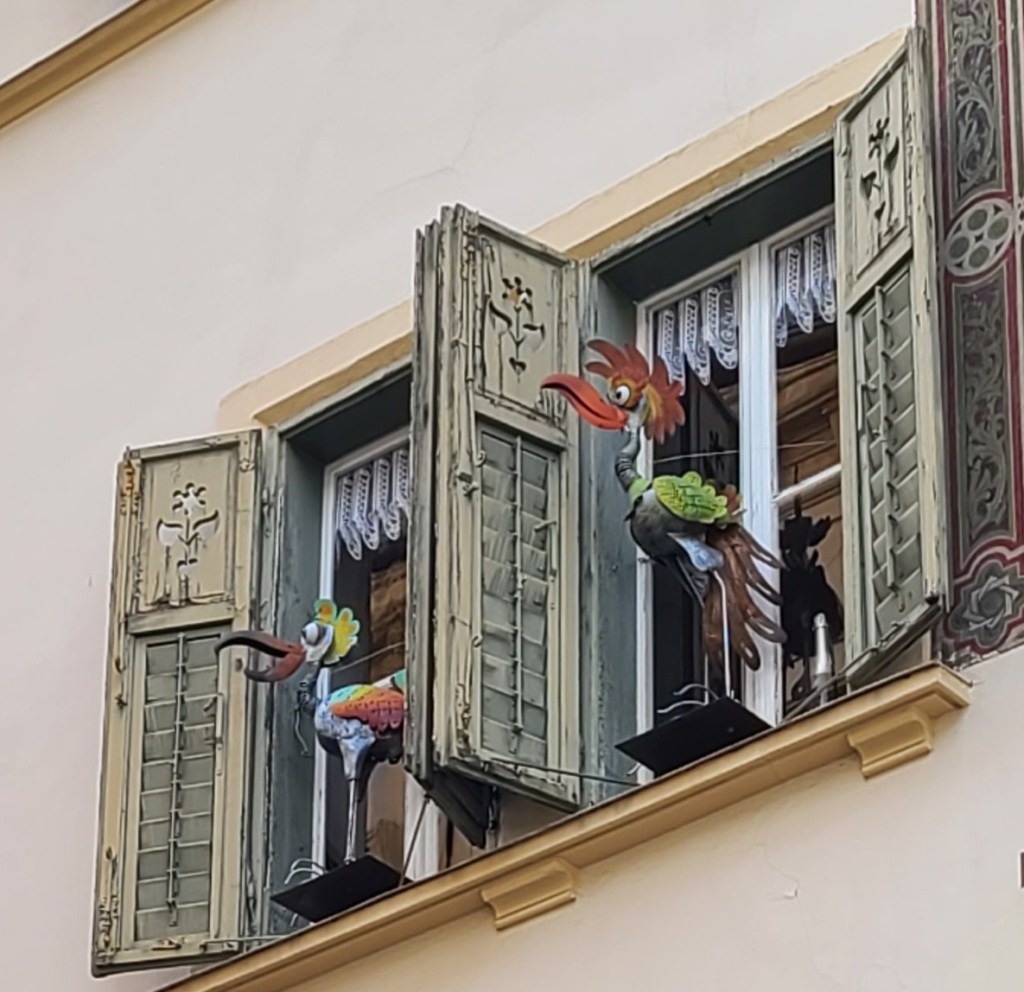
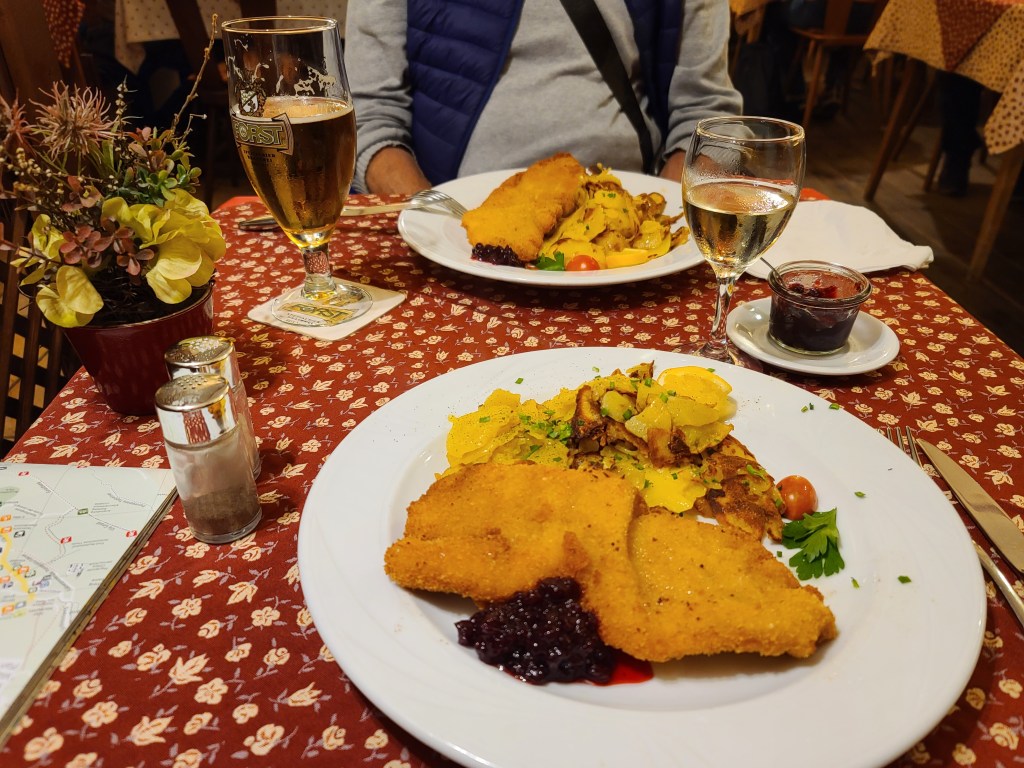
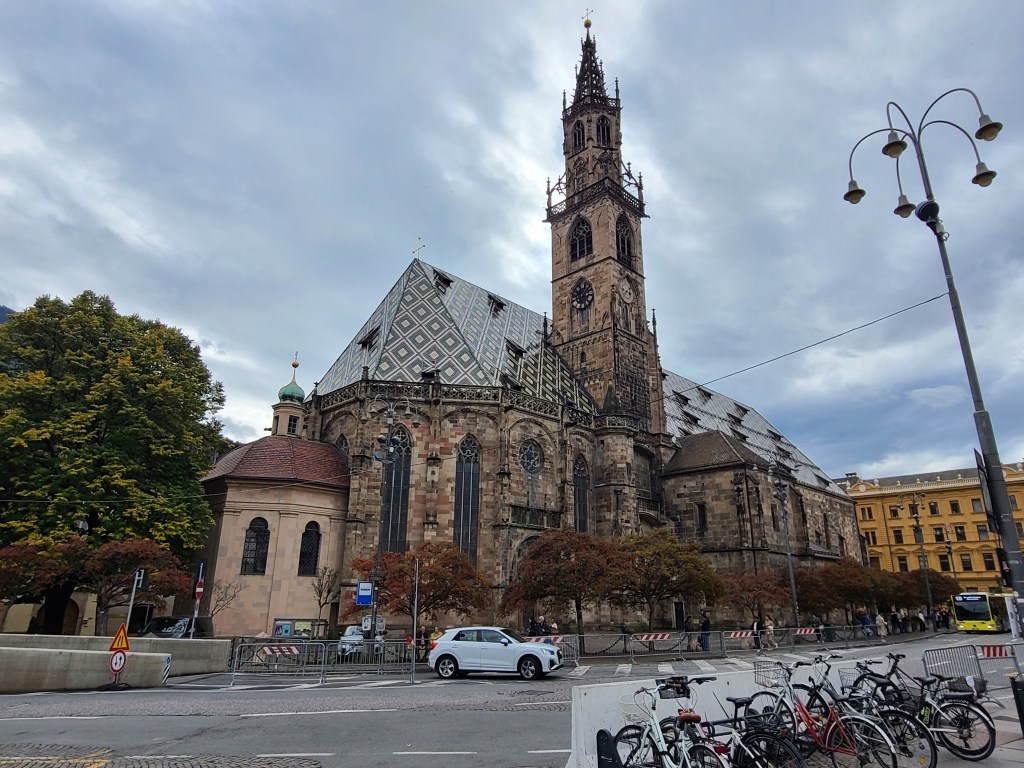
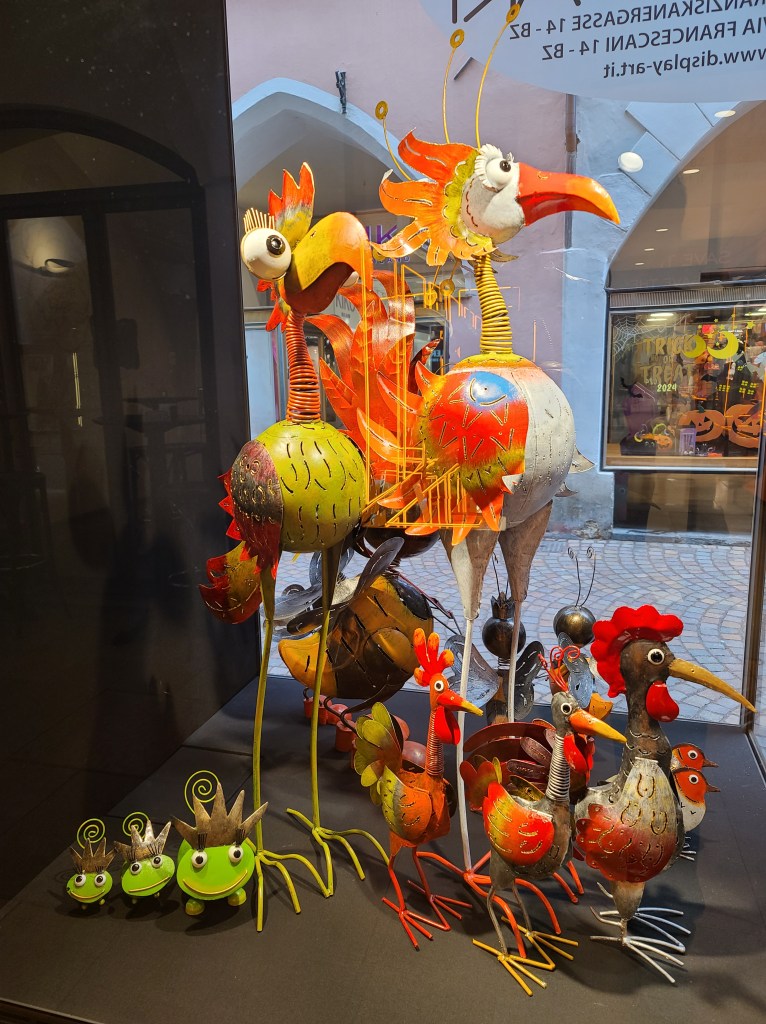
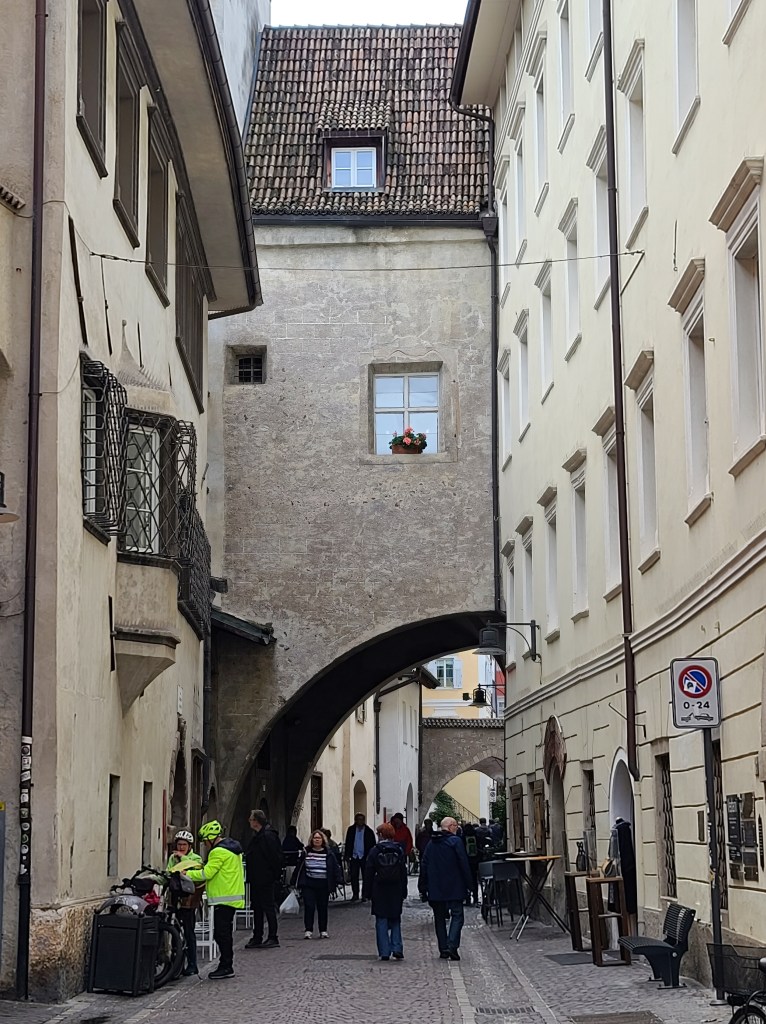
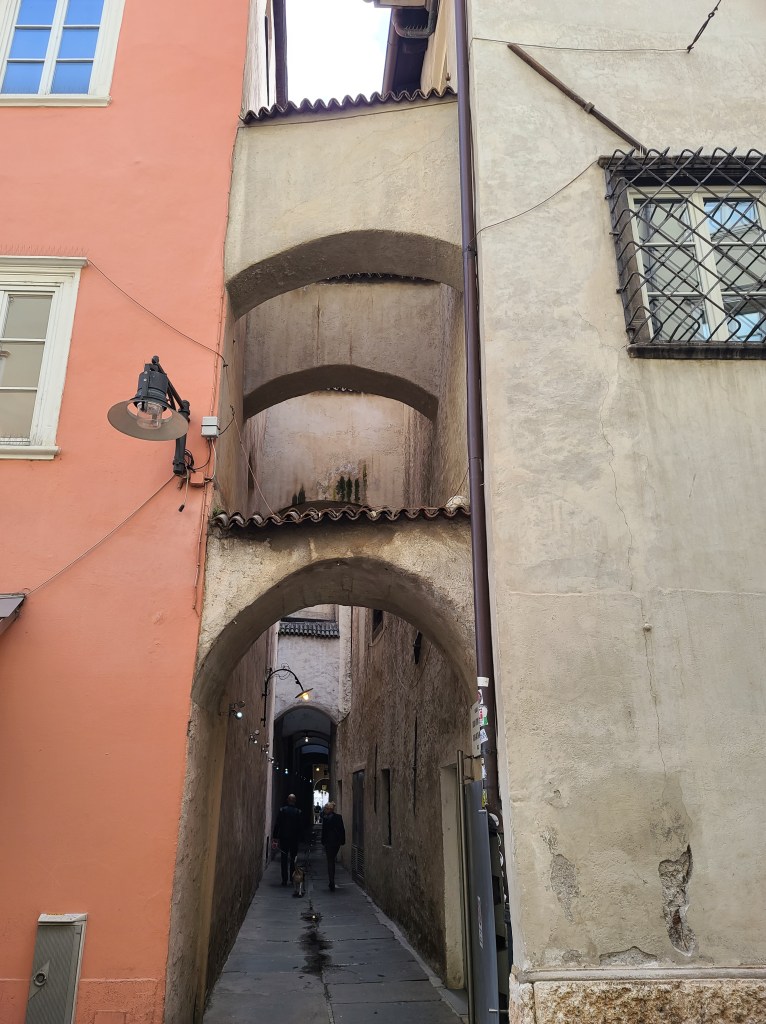
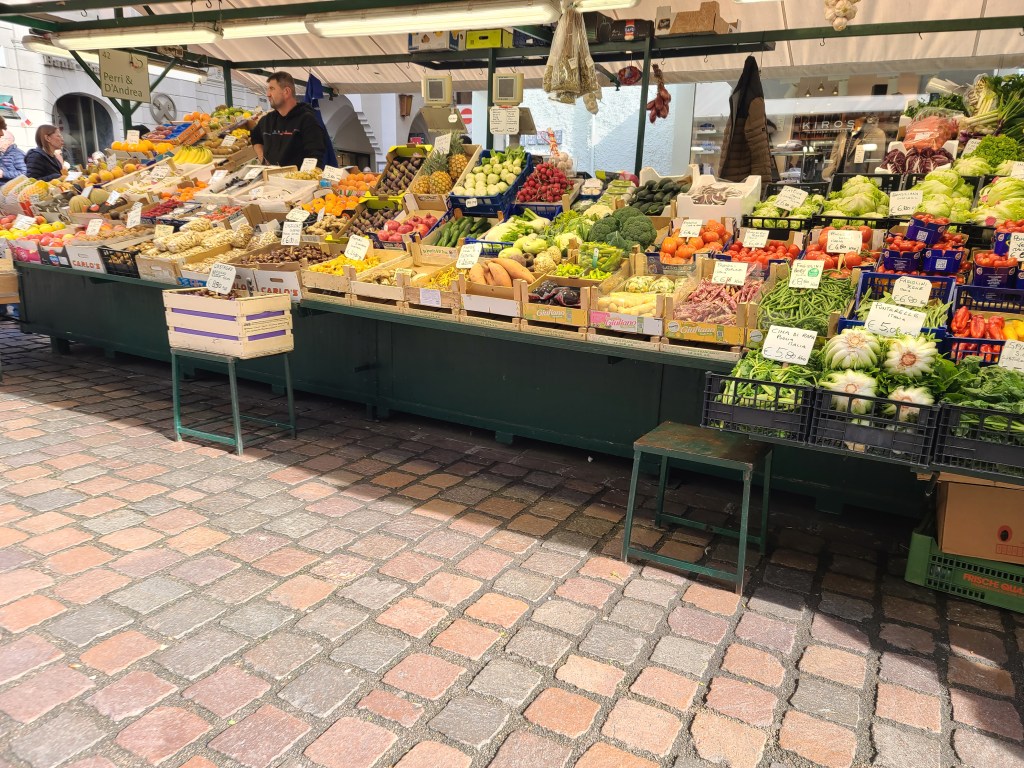
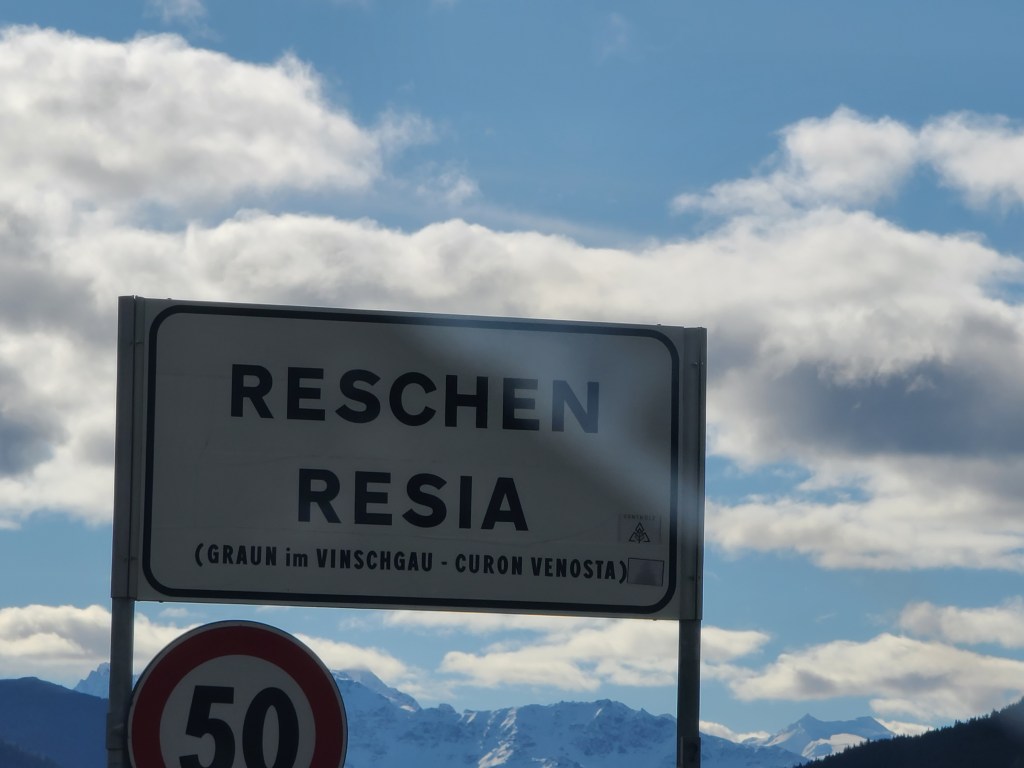
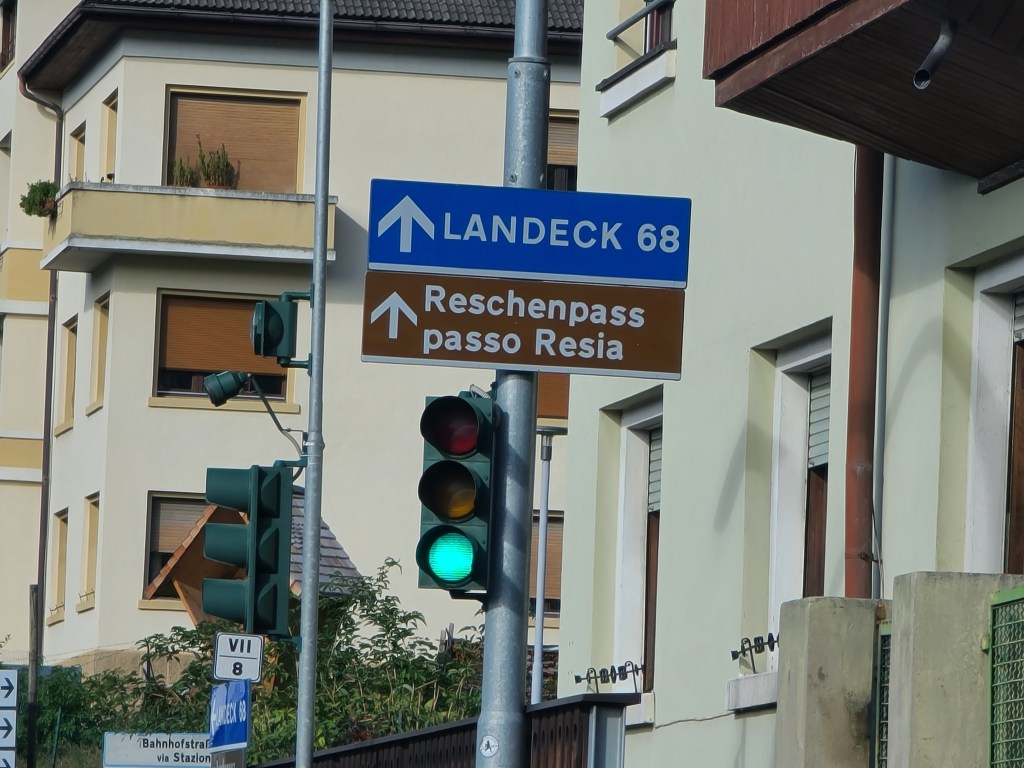
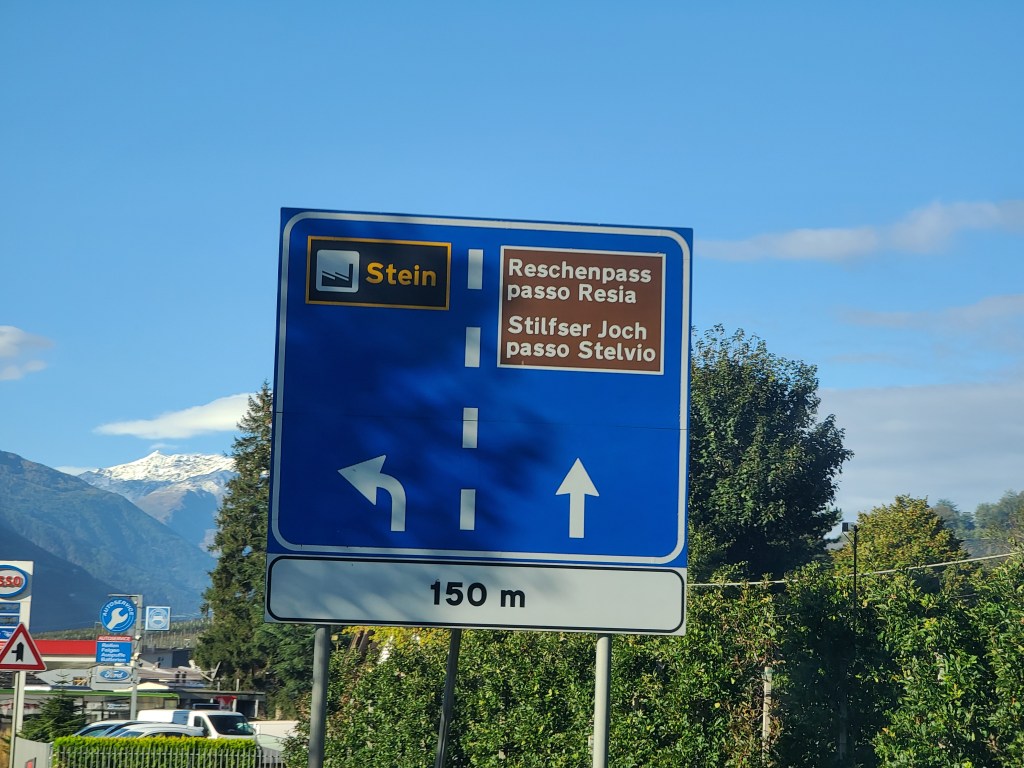
Oct 10-12 Rechenpass to Munich
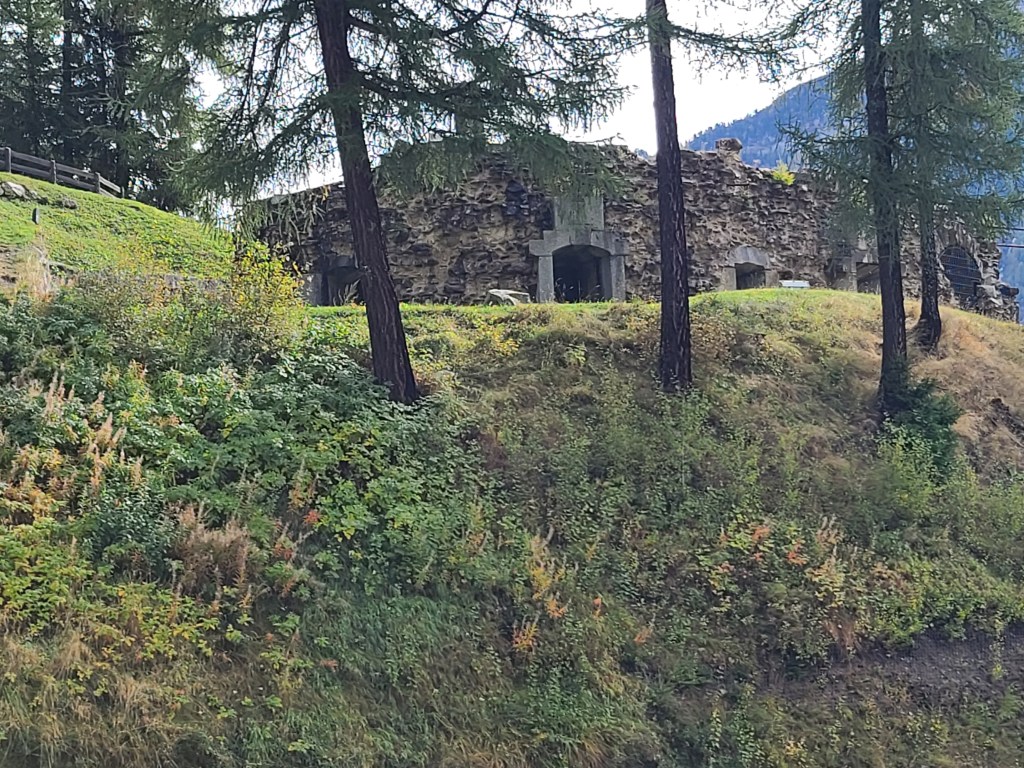
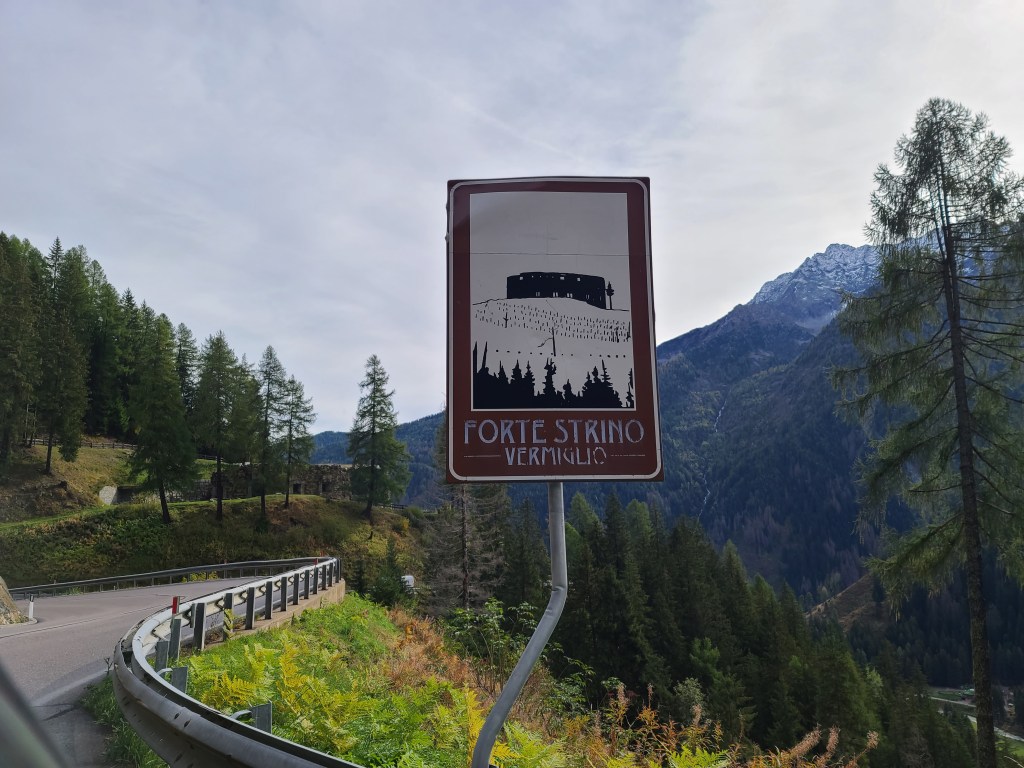
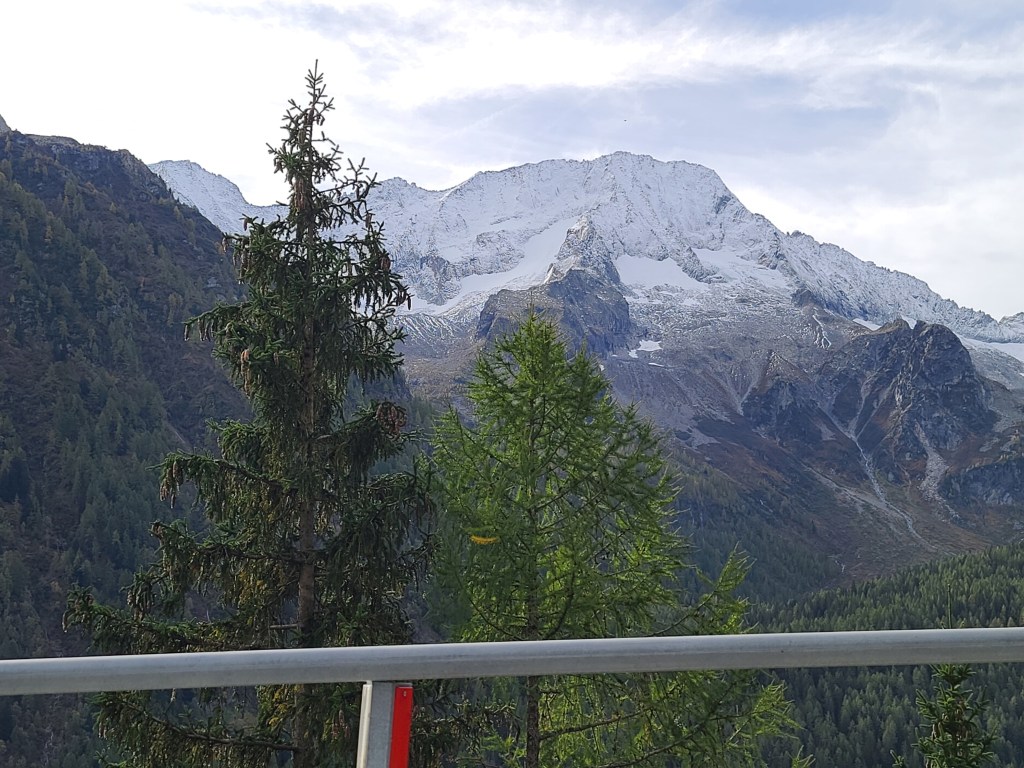
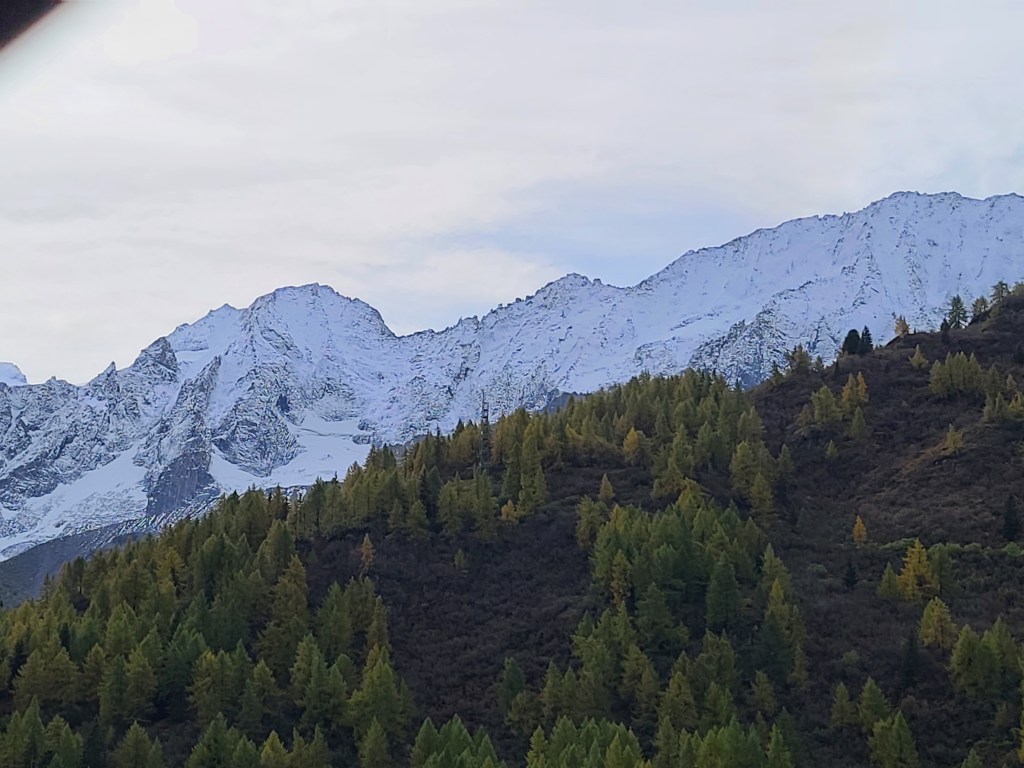
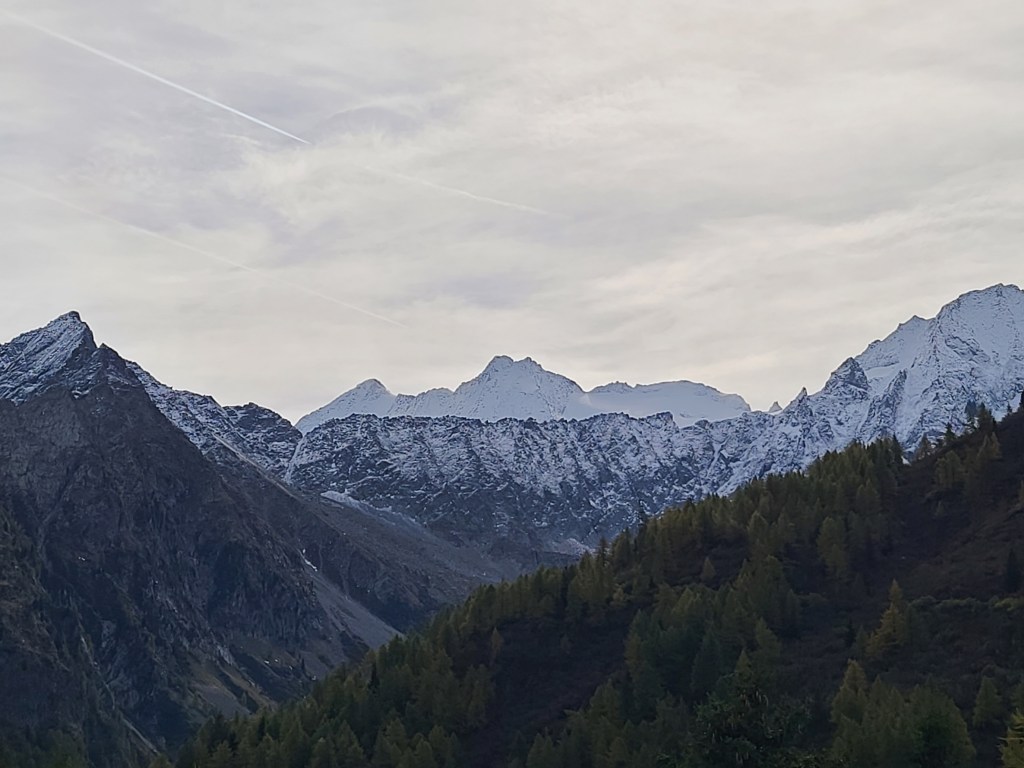
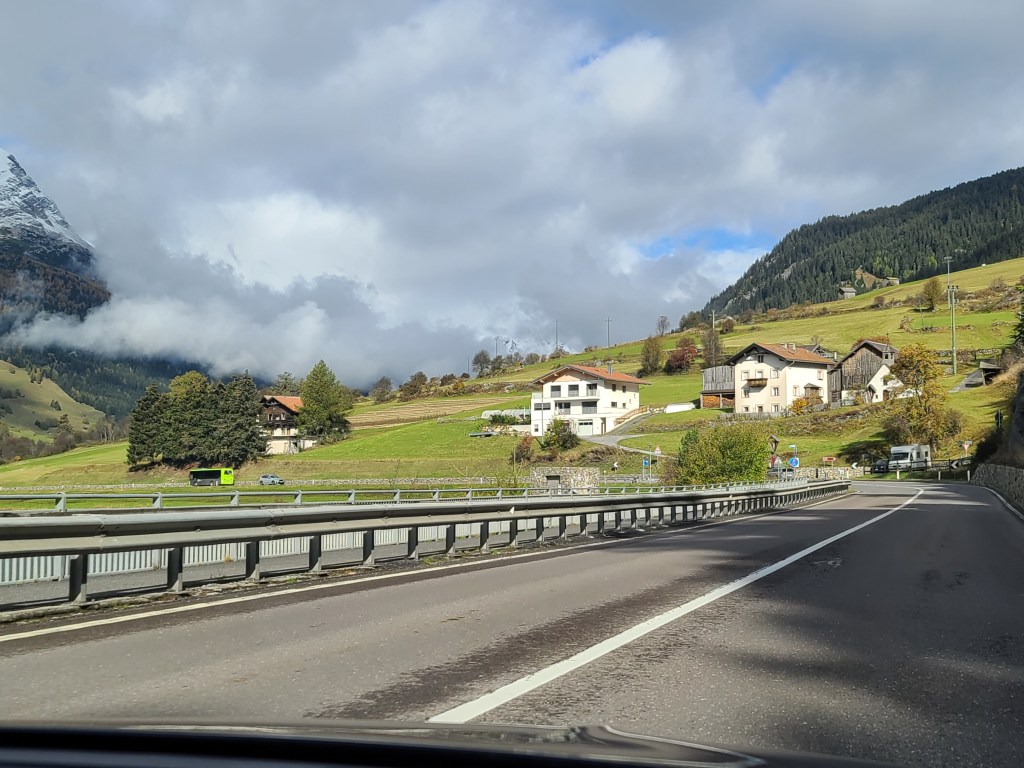
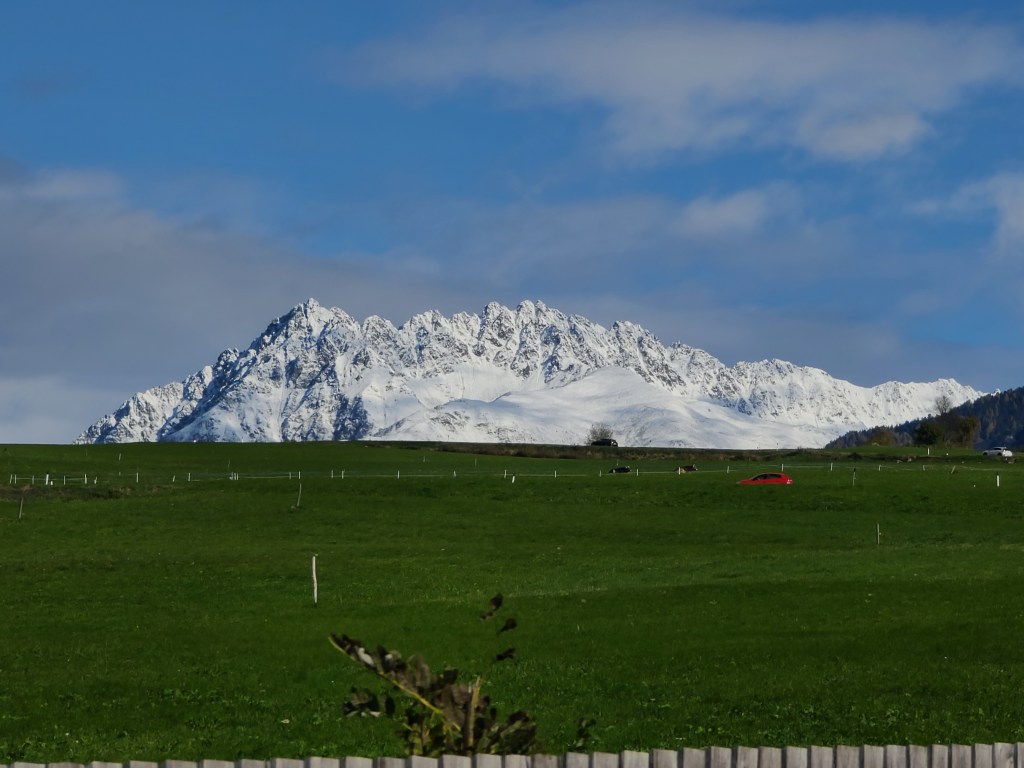
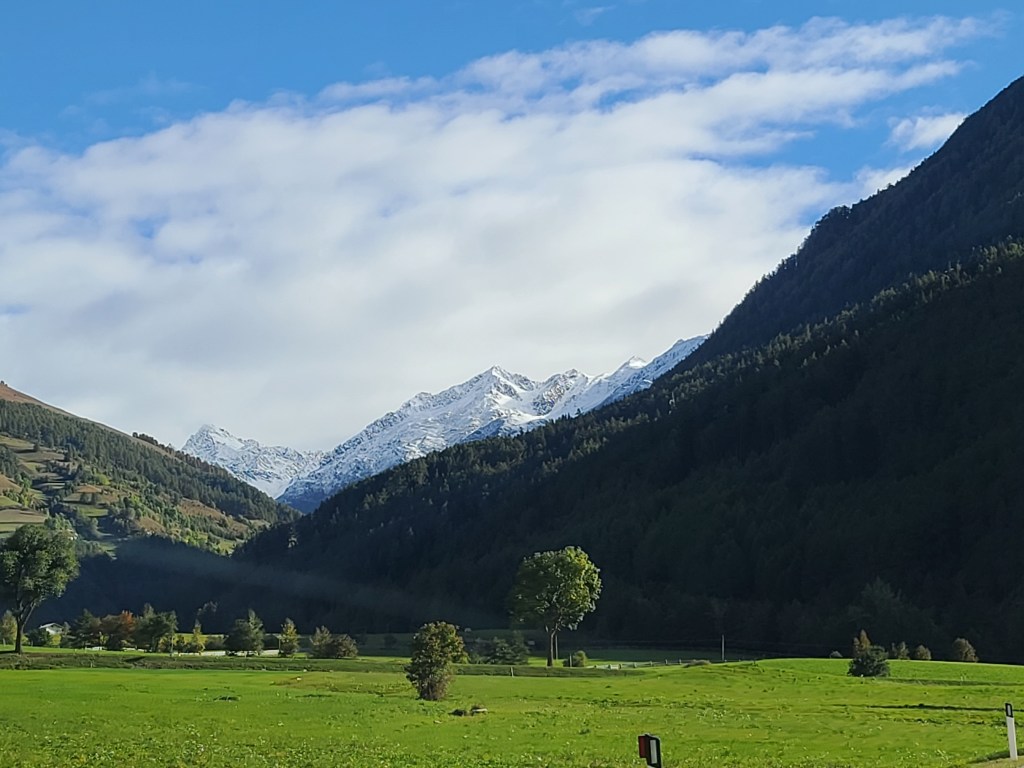
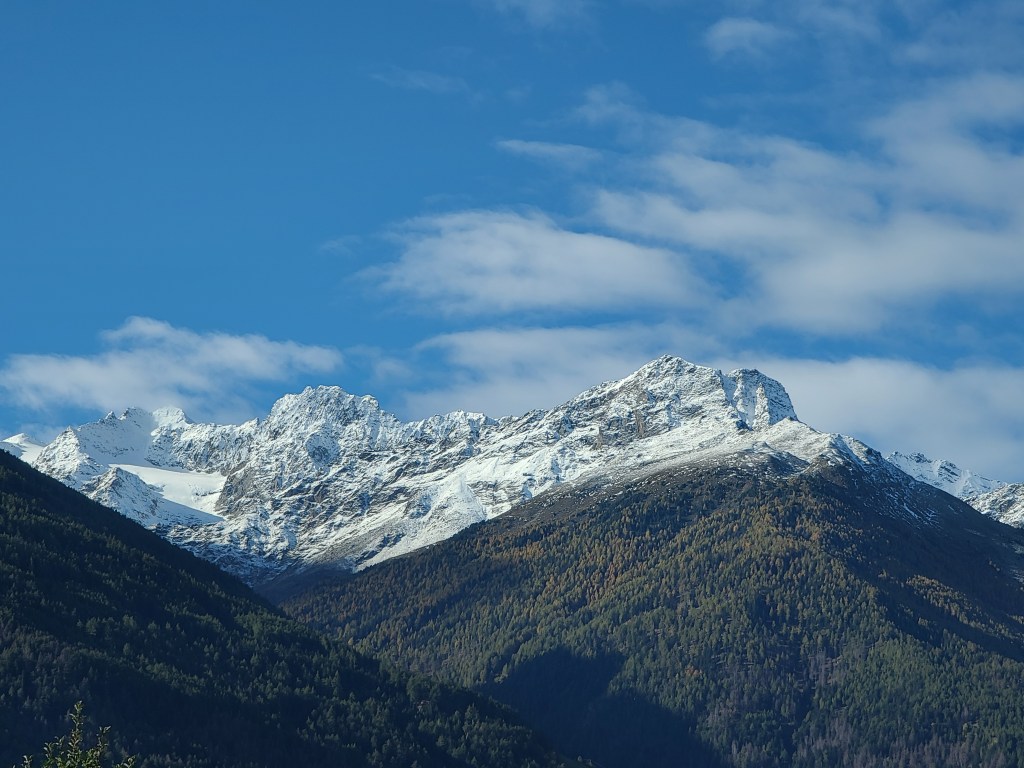
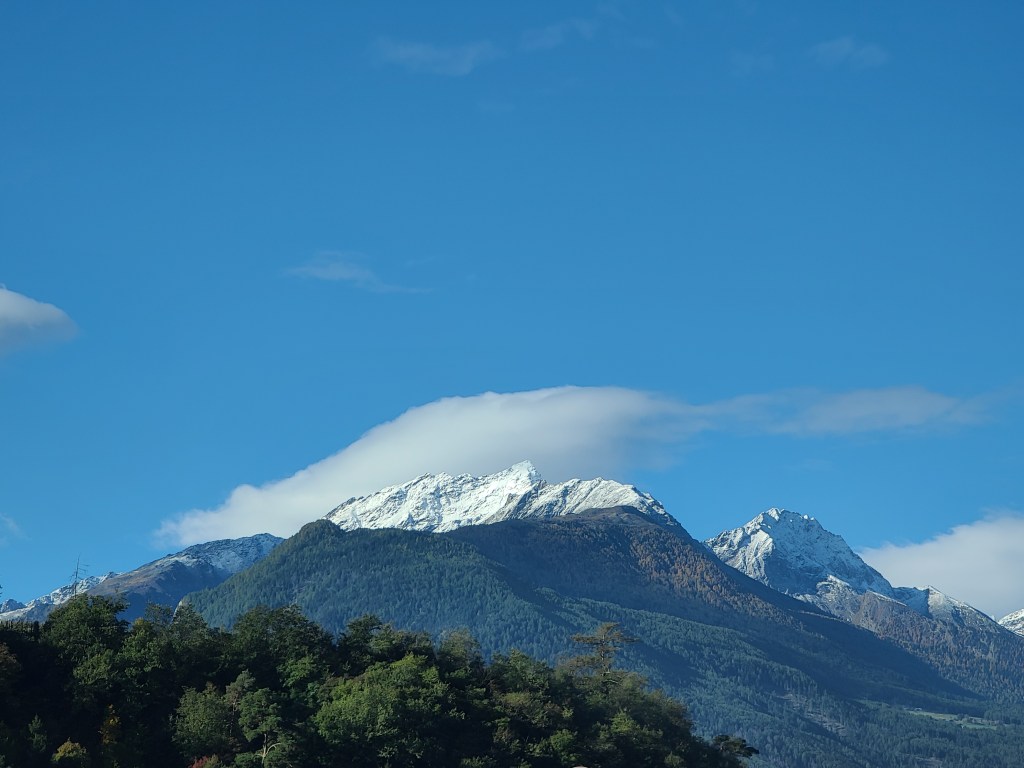
Today was a beautiful sunny day to drive over and around the mountains which are actually the end of the Dolomites. We have been through this area many times over the decades. It’s is the cradle of Switzerland, Italy and Austria and is known for its skiing. On the left side of the road you are in Switzerland, the right side is Italy and in front of you is Austria. Alex and Nick spent a Christmas break with cousins skiing here when they were 14 and 16ish. There was a lot of other teenage cousin carrying on, but I try to forget those stories. Bottom line, they had fun and created life long memories!
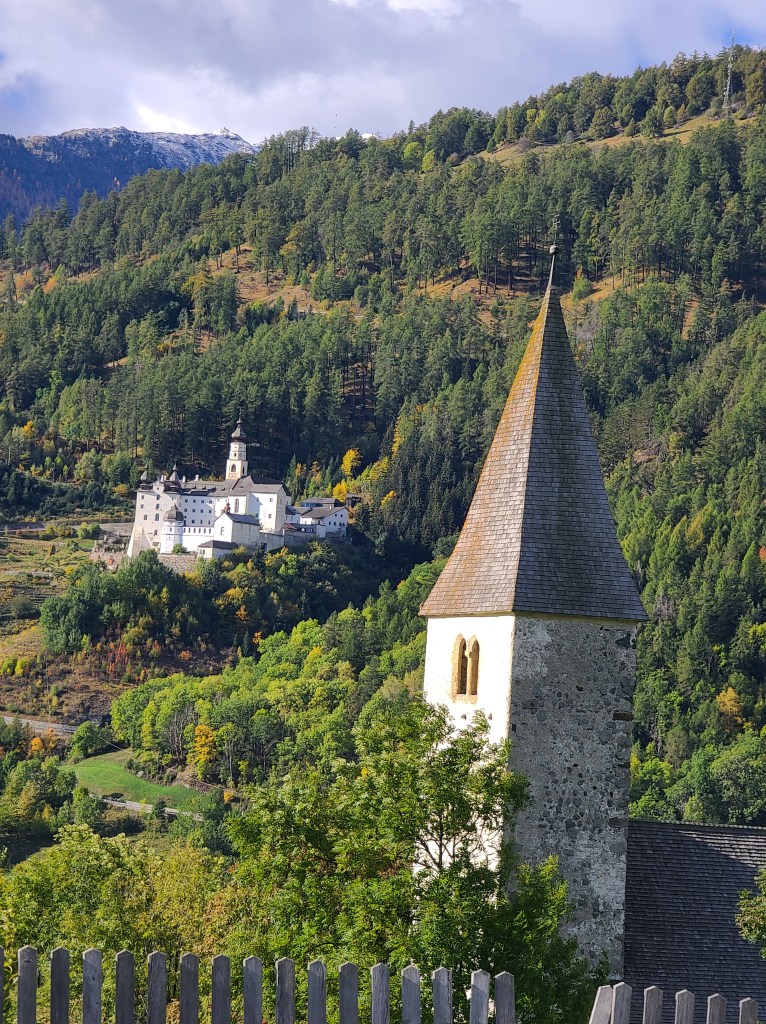
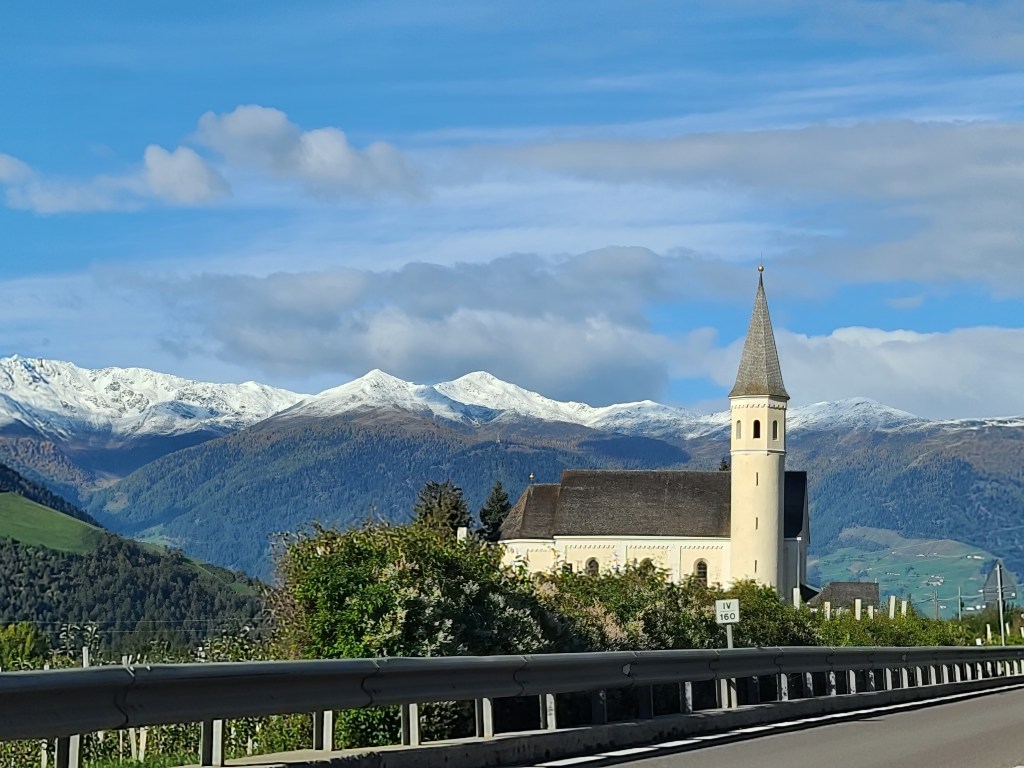
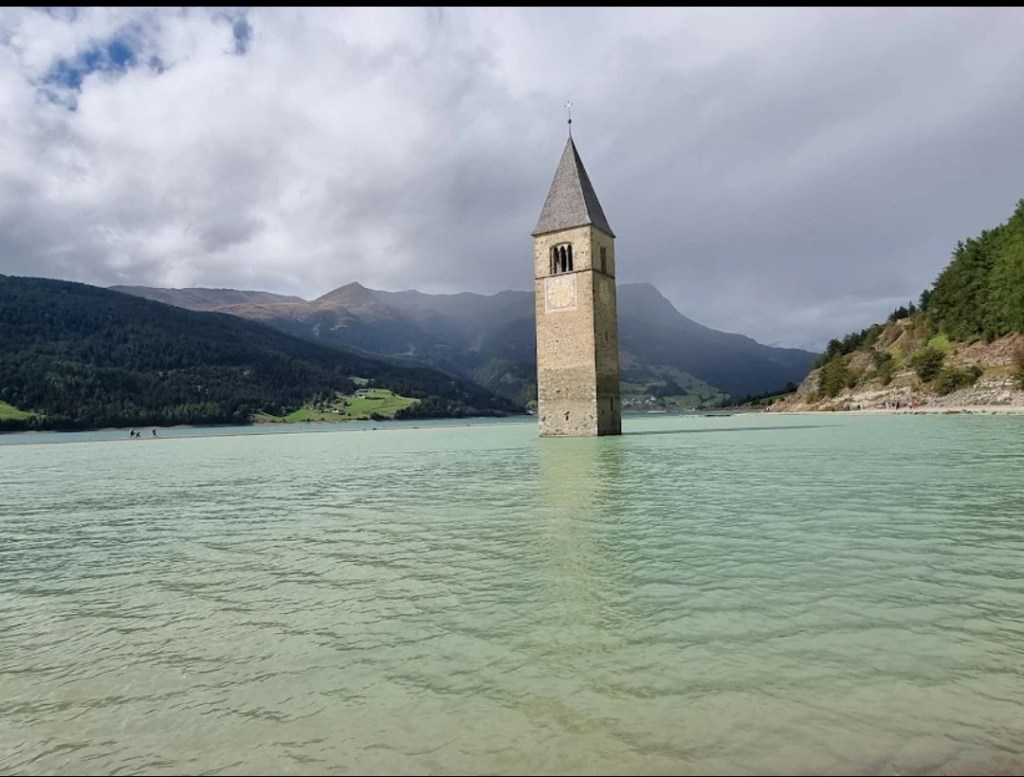
My first time to Lake Rechen was when Michael and I brought Oma (his mom) over and we were heading to south Tyrol. We had a picnic on the grass at the side of the lake. It struck me as odd that there was a lonely church steeple sticking out of the middle of the lake. The history goes that 6 villages were destroyed in 1939 to make way for a reservoir and electricity generation station. Apparently no compensation was ever paid to more than 70% of the people that were forced to evacuate the villages. The war halted construction until it started again in 1948, under Swiss sponsorship.
Since 1973 the Government of South Tyrol has been working on redevelopment of the lake and surrounding area. The old Church Tower is the only structure left. In summertime people sail boats around the lake and in winter skate around the steeple.
There is nothing as humbling as coming around a corner and being “face on” with such majestic mountains. Every wall is a ski slope. I can’t even imagine, screaming down the hill on 2 pieces of resin strapped to my feet, heading straight down to Hell!!
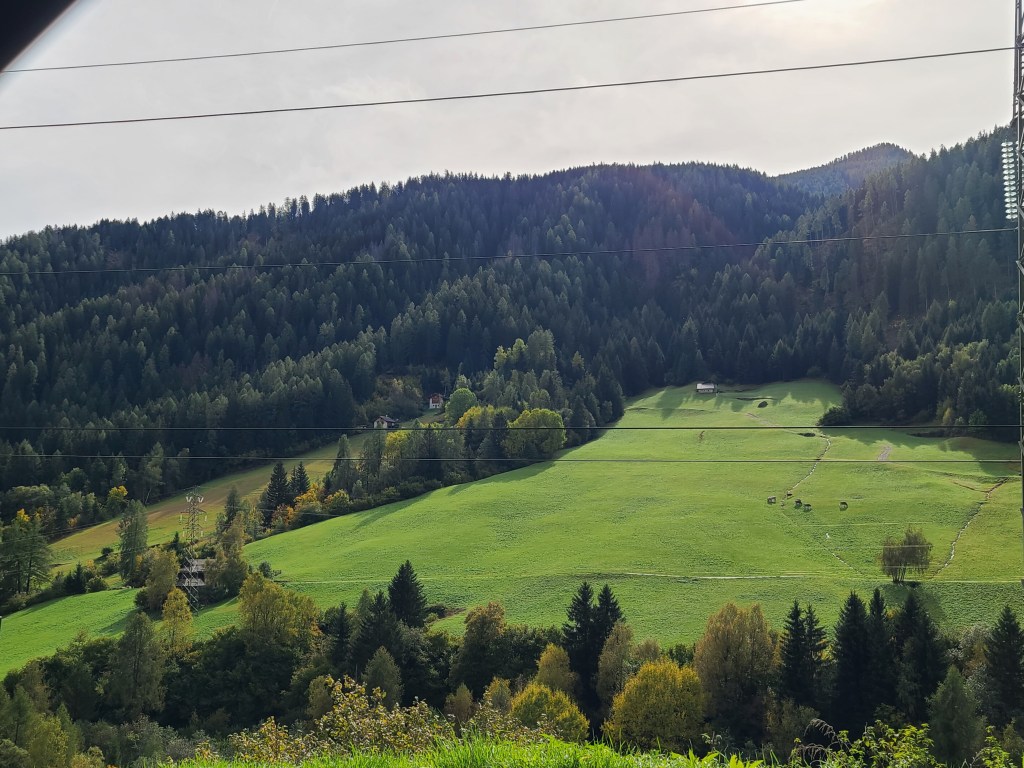
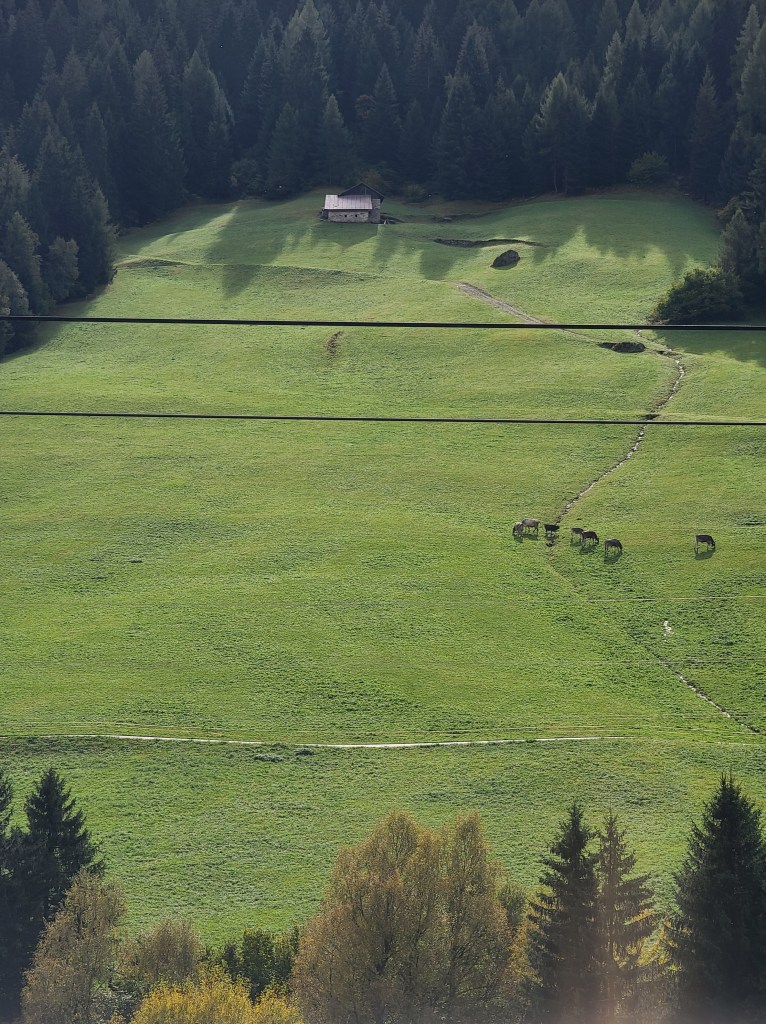
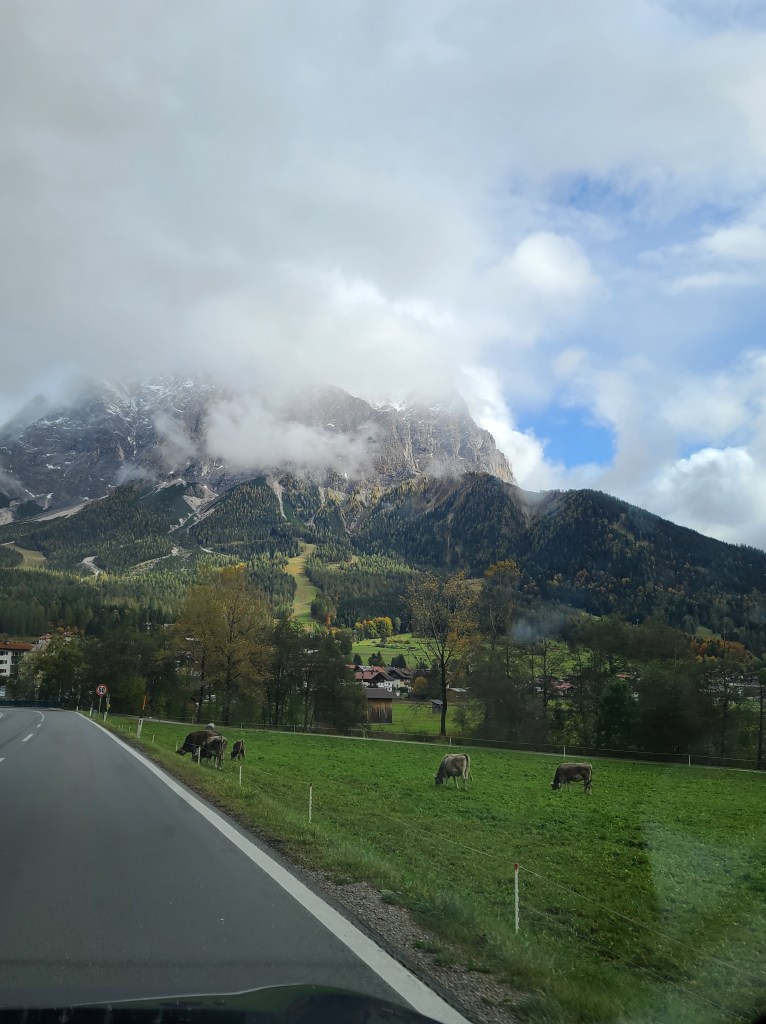
There are little towns and dorfs along the way and we enjoyed the cows with bells ringing through the valleys, the little mountain huts up the field so the sheppards could stay out with their animals and cut and store the summer grass. It is reminiscent of the Swiss story of Heidi.
We enjoyed cake and coffee in Landeck followed by a brisk walk through town checking out the fresh market. Then it was time to head off.
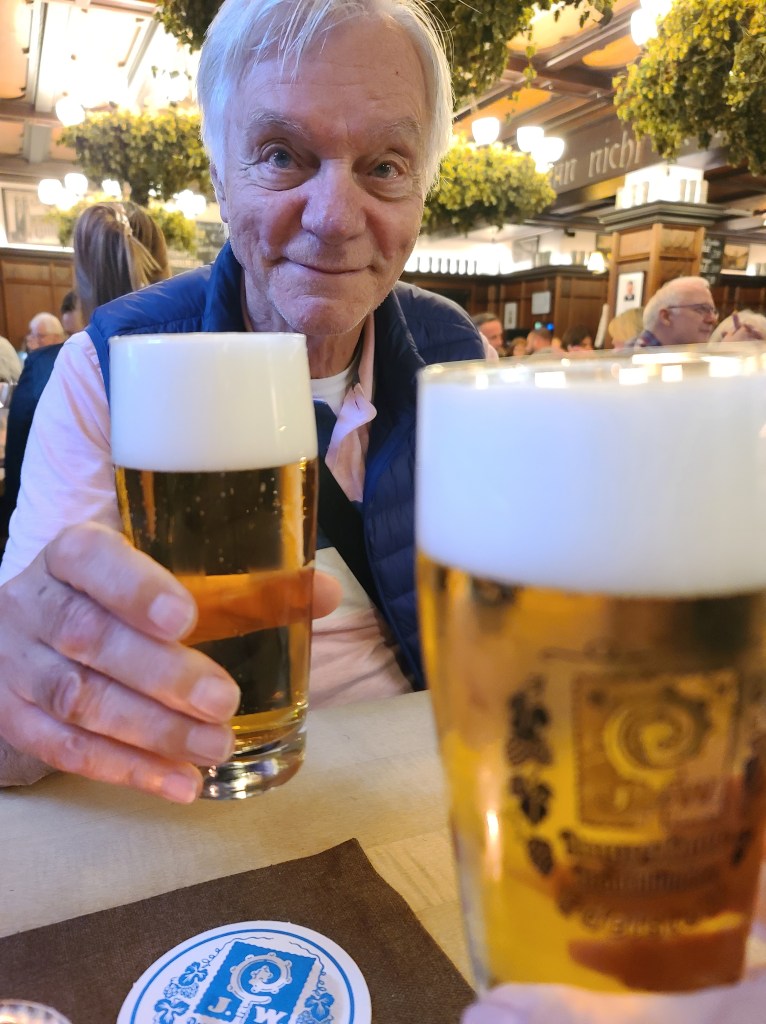
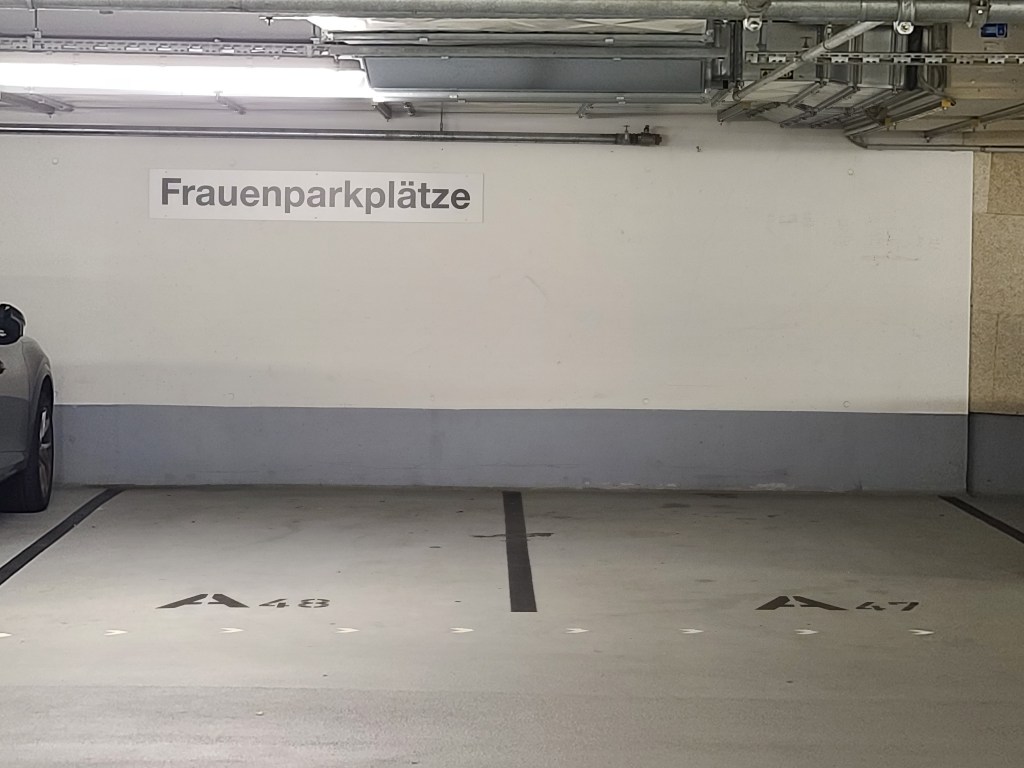
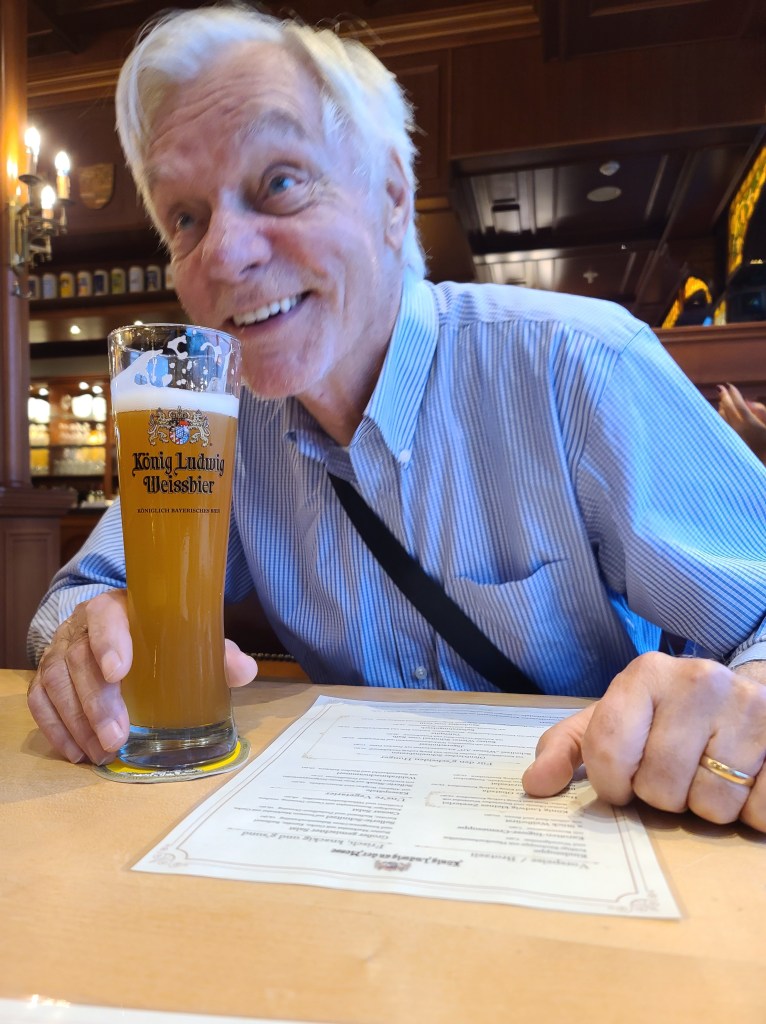
Checking into our hotel in Munich and parking the car in the underground parking for a 2 day rest we struck out on the Ubahn (subway) to the old city. The underground has parking spots marked for women which are close to the doors of the hotel. The underground garages are all well lit, rubber floors for comfort, clasical music playing and window cleaning cleanser and paper towels for your convenience. Our goal was to have dinner at the St. Augustiner Brauhaus. I contacted the brauhaus earlier in the day to make sure there would be room, as it fills up really quickly. Office Manager, Markus Vogl said, come on over. We were not dissapointed. As soon as we told the receptionist that Markus sent us, she gave us a seat immediately. When I say busy, you don’t understand. The building is 2 stories of staff, in derndals and leather pants, (local costume) slinging beer and food to hundreds of patrons, all with impeccable skill equivalent to ballet dancers. The staff over here are paid very well and are not expected to live off tips. Michael says they probably make about €20 or $35.00 per hour and are quite happy to serve you. They do not stand around on their phones, chewing gum. A service charge is added to the bill and tips are not needed. There is an elevator and moves jugs of beer from the stube on the 1st floor to the stube on the 2nd floor. Nobody is expected to haul the weight of the beer. Let the elevators do it.
Augustiner, Schneiders and Paulaner brauhaus restaurants survive very well within the same area. They are all full constantly. Imagine, way back in history, breweries were started by monks to make money for their survival.
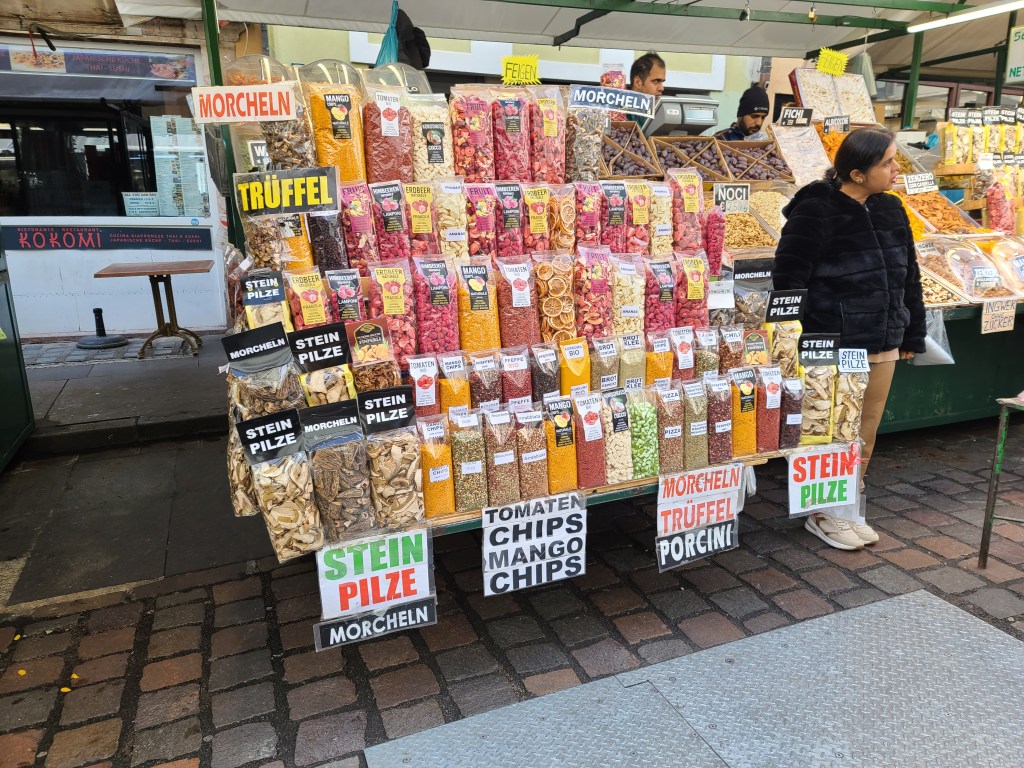
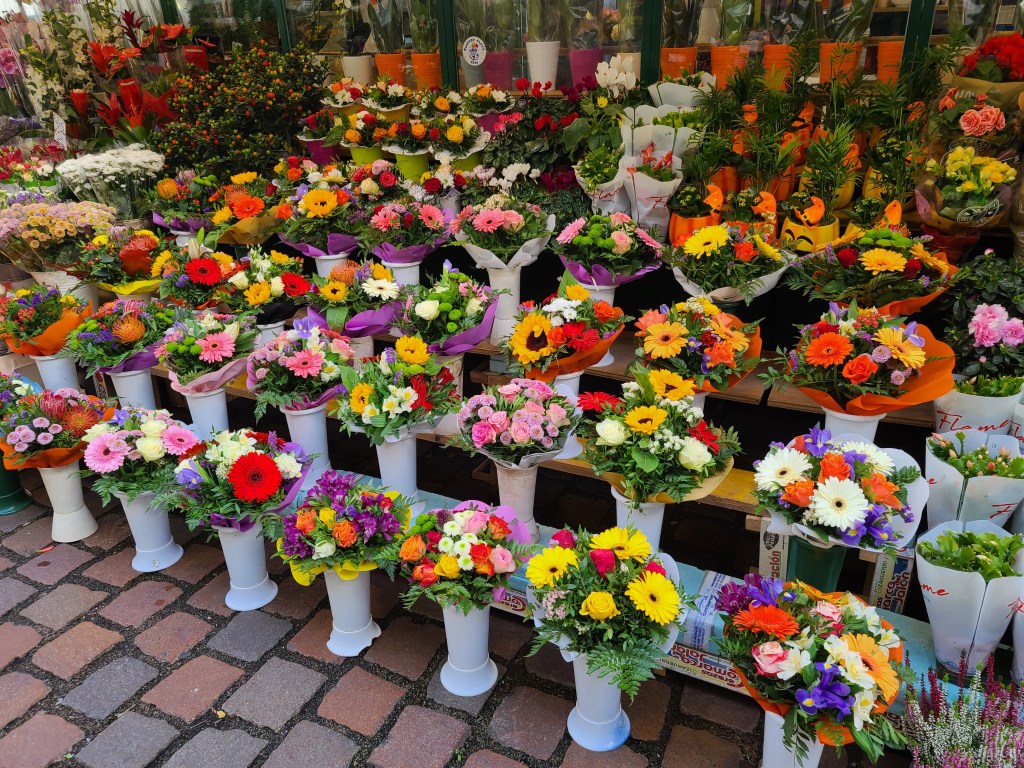
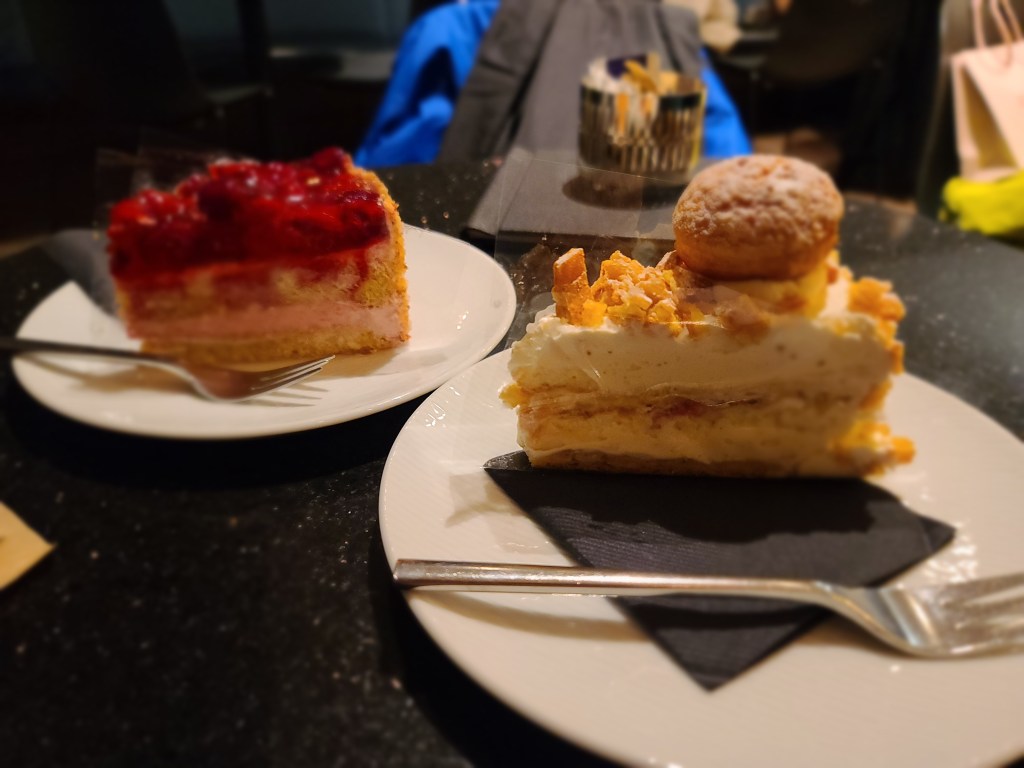
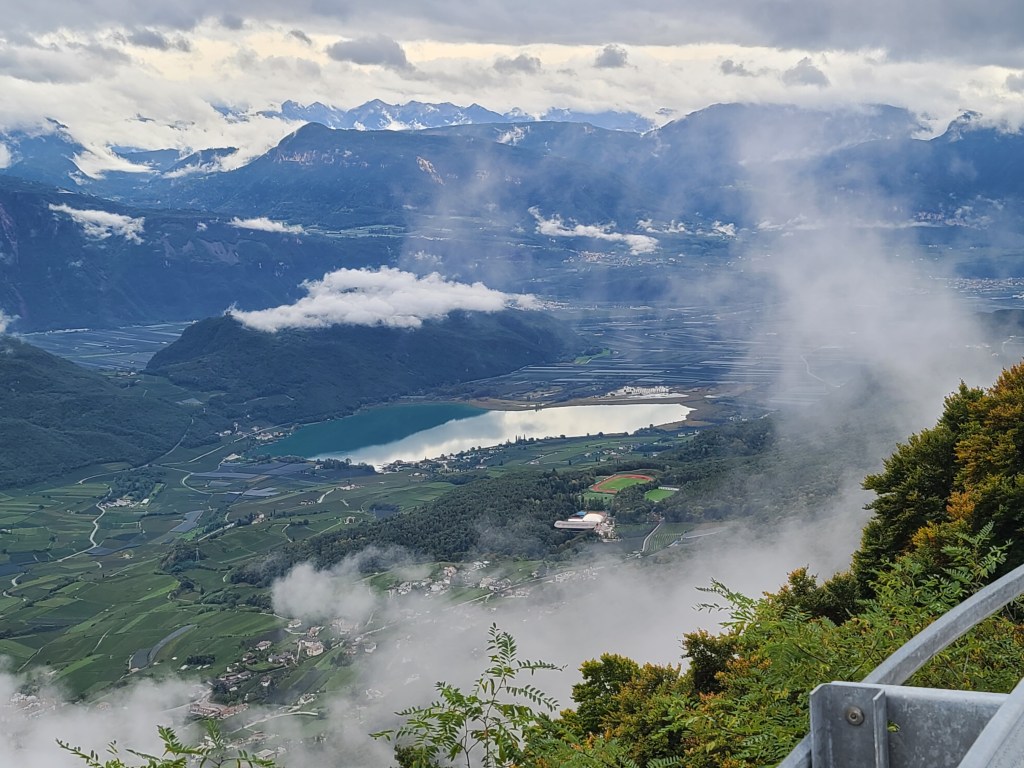
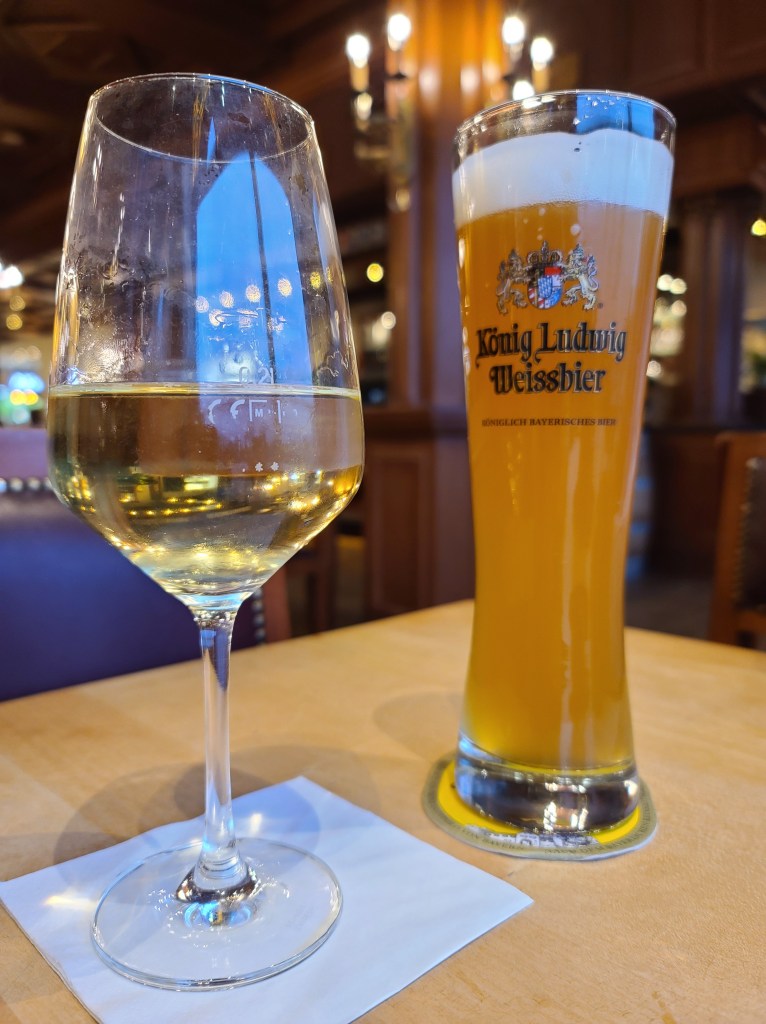
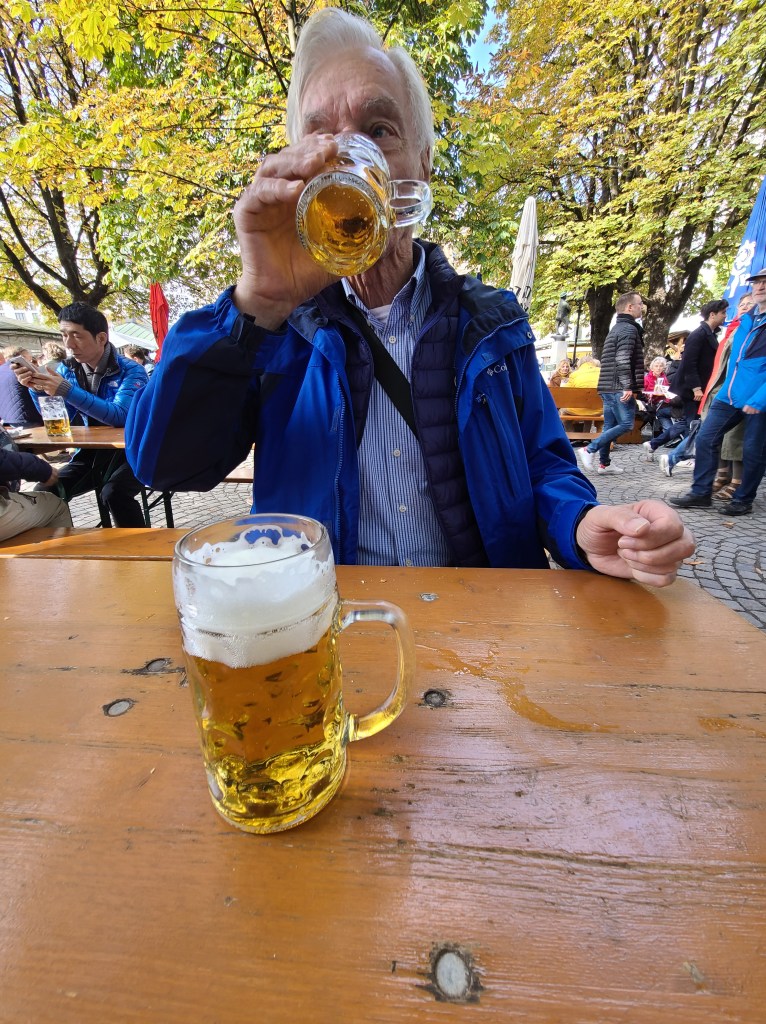
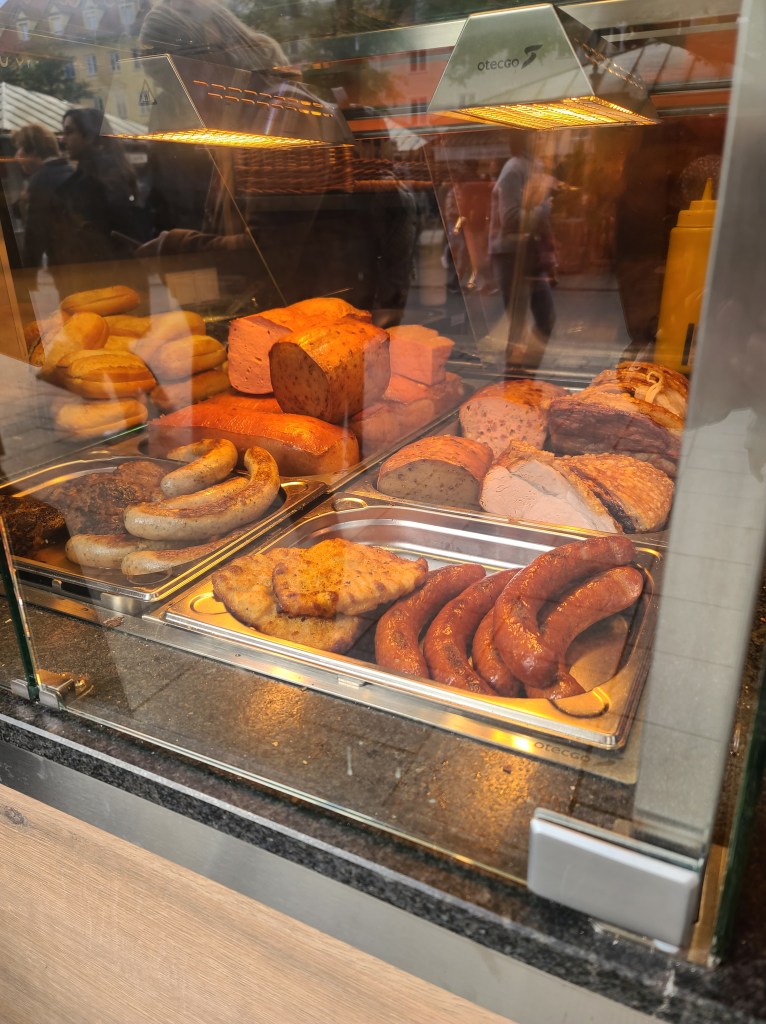
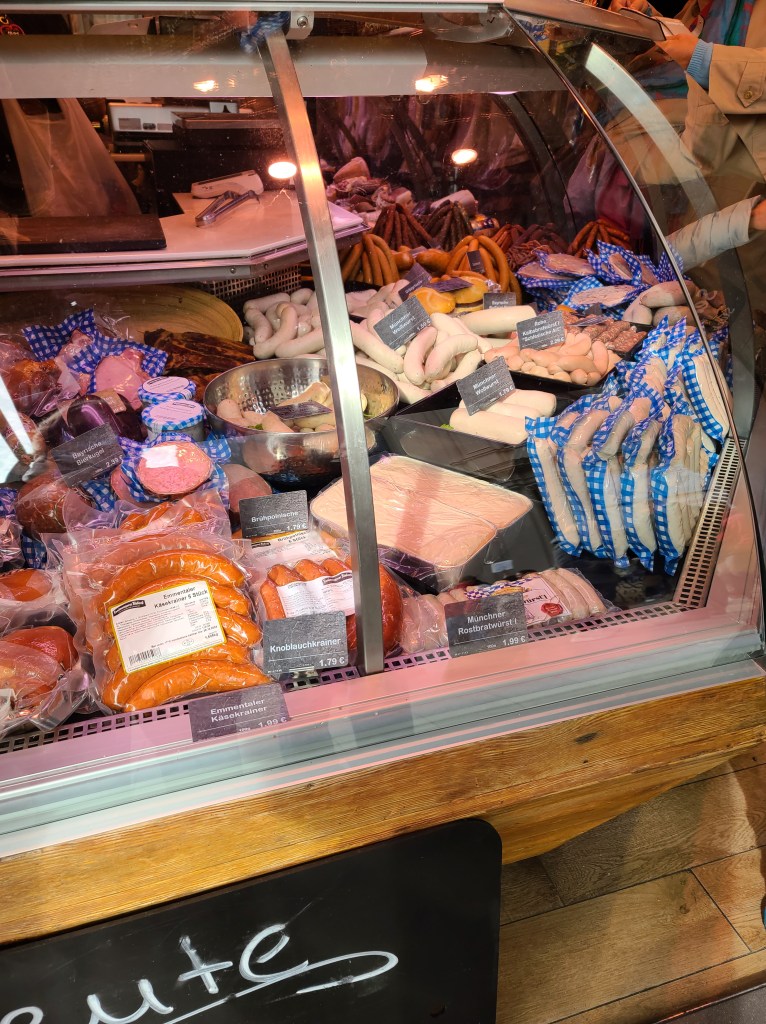
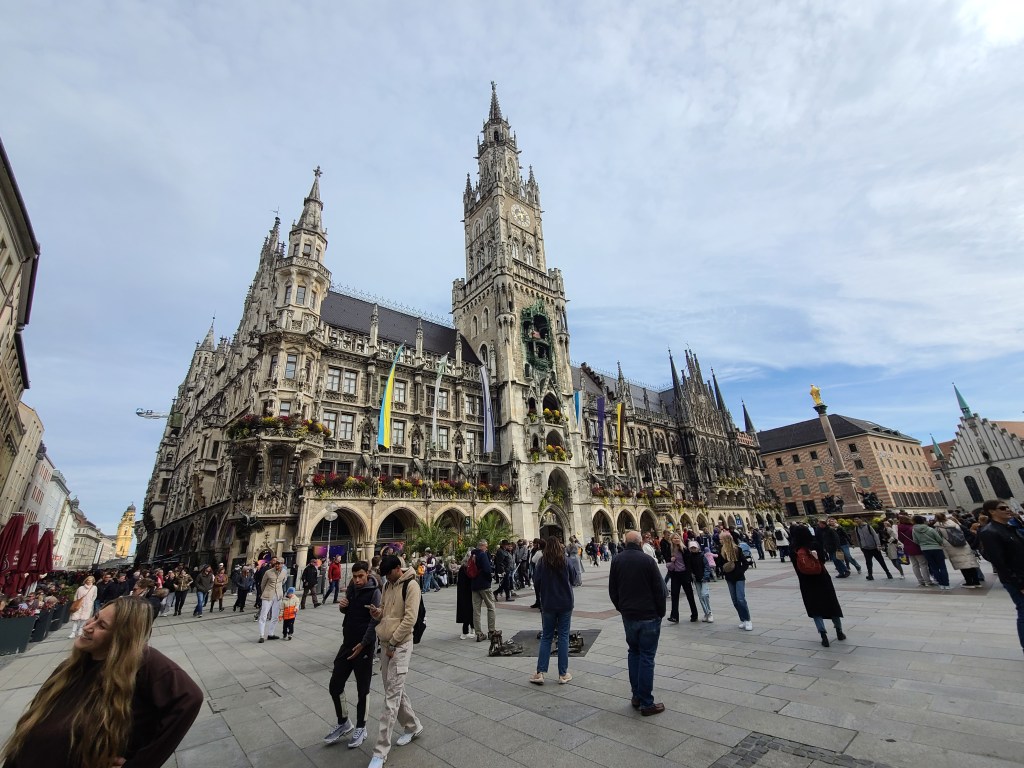
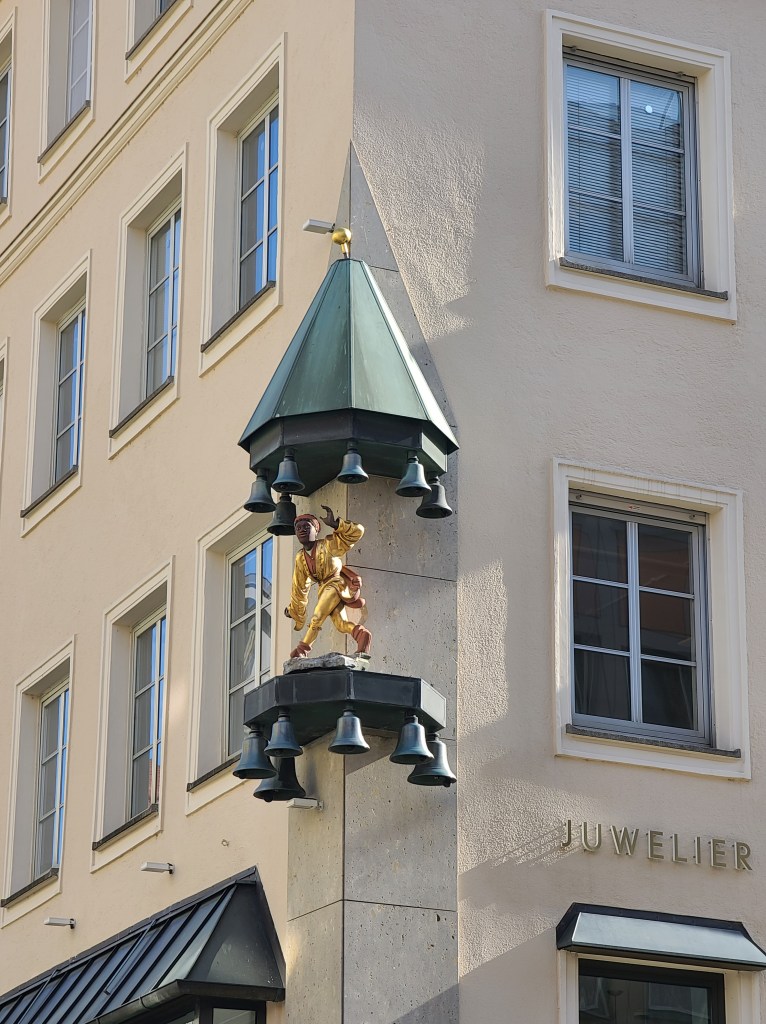
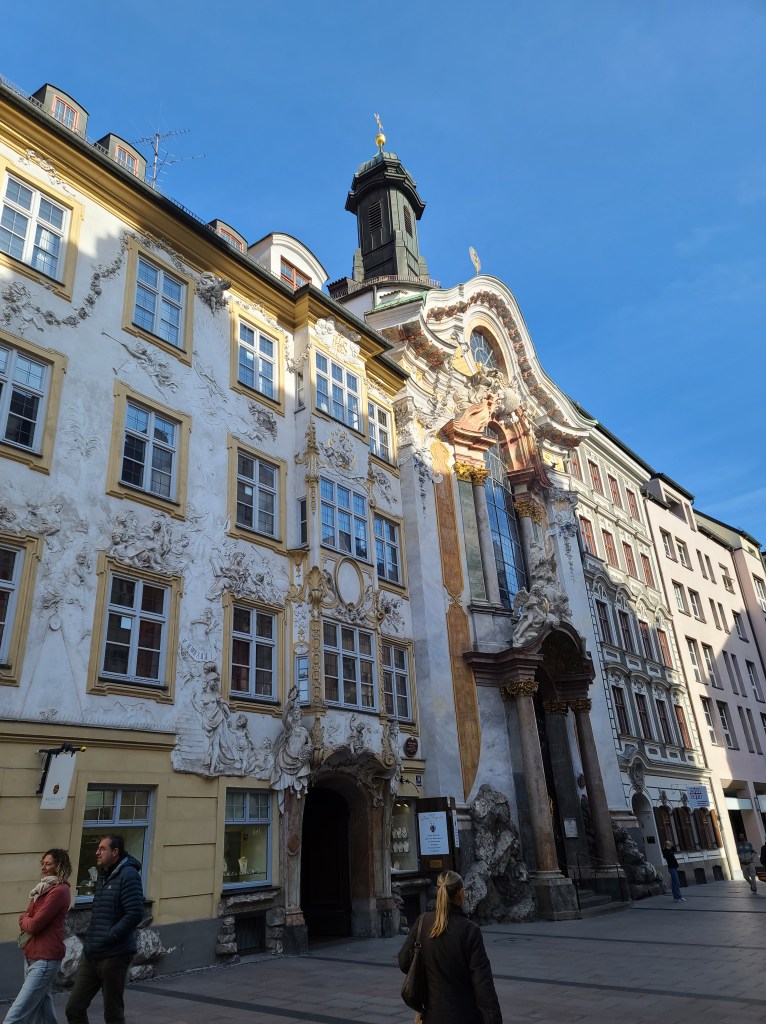
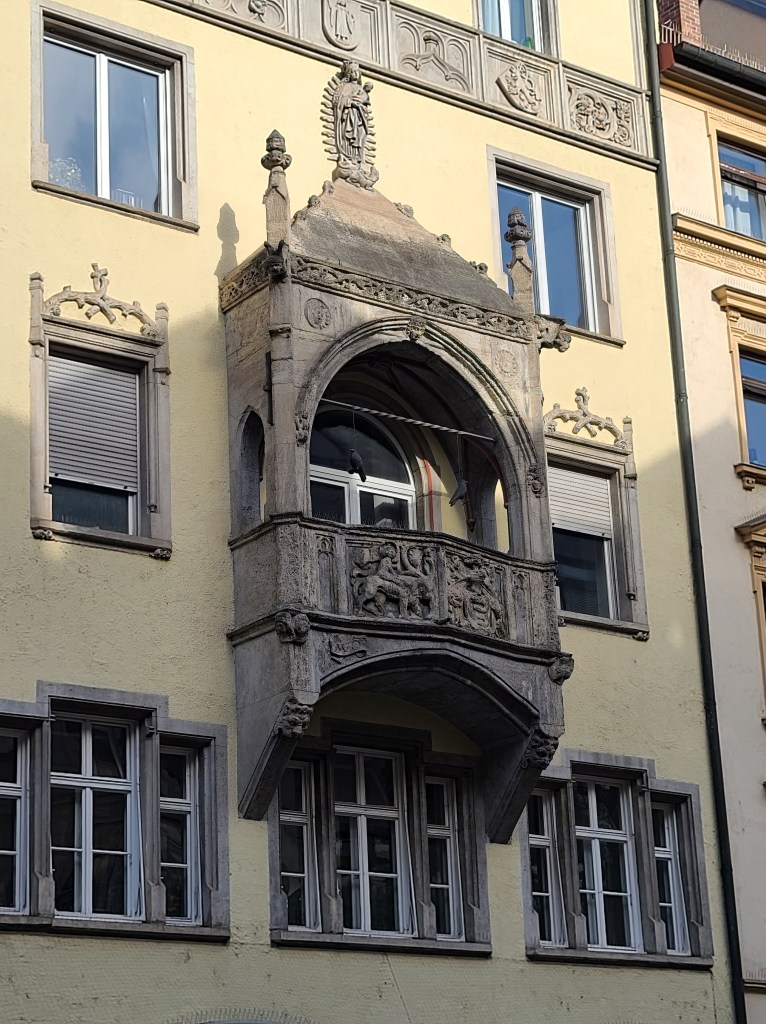
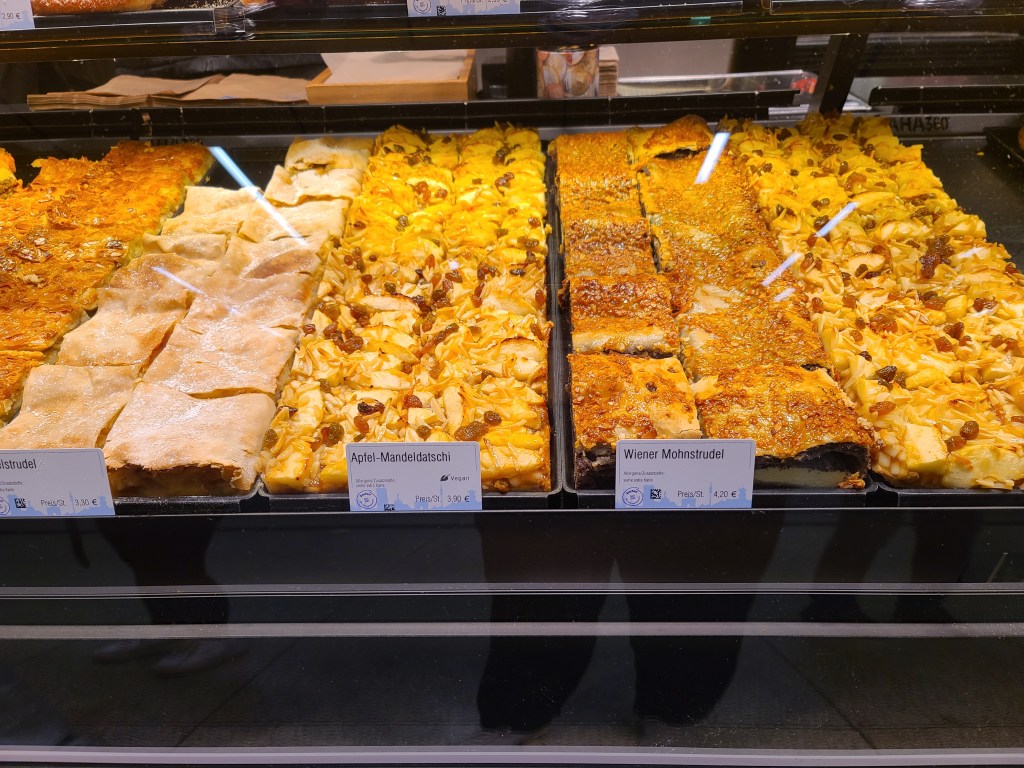
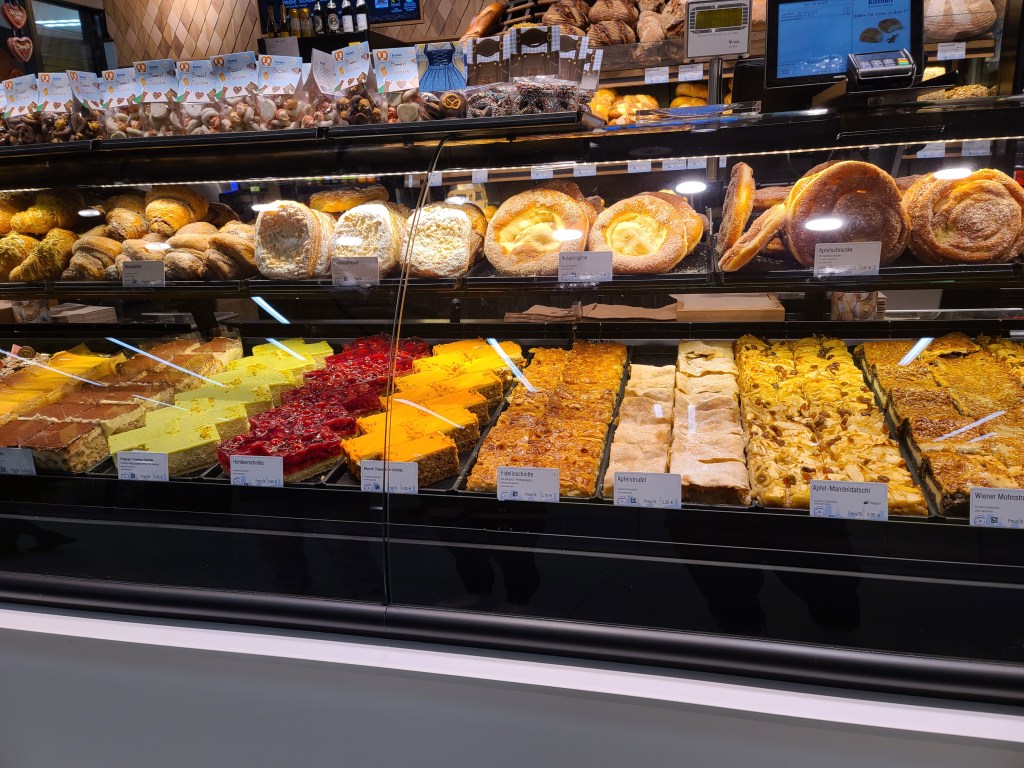
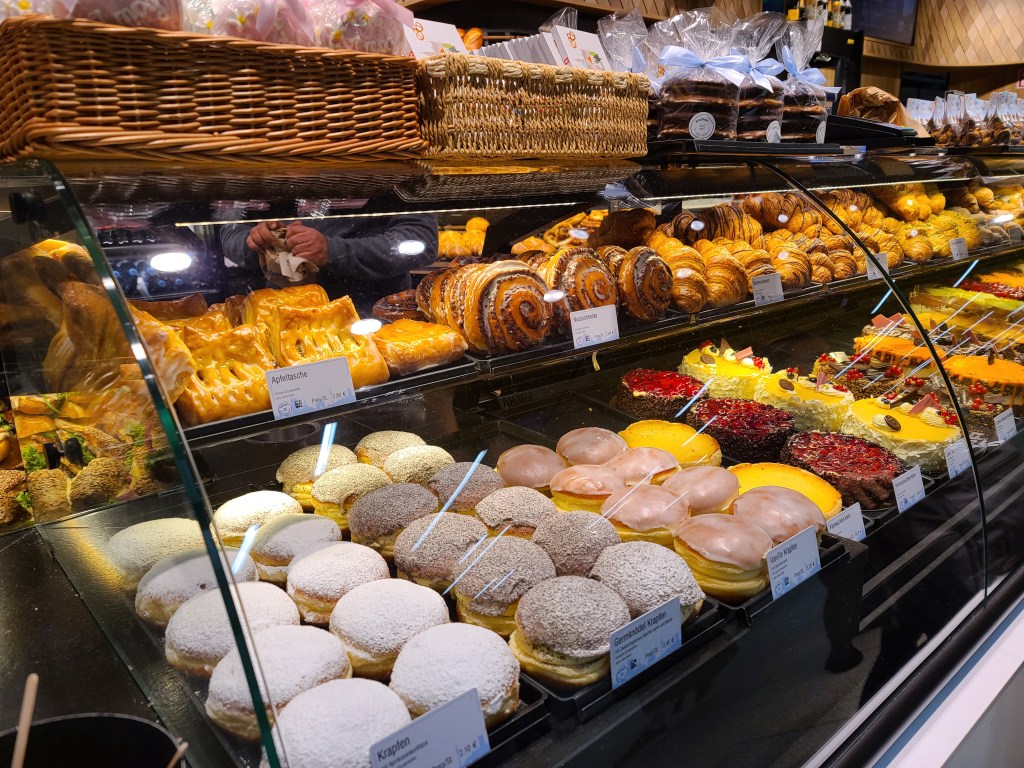
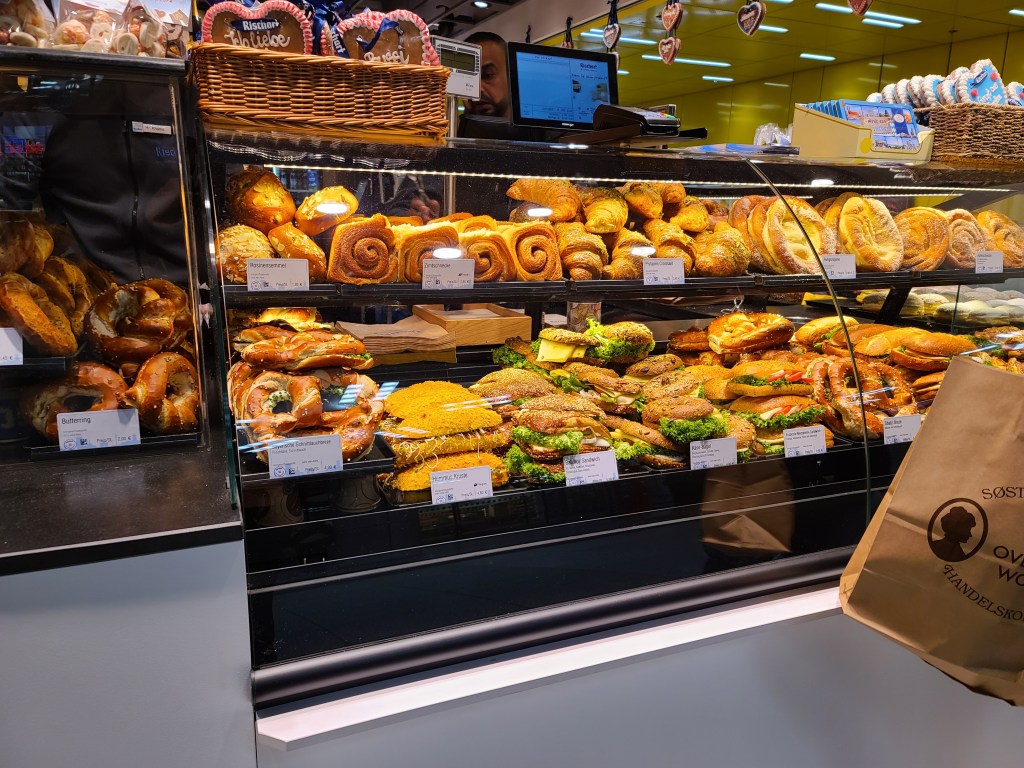
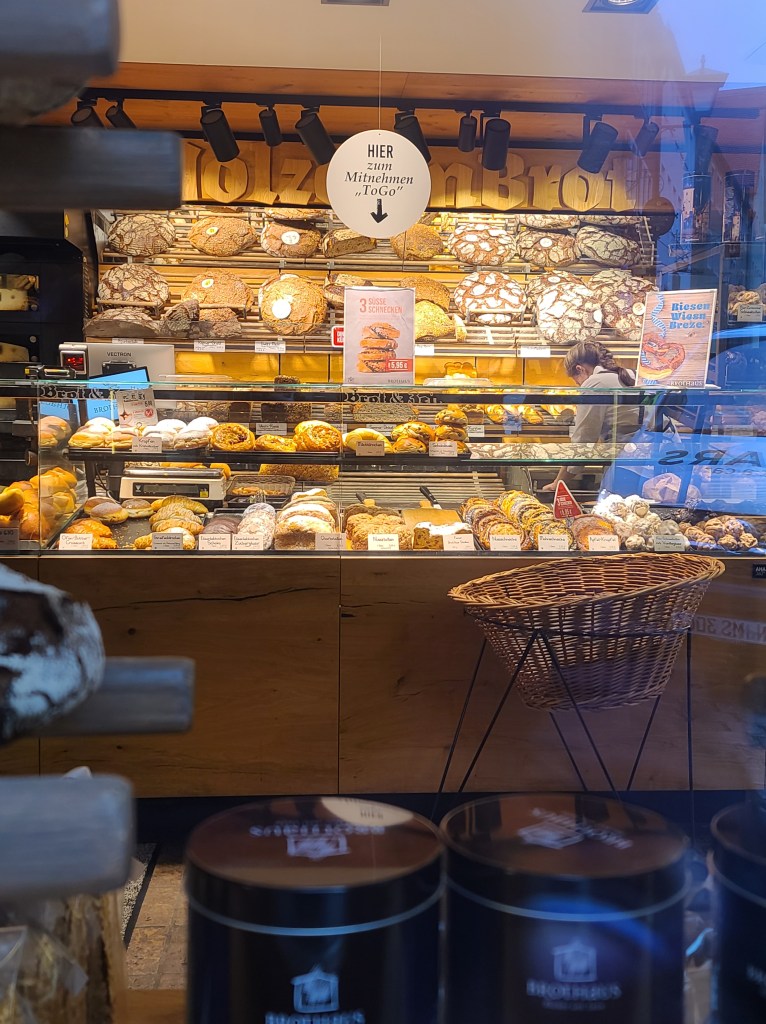
Today, Saturday we headed back into the old city. It was a wonderfully warm bright day. Perfect for an arm in arm stroll, deaking in and out of shops, smelling, tasting, buying. Look at the last 4 pictures to see the absolutely awesome fresh food for sale at the sandwich/cake displays in the subway underground. They look straight out of a restaurant!! By 12:30 we were having beer in the market square. And, why not? We’re not driving. Tonight, we’ll head back in for another german dinner.
The markets are full of fresh vegetables, bread, meats and cakes. OMG, it is so motivating to get into the kitchen to experiment!
Tomorrow, Sunday, all stores are closed by law. Except restaurants and cafes. Also, on Sunday, no large trucks are allowed on the roads. All roads are reserved for citizens. Sunday is always meant for drives in the country, food, cake and coffee and a relaxed outing. That is our goal tomorrow as we head to Kunselsau Germany.
October 13 Munich to Kunselsau
As it’s Sunday and nothing’s open, we took advantage and did the 3 hour drive to our next destination.
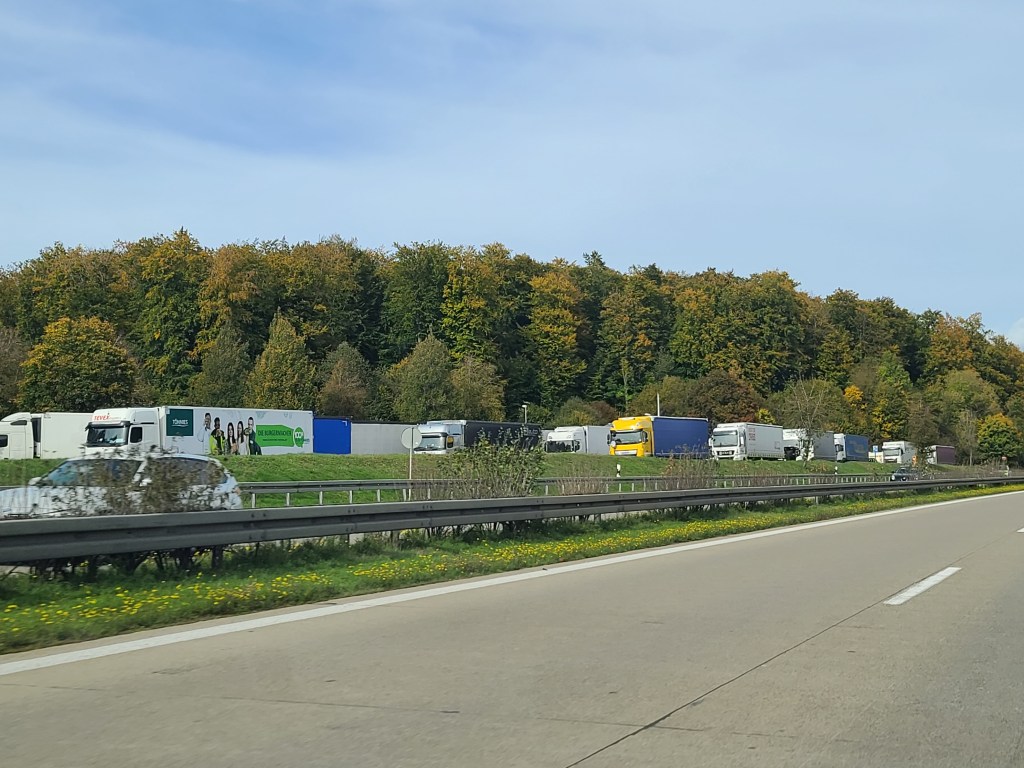
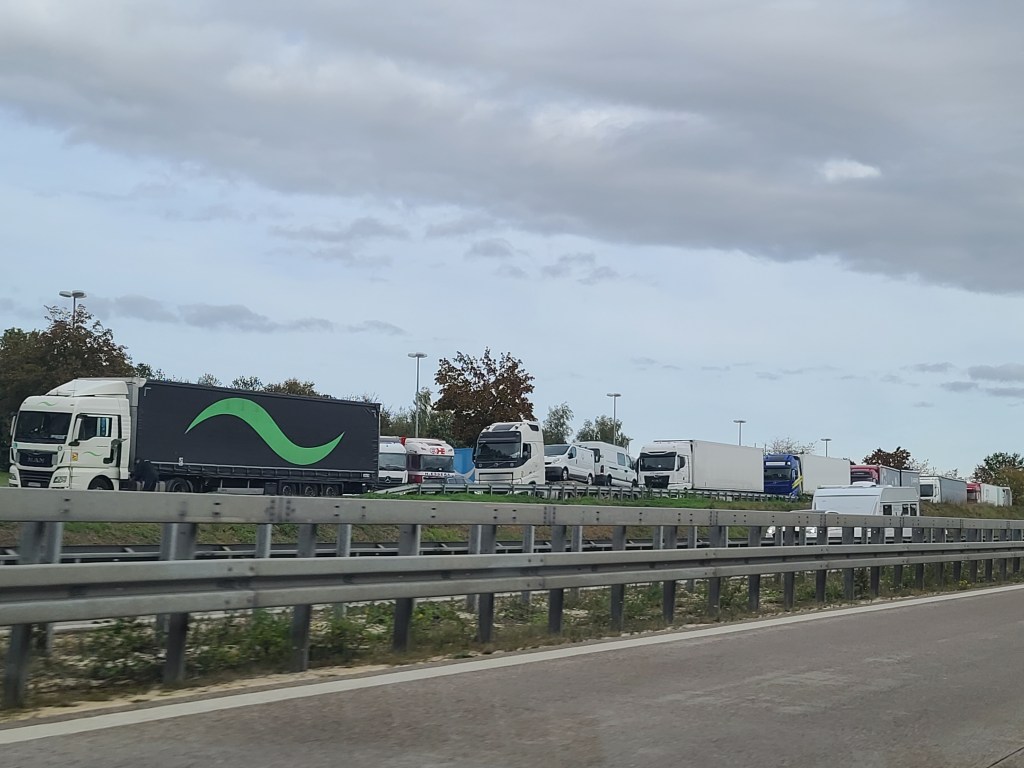
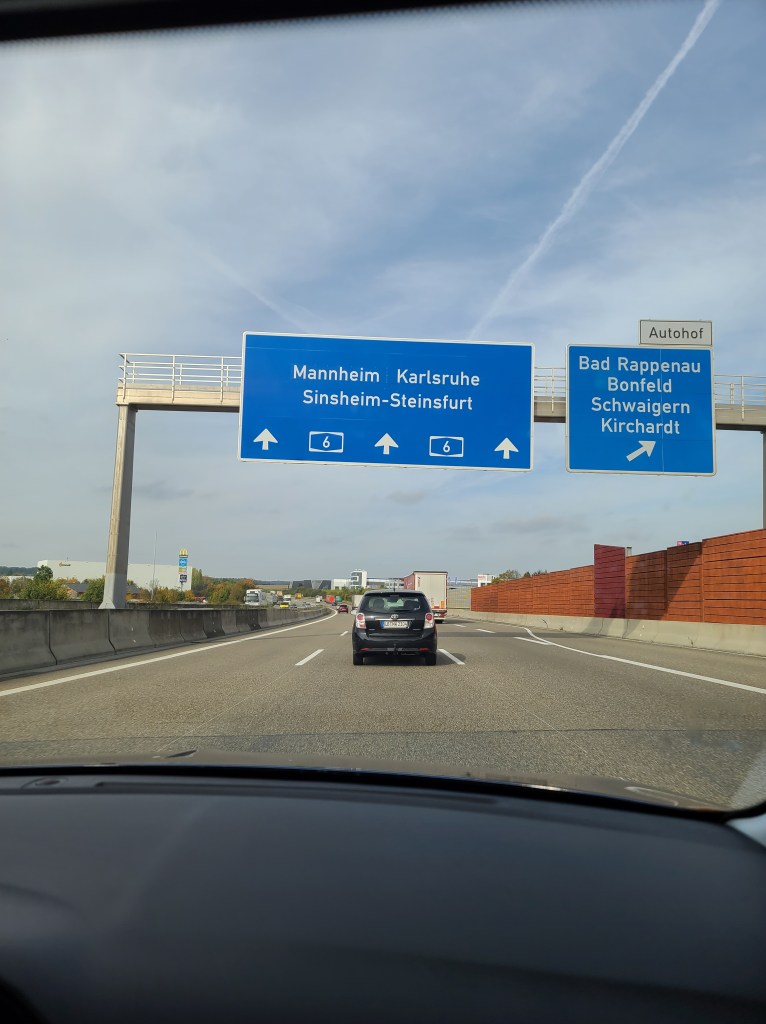
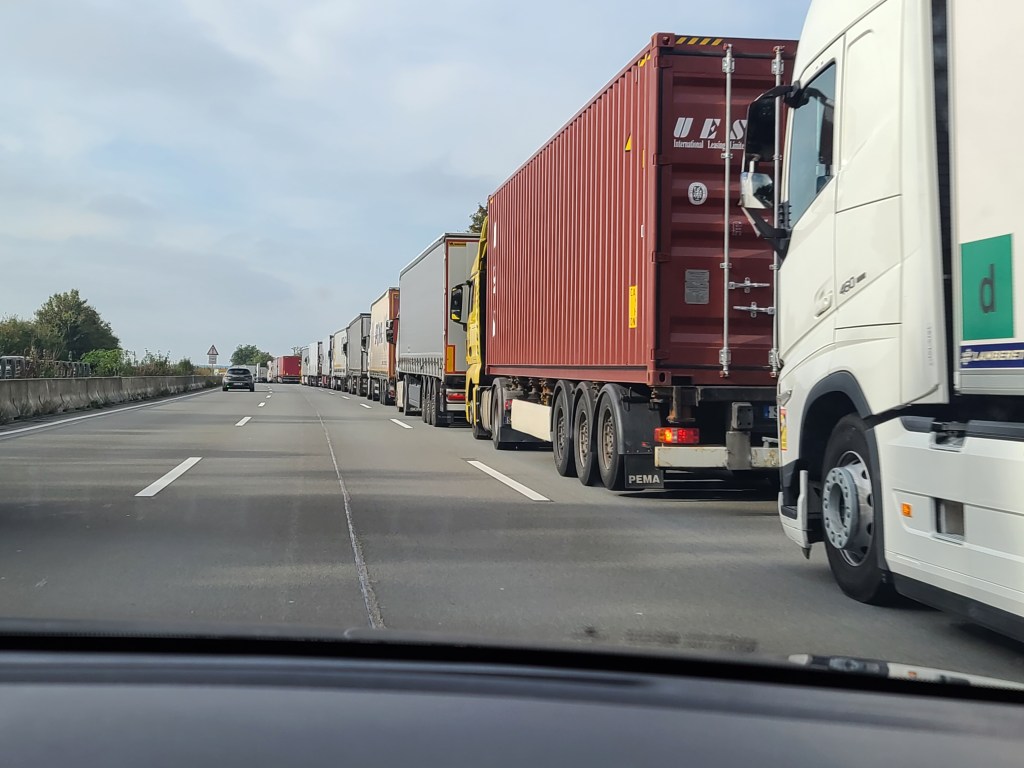
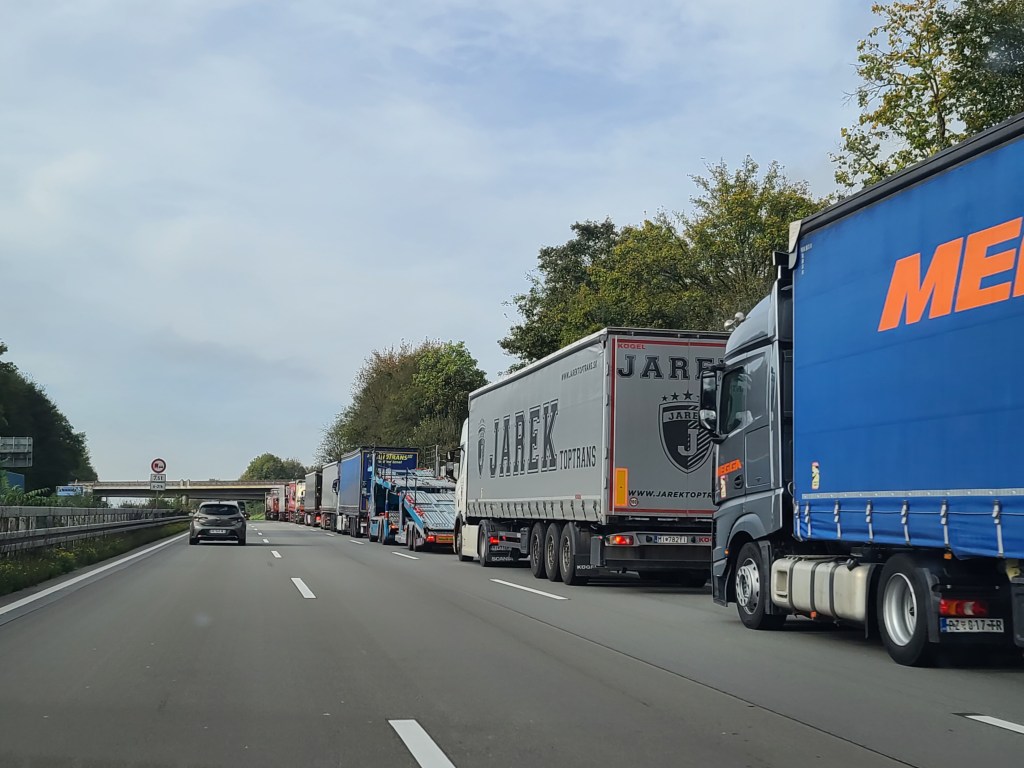
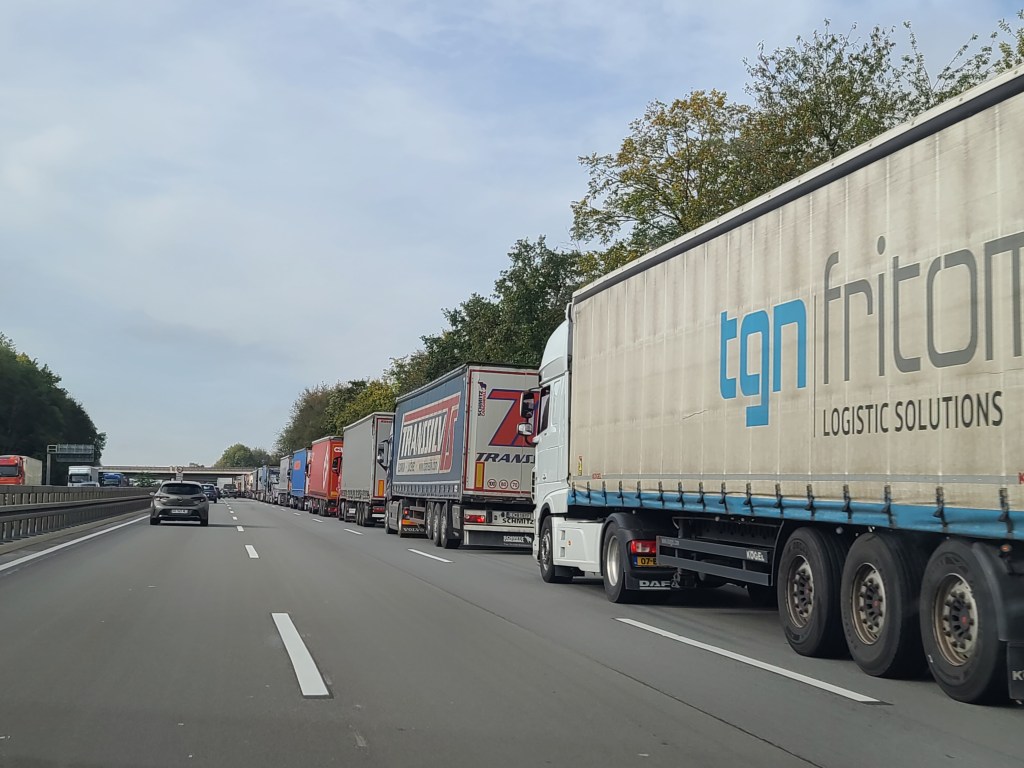
Enjoyed the highway. How often can anyone say that? But the driving rules are so clear here and they are followed, to the letter! For example, all trucks are parked in parking stations from Sat midnight until Sunday night at 22:00.
Some rules: nobody hogs the passing lane, EVER! Pass when you need then get to heck over to the right. You cannot stay to the left, without consequences.
Cars merging onto the highway do not race to cut off the next car. They do not have the right of way. They merge properly without affecting the speed.
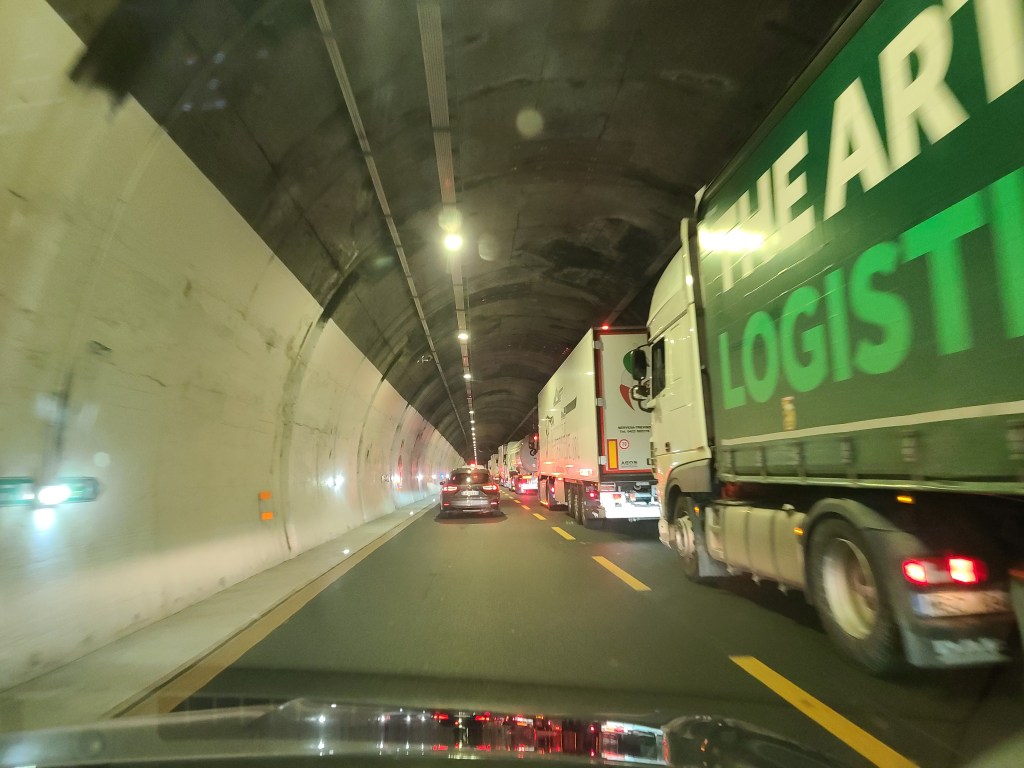
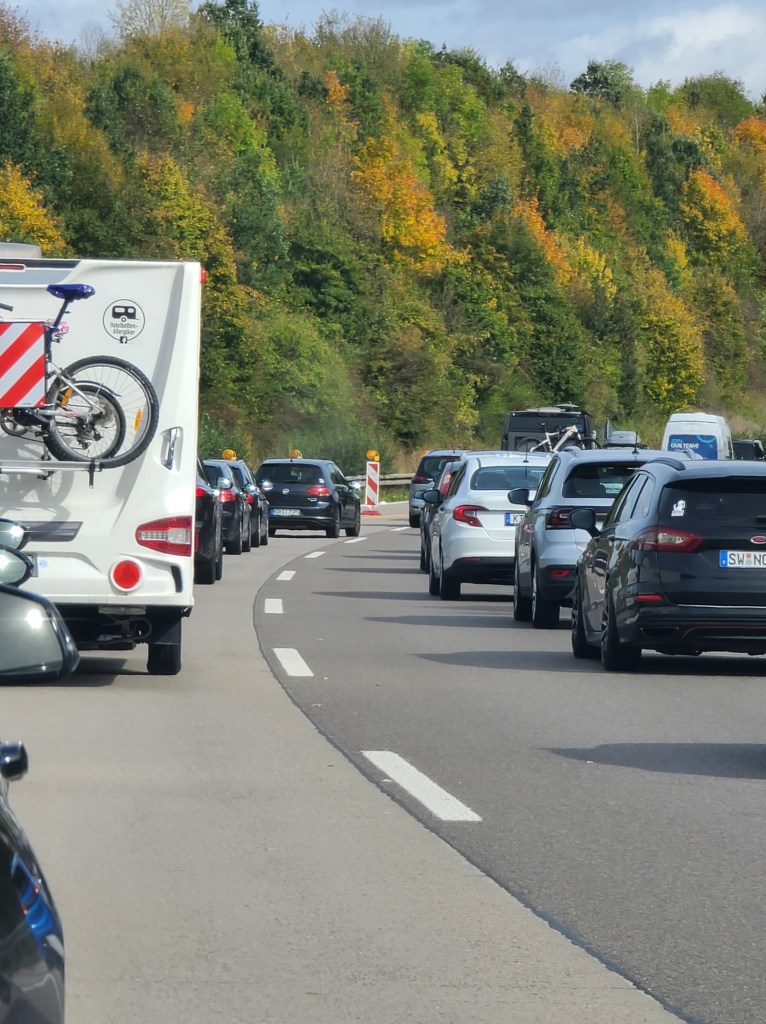
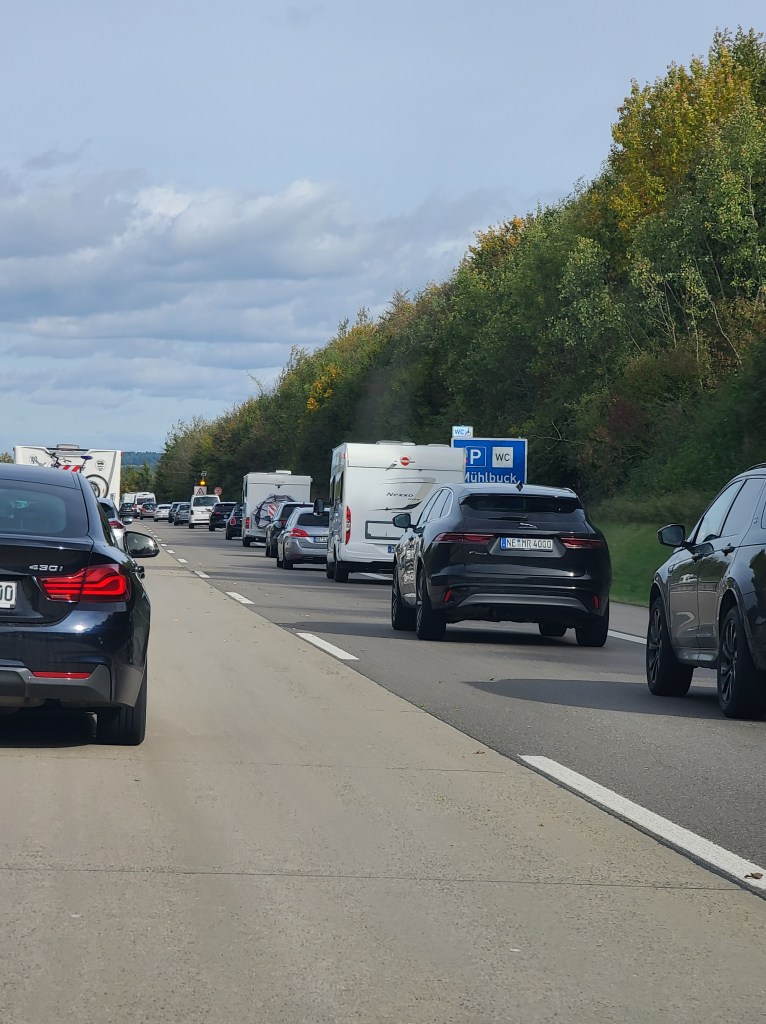
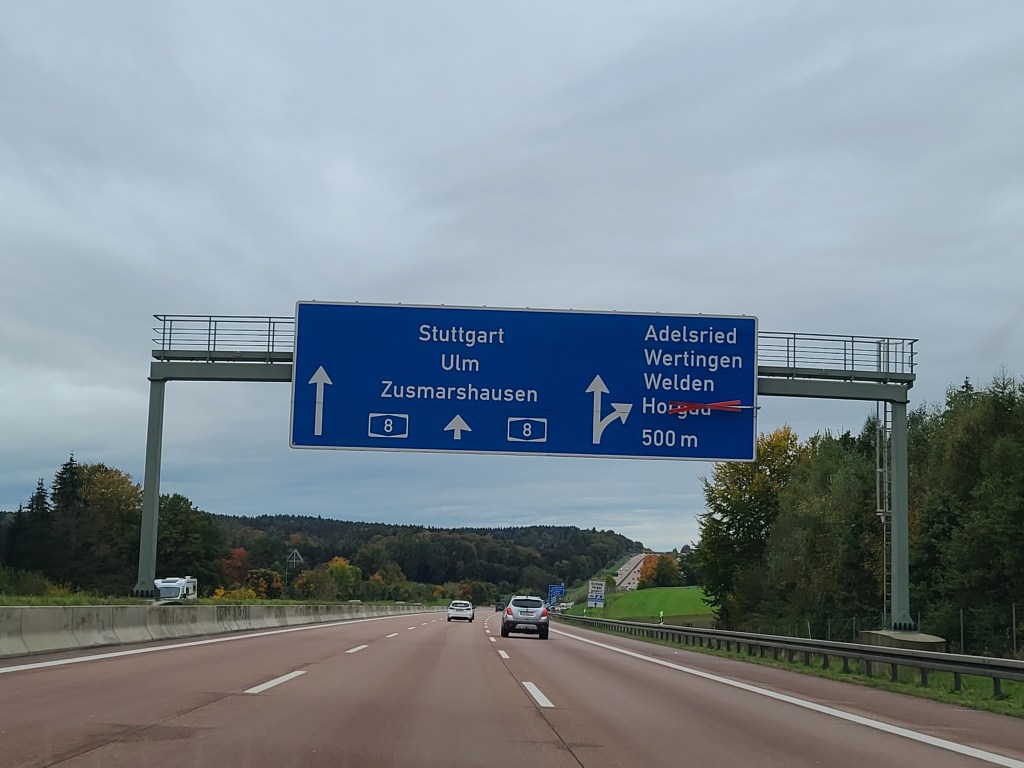
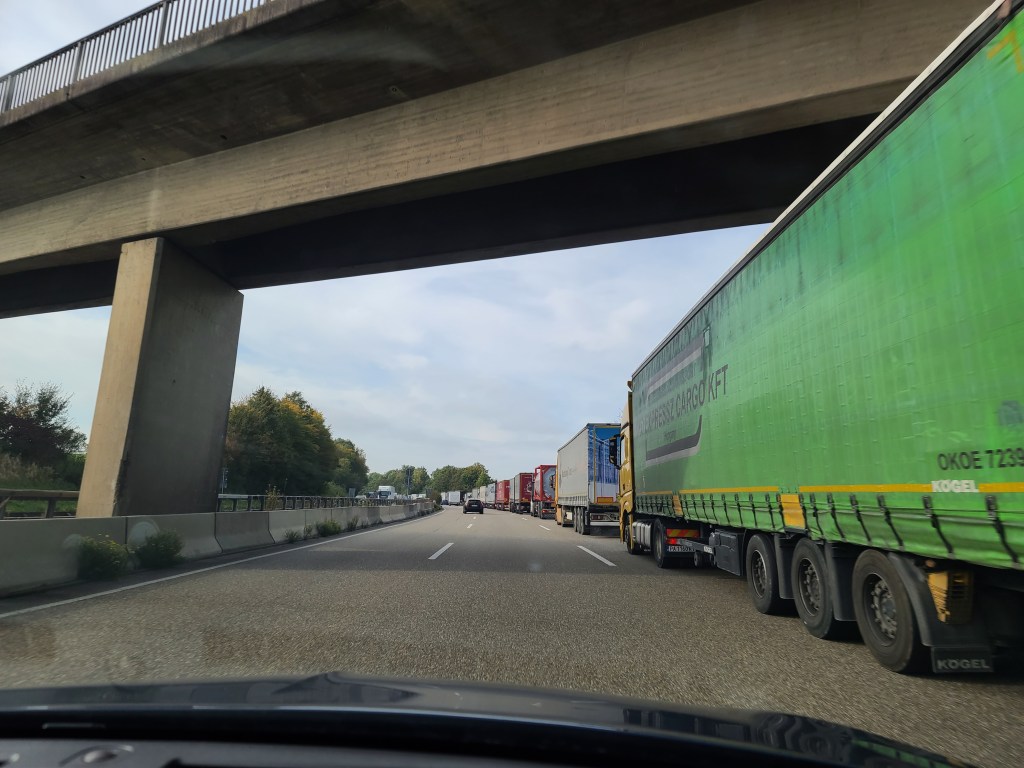
And most impressively, when traffic is slowed, due perhaps to, roadwork or construction, the cars vere over to their shoulders, be they the left lane shoulder or the right lane shoulder. The reason being, the centre stays a clear lane for emergency vehicles. Picture below to show.
Lastly, when construction zone is over and multiple lanes are back in play, everybody “feathers” in. No racing, cutting off, trying to “up” the guy behind or beside you. It is organized, keeps moving, and not a frustrating experience.
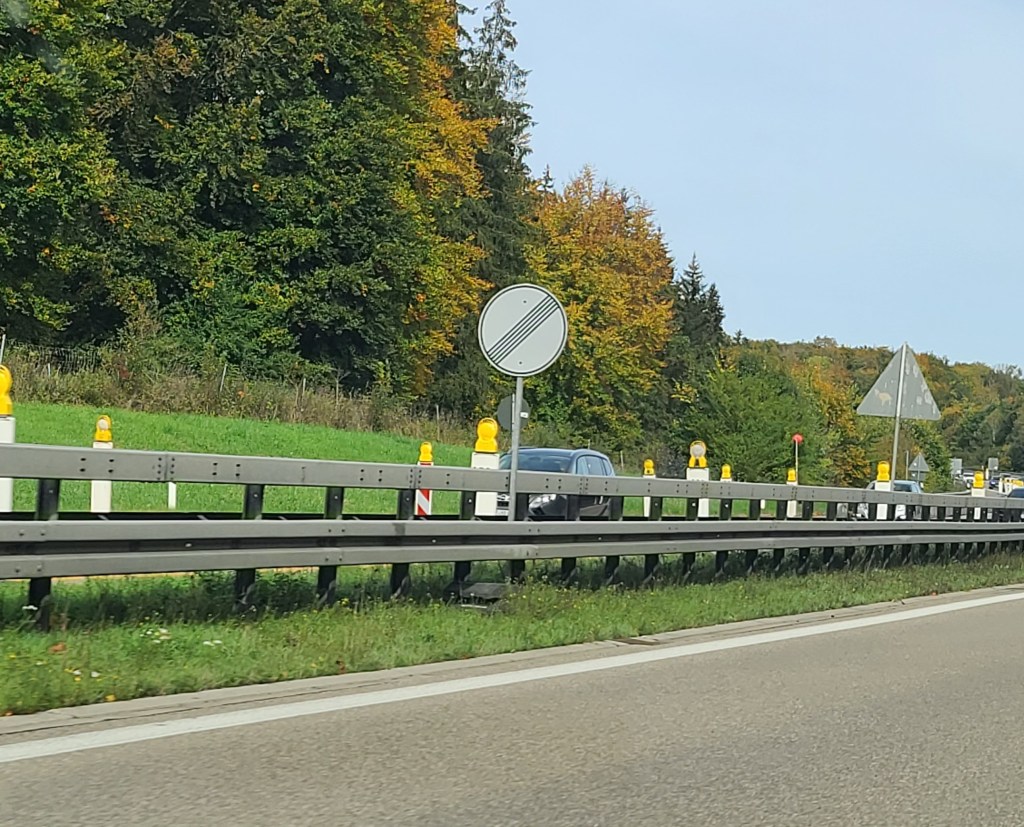
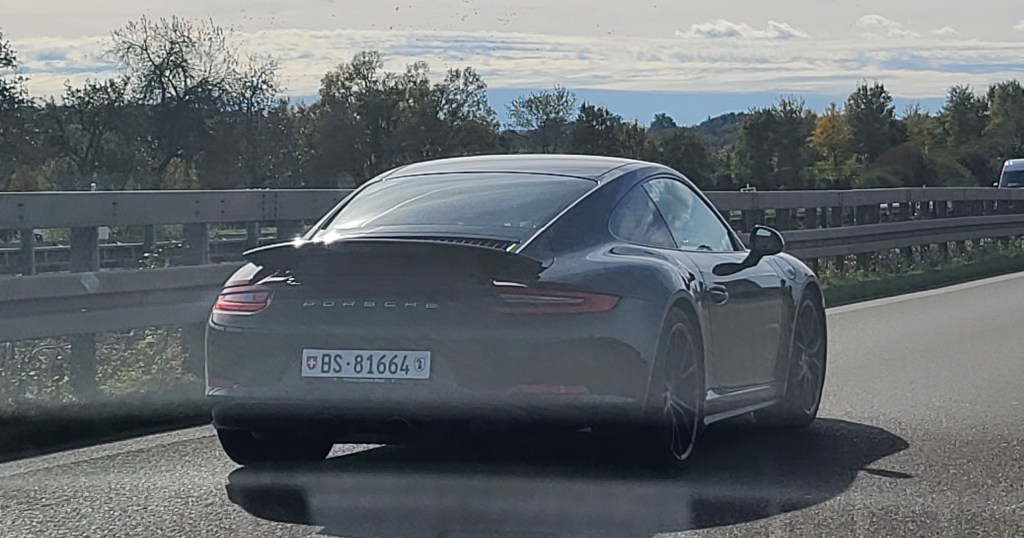
As to the speed, there are large lengths of the highway with NO speed limit! Indicated by a circle with a slash through it. Pull your “big boy” pants up and if you dare, floor the gas pedal. But, know, if you pull into the left passing lane, you better be big enough to handle the guy coming up your backside that does not tolerate a brake light!! He will not pass on your right but he will ride your bumper until you get to hell out of his way. Speed is whatever you want or your car can do. Porsche, Benz, BMW, Audis. Look out, they’re on you before you know it.
There is no passing on the right side, EVER!
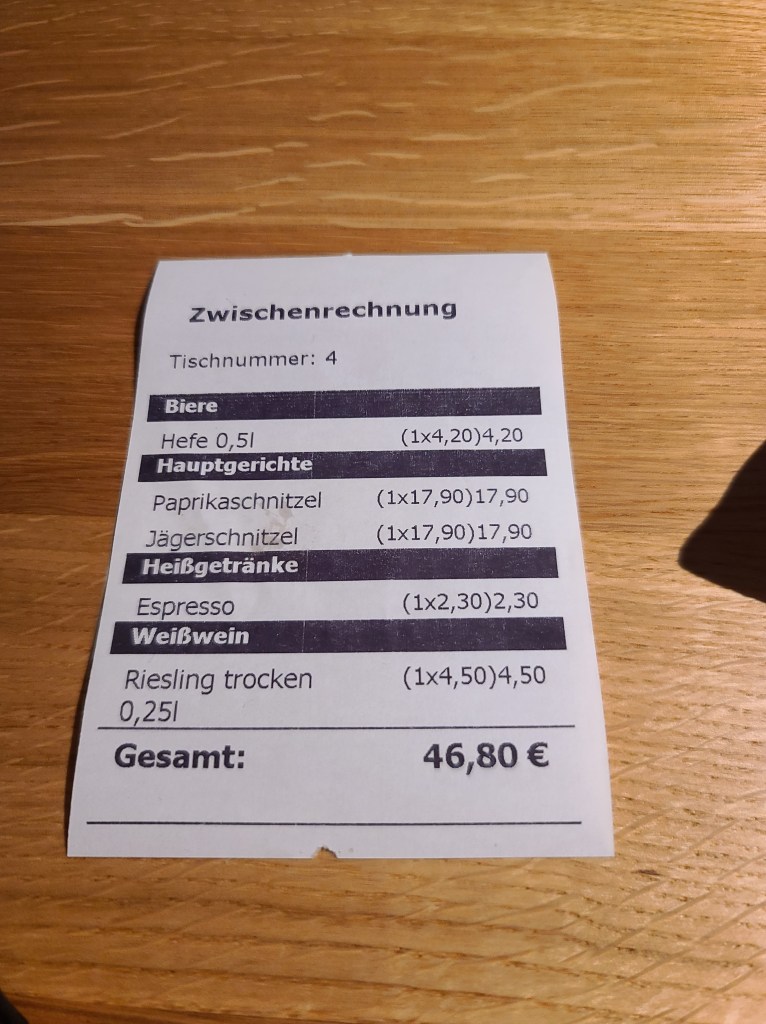
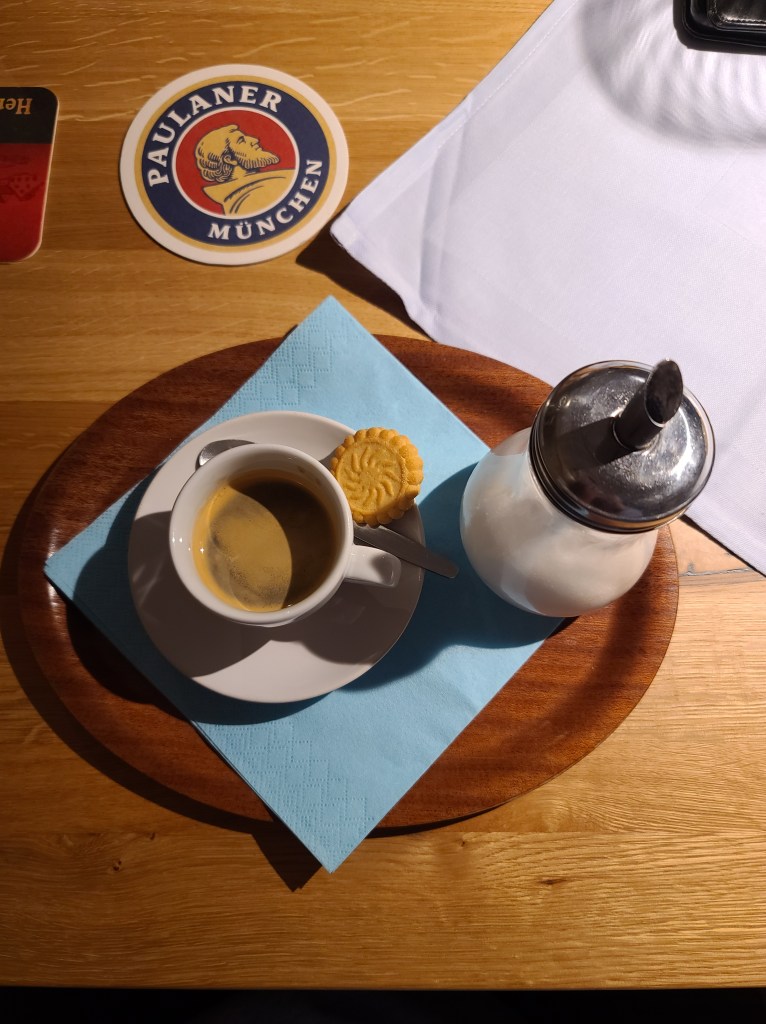
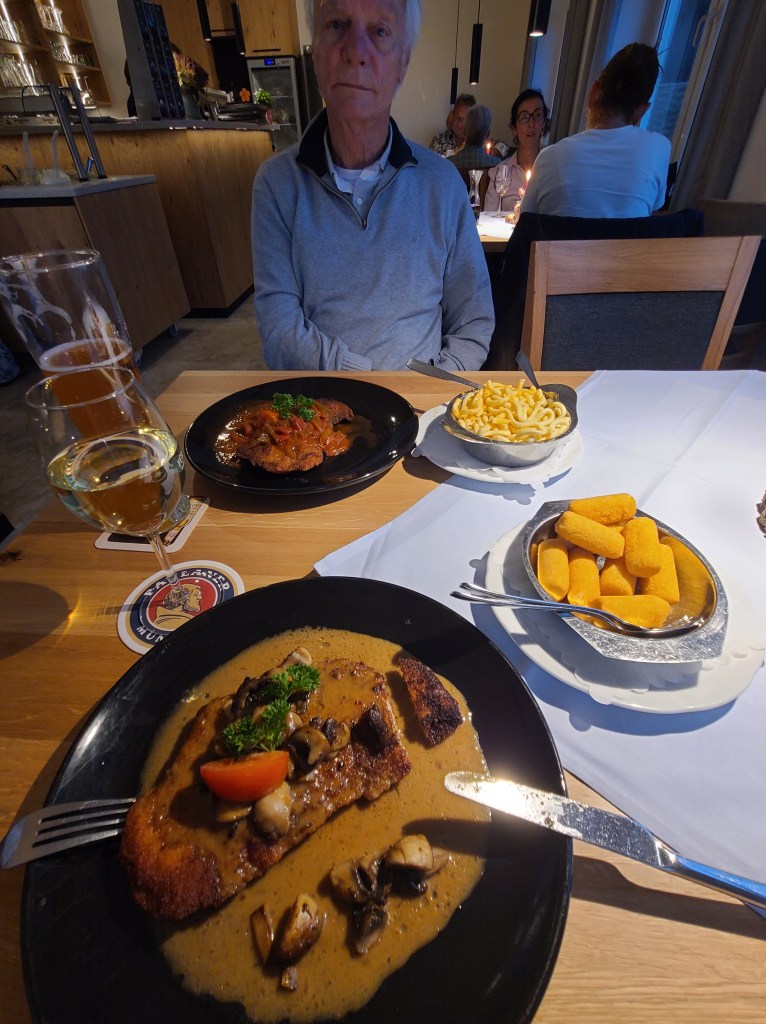
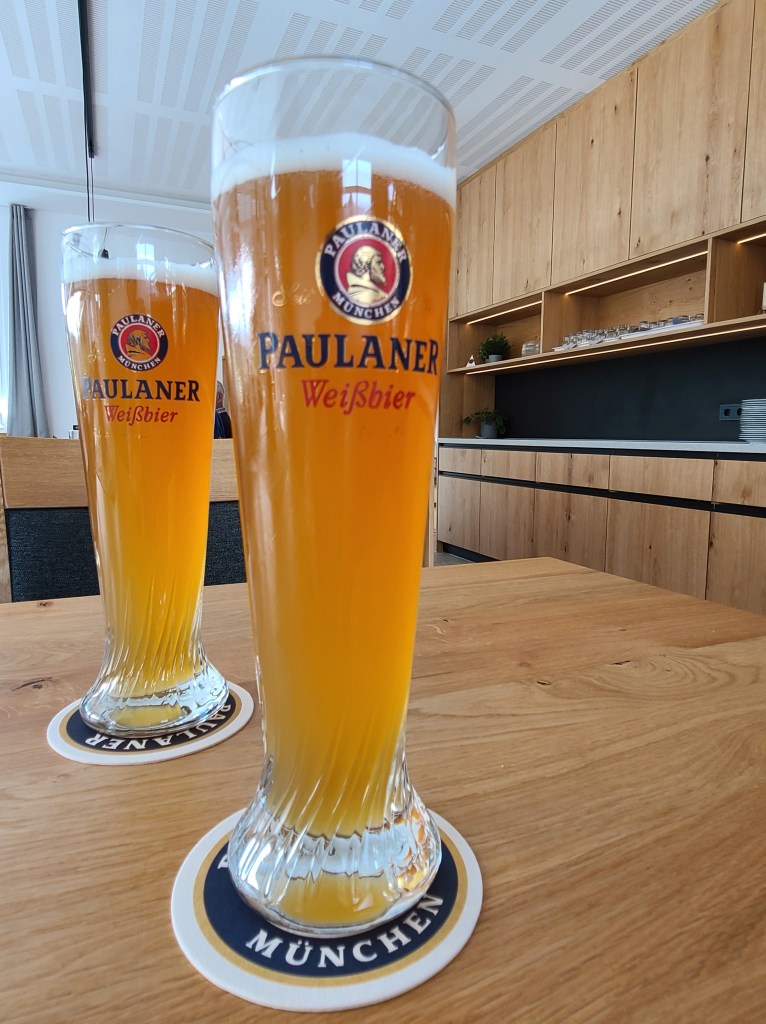
Arrived at the Hotel and it’s lovely. The room is perfectly appointed, absolutely pristine and very classy. After parking and checking in we enjoyed a beer in the restaurant. Dinner was absolutely delicious! Again, wine, beer and espresso to finish it off. All for €46.00! Amazing.
Awesome day. Tomorrow Rothenburg ob der Tauber. I probably love this area between Munich and Rothenburg the most of all. It’s so relaxing and friendly.
October 14 Rothenburg ob der Tauber
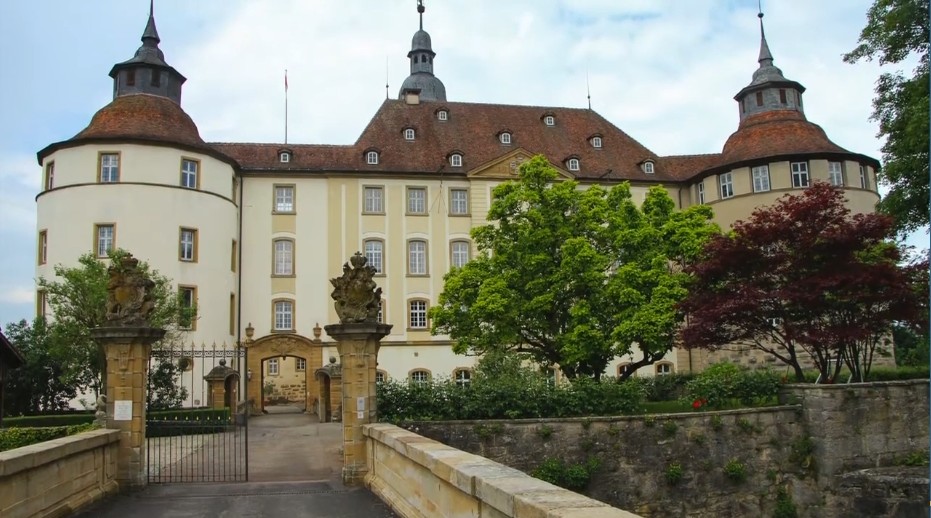
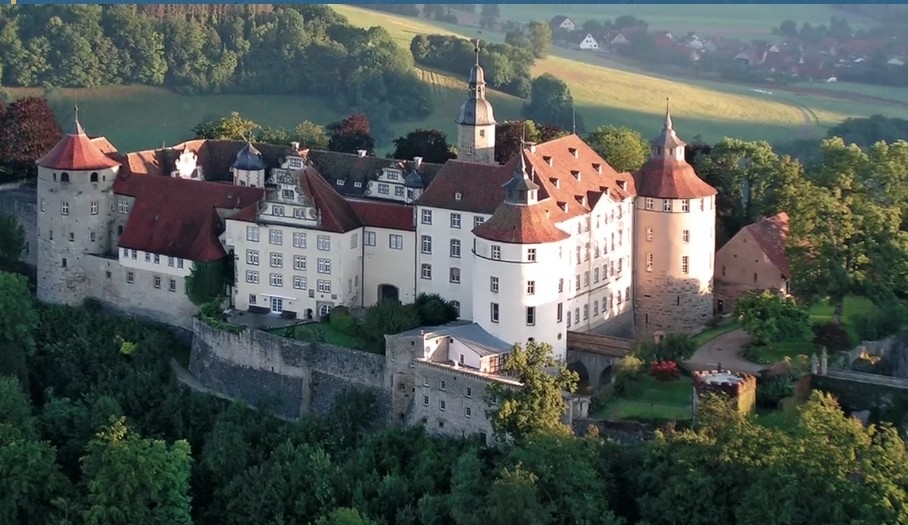
On the drive to Rothenburg, we passed through the area of Landenburg. In the 13th century, Landenburg became the ancestral seat of the important House of Hohenlohe, which was raised to the rank of Imperial Count in 1450 and Prince in the middle of the 18th century. The current Prince Philipp & Princess Saskia of Hohenloh live there today. Paternally, he is grandnephew of Prince Philip, Duke of Edinburgh. Anne, Princess Royal is one of his godmothers. Queen Elizabeth II regularly invited him to Royal Ascot and the winter hunt at Sandringham House. Family relations were a little tense following WWII (England and Germany) but have since mellowed and he and his cousin King Charles have teamed up for environmental endeavors between both countries.
Being cool and overcast, there was not 1 soul in the streets and the shops all looked dark. Perhaps the entire town was having a “closed” day? We walked down the middles of the streets taking pictures at our will.
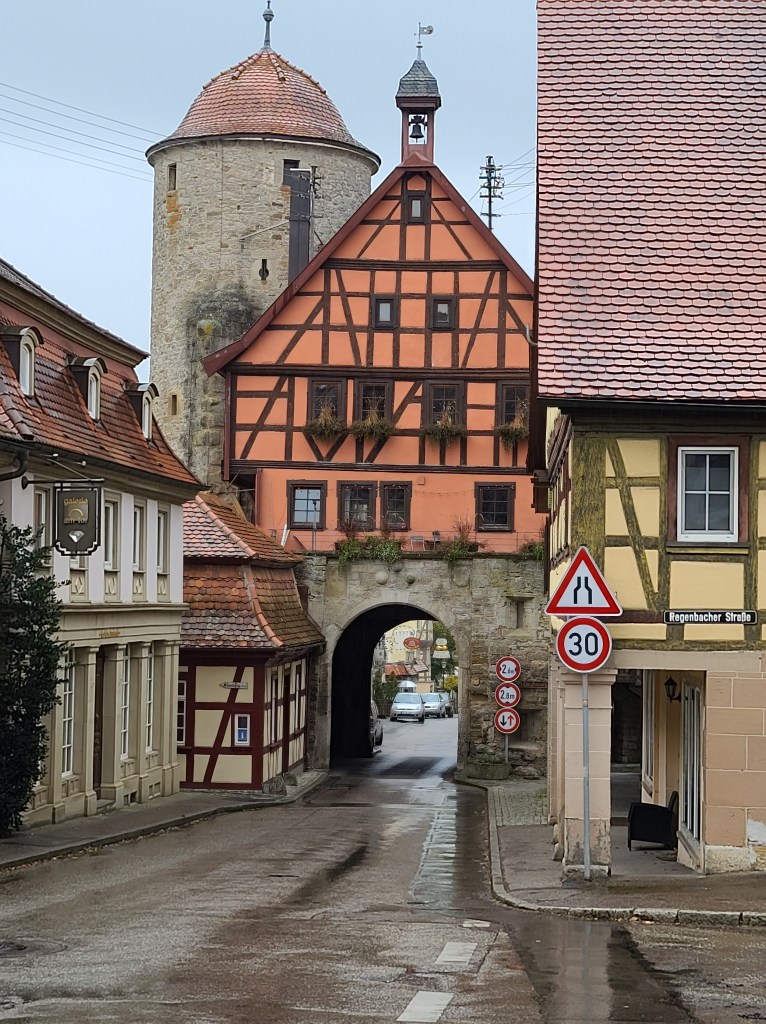
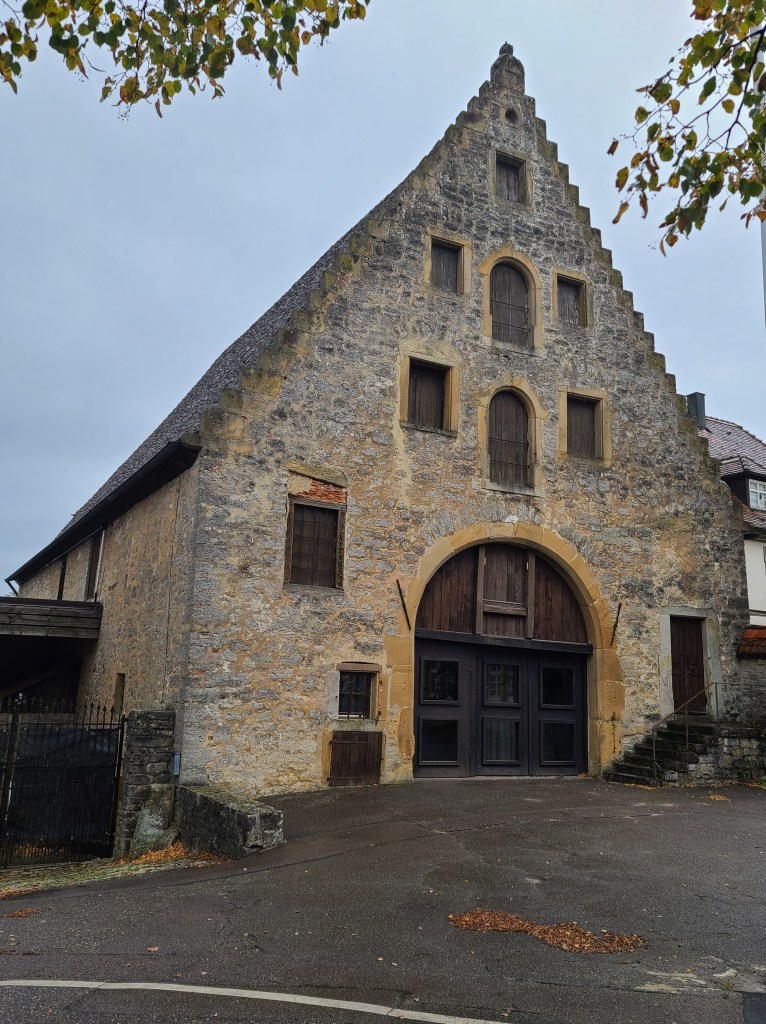
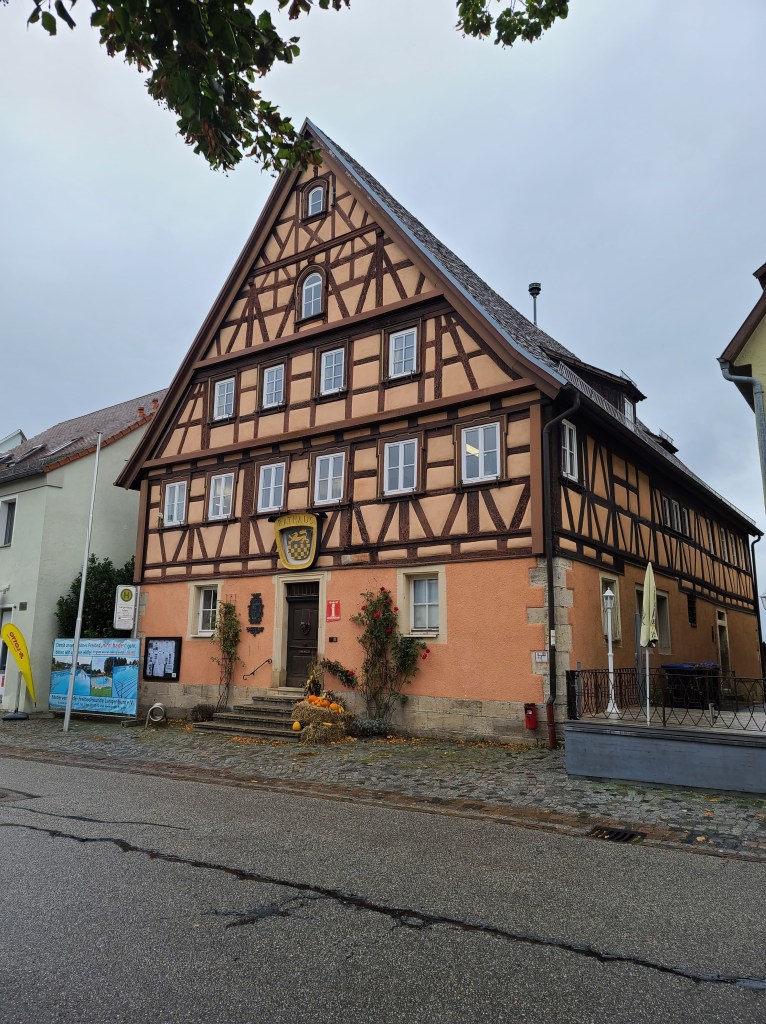
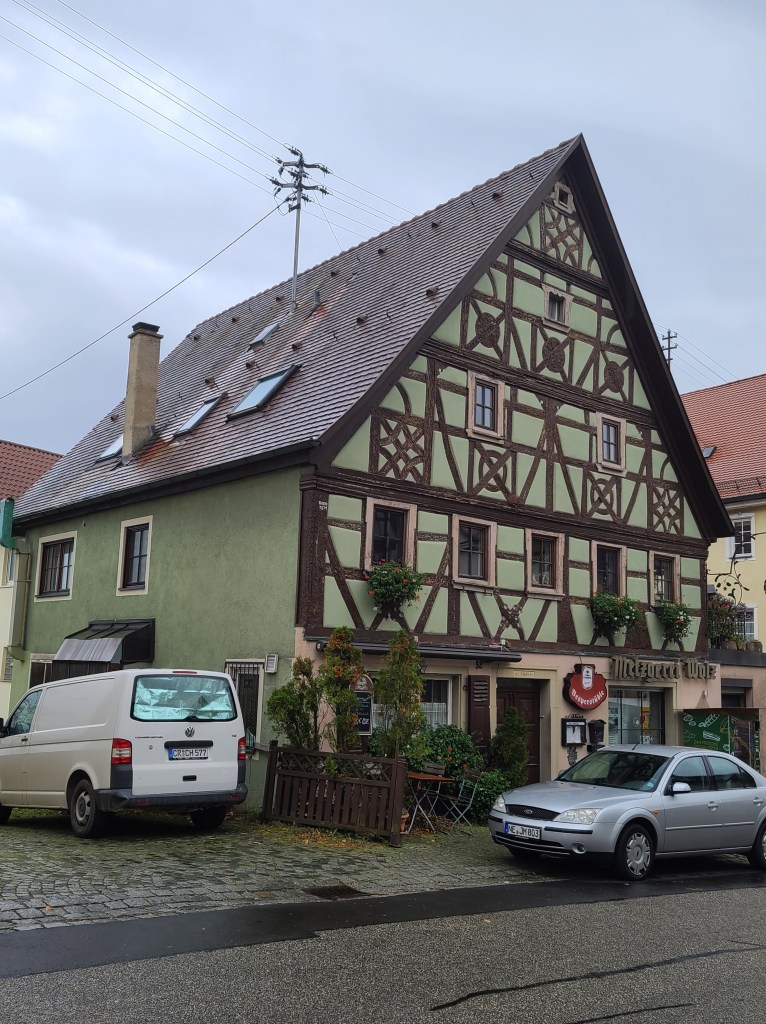
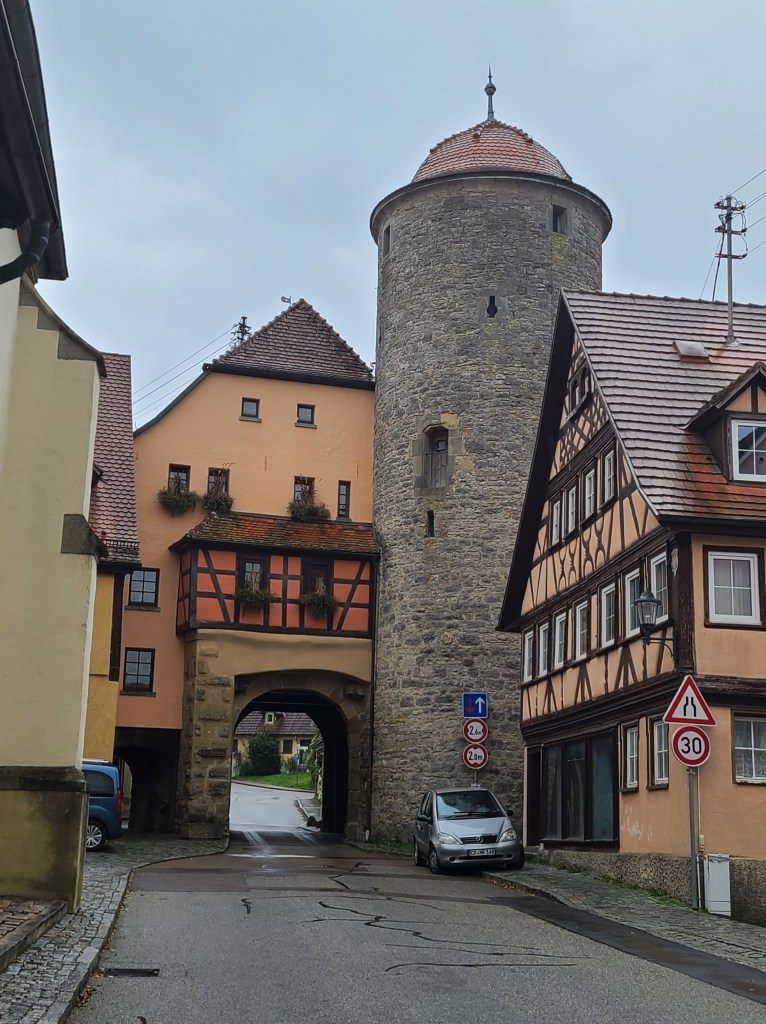
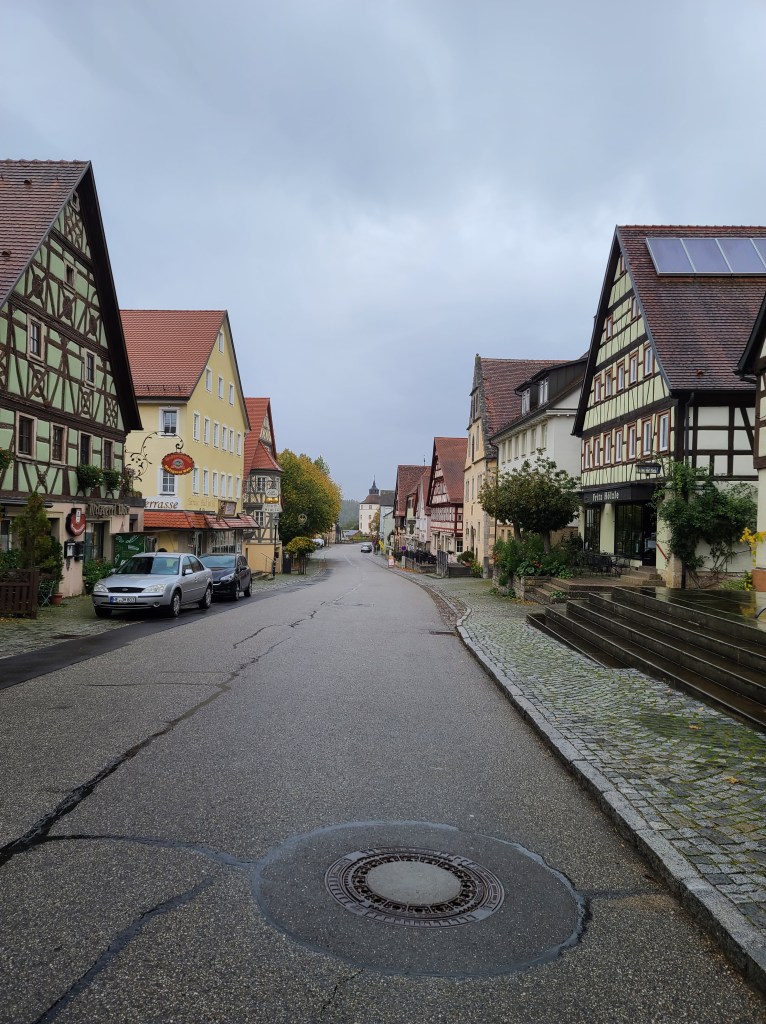
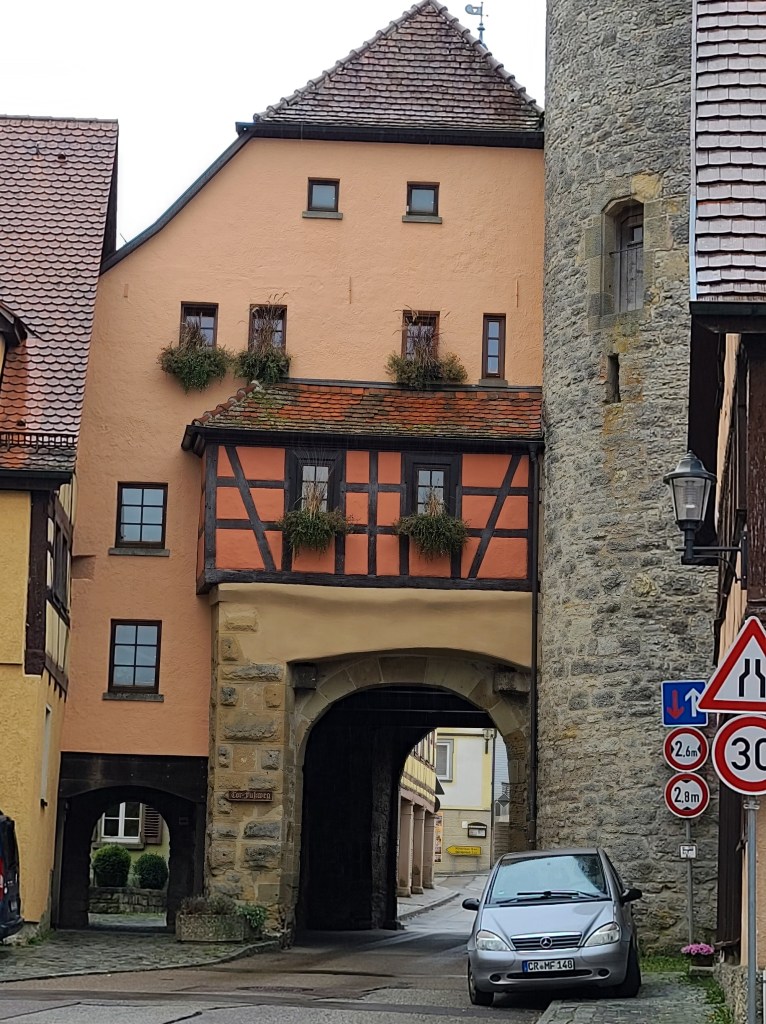
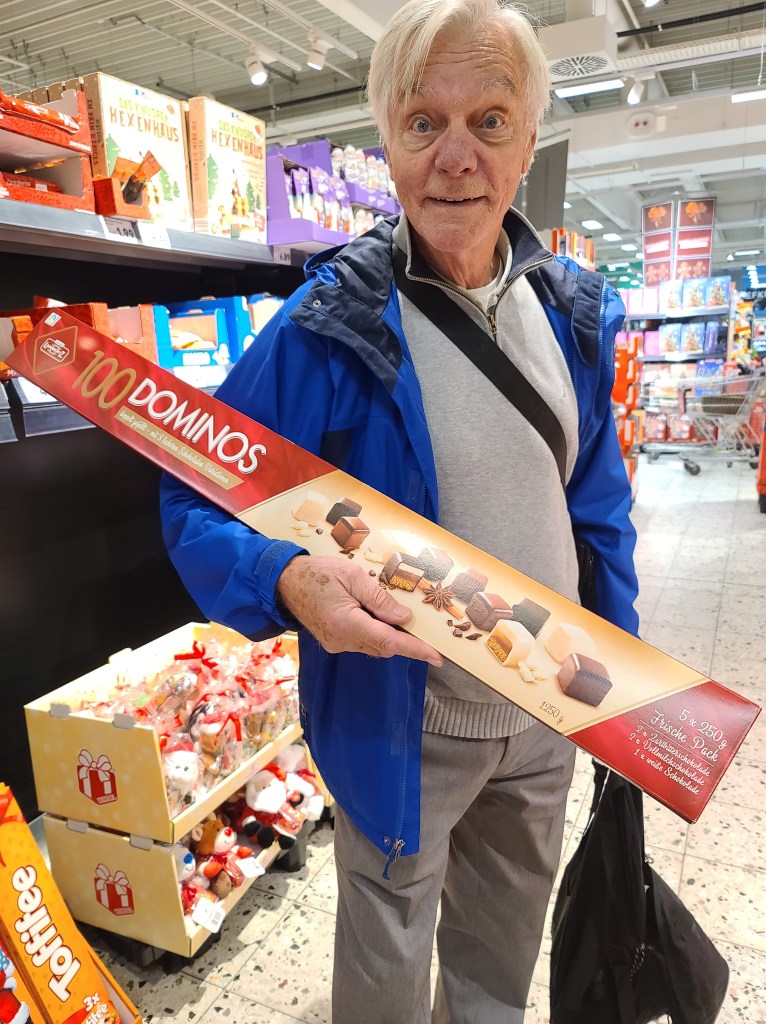
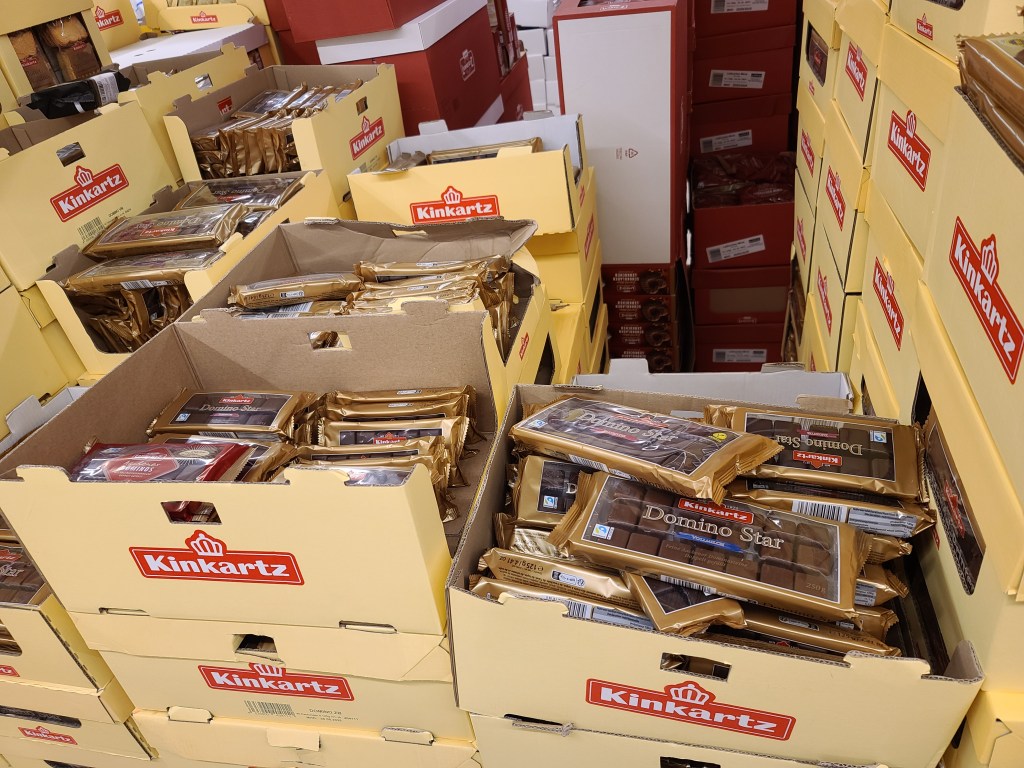
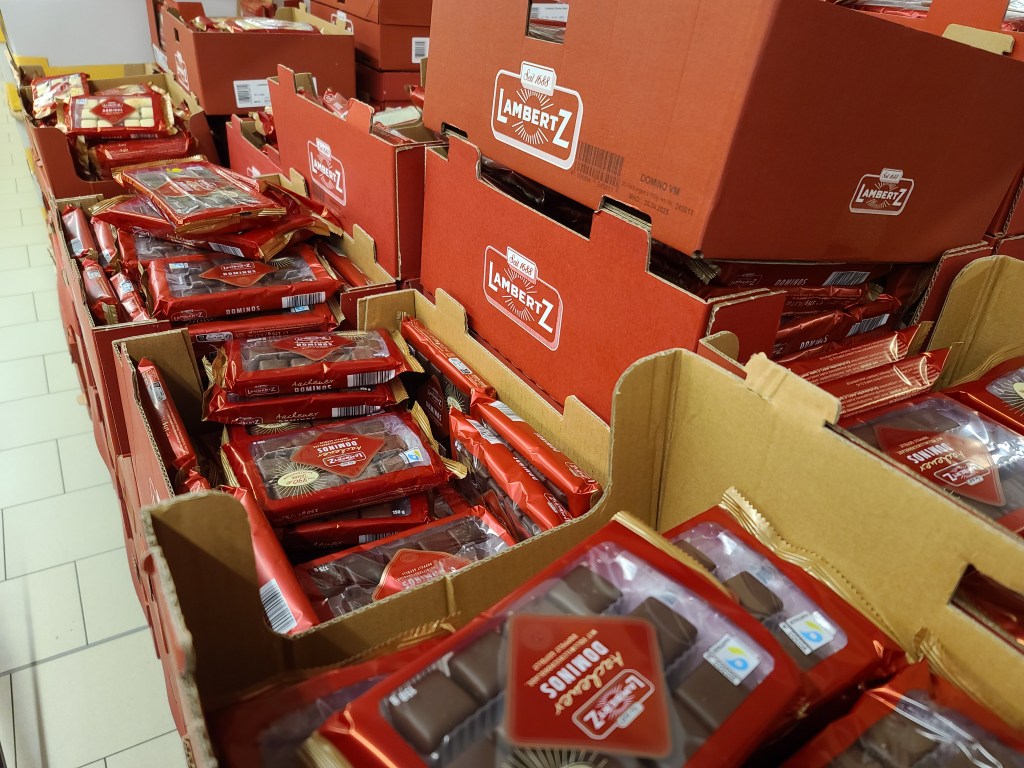
We stopped for a few provisions along the way and Michael wonders if we can fit a box of Dominostein chocolates in our carry-on bag? I’m thinking not, let’s just get the bottles of water..
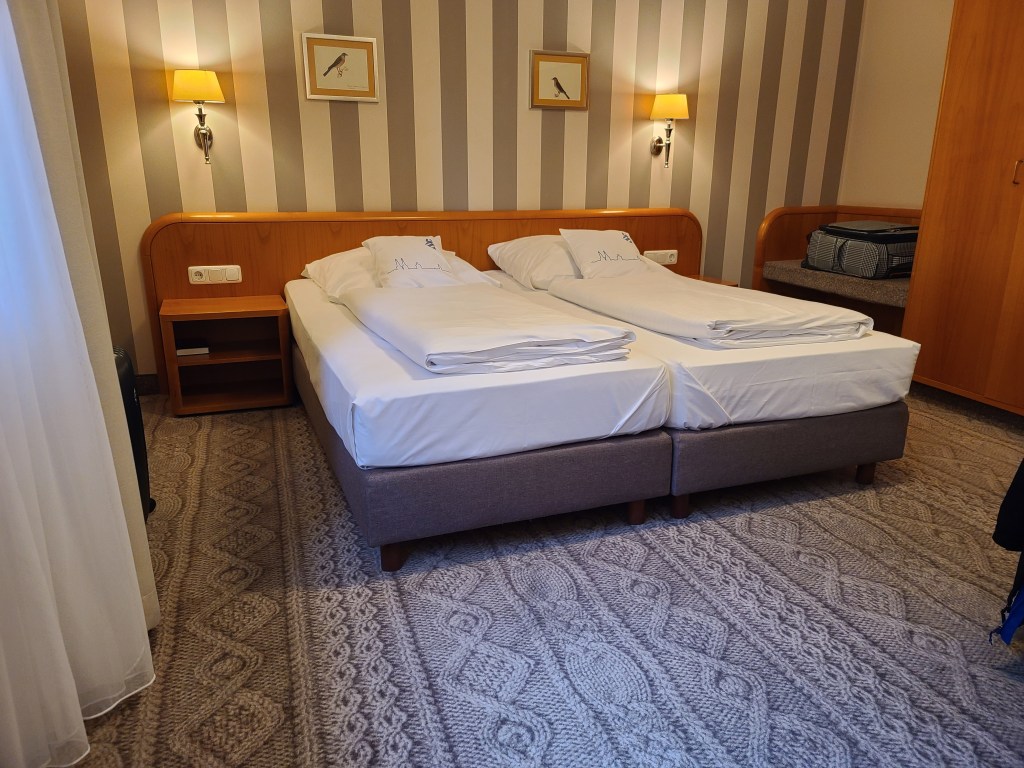
In Rothenburg we checked in at the Reichs-Kuchenmeister Hotel. Translates to “Master Chefs of the Empire”. Such was their status that they were answerable only to the Emperor himself. One of the oldest Patrician Houses, the building was built by the noble Brodsorg family in the 12th Century. Their heraldic figure still adorns the hotel’s main entrance. In 1540 the future Emperor Ferdinand I. stayed in this building and in 1546 Emperor Charles V.
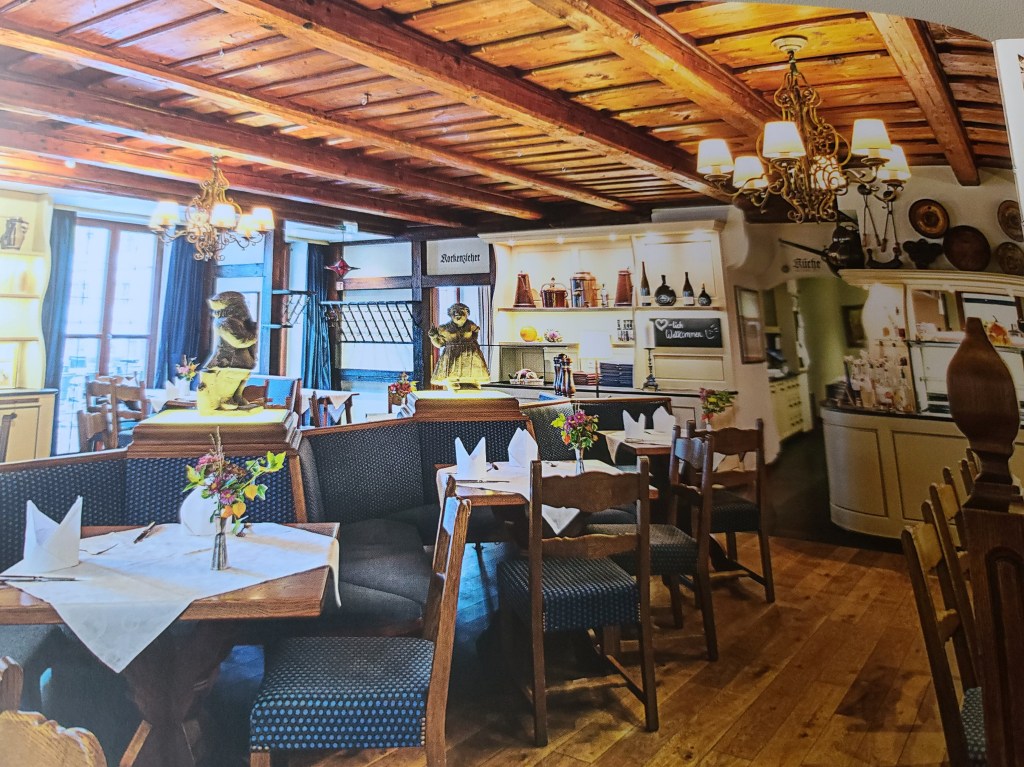
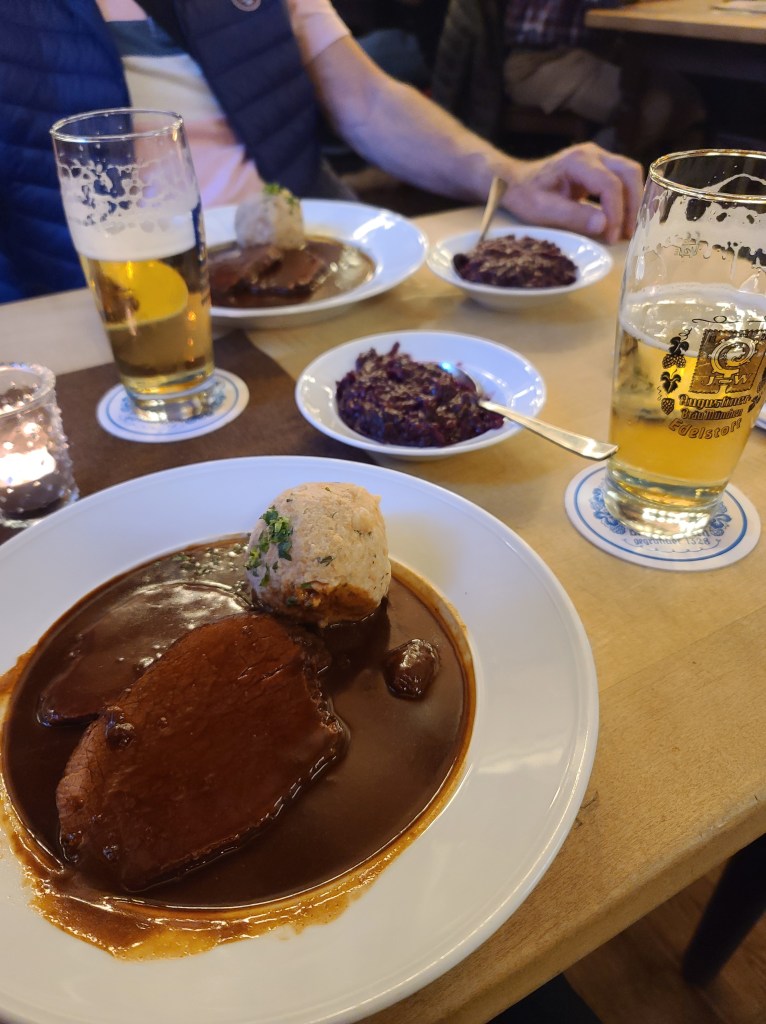
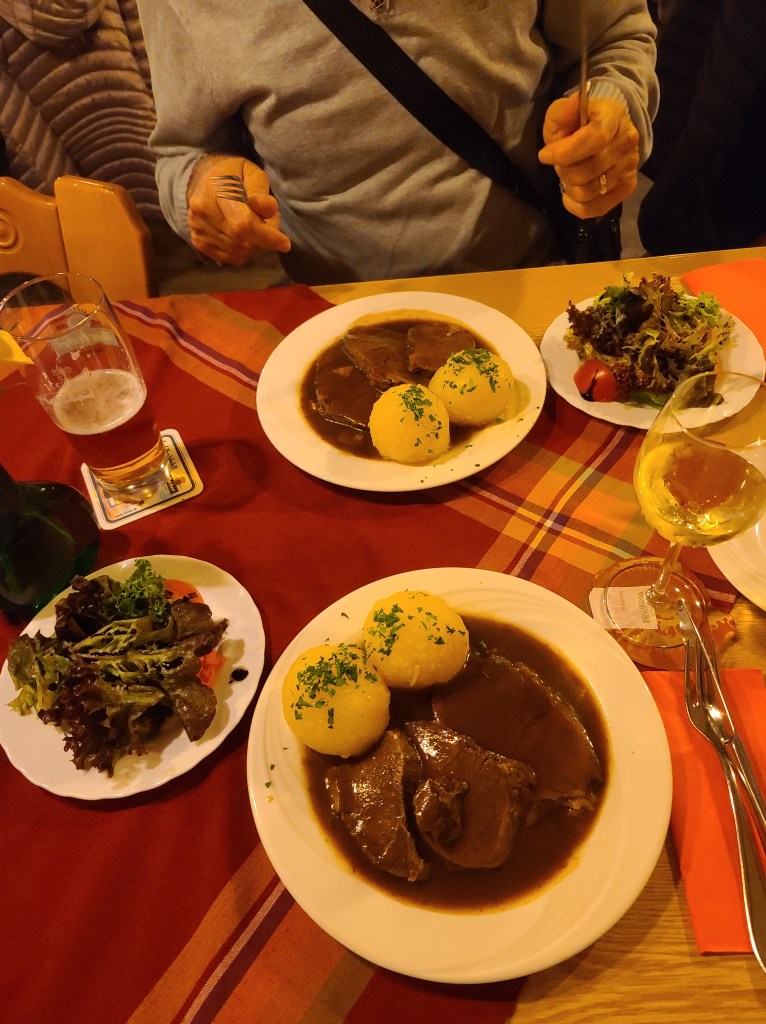
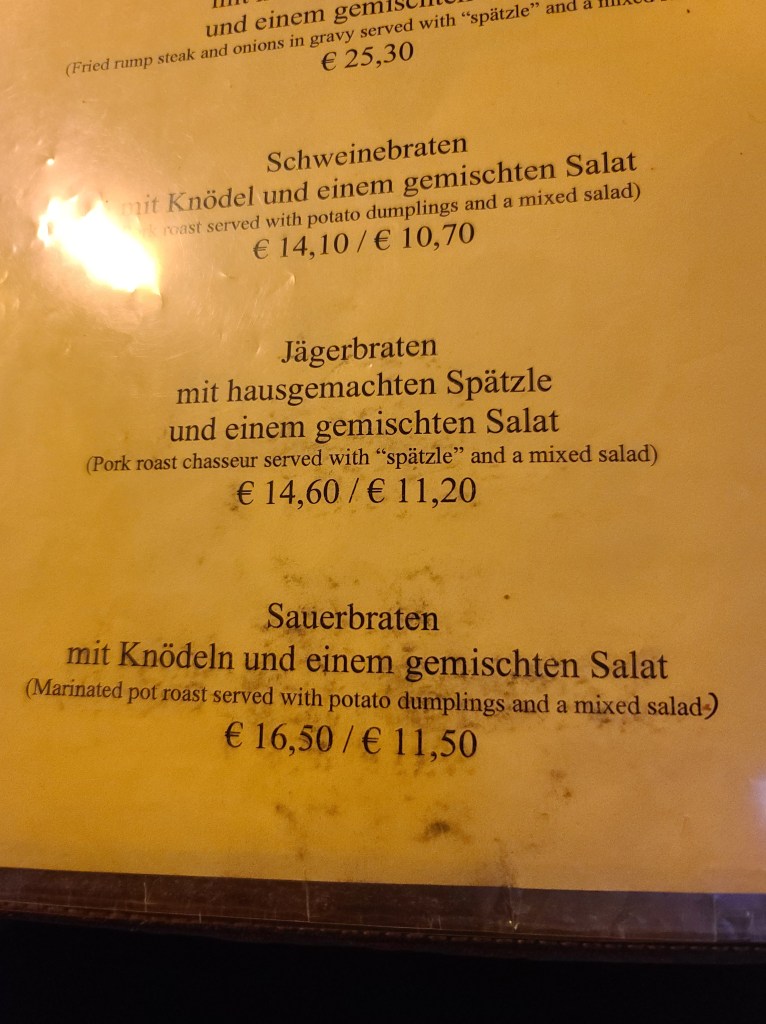
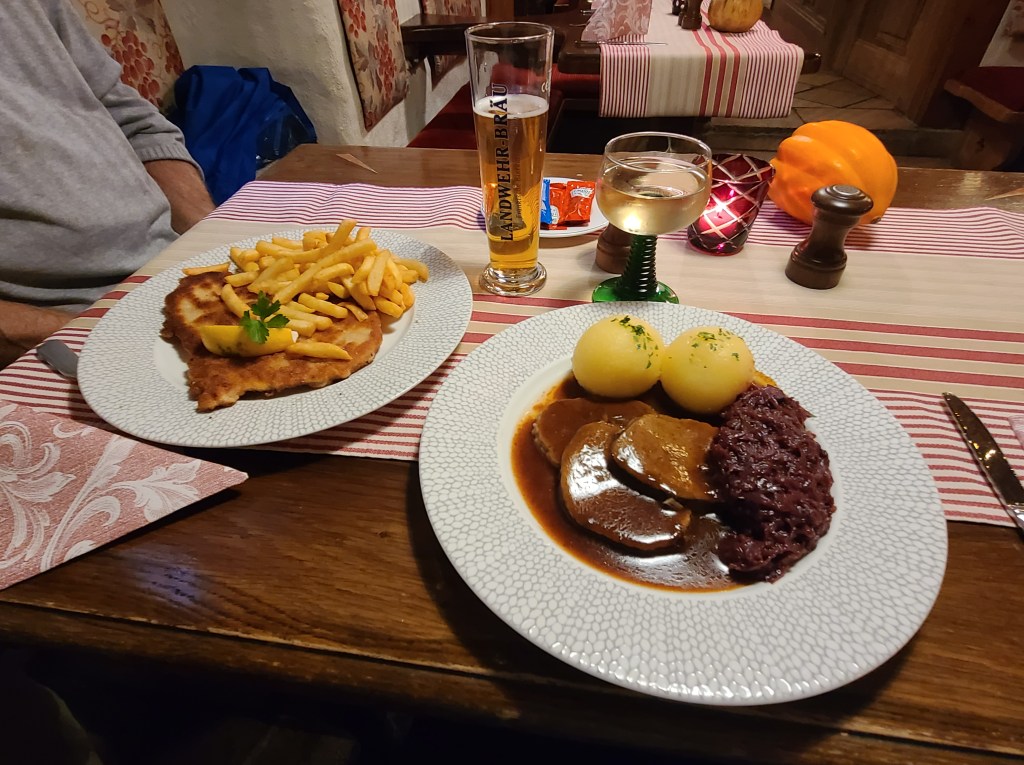
We needed to stretch our legs so headed out and eventually landed at 1 of our favorite restaurants, Zum Ochsen, for a sauerbraten dinner. Deliscious!
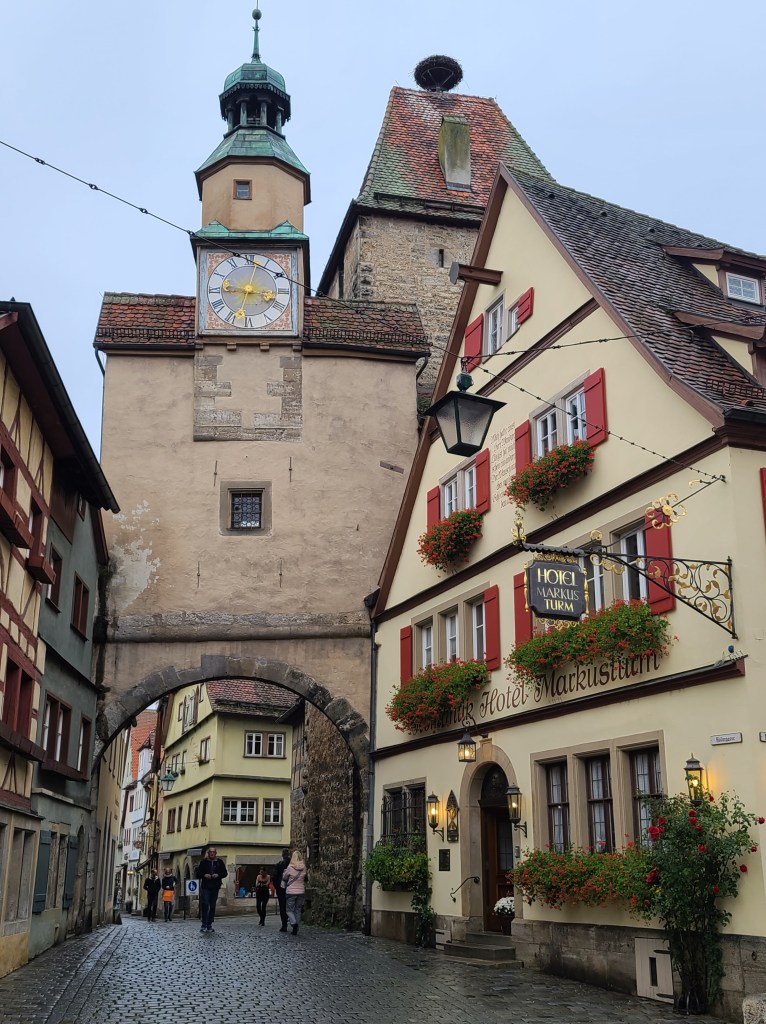
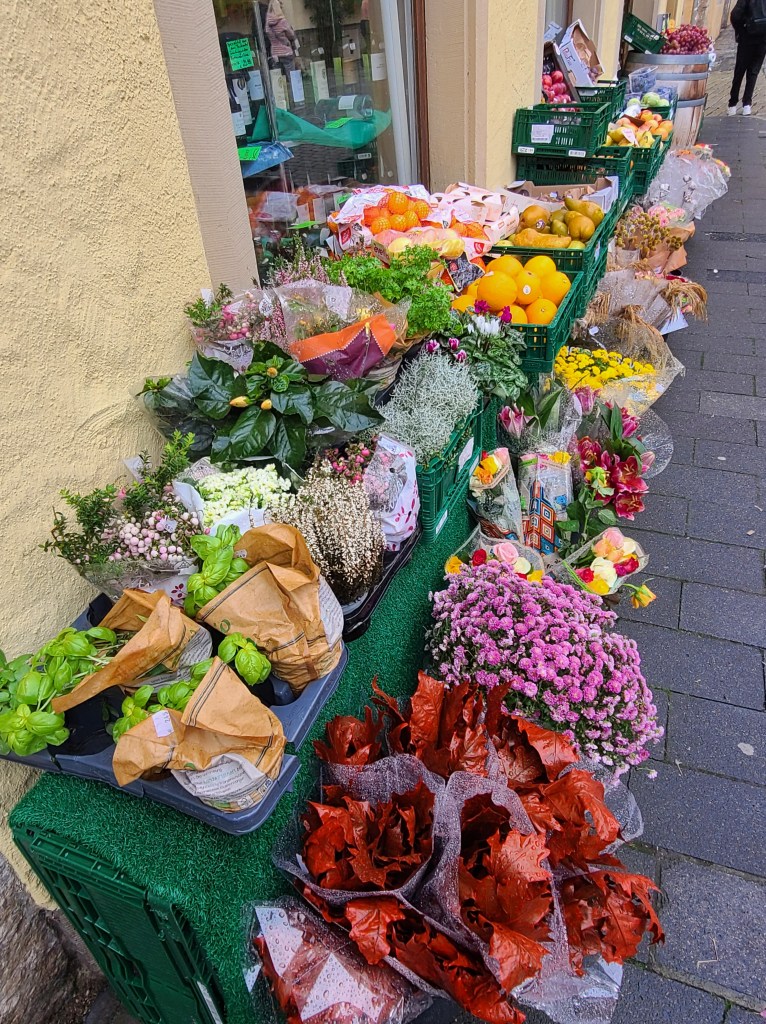
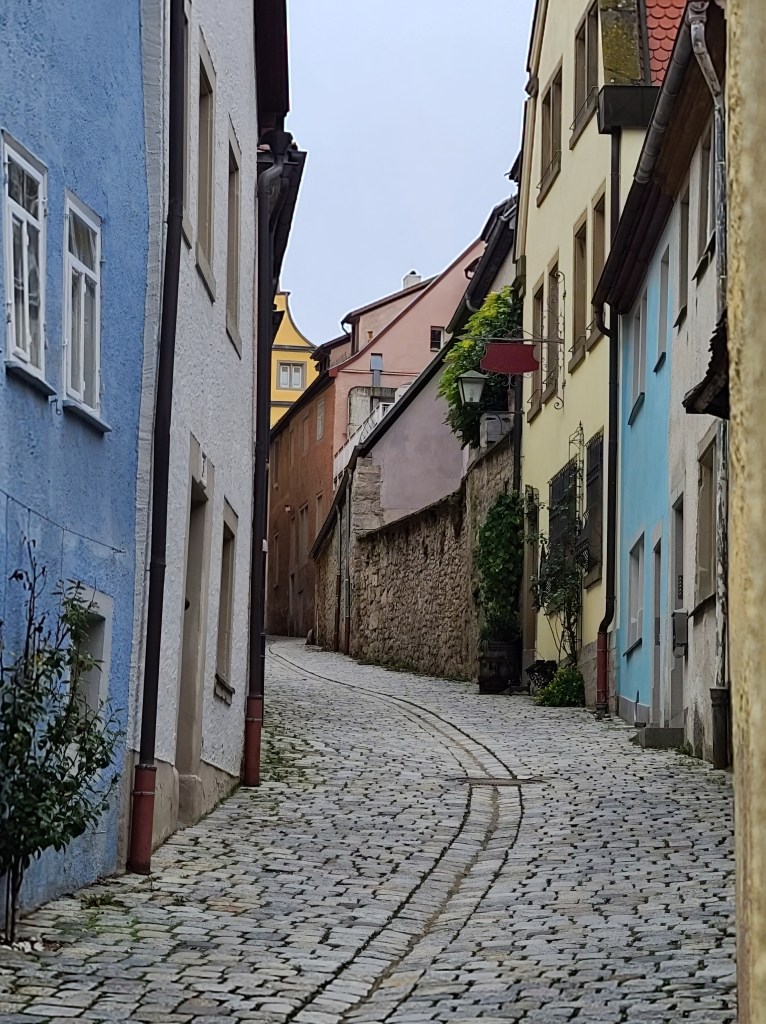
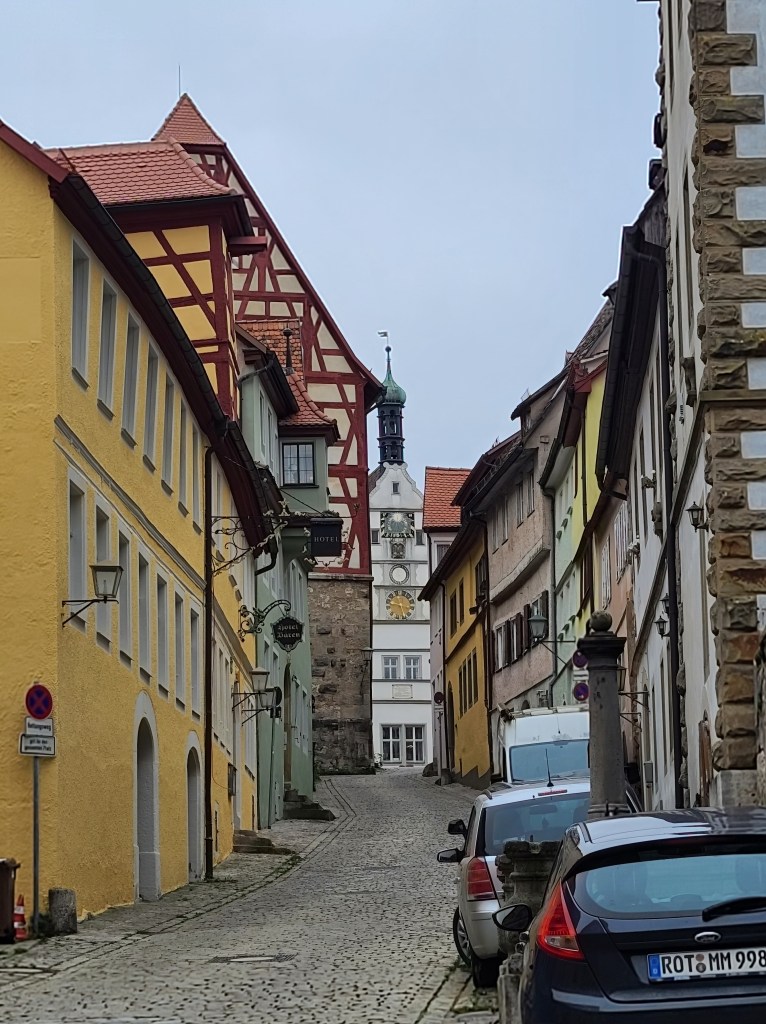
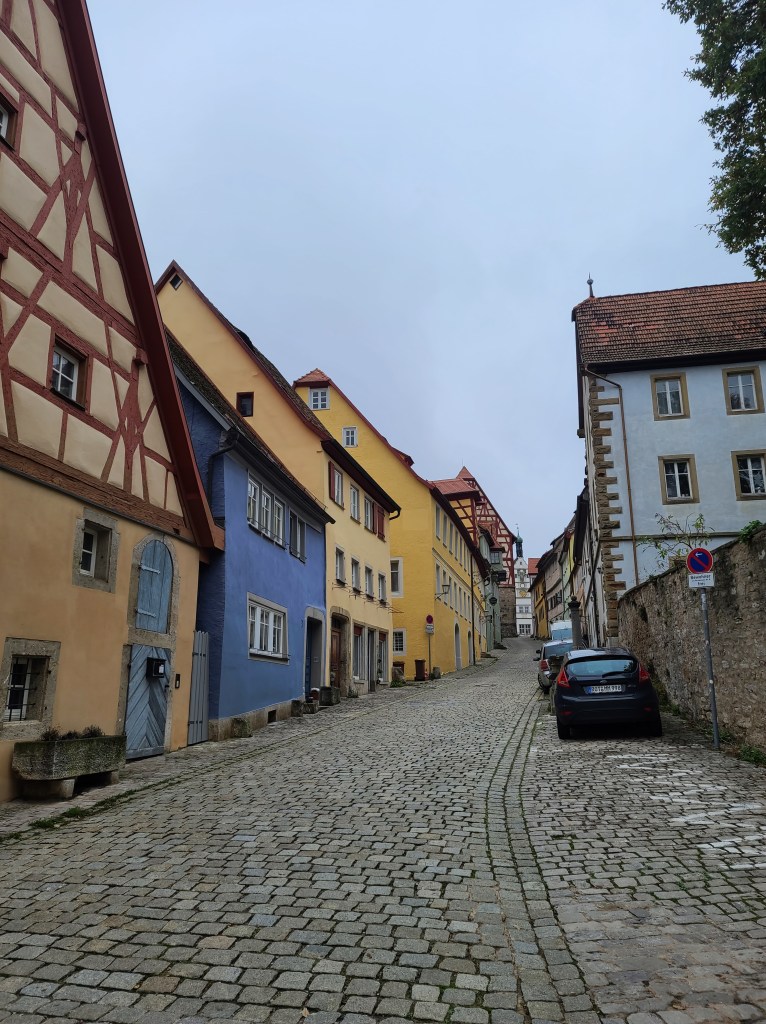
Up early Tuesday morning and after an excellent breakfast we hit the streets before anyone else and especially before any potential bus loads of tourists. The city was ours and the views never get old.
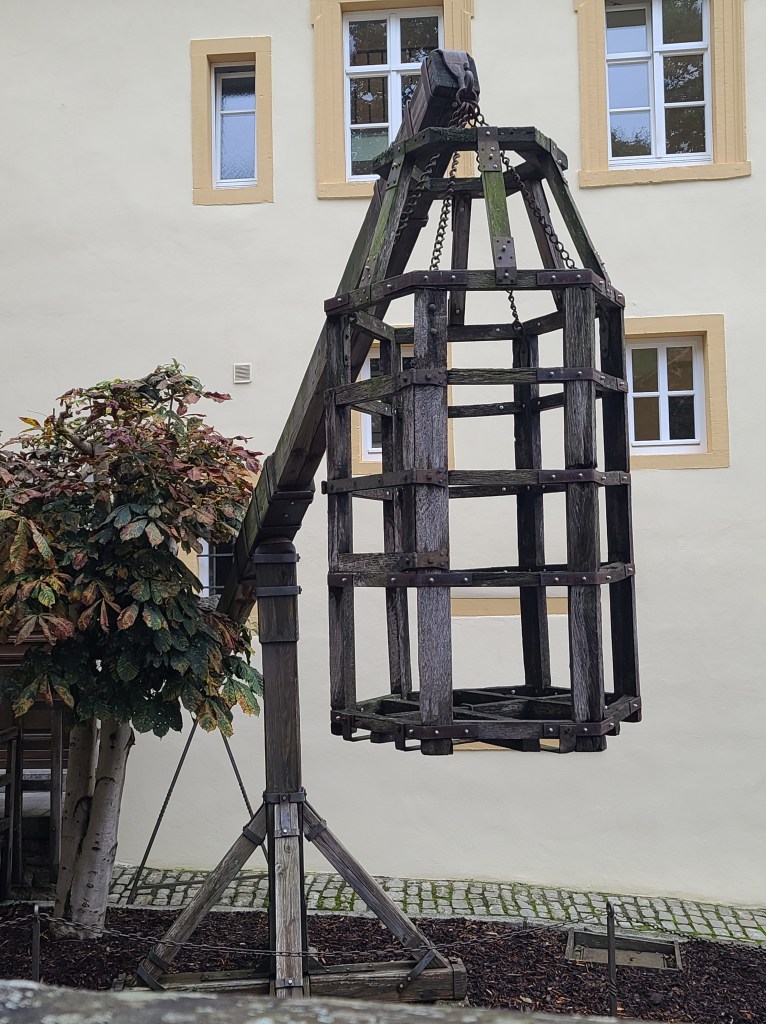
Name of the city translates from German as “Red castle above the Tauber” because of all of its red roofs and overlooking the Tauber river. The city dates back to the 8th century and is 1 of only 4 cities in the region that have a completely intact city wall which can be walked completely around the city.
Plonlein or better known as the Crooked House has served as the backdrop to the movies Pinocchio, Chitty Chitty Bang Band and Harry Potter, to name a few.
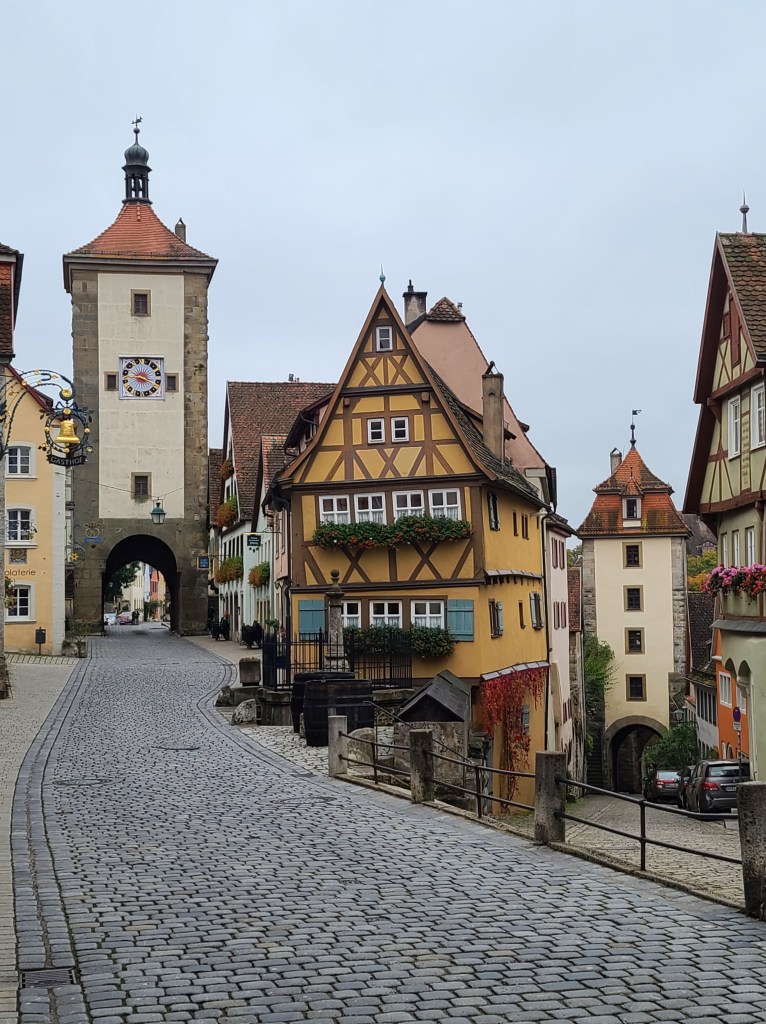
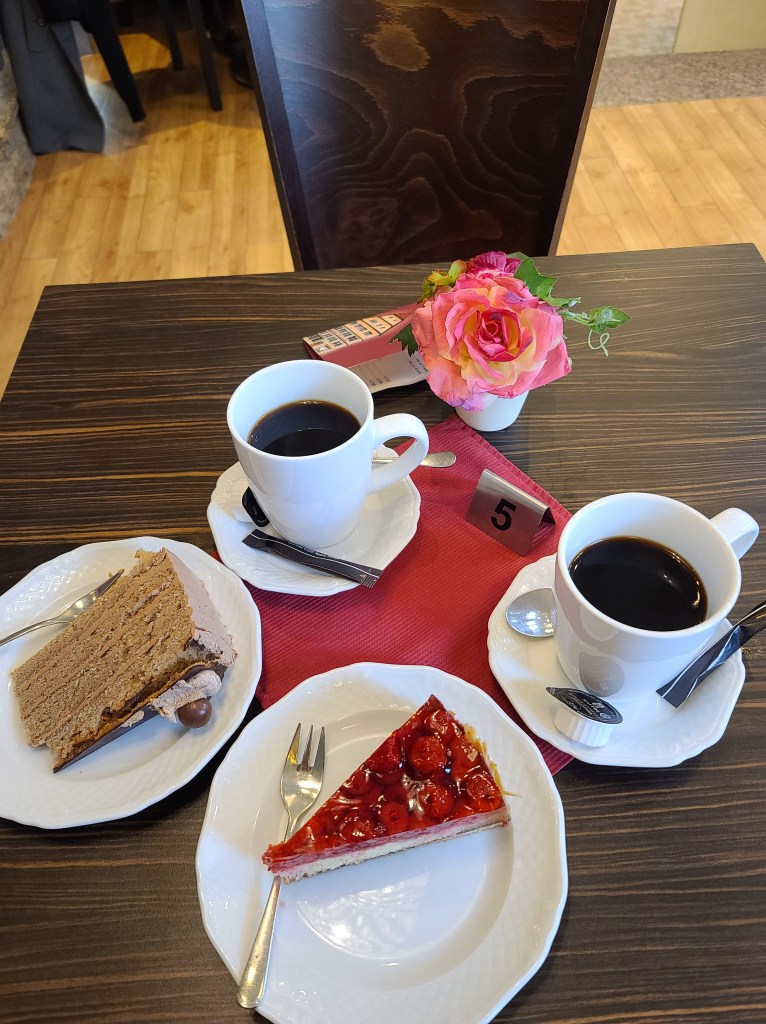
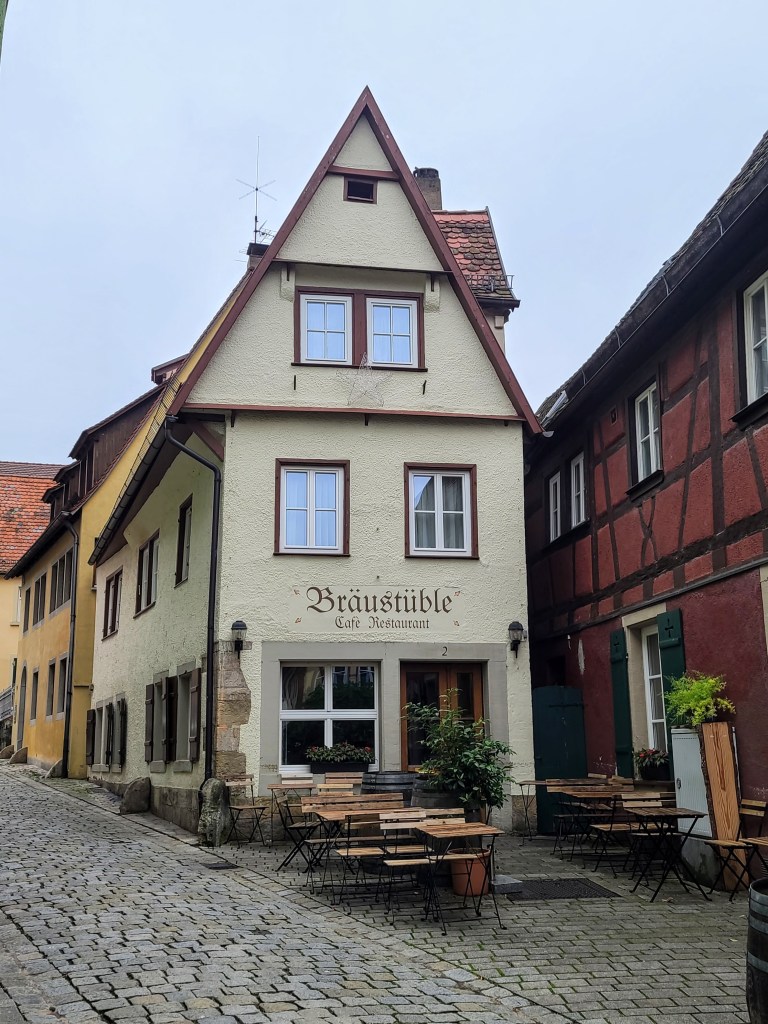
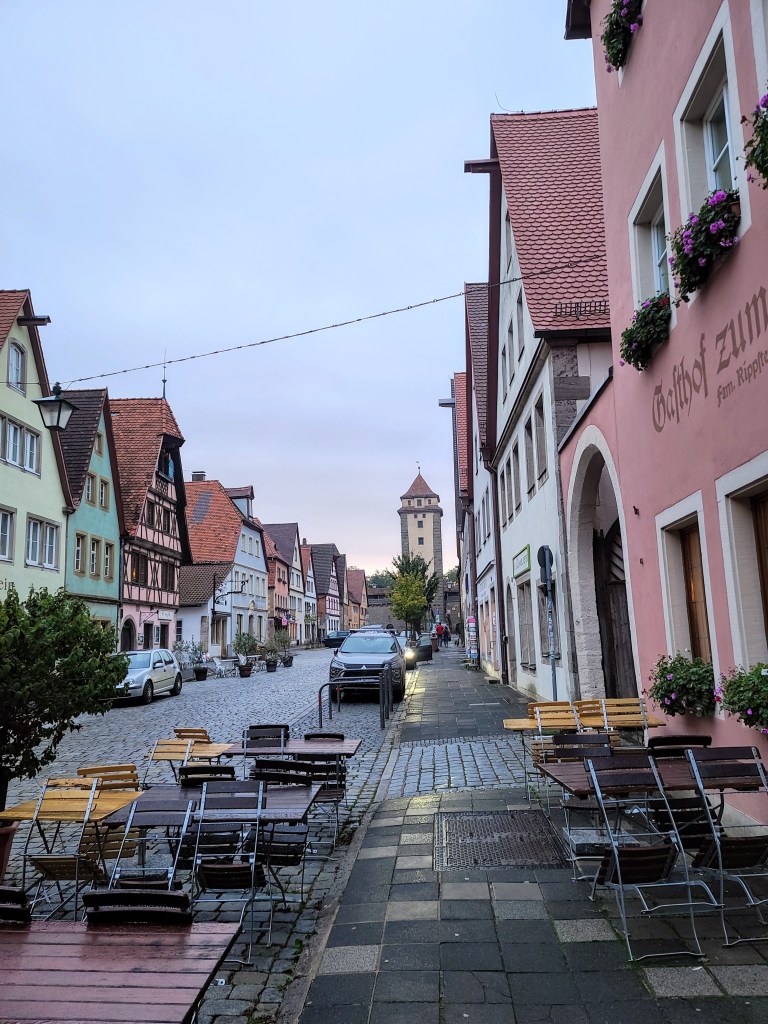
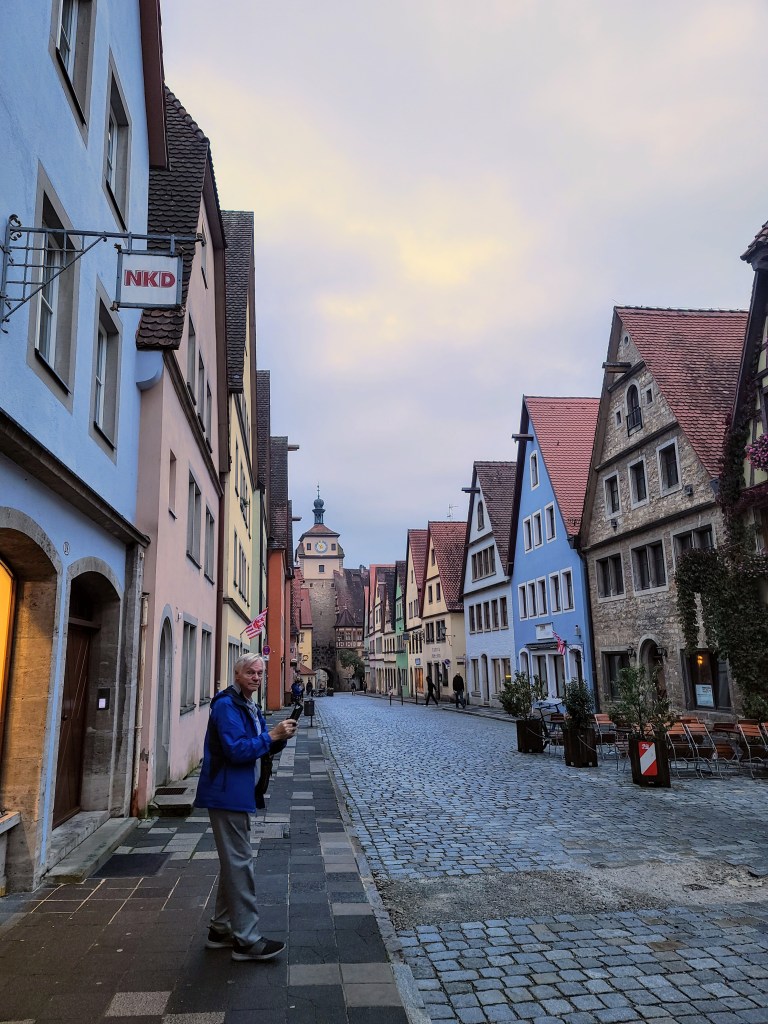
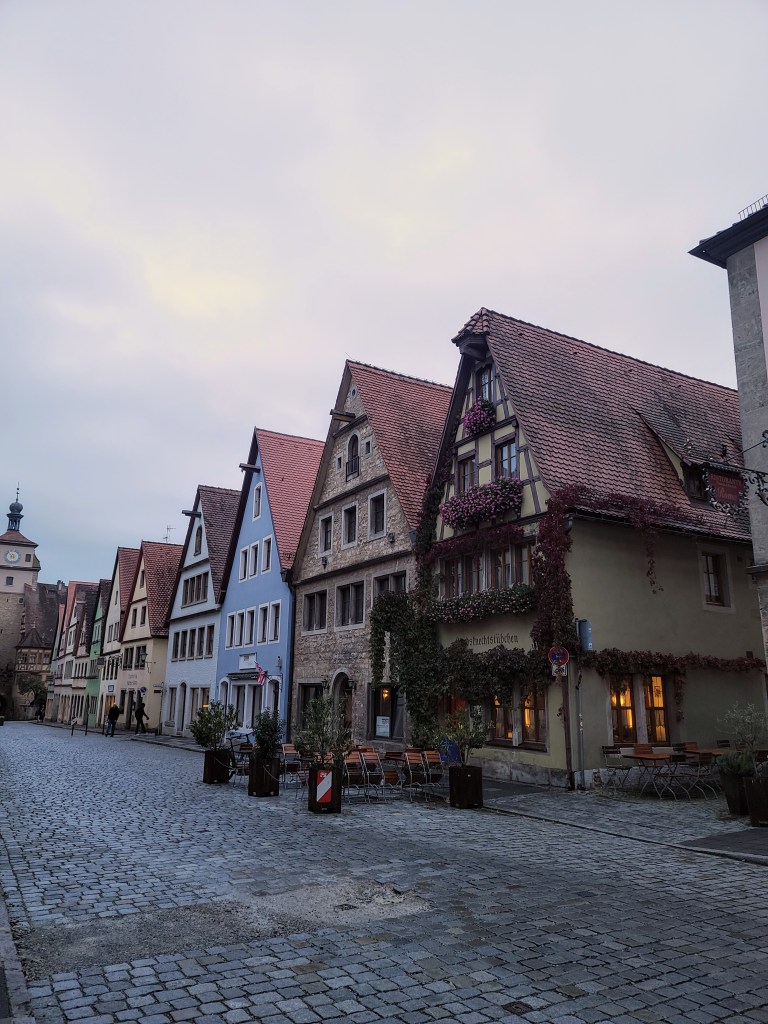
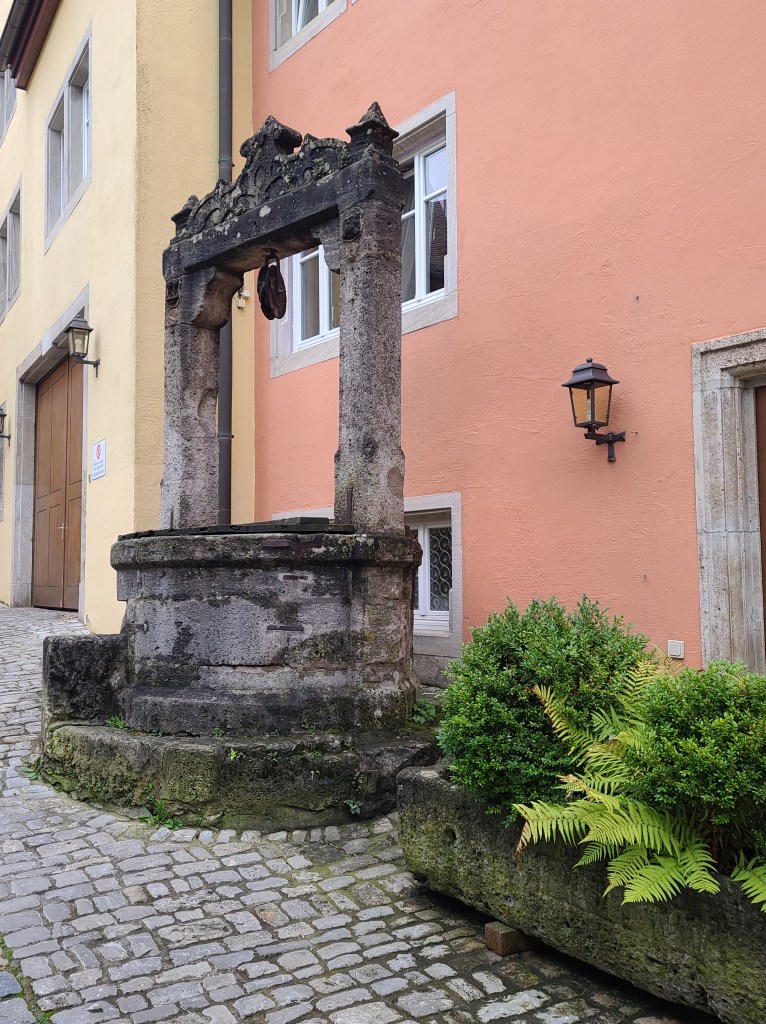
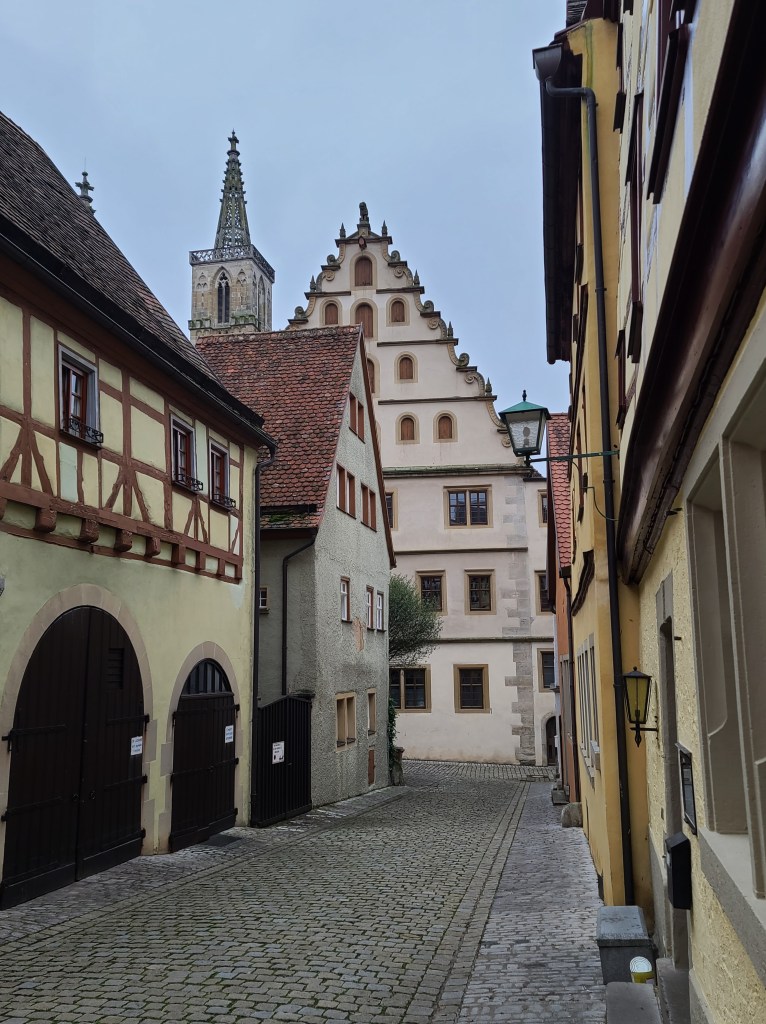
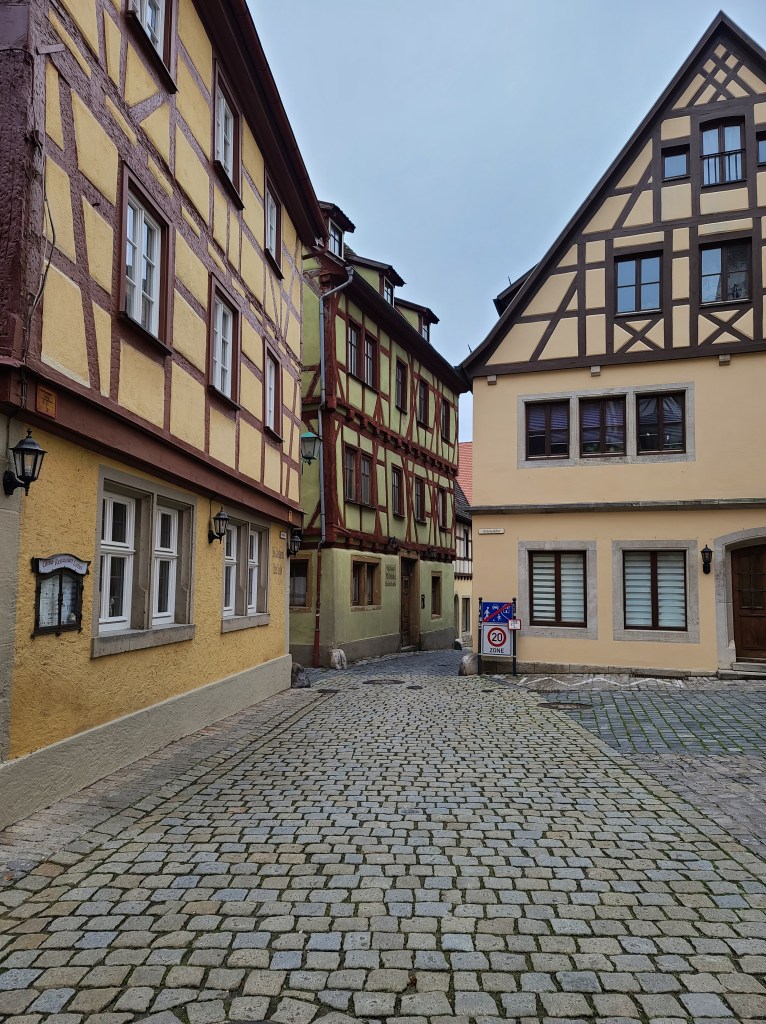
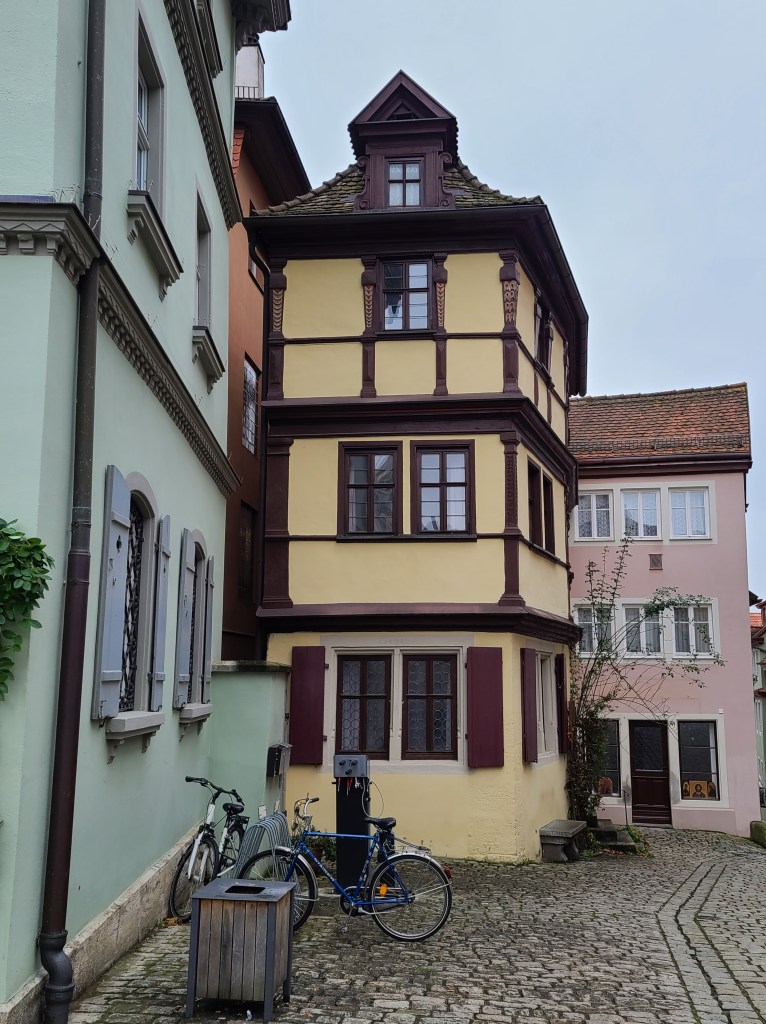
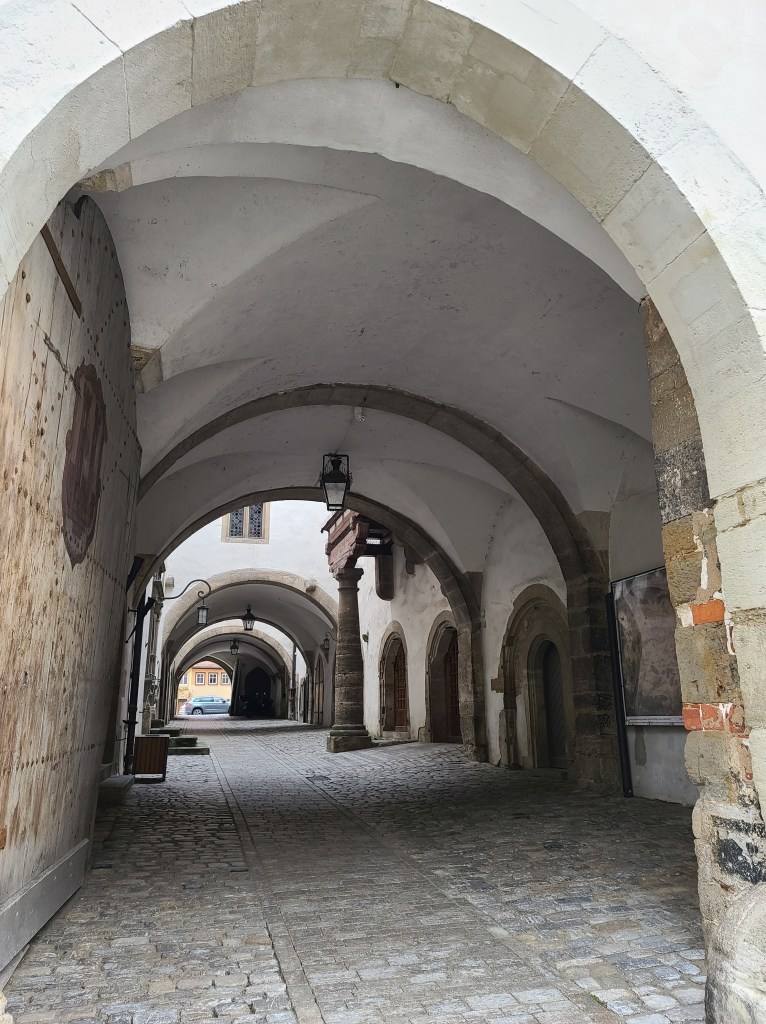
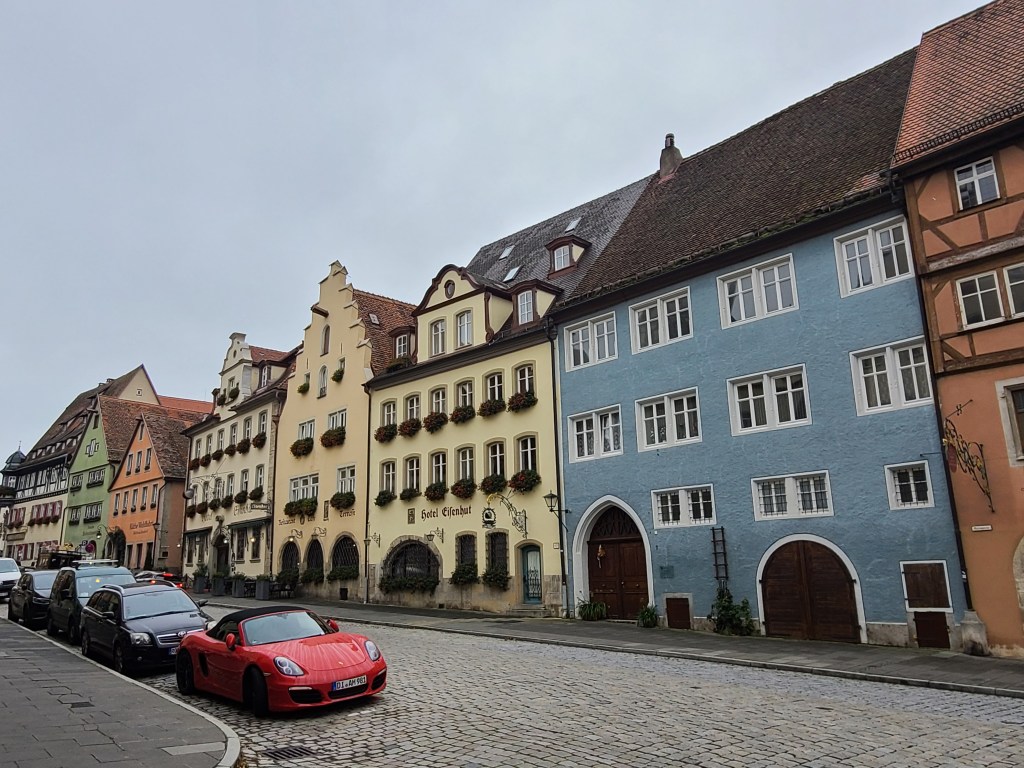
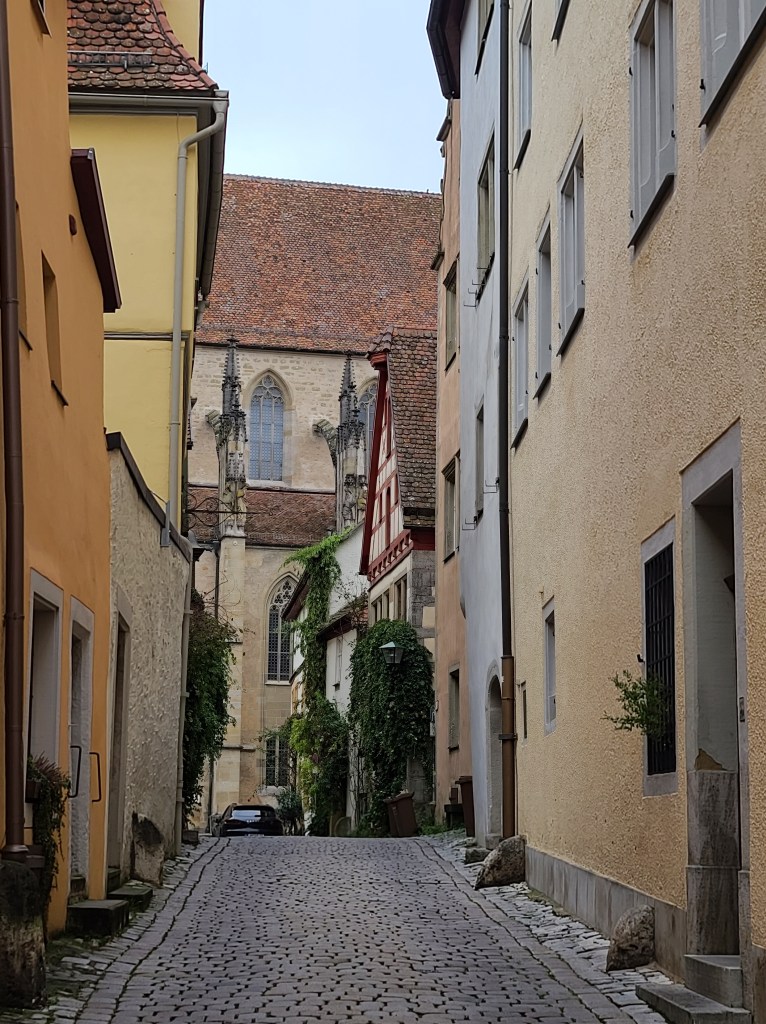
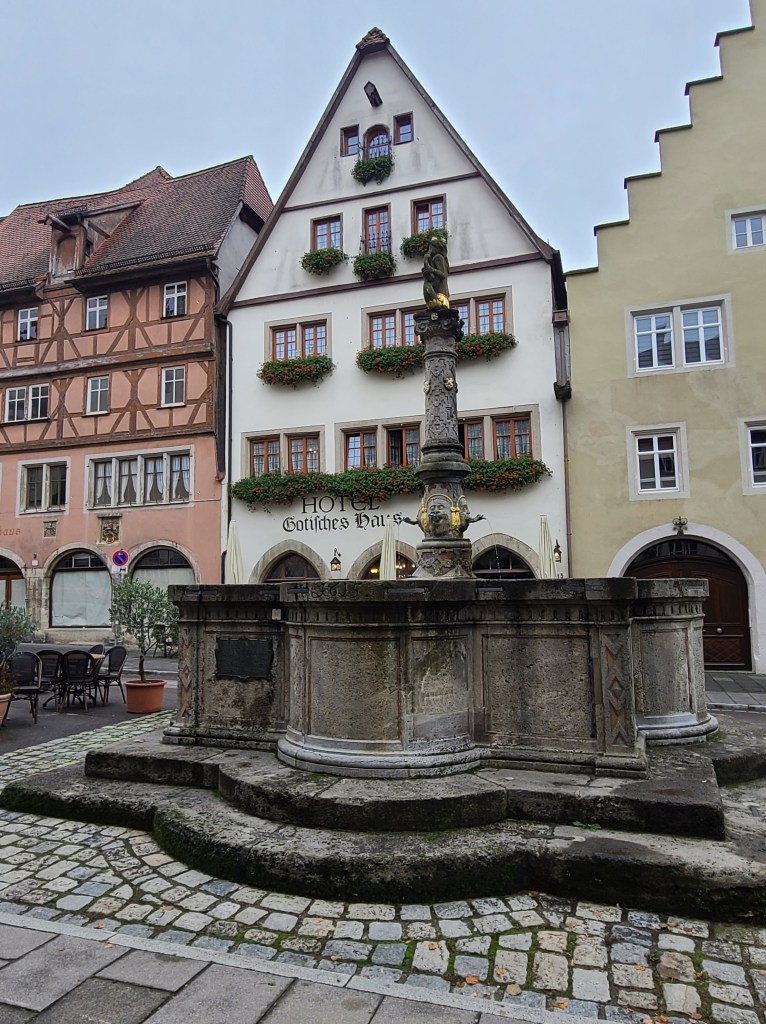
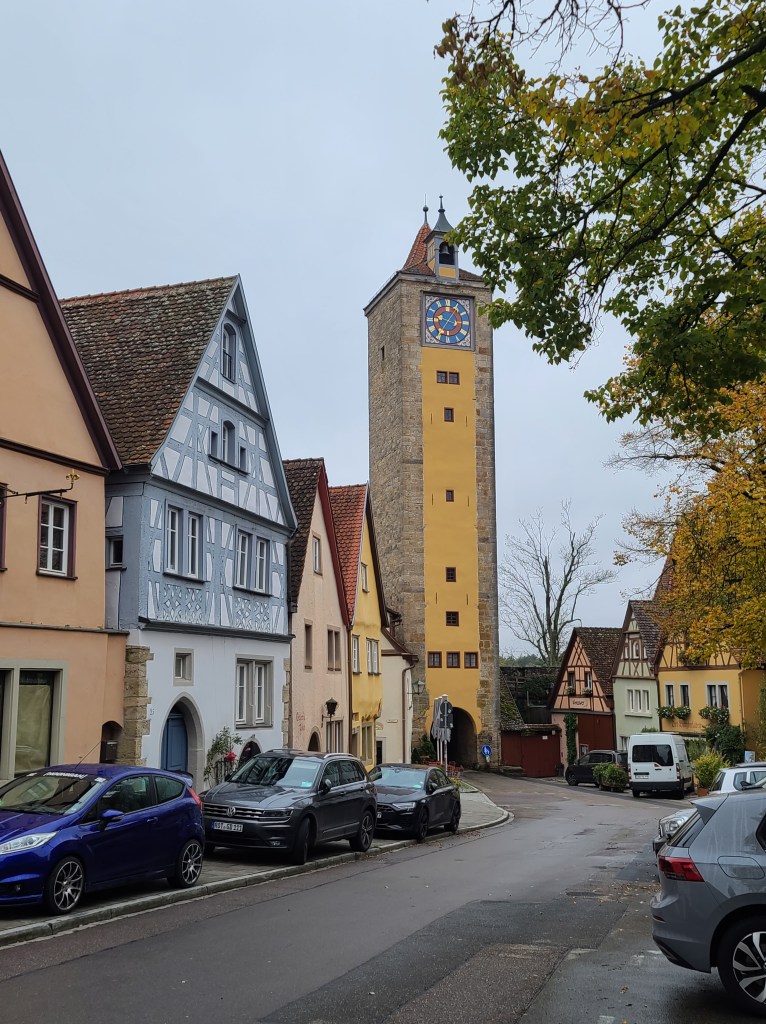
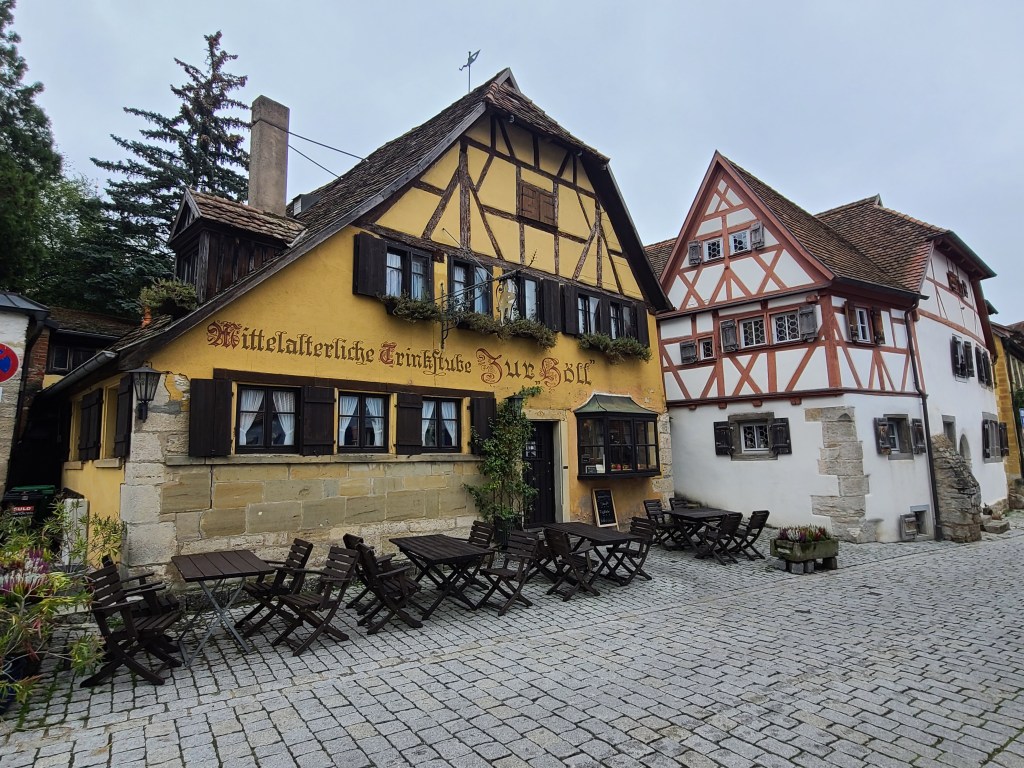
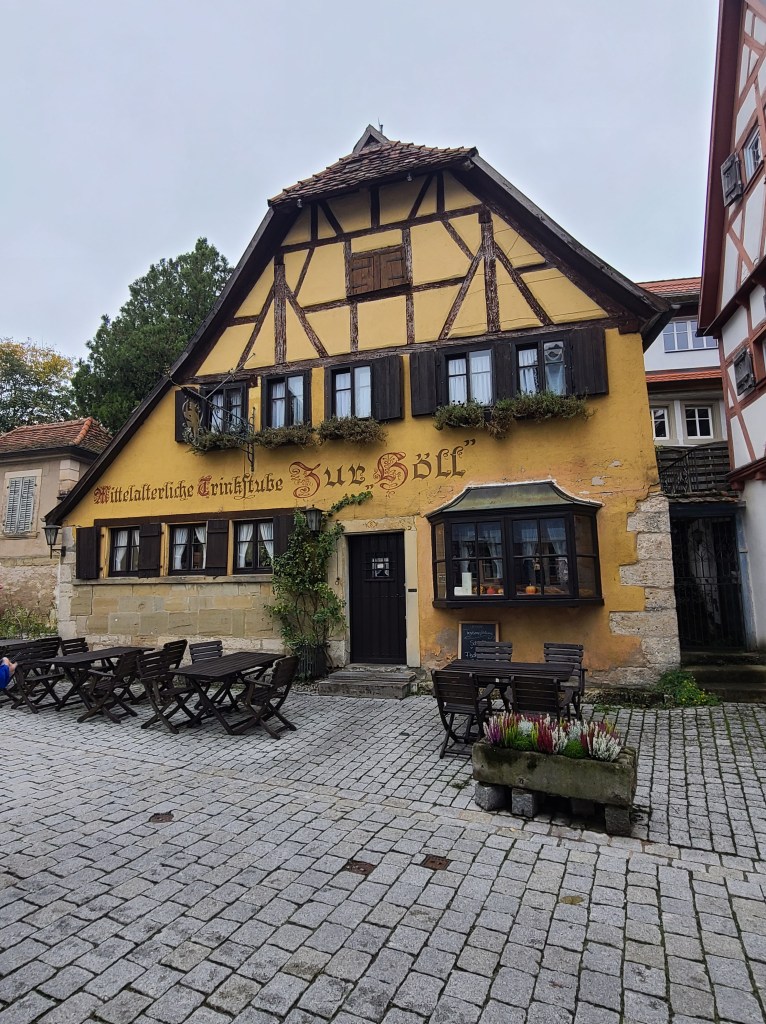
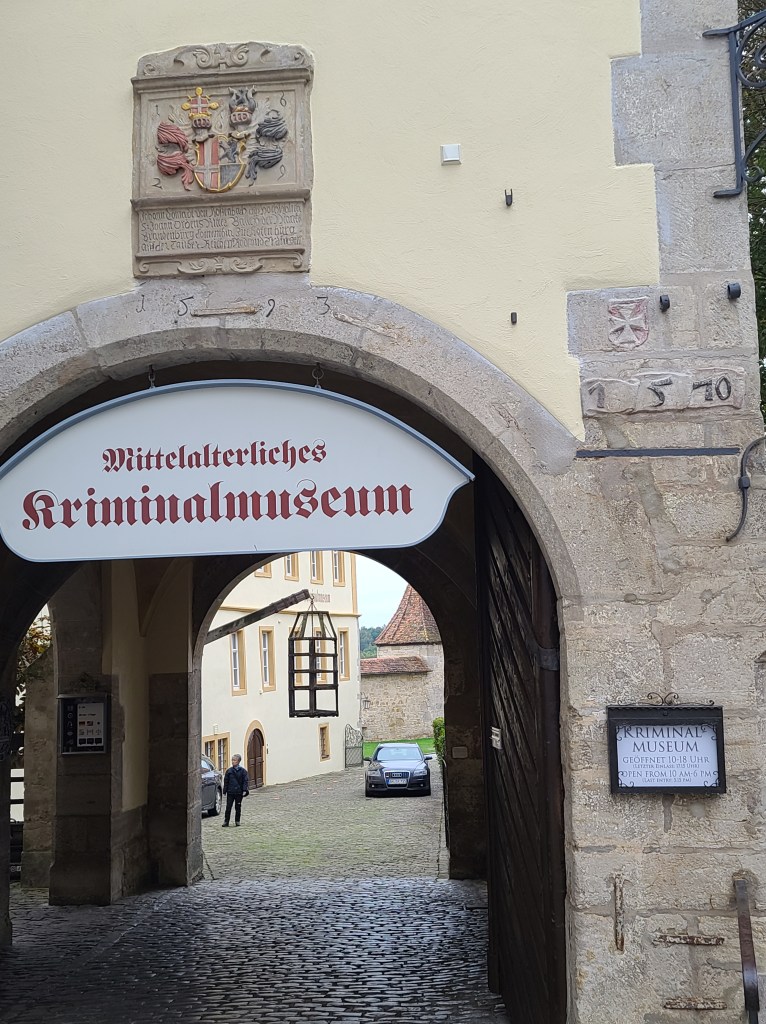
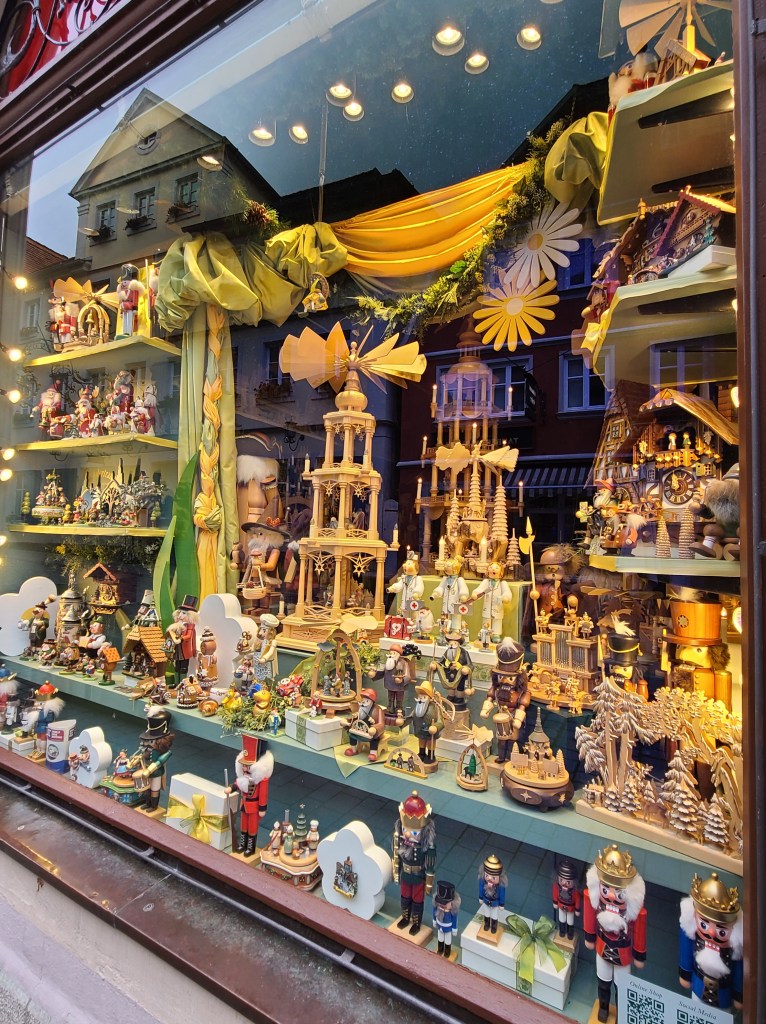
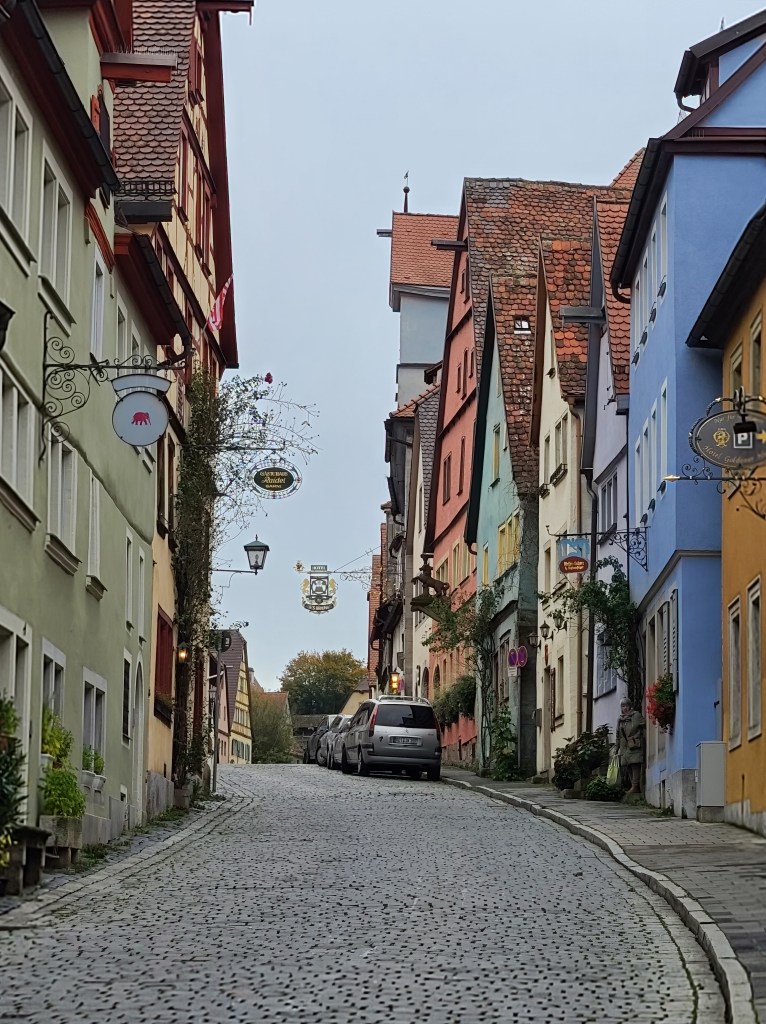
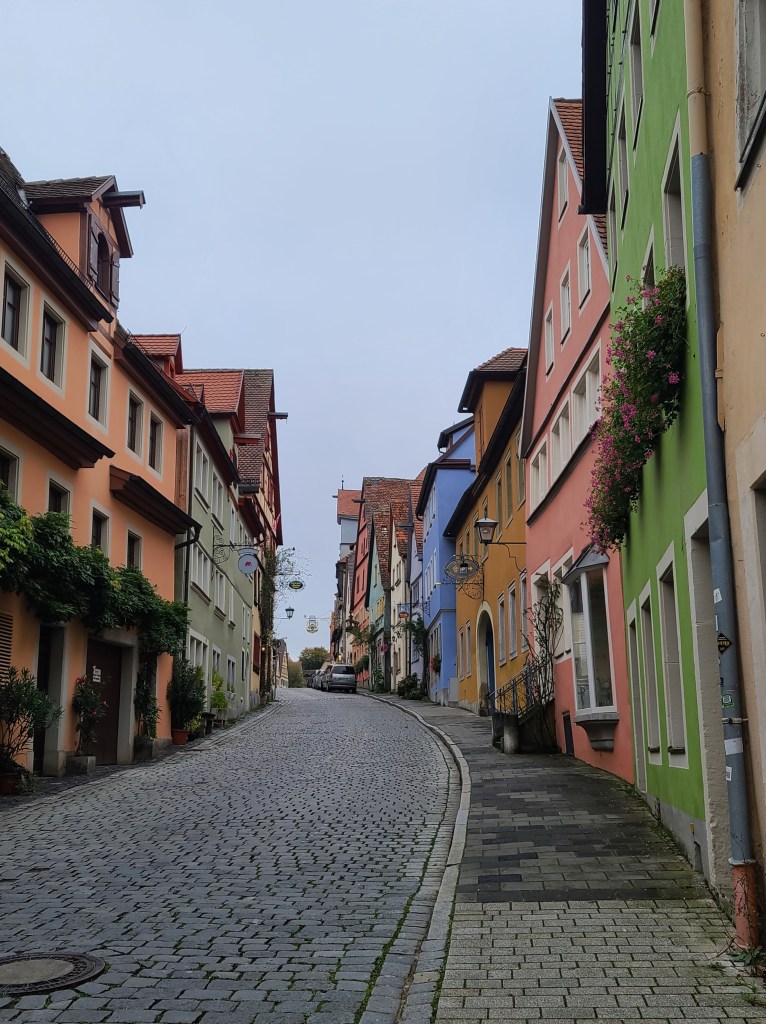
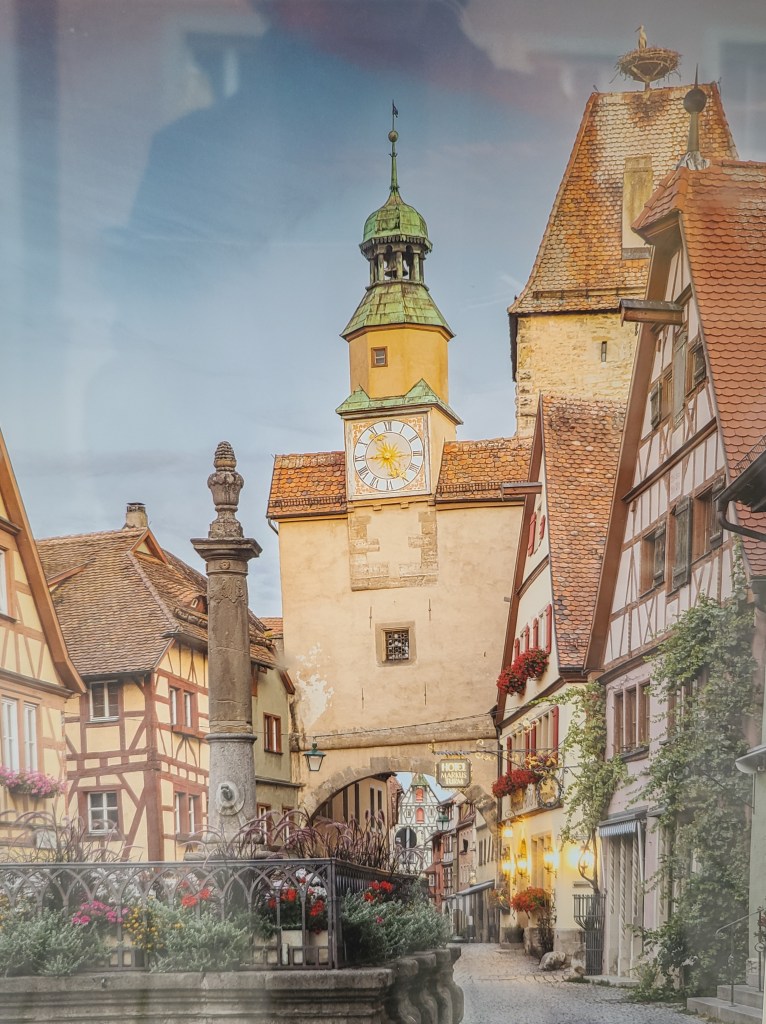
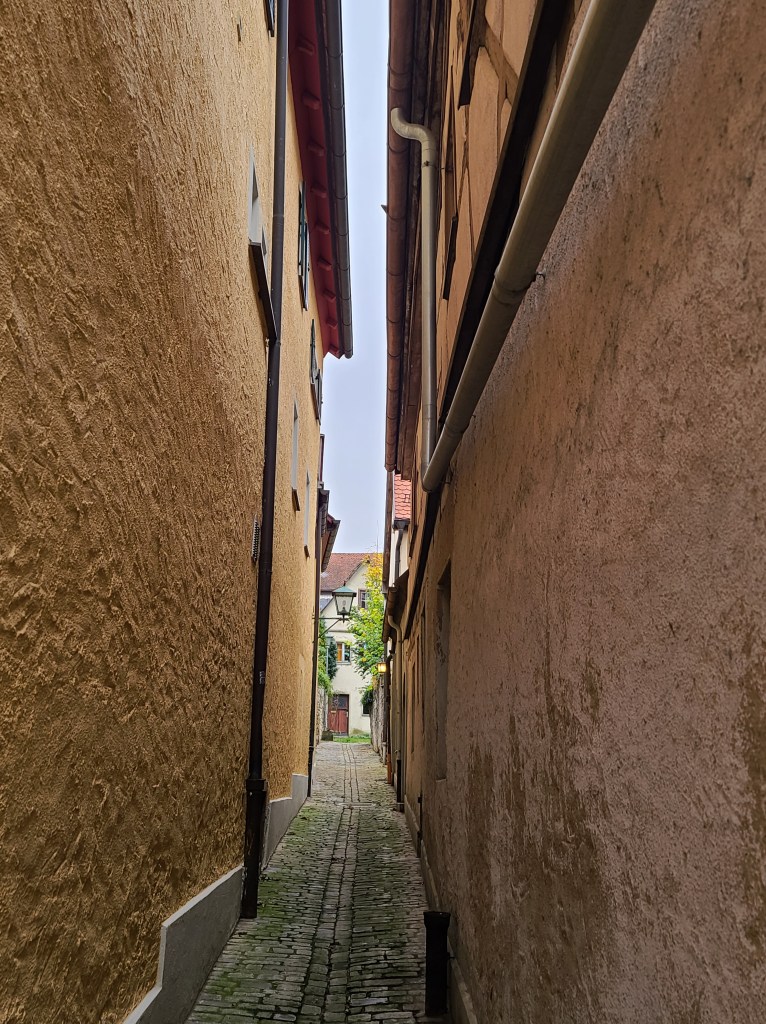
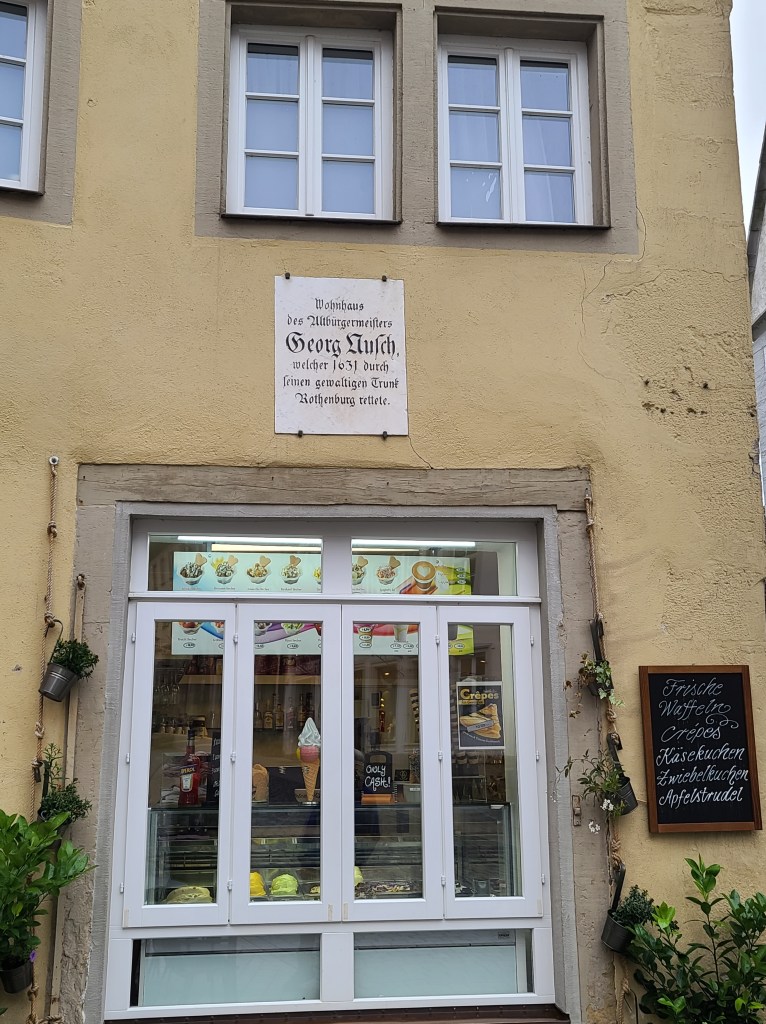
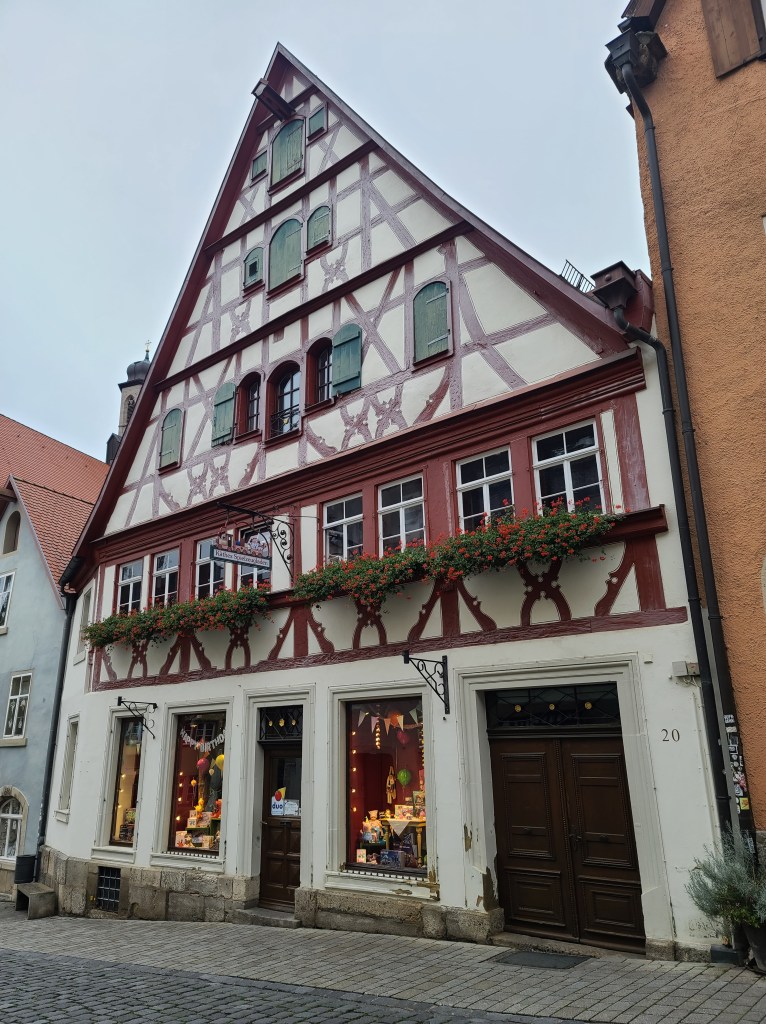
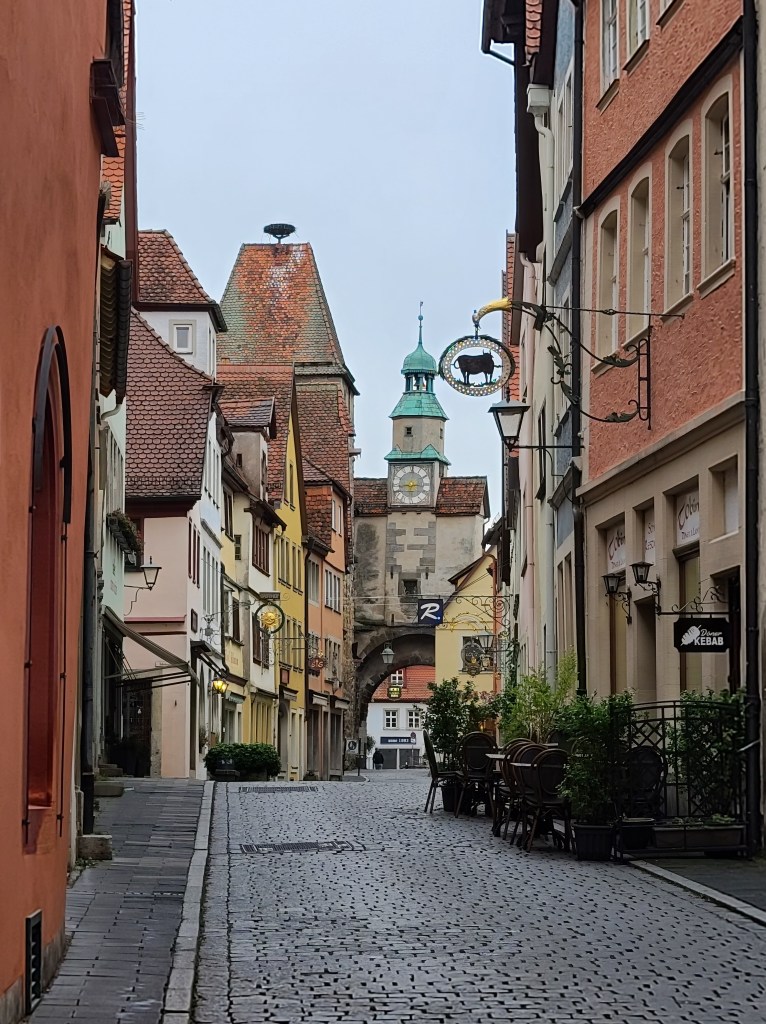
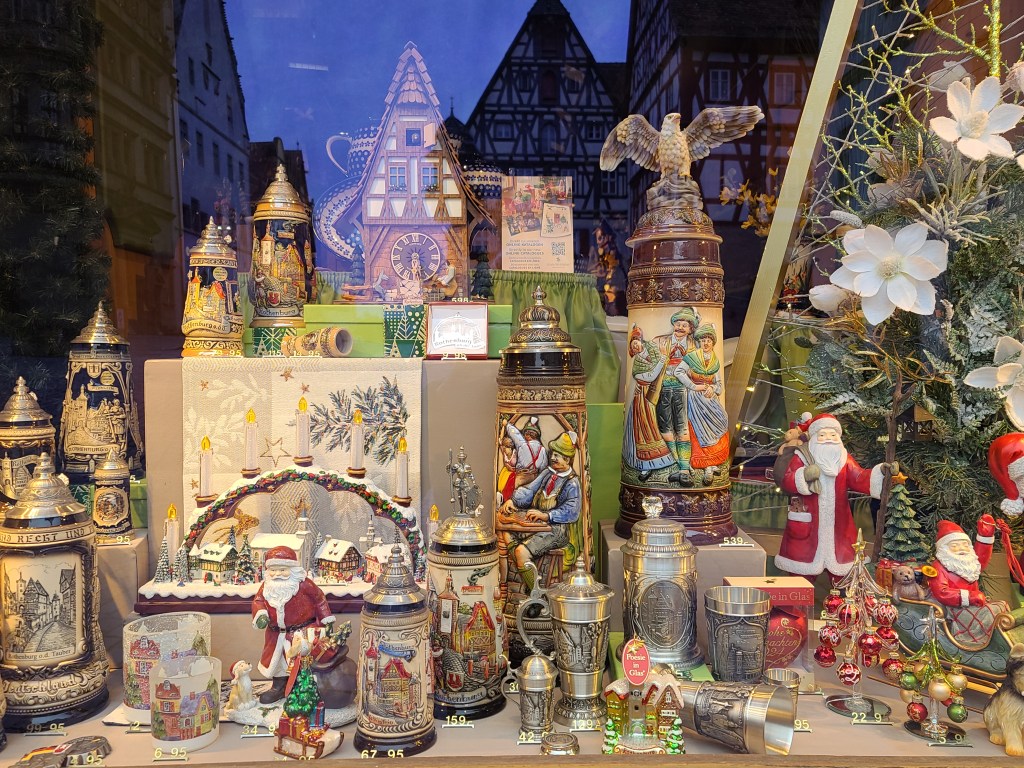
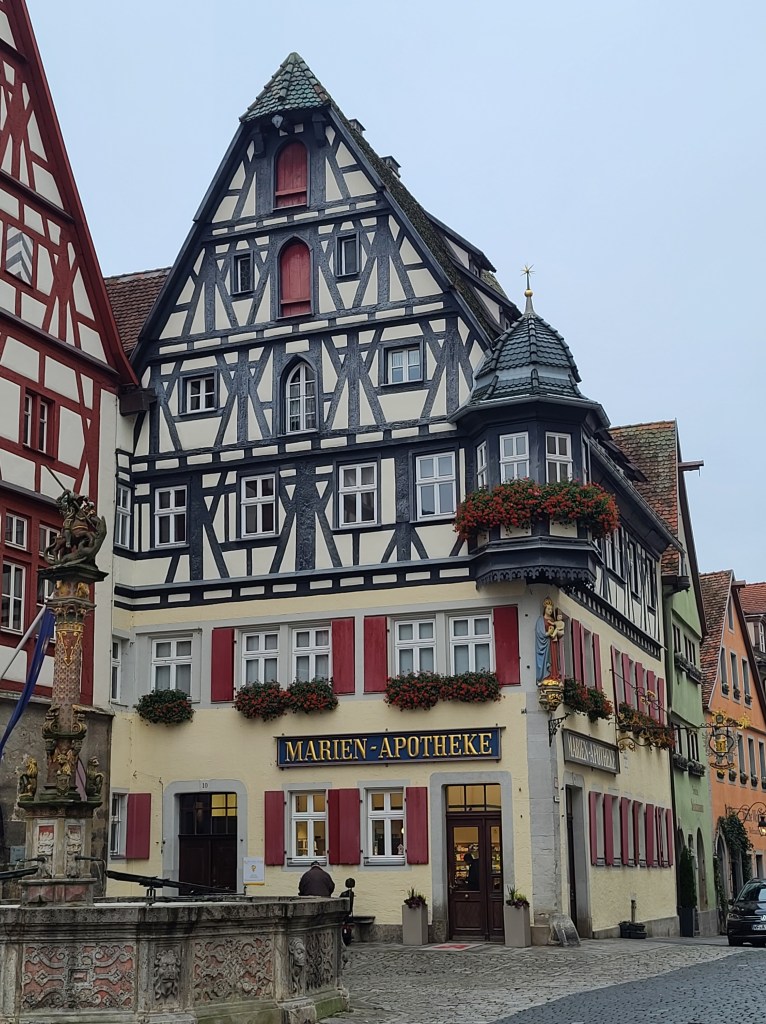
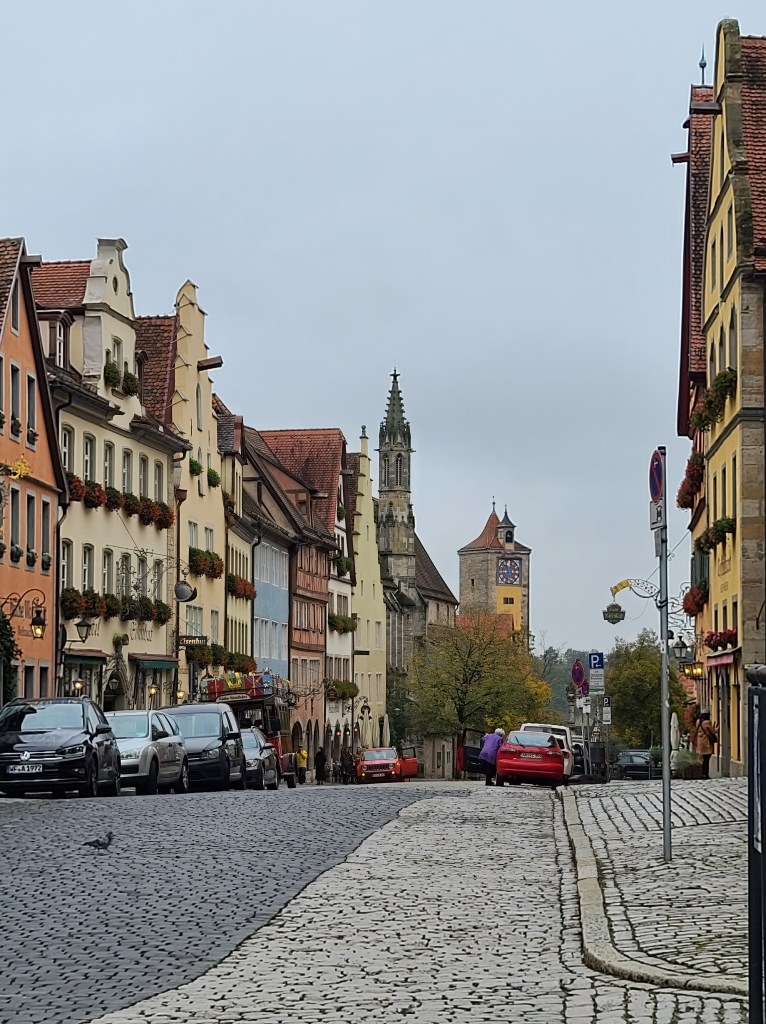
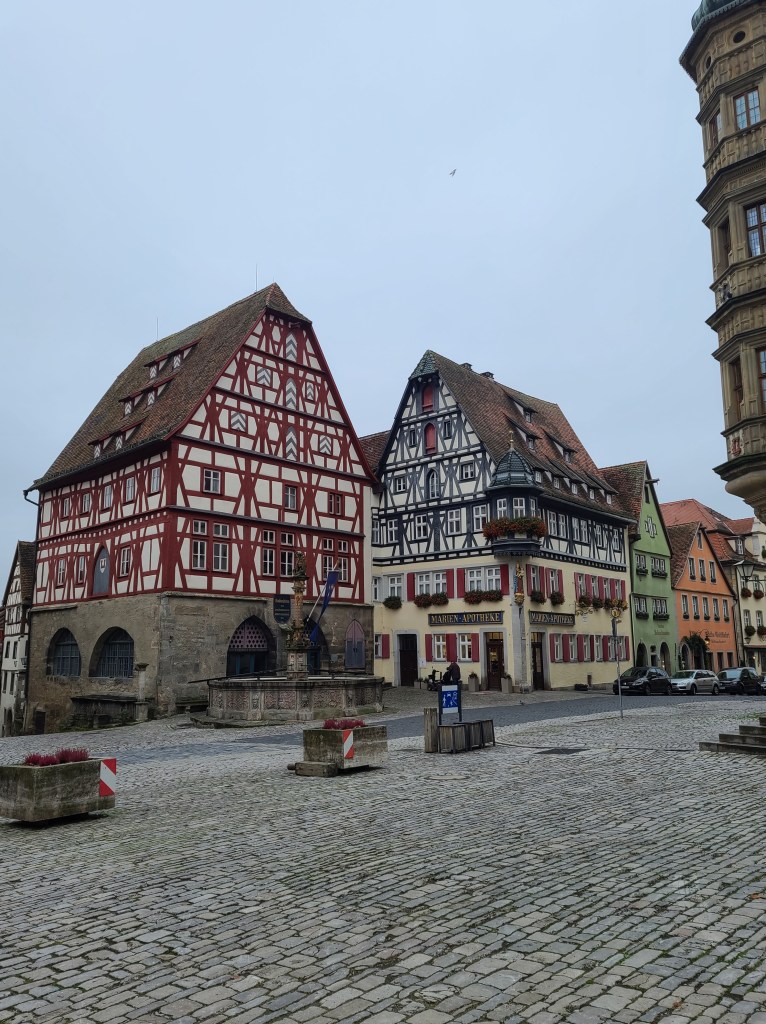
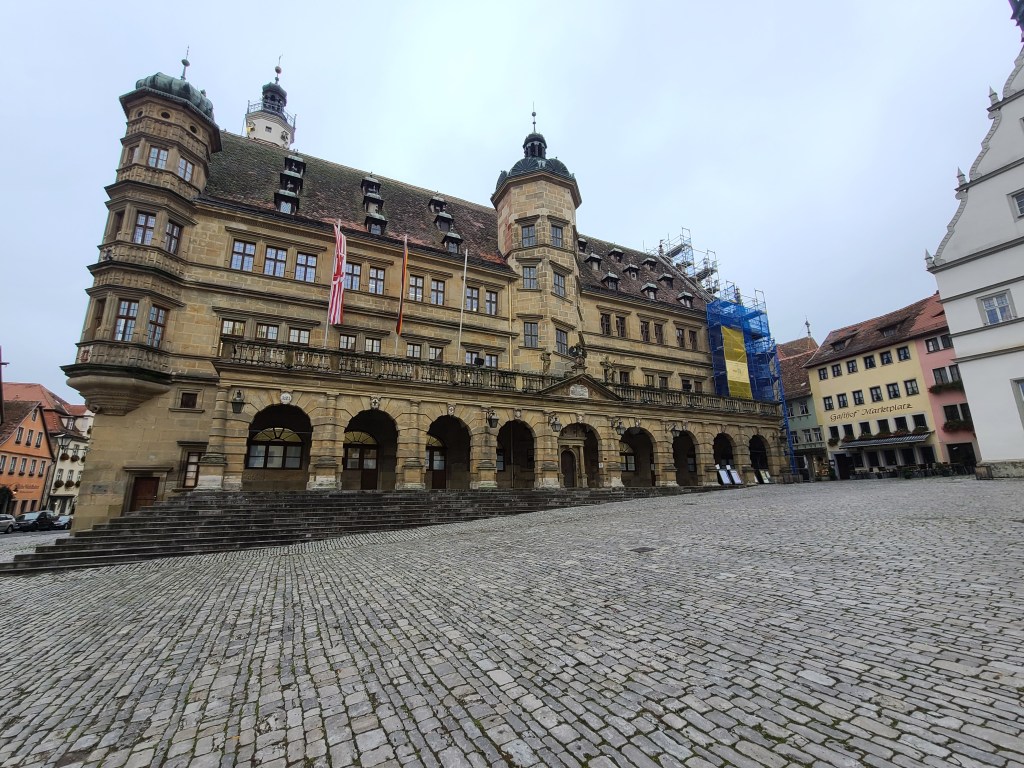
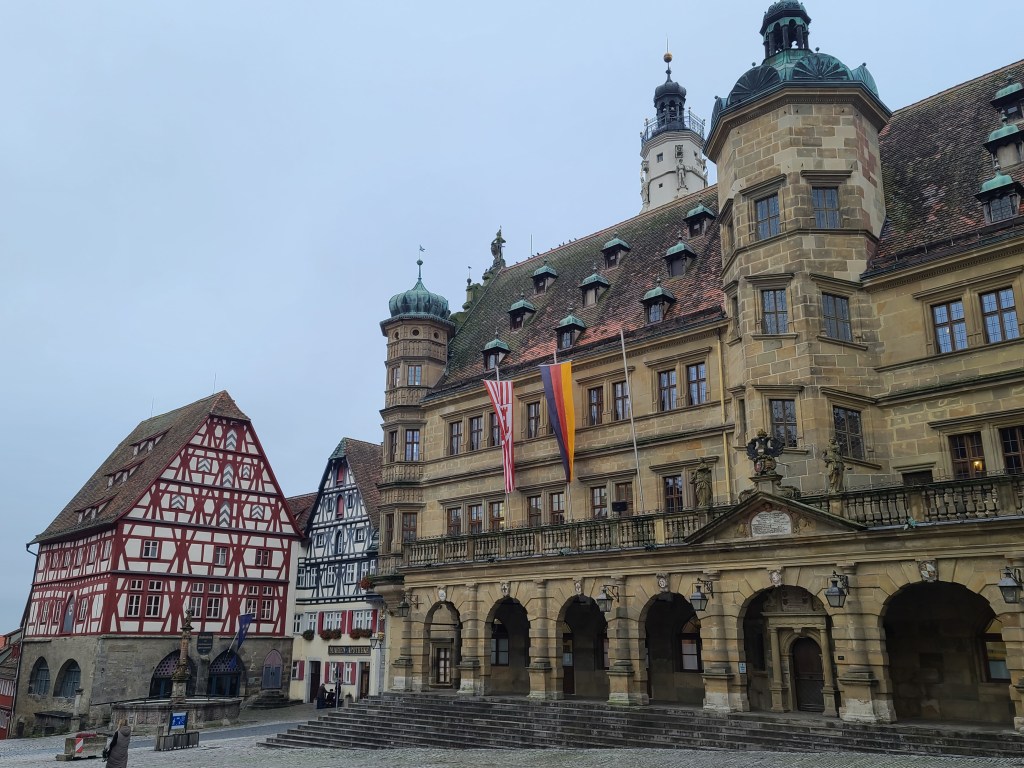
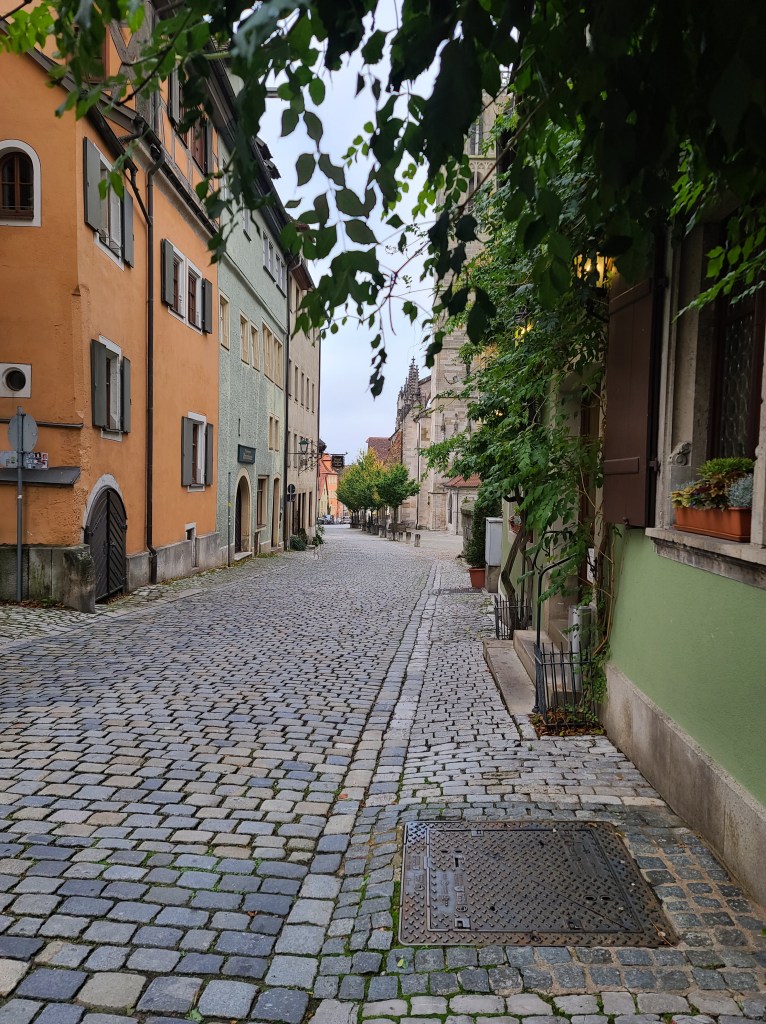
OMG, dinner and 3 weinstube later! It was an amazing day, 6.2km for the day!
October 16 Germany to France
Left Rothenburg Germany for Strasbourg France. The drive is 267km and take 3 hours. That’s a combination of speed limit 120kh, 130kh and no speed limit at all. There was some road construction on the A7, which in no way compares to Toronto. They still do 110 and 120 through many of these zones. At one location though it was an 11 minute slow down, no stoppage but caution. ALL trucks stayed to the right lane and cars just kept on moving. Such a sharp contrast to home!
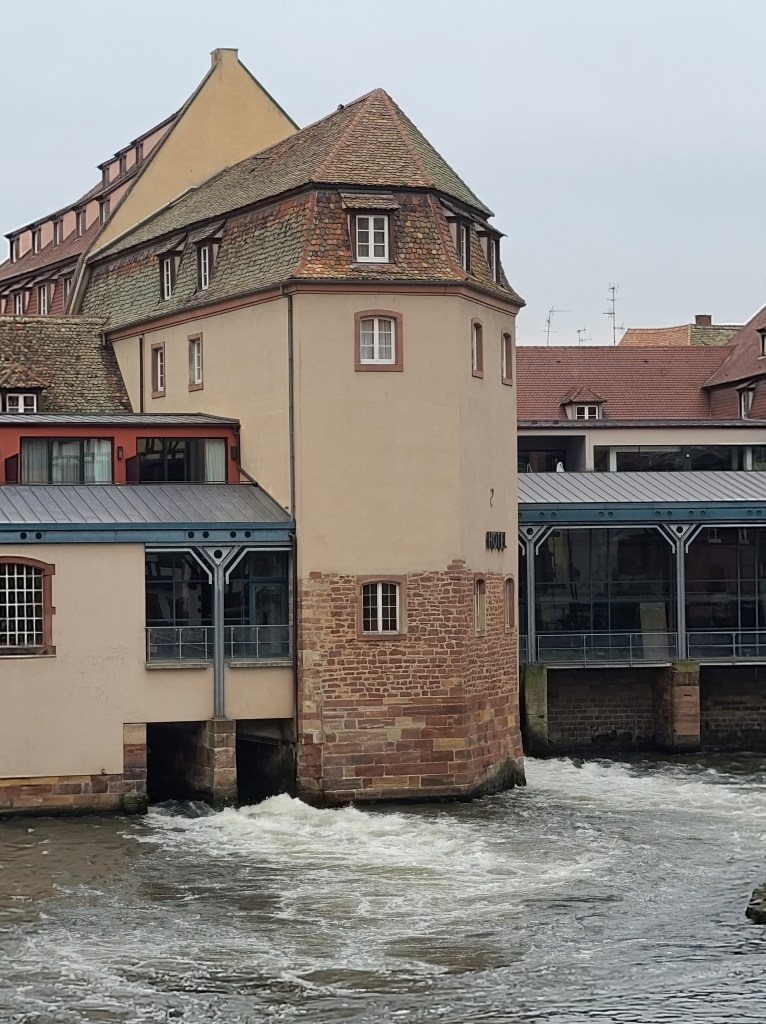
Strasbourg is beautiful. We checked into our hotel, which will be our base for the next 4 days and we can come and go and explore as we like. They have 6 Park and Rides in strategic zones encircling the city and for €4.20 per car load of people you can park your car in a covered building, get on the city tram and ride the tram all day around the city and back to your car as much as you want for the €4.20 total.
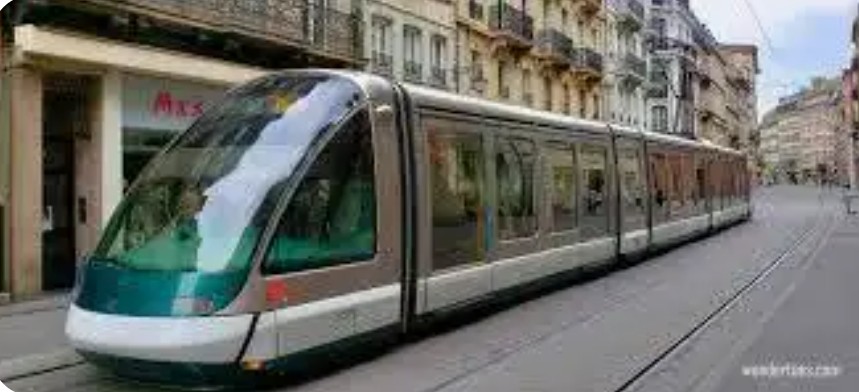
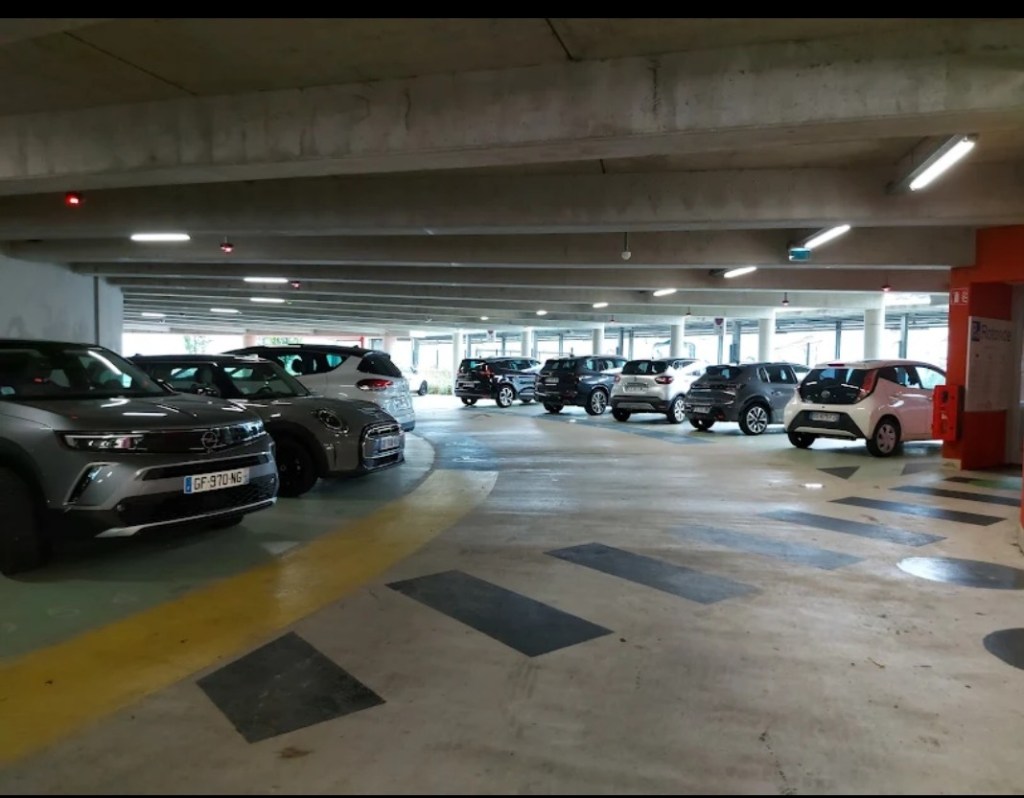
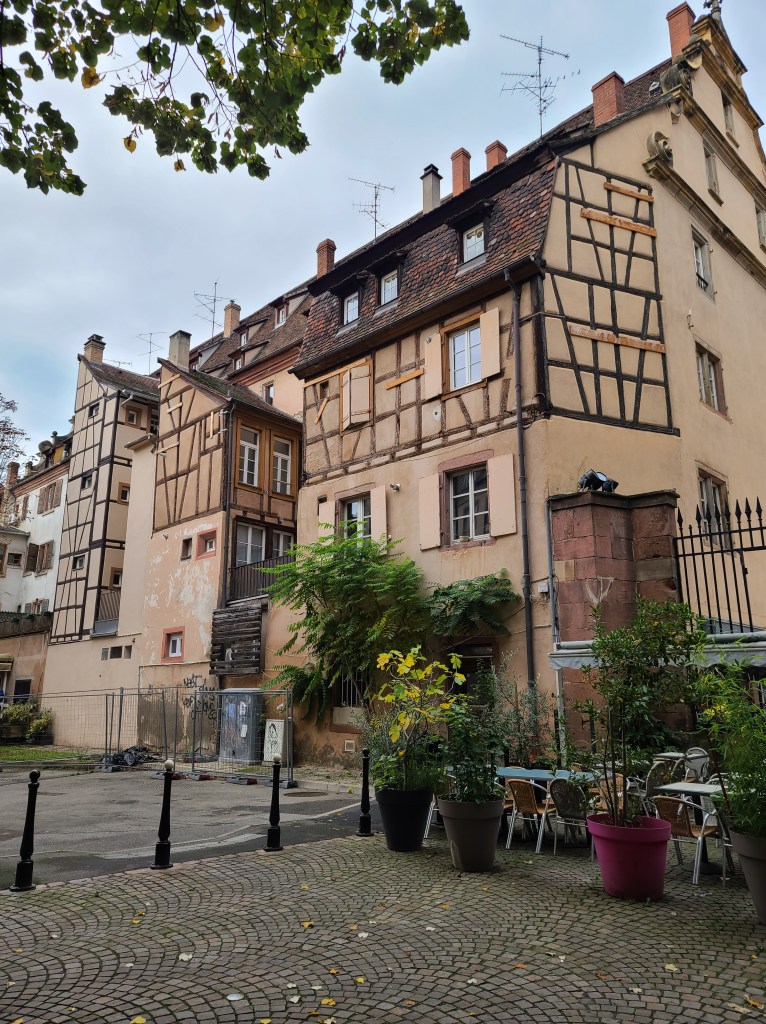
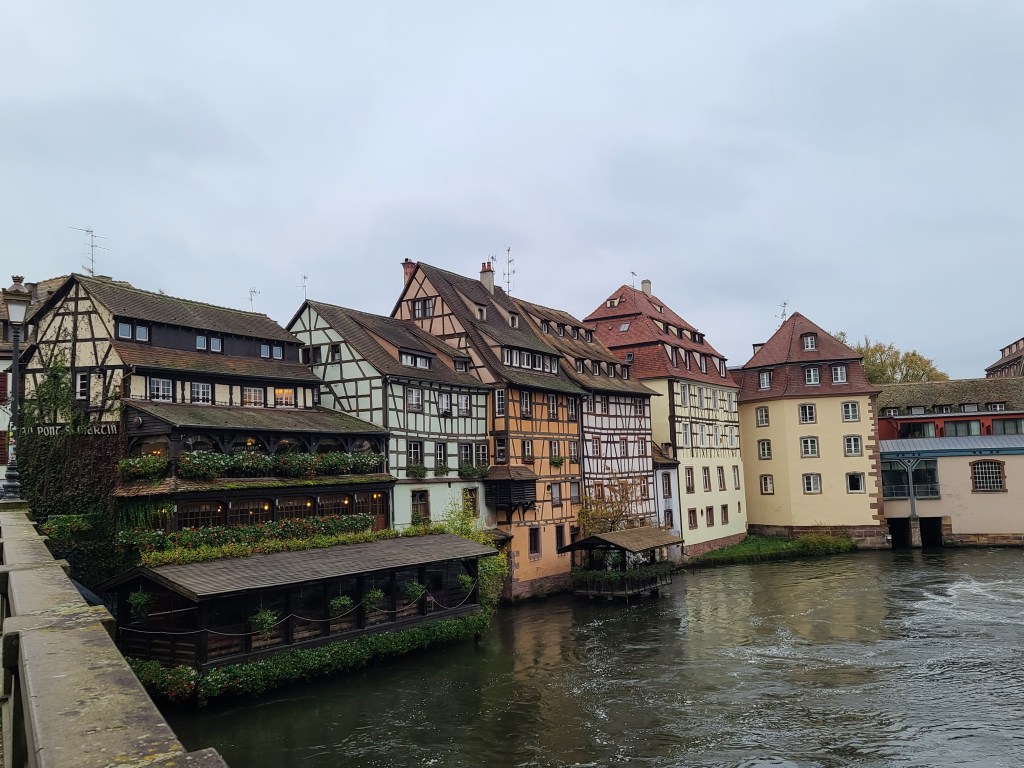
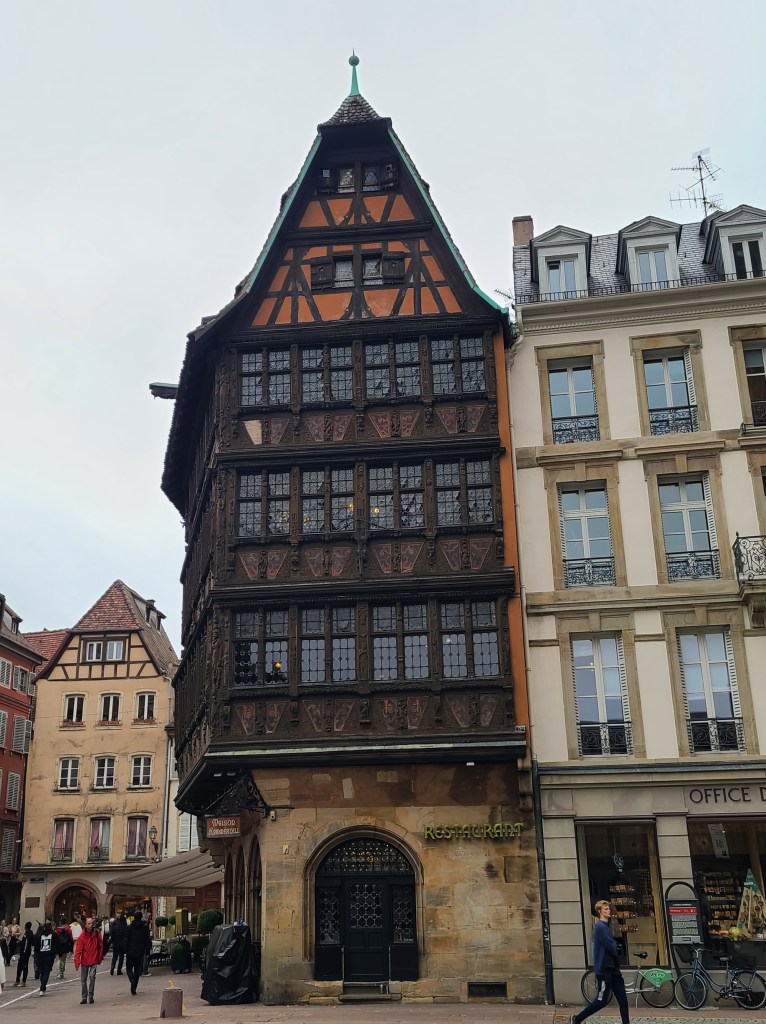
Strasbourg looks like a large island, mainly because it’s surrounded by the Ill river (read ILL) Most of the sites of interest are located in the historic centre, called Grande Île, a city that looks like it has been frozen in time and is on UNESCO’s World Heritage List. Unlike the historic centres of Colmar and the surrounding Alsatian villages, the one in Strasbourg is enhanced with many monuments, churches, little shops, breweries and bakeries.
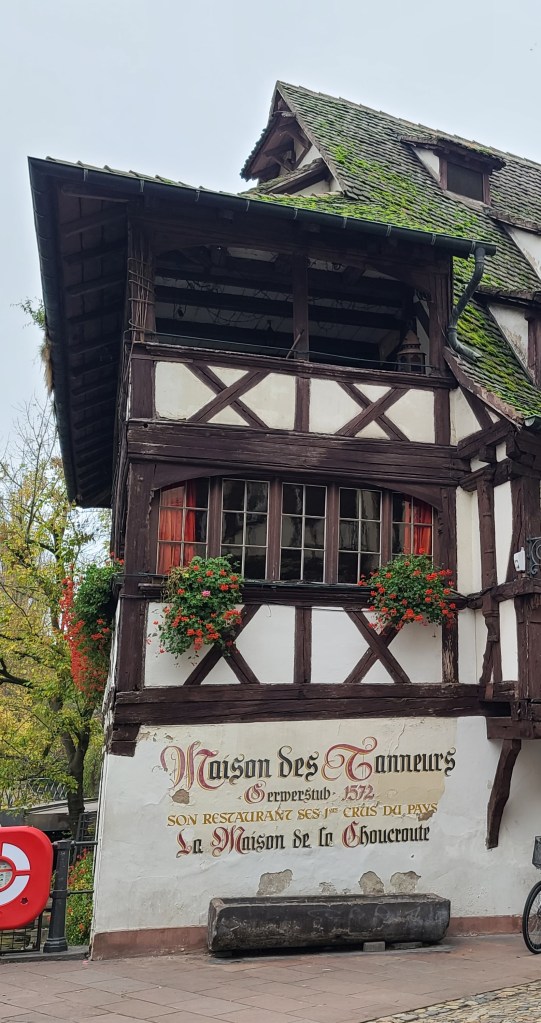
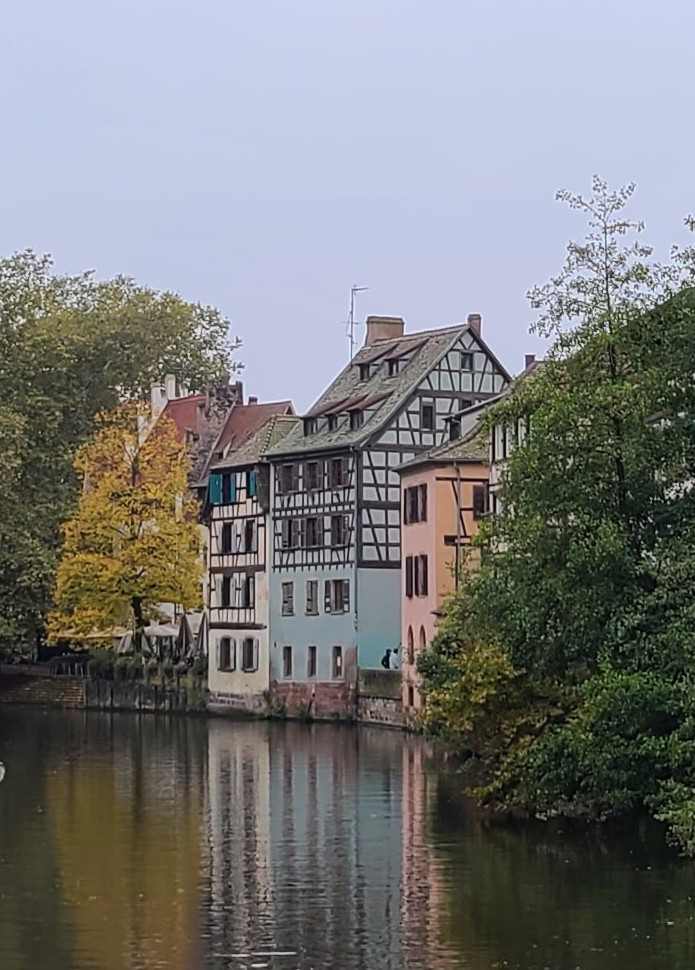
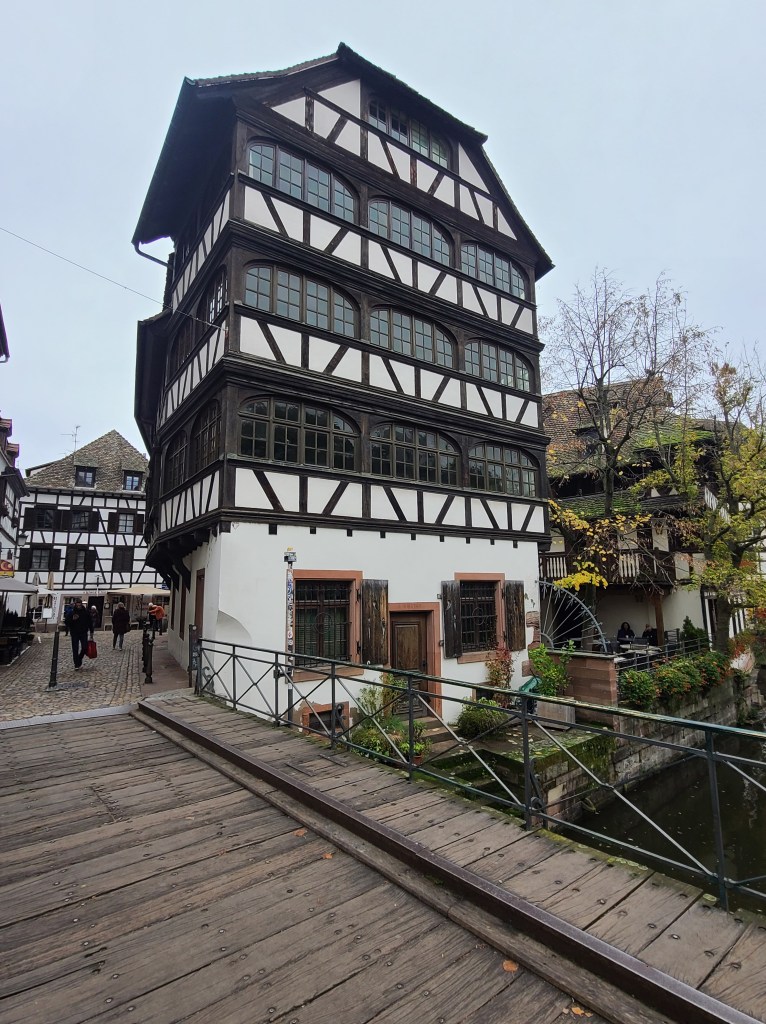
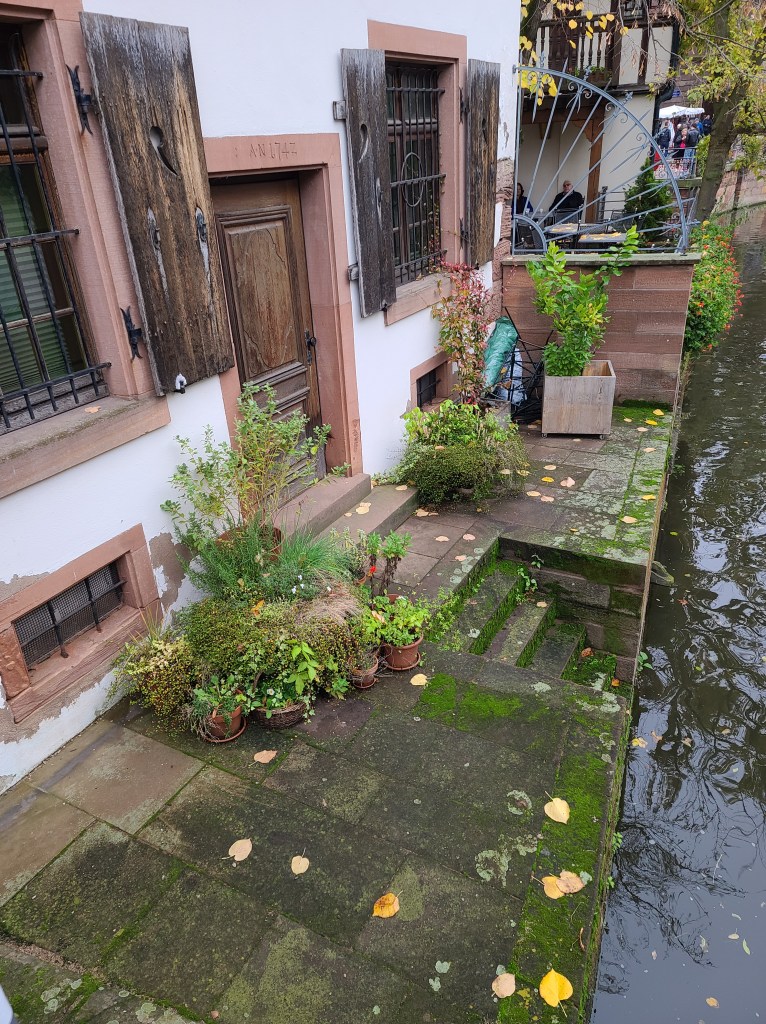
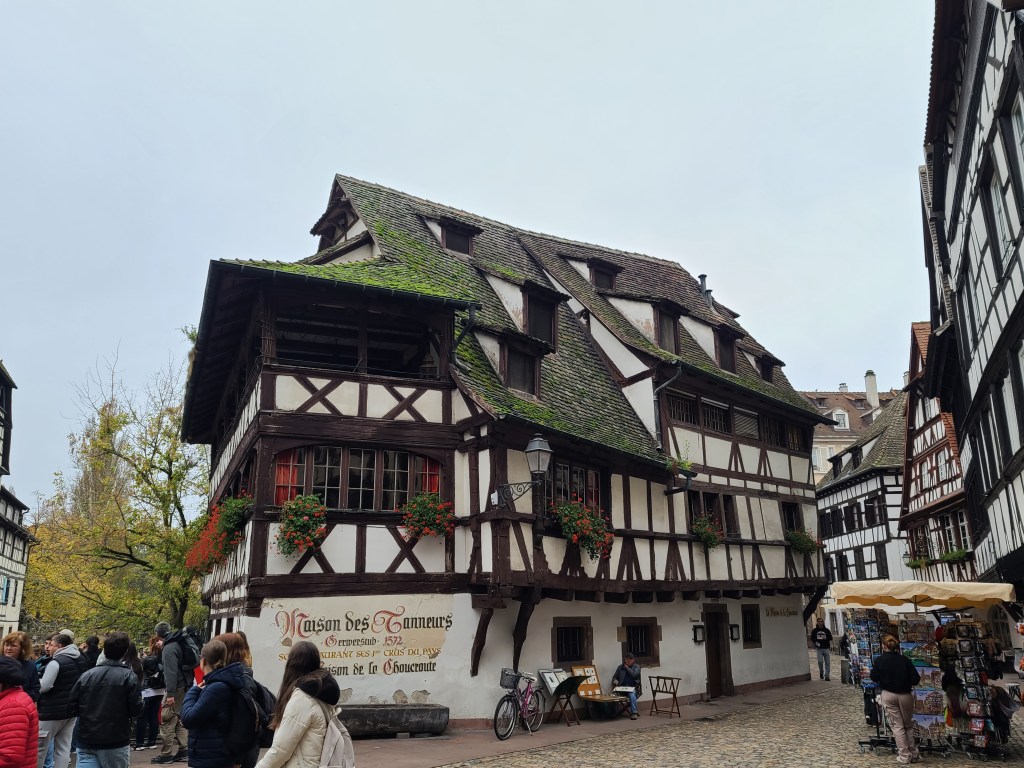
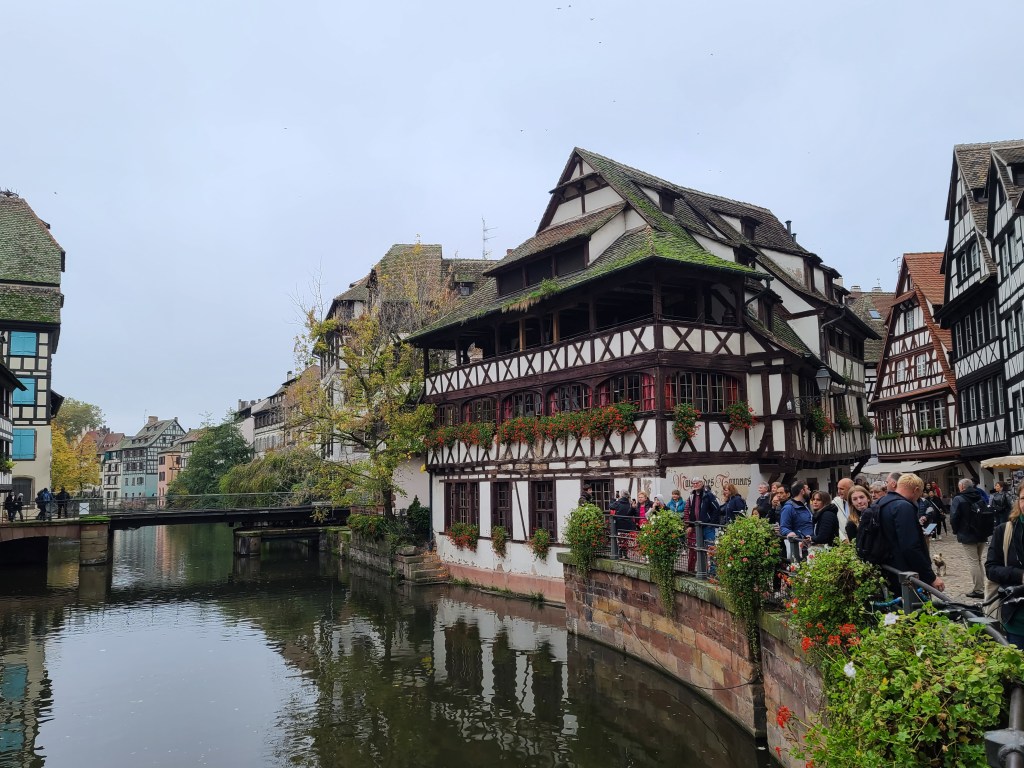
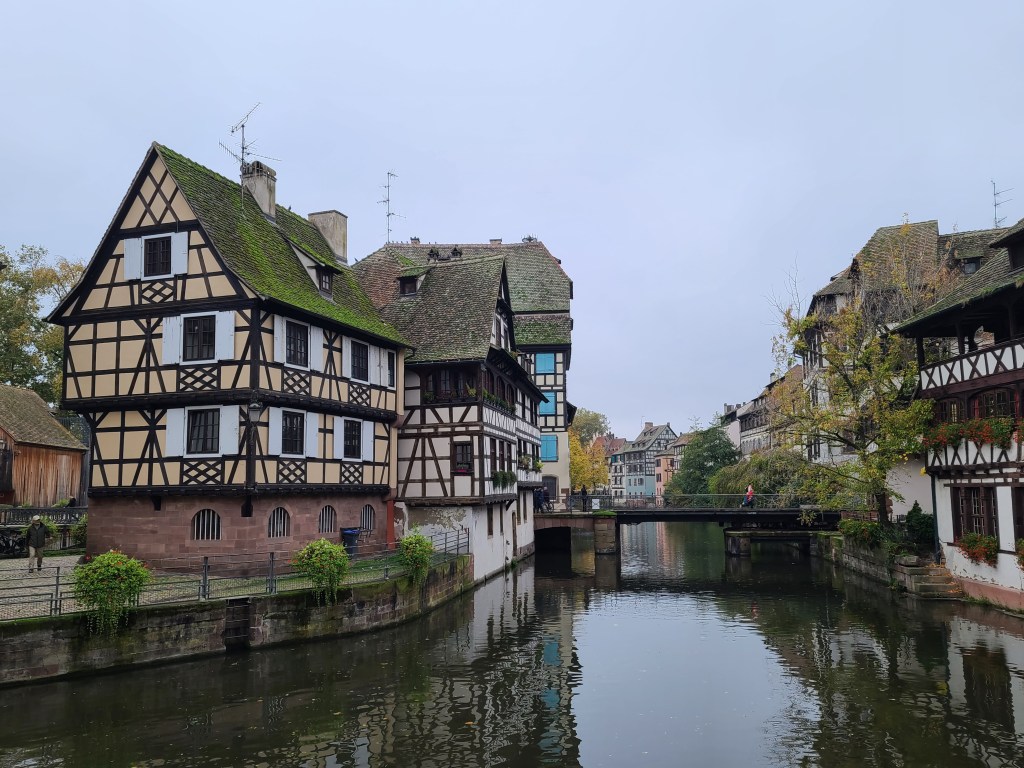
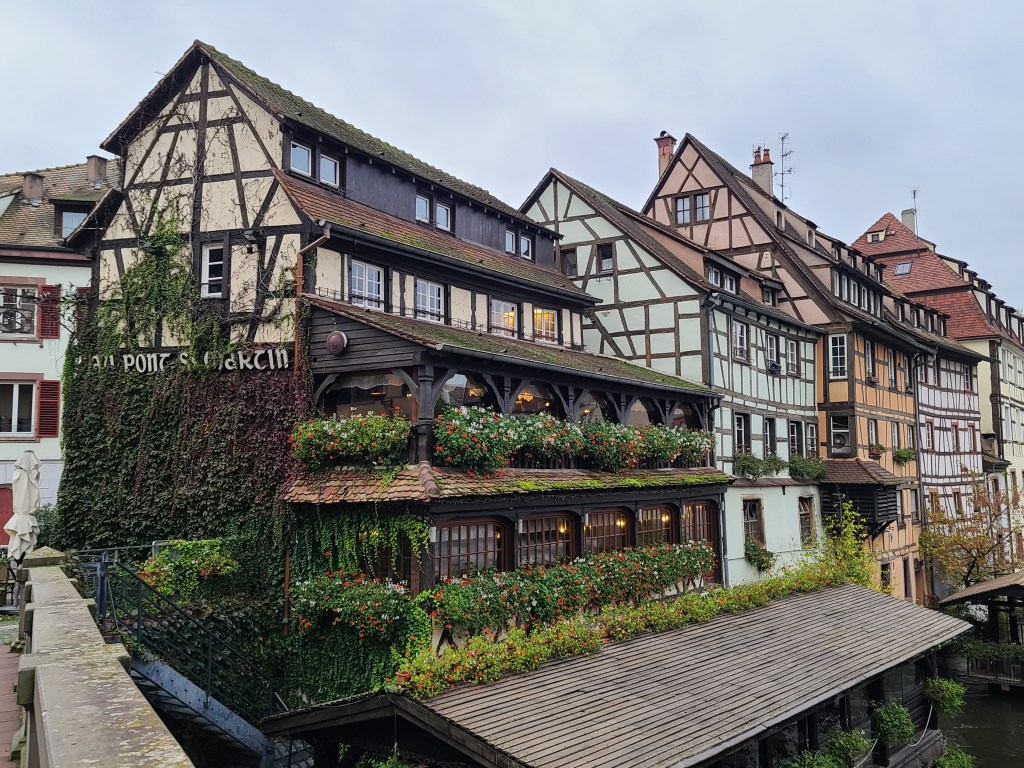
Petite France.
Formerly populated by tanners, millers and fishermen, this district is named after a hospital, built in the late 15th century, treating French soldiers affected with syphilis.
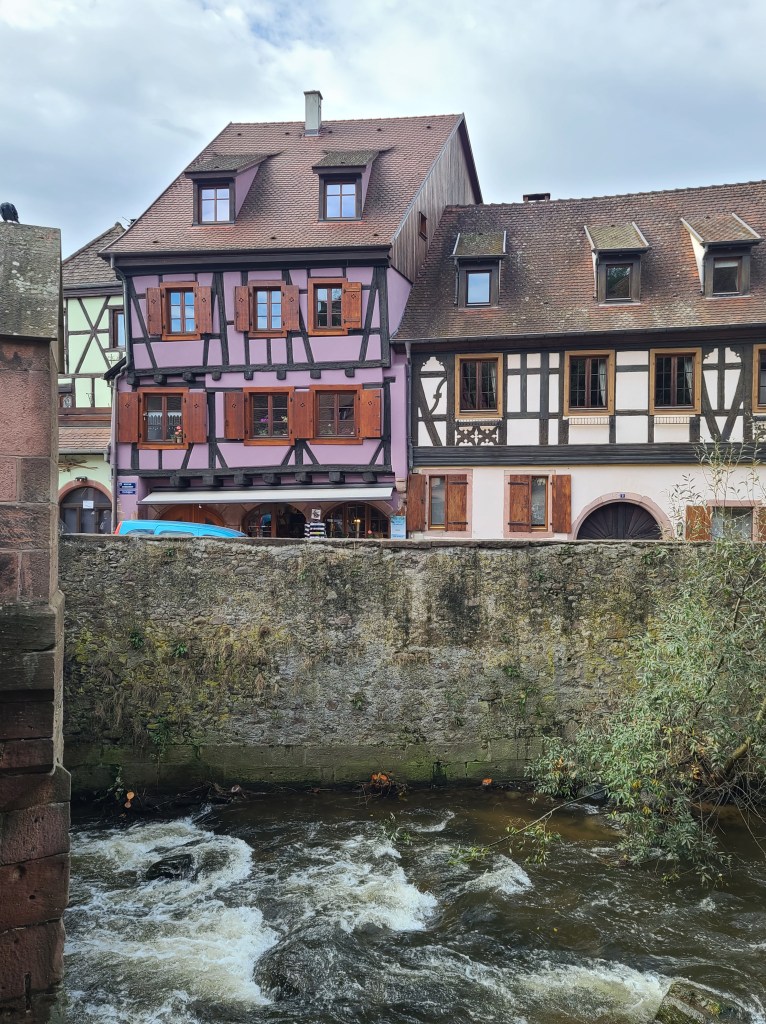
Although its origin does not link to good memories, today Petite France crawls with tourists, locals and photographers looking for the best point of view to snap a picture. The houses, in fact, perfectly suit this purpose: half-timbered, coloured, some of them still decorated since last Christmas, often reflecting in the canals.
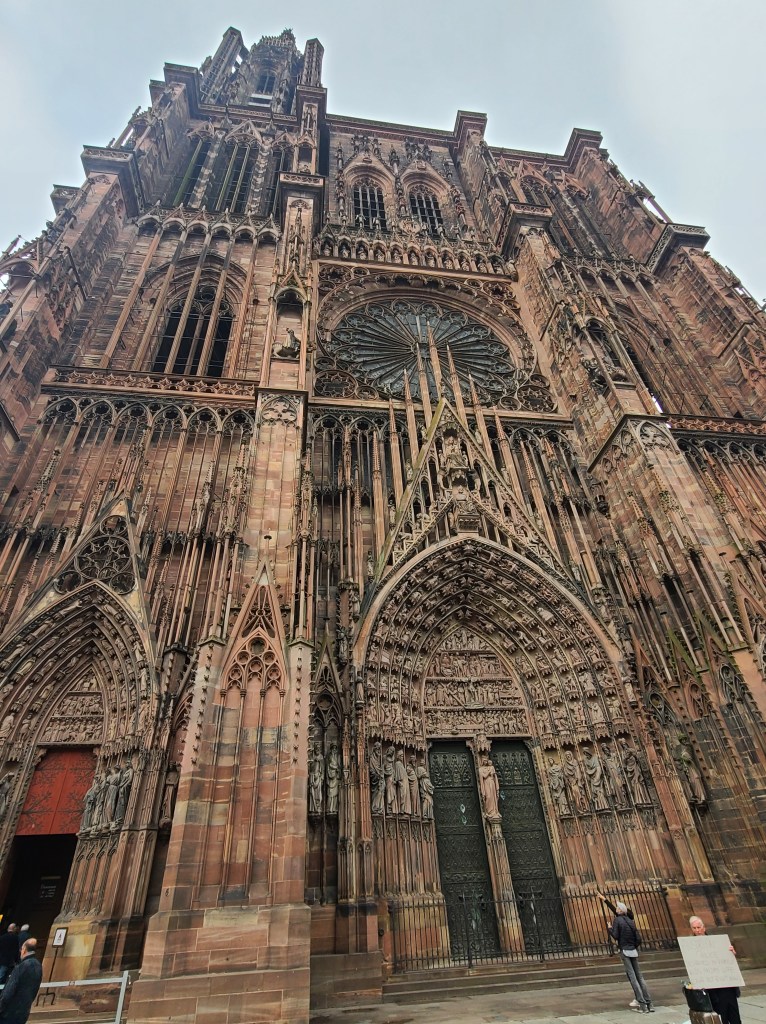
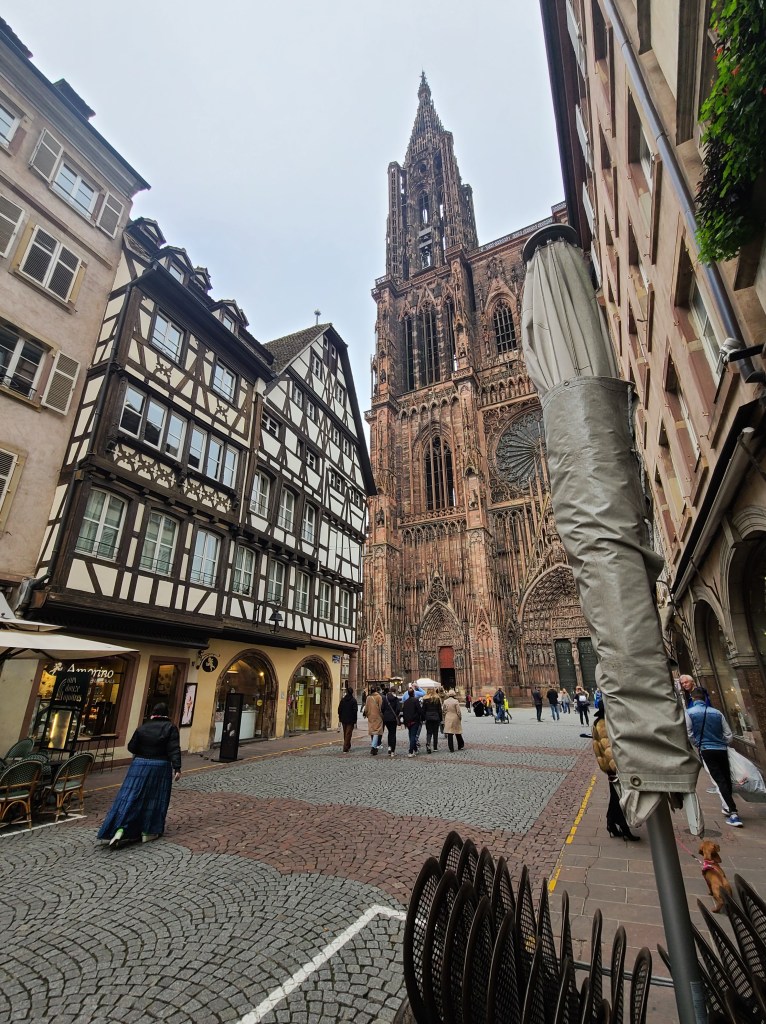
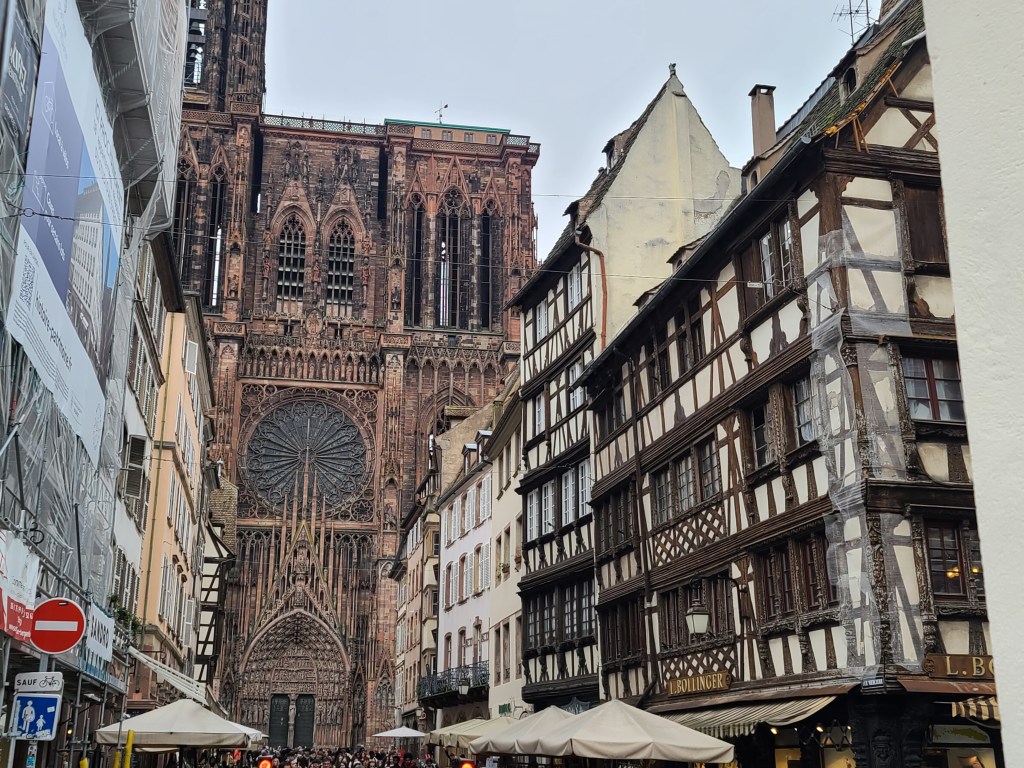
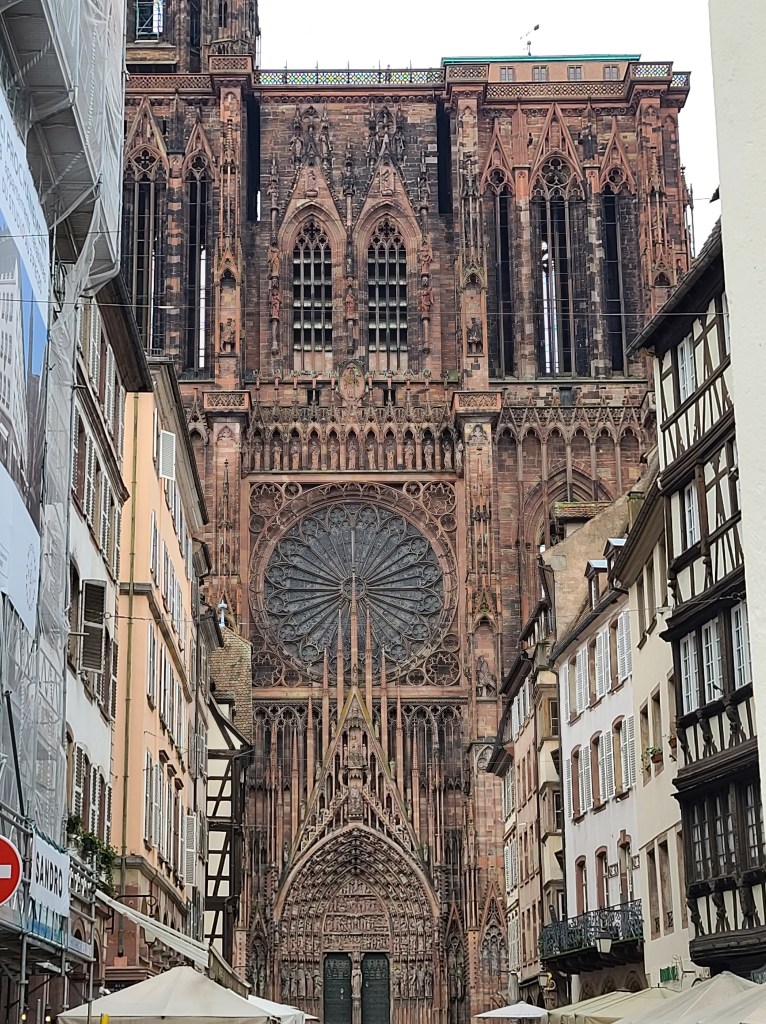
Cathedrale de Notre Dame de Strasbourg.
Victor Hugo was right when he described the Cathedral as a “huge and delicate wonder”.
The portal of the façade, a masterpiece of the gothic era, is considered the largest Bible of the Middle Ages: the door is carved with some detailed episodes of Jesus’ life. The Cathedral was built from pink sandstone of the Vosges mountains closeby, which explains where its unique colour comes from.
Over the centuries Strasbourg has long been fought over by both France and Germany; in about 75 years, i.e. between the first French-Prussian conflict, through the First and then the Second World War, the city passed 4 times from one country to another.
That’s why Strasbourg became a symbol of peace for French and German population, a city with double culture, with an idea of European unity that helped to gain, in 1949, the reputation of Political Capital of EU.
October 17 Colmar, Kayserberg and Kientzheim
Another great sunny day. Enjoyed the market in Colmar. All fresh vegetables, sausage, olives, honey, bread and cakes.
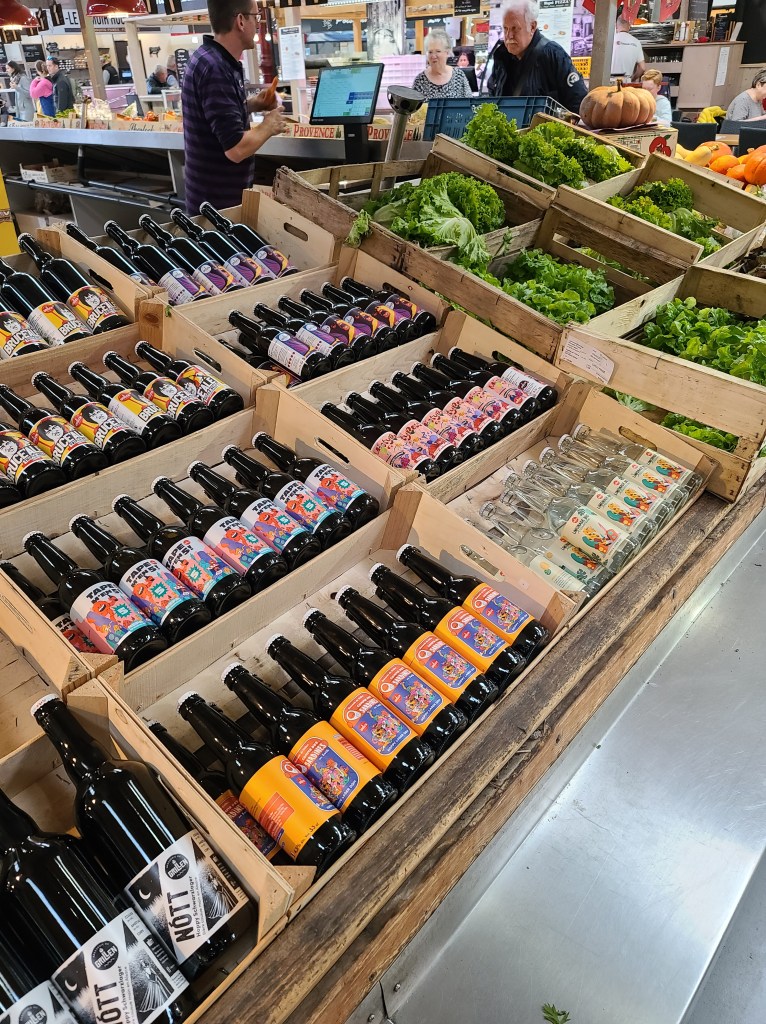
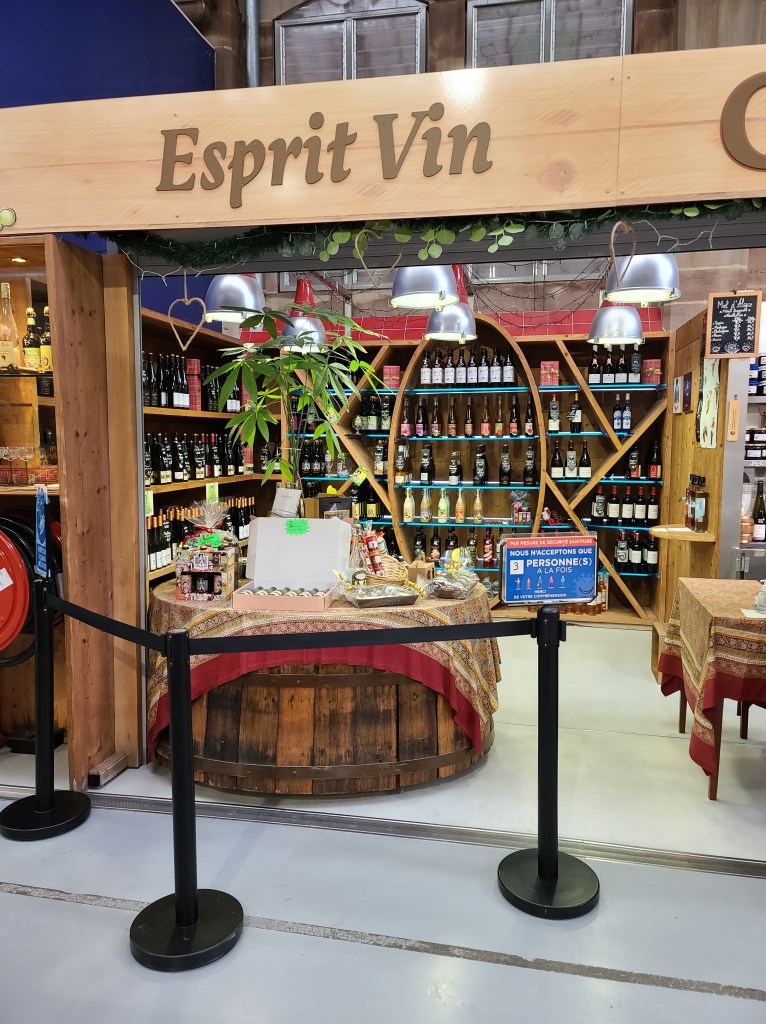
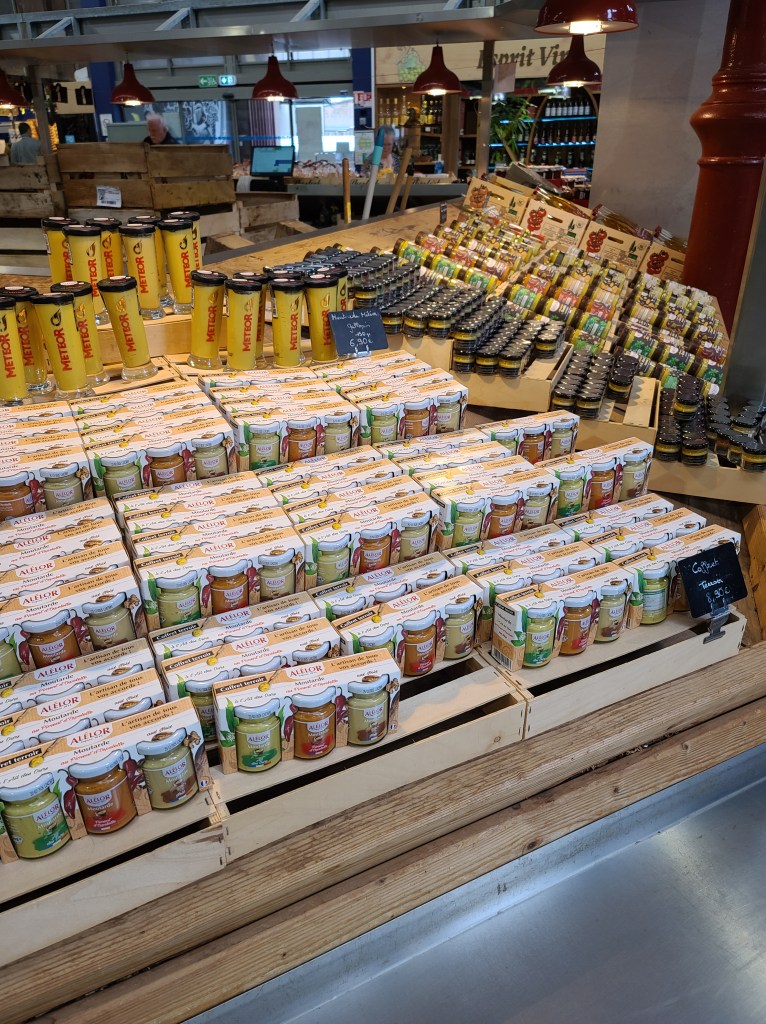
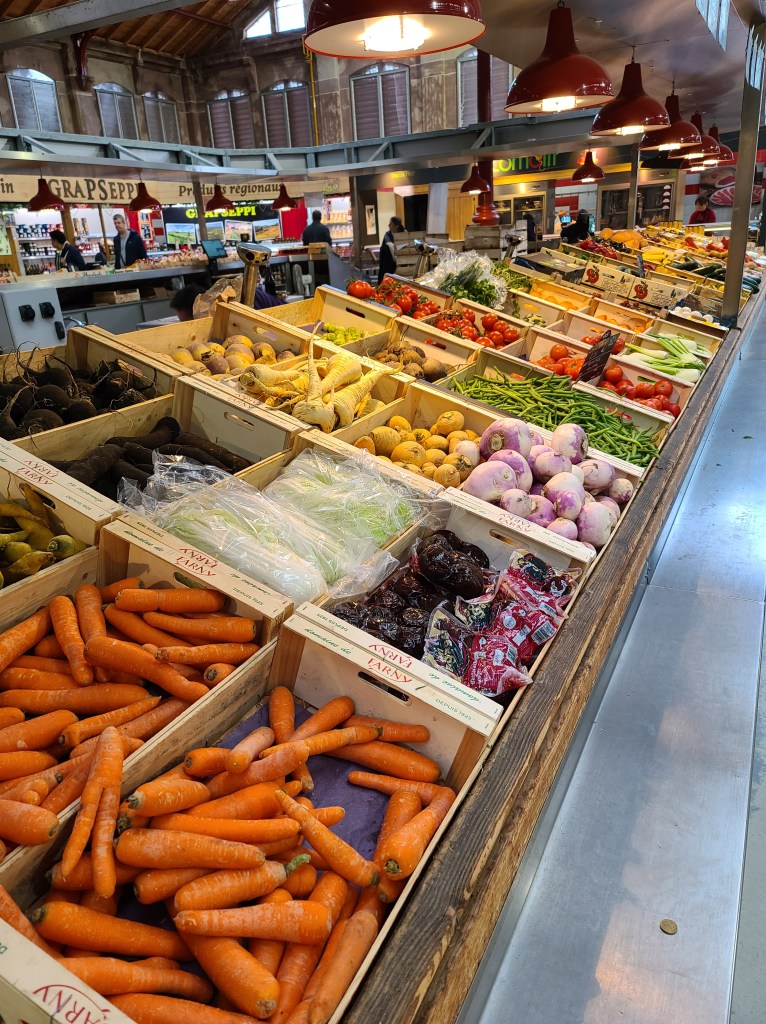
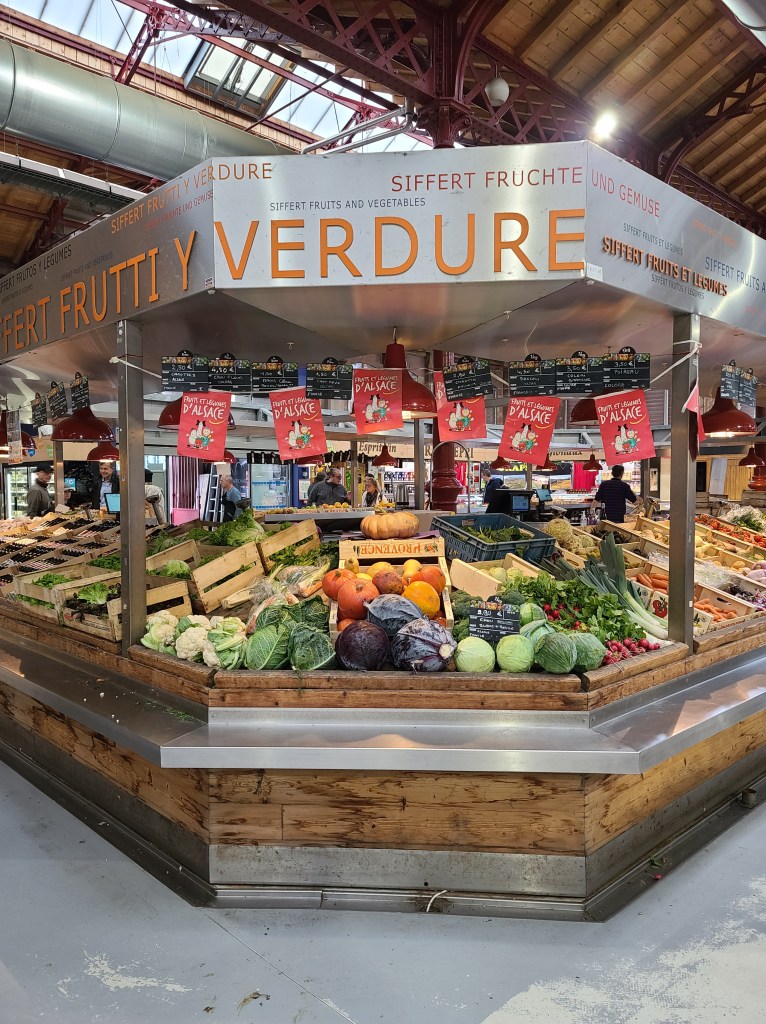
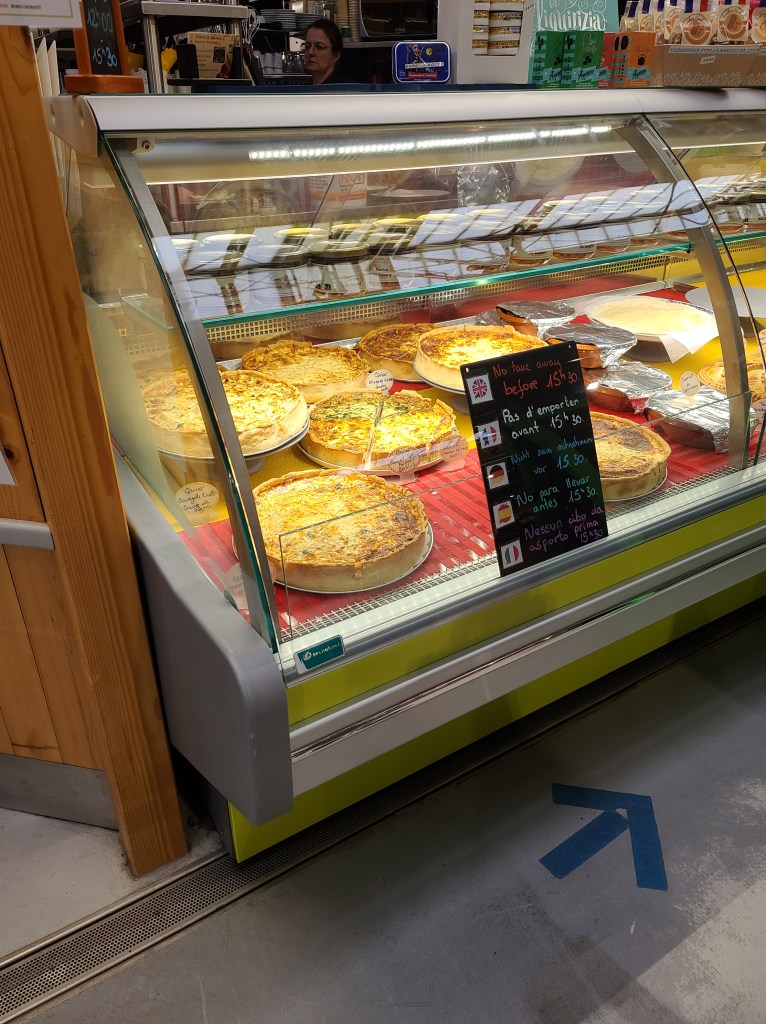
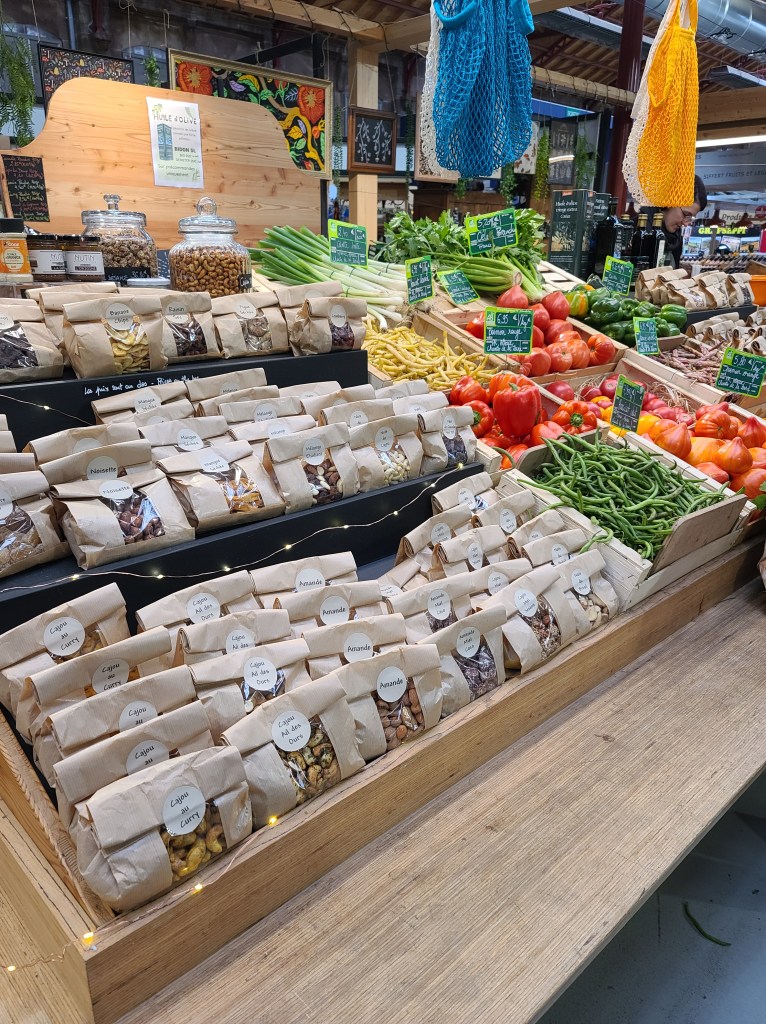
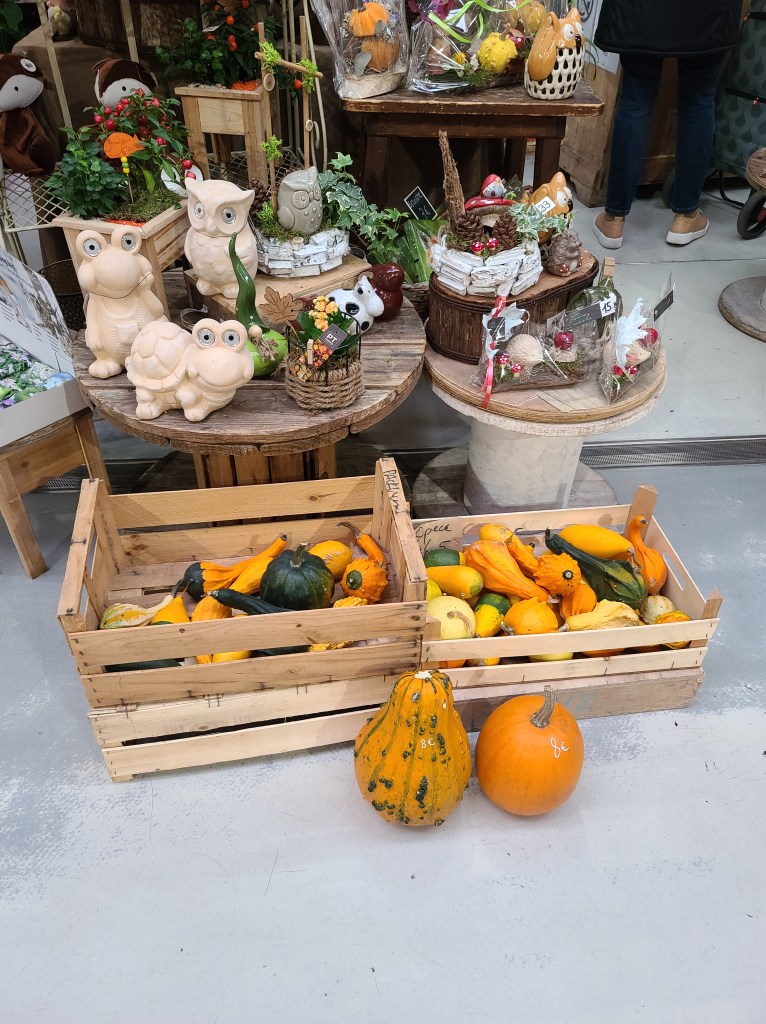
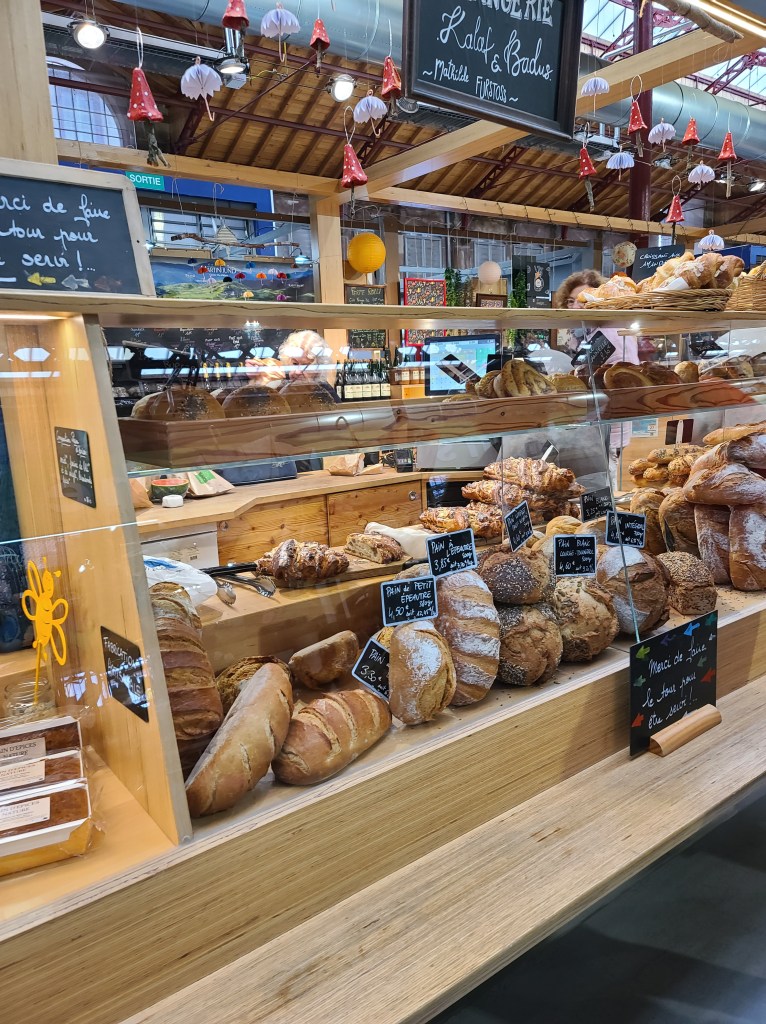
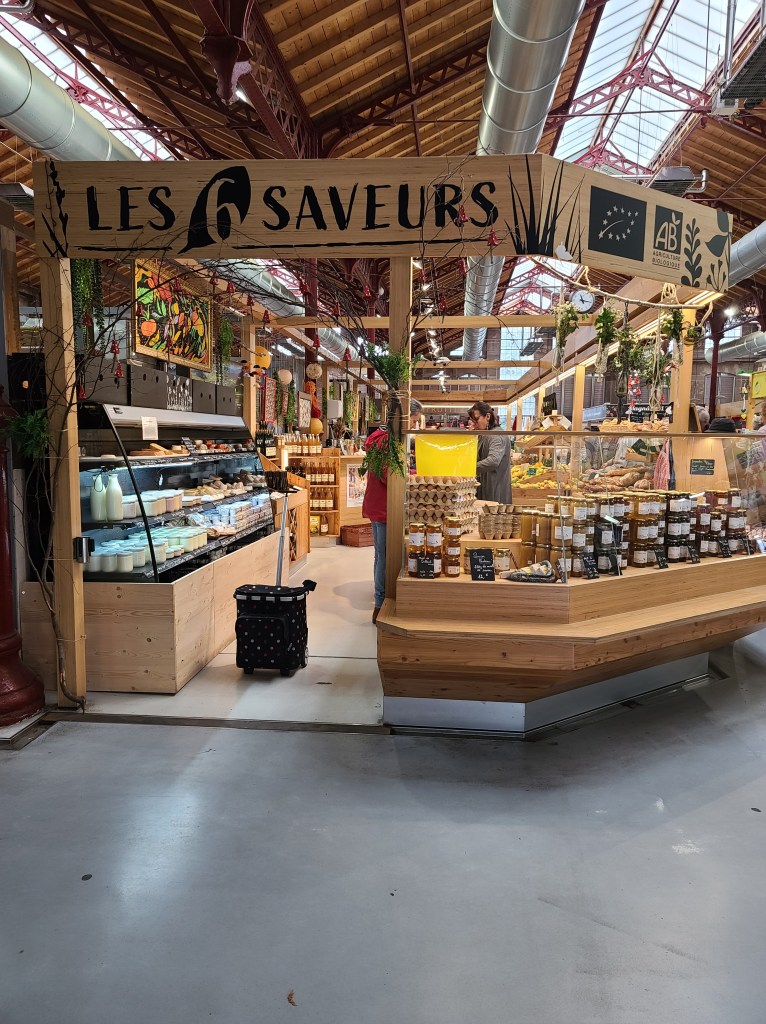
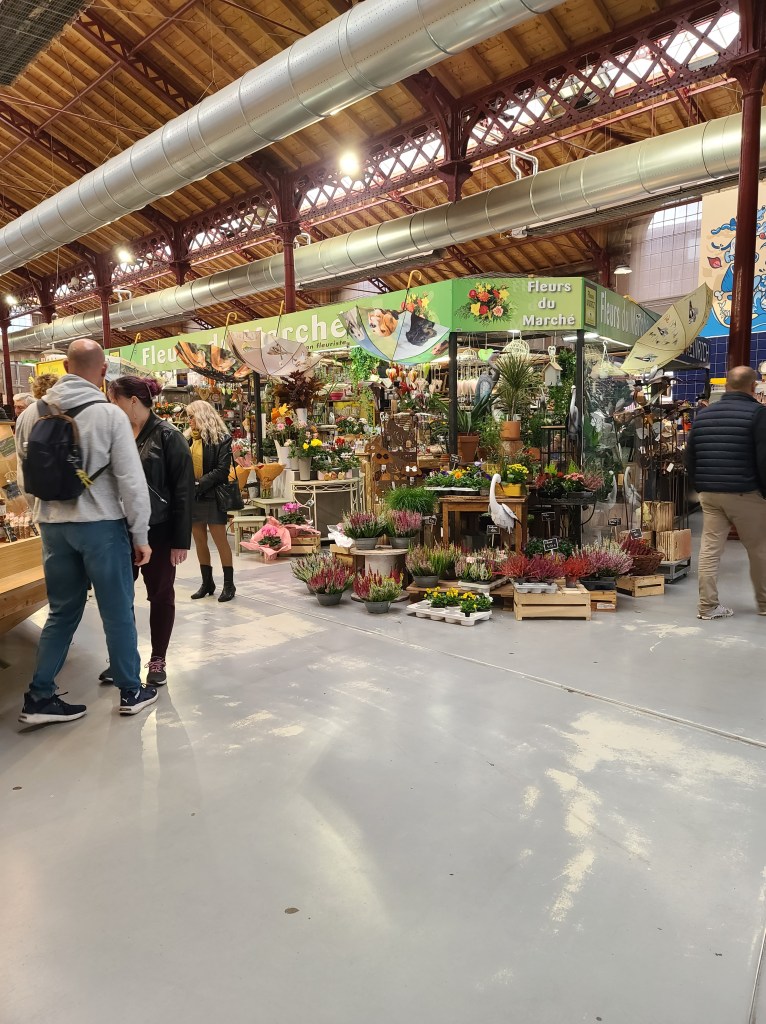
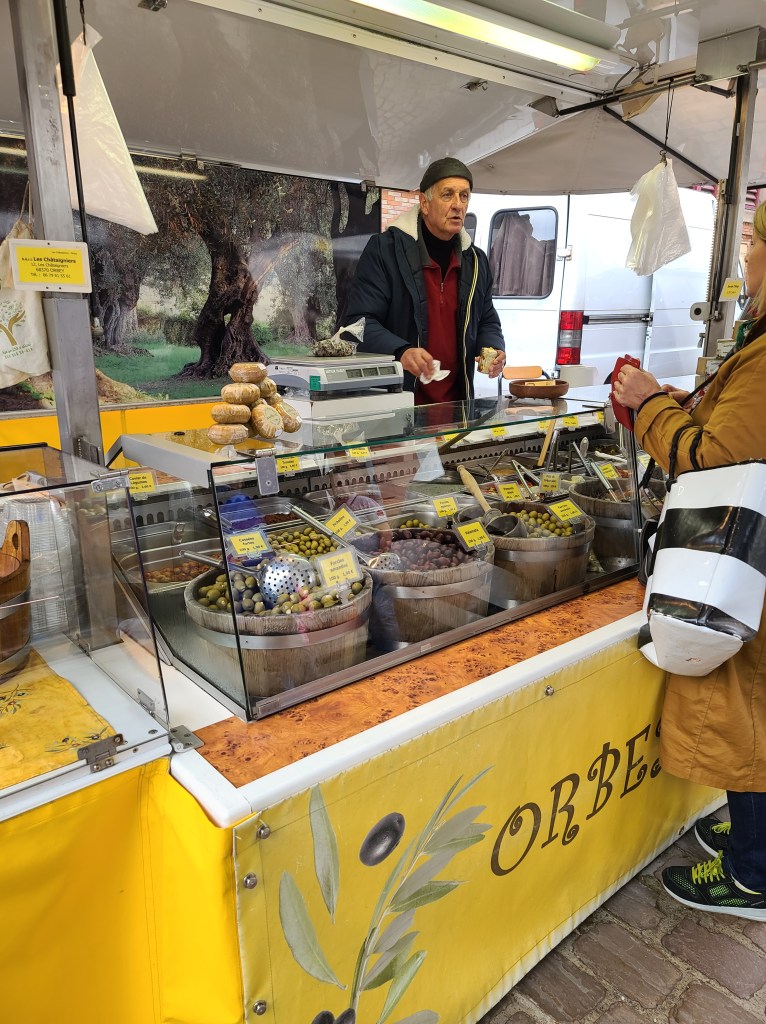
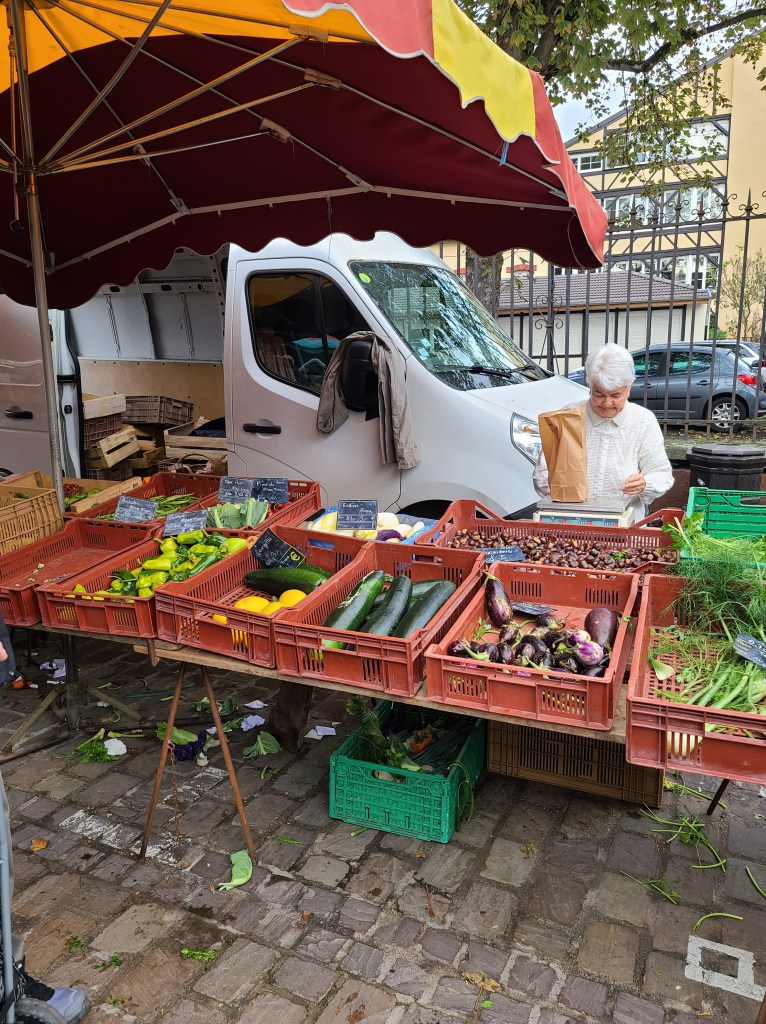
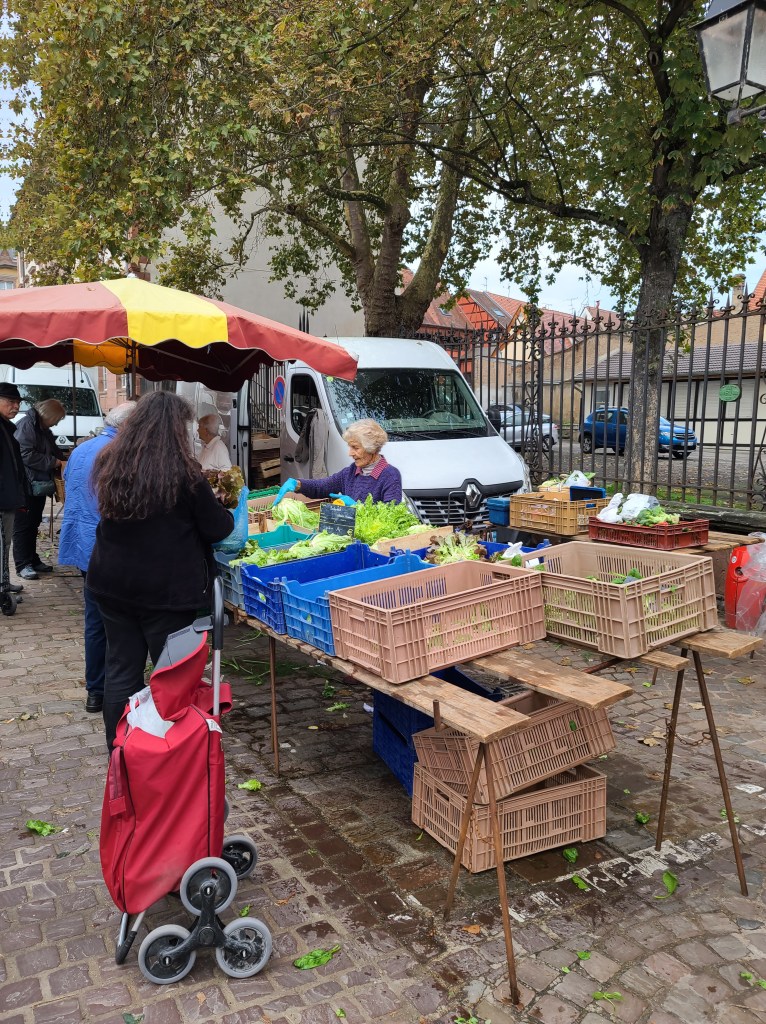
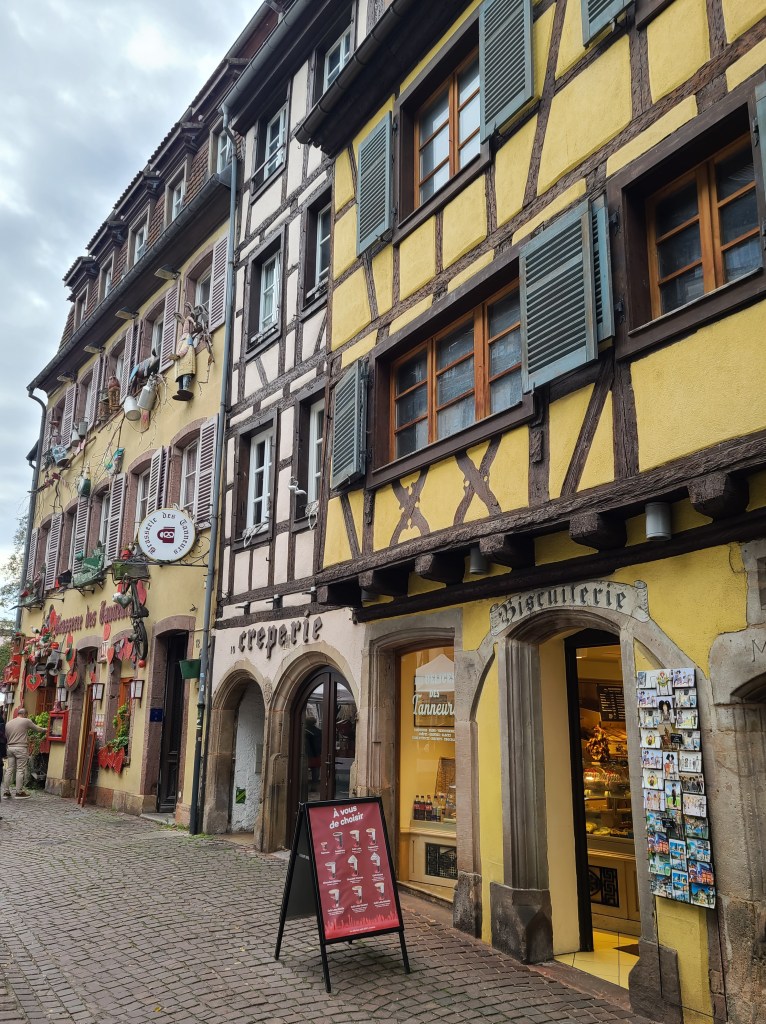
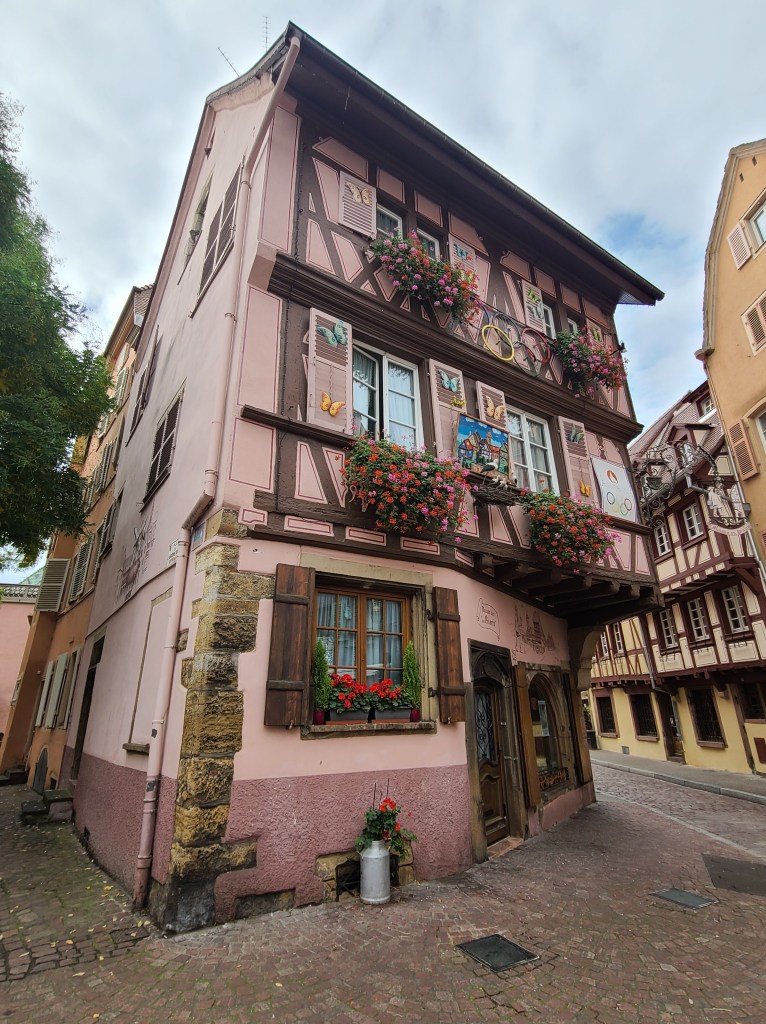
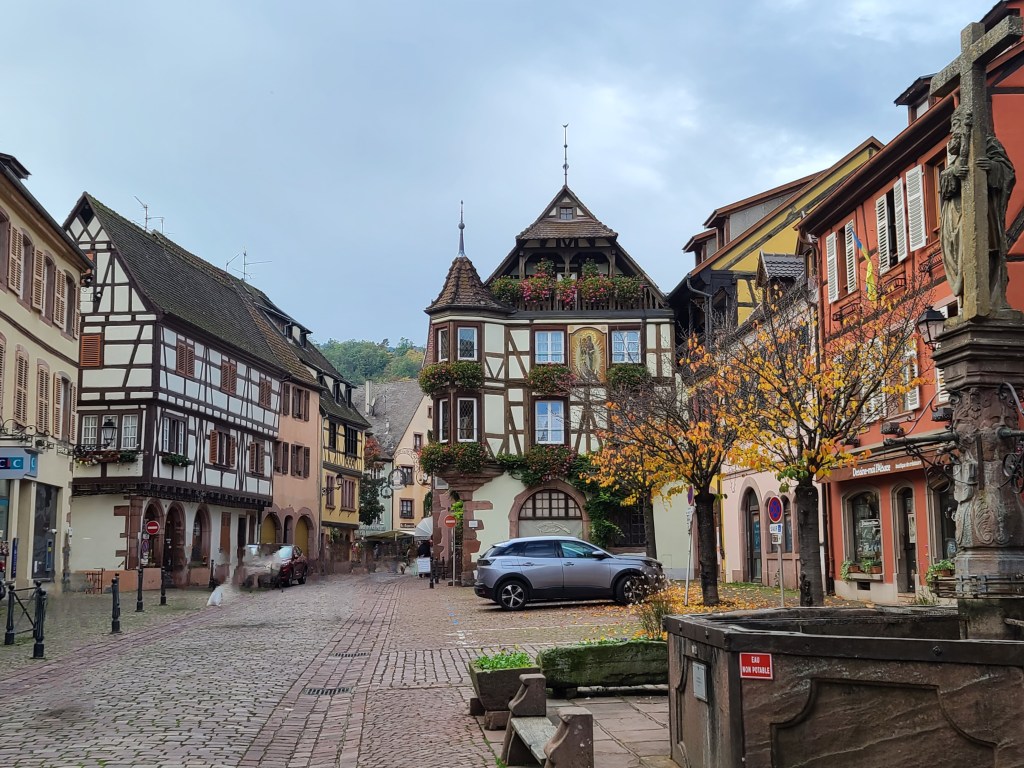
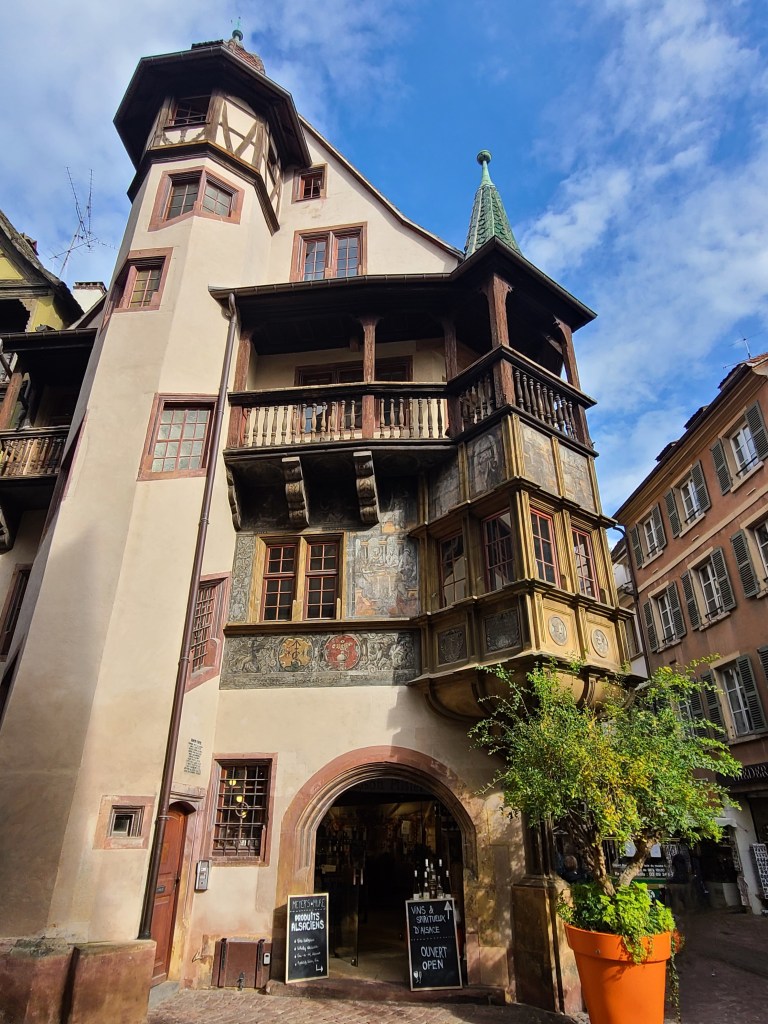
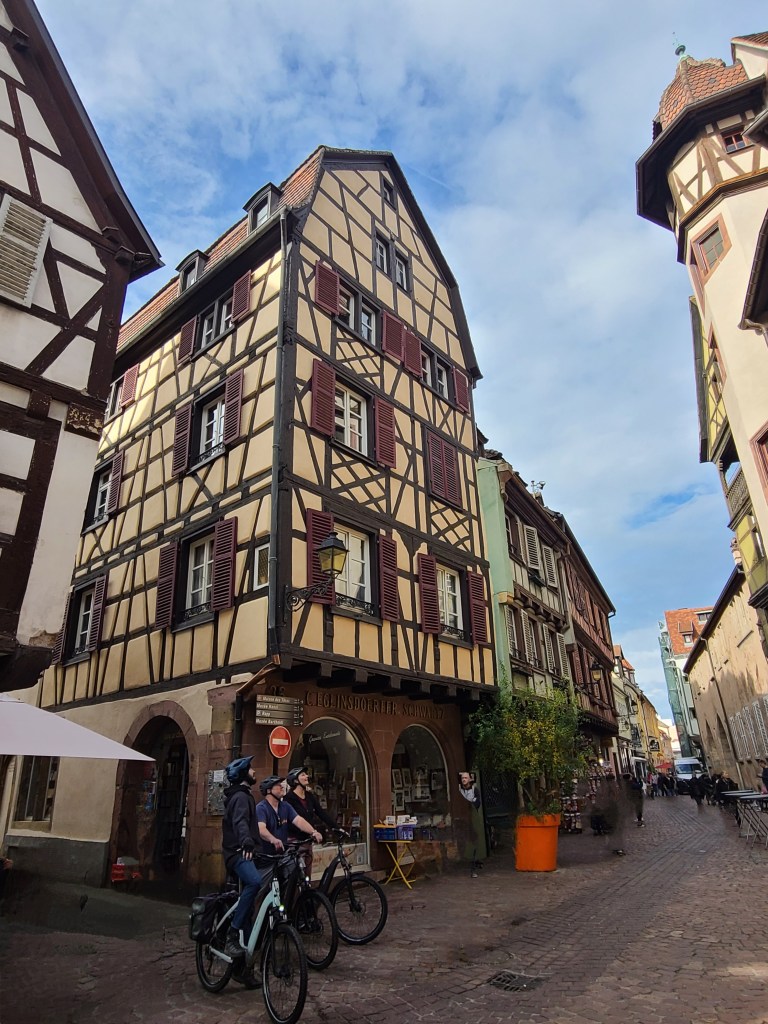
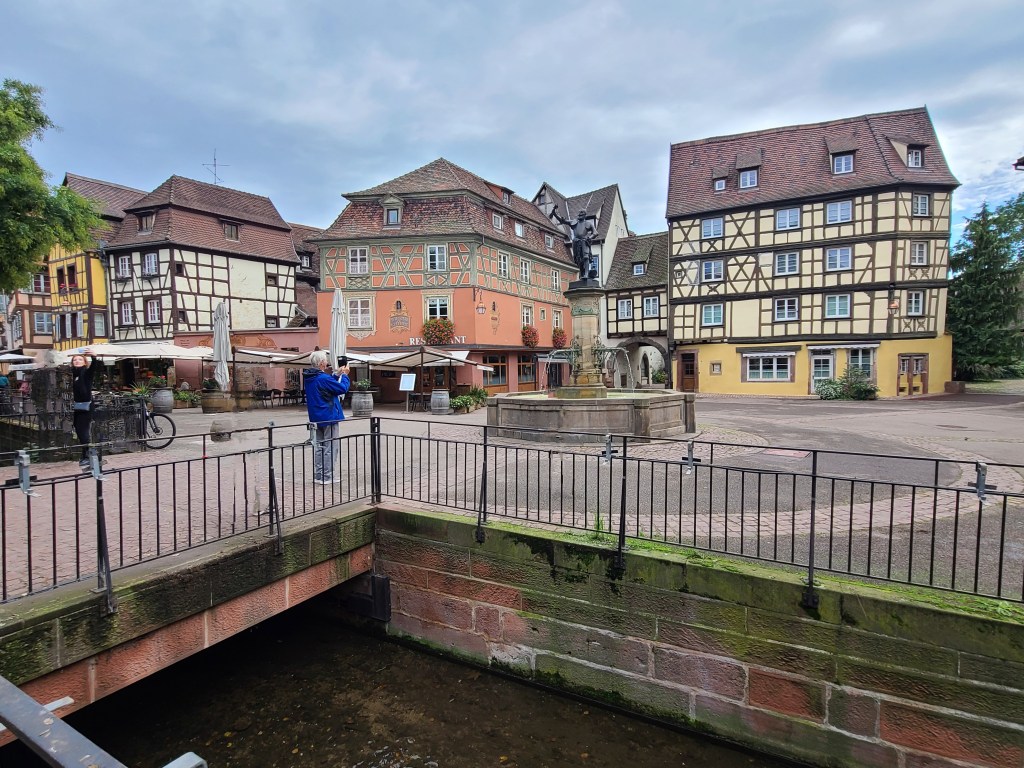
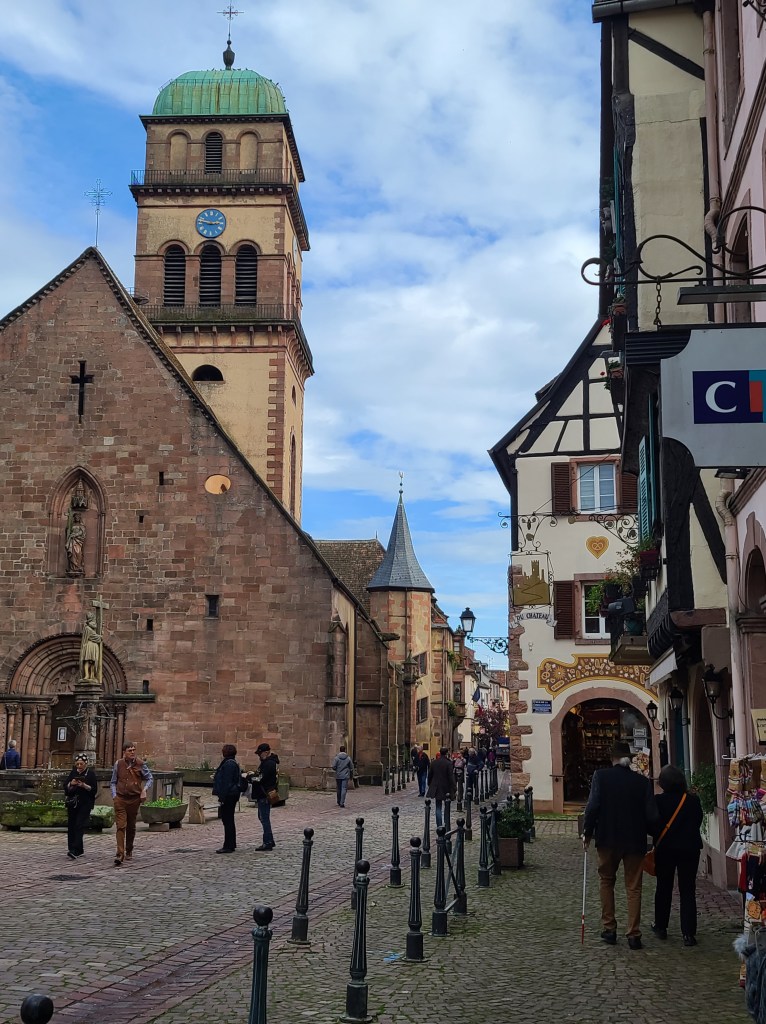
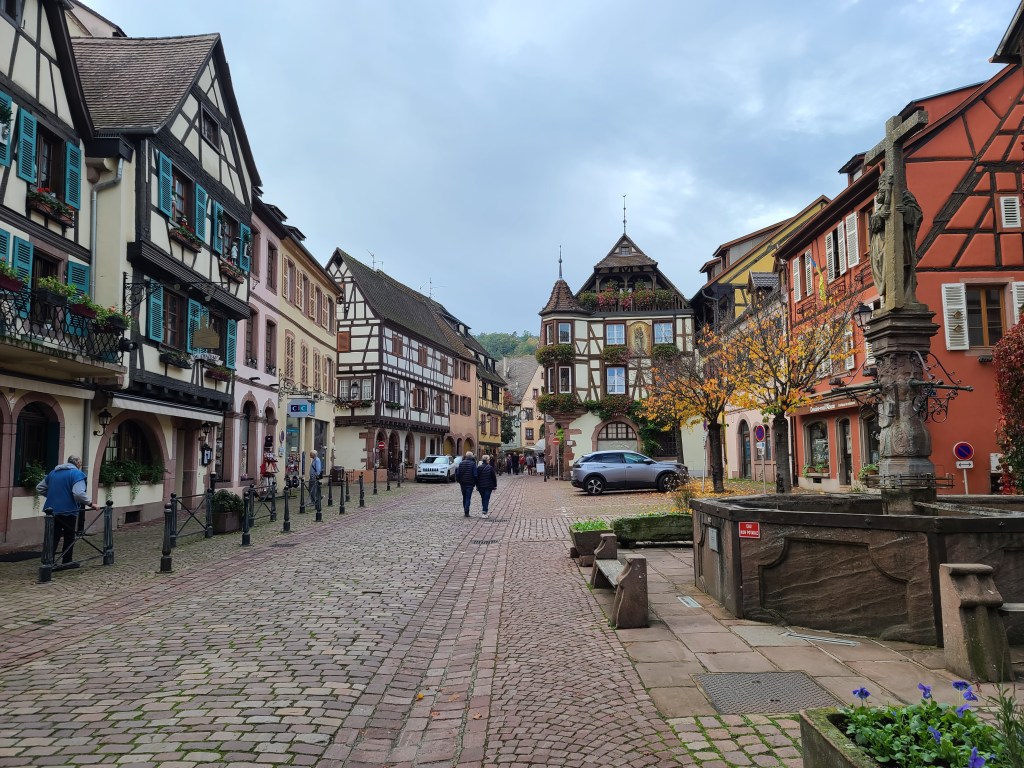
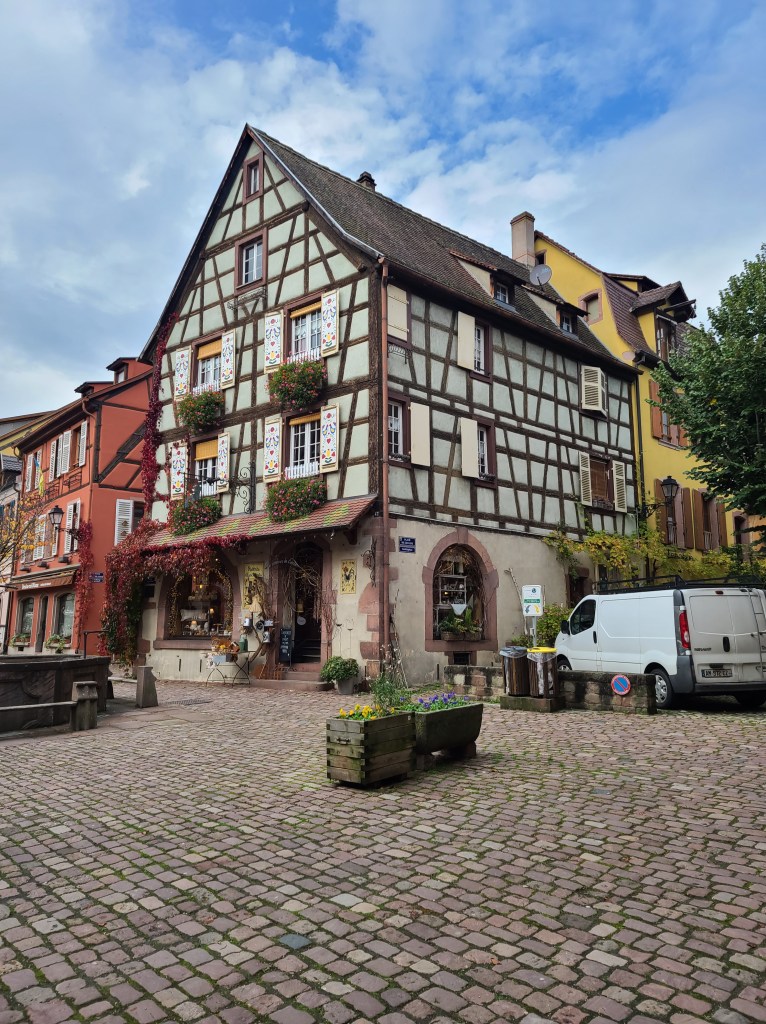
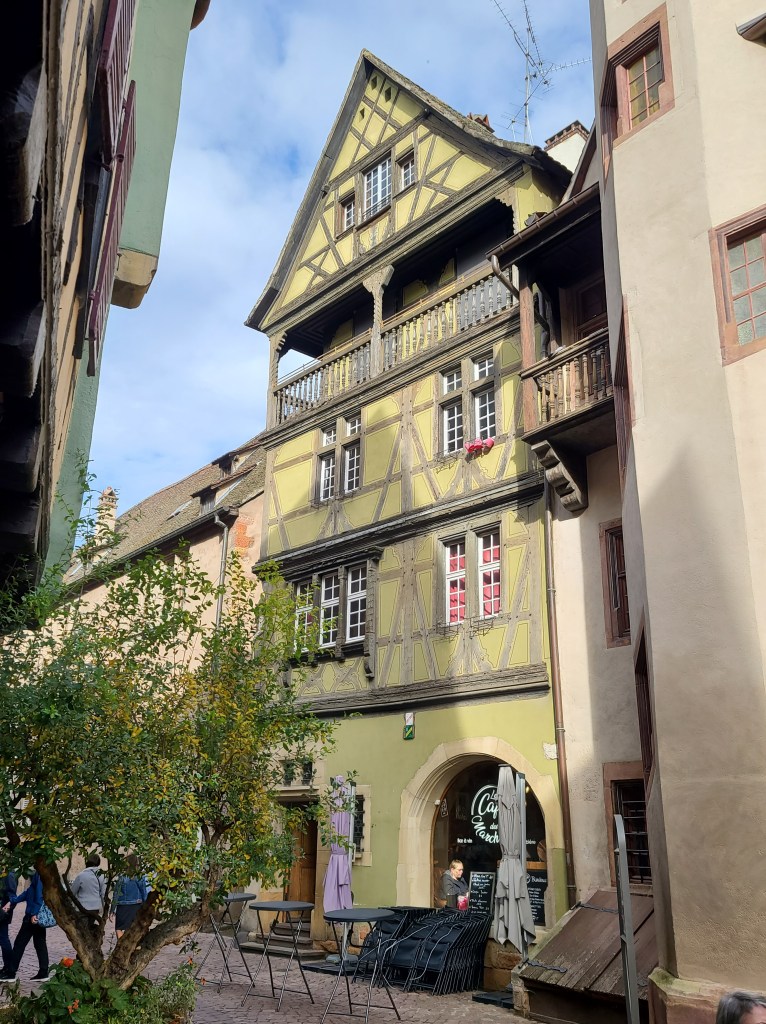
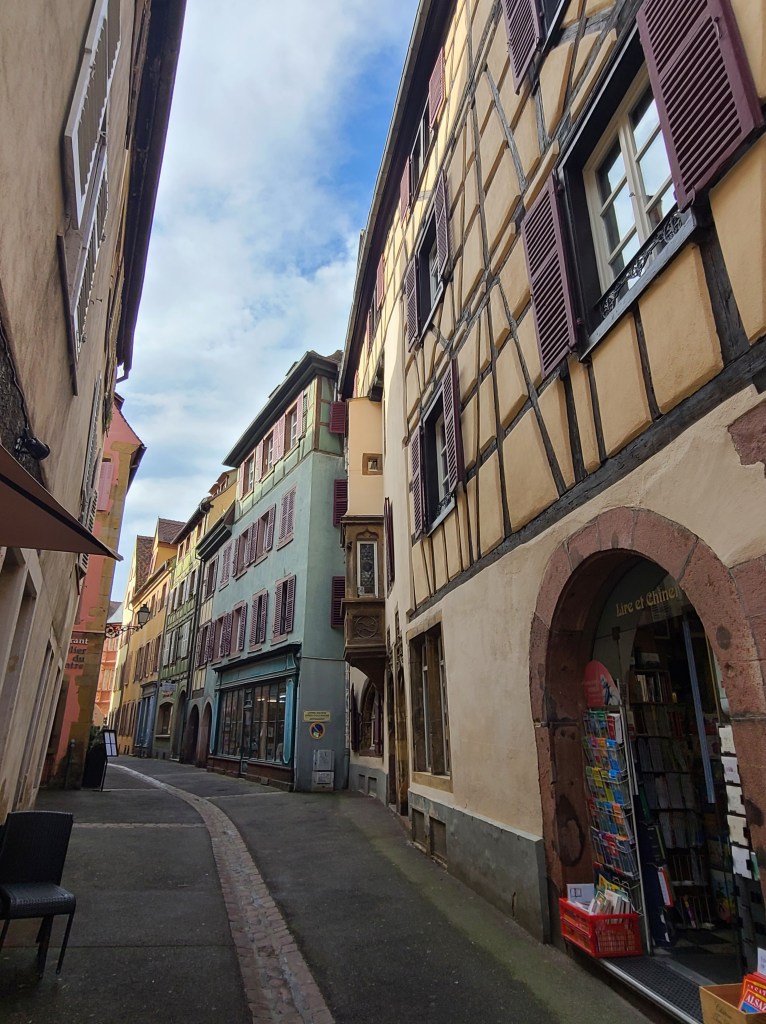
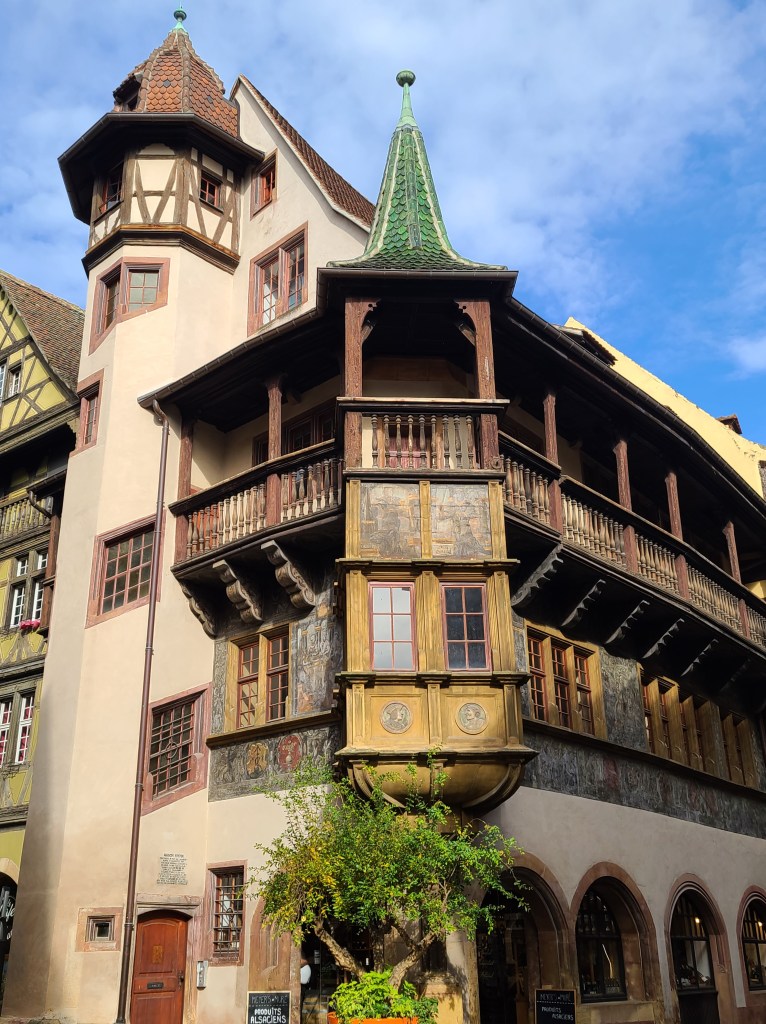
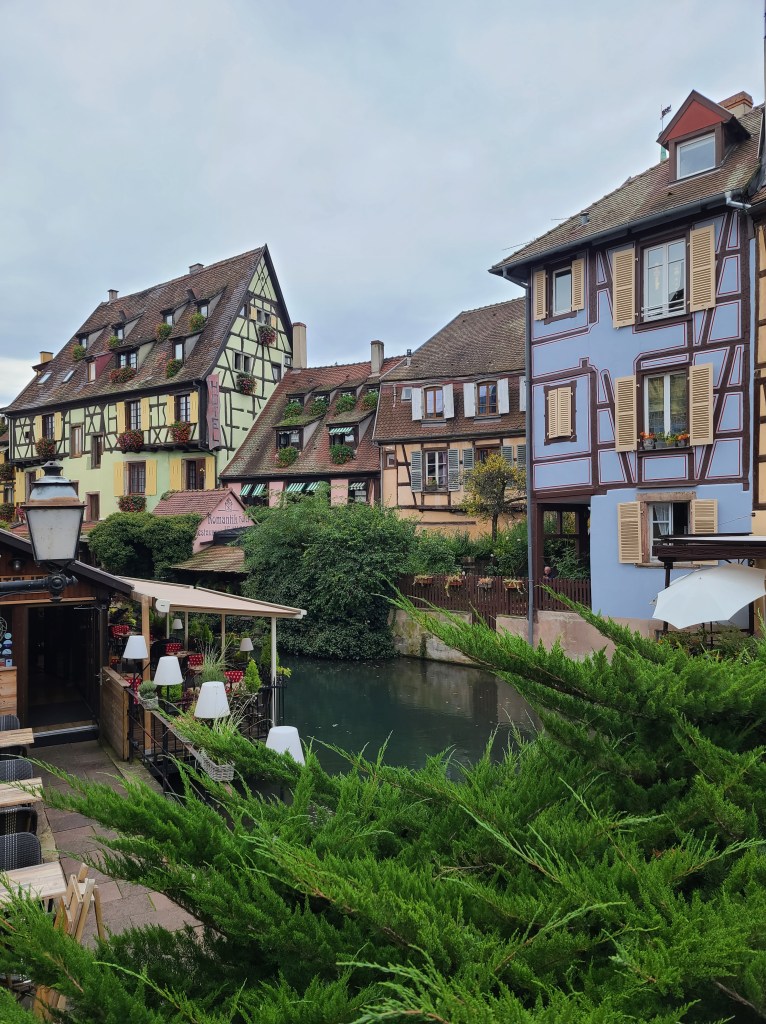
Colmar is a town in the Grand Est region of northeastern France, near the border with Germany. Its old town has cobblestone streets lined with half-timbered medieval and early Renaissance buildings. The Gothic 13th-century, Eglise Saint-Martin church stands on central Place de la Cathédrale. Most of all the towns buildings were built in the 13th century.
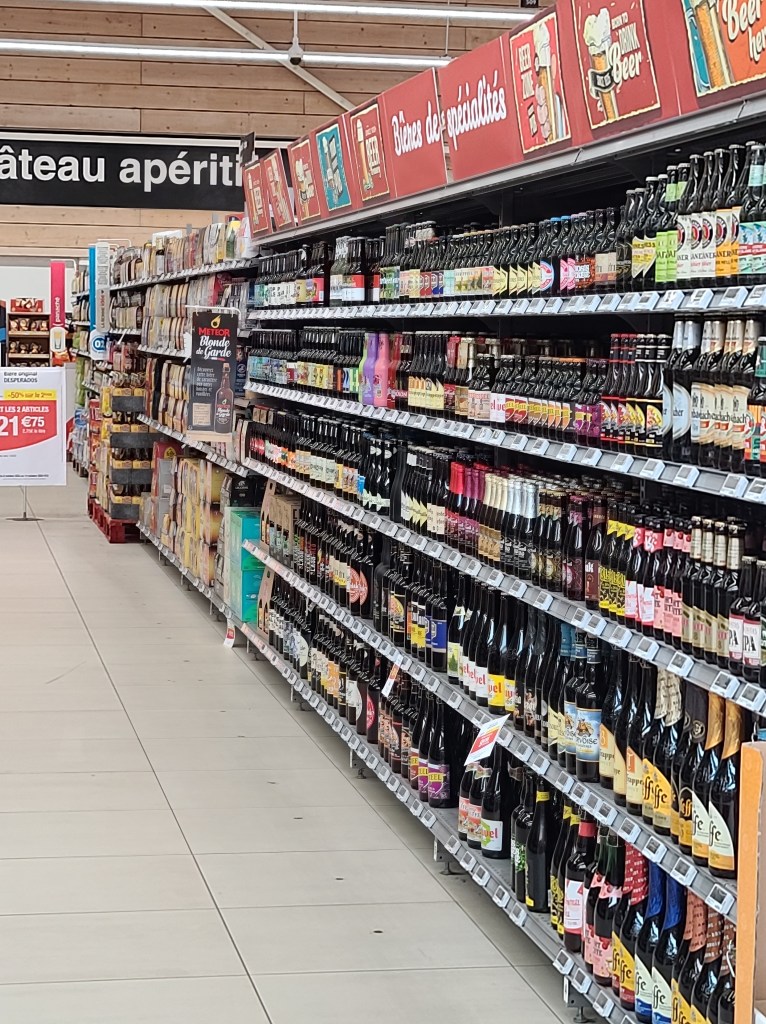
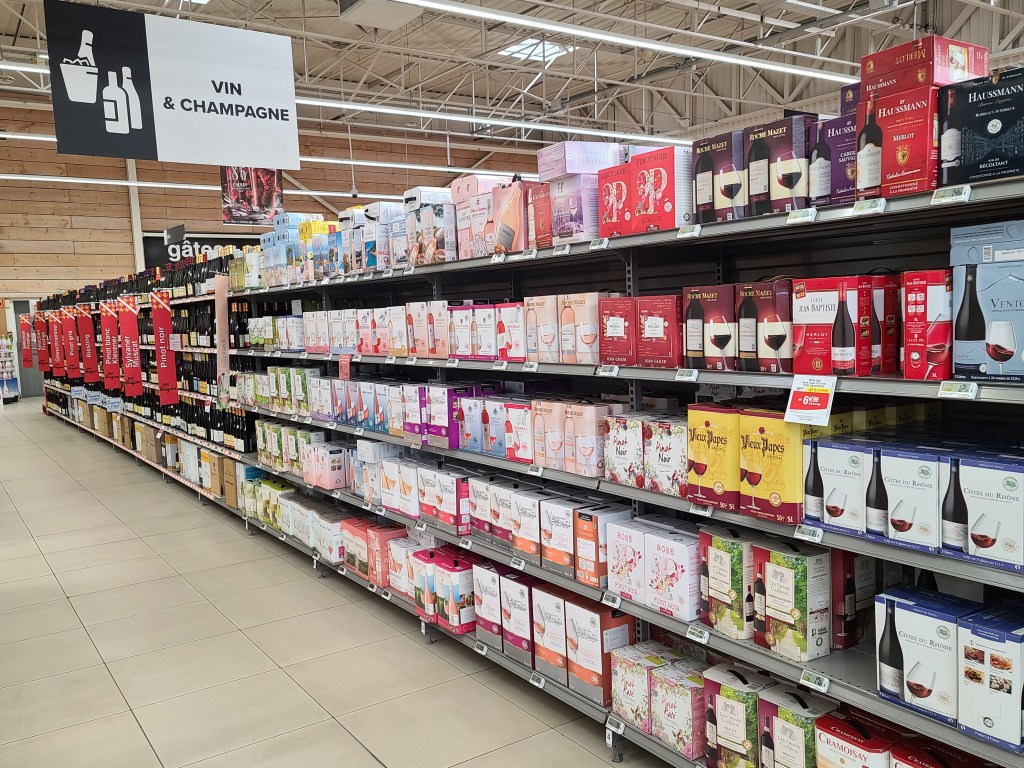
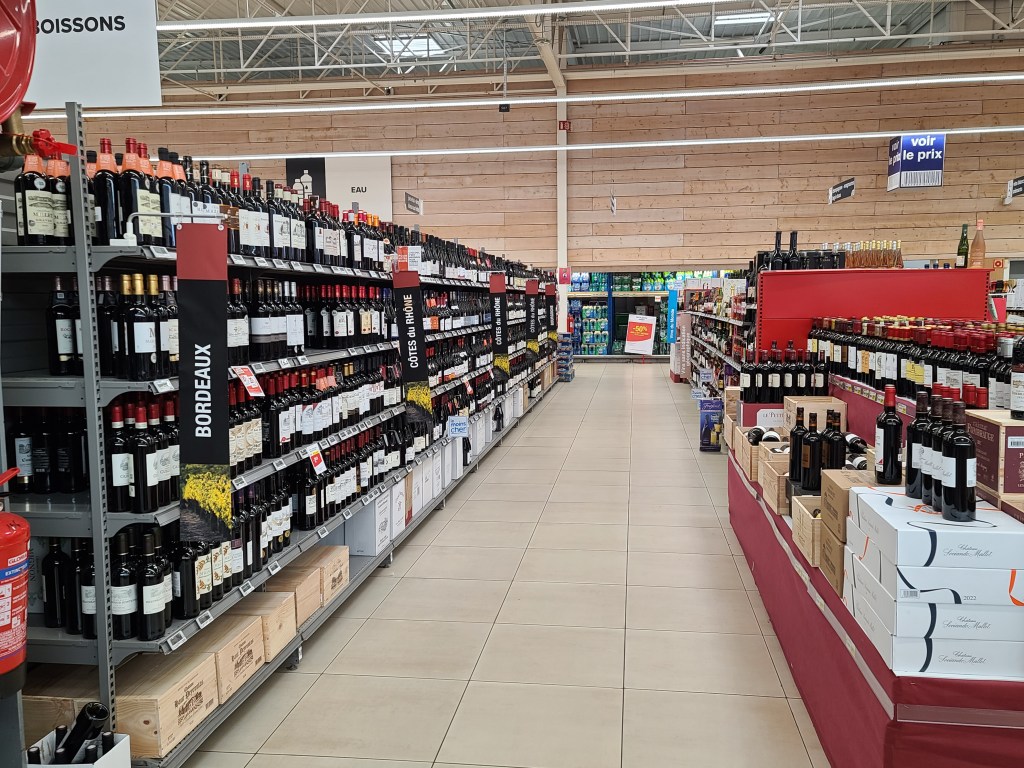
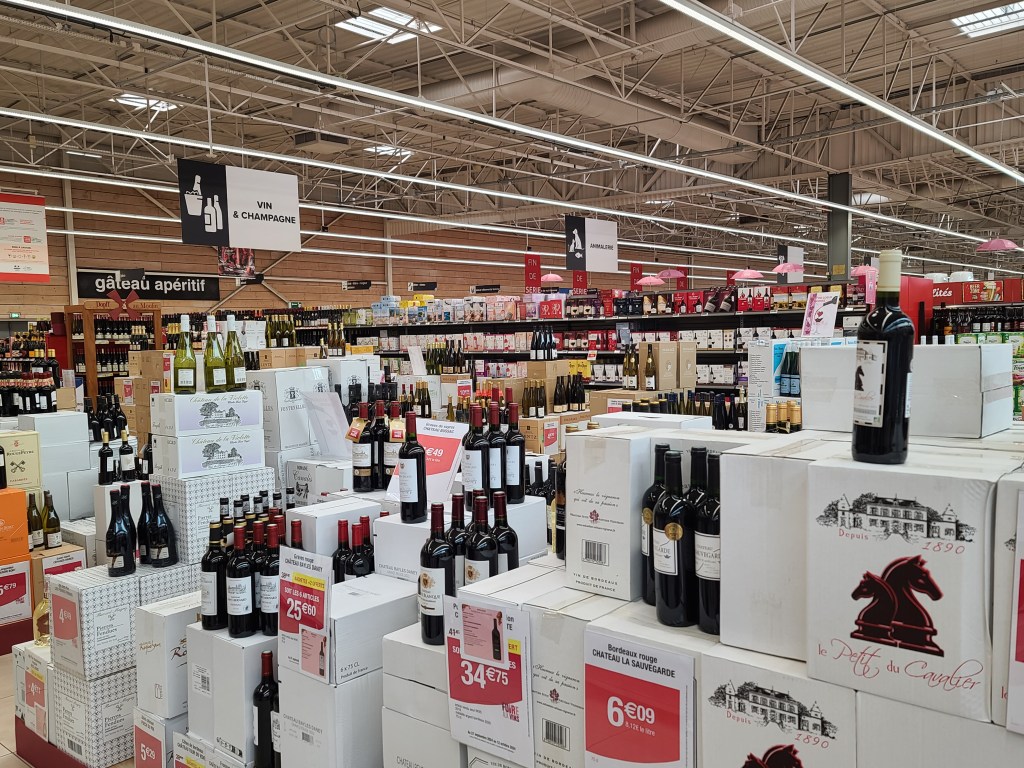
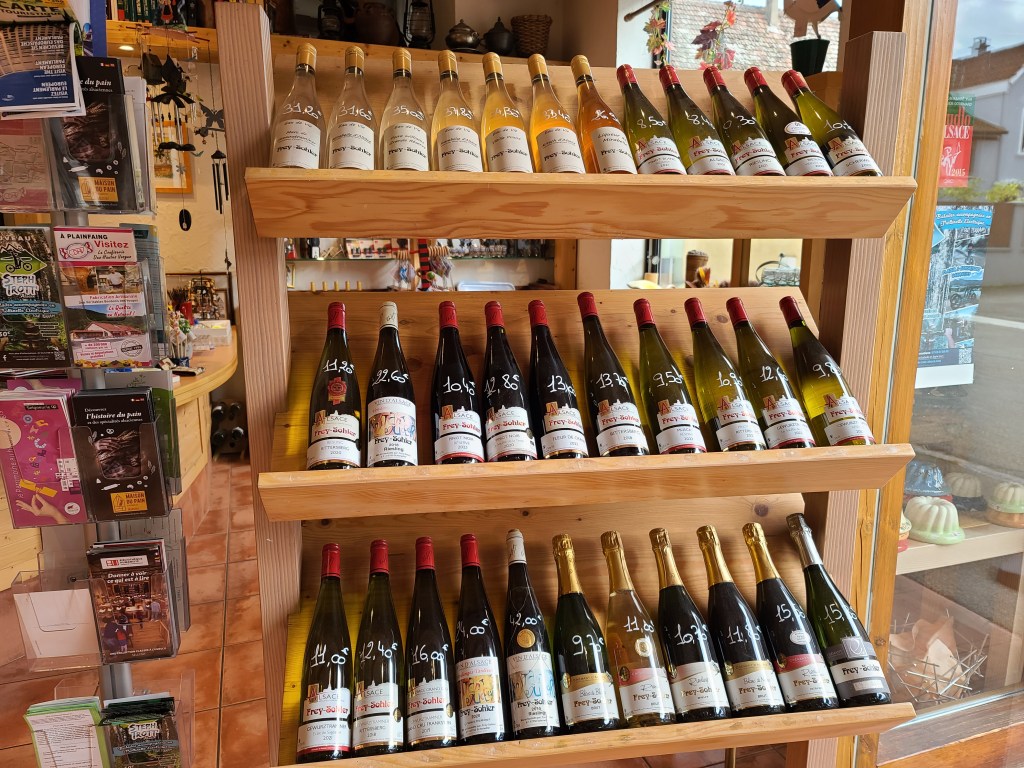
The city is on the Alsace Wine Route, and local vineyards specialize in Riesling and Gewürztraminer wines. Don’t believe me? Here’s 1 aisle in the local grocery store.
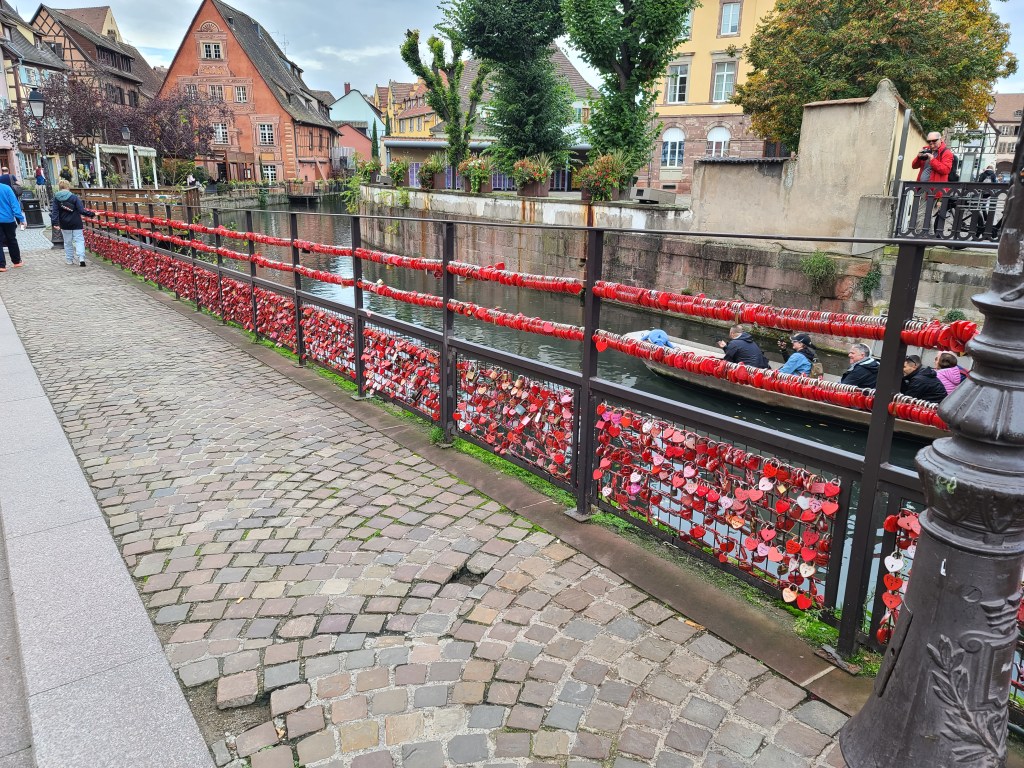
Love locks on bridges
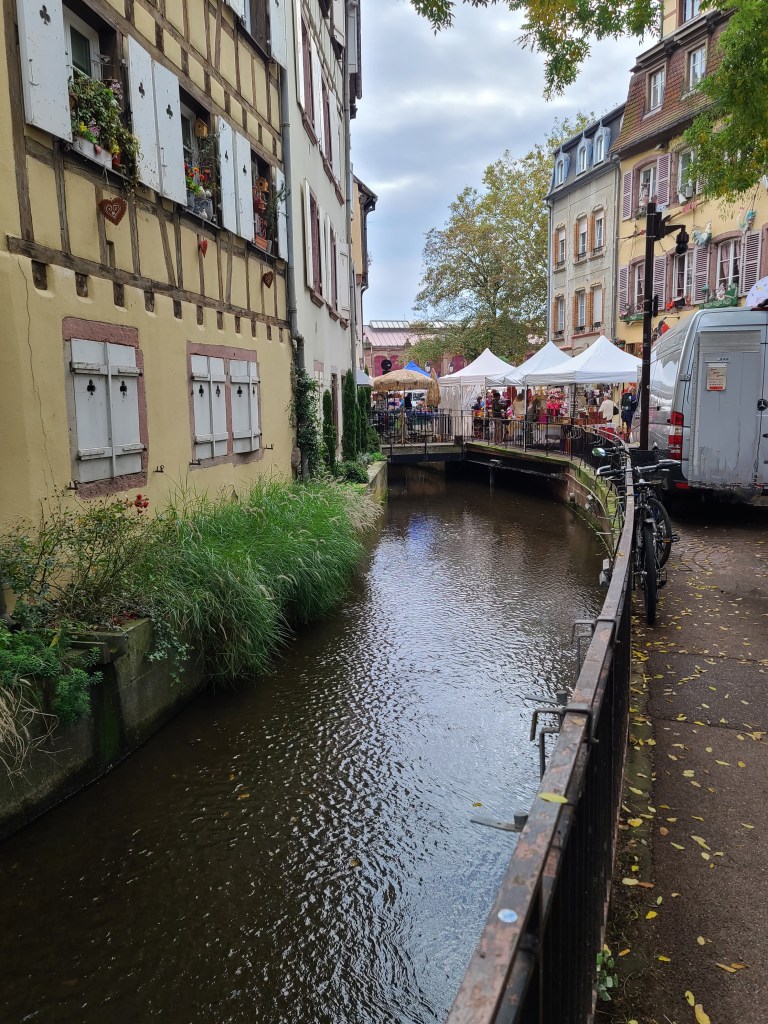
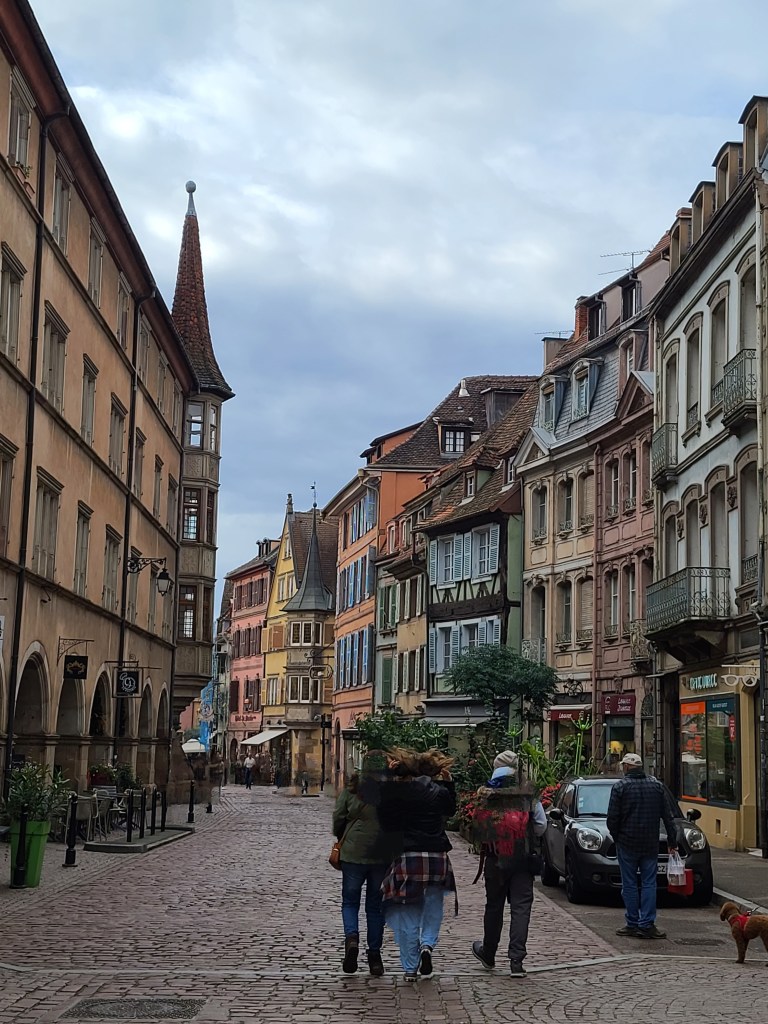
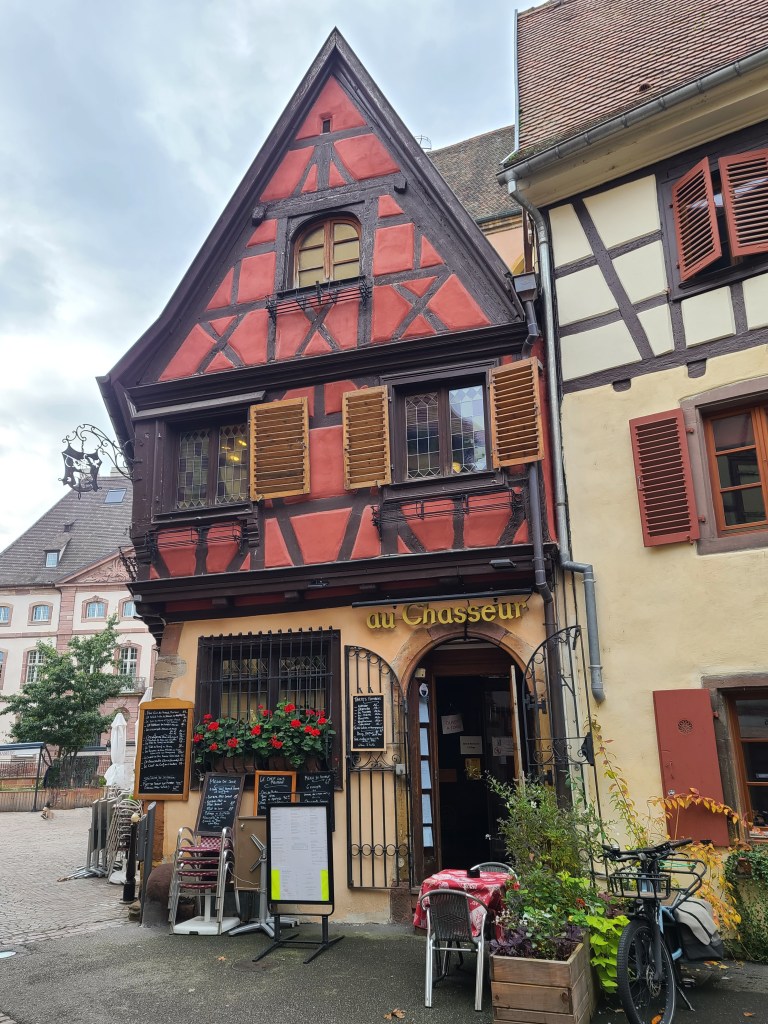
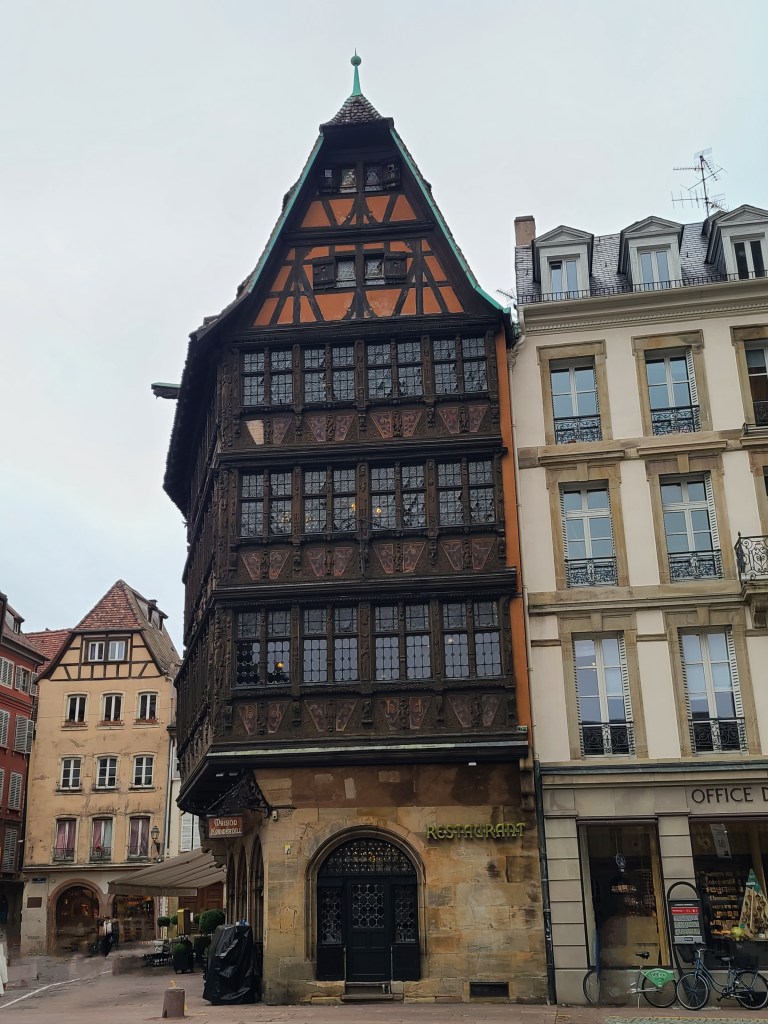
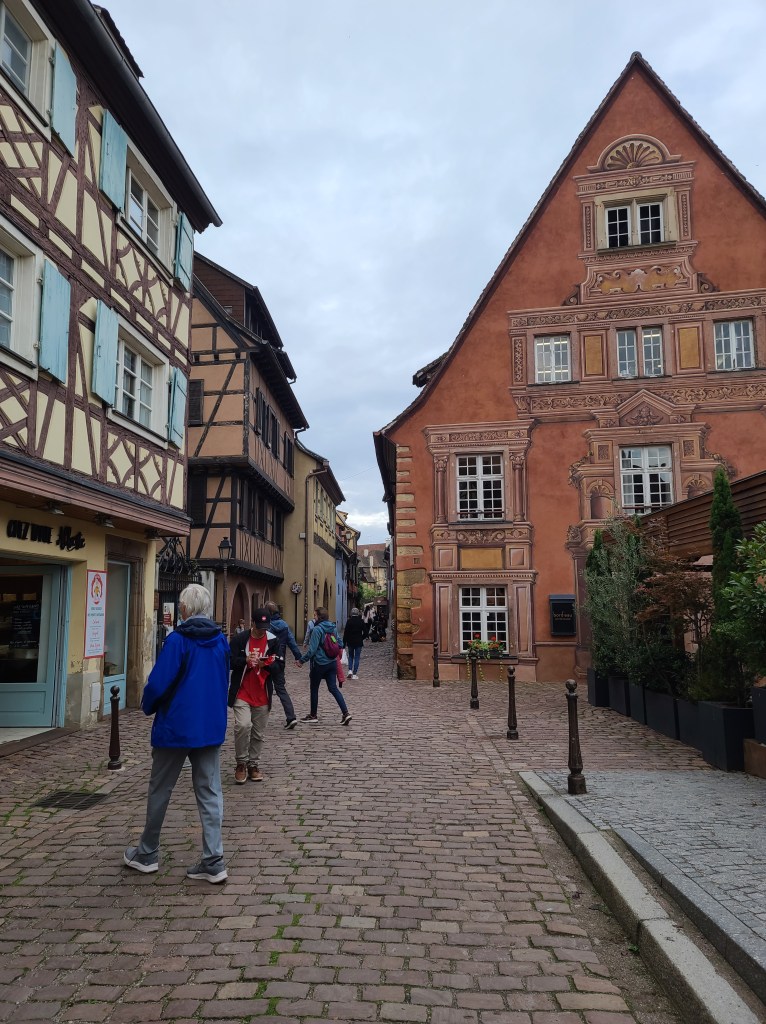
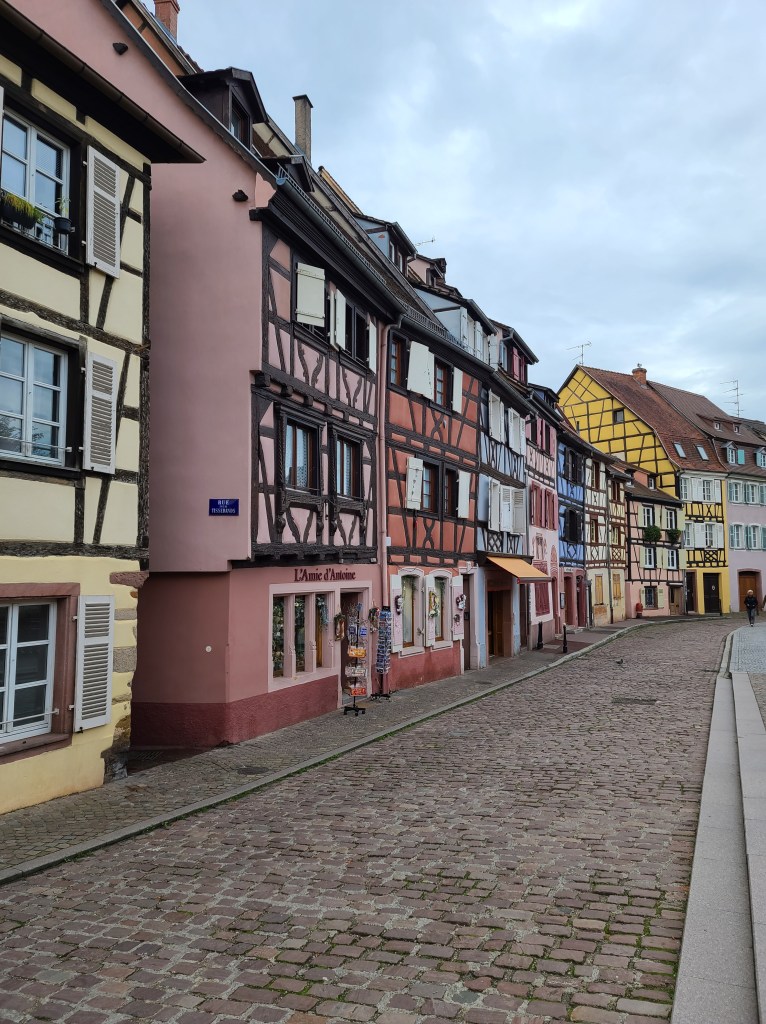
October 19 Routes des Vins
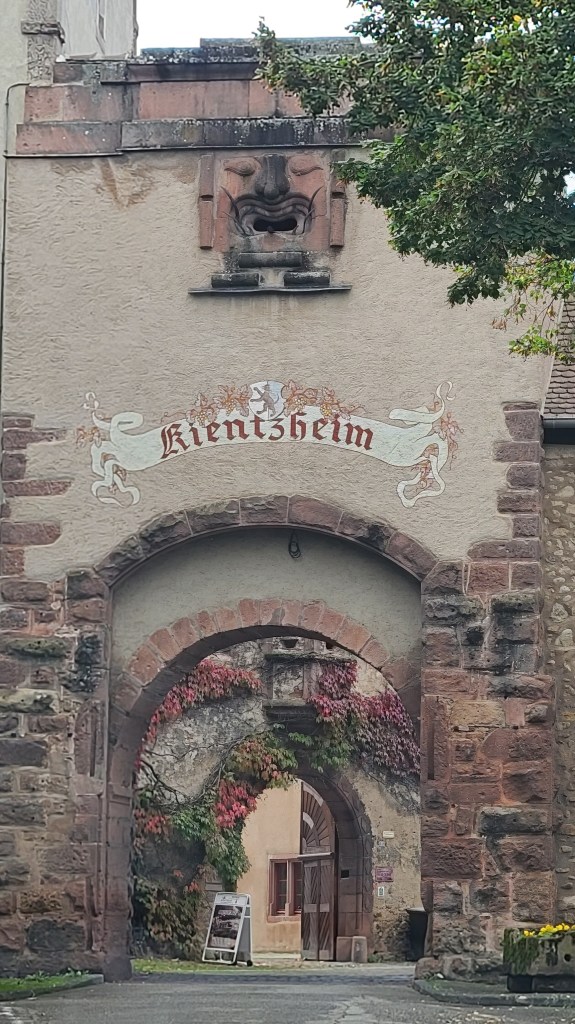
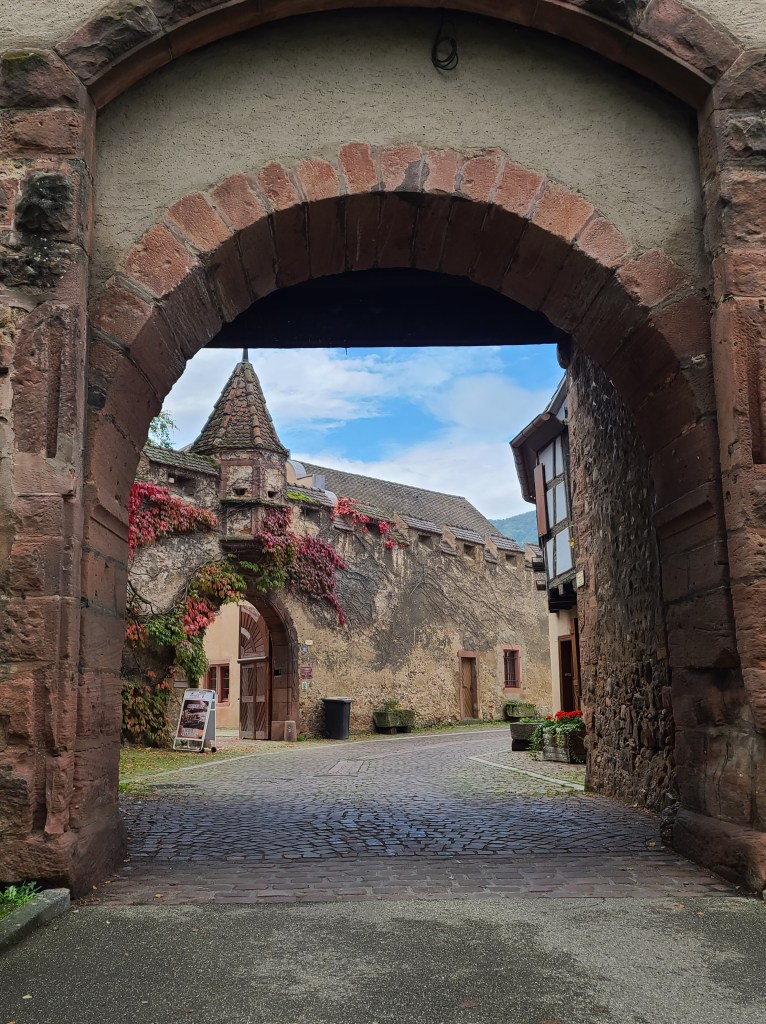
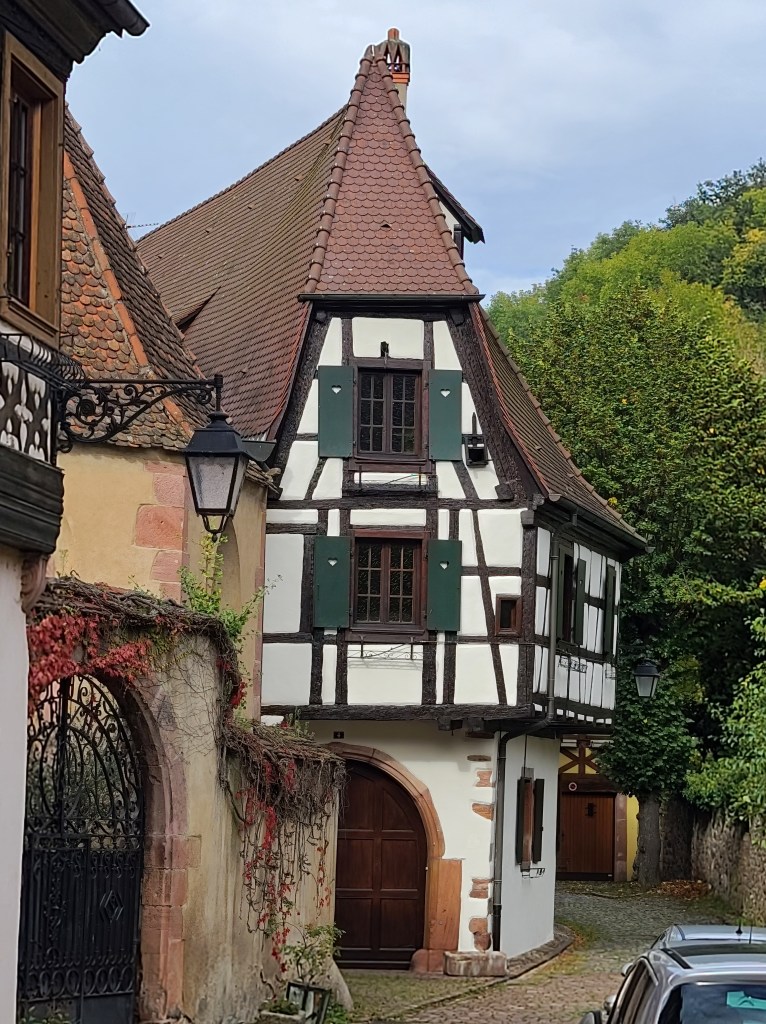
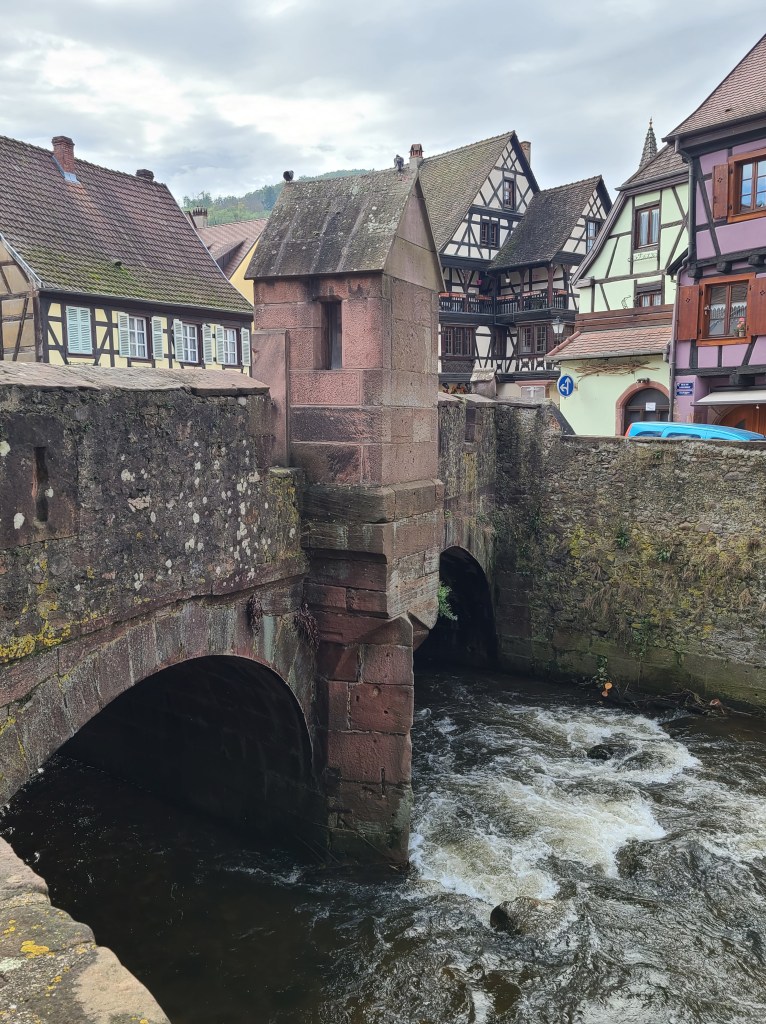
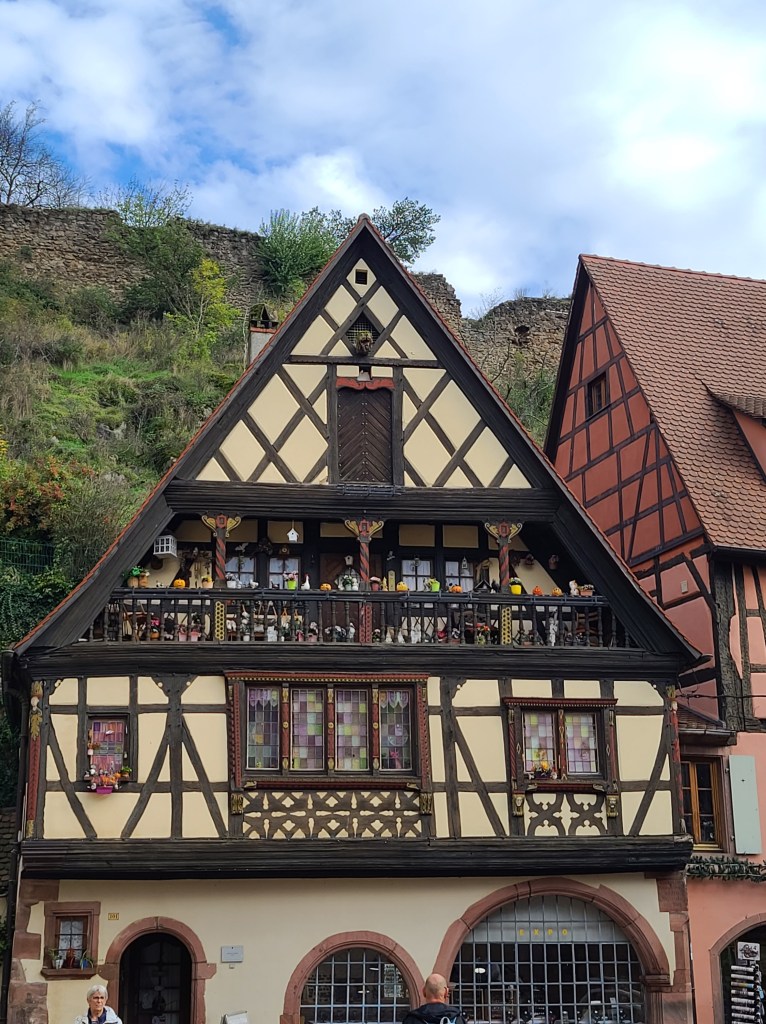
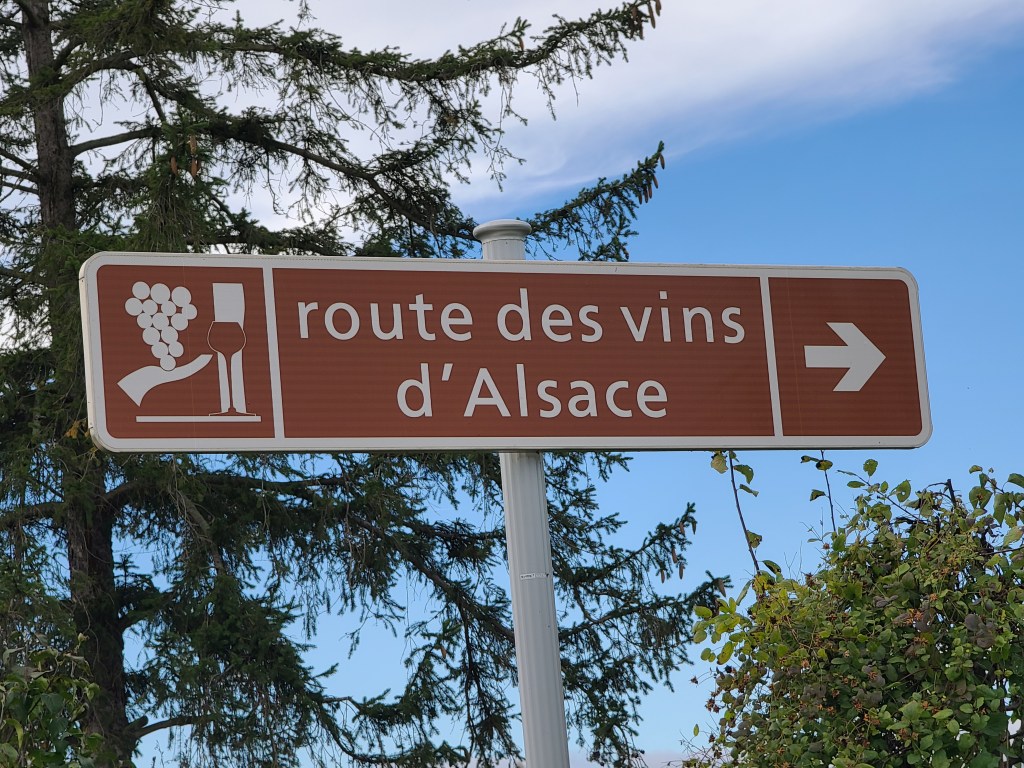
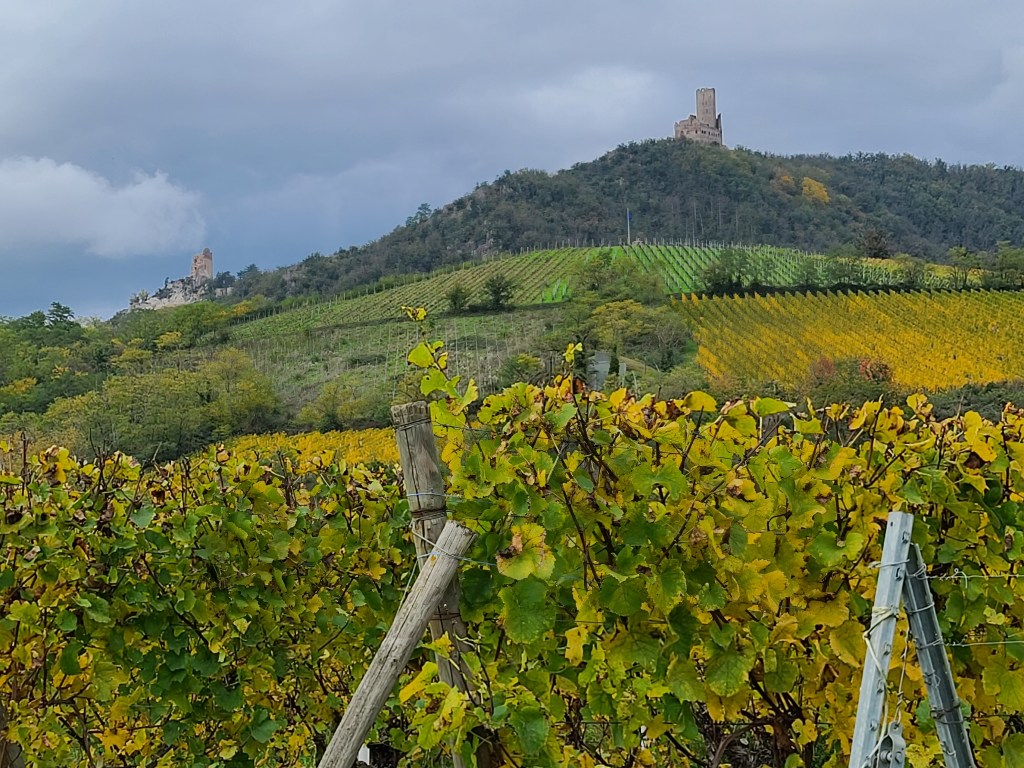
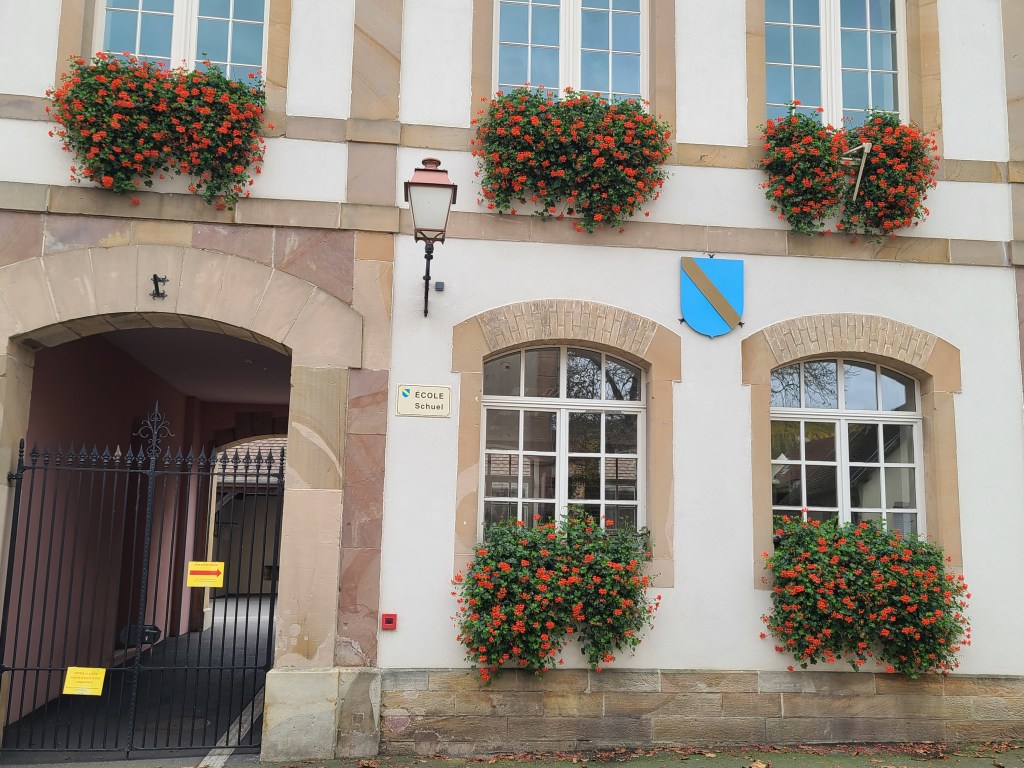
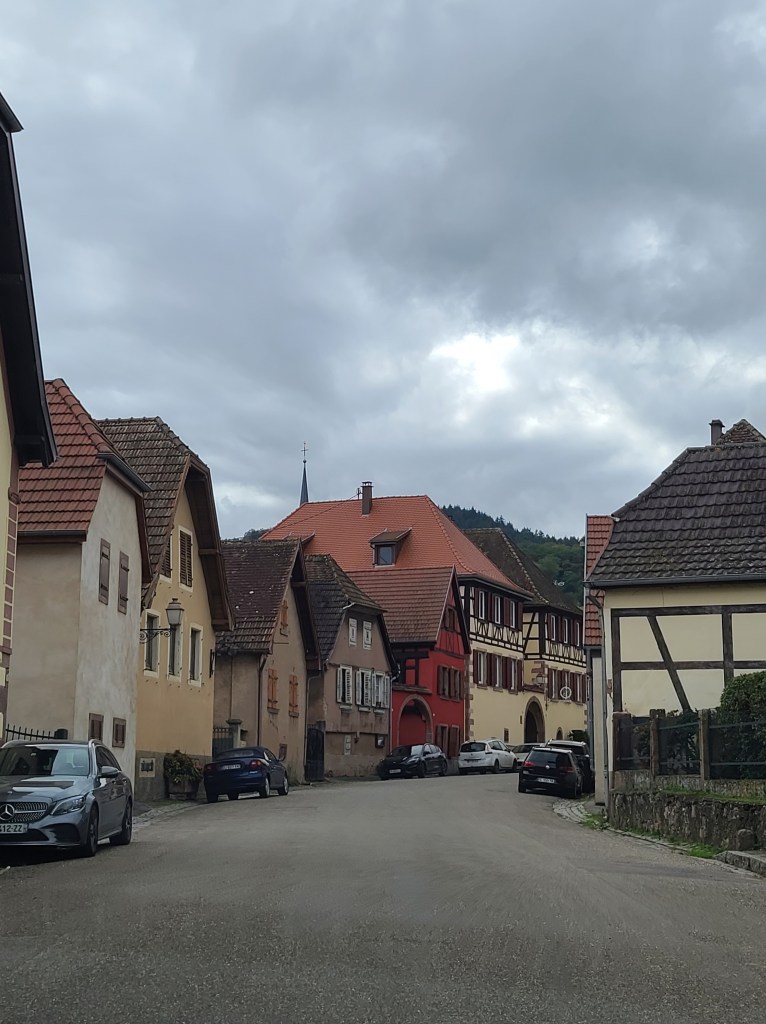
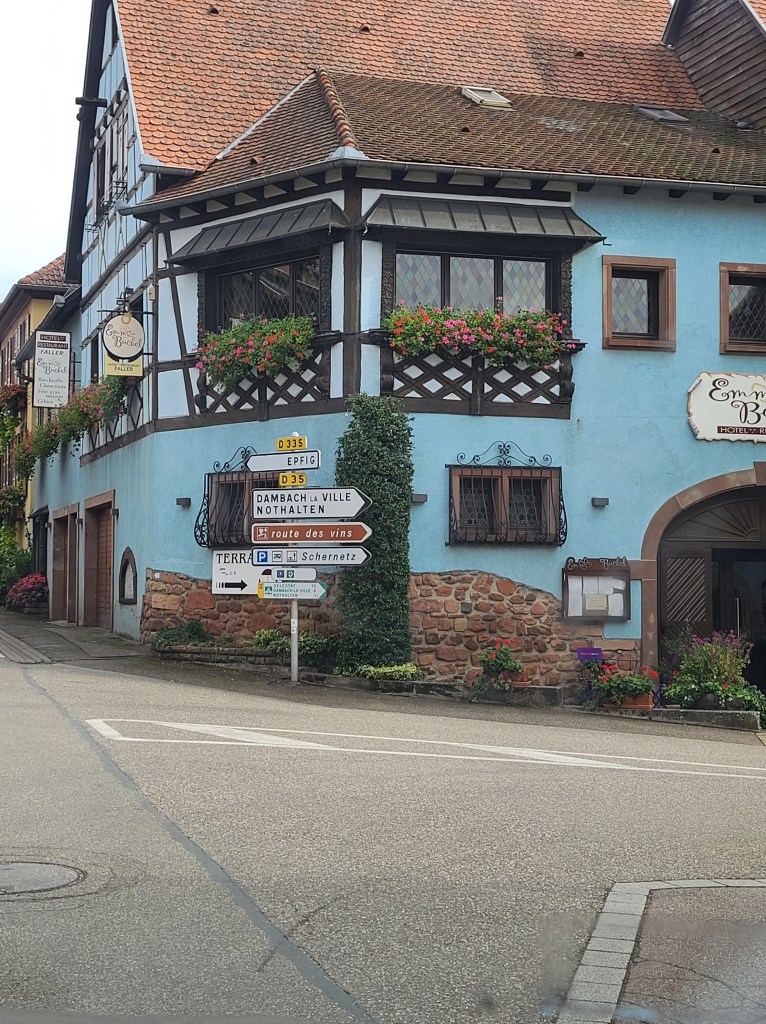
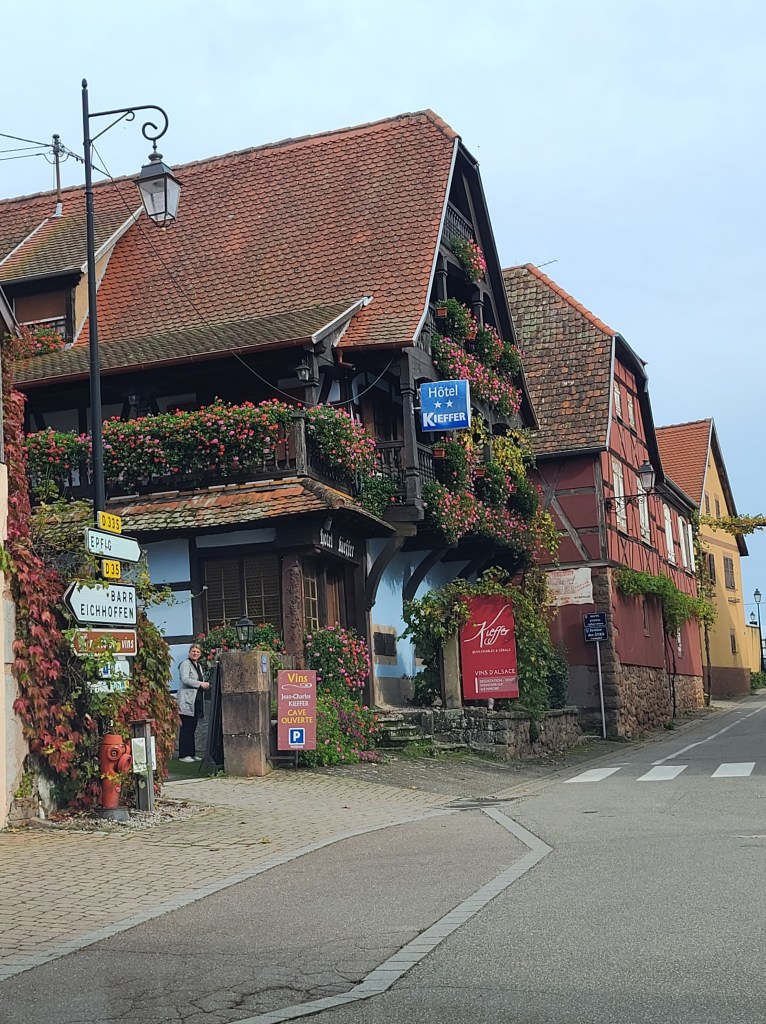
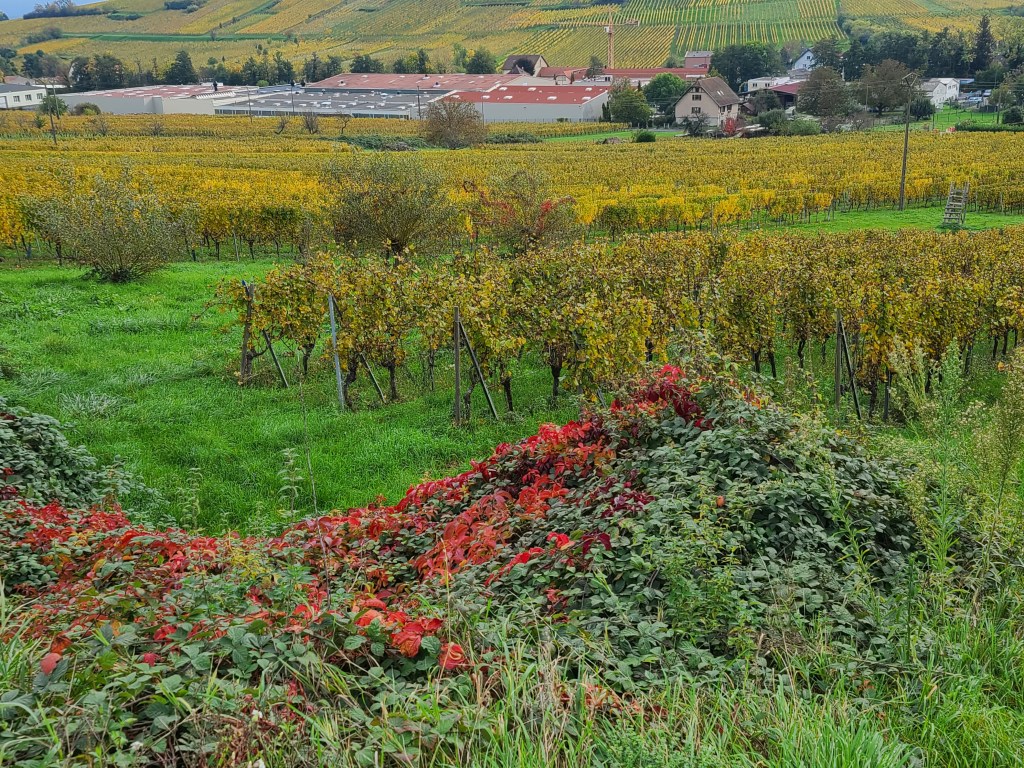
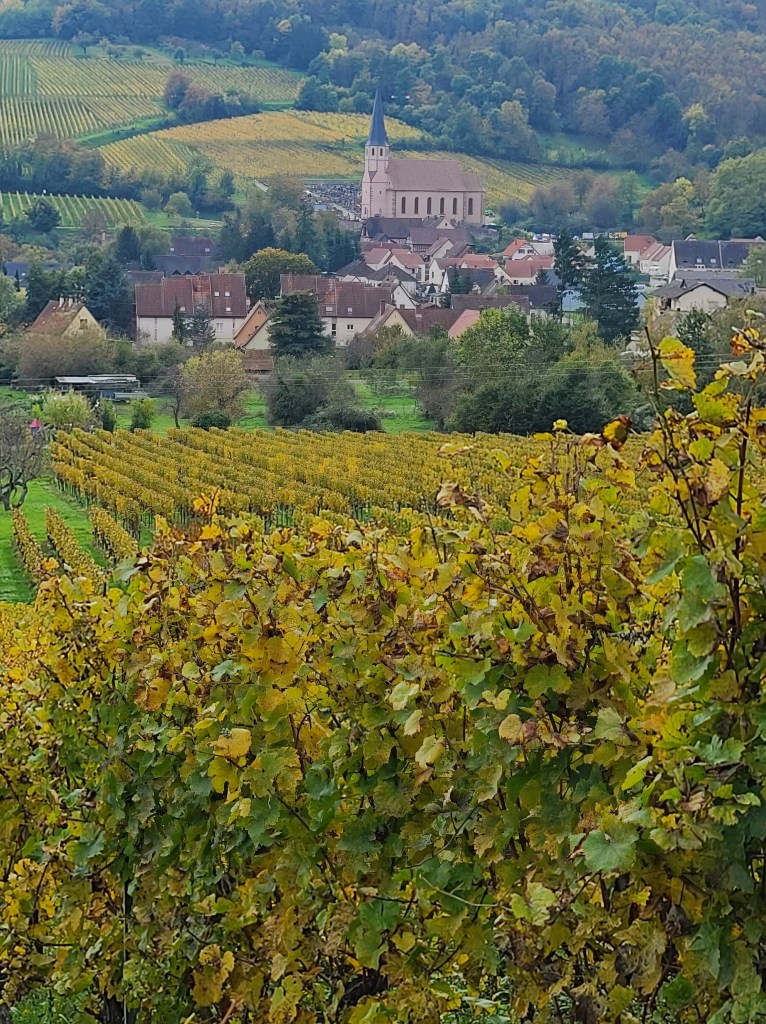
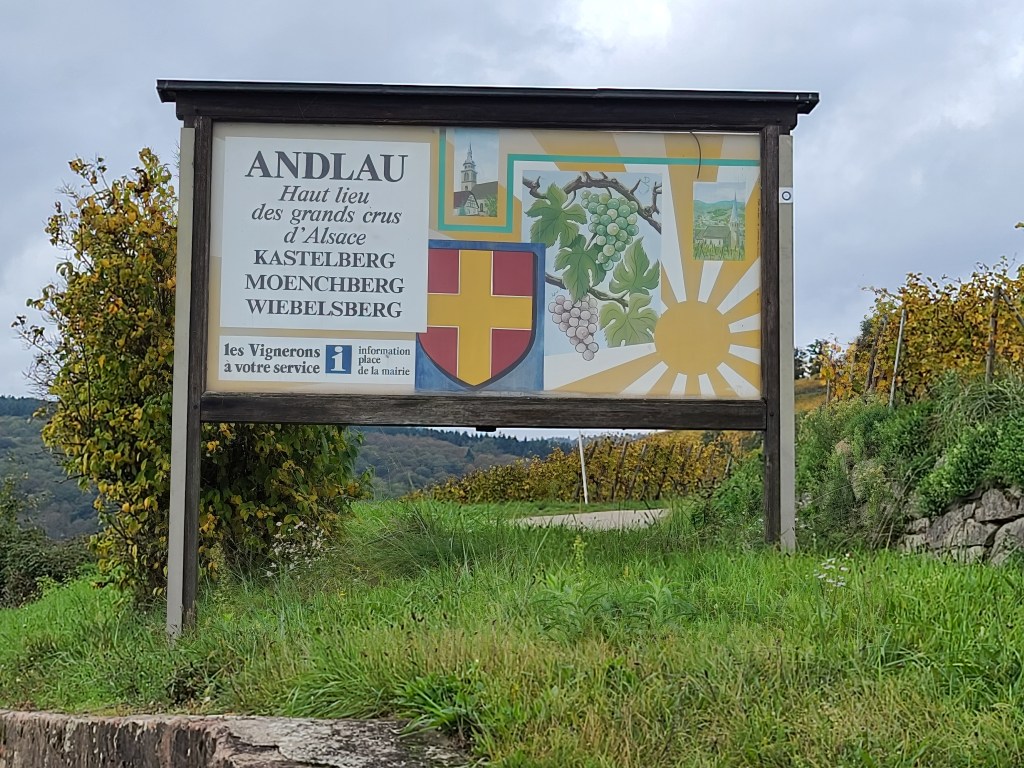
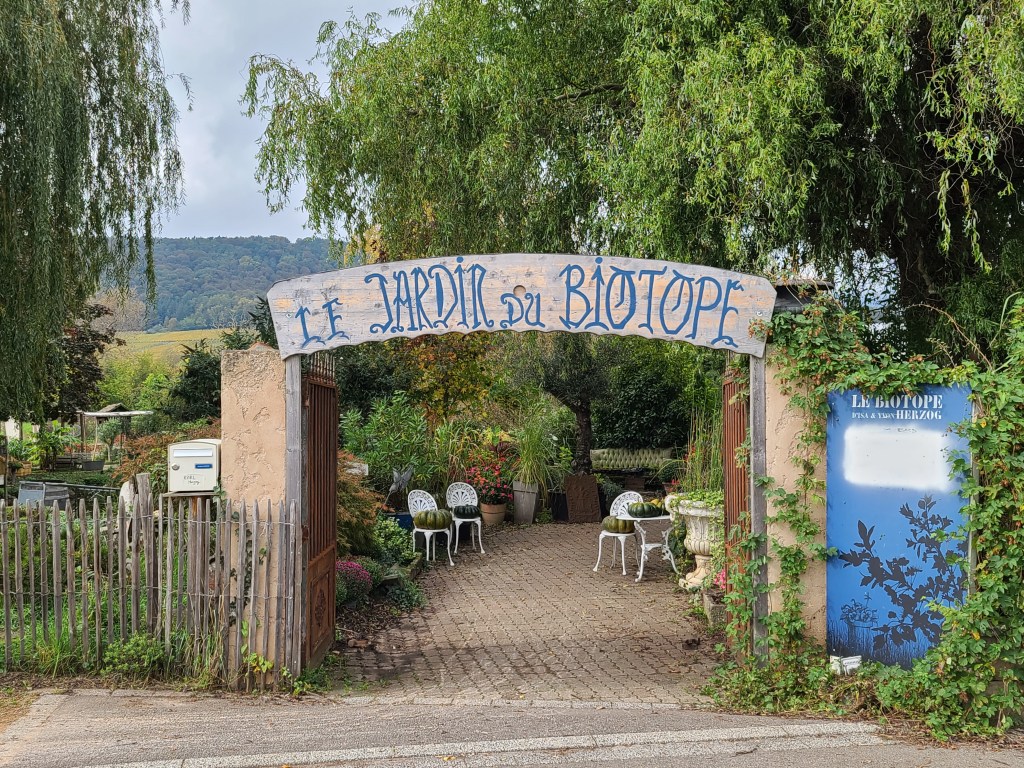
We changed pace today and headed out to the French countryside to follow the Routes des Vins starting at Marlenheim at the top and finished at Kintzheim, halfway down the route. The weather was warm and sunny and we knew it was going to be a good day!
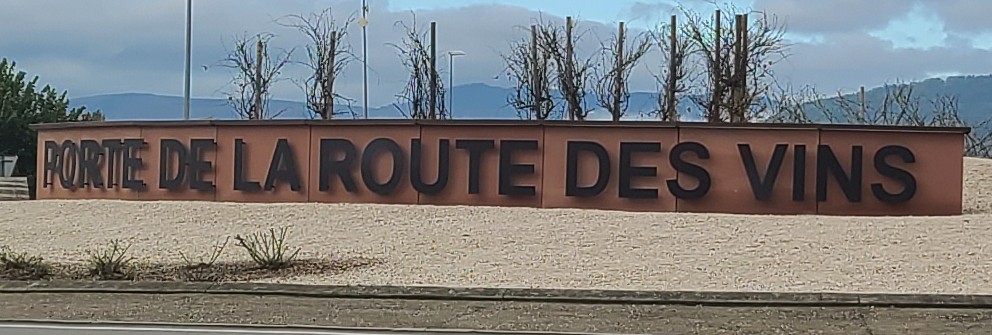
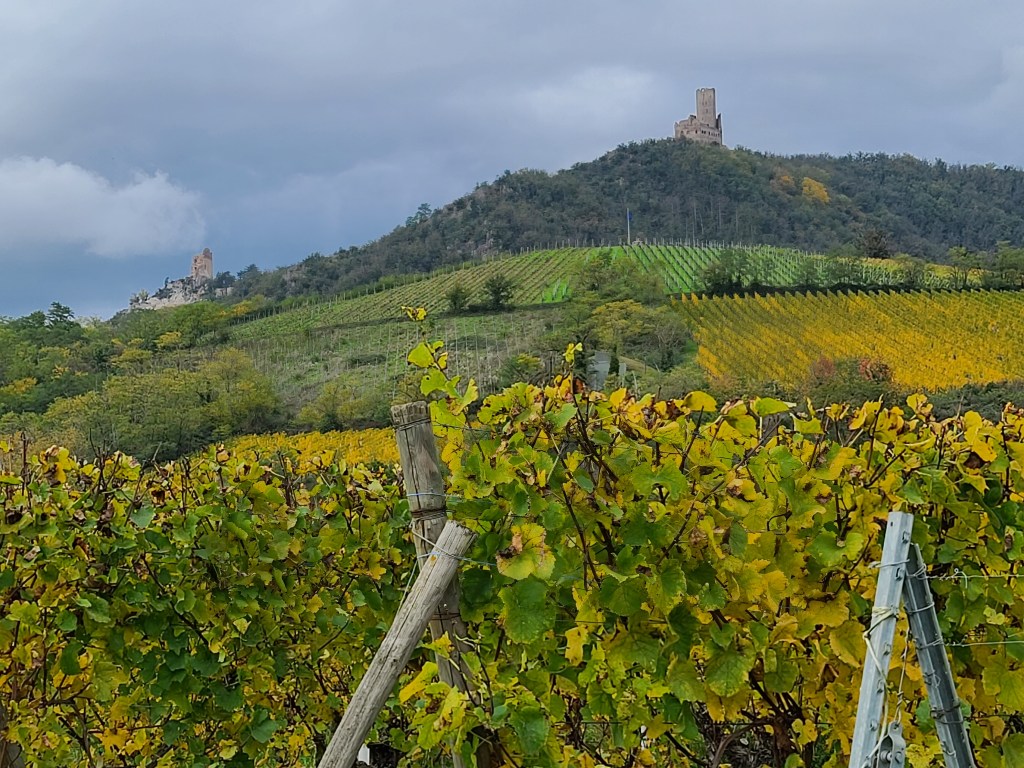
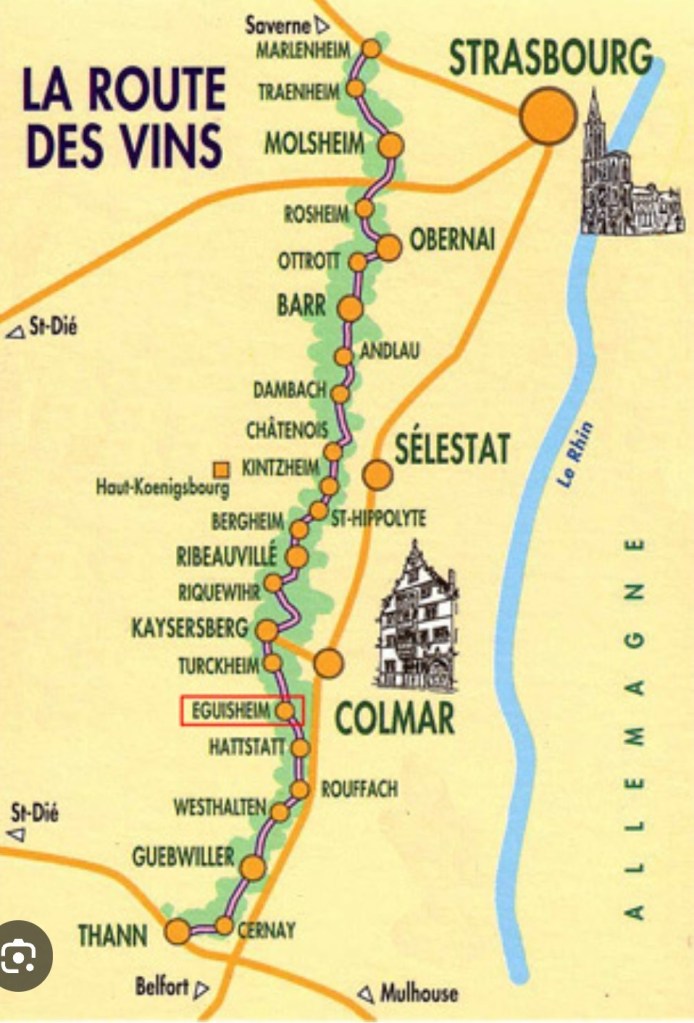
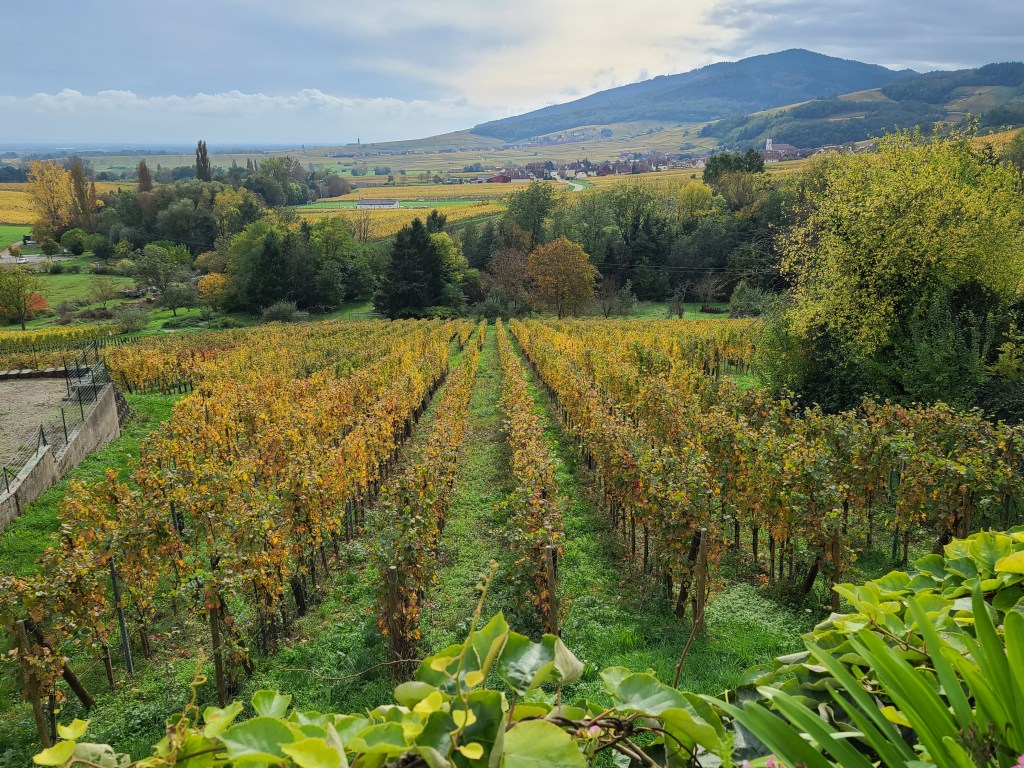
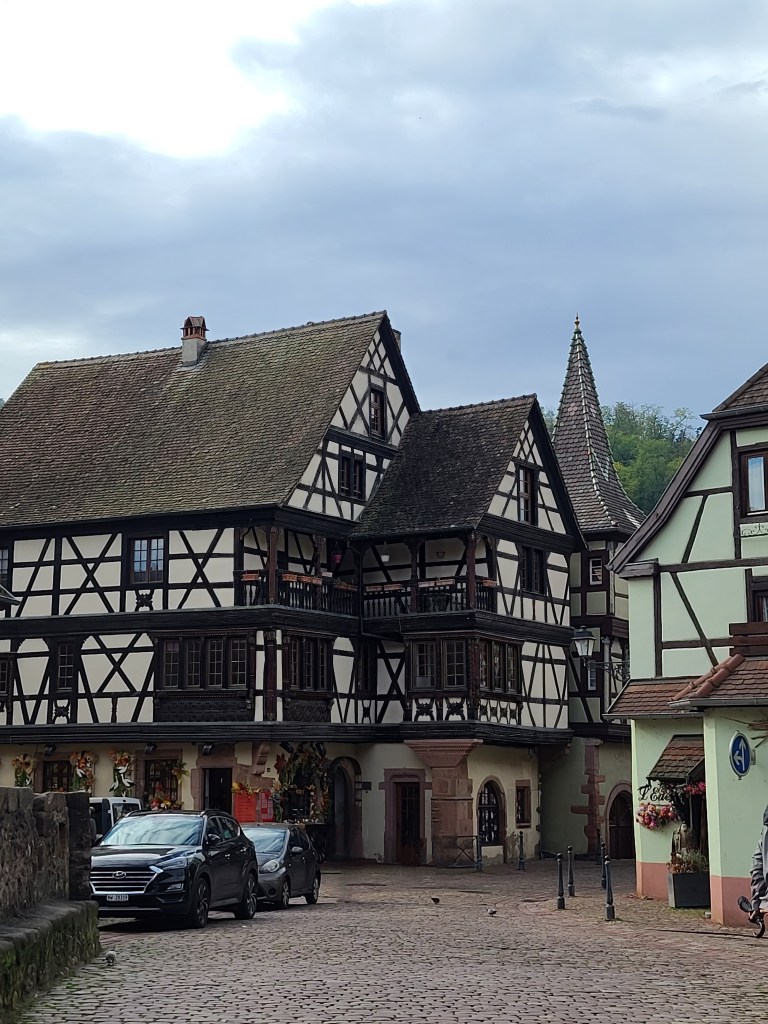
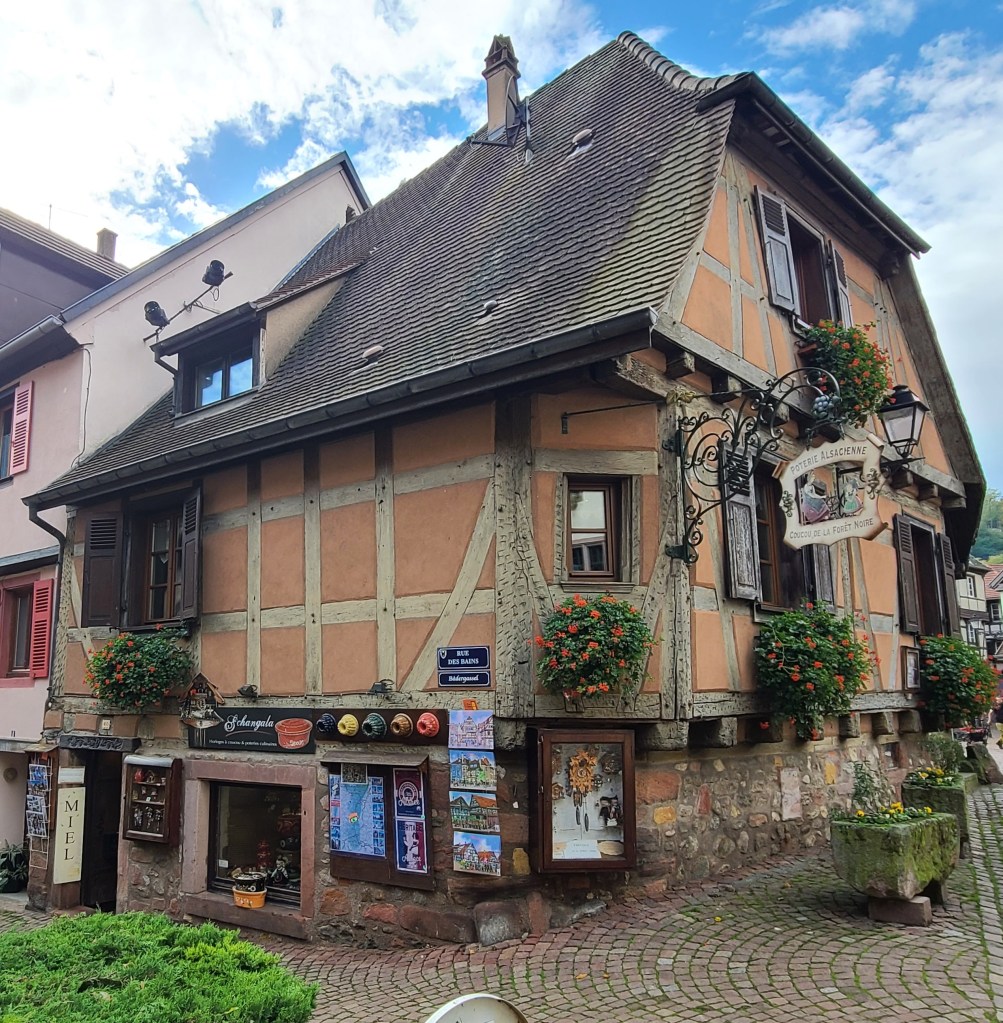
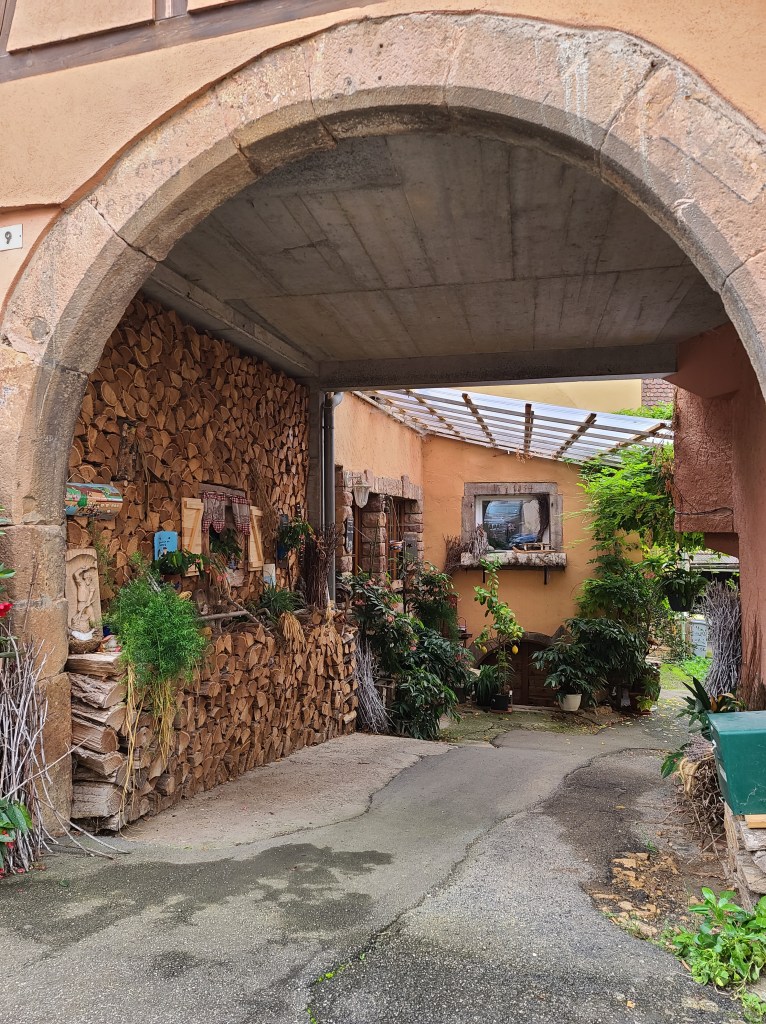
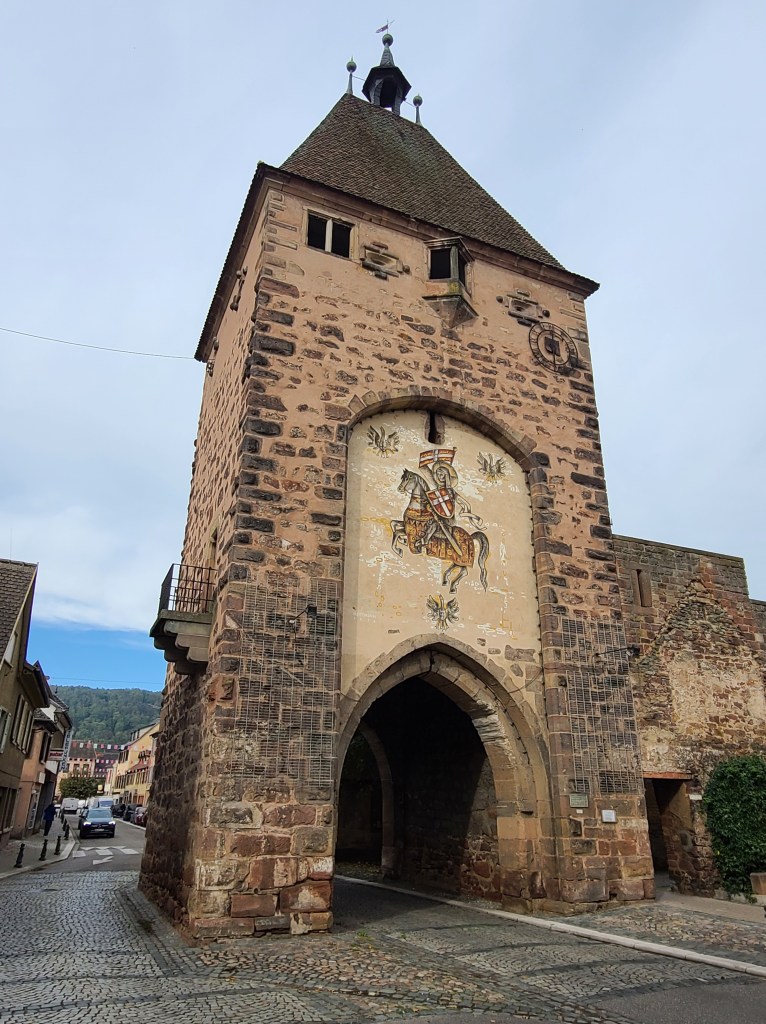
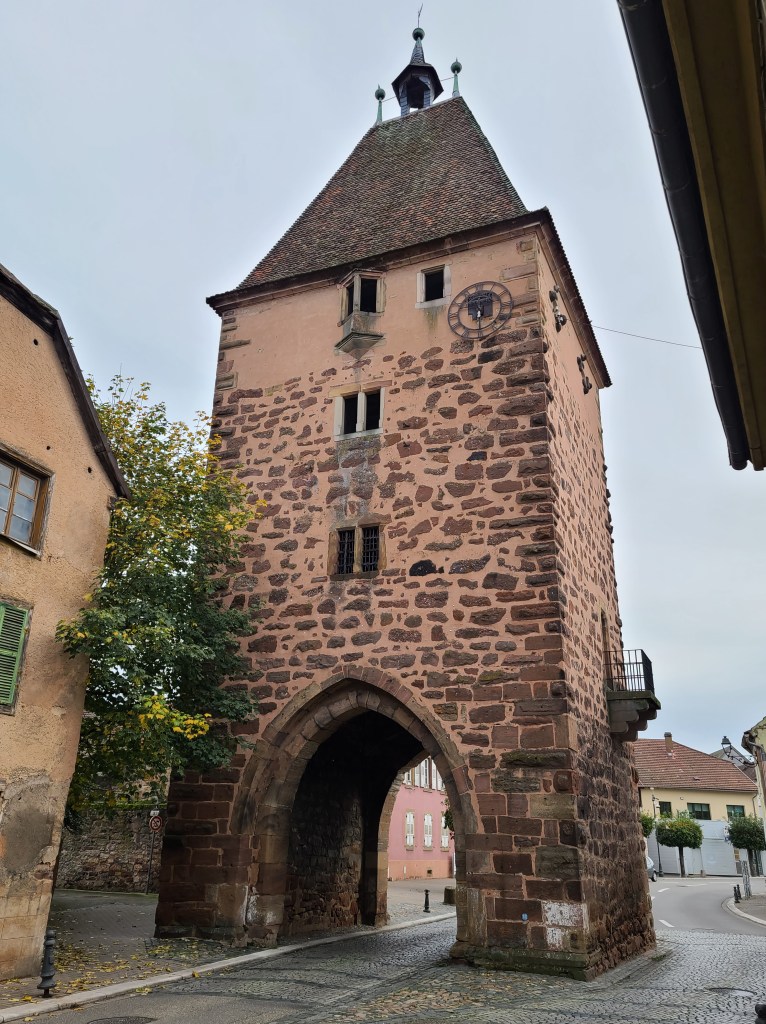
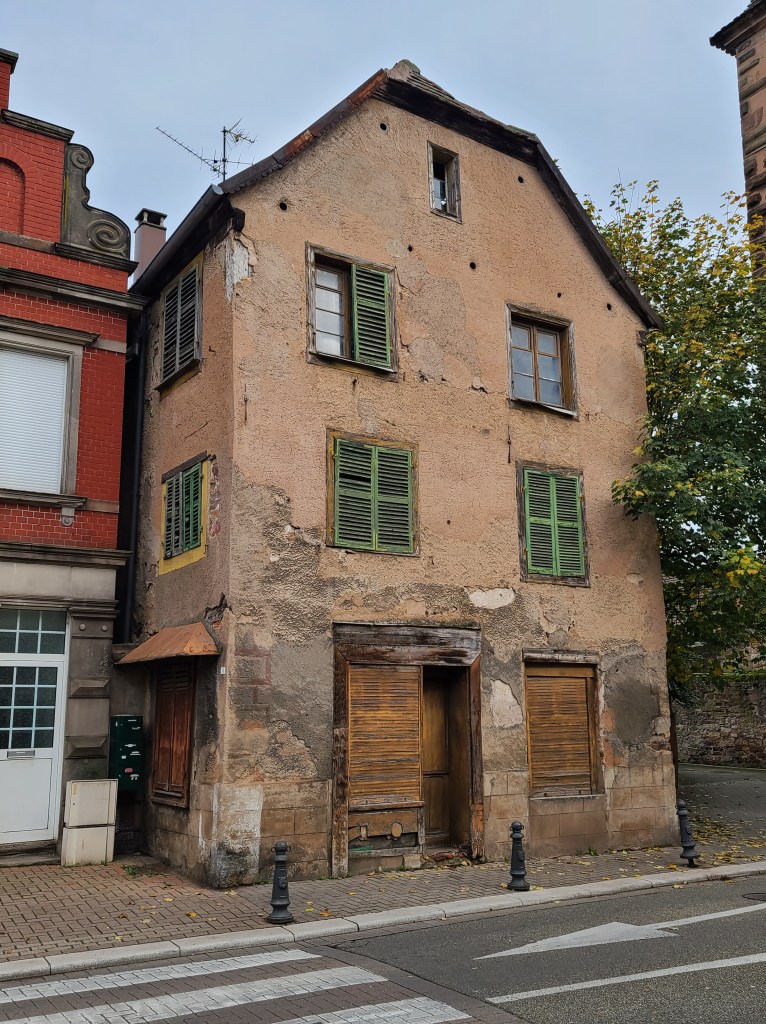
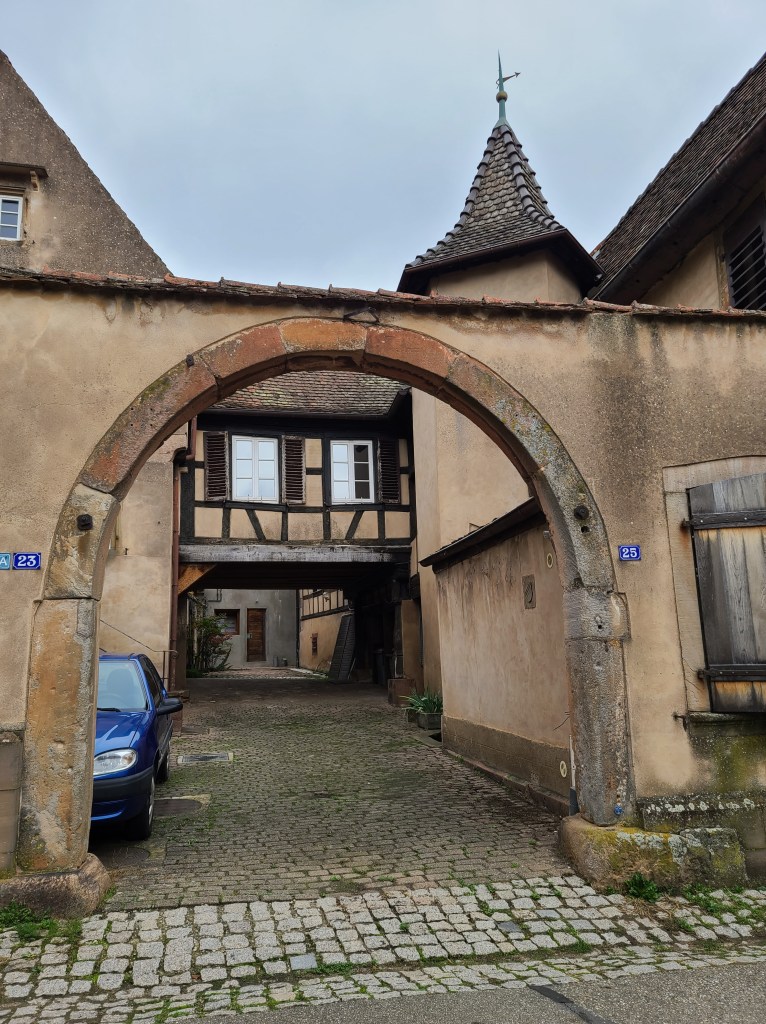
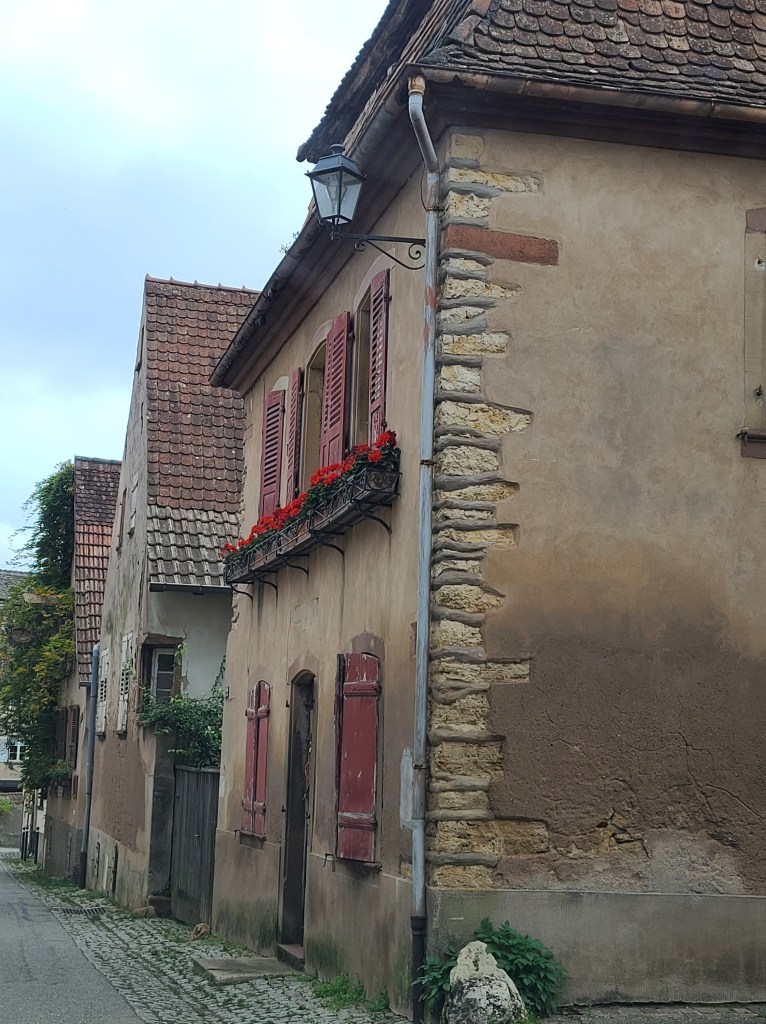
Every village/town was even prettier than the one before. The old half timber houses all date back to the 12th Century and some of them proudly show their age. The entire region is obviously vineyards as far as the eyes can see and beyond.
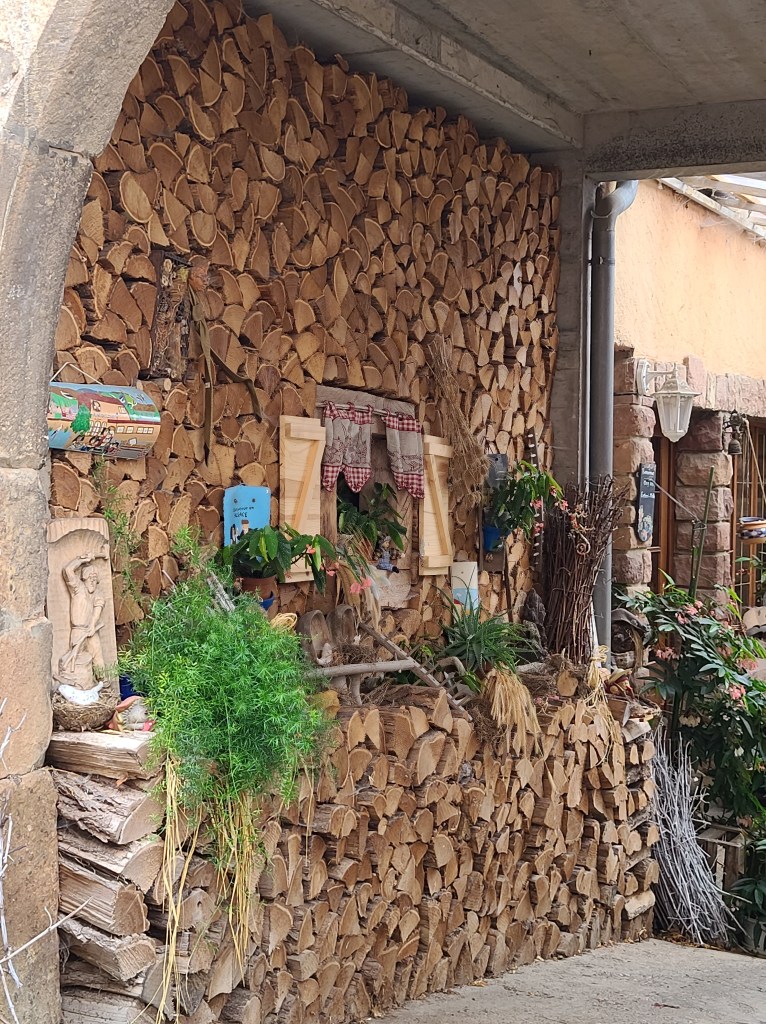
The residents are busy pressing grapes and producing wines. Others were out cutting and stacking wood for the winter.
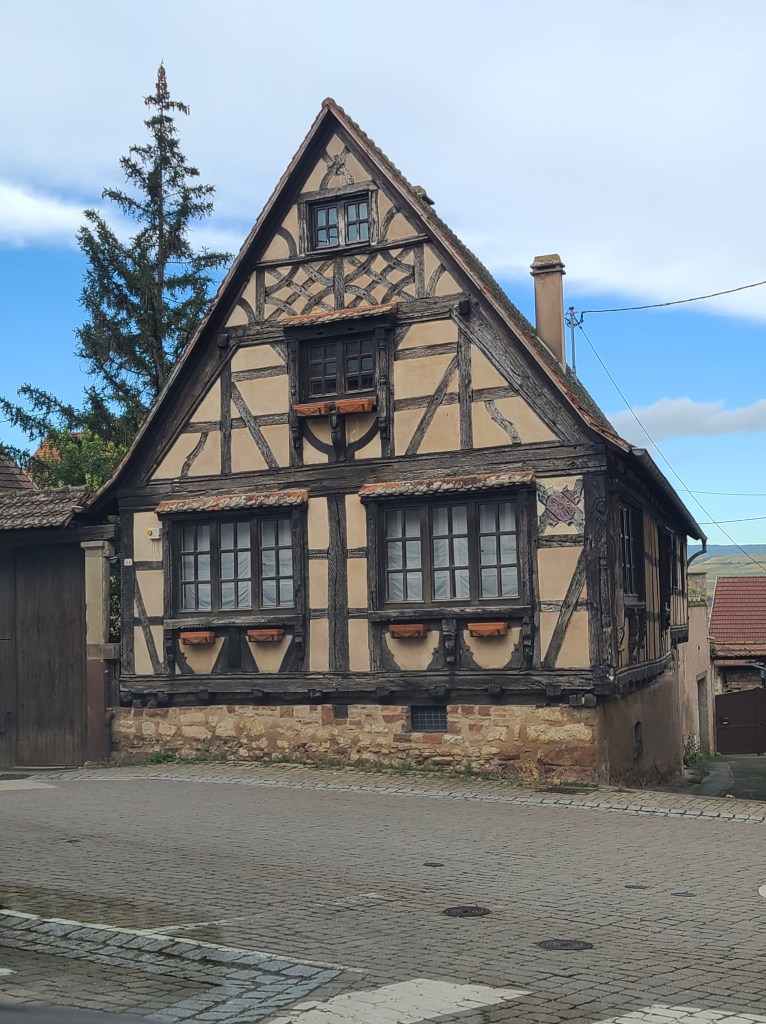
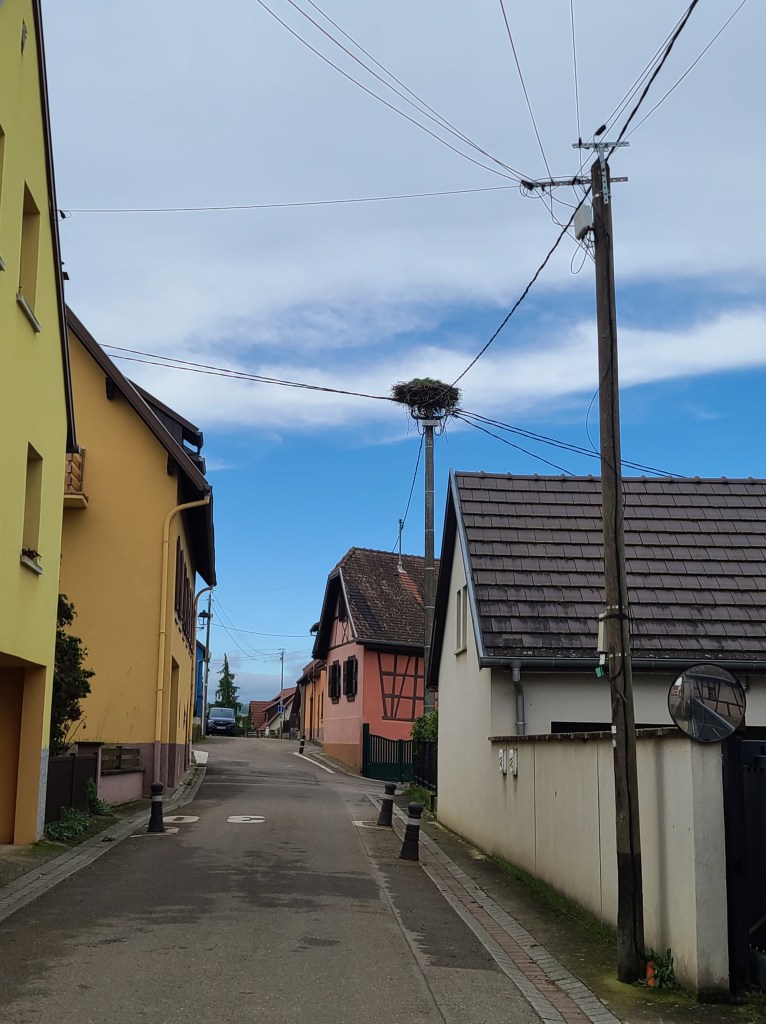
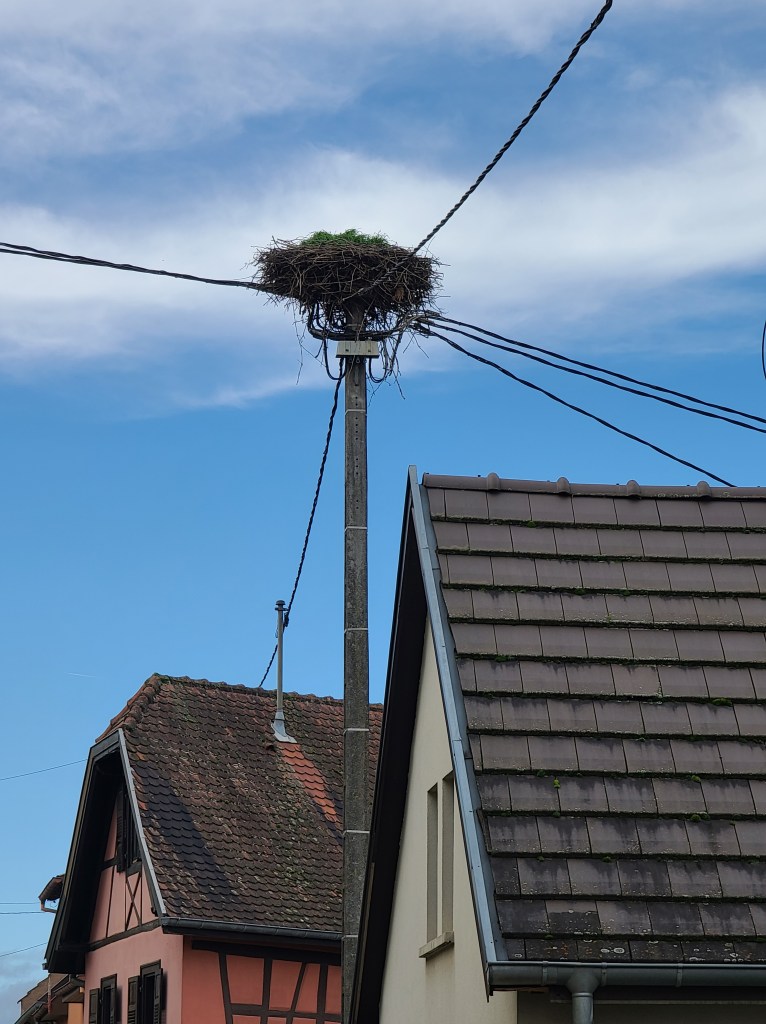
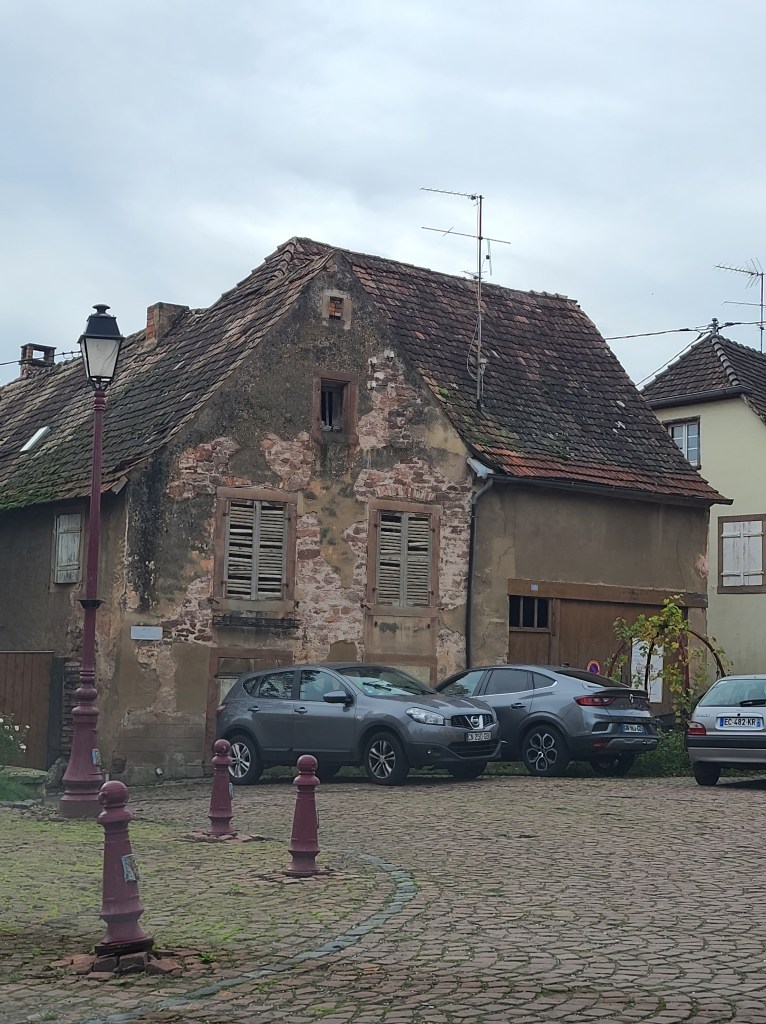
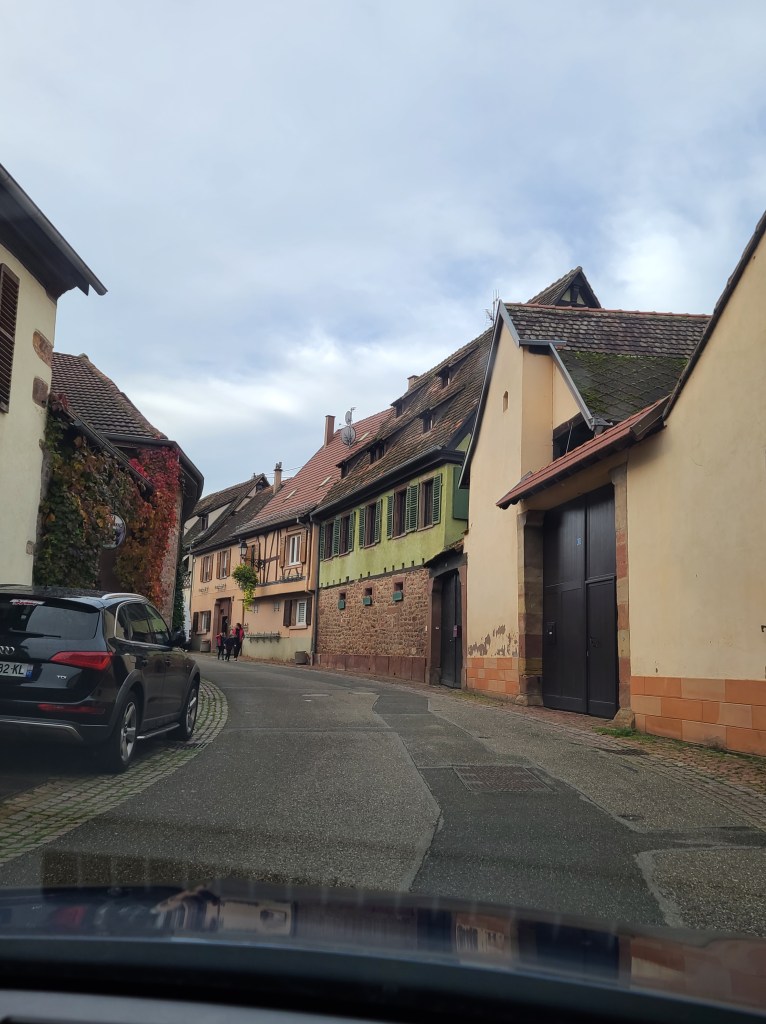
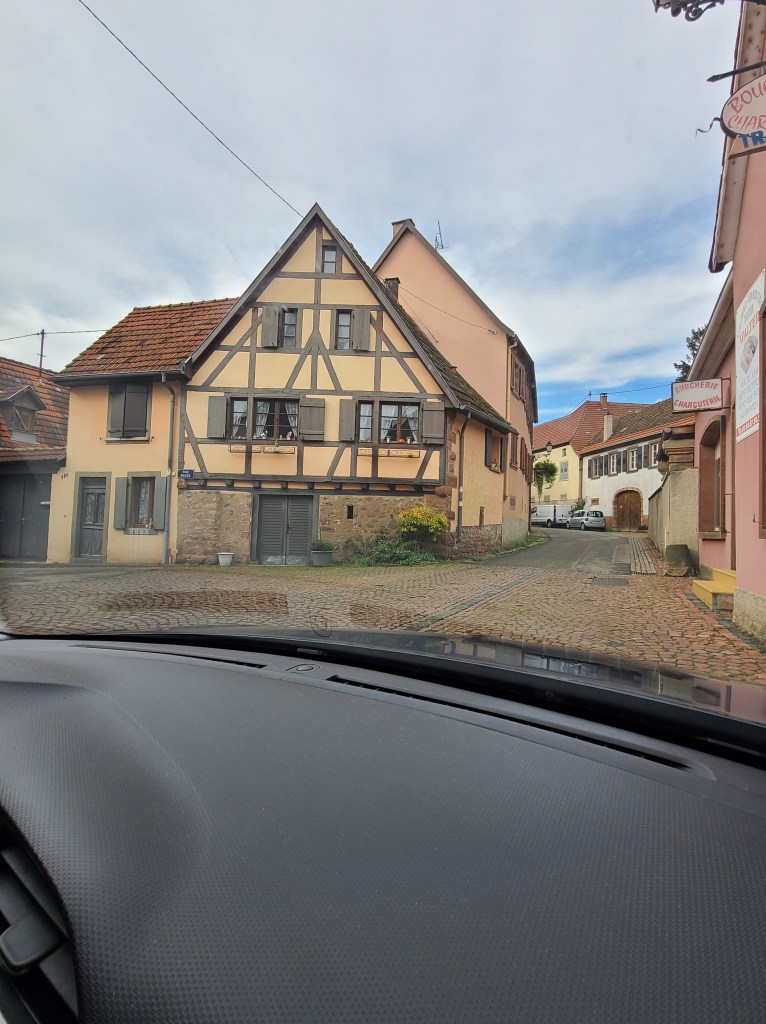
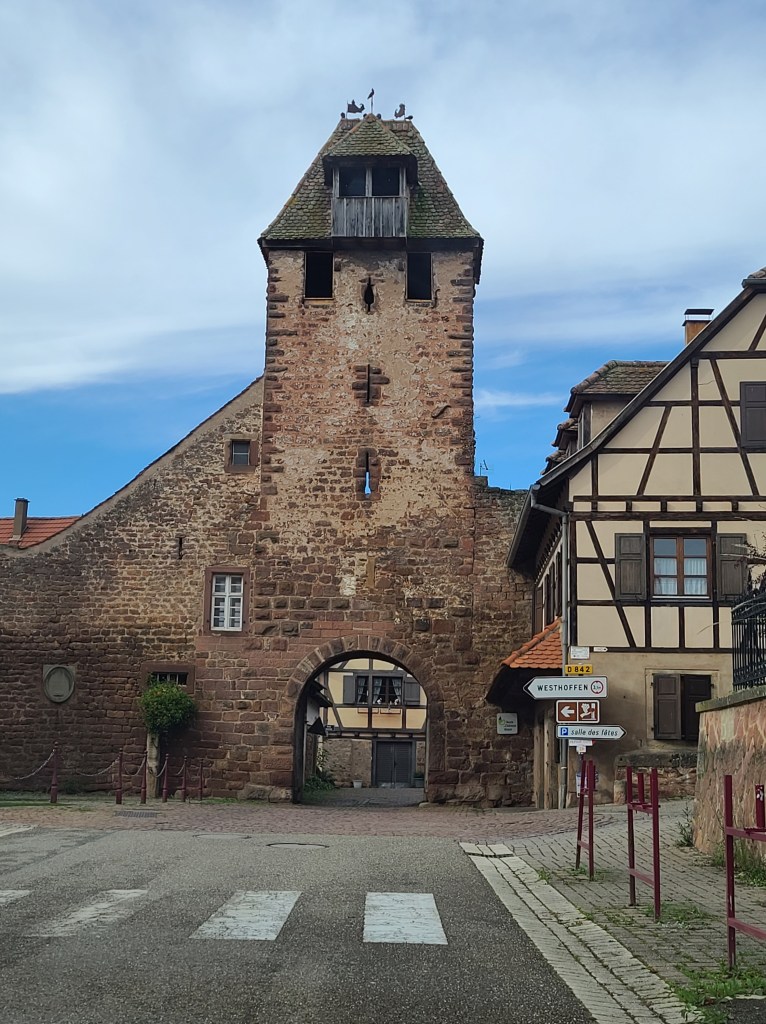
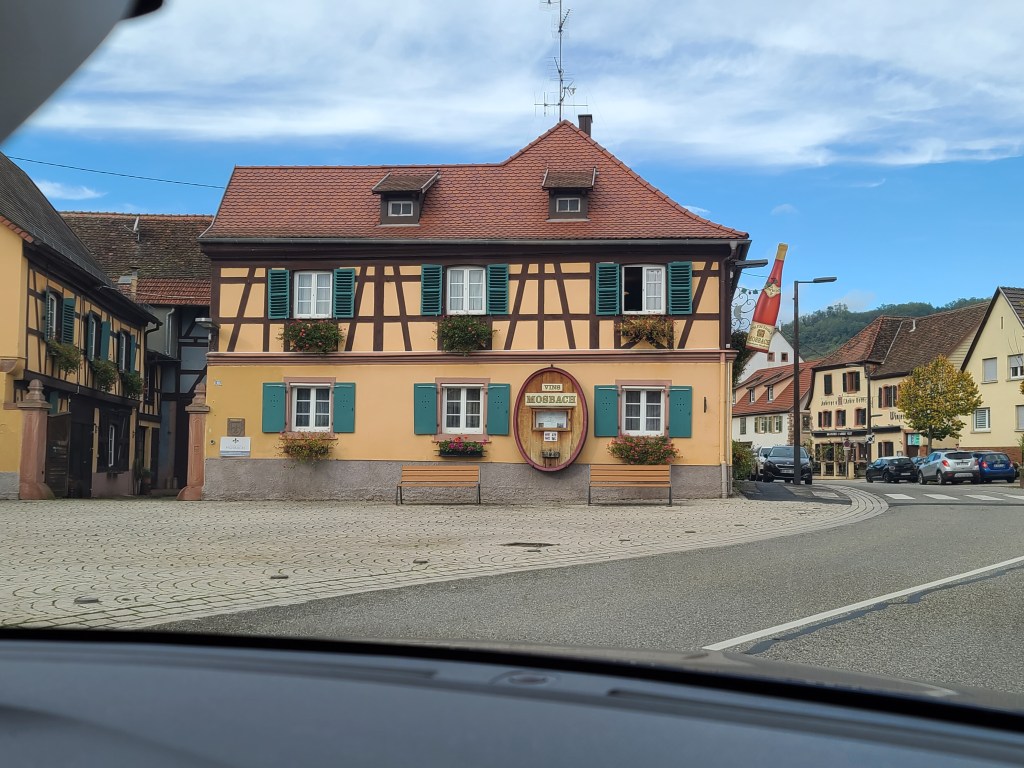
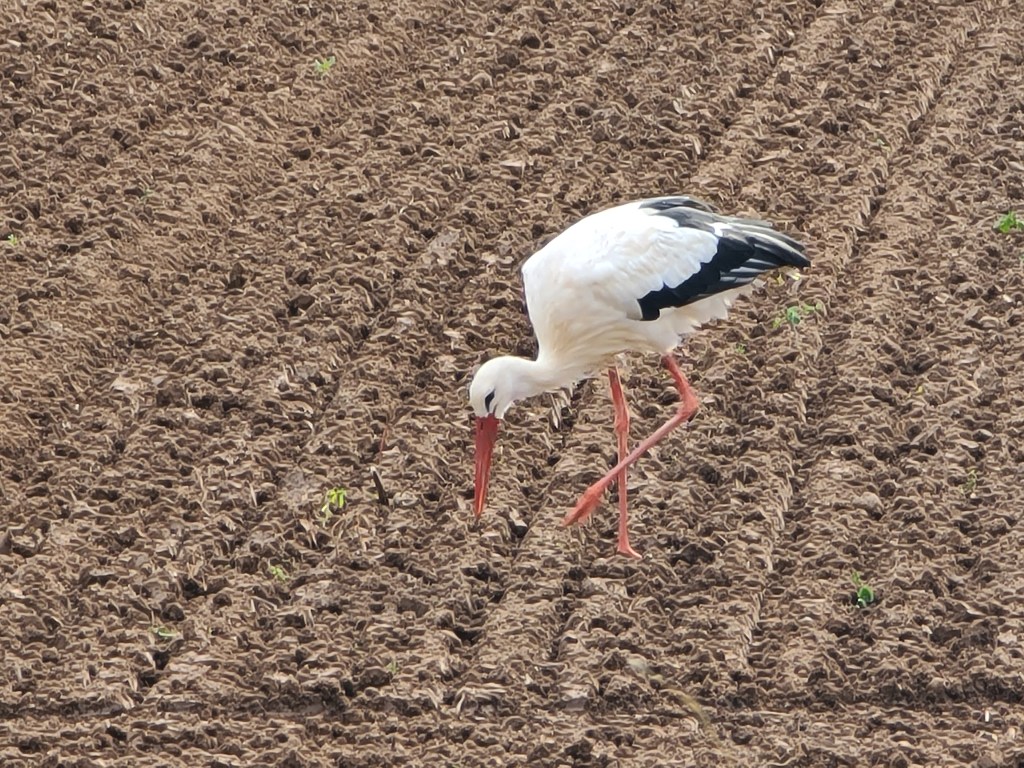
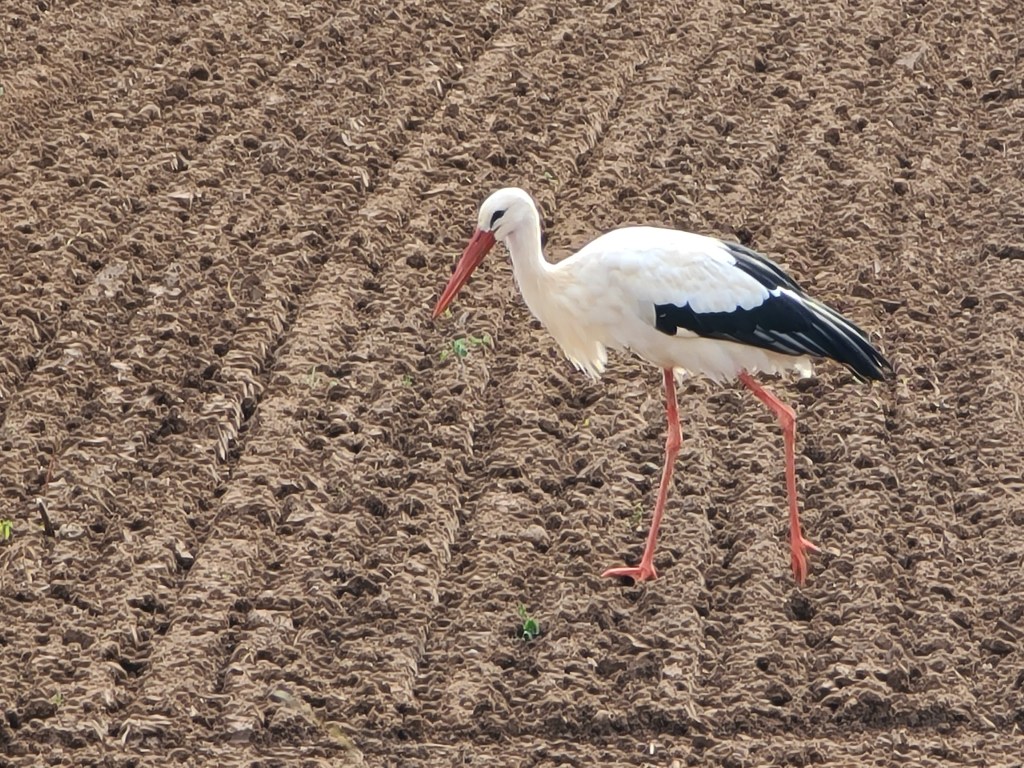
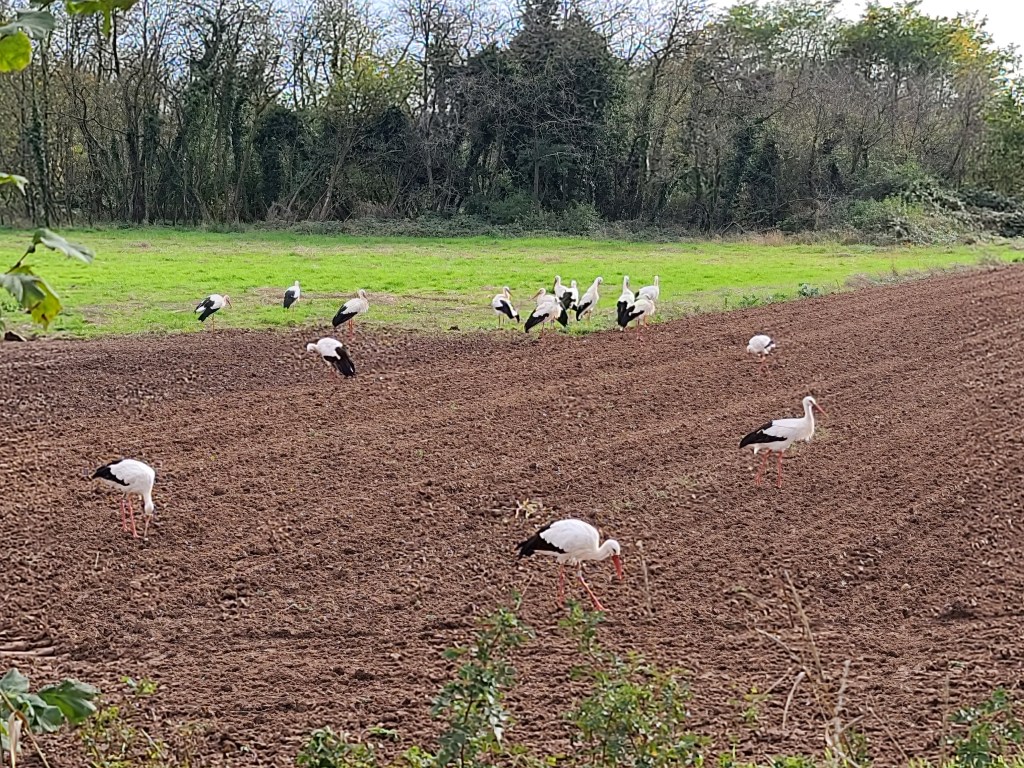
On several house tops are huge stork nests. Not only do the storks symbolise fertility, the Alsatian consider the storks to be the bringer of luck and wealth, and for the many winemakers of the region, they also bring a year of good harvest, meaning more wine for everyone.
The locals are friendly to storks. Many of the nests are formed on top of iron cages put there specially for the storks to move in. Perhaps it isn’t all for the storks though. If a stork decides to nest on top of a house, it is believed that good fortune (or a baby, if you wish for it) will come to those who live in this house. After resting in France and neighboring countries they fly to Africa for the winter.
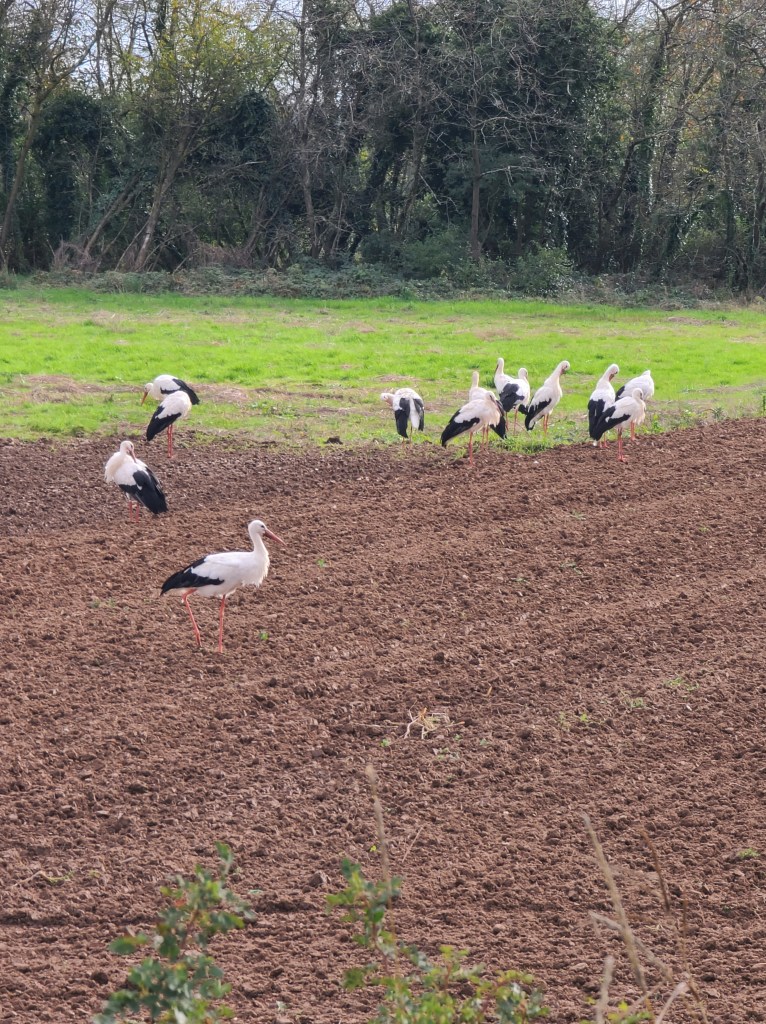
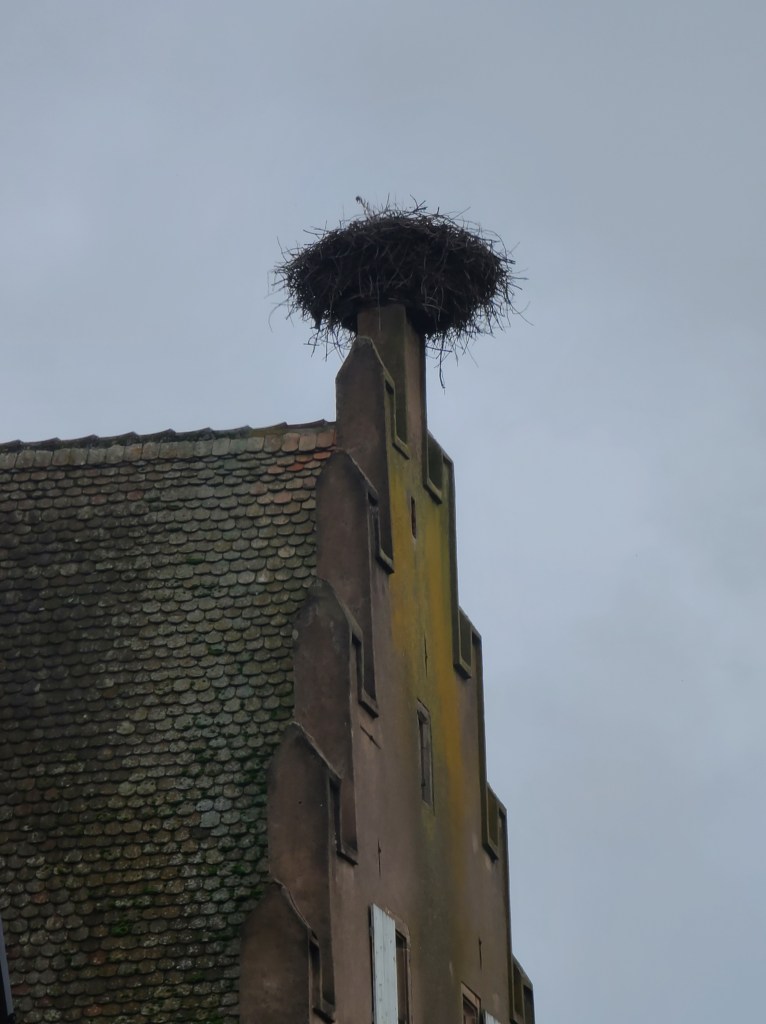
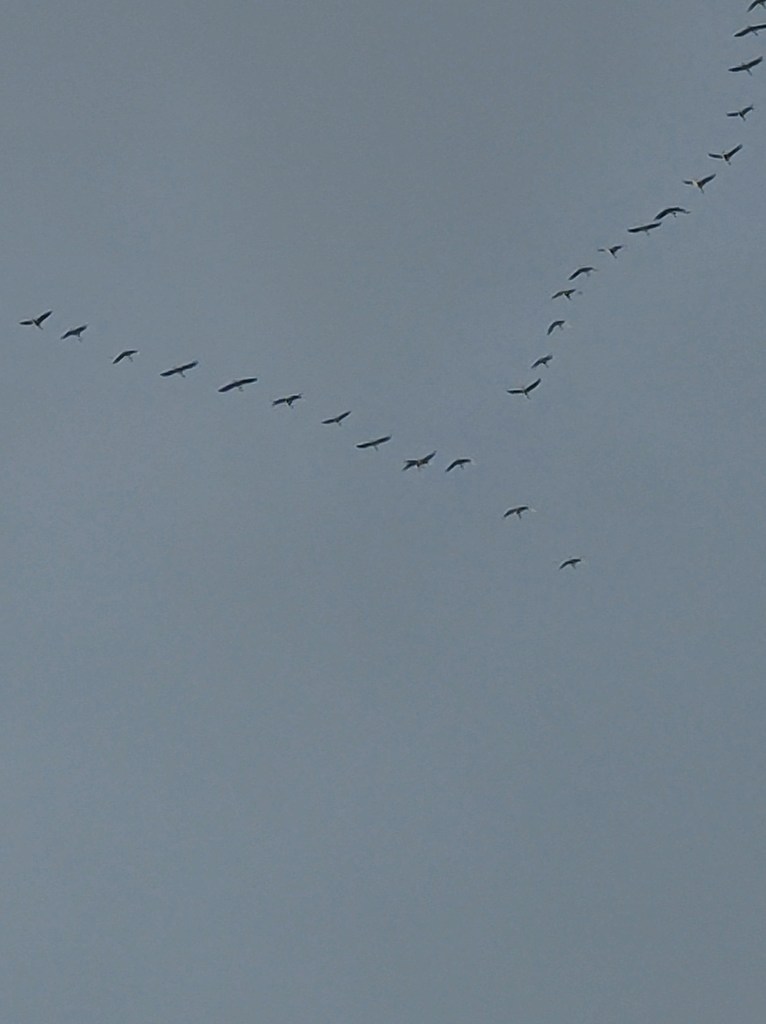
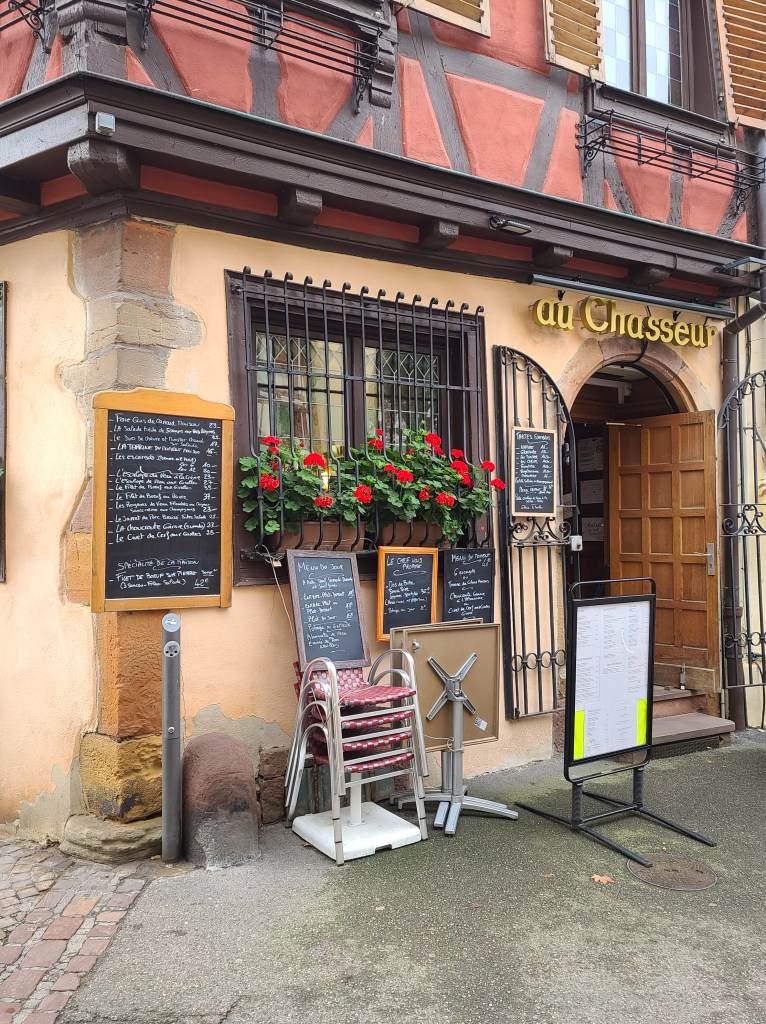
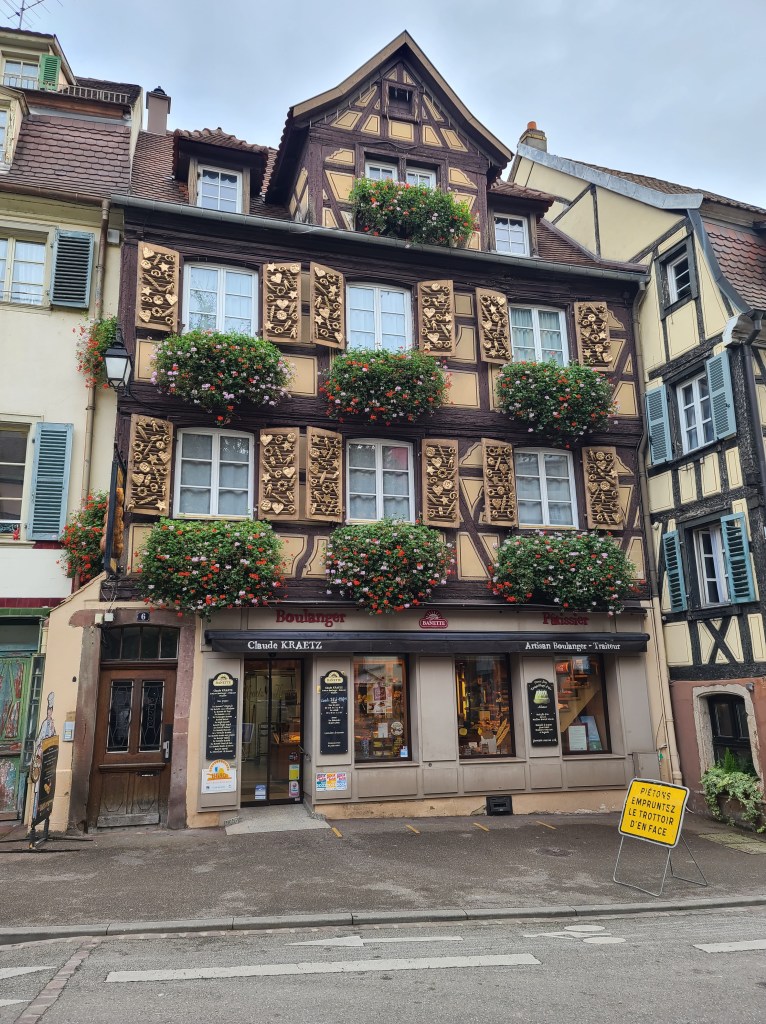
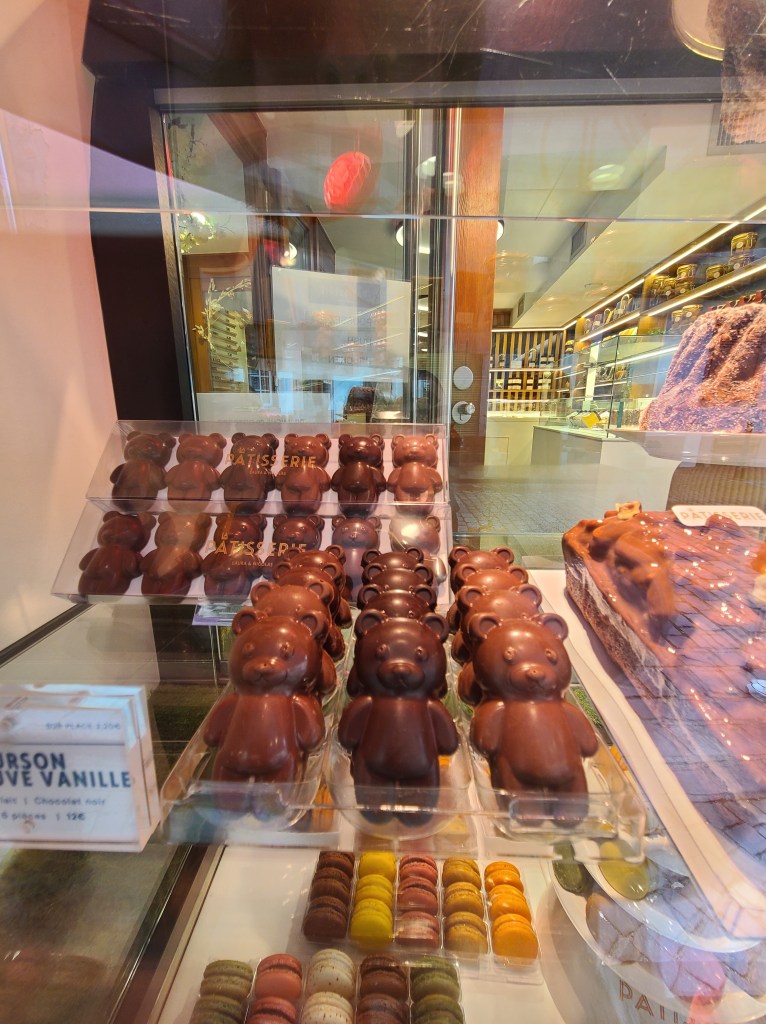
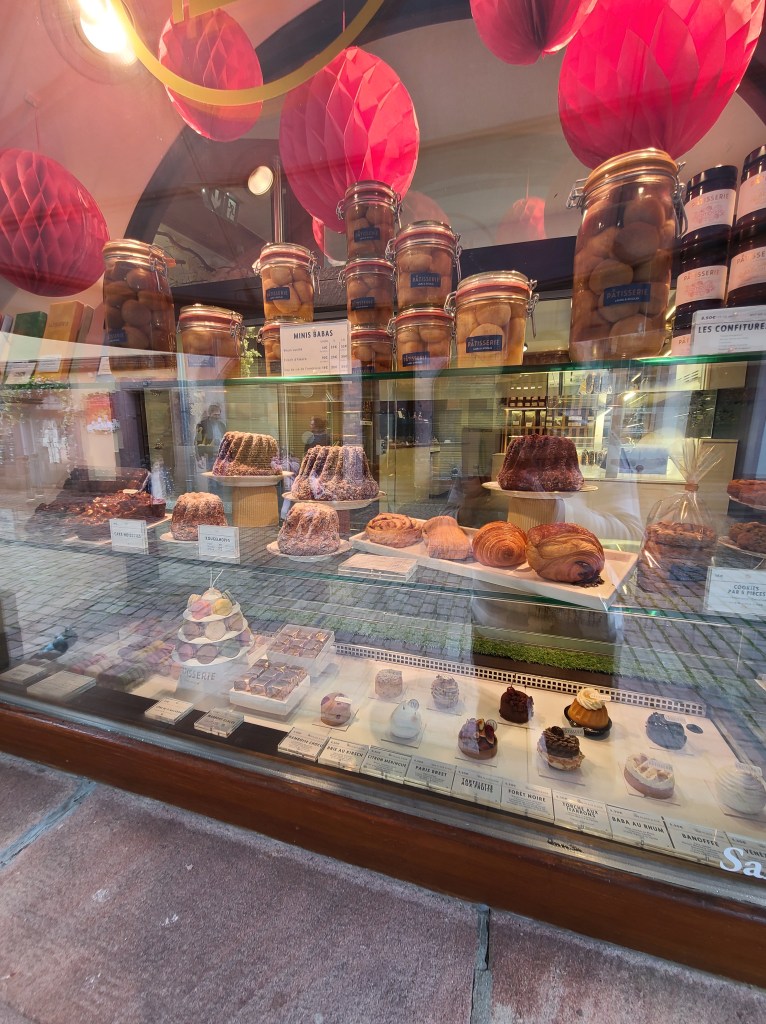
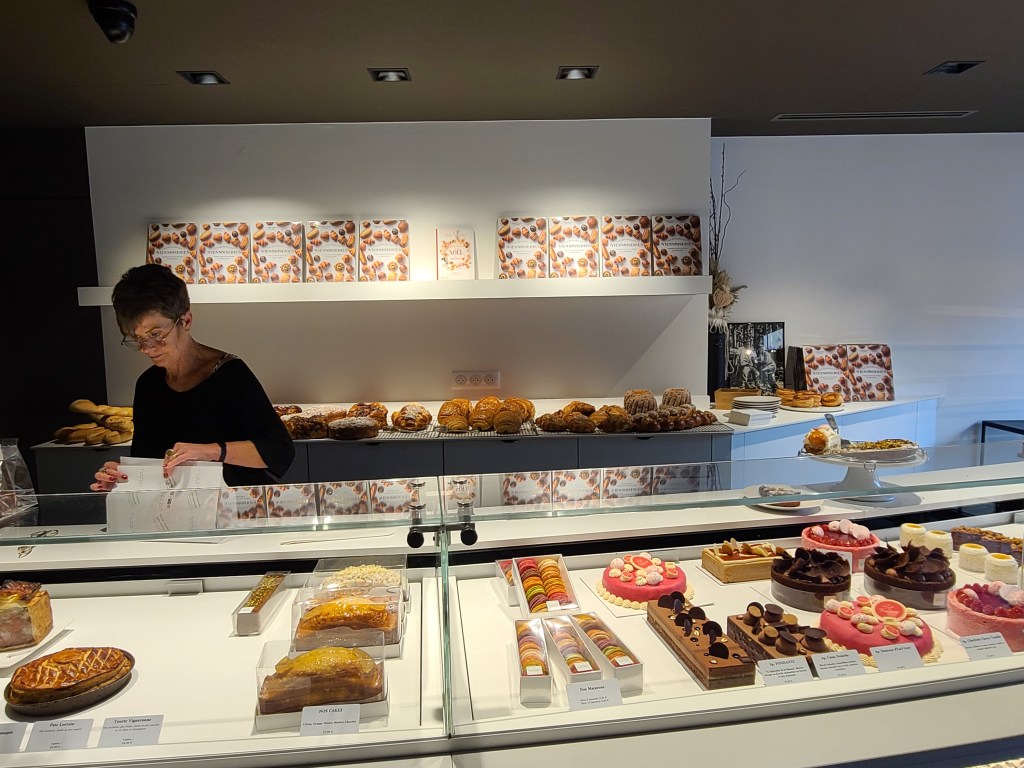
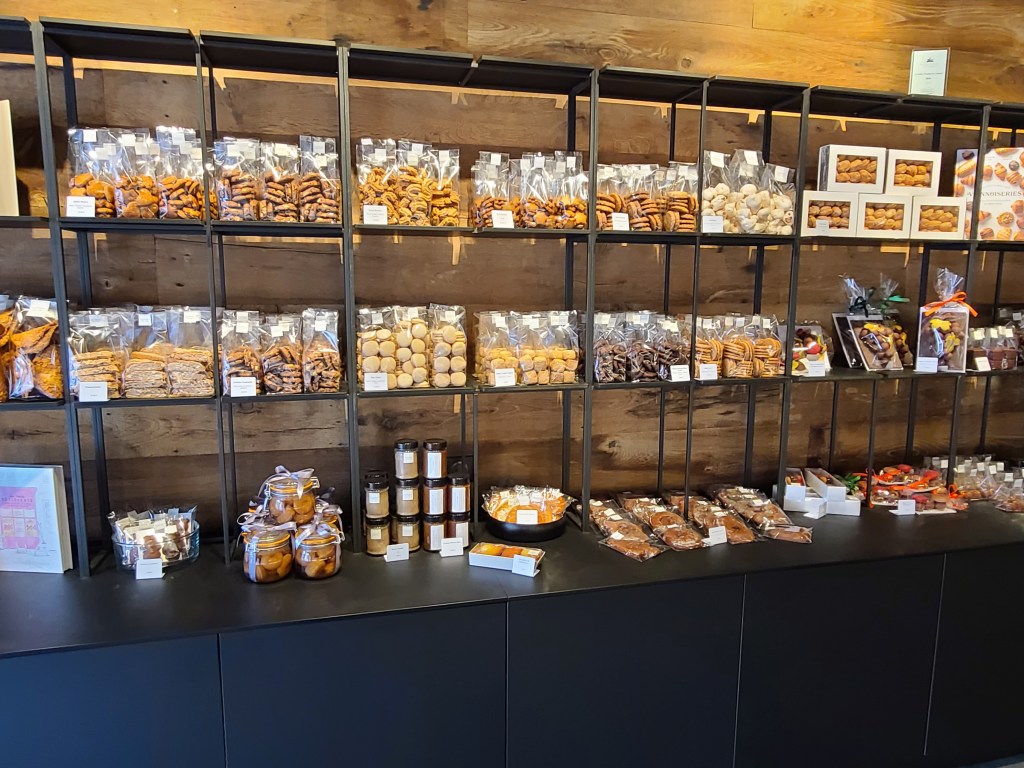
We meandered to and fro through the countryside stopping for a cappocino and croissant at one boulangerie and picking up a treat at another artisan chocolatier, smelt some wonderful home cooking wafting down a street and listening to the clink of wine bottles further on. Everyone was busy but they all stopped to take a look and bid “bon journey”.
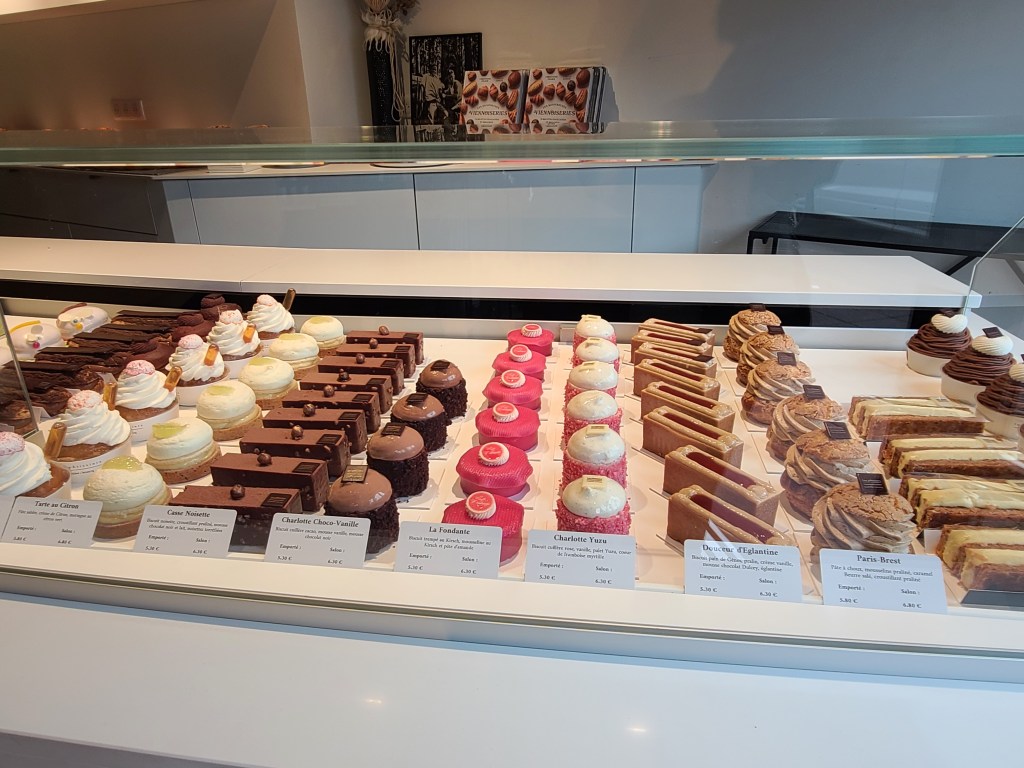
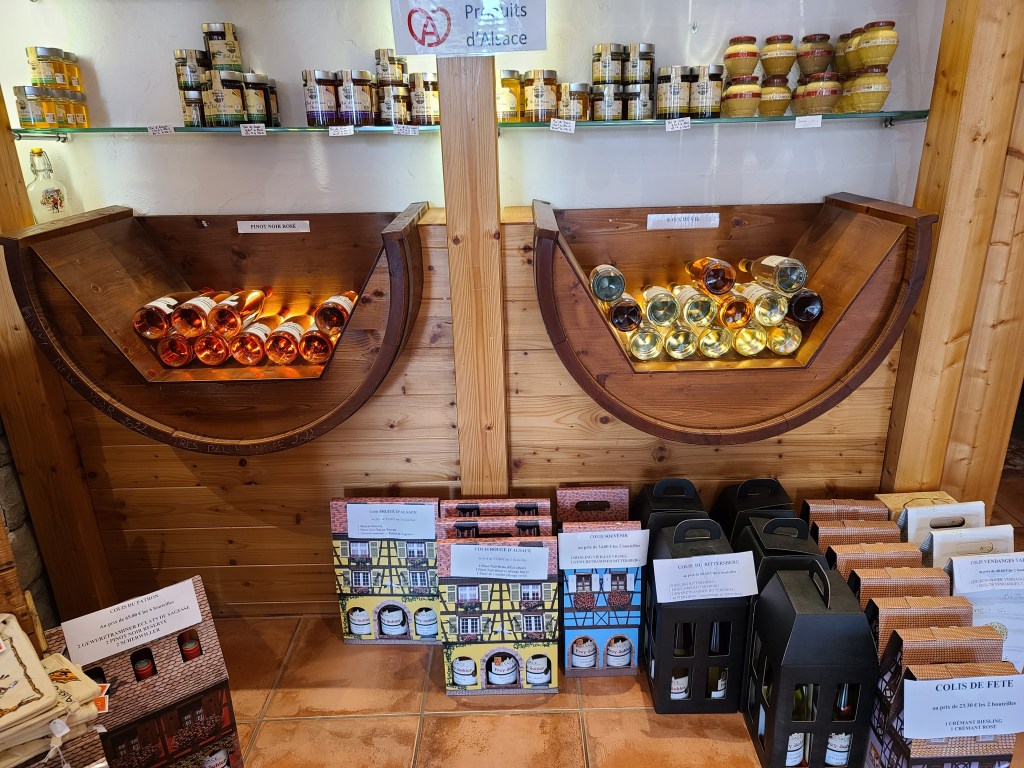
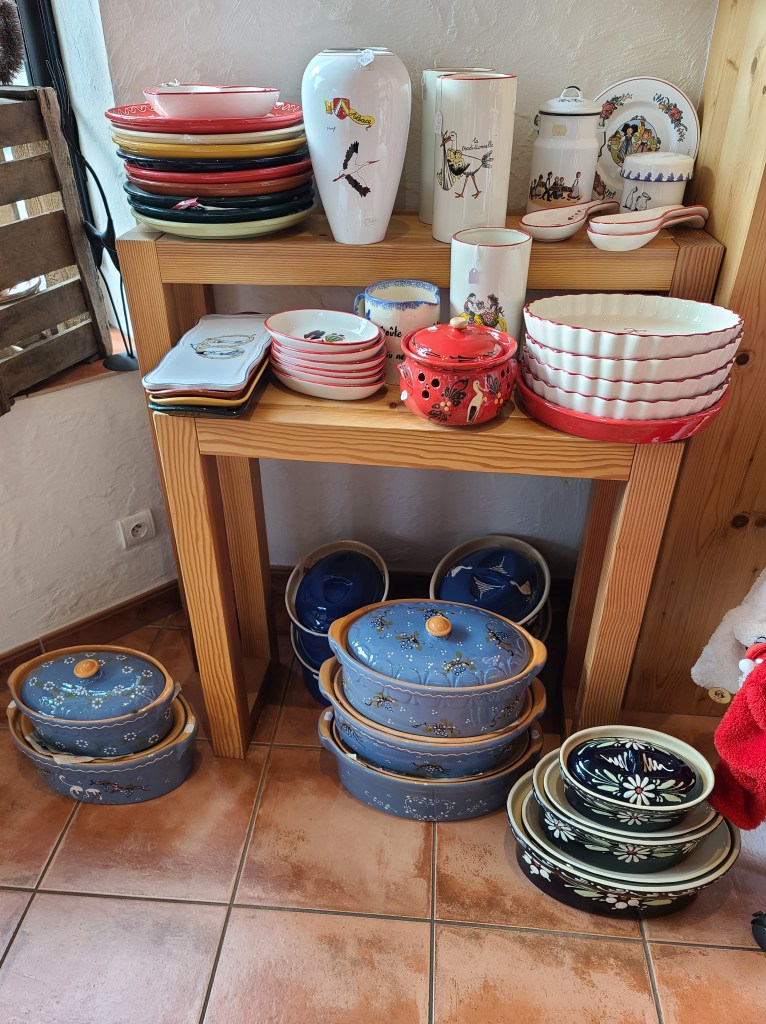
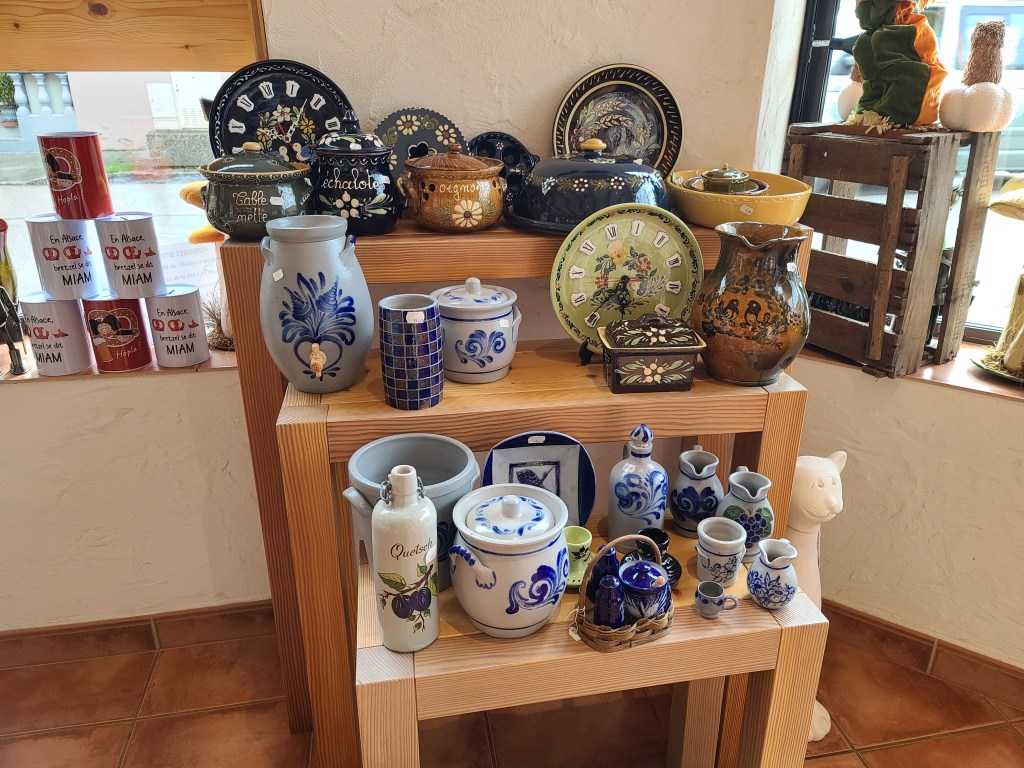
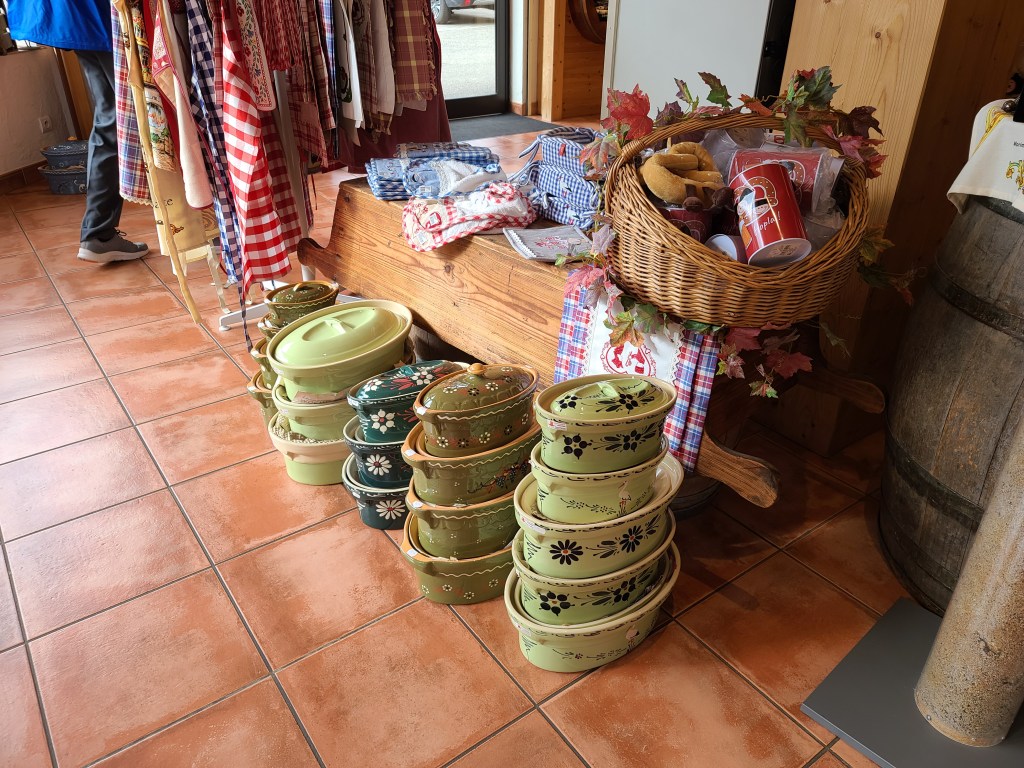
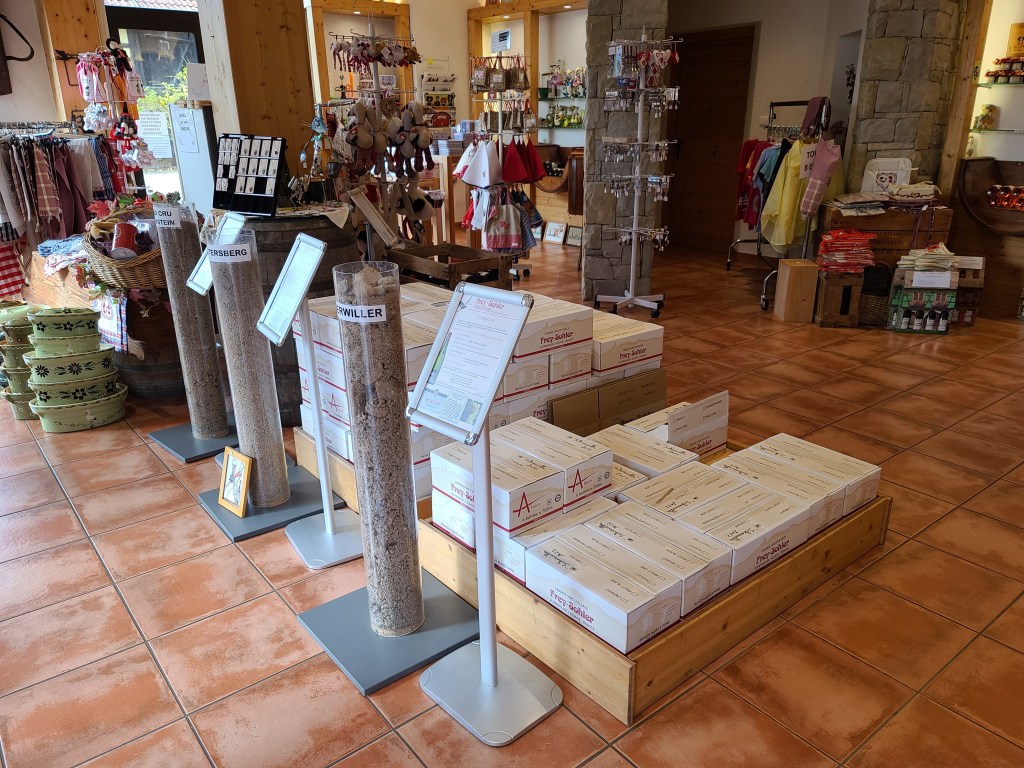
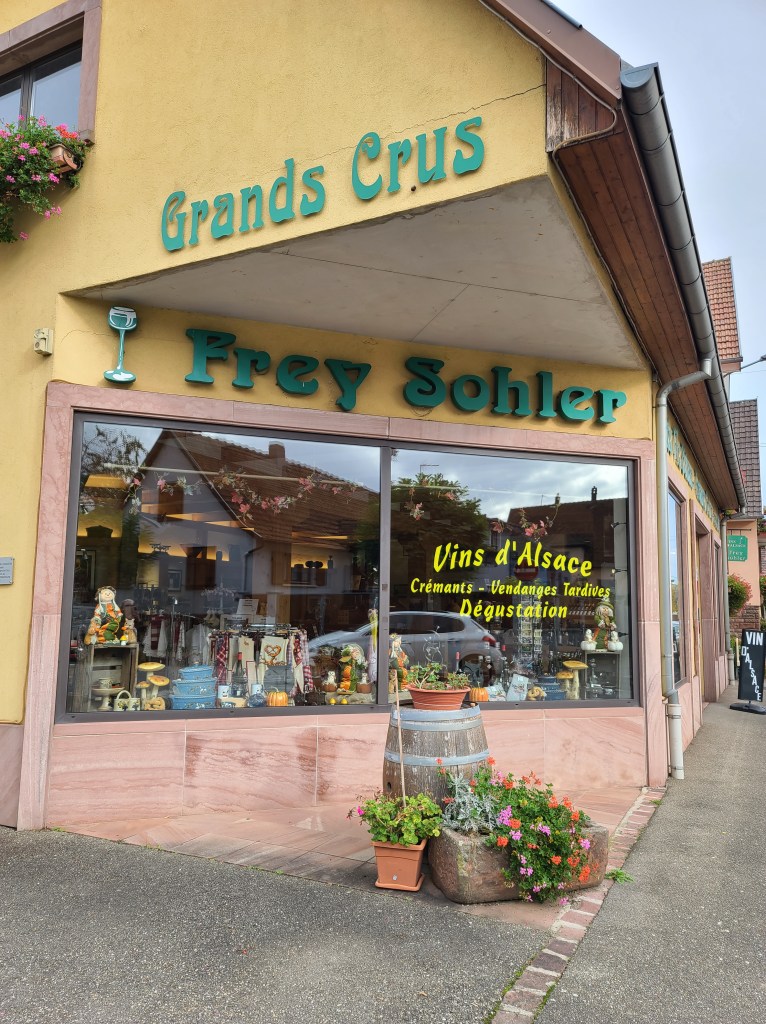
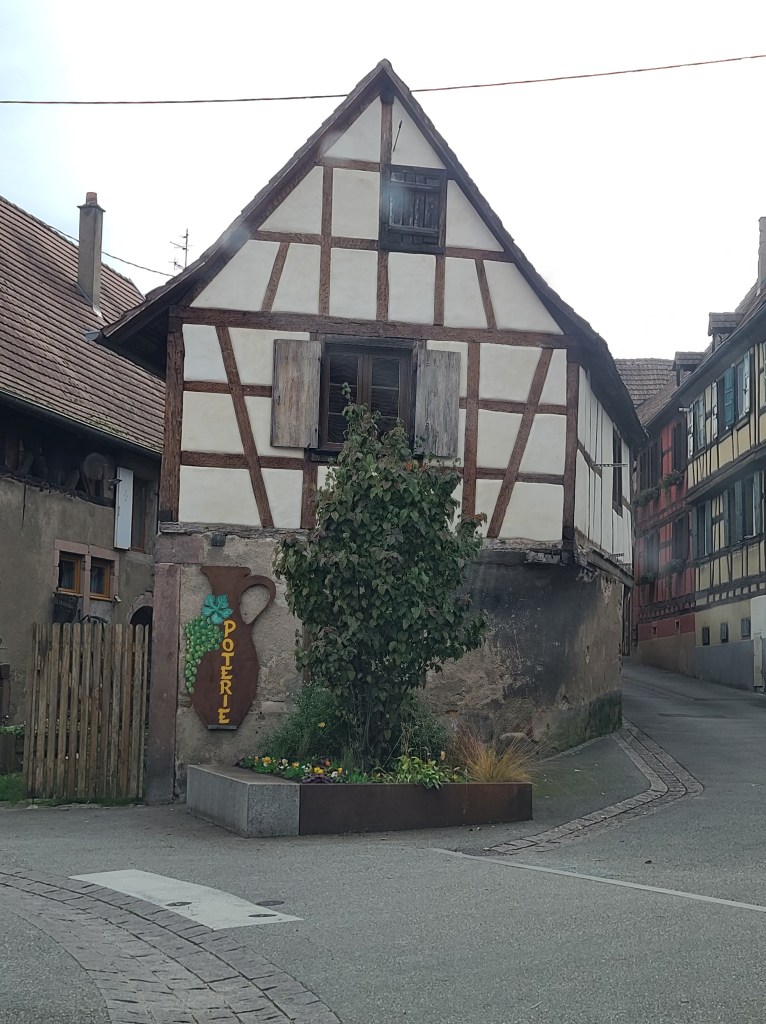
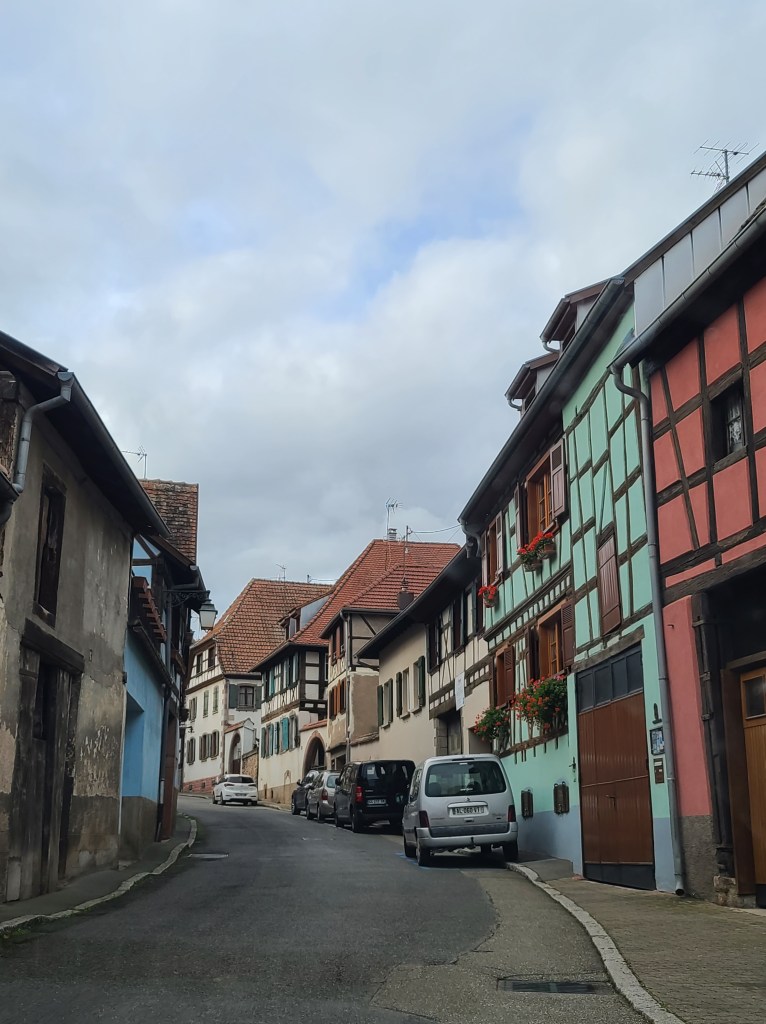
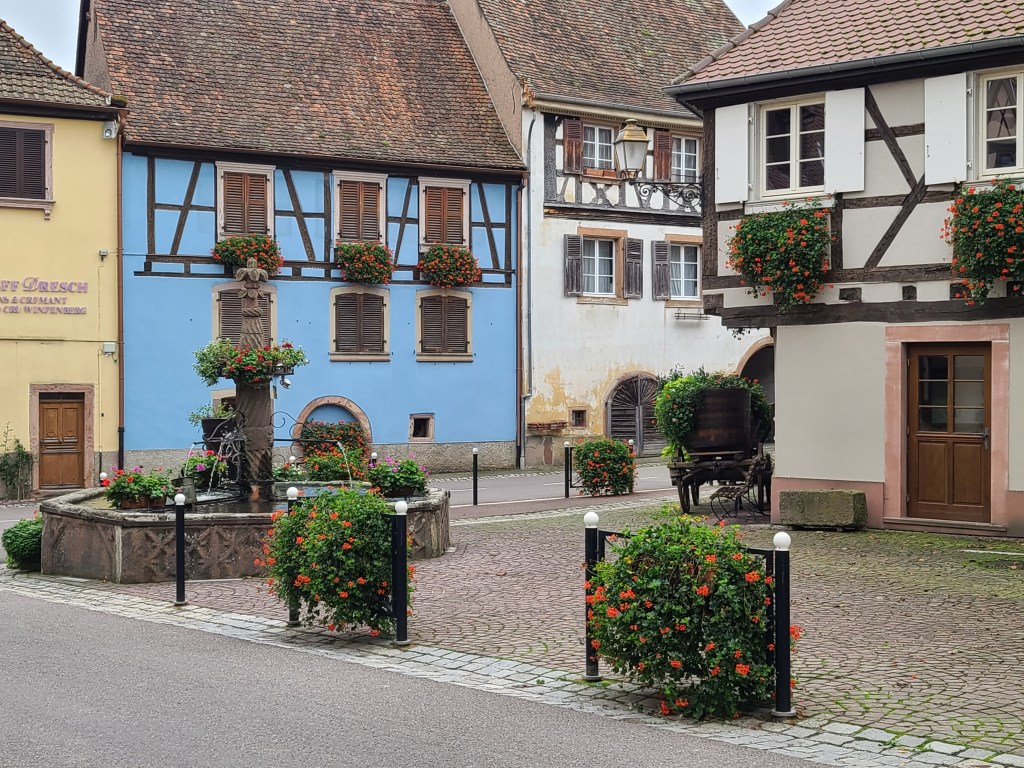
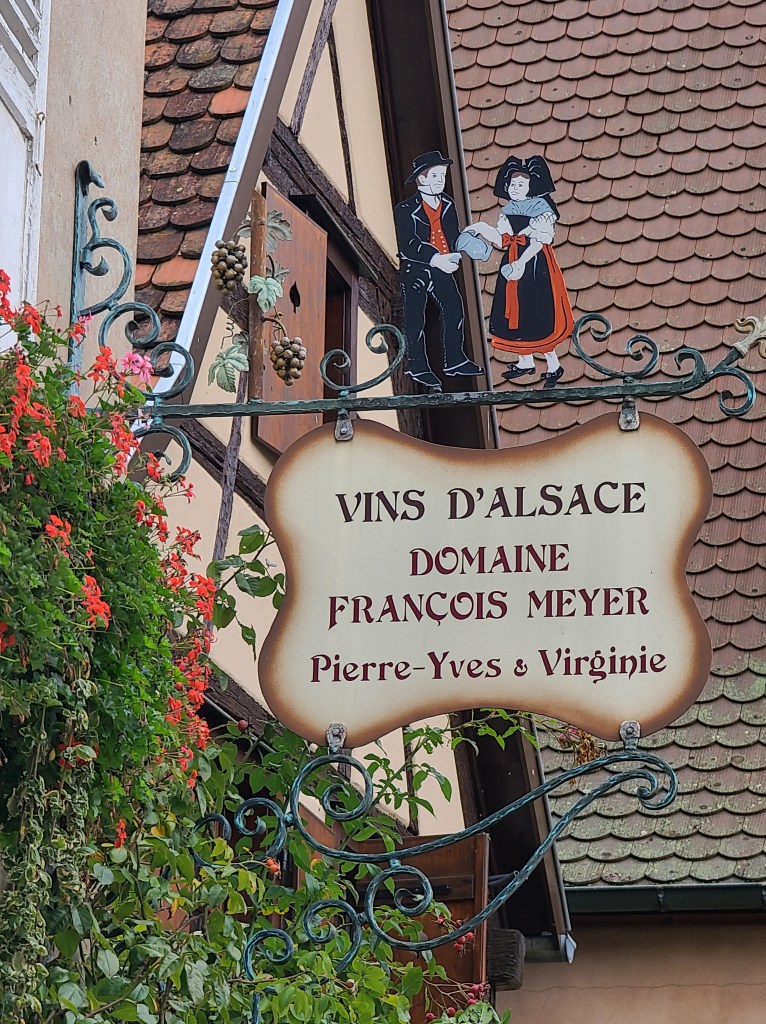
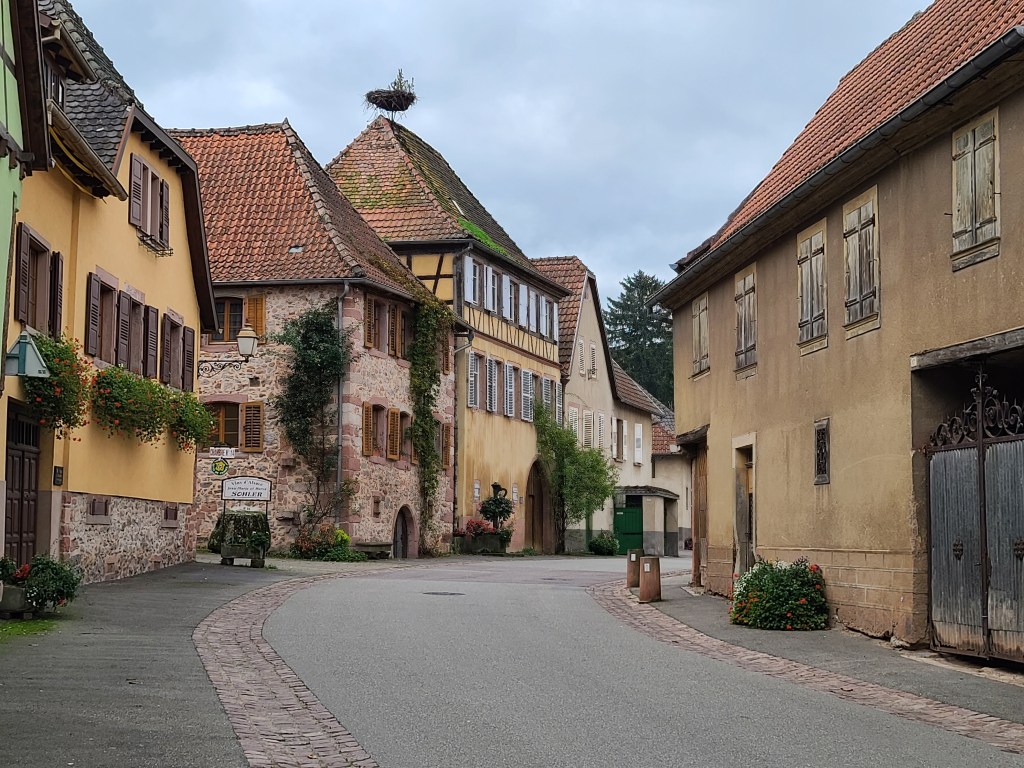
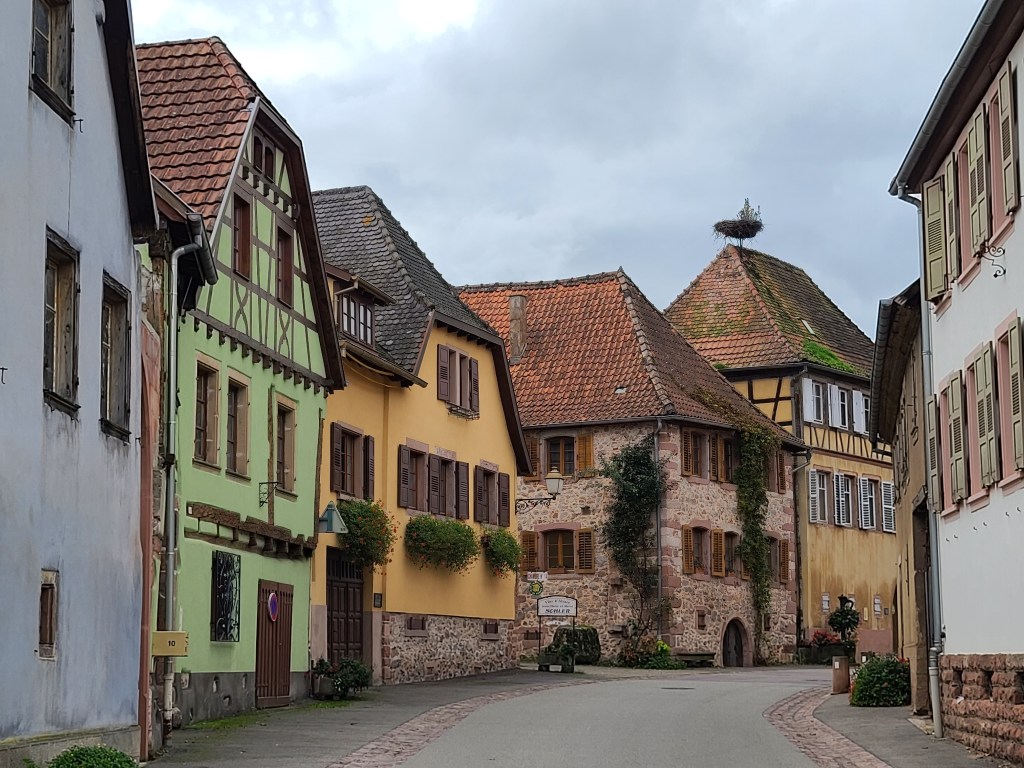
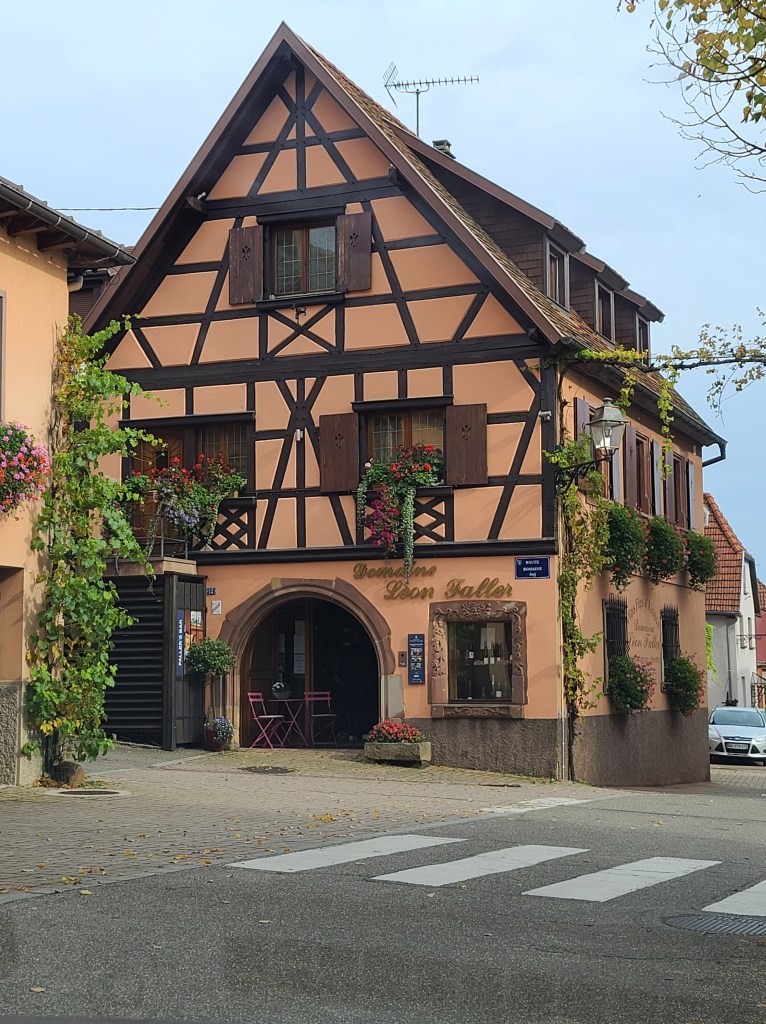
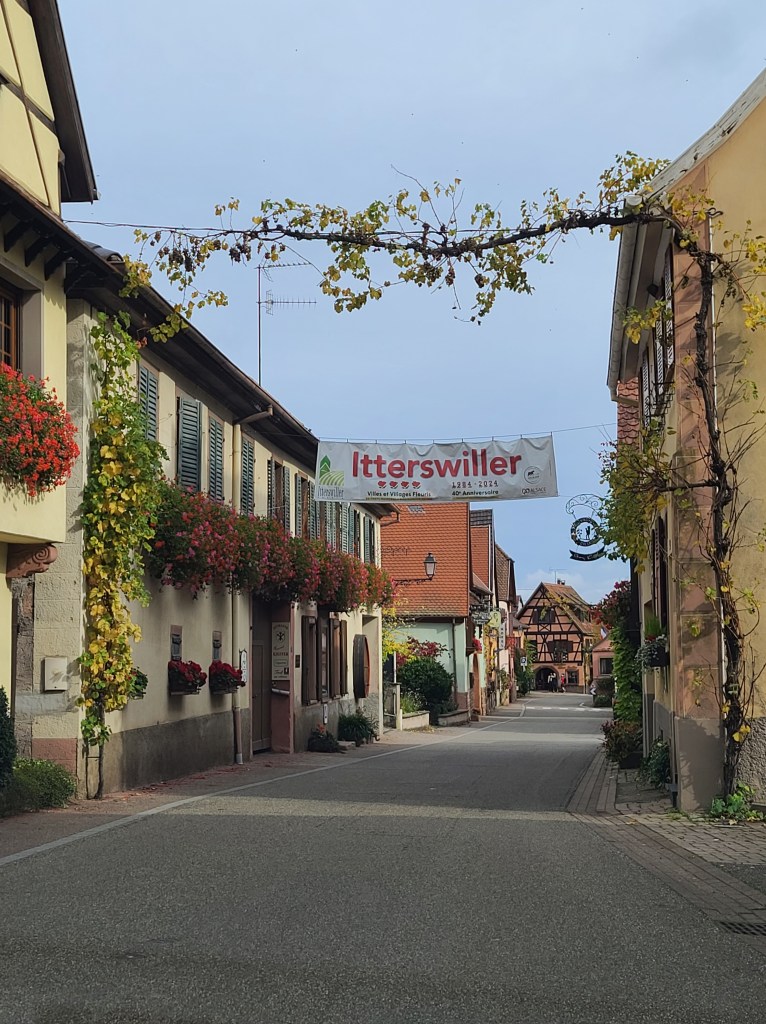
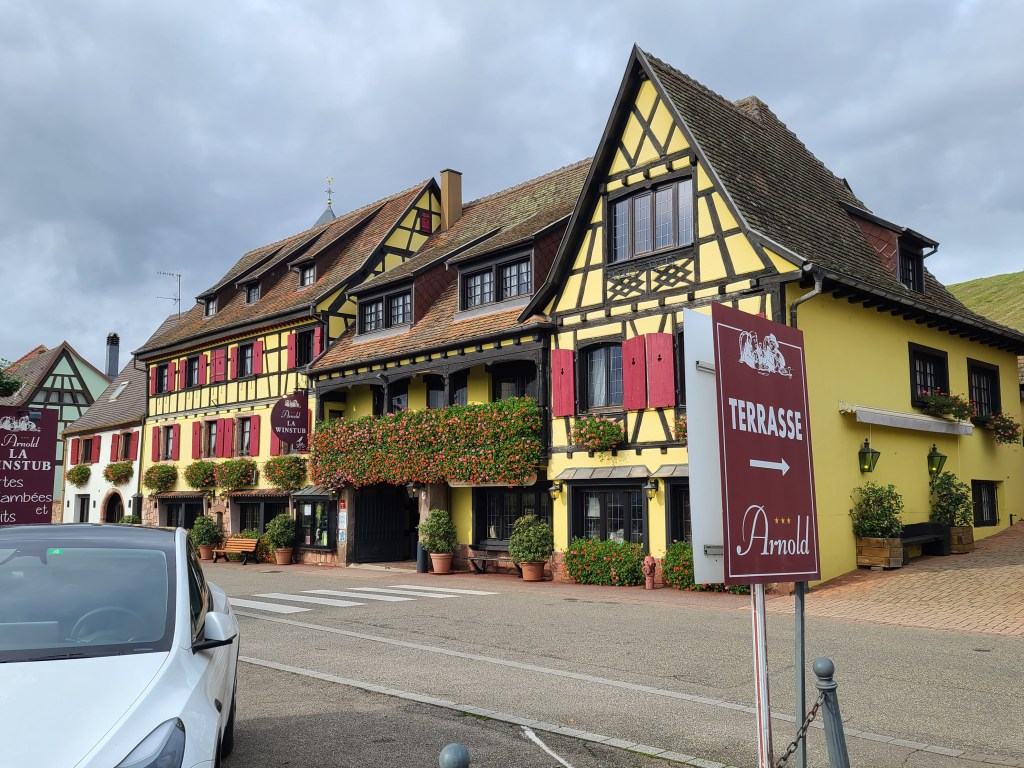
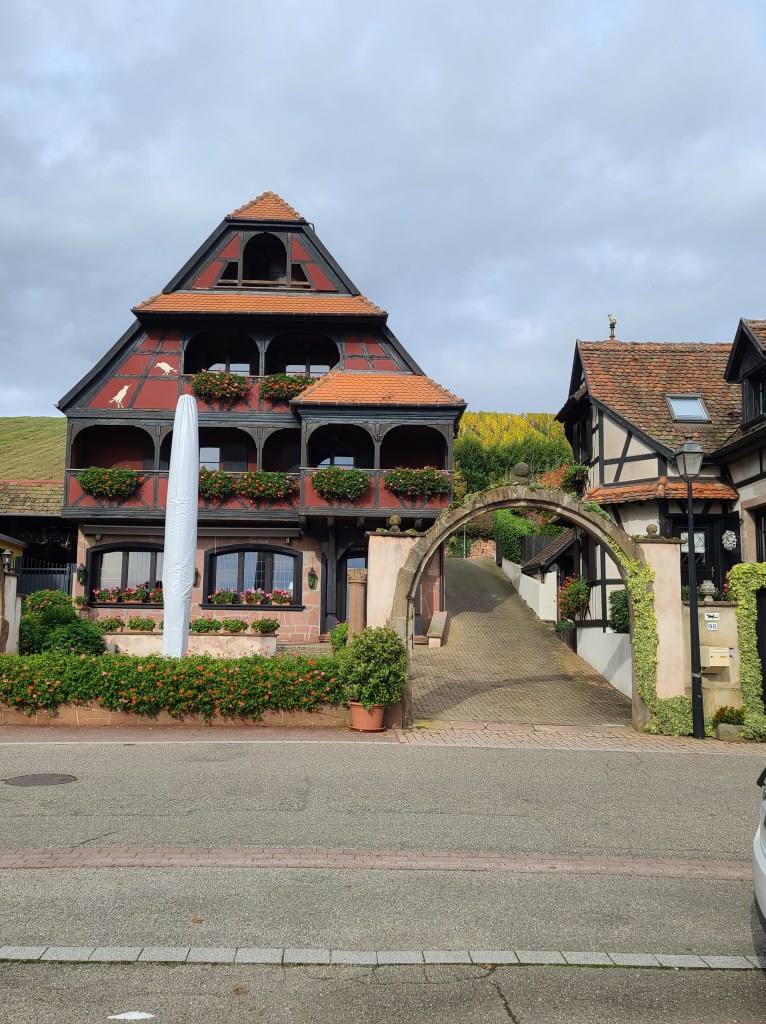
Strasbourg and area is only 20 minutes from the German border and it is quite common for French and German to simply drive across the Rhine Bridge to work, live and shop in the country of their choice. The language is both French and German. Consumer goods and gas are less expensive in Germany so the city of Kehl Germany benefits. For example, diesel in Kehl is .10cents per litre cheaper than Strasbourg.
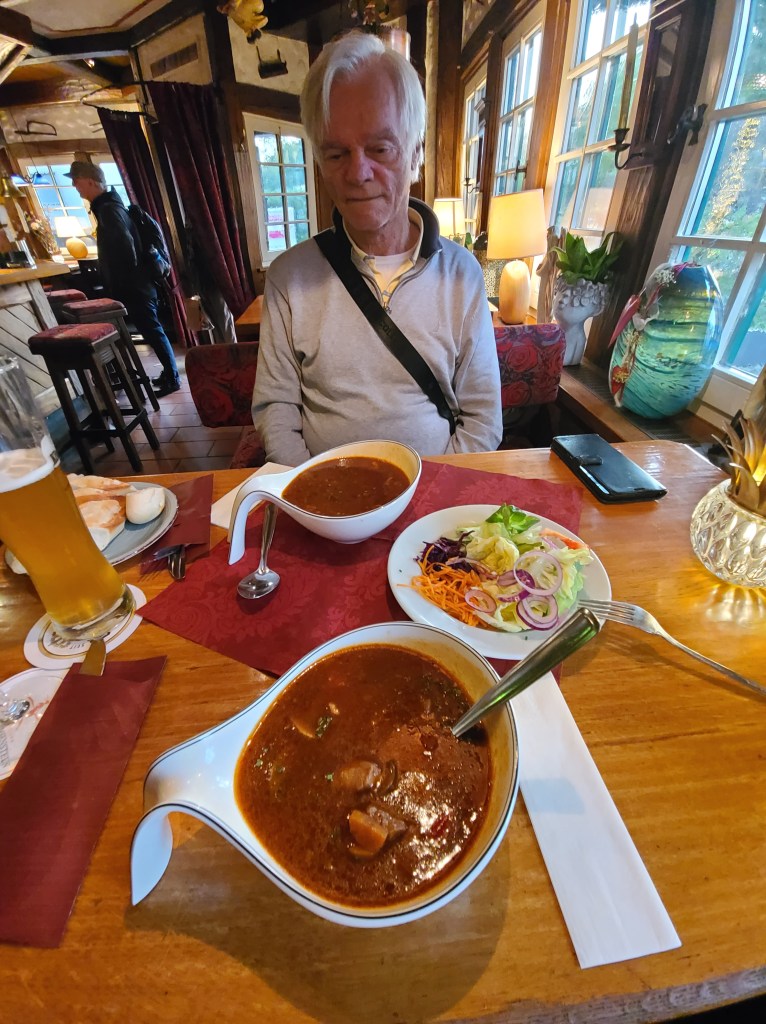
We also drove across to fill up the car as tomorrow is Sunday and everything, except restaurants and boulangeries are closed. While in Kehl, we stopped by a little German restaurant for a bowl of goulash soup and salad. Deliscious!
To park the car in the underground near the restaurant was €2.00 for 2.5 hours. A bargain!
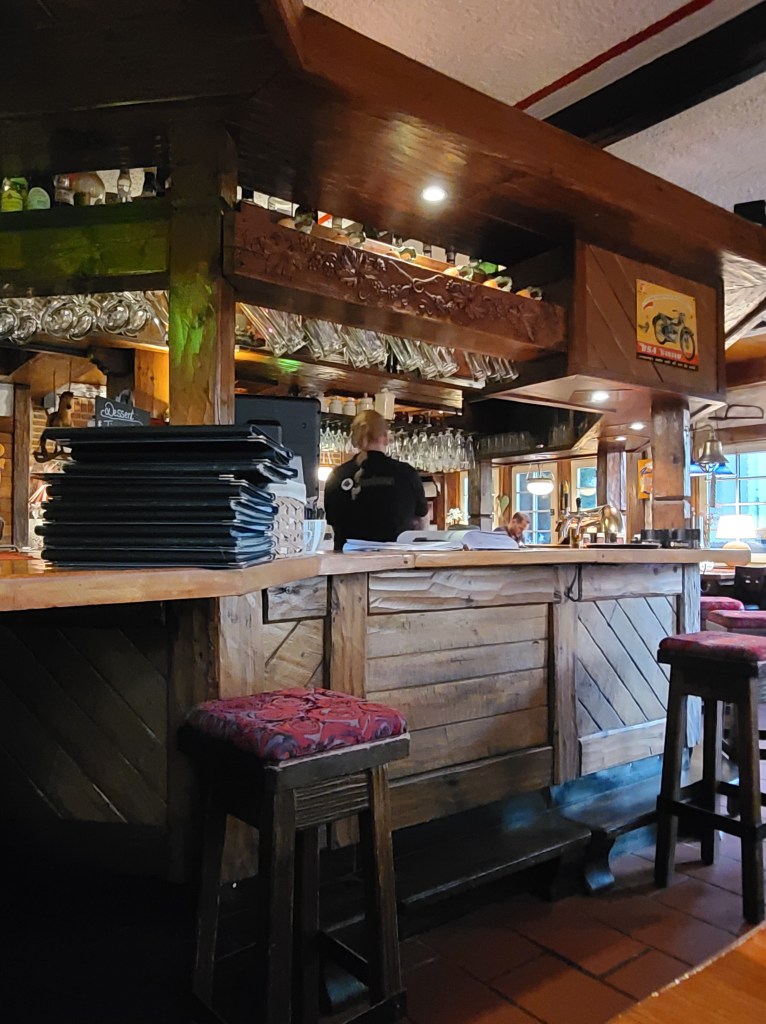
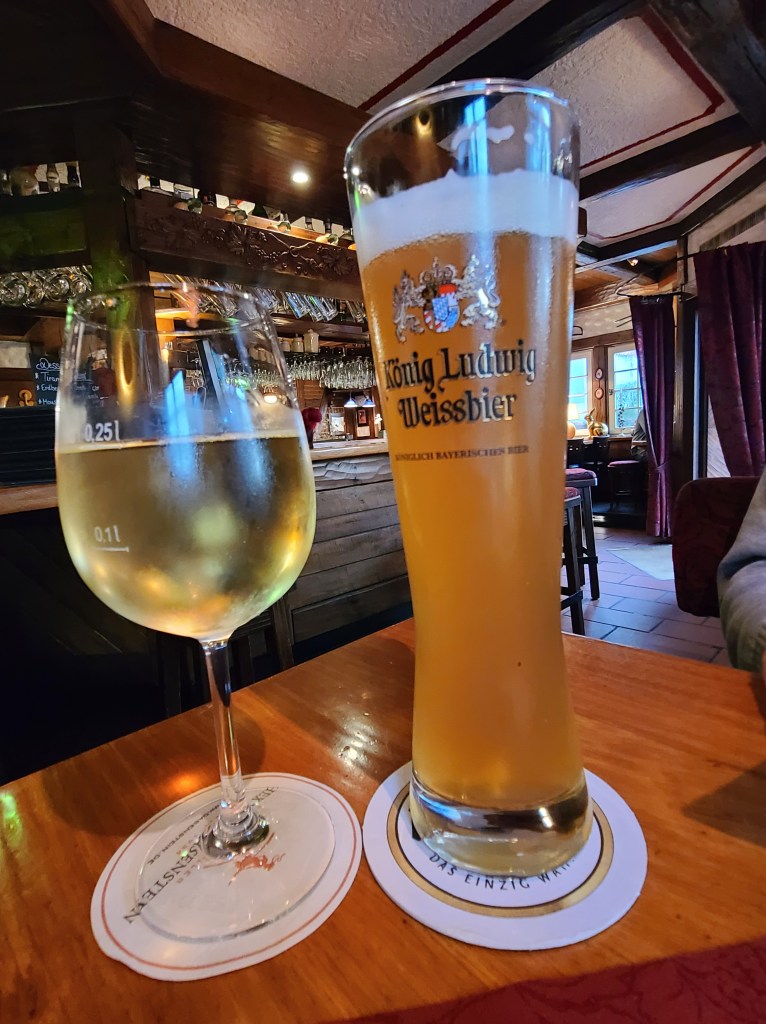
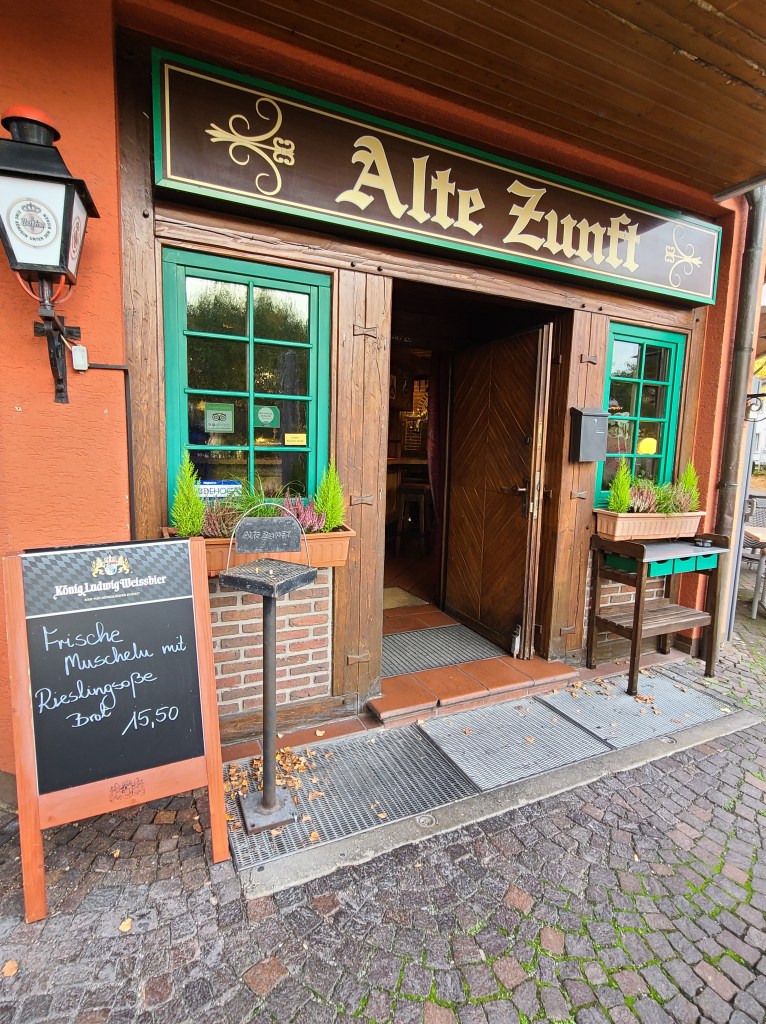
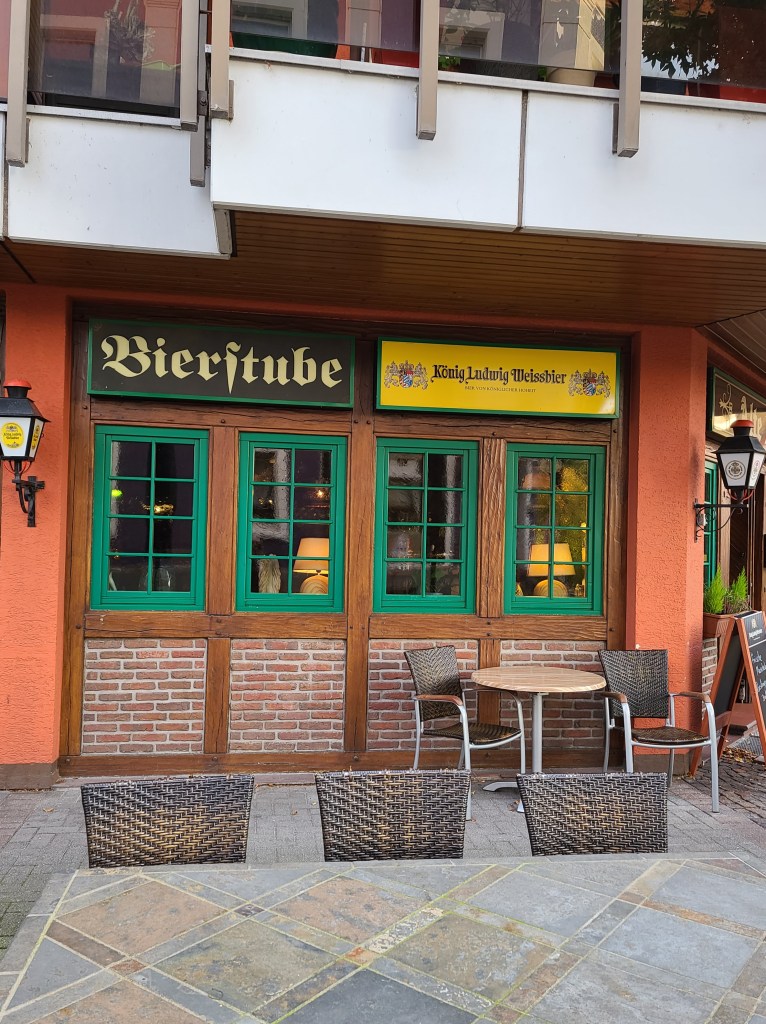
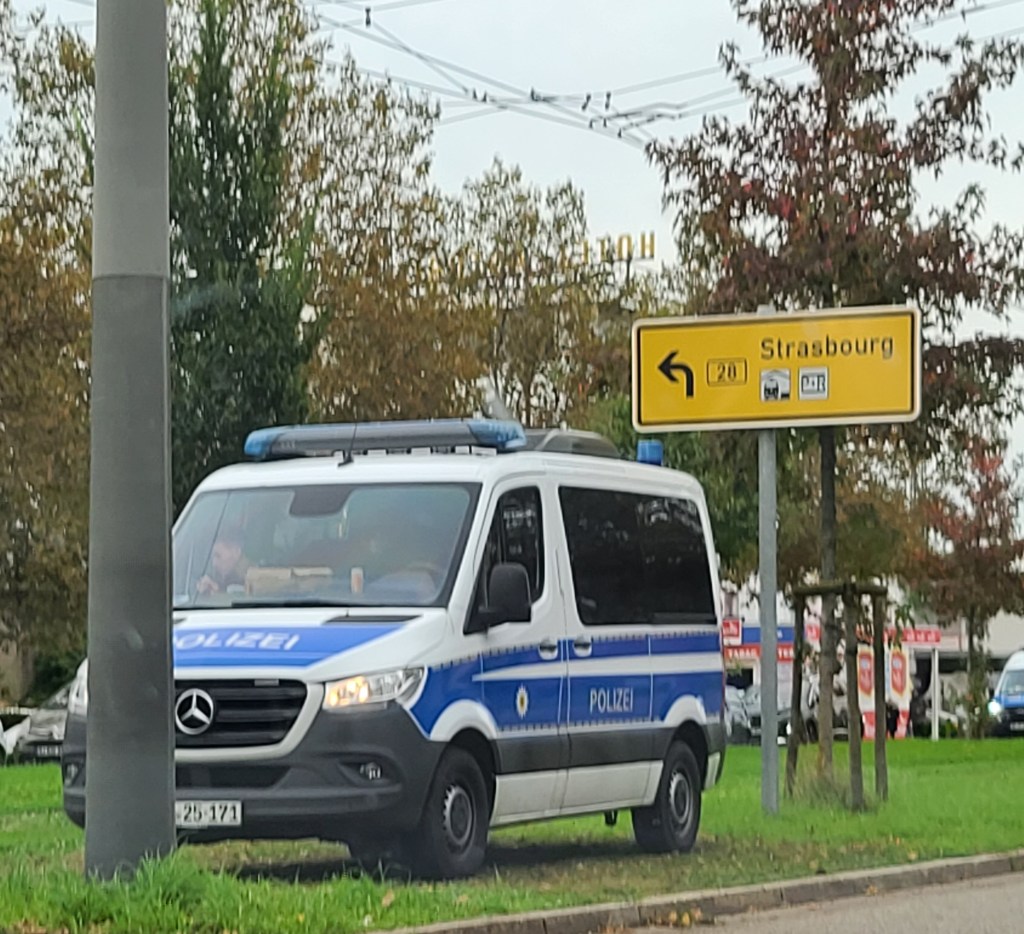
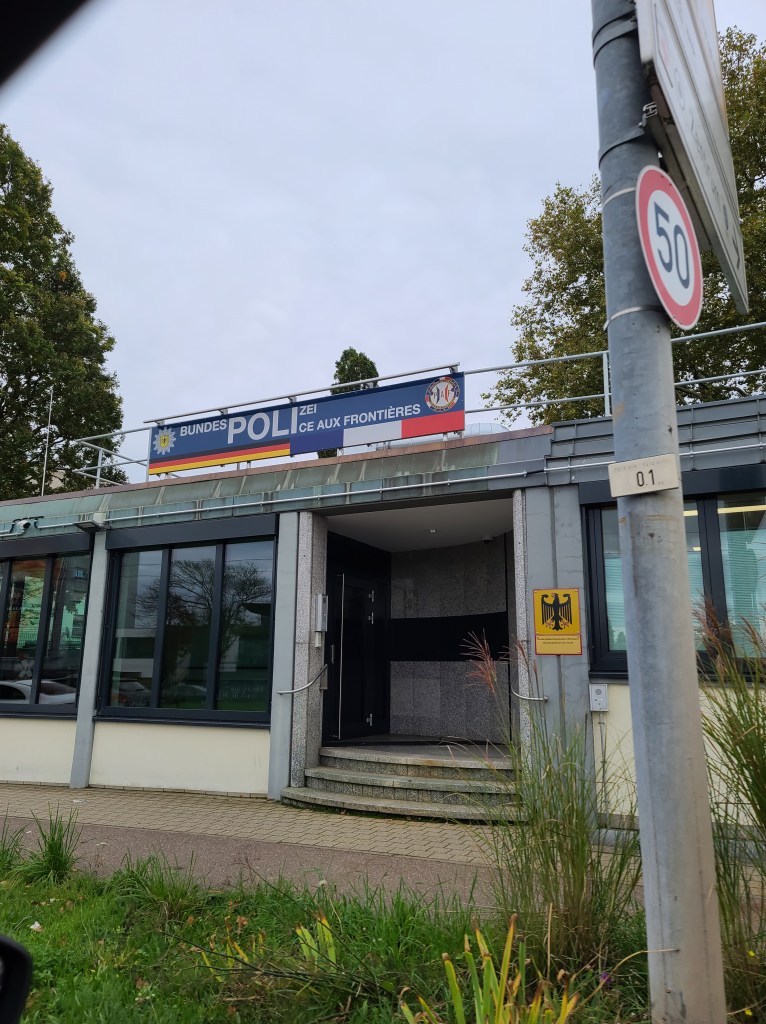
But, open borders does have its challenges with mass immigration issues and ergo crime networks. The EU member countries have to defend and protect their borders as they see fit, under the guidelines of the Shengen Agreement as evidenced by the below article:
BERLIN, Sept 16 (Reuters) – Germany reintroduced temporary border checks including at its frontiers with France and the Netherlands on Monday as part of efforts to combat irregular migration and cross-border crime.
The coalition government has toughened its stance on migration following a surge in arrivals, in particular people fleeing war and poverty in the Middle East, and a rise in support for the opposition far-right and conservatives.
As EU leaders are currently meeting in Brussels for a summit heavily focused on migration, France has informed the European Commission that it will reinstate checks at all its land, air and sea borders with Luxembourg, Belgium, Germany, Switzerland, Spain and Italy from 1 November 2024 until the end of April 2025.
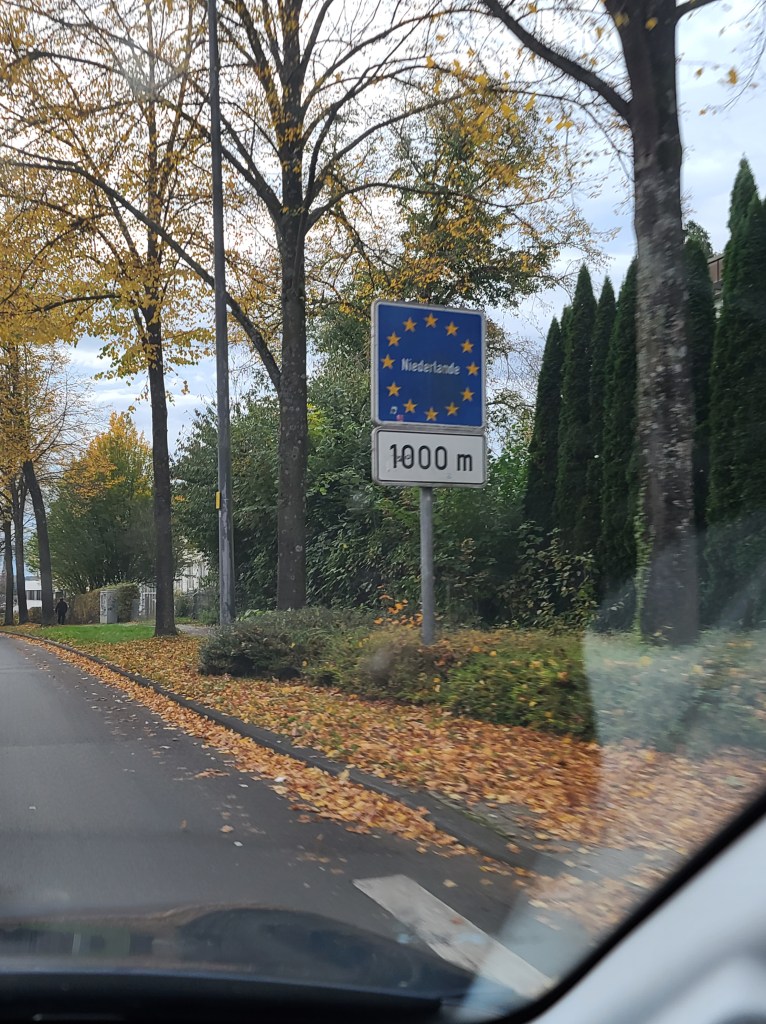
Tomorrow we head to Aachen Germany and our hotel just across the border in Holland.
October 20 France, Germany, Belgium, Germany again & Netherlands
What an awesome day! We left Strasbourg France and headed to Schleiden Germany to visit Michael’s “Kopp cousins”. The drive was 297km over 3 hours, with built in coffee stops and leg stretches. The weather was warm and overcast with a bit of rain but the car was full of gas, so off we went. Heading straight north criss crossing countries as we needed passing field after field of solar panels and wind turbines. Arriving in Schlieden about 2:00.
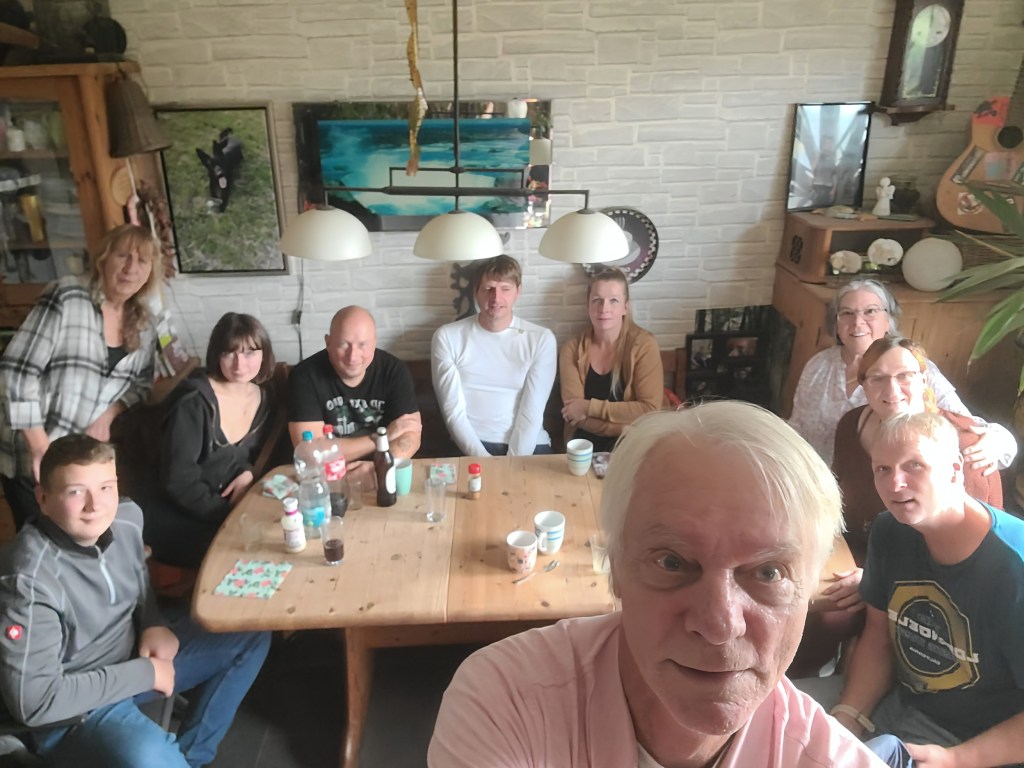
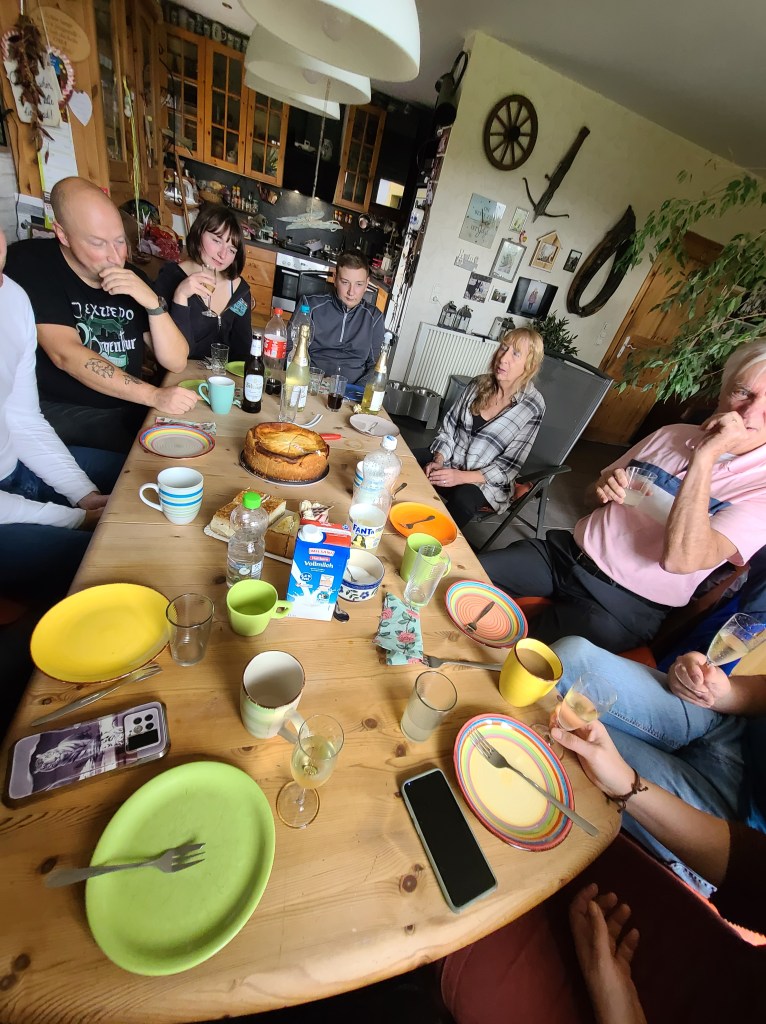
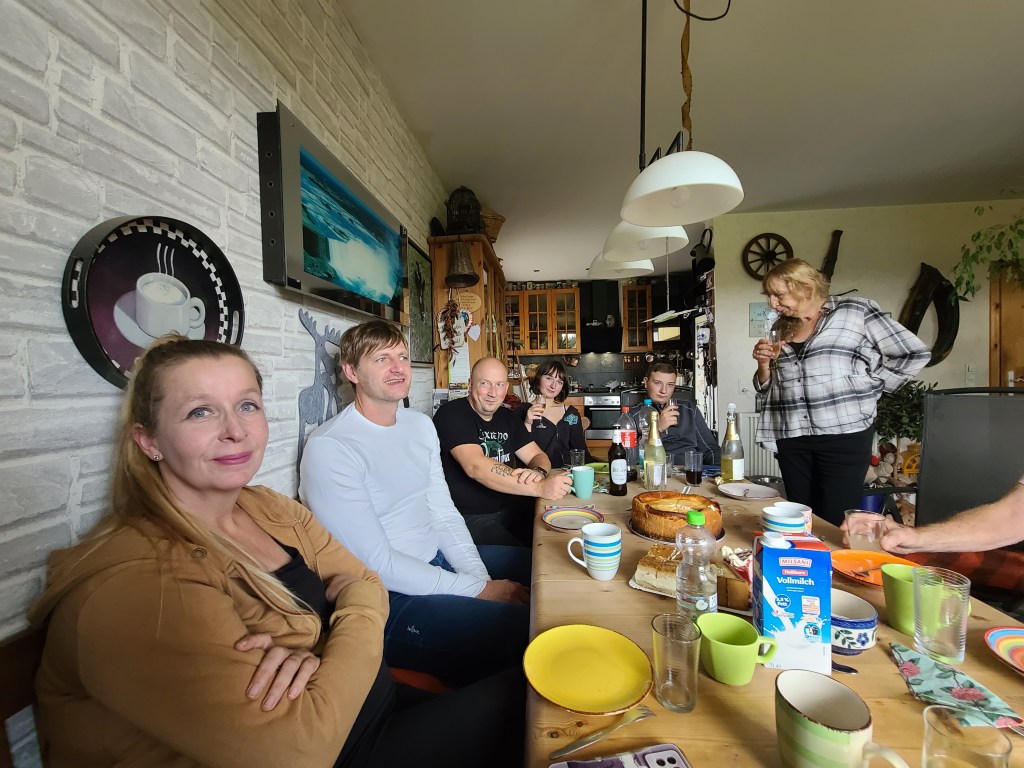
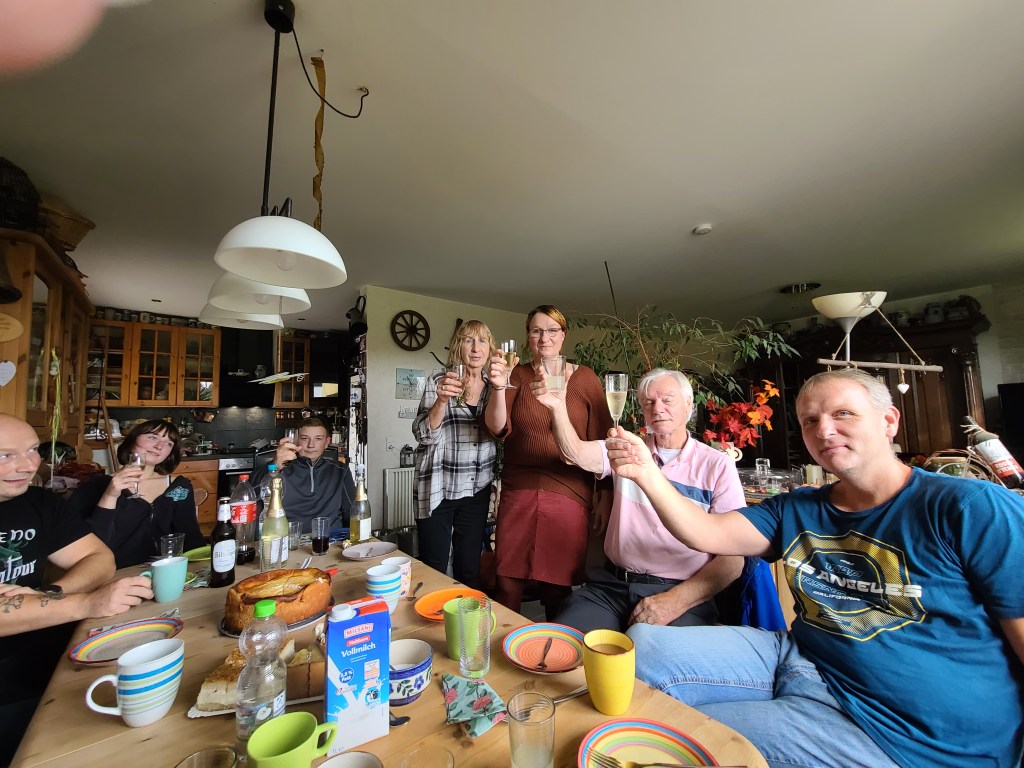
It was wonderful to see Annalise, Daniel, Claudia, Sasha, Sarah, Rene, their daughter Michelle and son Ian. Annalise and Daniel prepared a lovely lunch of roast, potato salad, rice salad and a homemade cherry cheesecake, all washed down with champagne and coffee. It was wonderful to get caught up on where each of the family members were in their lives. The goneby years flooded back like it was yesterday.
We were only able to stay a couple of hours as we still had to get to our accommodations in Netherland. Sadly, we bid them farewell with big hugs and off we went.
Vigil Netherlands was 2 hr 30 min from Schleiden and we didn’t want to do it in the dark.
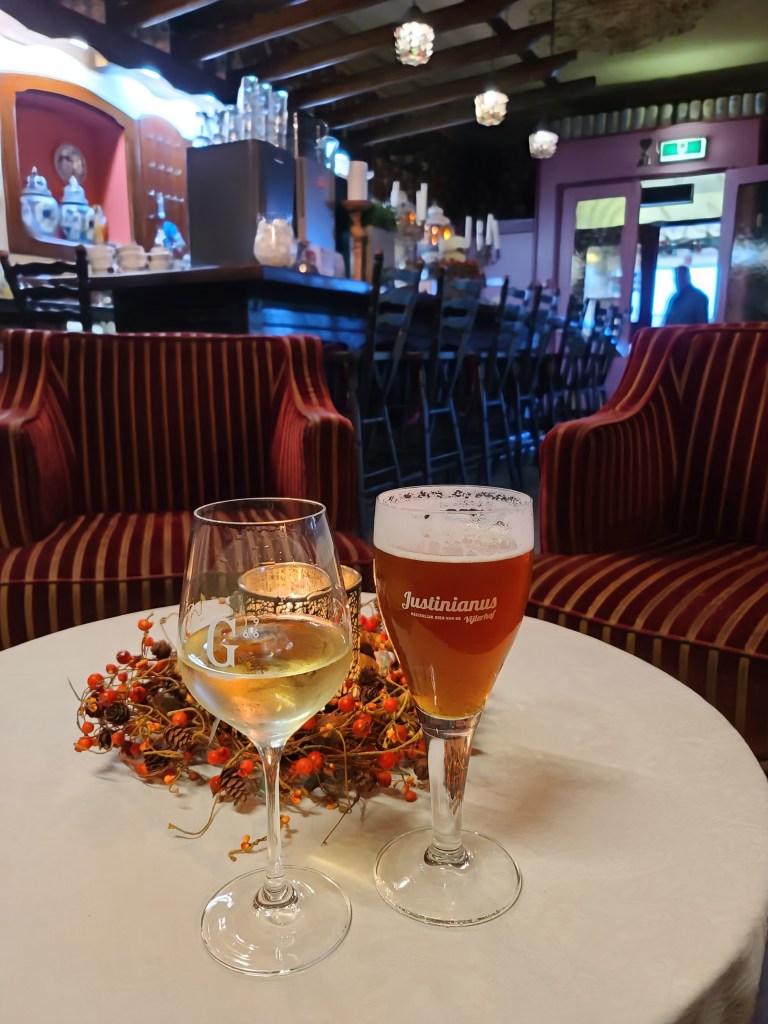
When we arrived at the hotel we were very pleasantly pleased. It was so cosy and inviting. After checking in we enjoyed a glass of wine in the lounge. Breakfast the next morning was excellent. We enjoyed our stay.
October 21 Bruges Belgium
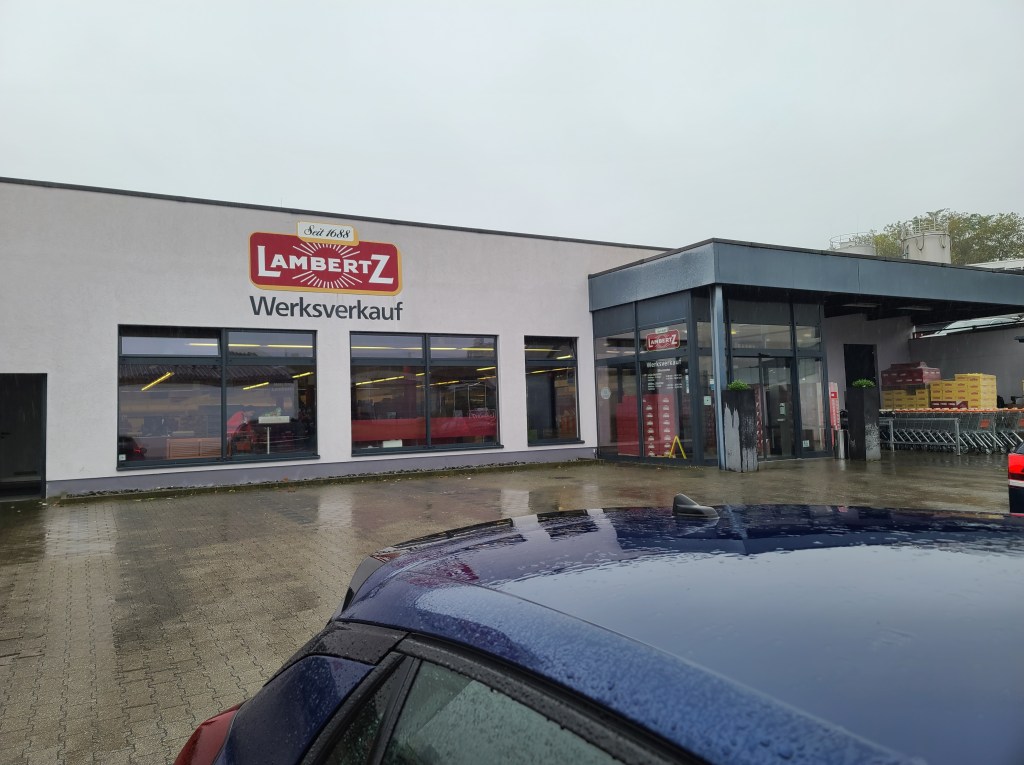
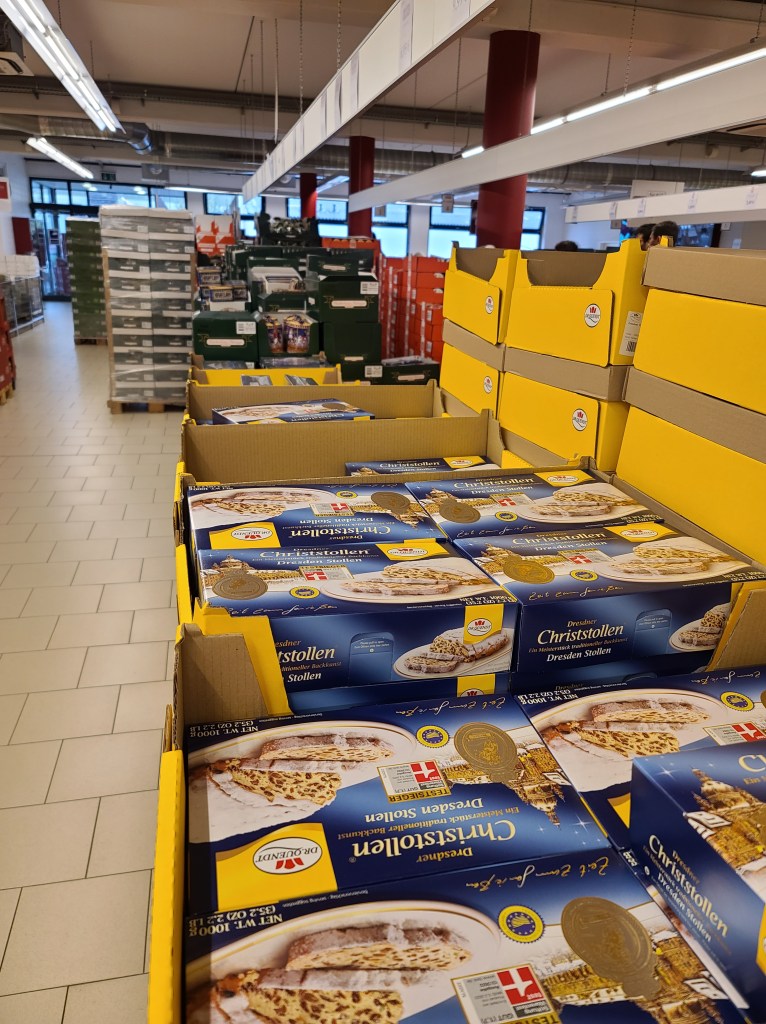
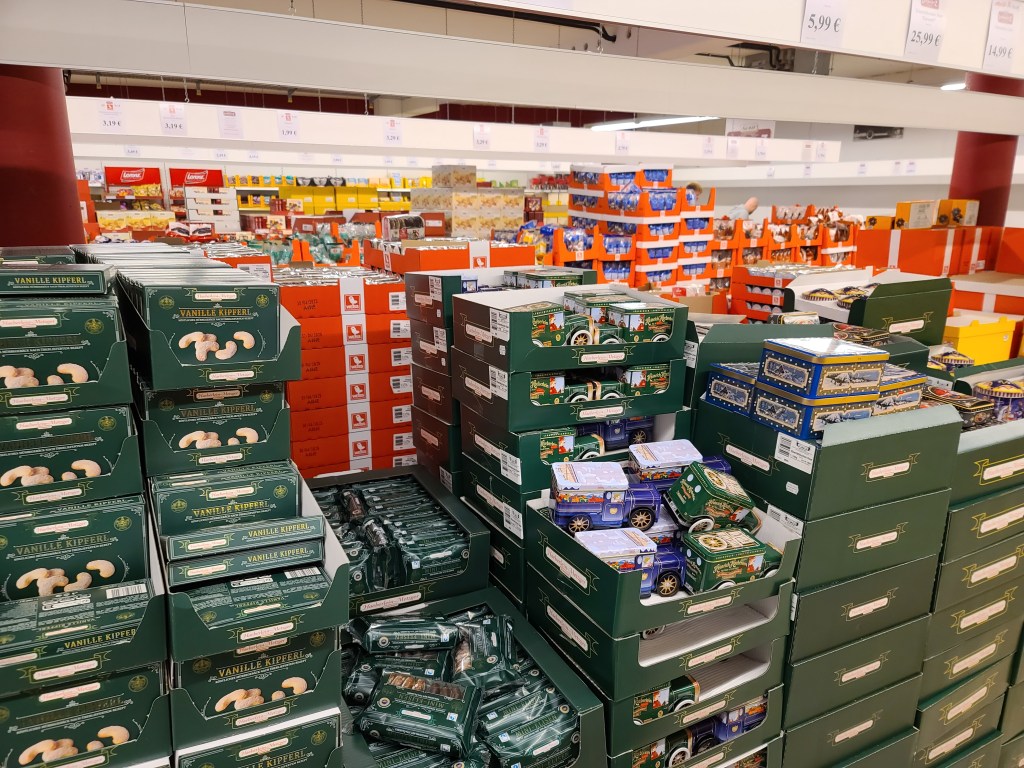
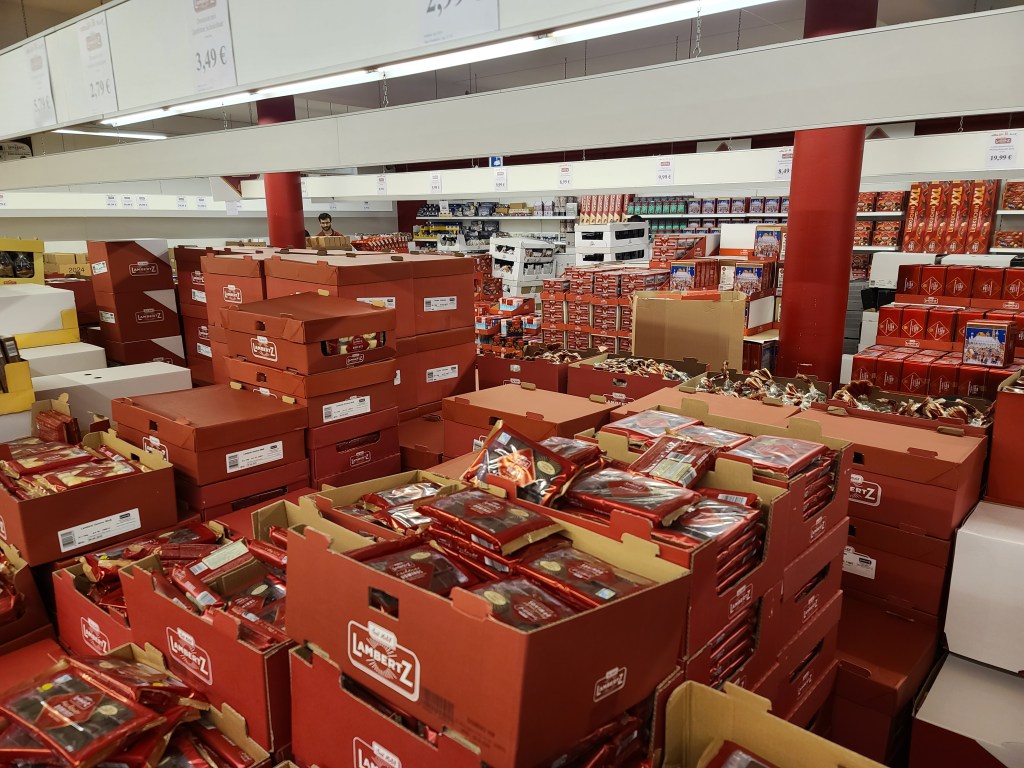
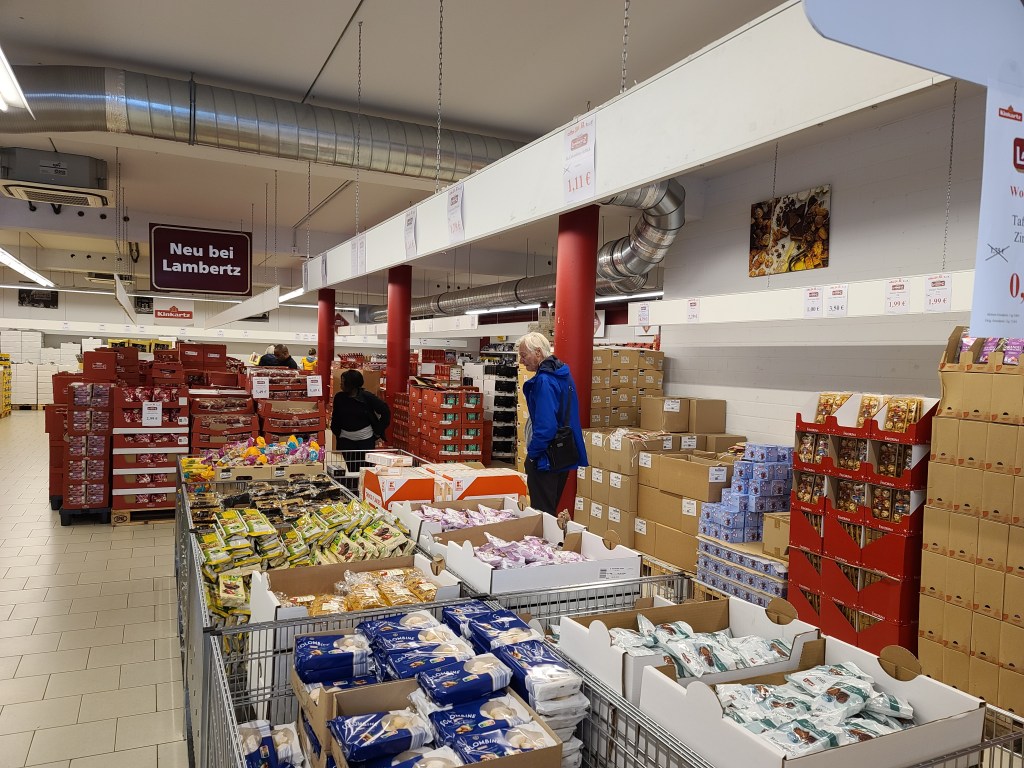
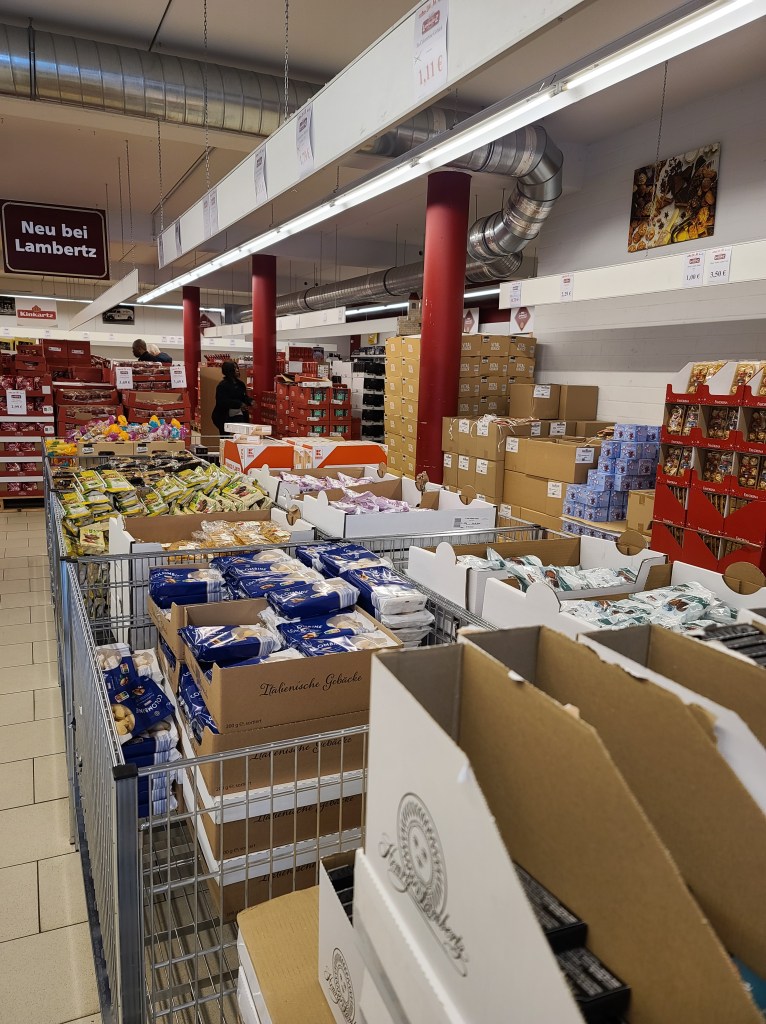
Leaving Vigverhof Netherlands we headed back over the border to Aachen Germany, to Lambertz Confectionary and Cookie warehouse and distribution centre. Lambertz started as a small bakery in Aachen about 330 years ago and over time has become one of the oldest confectionary manufacturers in Germany. Backing onto Lambertz is Balsen Cookie warehouse and Lindt Chocolates. Oh my!!!!
Now it’s raining full on and we needed to head to Bruges Belgium. Should have only been 242km and 2hr 30 min but the GPS did not recognize temporary road closures sooo….we ended up right in the middle of Brussels at 3:30 in the afternoon. Michael was not impressed and threatened her (the GPS) that she was in trouble and he’ll talk to her later! She’s in big trouble!
We went into Bruges and walked around and had dinner. We’re coming back in for the day tomorrow.
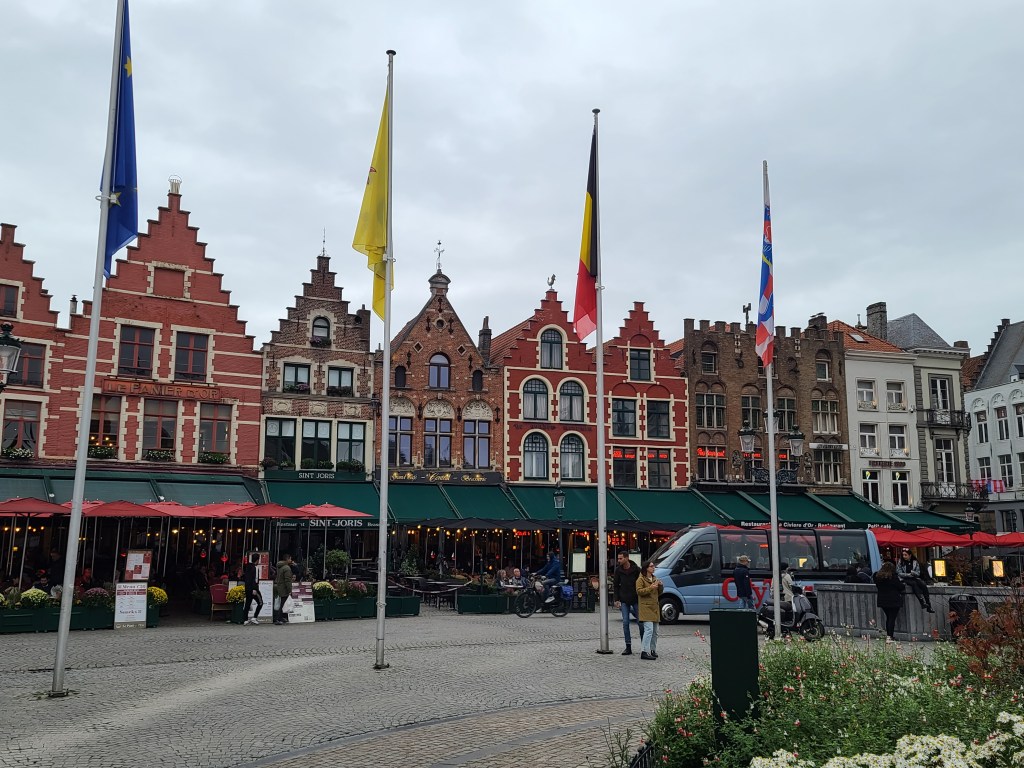
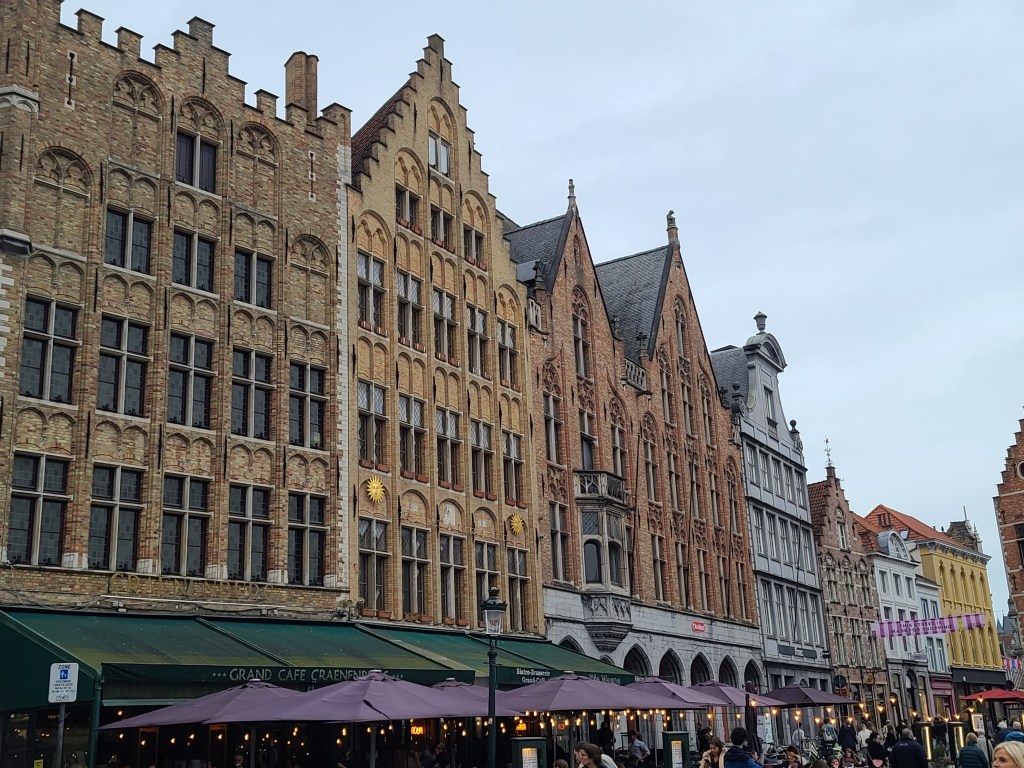
October 22 Bruges Belgium
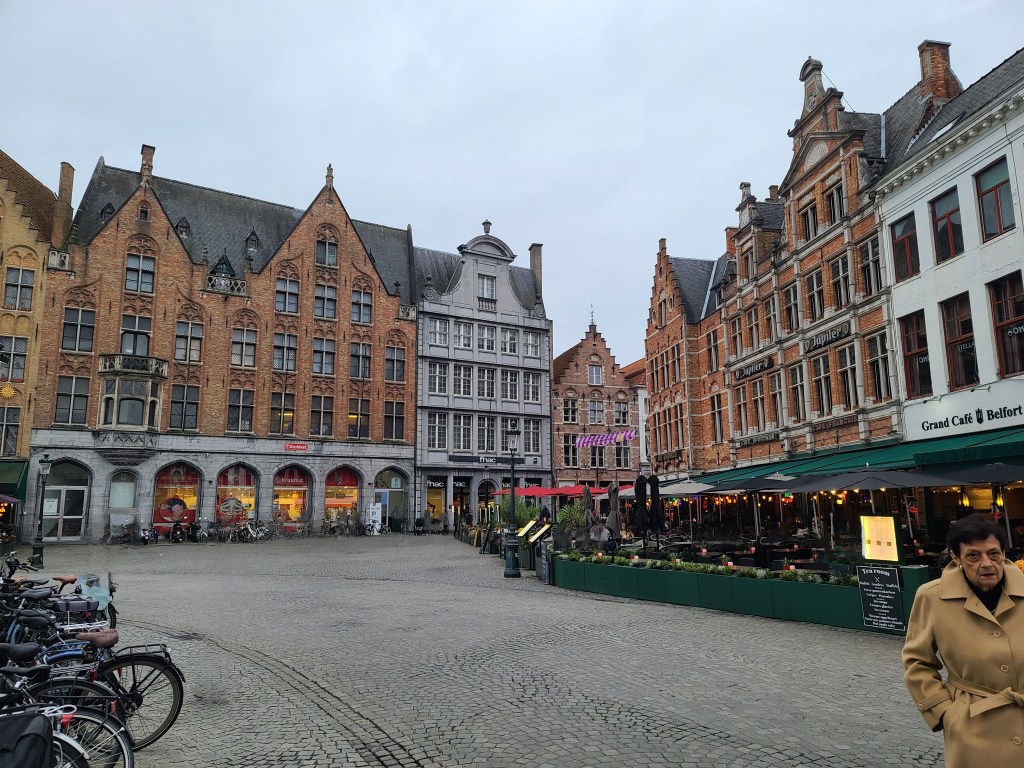
What a great sunny temperate fall day. We arrived in town about 11:30 and struck out for the Market Square of Bruges.
The most striking building on the market square of Bruges is undoubtedly the imposing belfry.
In the later middle ages, the belfry of a city stood as a symbol of freedom and wealth. The belfry of Bruges was built and expanded from the 13th till the 15th century. The octogonal highest part of the tower houses the carillon since the 15th century. You can climb up to visit and get the splendid view over Bruges from the tower of the belfry. The carillon, which indicates the time every fifteen minutes from 7 A.M. till 9 P.M., is ‘powered’ from a machine room, where a copper drum (weighing 9,000 kg) is used as some kind of heavy software device on which the the carillon’s melodies are written.
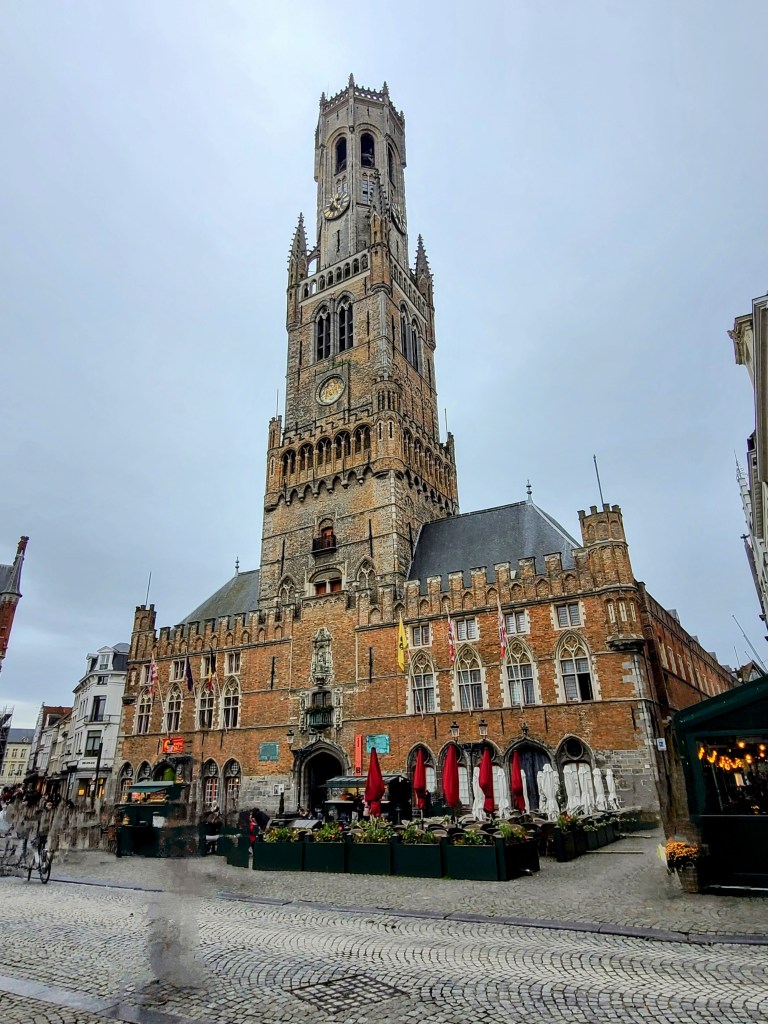
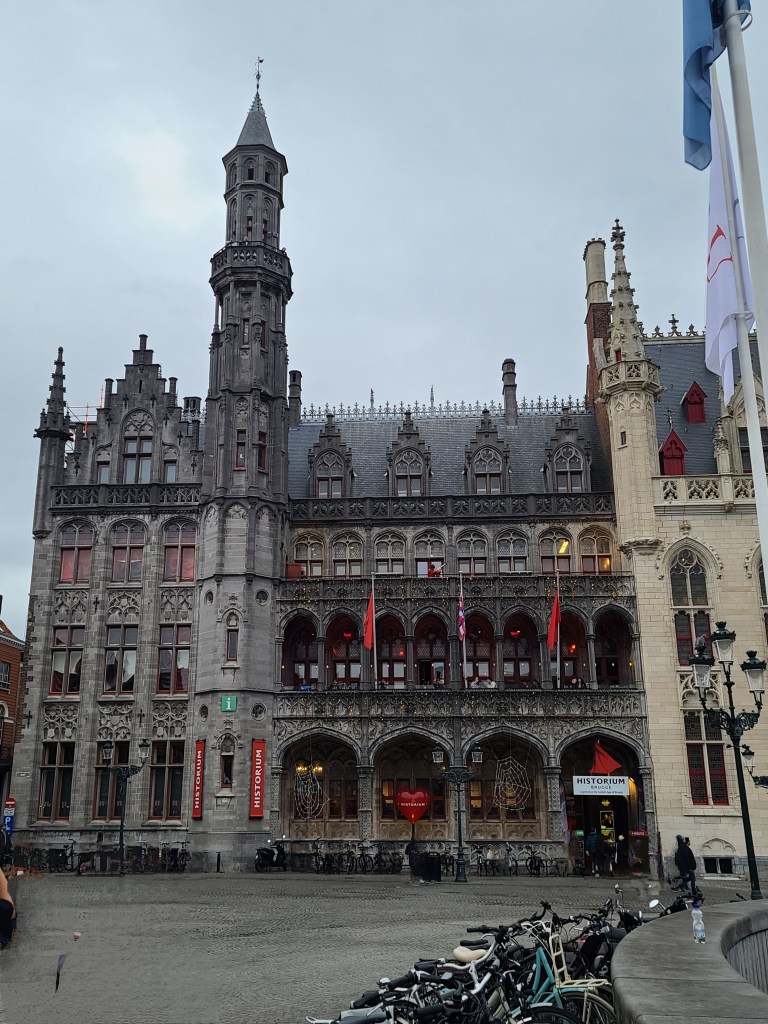
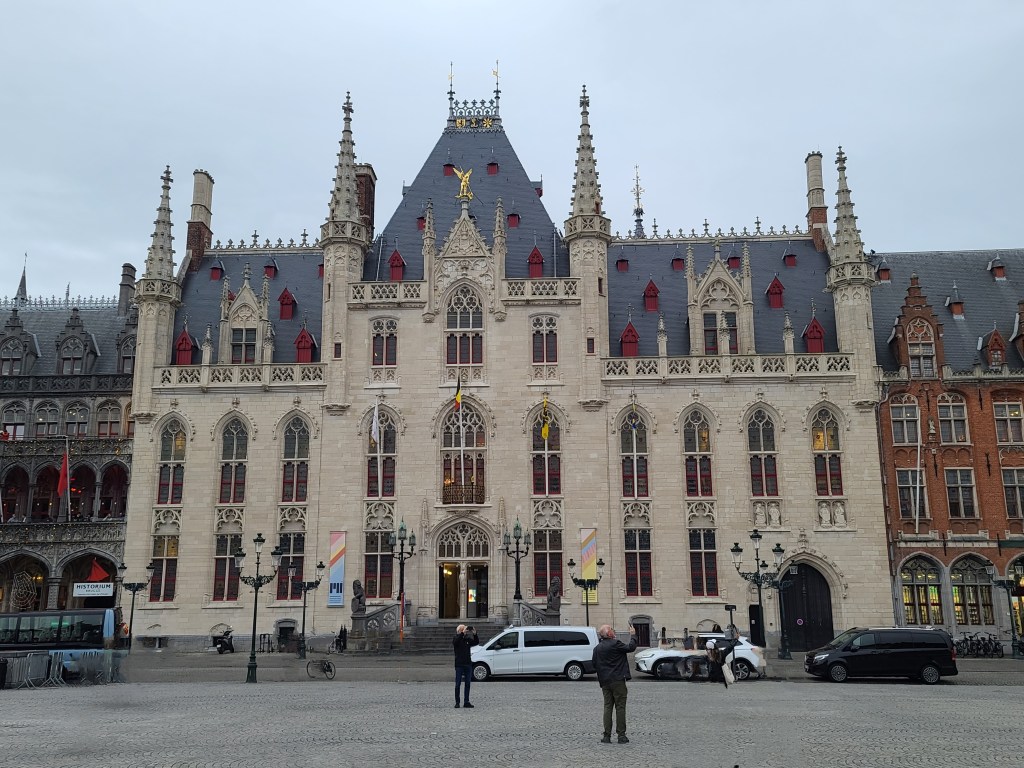
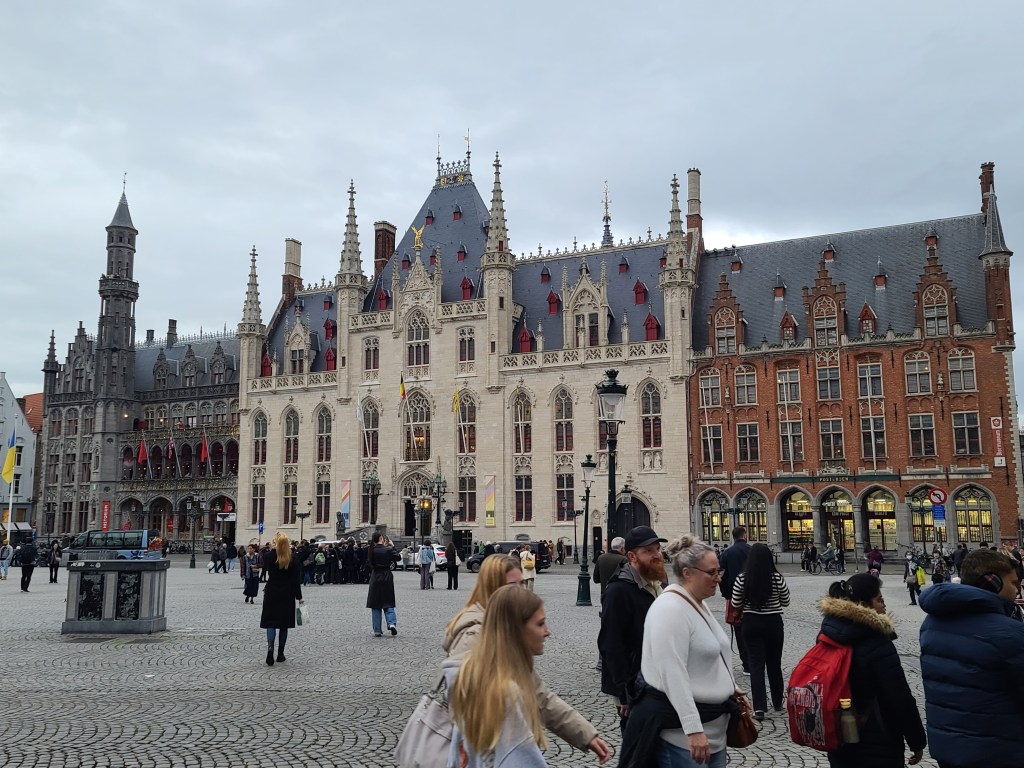
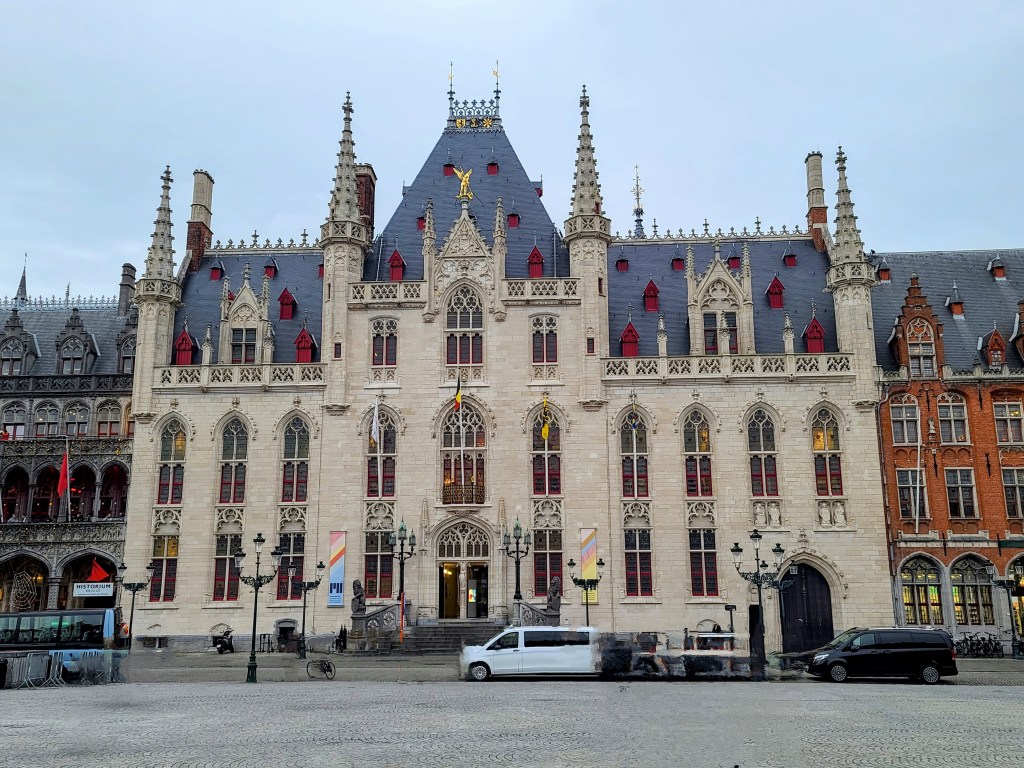
Facing the belfry, the left part of the market square is mostly occupied by the Provincial Palace. This neo-gothic building now is the residence of the governor of West Flanders. It is not an old building, dating just form the end of the 19th century.
In the south-west corner of Castle Square is the Basilica of the Holy Blood. The lower section of the church dates back to the 12th century and is Bruges’ oldest building. The more recent upper chappel now houses the relics of the Holy Blood. A count, Diederik of Alsace, reportedly was given a few drops of Christ’s blood, during the crusades in Jeruzalem, and brought the relics back to Flanders. Every year, a Holy Blood procession takes place in Bruges.
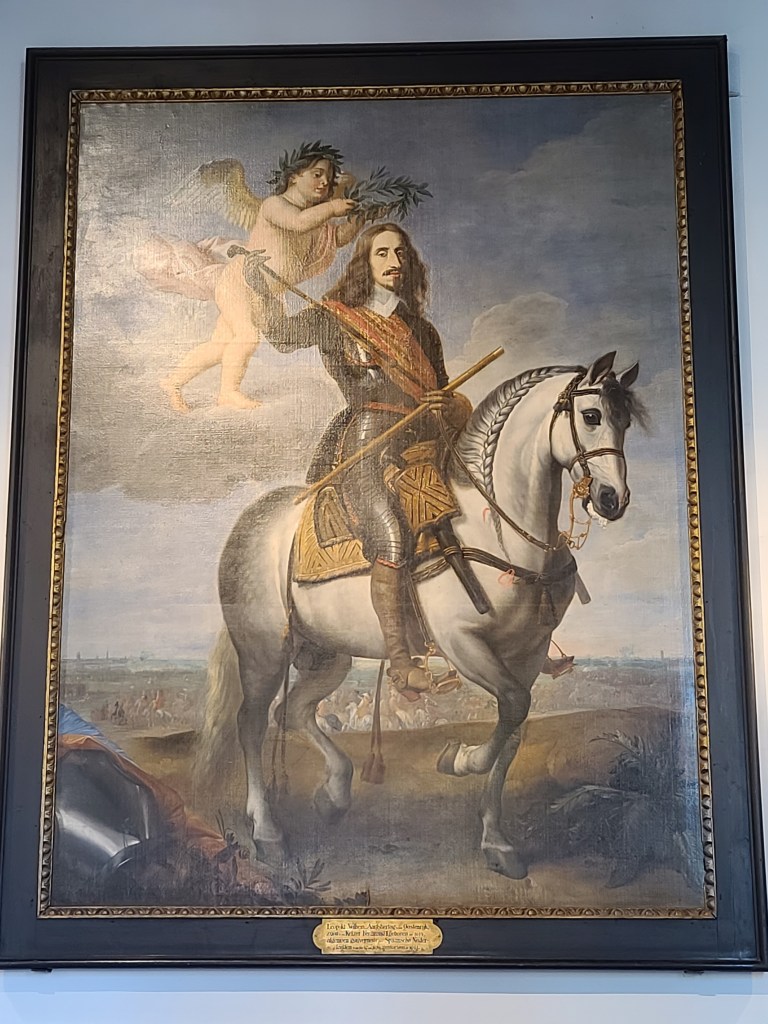
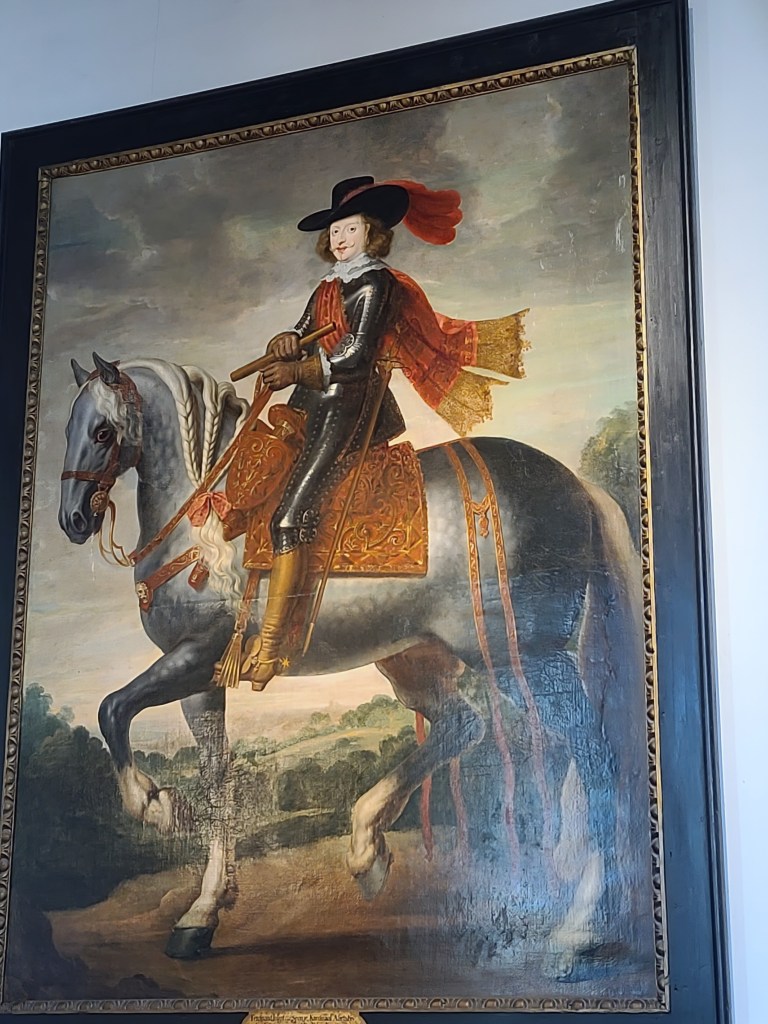
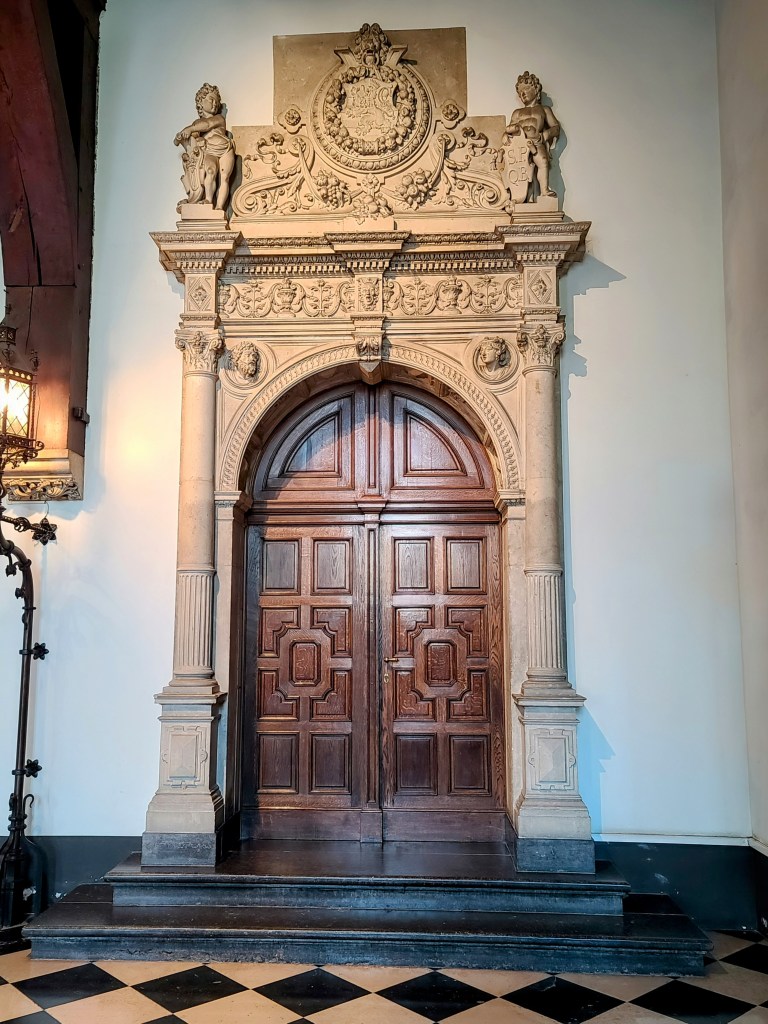
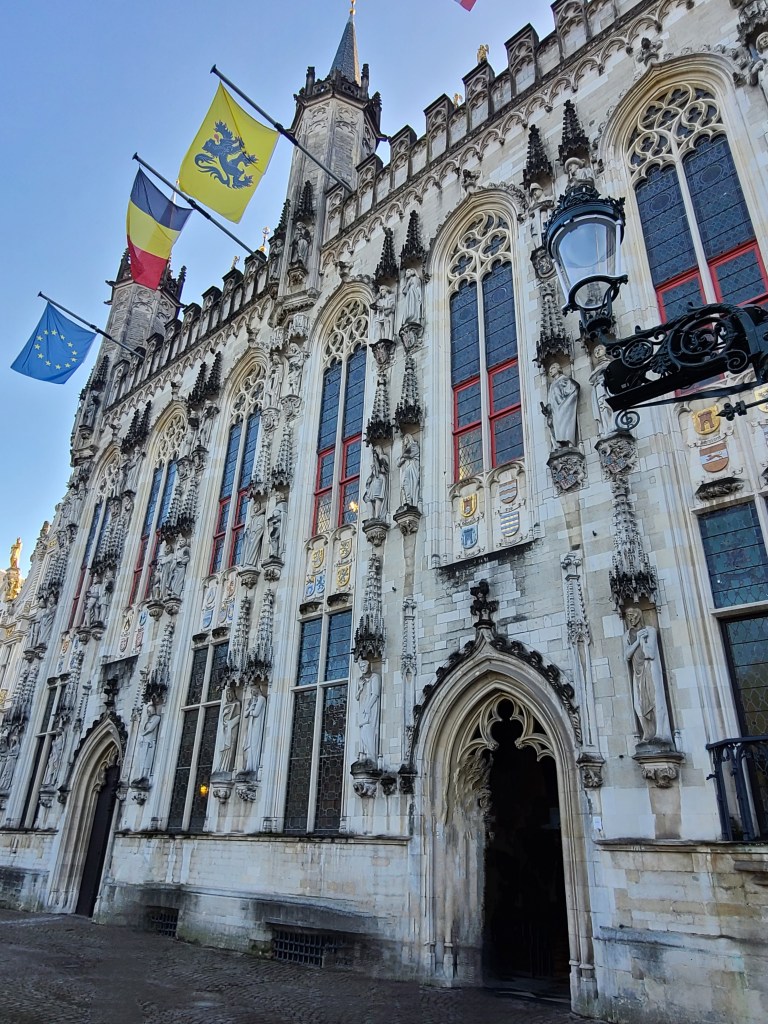
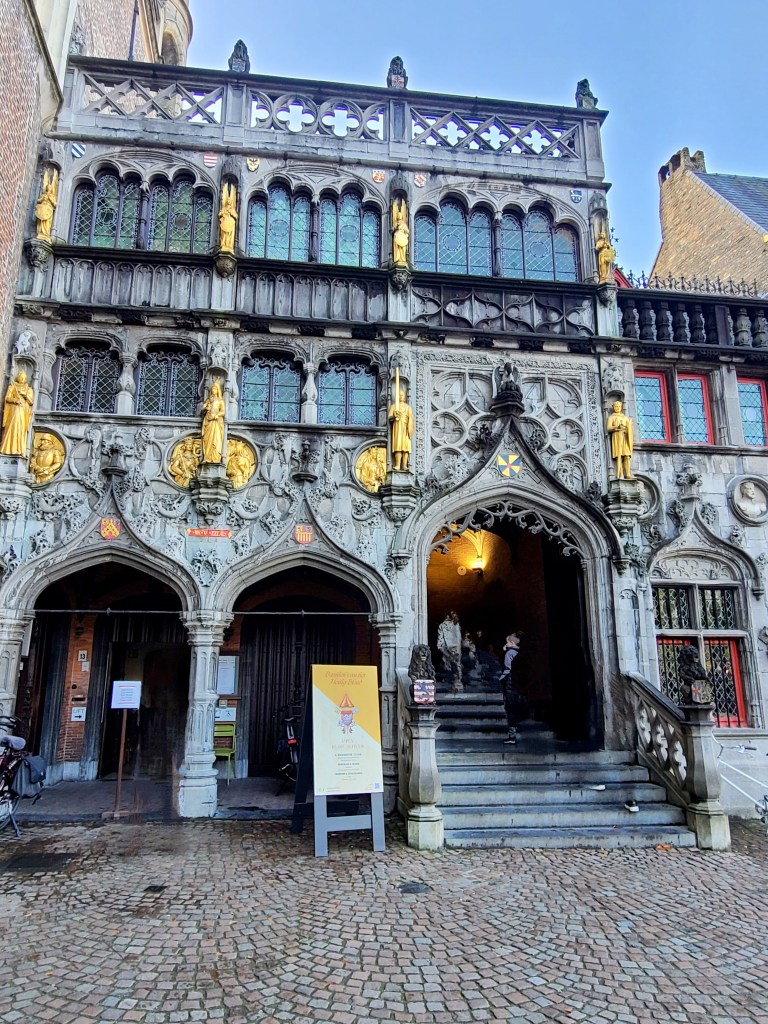
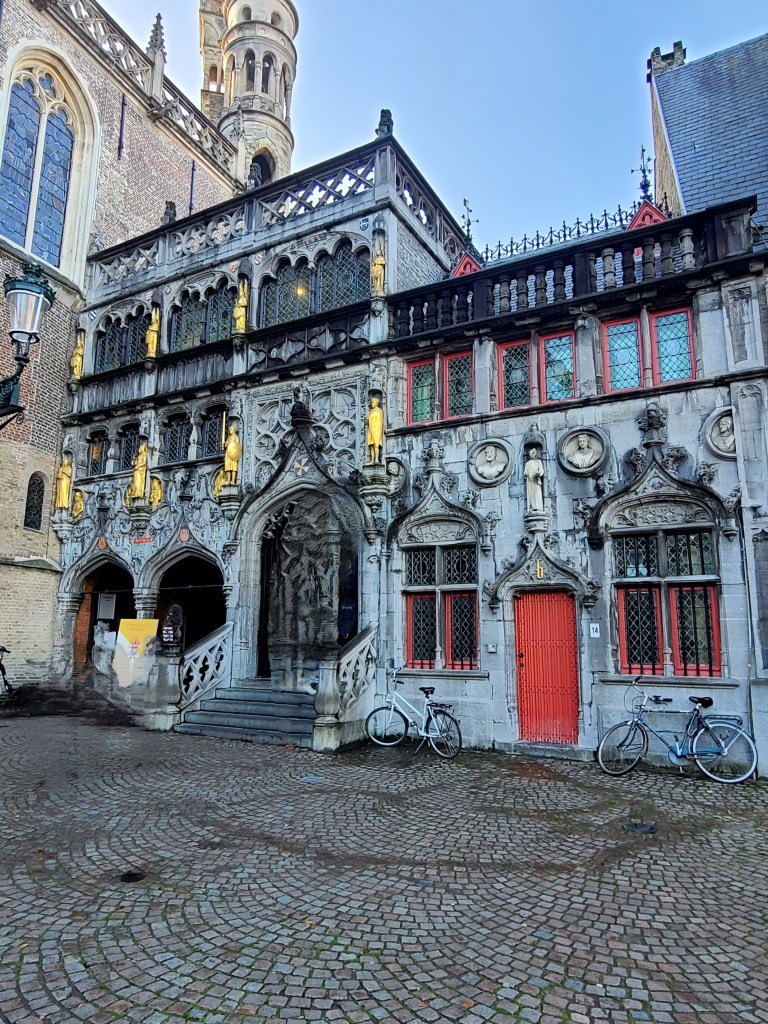
Located left of the Basilica is the City Hall of Bruges, with a beautiful 14th century facade. The statues on the facade portray biblical figures and important characters from Flanders’ past. The Gothic Hall on the first floor is open to visitors, so we “snooped”.
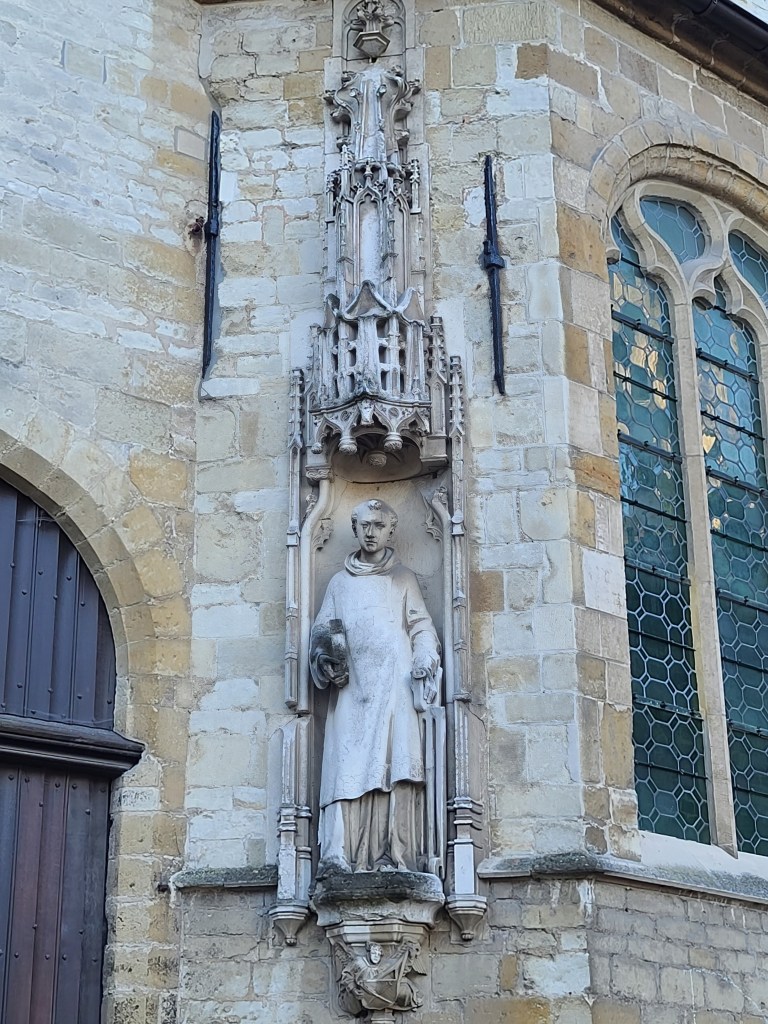
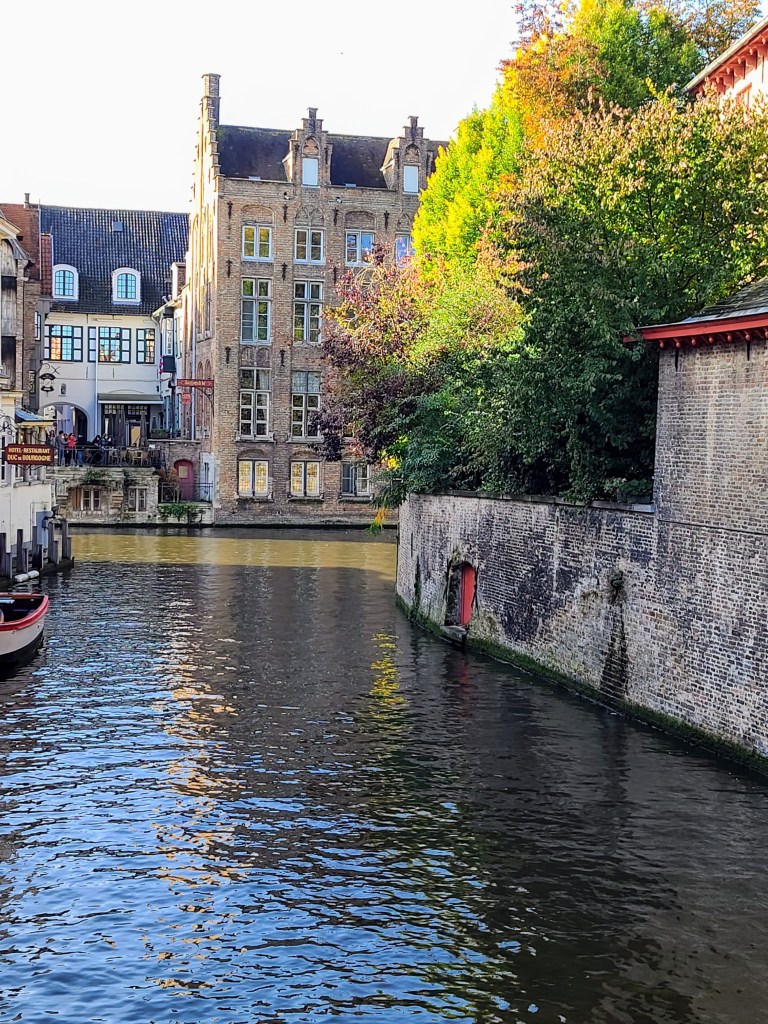
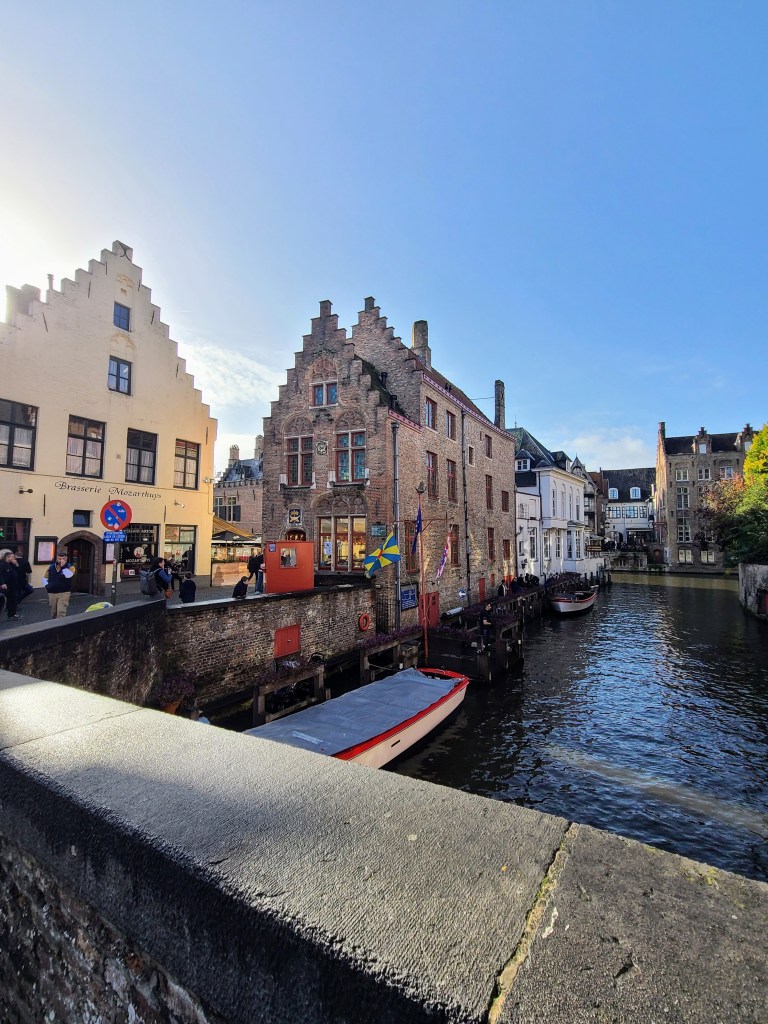
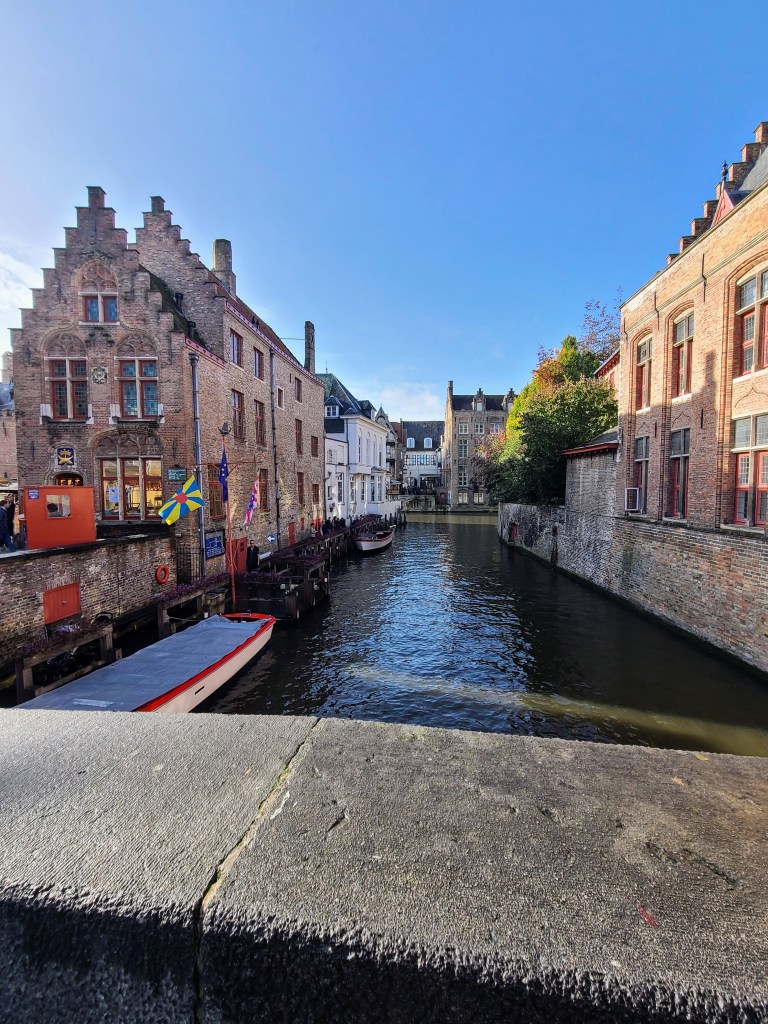
The area behind Market Square are the canals where the original fish market stands as well as the Tanners warehouses and Tea distribution warehouses.
Now a days, the canals are used for boat tours at the price of €15.00 per person. Not sure about you, but I would rather walk along the bridges and save my €15.00 for coffee and buns.
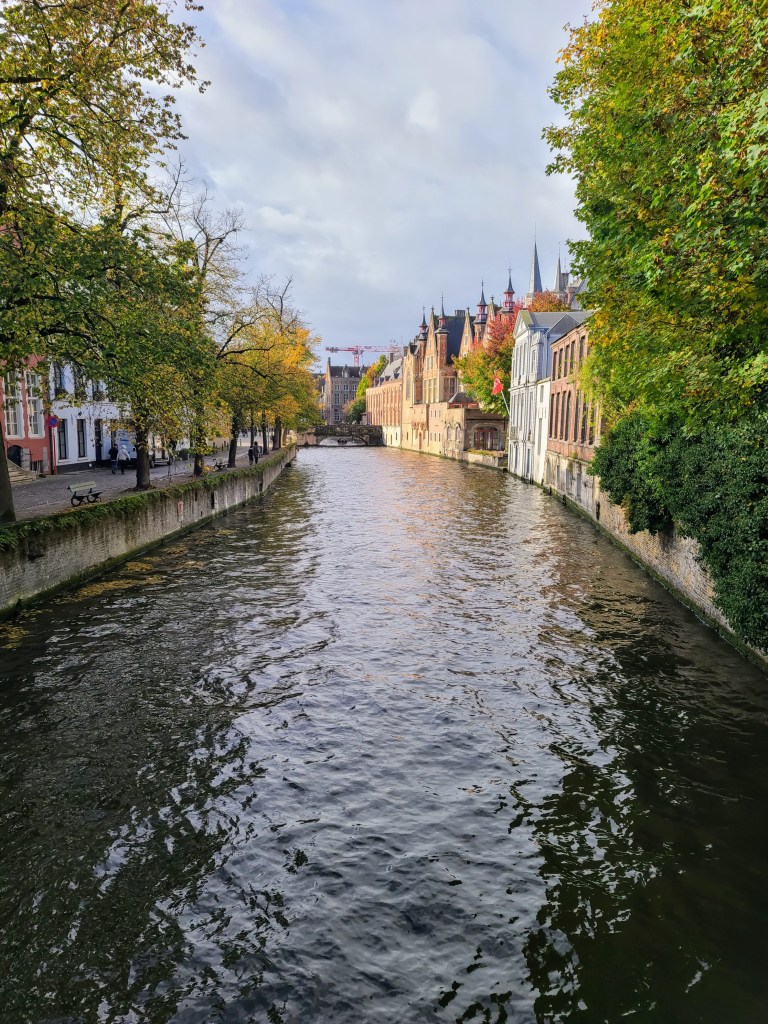
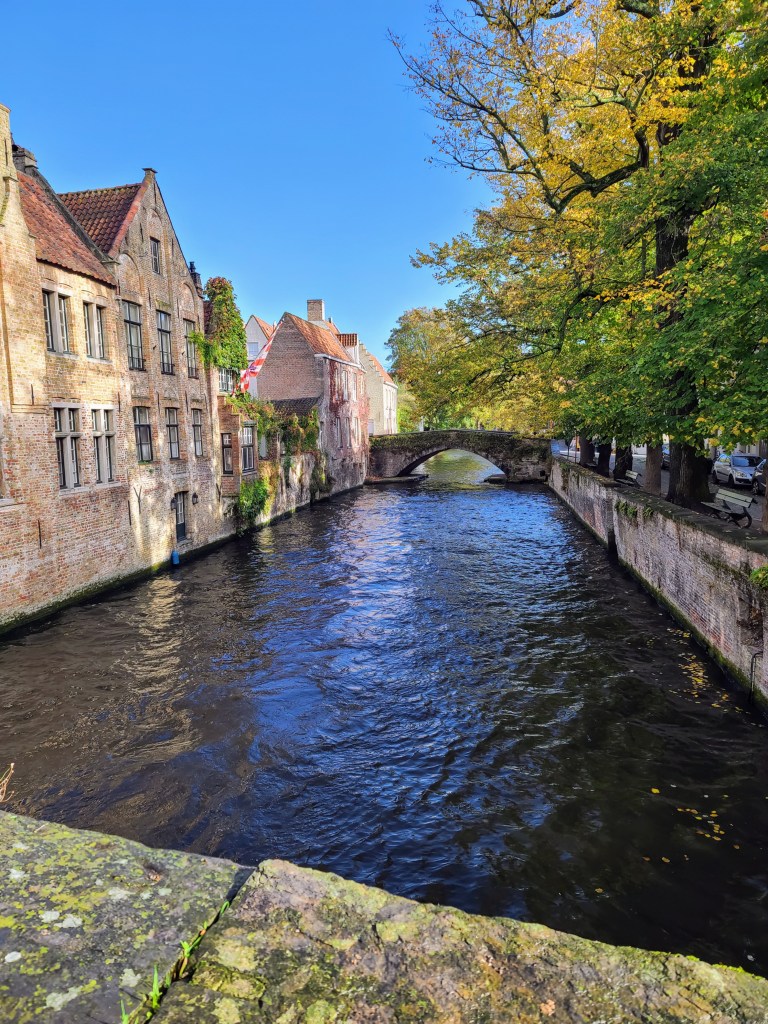
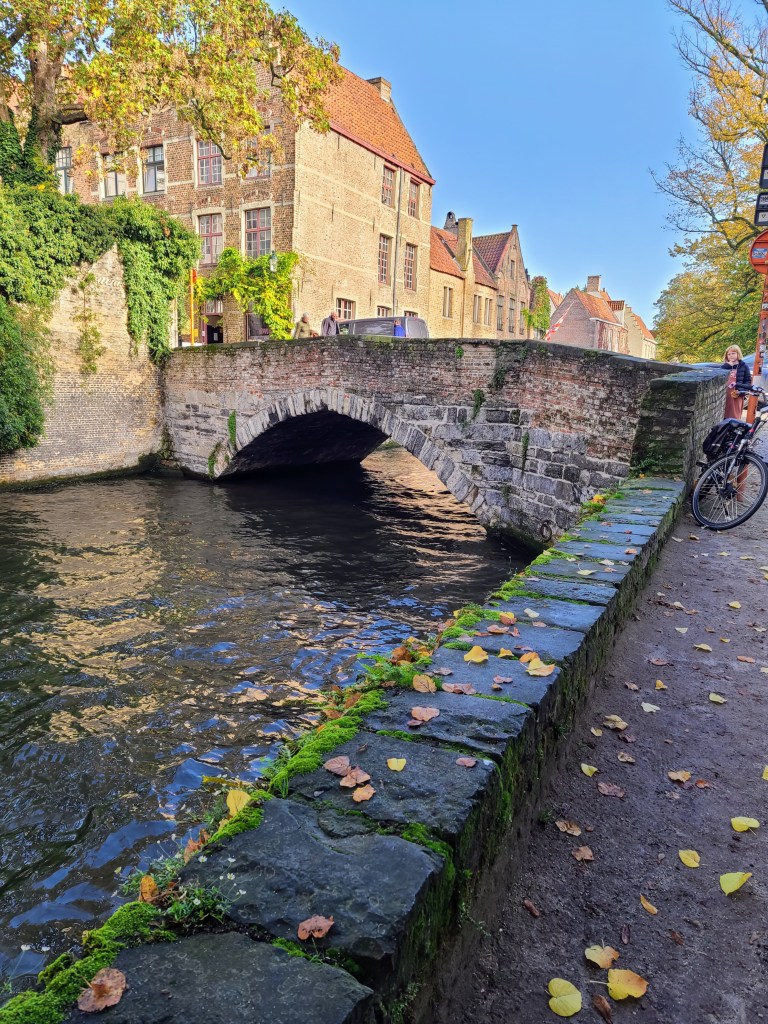
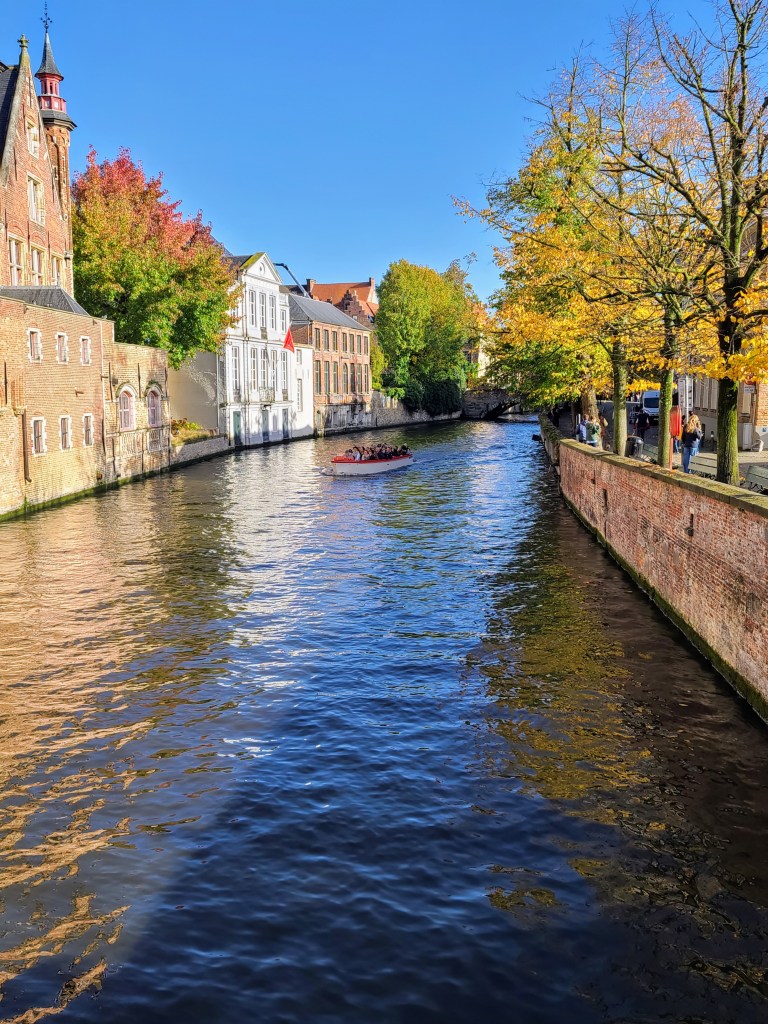
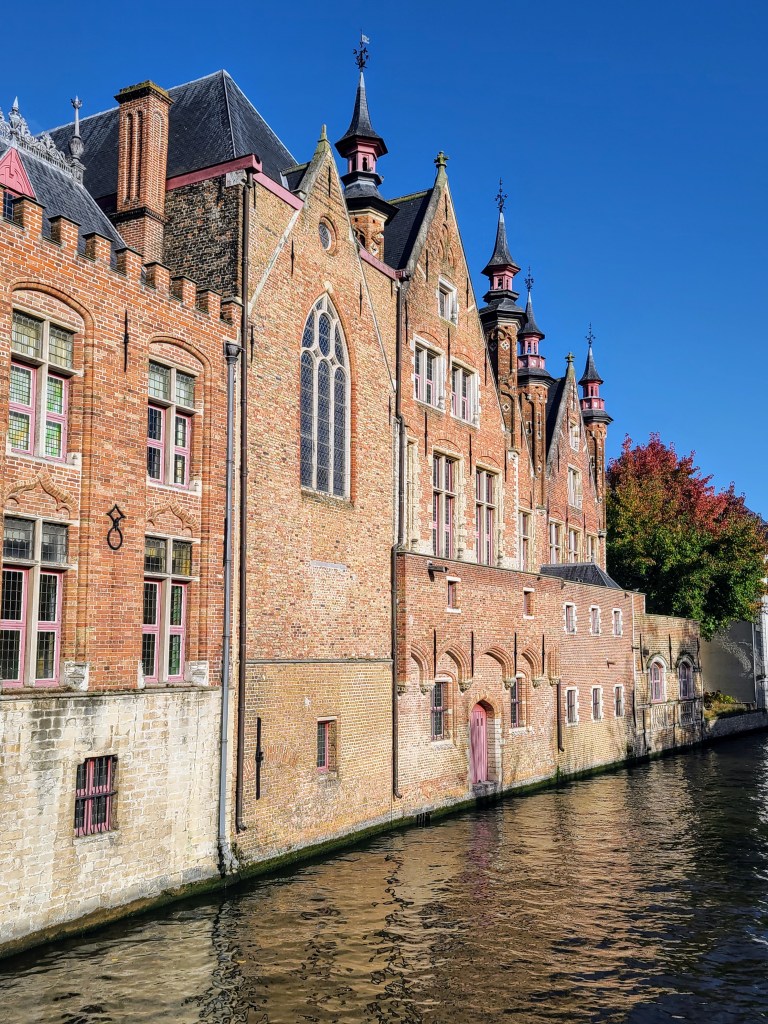
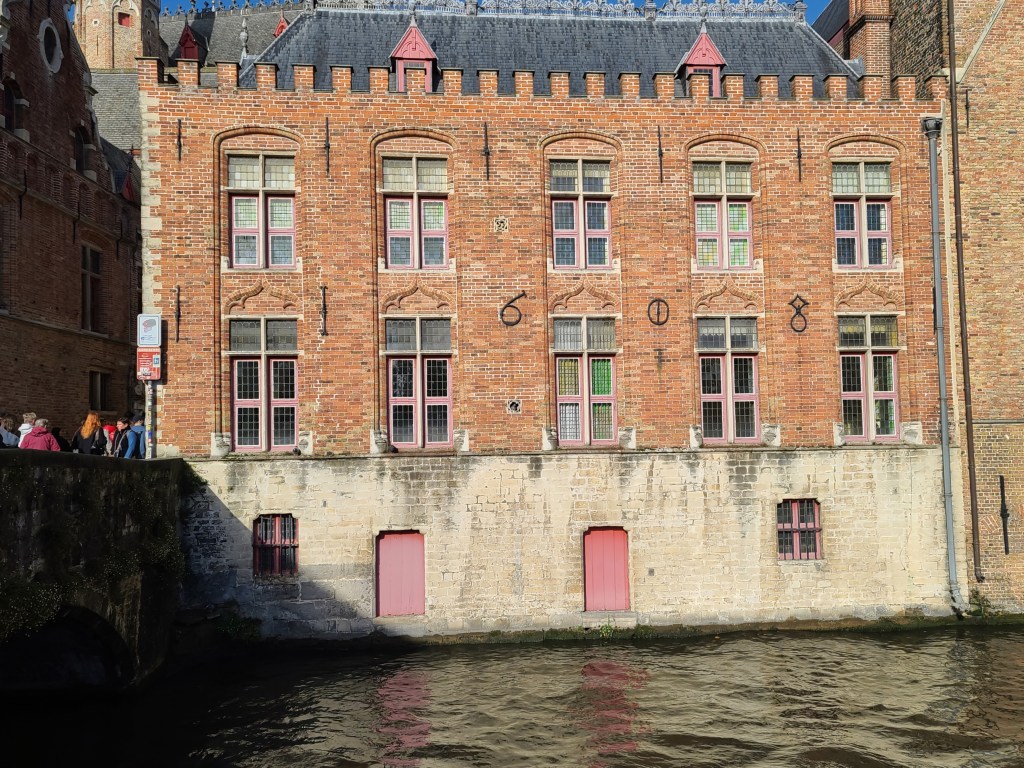
The black iron bars, known as tie rods, literally tied the walls through the interior of the building to prevent the walls from buckling. To keep the tie rods from being pulled through the brick walls, they were connected to star anchors, rosettes or “S” anchors on the outside. You can see the iron rods on the below building dating from 1608. It’s a beautiful building and is matched by several similar along the canal.
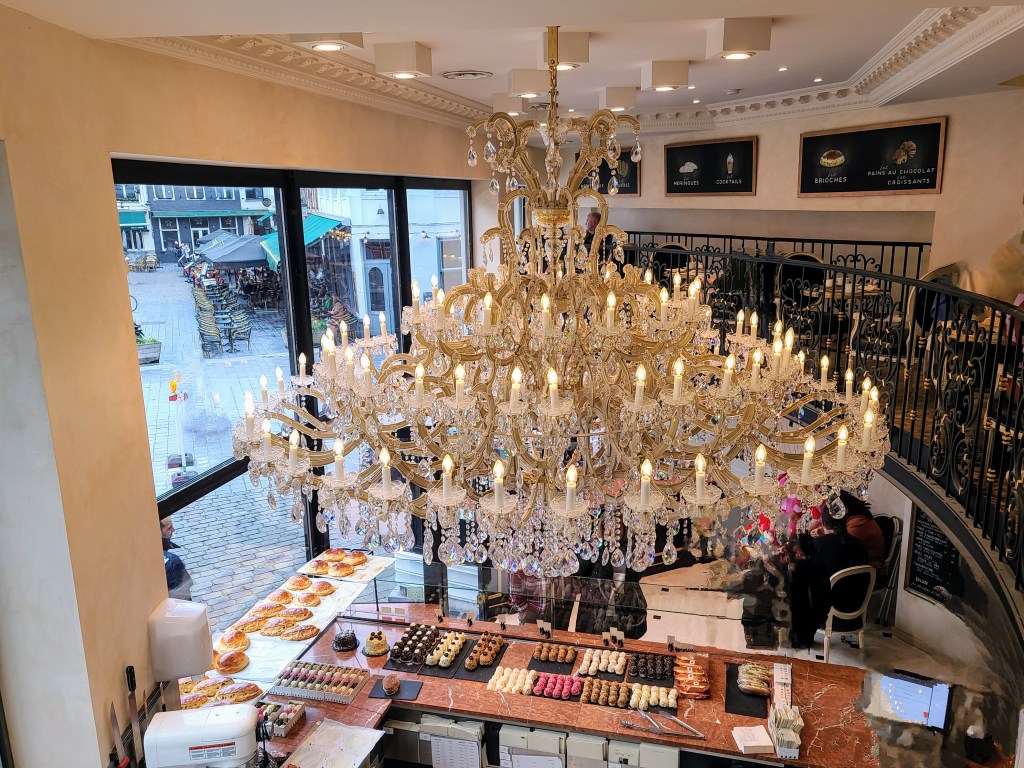
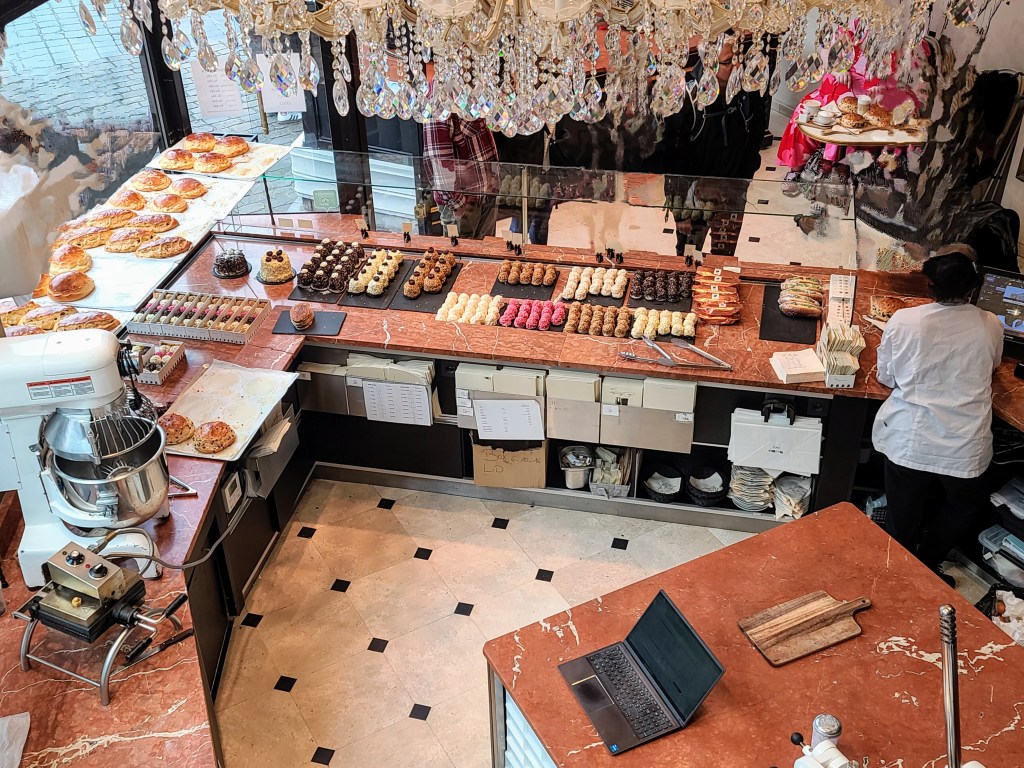
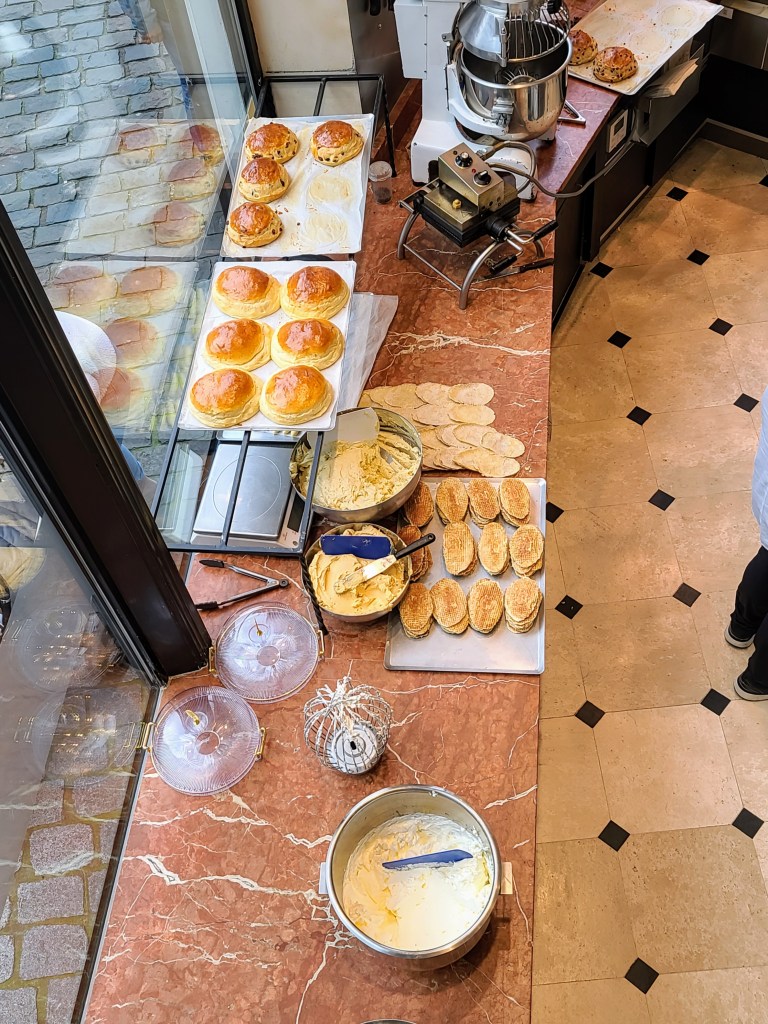
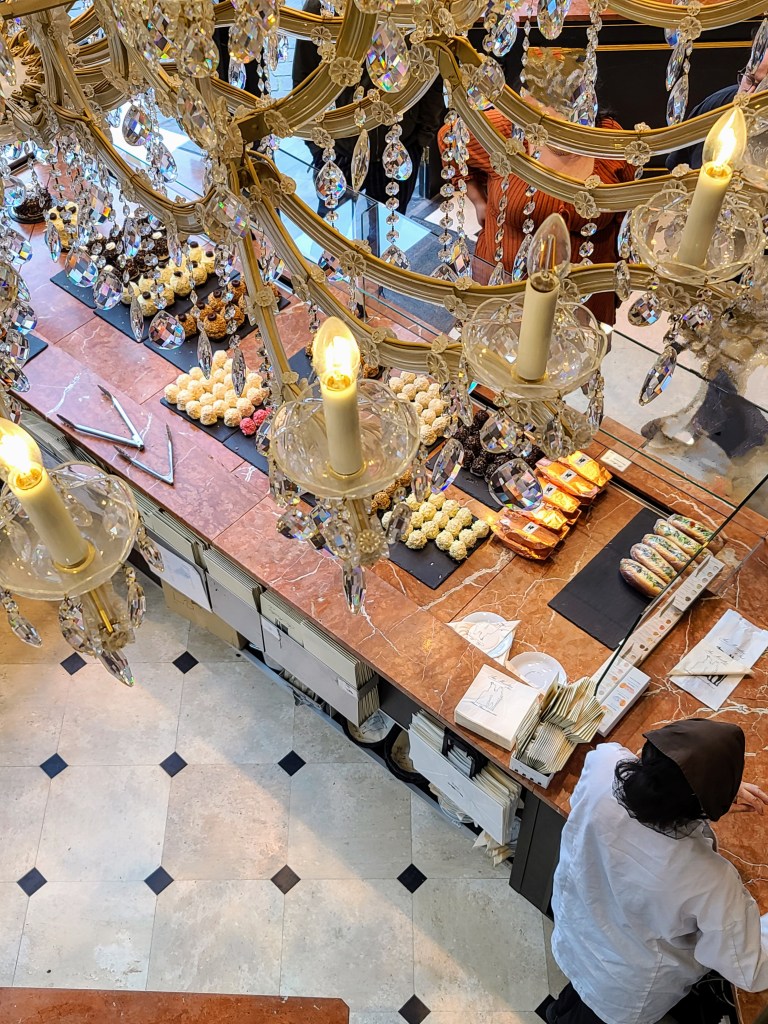
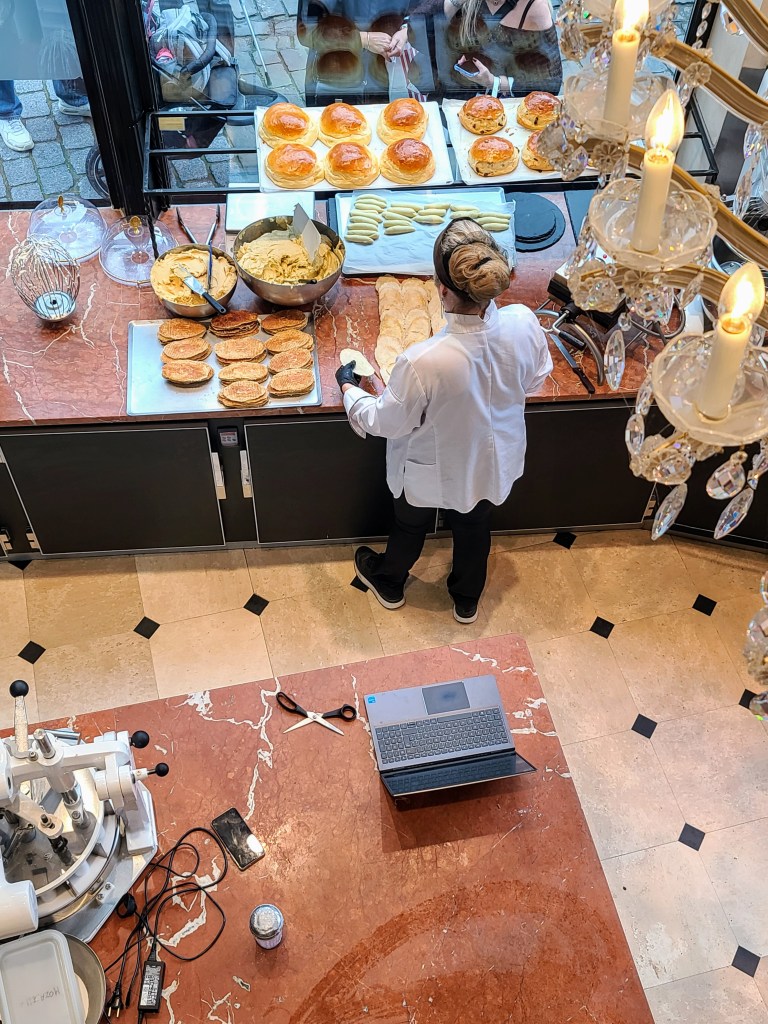
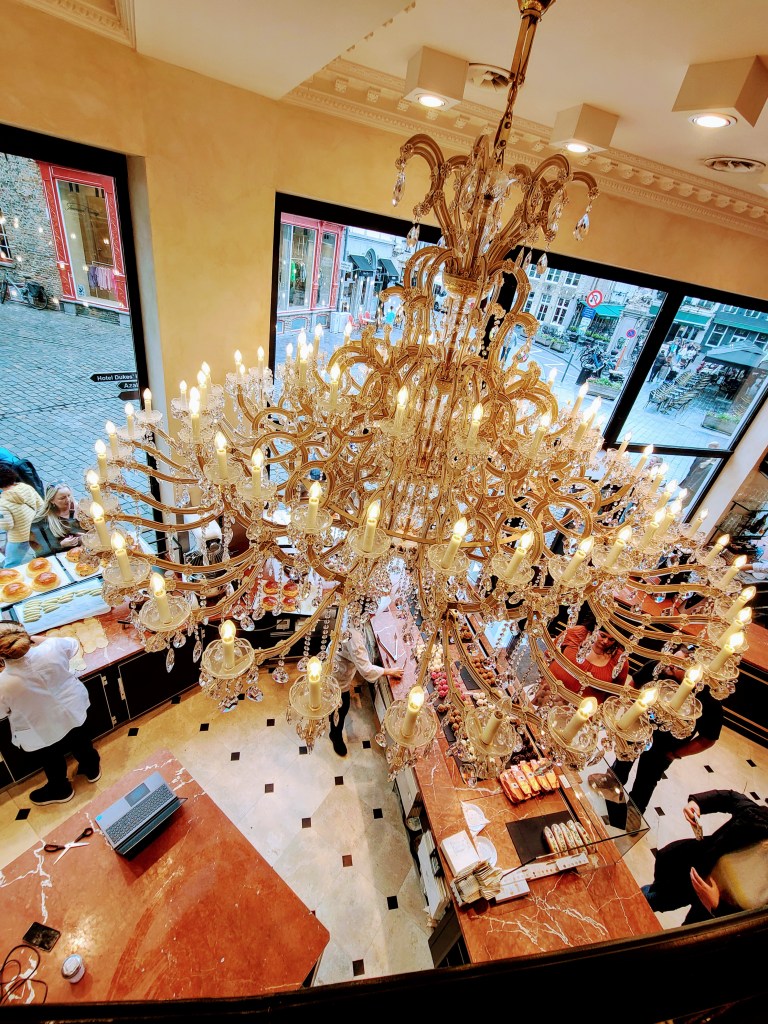
after stopping by the chocolate shops and bakeries it was a very tasty well spent day!
 Schmitz Travel Blog